




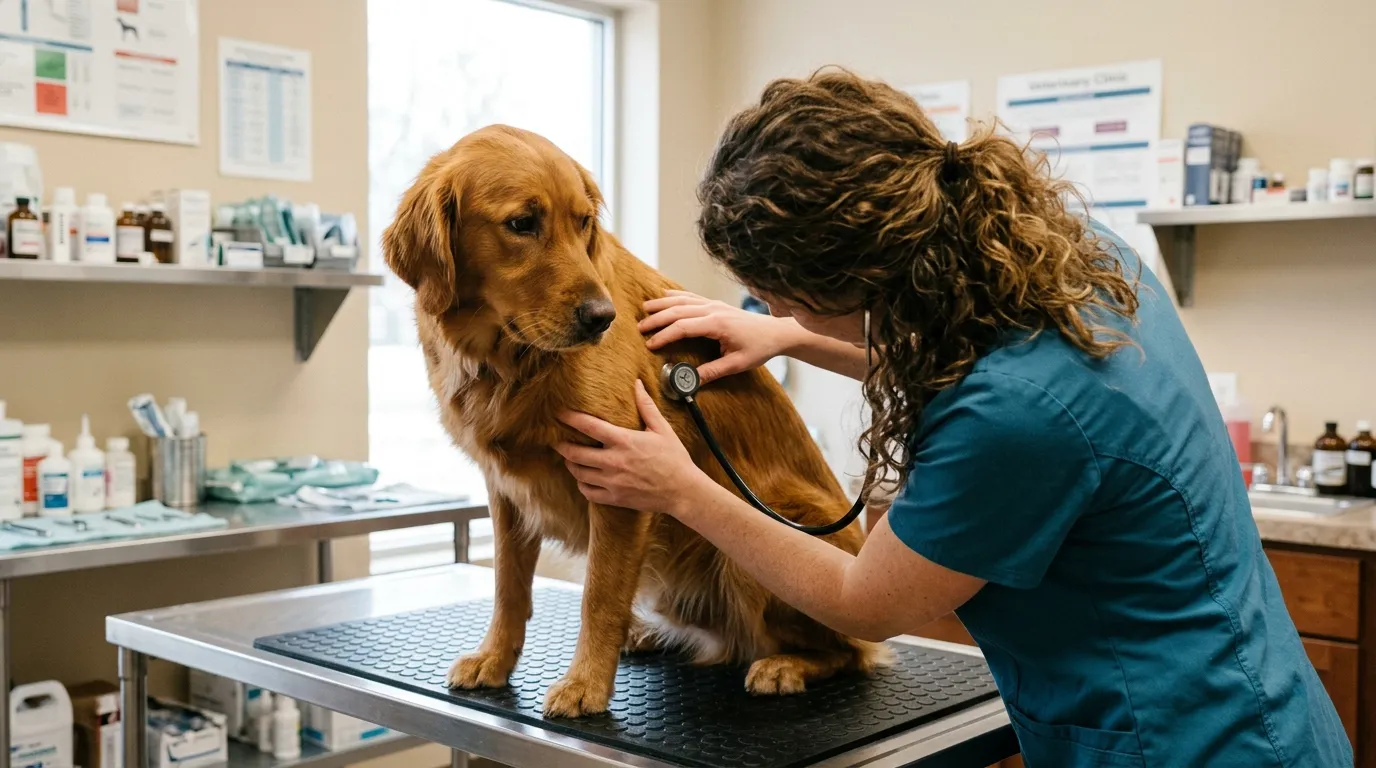
When I was younger, I wanted to be a vet. I remember watching All Creatures Great and Small on TV, and I was in love with the idea. I was an animal lover, so what could be better than helping treat sick animals?
I even did my high-school work experience at our local vets, with whom we had a close bond due to the cat fostering and charity work my family was involved with. I sat in on surgeries and even got to help out a little.
Sadly, life took me in a different direction, but my admiration for vets and love of animals has not lessened. Below, you will read some truly eye-opening veterinary statistics that will possibly change the way you view animal healthcare.
Top 8 Statistics You MUST Know
- In 2024, the Average Vet Salary Was $125,510
- Currently, More than 86,400 Vets Are Employed in the US
- The average tuition fee for becoming a veterinarian is $275,000
- The Number of Vet Schools and Colleges in the US Is 33
- From 2024 to 2034, Veterinarian Employment Is Expected to increase by 10%
- In 2025, the Pet Industry Reached Almost $157.0 Billion
- Vet Stats Show the Most Expensive Pet Health-Related Cost is a Dental Disease
- At Least Once a Year, Owners Should Take Their Pets for a Vet Visit
How Much Do Veterinarians Make?
Below are six mind-blowing statistics about how much veterinarians make.
In 2024, the Average Vet Salary Was $125,510 (BLS)
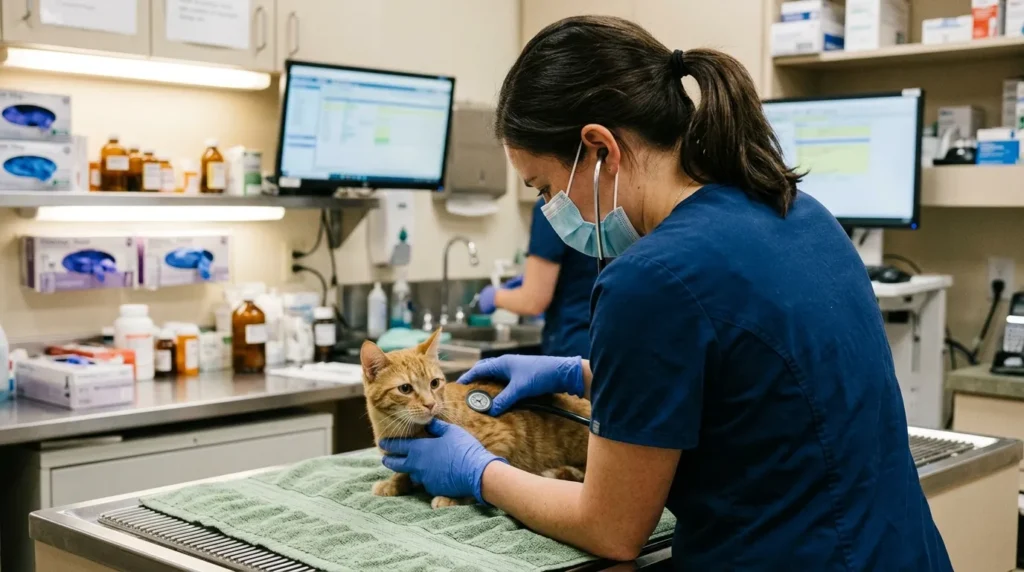
As reported by the BLS, in 2024, the average vet salary was $125,510 per year. That works out to roughly $60.34 per hour.
However, the actual salary will vary considerably depending on experience, location, and any areas of specific specialization and training.
The Mean Annual Wage for a Vet Male Is $114,519 (Zippia)
The same report confirmed that male vets earned a median annual wage of $114,519. The report pointed out the nearly $14,753 gender pay gap, which equals to 12.9% lower pay for female veterinarians compared to male veterinarians. However, this is an average salary and does not specify the different levels of qualification and specialty niches.
For example, vets who own their own practices will earn more than those they employ. City vets earn more than rural vets, so any disparity would need further analysis to reveal the true differences between the pay for male and female veterinarians.
The Mean Annual Wage for a Female Vet Is $99,766 (Zippia)
According to a report on Zippia, the average wage for a female vet is $99,766. However, there is still a significant gender disparity when it comes to vets’ salaries, which means that, on average, female veterinarians earn about 87 cents for every dollar earned by male veterinarians.
In 2024, 86,400 Vets Were Employed (BLS)
According to a report published by the BLS, there were 86,400 veterinarian jobs in the United States in 2024. That works out to an average of 1,728 veterinarian jobs per state.
According to the American Veterinary Medical Association (AVMA), the U.S. has an estimated 133,475 veterinarians in 2025—an average of about 2,670 per state.
There Is a High Demand for Veterinarian Jobs (BLS)
The same report also confirmed that there is a very high demand for veterinarian jobs. There is a 10-year outlook that forecasts a 10% growth in the number of employed veterinarians across the US, from 2024 to 2034, much faster than the average for all occupations.
By 2034, the survey estimated there would be over 95,000 actively practicing vets across the country. From 2024 to 2034, around 8,300 new veterinary jobs are expected to be added.
There are 243 rural veterinary shortage areas in 46 states, which is the highest number of shortage areas ever. (USDA)
According to the USDA, in 2025, over 243 different rural areas in 46 US states were underserved by active veterinary services. The USDA has found that almost every U.S. state has at least one rural or livestock area that does not have enough veterinary services.
The main reason for this is that rural vets are paid less than those in the big city and are often required to put in longer hours.
How Many Veterinarians Are in the US?
Below are six fascinating stats about how many veterinarians are in the US.
Currently, More than 49,434 Vets Are Employed in the US (Zippia)
According to an article from Zippia, there are currently just 49,434 employed vets in the US right now.
This number is far less than the total number of veterinarian jobs, which also goes some way to explaining the shortfall, especially in rural vet practices.
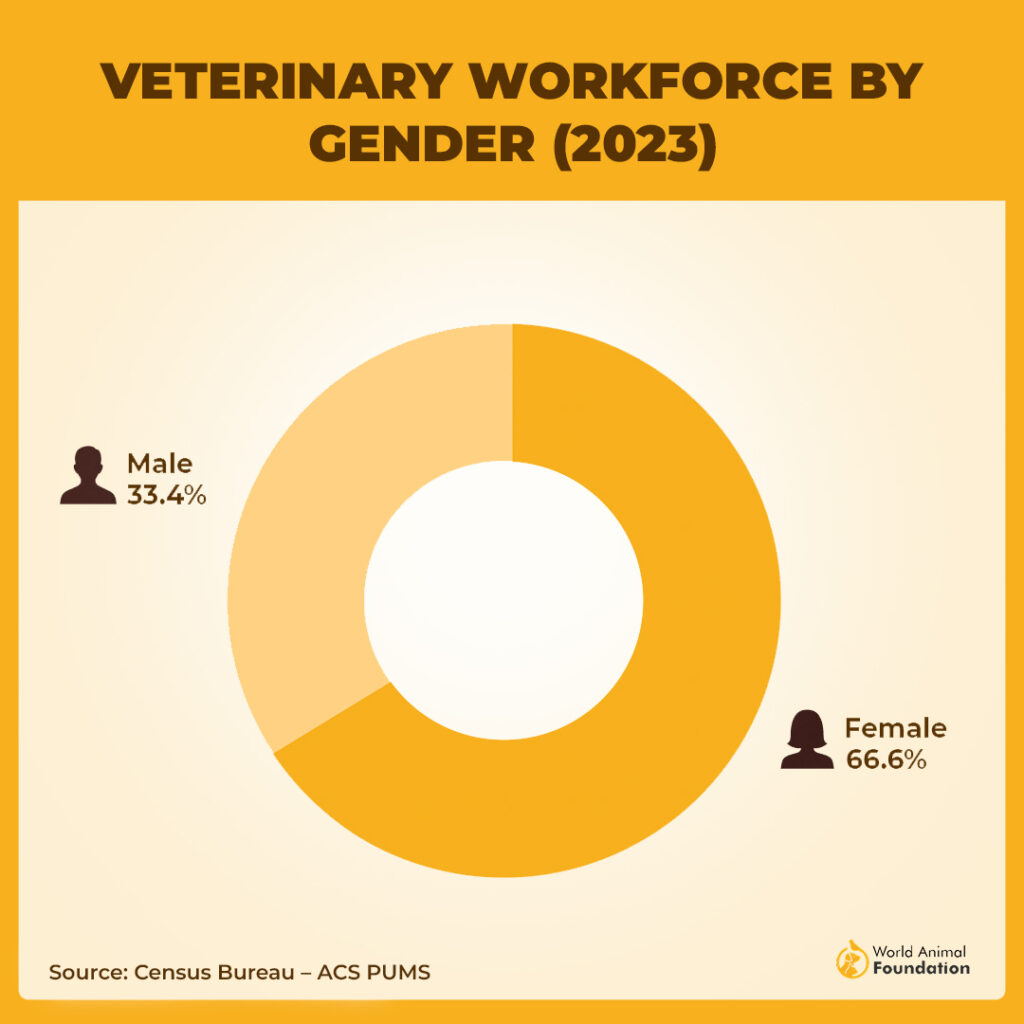
33.4% Are Male Vets, While 66.6% Are Female Vets in the US (Data USA)
This means that there are more female vets than male vets, with females making up nearly 66.6% of the profession. Among the listed age ranges, 30 to 34 years had the highest concentration of the workforce, with 16,440 people.
More and more women are following a study path, leading them to become fully qualified vets. The AAVMC data also reported that 83.7% of students currently enrolled in veterinary schools across the US and Canada are women.
The Employed Vet Has an Average Age of 43 Years (Zippia)
According to an article on Zippia, the average age of a practicing vet is 43 years old. Most vets are already at least 24 by the time they complete their studies.
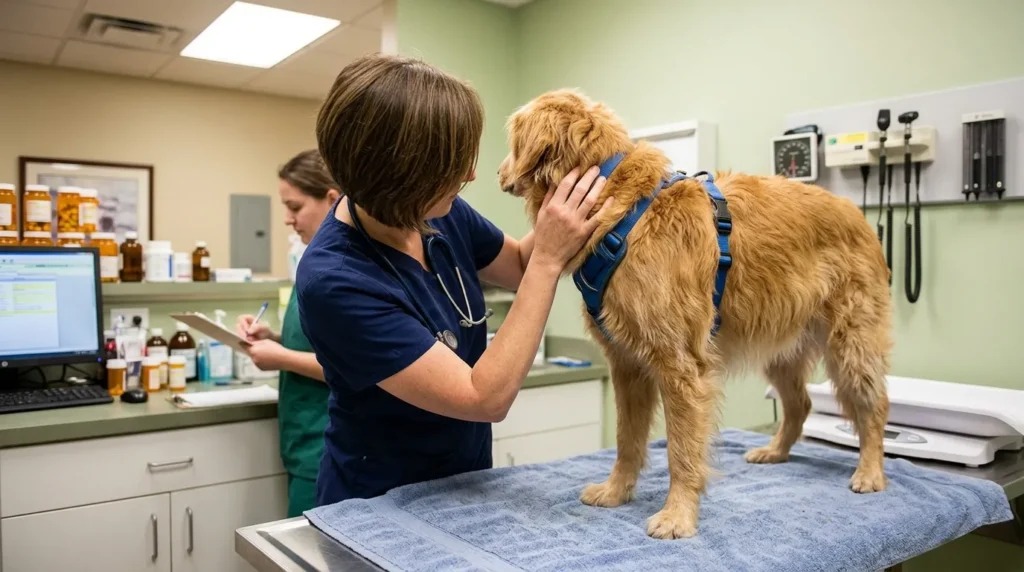
The report further defines that the average age of female vets is slightly lower, which fits with the recent shift in the number of female vets graduating from veterinary school.
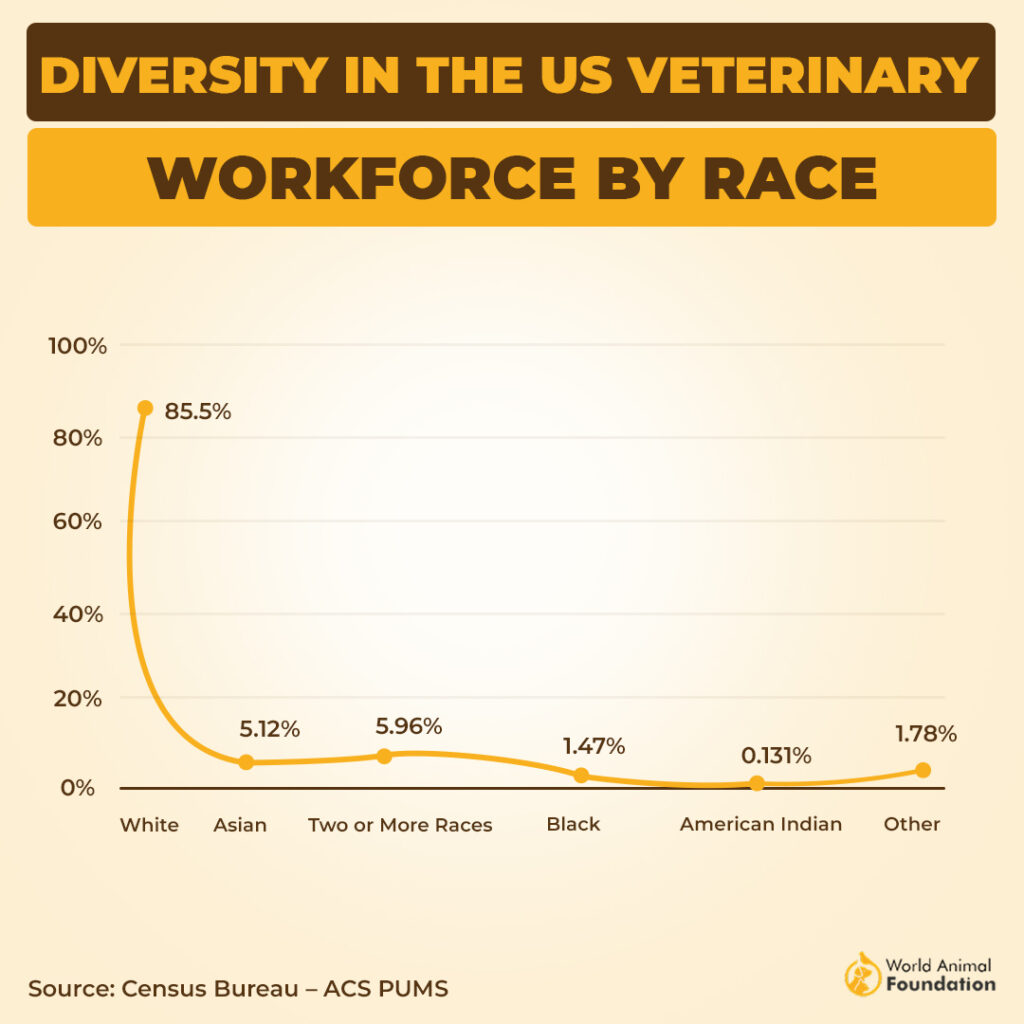
According to ethnicity, in 2023, 85.5% of the veterinary workforce were white. (Data USA)
An analytics report published on Data USA shows the diversity split for practicing vets is heavily slanted towards white Caucasians.
In 2023, 85.5% of the veterinary workforce were white, of which 66.9% were women and 33.1% men. Following this were Asian vets at 5.12%. The analytics noted that 5.55% of veterinarians were Hispanic and 94.4% non-Hispanic.
15% of All Veterinarians in the US Are LGBTQ (Zippia)
A statistical report from Zippia provided a wide-ranging selection of veterinary practice statistics, including the fact that 15% of vets identify as being LGBTQ.
The world of animal healthcare has come a long way in becoming more open-minded since 1977, when the first gathering of the Association for Gay Veterinarians happened.
Veterinarians Are 52% More Likely to Work at Private Companies Rather Than in Education Companies (Zippia)
The same report also revealed that 52% of vets work in the private sector, compared to just 24% who work in education.
Money is most likely a large factor behind this, with it being well-documented that any education-based professions are often underpaid and overworked. The study also revealed that 15% worked for the government and only 9% worked in the public sector.
Education Statistics of Veterinarians
Below are five statistics that discuss Veterinarian education.
The Number of Veterinary Students in the US in 2025 was approximately 200,000 (AAVMC)
According to a report published by the AAVMC, as of 2025, total enrollment of U.S. citizens in AAVMC member institutions reached approximately 20,000 students, including around 16,500 studying at U.S. colleges and about 3,500 enrolled abroad.
Out-of-state students averaged $275,000 for eight-year tuition and fees, whereas in-state students paid $200,000. (Credible Operations)
Out-of-state students incurred a total tuition and fee cost of $275,000 for eight years, while in-state students paid $200,000 for the same duration.
The Number of Vet Schools and Colleges in the US Is 33 (AVMA)
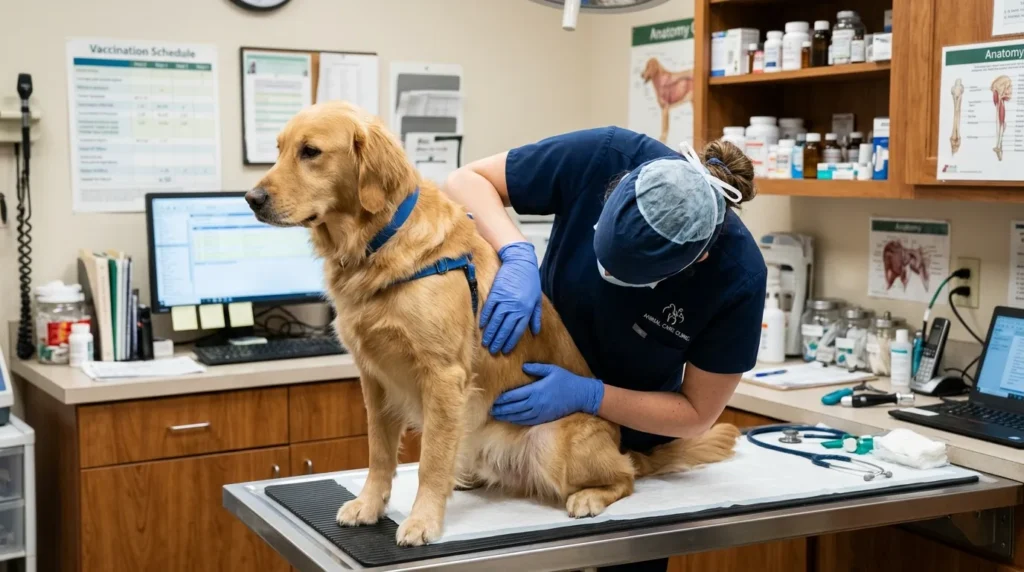
As advised on the AVMA website, there are 33 different accredited vet schools and colleges operating in the United States.
That means there are approximately 485 students attending each veterinary school. The AAVMC also consists of a number of 5 accredited schools from Canada and 14 international schools.
Almost 22 AVMA-Recognized Veterinary Specialty Organizations Have Awarded Diplomate Status to 18,000 Vets (AAHA)
The AAHA website confirms that the association officially recognizes 22 specialty organizations that offer high-level post-graduate training in the more specialized areas of veterinary medicine.
As a result, 18,000 students have been awarded diplomate status after finding employment within these 22 organizations.
More than 46 AVMA-Recognized Specializations Are Being Offered for Further Studies (AVMA)
According to AVMA, the 22 specialty organizations offer an incredible 46 different specialty courses, allowing interested vets to specialize and find job openings in any number of important niches.
These studies include niches such as toxicology, animal welfare, and dentistry.
Vets Career Statistics
Below are six statistics looking at veterinarian jobs and careers.
The Majority of vets either work in Private Clinics or Hospitals (BLS)
An article published on the BLS revealed that most veterinarians work in private veterinary clinics or hospitals. Around 77 percent of veterinary professionals who work in private medical practices treat pets.
Other common locations where veterinarians work are veterinary colleges, farms, laboratories, zoos, and other animal-based attractions.
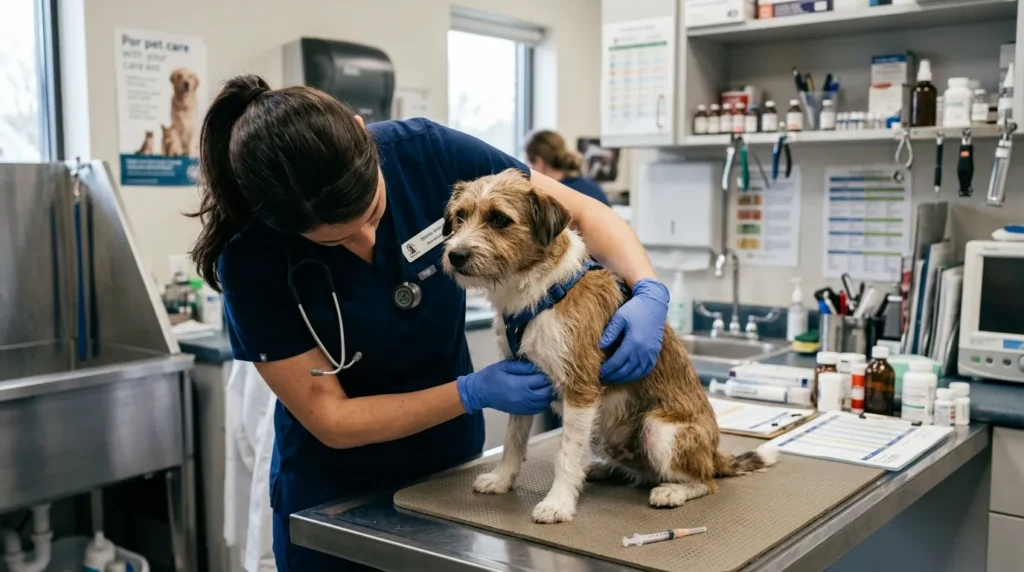
The Percentage of Companion Animal Vets Is Almost 71.1% (AVMA)
Previously, the percentage of companion Animal Vets was 77%. However, according to AVMA. 71.1% of all veterinarian jobs are working with companion animals in 2025. This means that over three-quarters of vets work to treat animals such as cats, dogs, and other traditionally kept pets.
The article also mentions that a further 3.1% work as food animal veterinarians.
From 2024 to 2034, Veterinarian Employment Is Expected to Increase by 10% (BLS)
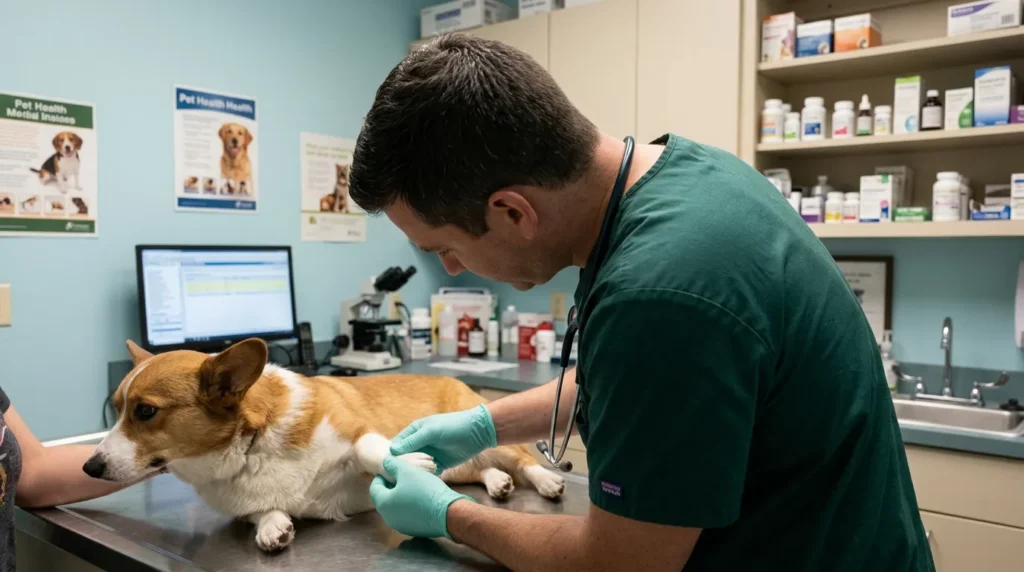
According to the BLS report, veterinary medicine is set to grow by 10% over the next decade. According to the Bureau of Labor Statistics, there are about 3,000 openings for veterinarians projected each year, on average, over the decade.
In 2025, Only 3.9% of Vets Were Working with Horses (AVMA)
According to the AVMA report, the number of graduated vets working solely with horses accounted for only 3.9% in 2025.
Most vets find the idea of working with farm animals unappealing. This is possibly due to the longer hours, frequent need to travel for vet visits, and lower pay for working in rural areas.
The Number of Vet Clinics in the US Ranges from 28,000 to 32,000 (AVMA)
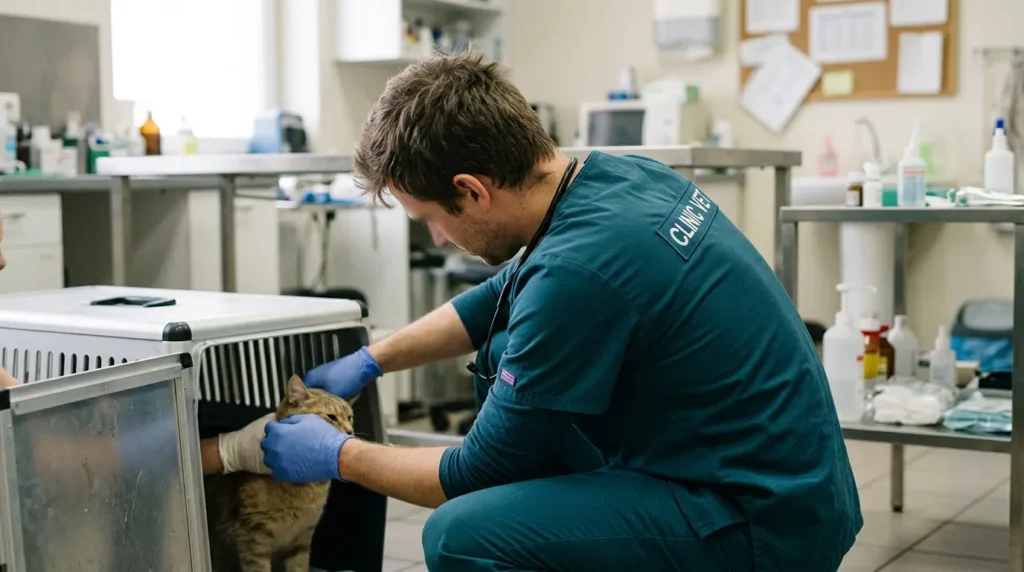
According to this post by the AVMA, as of 2018, there were estimated to be between 28,000 and 32,000 operating veterinary practices. Of these, 3,500 were thought to be company-owned.
The report detailed a rising trend of larger companies purchasing smaller practices and incorporating them under a singular company banner. This includes specialized as well as mixed animal practices.
21% of the Vets Work Part-Time, While the Remaining 79% Work Full-Time (Career Explorer, BLS)
Statistics revealed that 21% of vets worked part-time. Interestingly, the total number of veterinarians working part-time is twice as high for female vets as it is for male veterinarians.
Veterinarians and Pet Owners Statistics
Below are six interesting facts about veterinarians and pet parents.
In 2025, the Pet Industry Reached Almost $157.0 Billion (American Pet Products Association)

According to a report published by the APPA, the pet industry in America exceeded $158 billion in 2025.
In 2024, the pet industry’s worth neared $152 billion, highlighting its massive size and significant economic impact. If anything, the pandemic seems to have increased the bond between pet parents and their companion animals.
The Average Cost of a General Pet Examination Ranges from $60 to $150 (VetCostCalc)
According to VetCostCalc, in 2026, the average cost of a routine veterinary exam for dogs ranges from about $60 to $150
This sort of check refers to a basic physical exam. Some vets will also offer a scheme that includes vaccines in an initial new animal checkup.
The Average Vet Visits for Dogs and Cats Cost around $174 and $124, respectively (Best Money)
According to Best Money, the average cost of a vet visit for dogs in the US is $70-$174, and for cats it is $53-$124.
This relates to routine animal checks by a veterinarian. When looking at the average cost of surgery-related visits is $500-$2,500+ for dogs and $400-$1,800+ for cats.
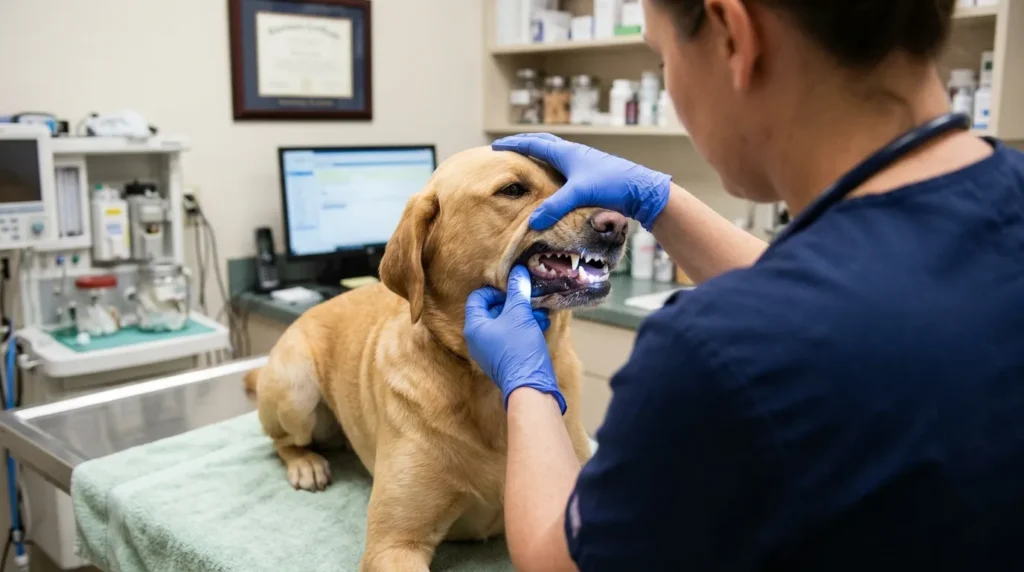
Stats Show One of the Most Expensive Pet Health-Related Costs for Pet Owners Is a Dental Disease (DVM 360)
According to DVM 360, dental disease has been shown to be very costly for pet owners. It is the most expensive condition to treat in dogs and the second most expensive in cats.
- Root canals: $1,200 to $2,000
- Periodontal disease: $2,000 to $3,000
- Dog teeth cleaning costs range from $307 to $702
- A professional dental cleaning for a cat typically costs between $300 and $682
Additionally, dental and mouth diseases can have far-reaching complications, impacting the kidneys, heart, and other vital bodily functions.
At Least Once a Year, Owners Should Take Their Pets for a Vet Visit (WebMD)
As per a post on WebMD-Pets, it is recommended that pet parents take their pets to the vet once a year for a checkup.
However, for more senior pets, a six-monthly visit is recommended because their bodies become less adept at warding off disease and general age-related complications as they age.
On Recommendation by the Vet, 36% of Dog Owners and 31% of Cat Owners Bought Dry Pet Food in 2019 (Pet Food Forum)
In an article published on PetFoodForumEvents, it was revealed that pet owners also turn to their veterinarians for general pet-owning advice. In fact, 36% of dog owners and 31% of cat owners bought dry pet food based on their vet’s recommendations.
Interesting Facts about Veterinarians
Below are three interesting facts about Veterinarians.
- The word veterinarian is taken from the Latin word Veterinae, which directly translates to working animals.
- Veterinarians are the only trained medical professionals who help to protect the overall health and well-being of both animals and animal lovers alike.
- Much like doctors, veterinarians have to take an oath to protect the health and well-being of animals.
FAQs
Below are six frequently asked questions about veterinarian statistics.
What Is the Highest-Paying State for Vets?
Hawaii is the highest-paying state for vets. According to an article published by Forbes, the average salary for a vet in Hawaii is $198,340 per year. New Jersey was second on the list by a long way back in terms of money at just $120,870 per year.
There could be numerous factors influencing the higher salary in Hawaii, including the rare nature of many animals and also the geographical location itself; being separated from the mainland, there are fewer options for animal care.
How Many Animals per Day Are Checked by the Vet?
Over half a million animals are checked by veterinarians every single day in the United States. These numbers come from a report published by the AVMA6 that confirmed there were 202.4 million vet visits per year.
This works out to roughly 554,520 visits per day!
What Is the Average Age of a Veterinarian?
The average age of a veterinarian in the US is 43. Interestingly, the overwhelming majority of vets are female. According to statistics published by Zippia, 62.9% of vets are female.
Yet, shockingly, male vets earn approximately $16,000 a year more than their female counterparts.
How Long Does It Take to Complete a Vet Degree?
In total, it takes 8 years to complete a vet degree. However, that includes a four-year undergraduate course, which then allows you to complete a final four-year vet degree course.
Some schools, such as Ross Vet’s DVM degree program, allow students to complete their vet degree in just 3.25 years. However, this does not include the required undergraduate studies.
What Are the Highest-Paying Veterinary Specialties?
Ophthalmology is the highest-paying veterinary specialty. Veterinary ophthalmologists help diagnose and treat ocular conditions, particularly those in cats and smaller rodent-like animals.
The average salary for a fully qualified ophthalmologist is $199,000, while the top-rated ophthalmologists earn $345,468 per year.
How Many Vets Are Employed by the Government?
According to the FDA, there are more than 3,200 veterinarians who are currently employed by the federal government.
The majority of federal vets work for the United States Department of Agriculture. However, even NASA and the US Congress employ veterinarians!
Wrap Up
Veterinarians do a hard job; from important clinical work to research and laboratory studies, most veterinarians will admit that their career is rewarding but takes a lot out of them.
The above collection of veterinarian-related statistics shines a revealing light on vet care in the United States.
Like many other medical-related occupations, getting a veterinary medicine degree takes hard work and dedication. Yet, the future looks bright for the veterinarian and pet care niche.
Do you have plans to become a veterinarian? What specialty would you consider focusing on? Let us know in the comments. We love hearing from you all.
