





You love dogs, but safety and stability matter most. Perhaps you’ve seen neighbors struggle with unmanageable pets, or read stories of loyal dogs suddenly turning defensive. The reality is that not every breed fits comfortably into domestic life.
Some were bred to guard territory or engage threats before humans could react. These instincts, though once valuable, can be dangerous in modern settings. The problem isn’t the dog itself—it’s mismatched expectations.
Many owners underestimate how much control, training, and structure some breeds truly need. Knowing which dogs demand experience helps prevent tragic outcomes for both people and pets.
The following article identifies breeds known for suspicious, reactive, or unpredictable behavior that make them unsuitable choices for most homes without advanced handling skills.
Key Takeaways
Peaceful homes don’t always mix with dogs wired to observe, assess, and react with caution.
Basenjis, Weimaraners, and Tibetan Mastiffs display cleverness and independence that can leave owners constantly on alert.
Cane Corsos and Anatolian Shepherds pair size and intelligence with protective instincts that demand respect and careful handling.
Read till the end to uncover all seven breeds that, while loyal, might test your calm at every turn.
Suspicious Dog Breeds You Should Avoid
1. Basenji
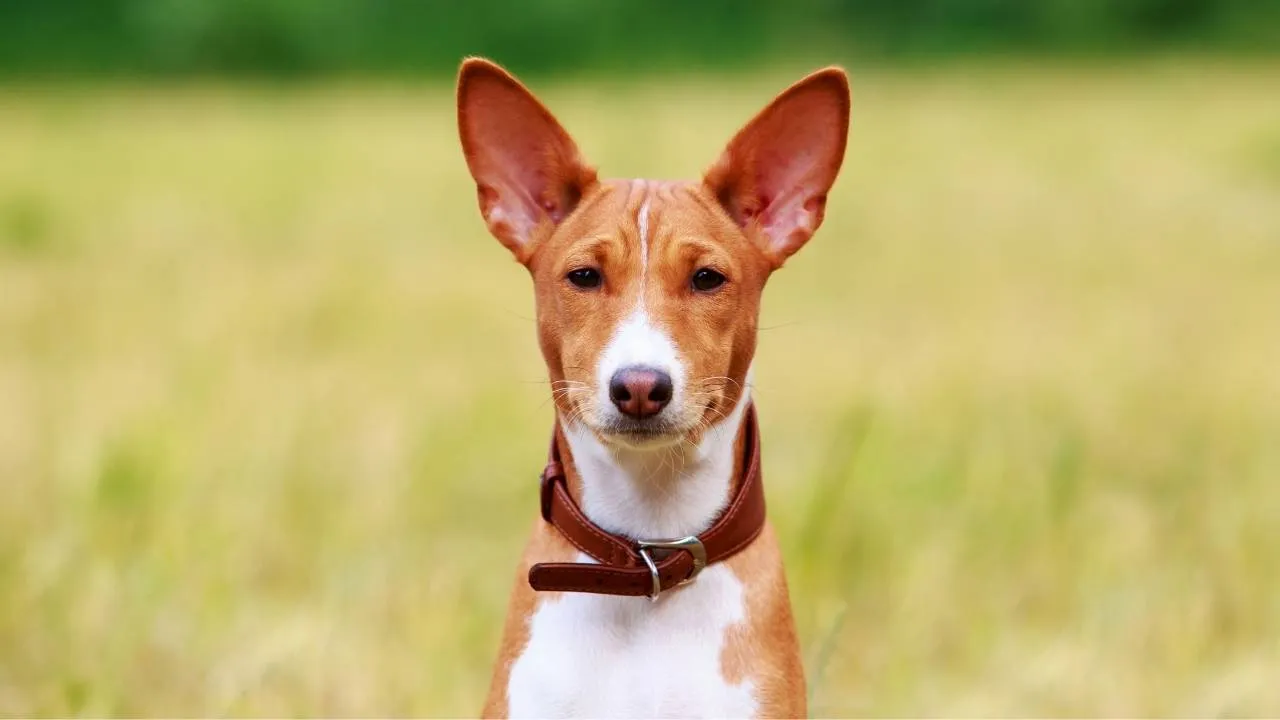
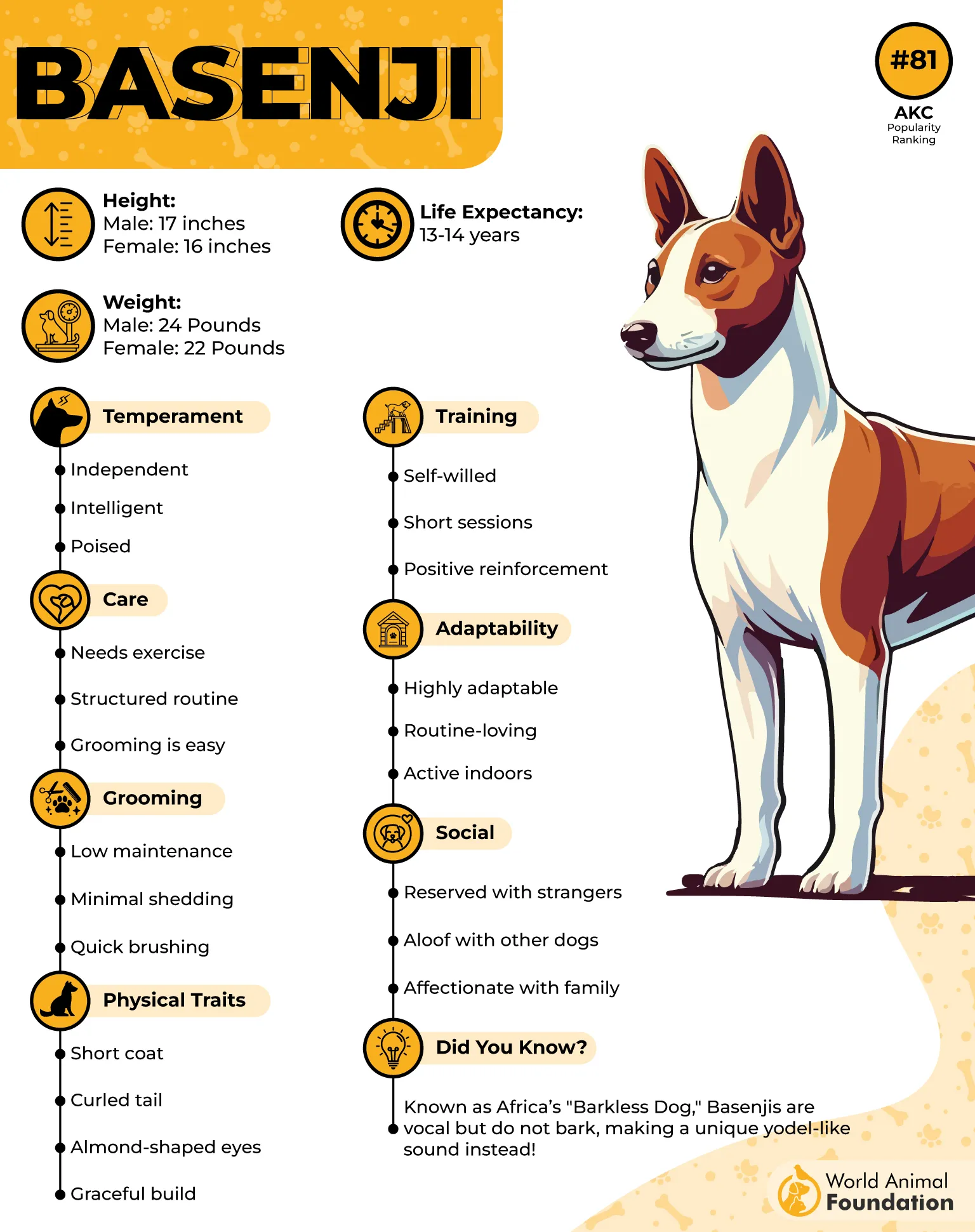
The Basenji moves with the fluid grace of a miniature racehorse, its compact body carrying both power and elegance. Known as Africa’s “Barkless Dog,” it communicates through a unique yodel-like sound instead of barking. This quiet alertness can make its reactions unpredictable for unprepared owners.
Clever and Independent
This breed thinks fast and acts faster, often showing intelligence in ways that can frustrate novice owners. Its independence means it can solve problems on its own, which may sometimes appear suspicious to strangers. Basenjis demand engagement that challenges both mind and body.
Quick traits worth noting:
Expresses itself with yodels
Grooming habits are meticulous, almost feline
Moves with long, smooth strides that hint at speed
Energetic and Curious
Basenjis are endlessly curious, inspecting everything in their environment with keen focus. Their energy is concentrated and can manifest in sudden bursts of movement that surprise both pets and people. This alert curiosity is part of why they can seem unpredictable in new settings.
Distinctive Personality Quirks
While affectionate with familiar faces, Basenjis maintain a wary stance around strangers. Their blend of cleverness and independence often makes them suspicious of unusual activity. AKC experts mentioned that early training and socialization are essential to navigate their lively, mischievous nature.
2. Alaskan Malamute
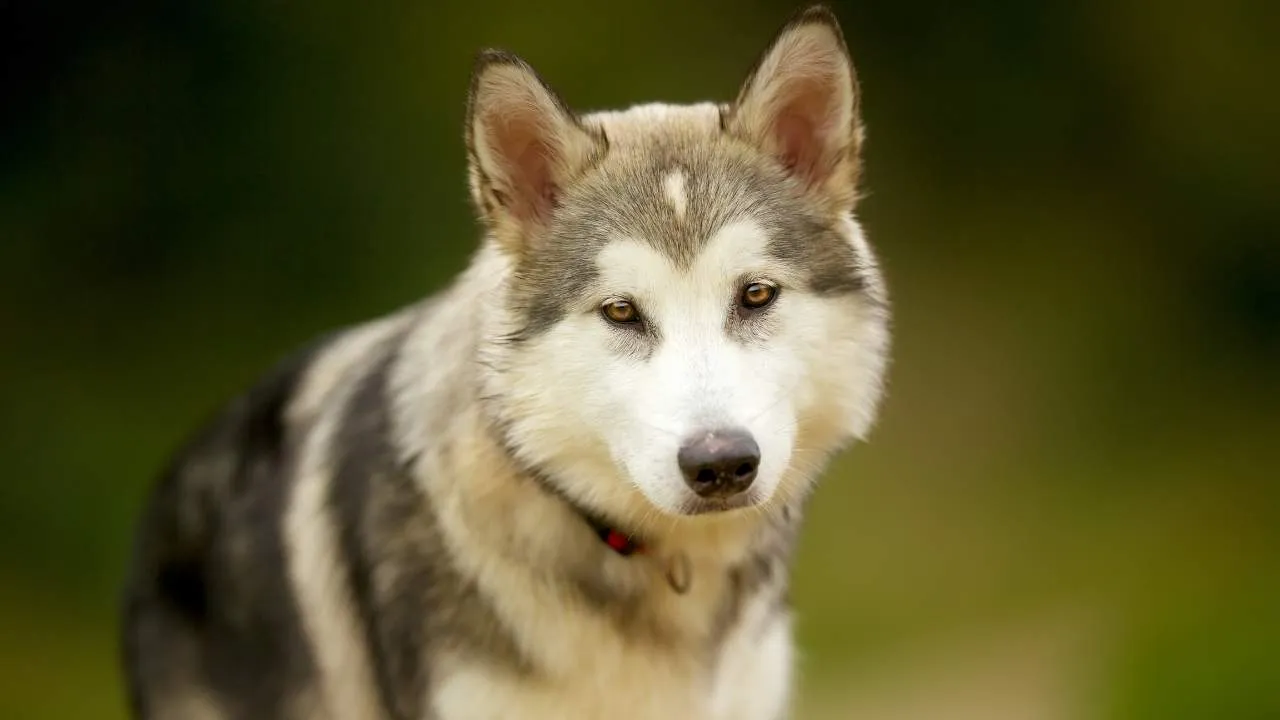
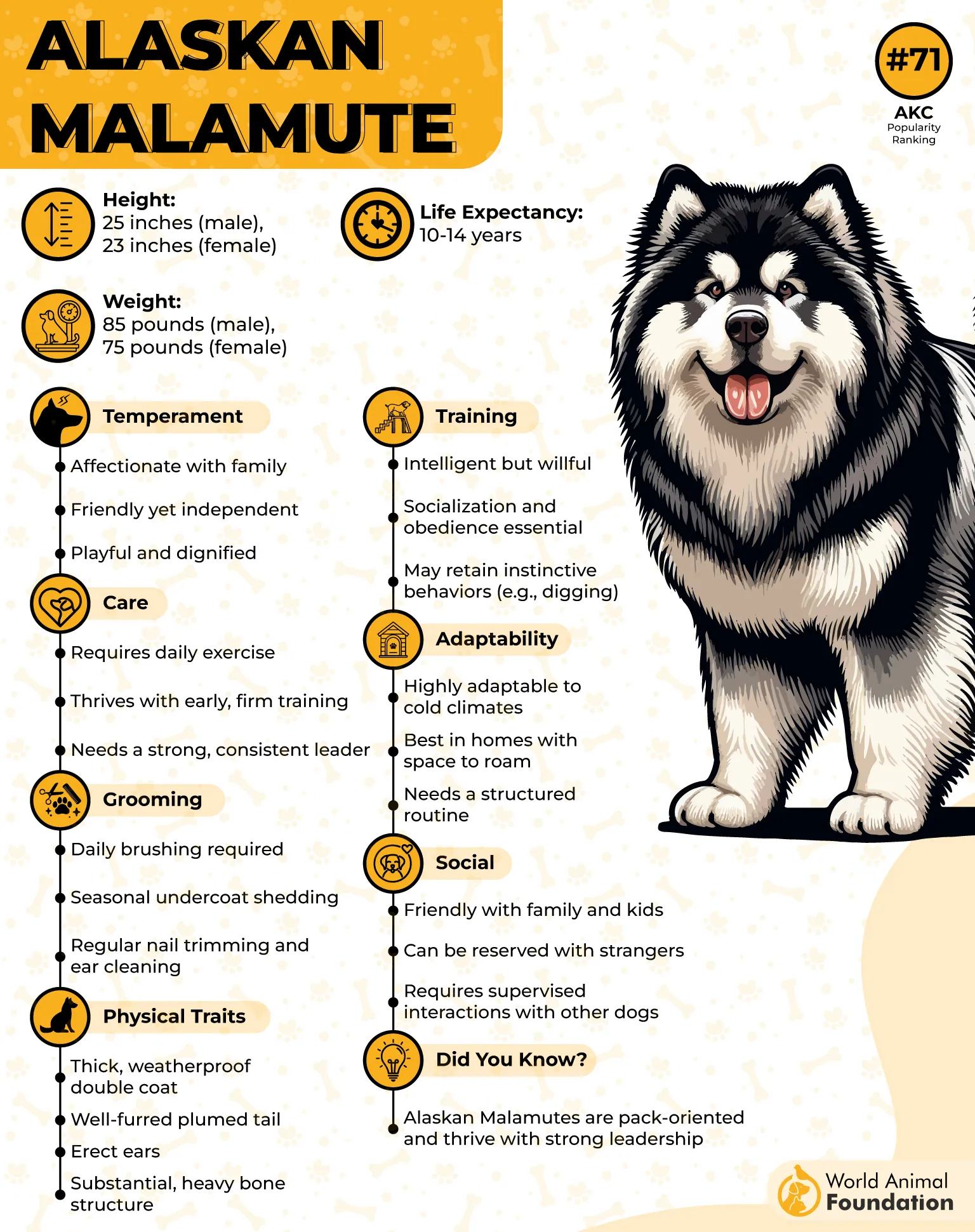
Alaskan Malamutes are famously smart, but their intelligence comes with a willful streak. They quickly spot patterns, learn commands, and often decide when they want to comply. This independent streak can make training a challenge for inexperienced owners.
Adventurous Spirit
These dogs are natural explorers, constantly drawn to anything that sparks their curiosity. Their determination and strength allow them to investigate without hesitation, sometimes escaping yards if boundaries aren’t secure, as mentioned by Orvis.
Some quick traits of this breed are:
Known for scaling fences and slipping through small gaps
Excellent companions for hikers and backpackers
Thrive on long runs and challenging terrain
Exercise Demands
Without proper physical activity, Malamutes may become destructive around the home. Daily walks or runs are essential to burn off energy and keep them engaged. Their playful persistence can test patience, but also creates a loyal, interactive companion.
Watchful and Independent
Malamutes aren’t pushovers; they respect owners only when leadership is clear. Their alert nature makes them cautious of strangers, while their independence ensures they patrol their surroundings actively. This combination can be challenging for households expecting a calm dog.
3. Weimaraner

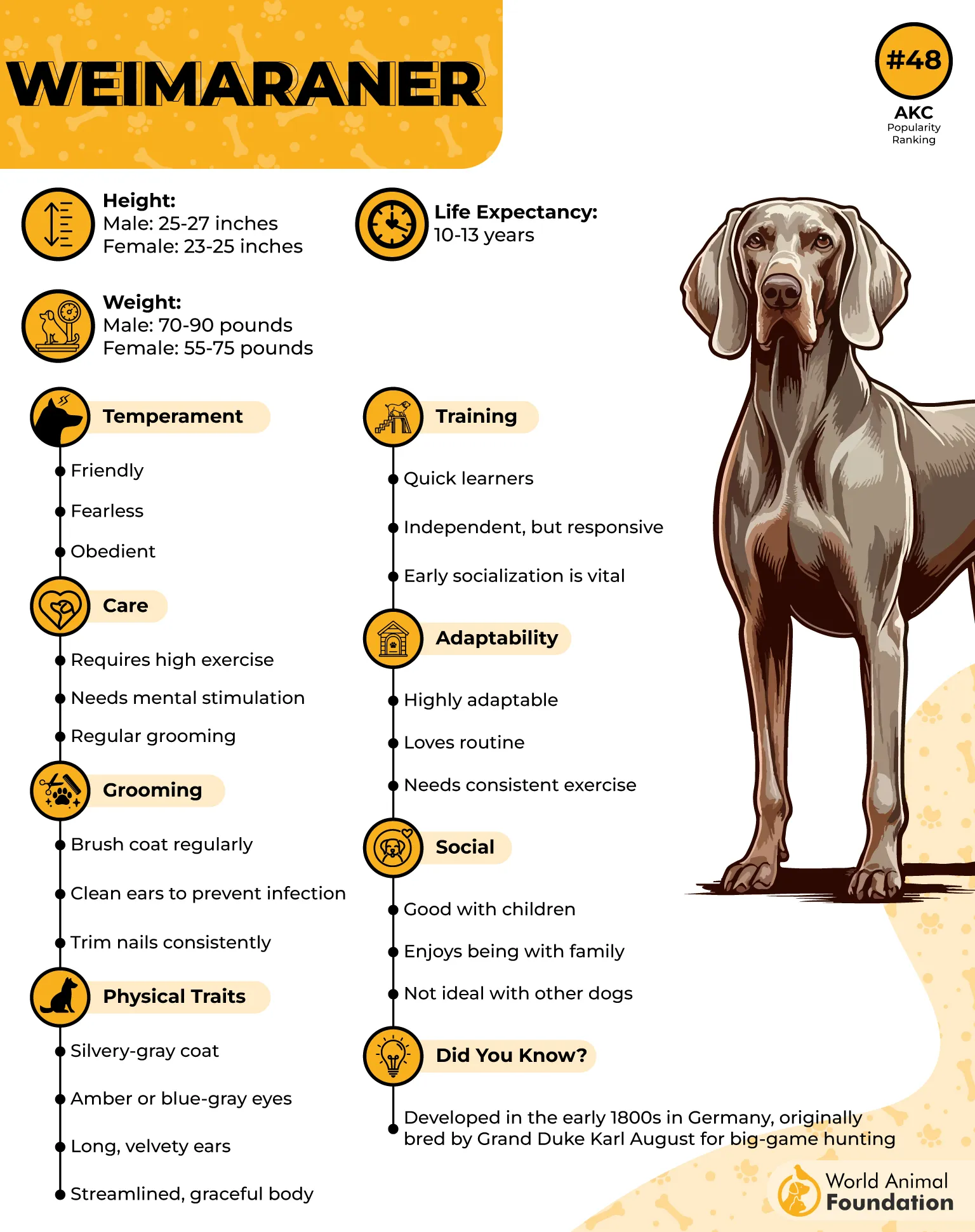
Weimaraners are intense hunters from Germany, often called the “Gray Ghost” for their sleek coat and swift movement. Their energy is relentless, and they expect constant engagement from their owners. Families unprepared for high-activity dogs may find themselves overwhelmed.
Strong Bonds Can Be Demanding
These dogs attach deeply to their humans, sometimes too much. Their loyalty turns into separation anxiety when left alone, causing destructive behaviors.
Their intensity shows in everyday life:
Needs daily vigorous runs
Thrives on mental challenges
Sensitive to changes in routine
Sharp and Alert Minds
Weimaraners are intelligent and observant, always aware of their surroundings. They notice subtle changes in behavior or environment, making them excellent hunting companions but occasionally too reactive in busy homes. Their alertness can translate to hyper-vigilance if not managed consistently.
Exercise Isn’t Optional
Walking alone isn’t enough. Their muscles and minds crave proper energy-draining outlets. Without consistent activity, destructive behaviors set in quickly, leading to chewing and digging, as PetMD mentioned. Handlers of this breed should plan structured training sessions to channel their prey drive effectively.
4. Cane Corso
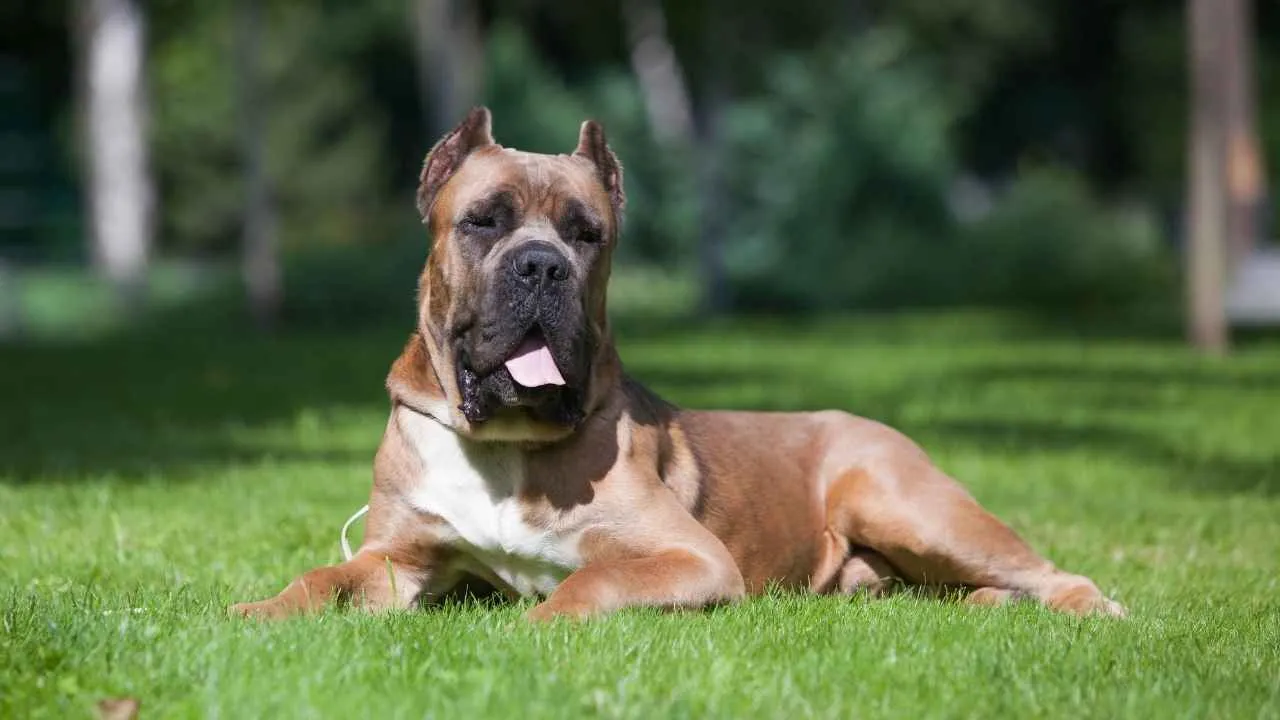
The Cane Corso exudes a quiet authority that immediately signals it is on alert. Its muscular frame and noble bearing make it a natural protector. This breed approaches threats with calm, calculated movements rather than uncontrolled aggression.
Intelligent, Yet Dominant
This breed is smart and highly trainable, but its assertive nature can be overwhelming without guidance. Early socialization is crucial to managing dominance around strangers or other animals.
A few habits to keep in mind:
Needs consistent, confident handling
Responds best to structured routines
Alert and aware of surroundings

Loyalty Anchored in Protection
Cane Corsos form deep attachments to their humans, often prioritizing family safety over play or affection. Their vigilance is intense, making them excellent protection dogs for those who understand the responsibility. Proper training ensures their loyalty does not become overbearing.
Territorial Instincts
This breed naturally guards its home and family, which can make it wary of visitors. They are among the aggressive dog breeds if untrained or unsocialized. With careful management, Cane Corsos learn to coexist safely with other animals while maintaining their guarding instincts.
Note: Expert describe the breed’s demeanor as “an understated air of cool competence, the kind of presence you’d expect from a professional bodyguard.”
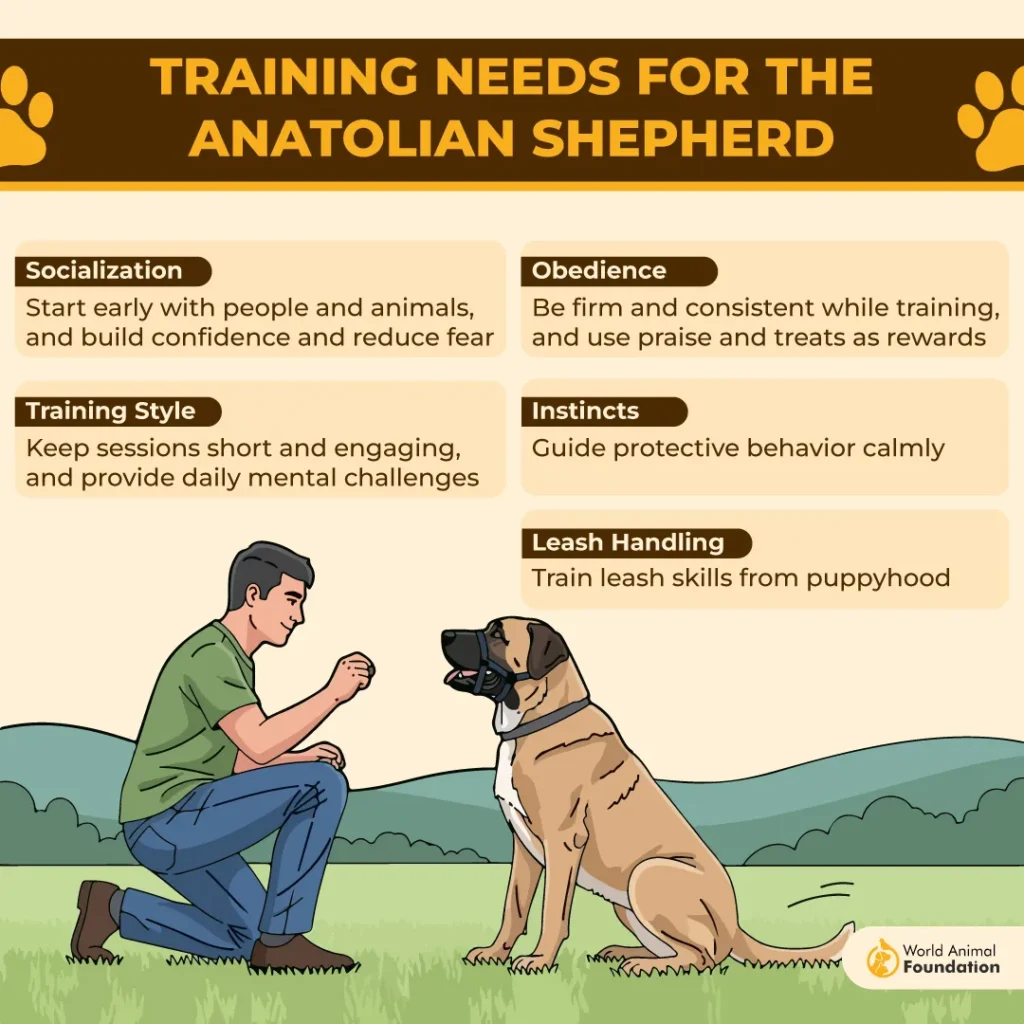
5. Anatolian Shepherd
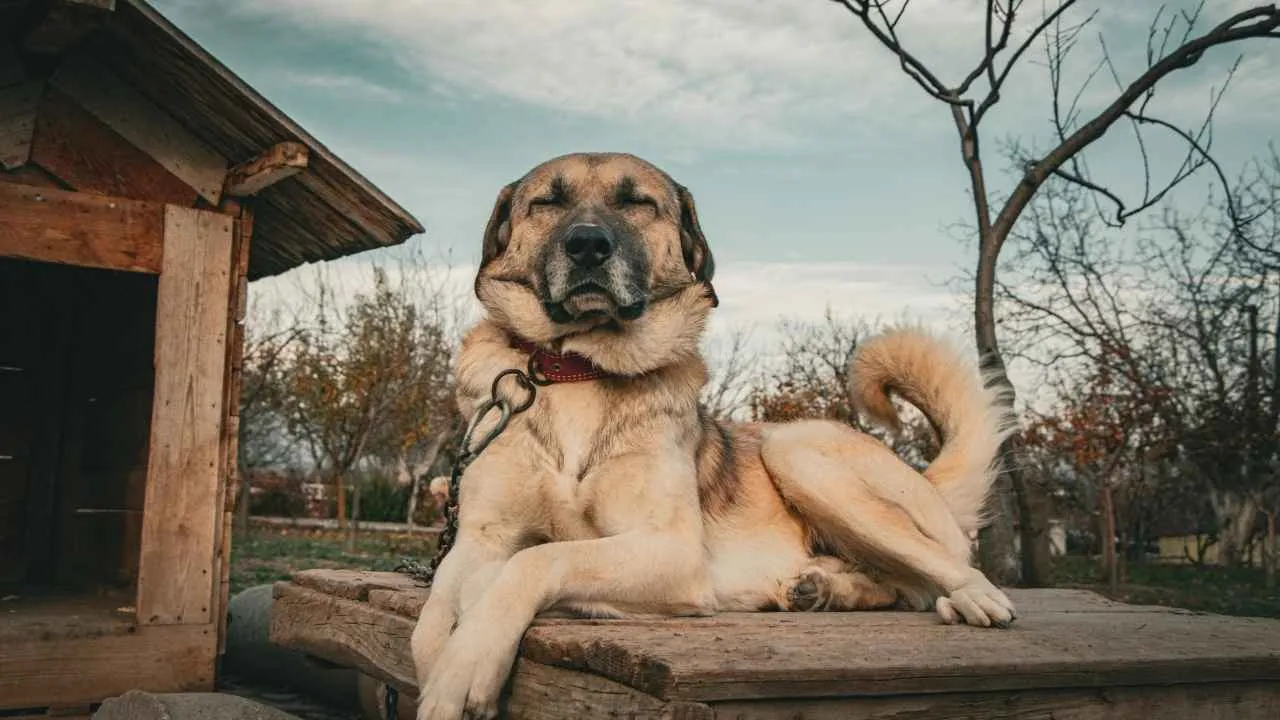
Anatolian Shepherds are built to act on their own, often making decisions without human guidance. Their focus is on protecting property and livestock, which can make them assertive around strangers. This independence, while valuable for guarding, can challenge first-time owners.
Strong Protective Instincts
These dogs are naturally wary of outsiders, standing alert when anything seems off around their family or territory. Their vigilance is a hallmark, which sometimes translates into overprotectiveness. Small details in their environment rarely escape their notice.
Quick points about this breed:
Can ignore commands if they seem unnecessary
Reacts strongly to unfamiliar people near the home
Forms tight bonds with the family while staying cautious
Training Requires Consistency
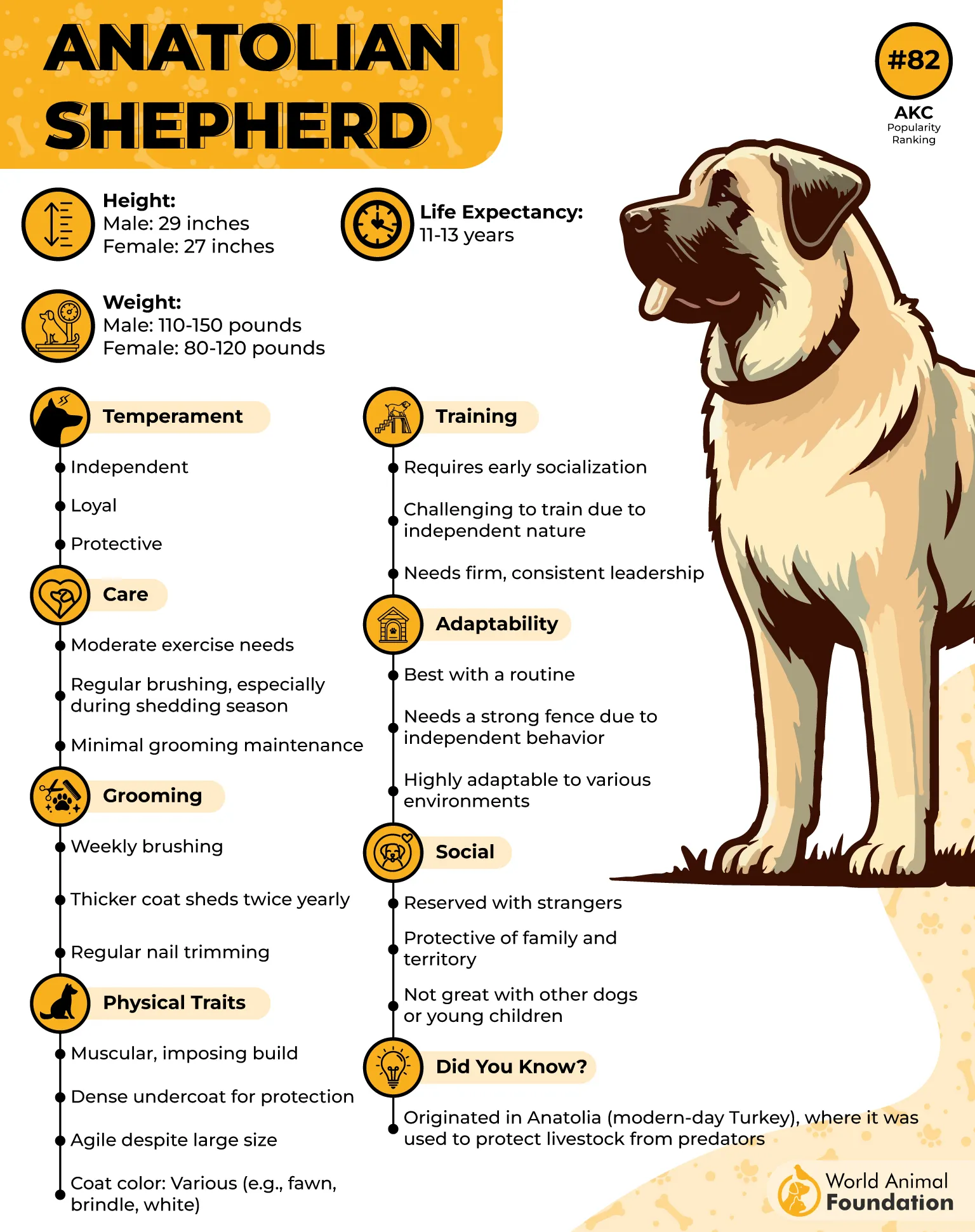
Anatolians respond best to clear and patient leadership, with consistent reinforcement of boundaries. Punishment is often counterproductive, while positive guidance fosters cooperation. Even experienced handlers can find their stubborn streak demanding.
Potential Challenges at Home
While loyal, Anatolian Shepherds may assert dominance in multi-pet households or around small children. Their territorial nature is not always balanced with social skills, making supervision essential. Proper exposure and boundaries are critical for safety and harmony.
6. Tibetan Mastiff
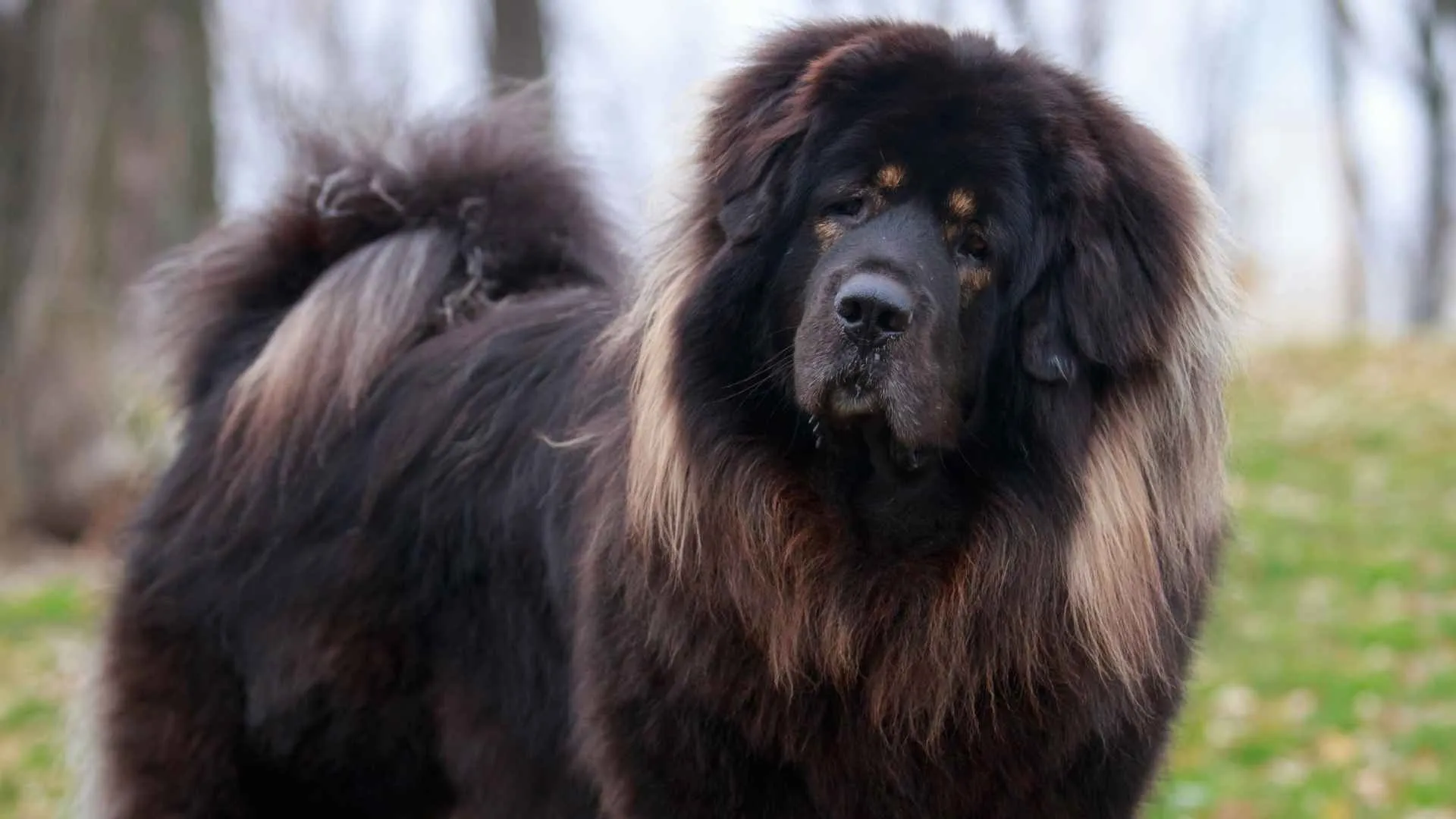
Tibetan Mastiffs have an unmistakable presence, commanding attention wherever they go. Their independence often makes them challenging for first-time dog owners. Without consistent guidance, these dogs can assert control over their household, making them difficult to manage.
Territorial and Protective
These dogs are naturally wary of strangers, which can quickly escalate into aggressive behavior. Their sense of ownership over spaces and possessions is intense. They need a firm, consistent handler to prevent them from overstepping boundaries.
Quick points about their behavior:
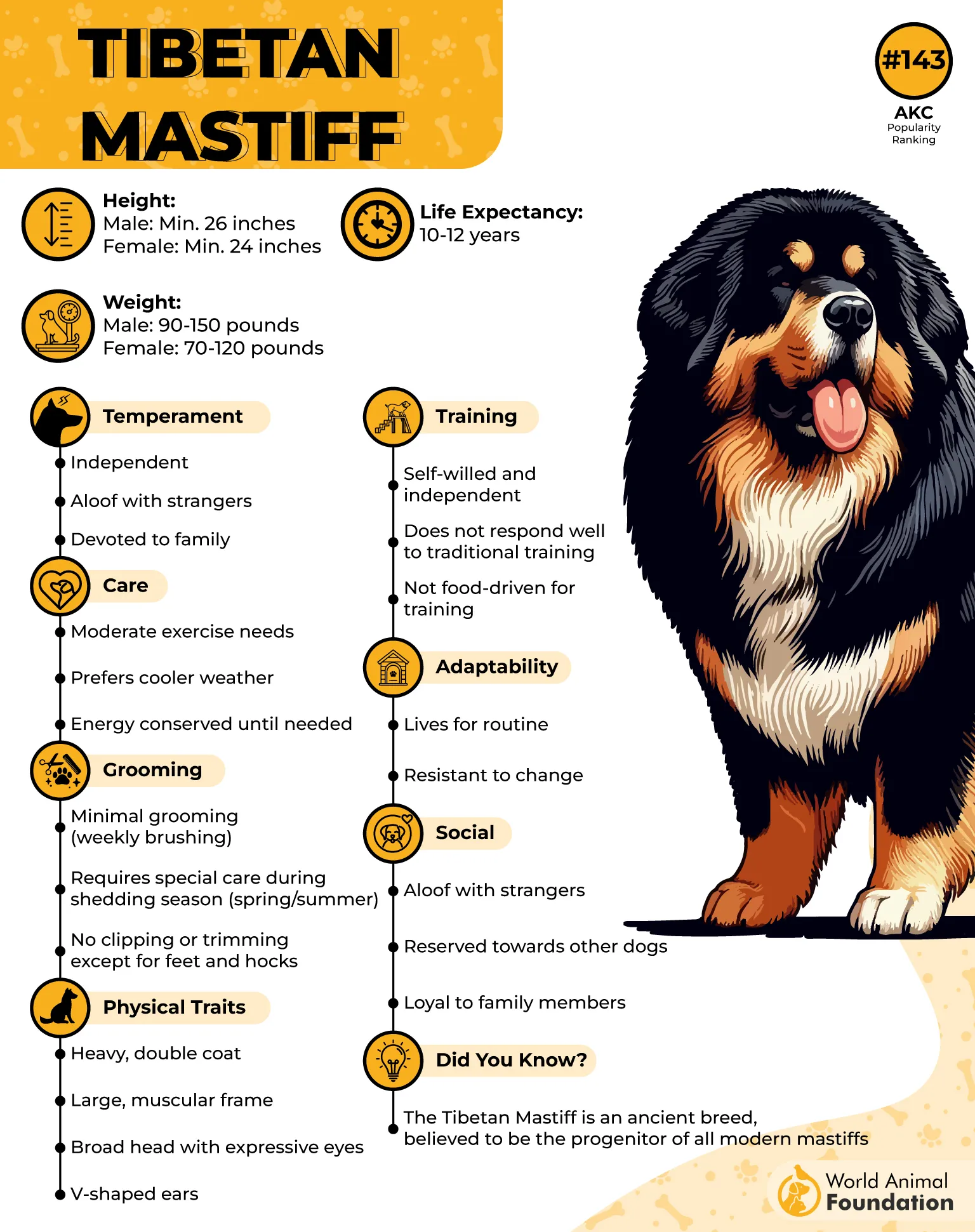
Needs lifelong training, not just as a puppy
Can challenge authority if not managed firmly
Shows strong protective instincts over property and family
Independent and Self-Sufficient
Tibetan Mastiffs often act according to their own judgment, even ignoring commands at times. They are intelligent but require guidance to channel their instincts positively. Their strong-willed nature means they test boundaries repeatedly, which can intimidate inexperienced owners.
Demanding Presence
This breed does not adjust easily to casual pet ownership. Owners must maintain rules consistently to prevent unwanted dominance behaviors. They should not be left uncontrolled, as their territorial nature can escalate very rapidly.
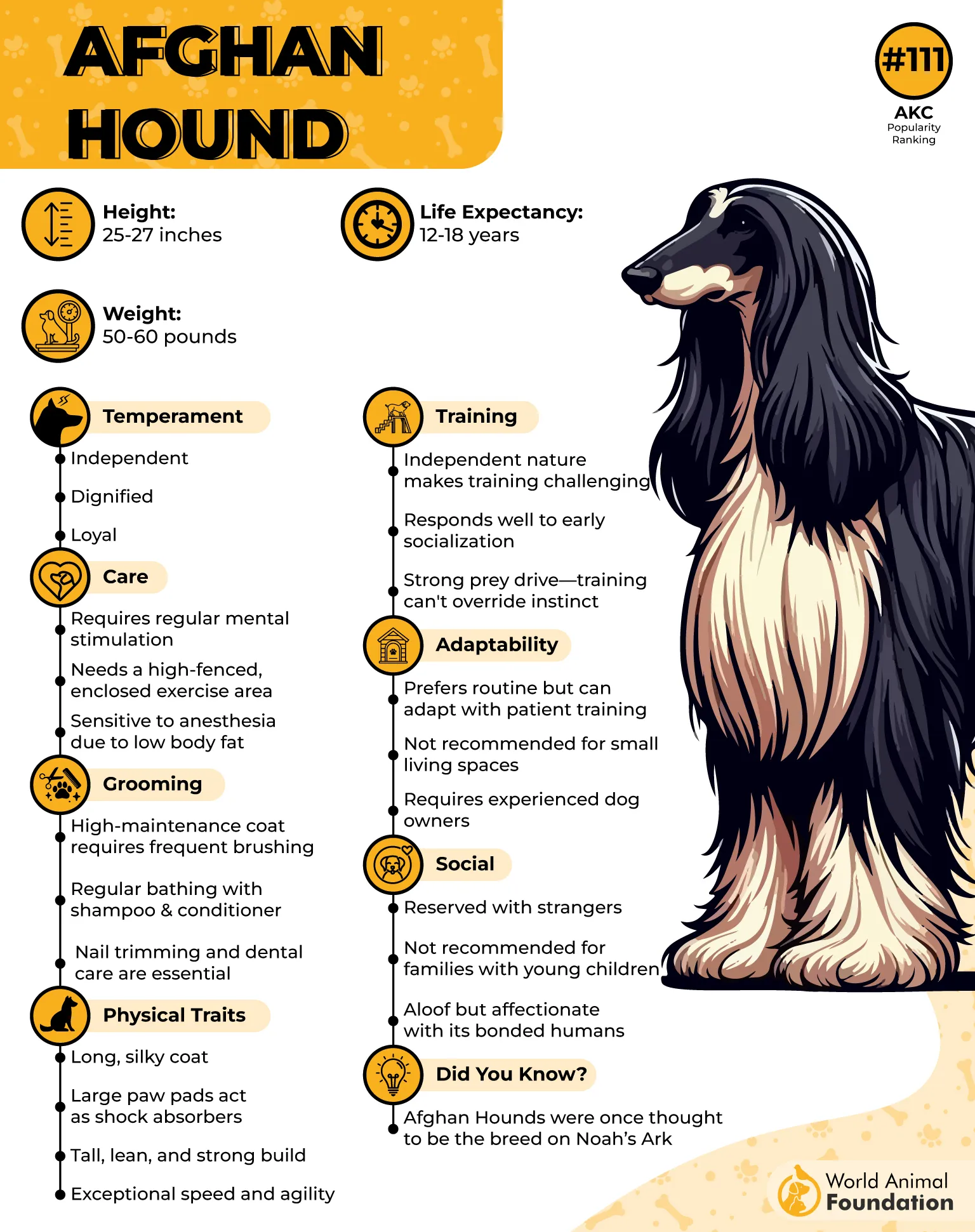
7. Afghan Hound
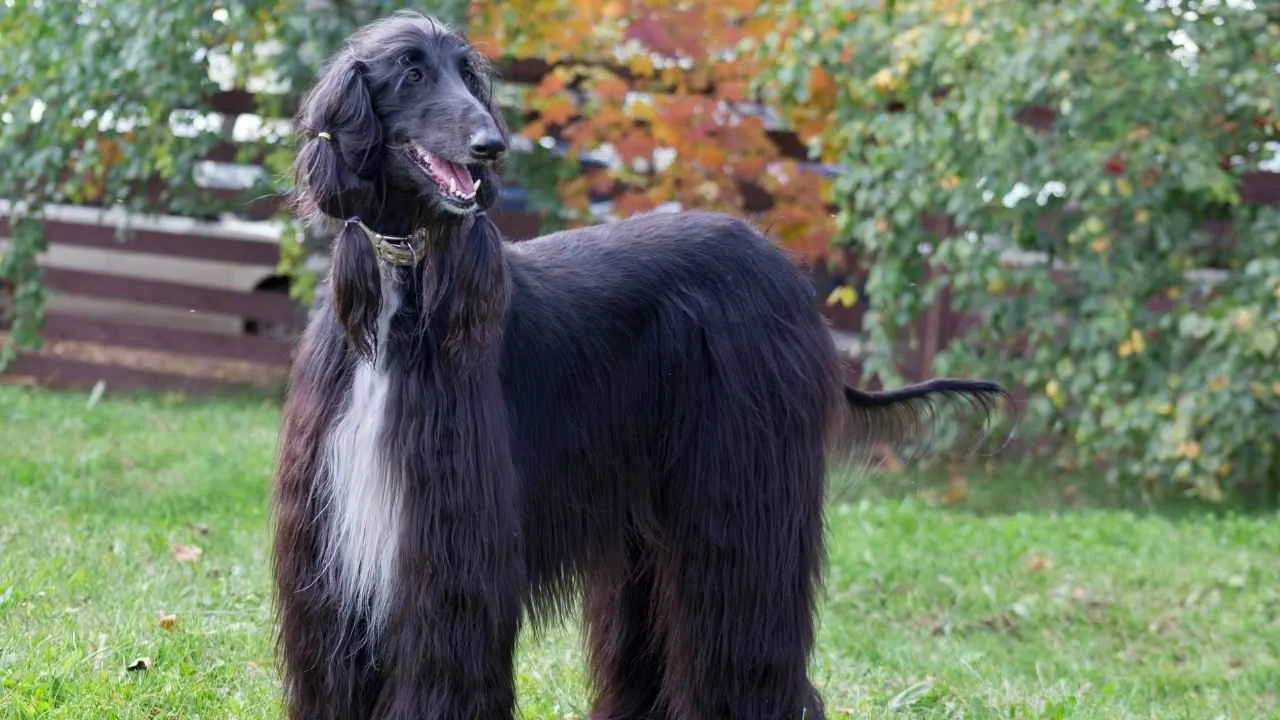
Afghan Hounds move with elegance that hides a fiercely independent streak. While eager to please at times, they often choose their own path, making consistent training a challenge. Their intelligence shows most clearly when they decide what they want to do.
Energy That Demands Space
This breed needs far more than daily walks to release pent-up energy, as WebMD claims. Without a secure area to run freely, their high prey drive can lead to sudden chases. Their focus on movement and speed makes them unpredictable in open spaces.
They excel when they have
Large fenced area to run
Regular long-leashed walks
Playtime that challenges agility
Reserved and Cautious Around Strangers
Afghan Hounds carry a noble demeanor but tend to observe first and act later. They are wary of unfamiliar people and animals, often keeping a calculated distance. This cautious nature can be mistaken for aloofness or suspicious behavior.
Mind of Their Own
Training this breed requires patience, creativity, and consistency, as they rarely respond to pressure. Their strong-minded approach means commands are suggestions rather than rules. This quality, combined with high energy, makes them unsuitable for casual owners seeking obedience without effort.
Conclusion
Choosing the right dog means looking beyond appearance and focusing on temperament. Certain dog breeds carry instincts that make them harder to manage in a family setting. Without consistent training, their alertness can become mistrust, creating tension instead of peace.
While they may offer personal protection, the cost often comes in the form of daily stress. These suspicious dog breeds are not the worst, but they are not suited for every home.
Many still serve as loyal companions to experienced owners who respect their nature. By knowing which to avoid, families can prevent unnecessary risks and reduce the chances of destructive incidents.
