




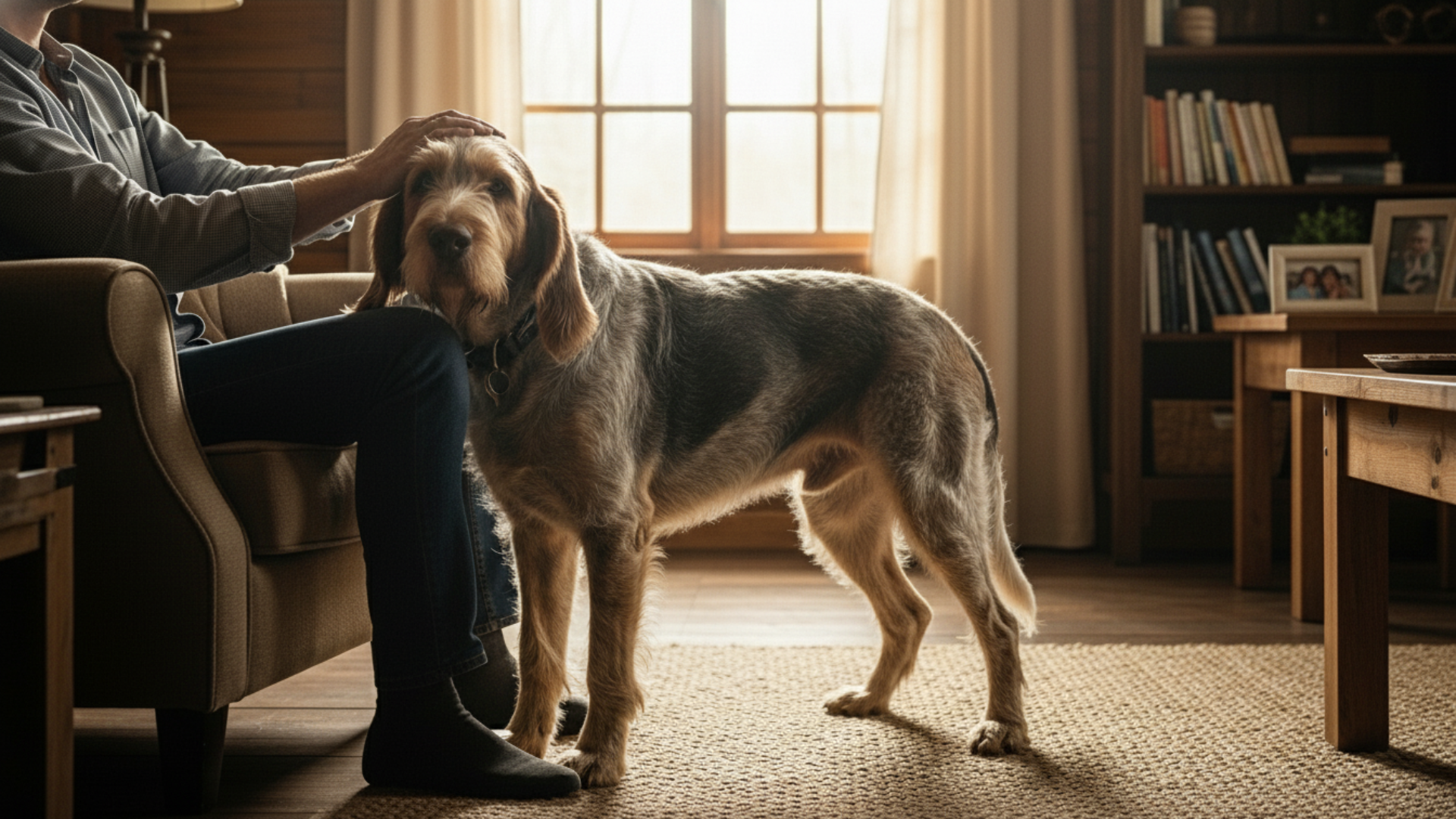
Have you ever wondered what it feels like to be shadowed by a four-legged soulmate? Some dogs don’t just love you—they cling to your heart with astonishing loyalty. These rare companions redefine what devotion truly means.
Not every dog is easy to find, and that’s part of the magic. Hidden across the globe are some rare breeds you may never have heard of, each carrying centuries of history and a unique need for closeness.
These dogs aren’t just pets; they’re guardians of your spirit. They thrive on connection, often mirroring your emotions with uncanny sensitivity. Their attachment is nothing short of breathtaking.
But beware—these breeds aren’t for the casual dog lover. Their need for attention, consistency, and companionship demands a devoted owner who sees them as family.
Get ready to be amazed as we unveil seven extraordinary breeds whose loyalty will astonish you, and whose hearts beat in sync with yours.
Rare Dog Breeds with Strong Attachment Needs
1. Spinone Italiano
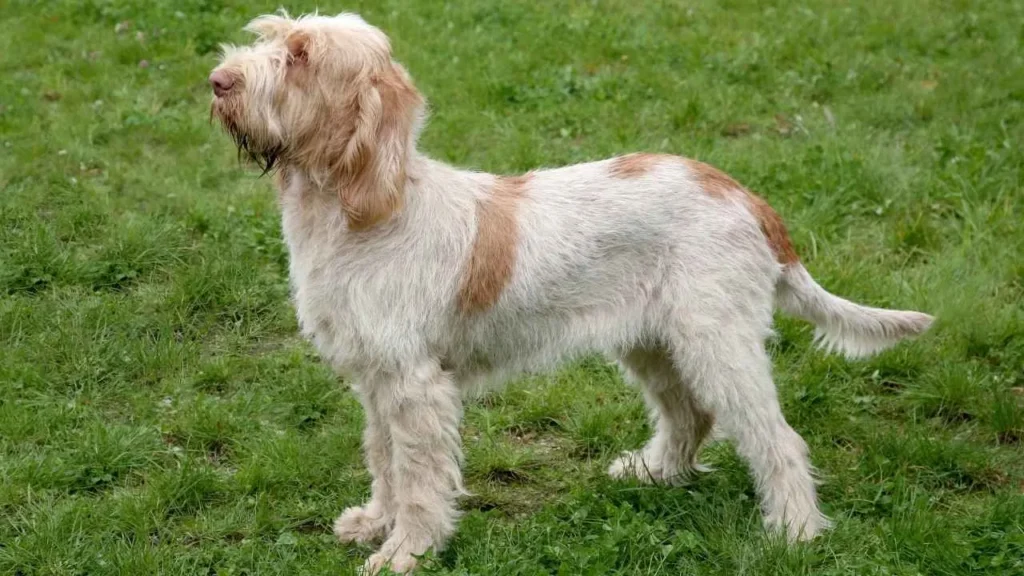
The Spinone Italiano is an ancient gundog from Italy, once prized by hunters for its versatility and wiry resilience in the field. With roots stretching back centuries, it’s rare today because breeders focus on preserving its working lines rather than mass popularity. That’s why meeting one feels like encountering a living piece of history.
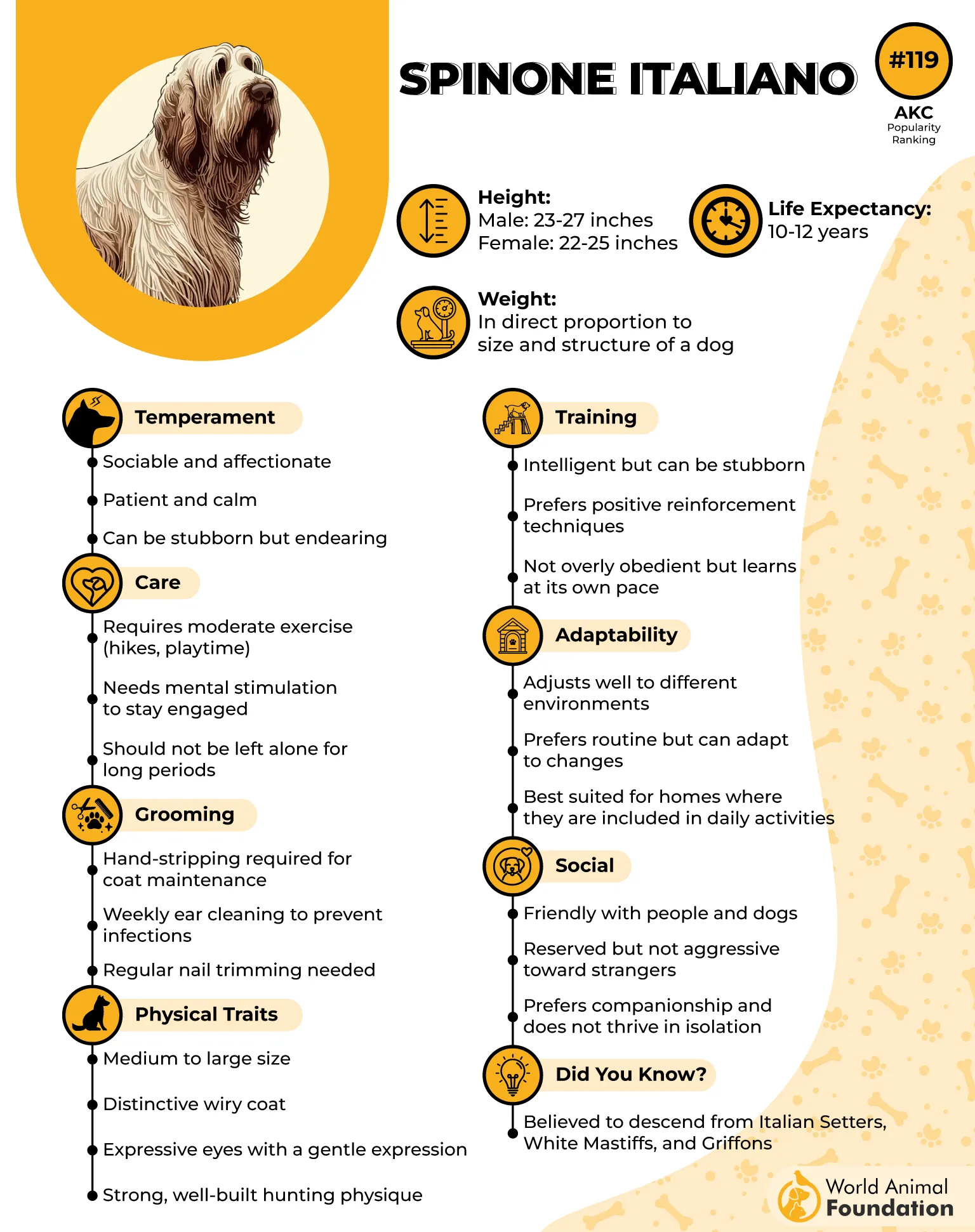
What makes this breed unforgettable is its need for constant closeness. Spinoni form emotional bonds so deep that being left alone can cause genuine distress. They aren’t independent souls; they’re heart companions who long for every moment spent beside their humans.
Rarity Level: Rare, limited breeding outside Italy
Attachment Need: Extremely high, dislikes solitude
Loyalty: Fierce devotion to family
Exercise Requirement: Moderate daily activity with room to roam
AKC adds that the perfect owner is someone who values presence as much as playtime. Sharing their story, especially online, could easily spark a revival of appreciation for these gentle Italian treasures.
2. Neapolitan Mastiff
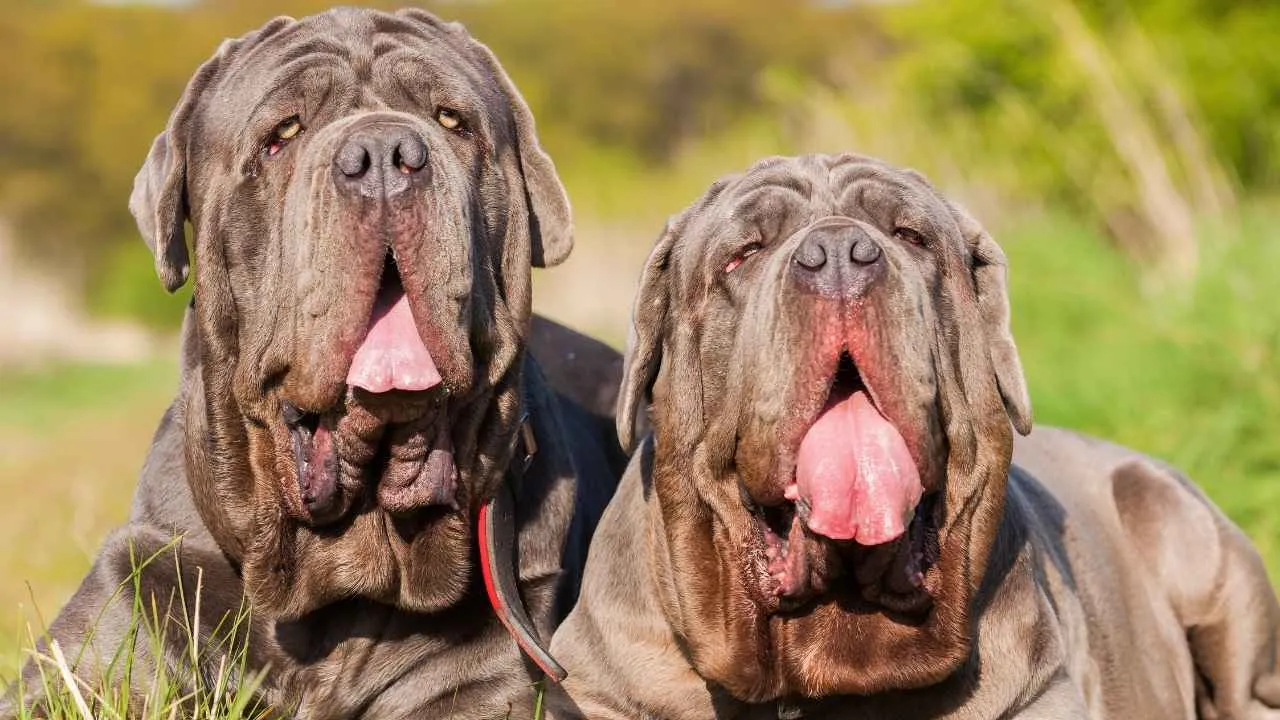
Emerging from the grandeur of ancient Rome, the Neapolitan Mastiff was once bred to guard estates and protect families with its massive, wrinkled presence.
Today, their rarity comes from careful breeding and the challenges of maintaining such a large, distinctive dog. Owning one is like caring for a walking relic of Roman history.
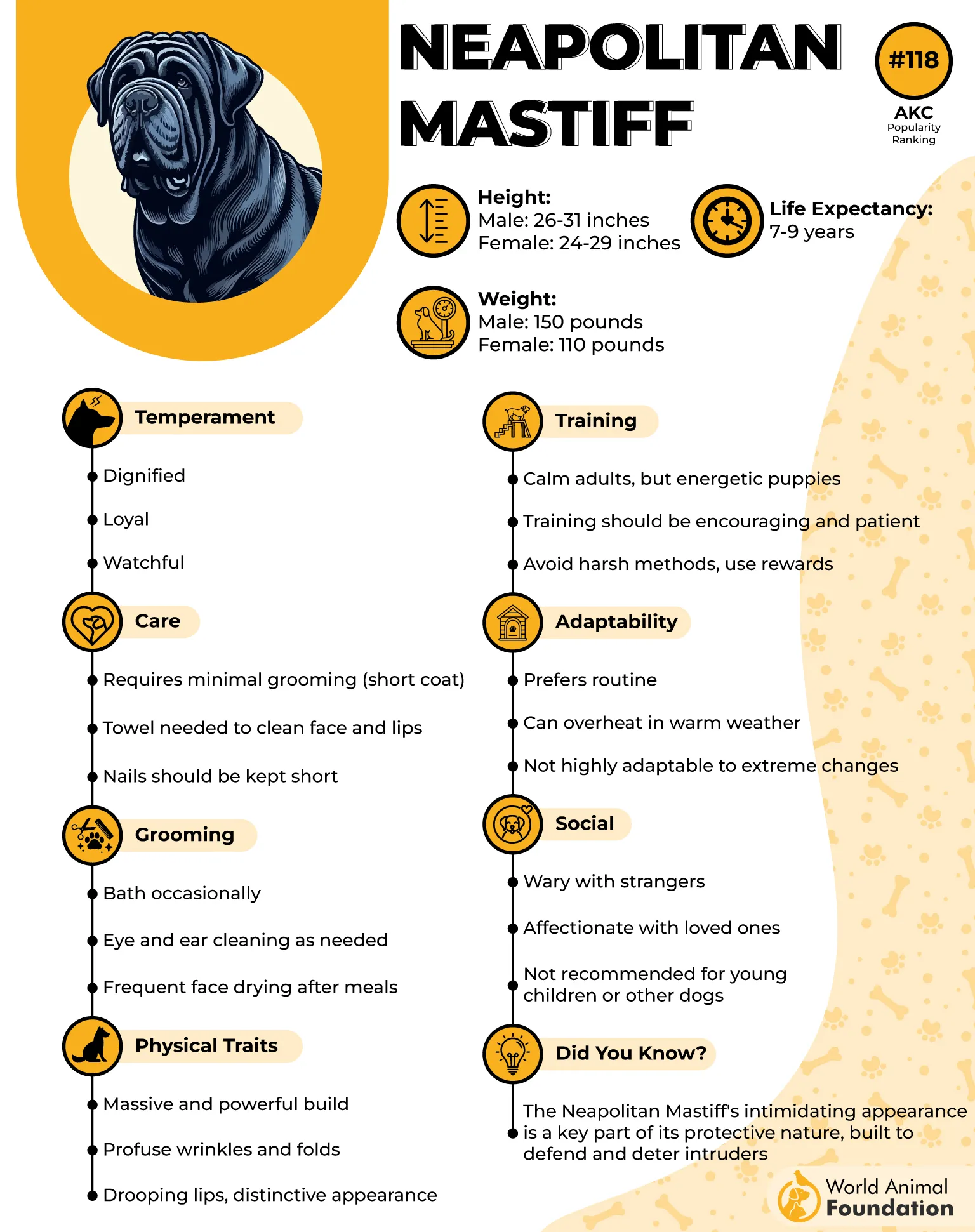
Attachment is etched into their DNA. These giants crave closeness and affection, often leaning their massive bodies into you as a sign of trust. They’re astonishingly loyal, but their protective nature requires early socialization to keep their devotion balanced.
Rarity Level: Rare, due to strict breed standards
Attachment Need: Very high, thrives on companionship
Loyalty: Exceptional guardian instincts
Exercise Requirement: Low to moderate, but daily walks are essential
PDSA suggests that the Neapolitan Mastiff flourishes with owners who see them as family protectors, not just pets. With greater recognition, this loyal guardian could reclaim its legendary status worldwide.
3. Belgian Laekenois
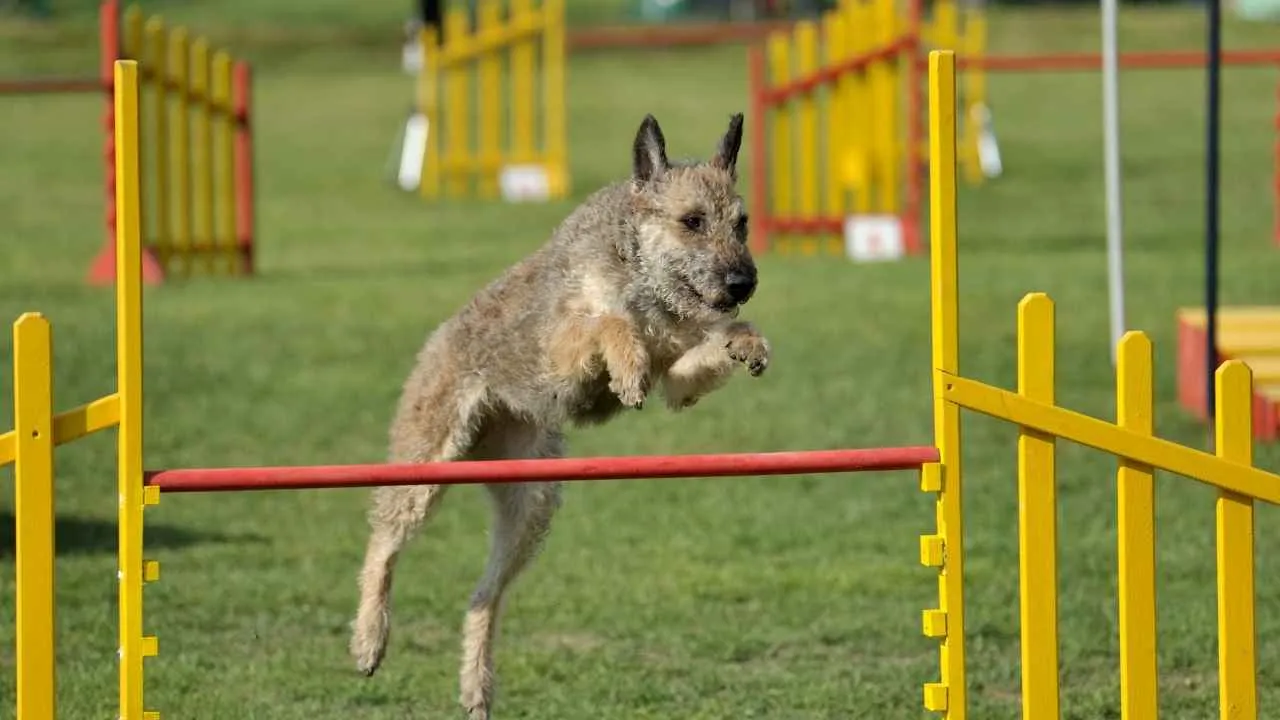
The Belgian Laekenois is the rarest of Belgium’s four shepherd breeds, known for its rustic, tousled coat and long history as a royal sheepdog. Their scarcity today stems from being overshadowed by their more famous Belgian relatives, making them a hidden gem in the dog world.
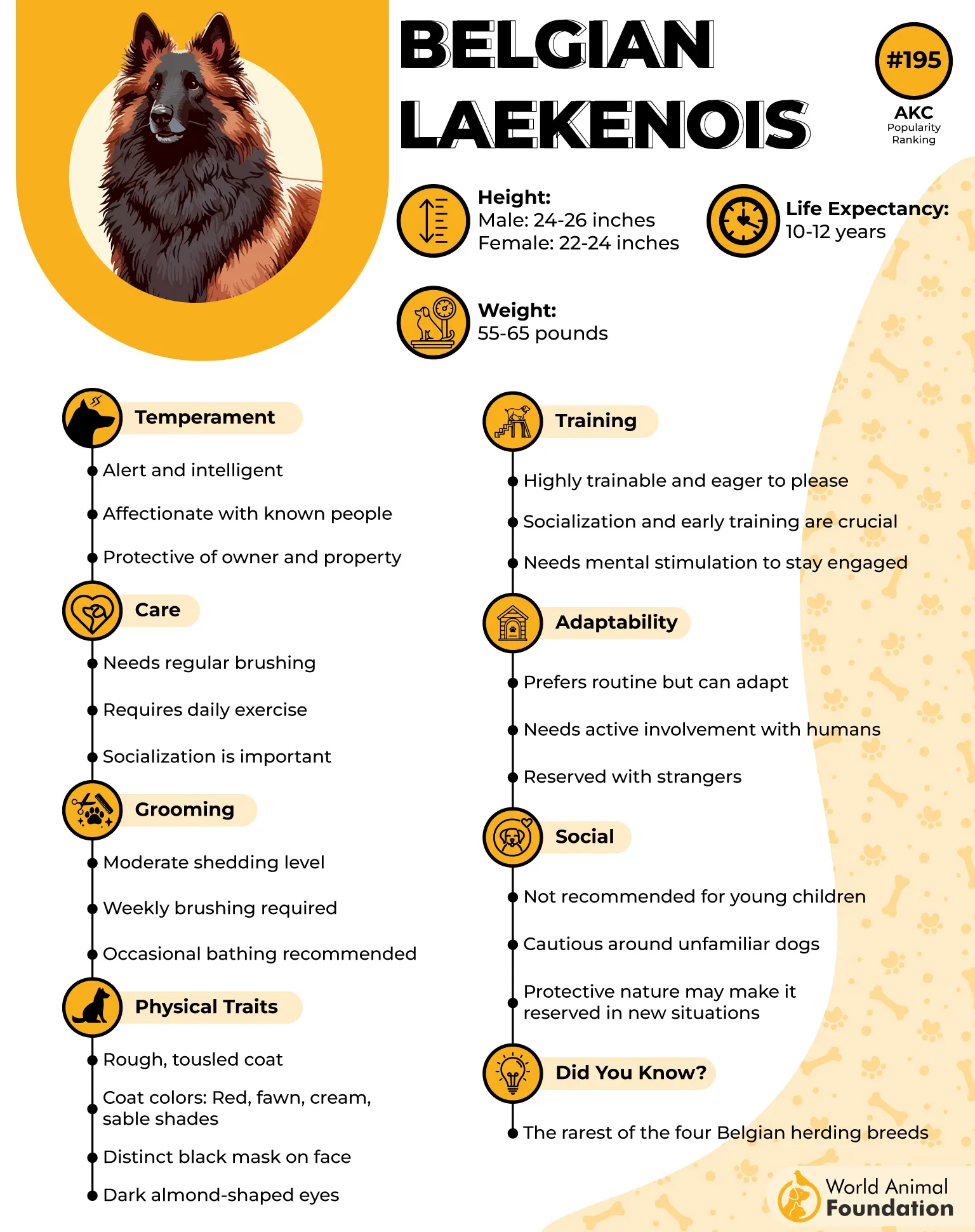
This breed bonds intensely with its people, often following them from room to room with unshakable dedication. Without stimulation and companionship, their intelligence and attachment needs can quickly turn into restlessness.
Rarity Level: Very rare, often overlooked
Attachment Need: Strong emotional dependence
Loyalty: Protective and faithful to owners
Exercise Requirement: High, needs mental and physical activity
Owners who are active, attentive, and eager to champion a unique breed will find a lifelong friend in the Laekenois. With more awareness, this astonishing shepherd could finally shine in the spotlight it deserves.
4. Presa Canario
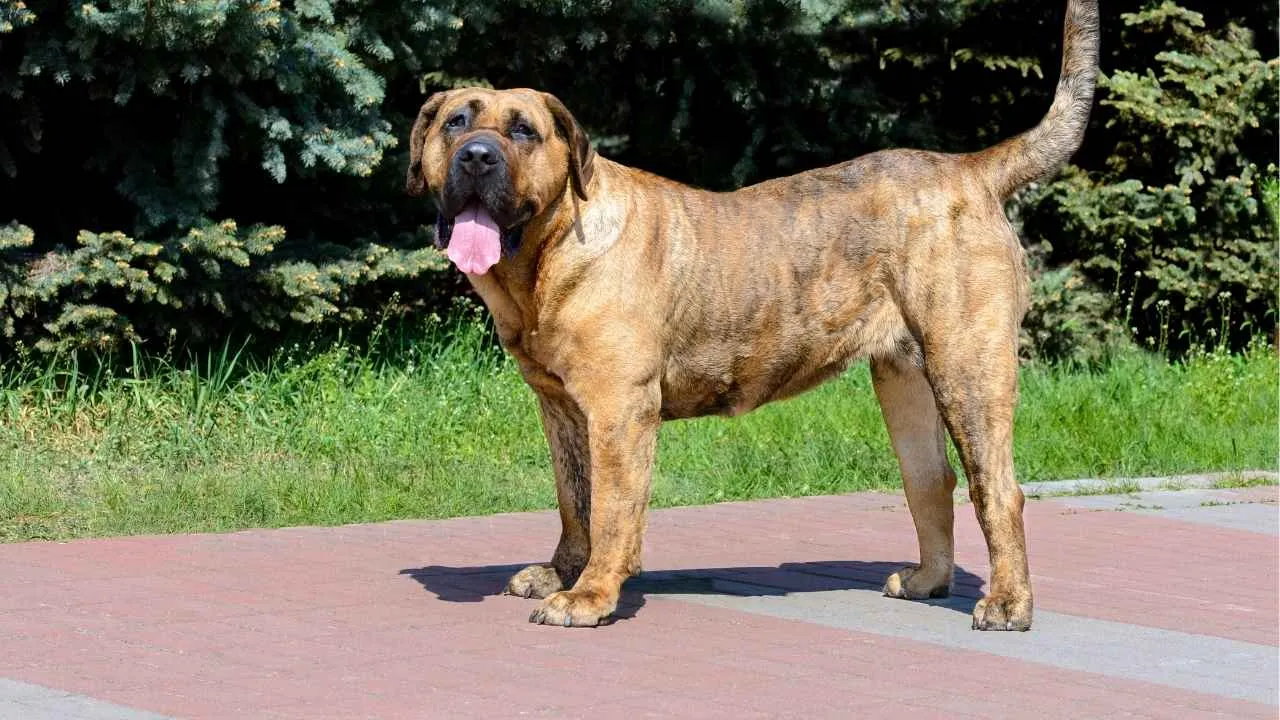
Originating in the Canary Islands, the Presa Canario was historically bred as a working farm dog and livestock guardian. Their rarity today is due to limited breeding programs and a reputation that makes them less common as companion pets. Meeting one is like discovering a rare piece of island heritage.
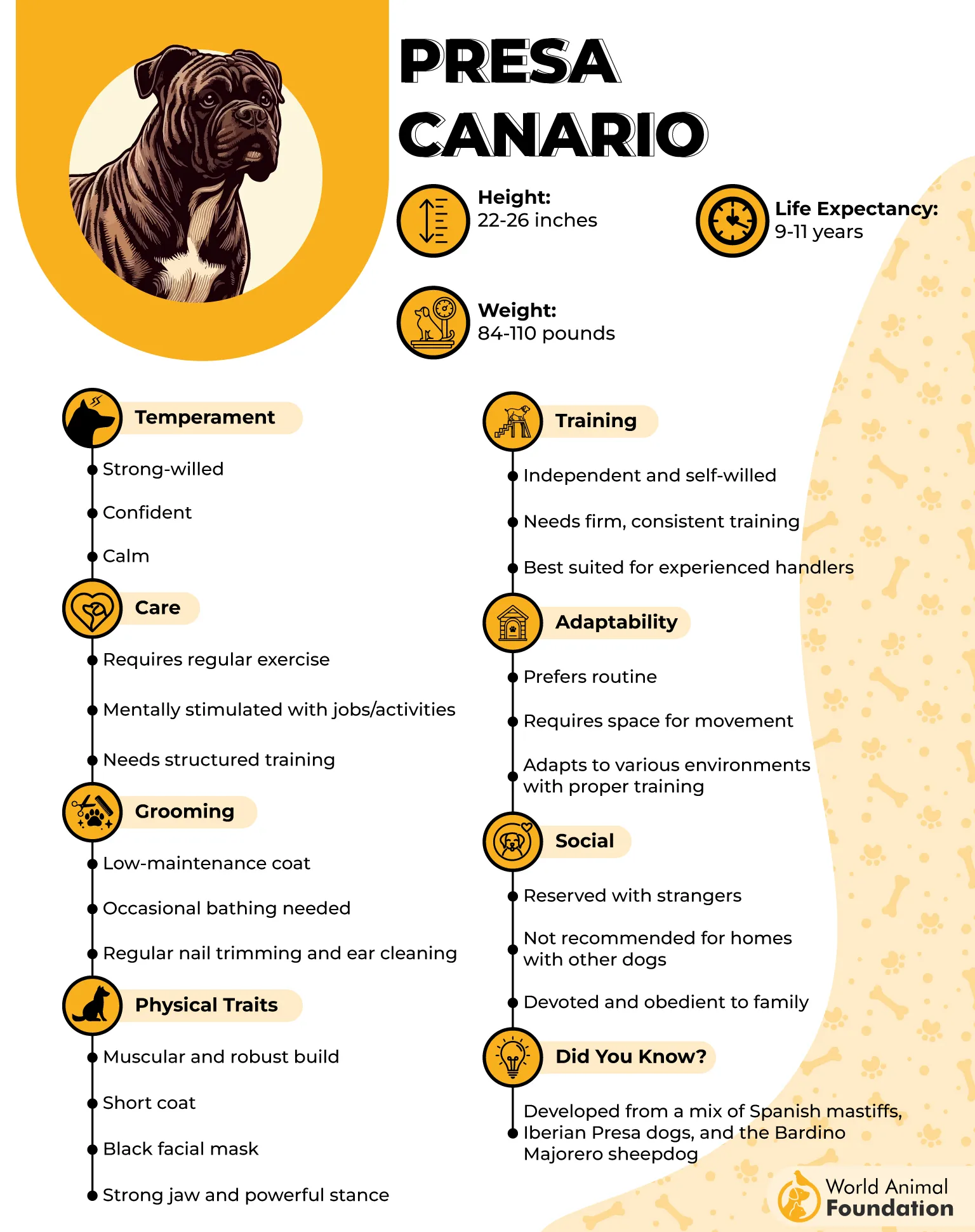
PetMD explains that these dogs develop profound bonds with their family, becoming steadfast protectors and affectionate companions. Their need for loyalty is matched by their confidence, and they rely on consistent leadership to feel secure.
Rarity Level: Rare, primarily found in the Canary Islands and Spain
Attachment Need: High, protective of family members
Loyalty: Deeply faithful, strong guardian instincts
Exercise Requirement: Moderate to high, thrives with structured activity
Best suited for confident owners who understand large working breeds, the Presa Canario could gain popularity by sharing its noble history and affectionate side with the modern world.
5. American English Coonhound
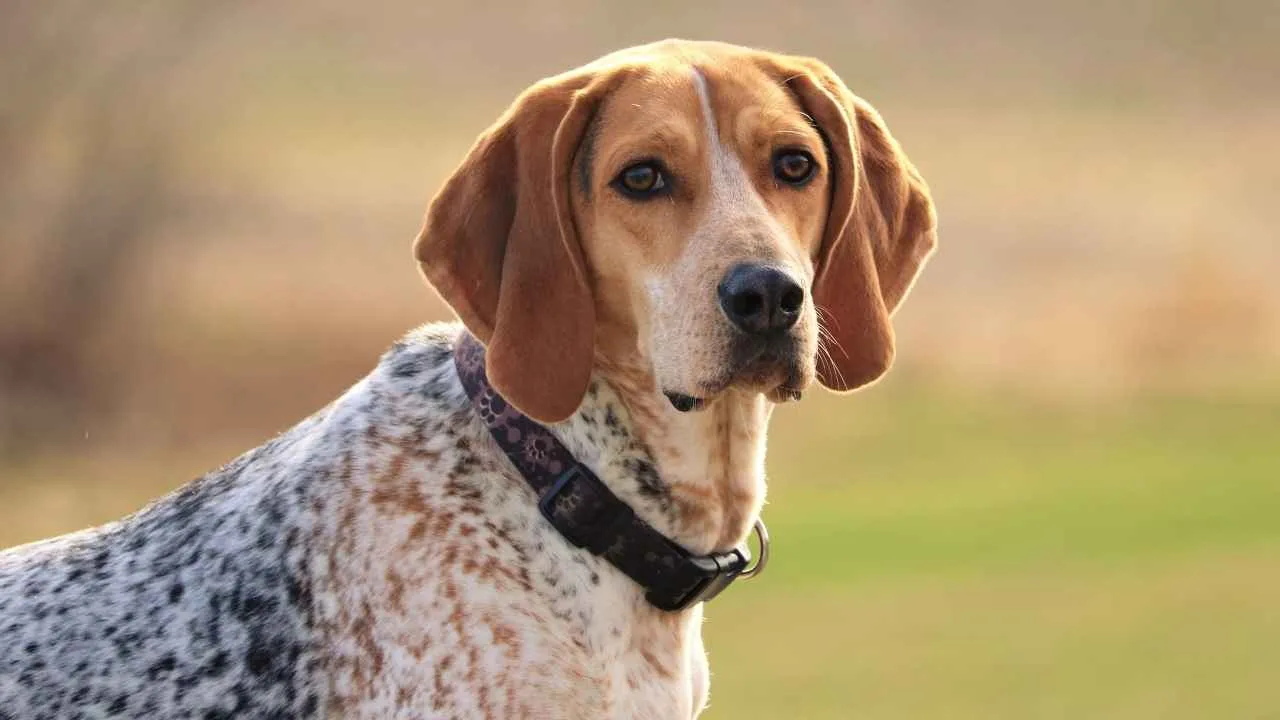
With deep roots in the Southern United States, the American English Coonhound was bred to hunt raccoons with astonishing endurance.
Despite their heritage, they remain rare outside America, often overshadowed by more mainstream hound breeds. Their rarity adds a sense of rustic charm to those lucky enough to know them.
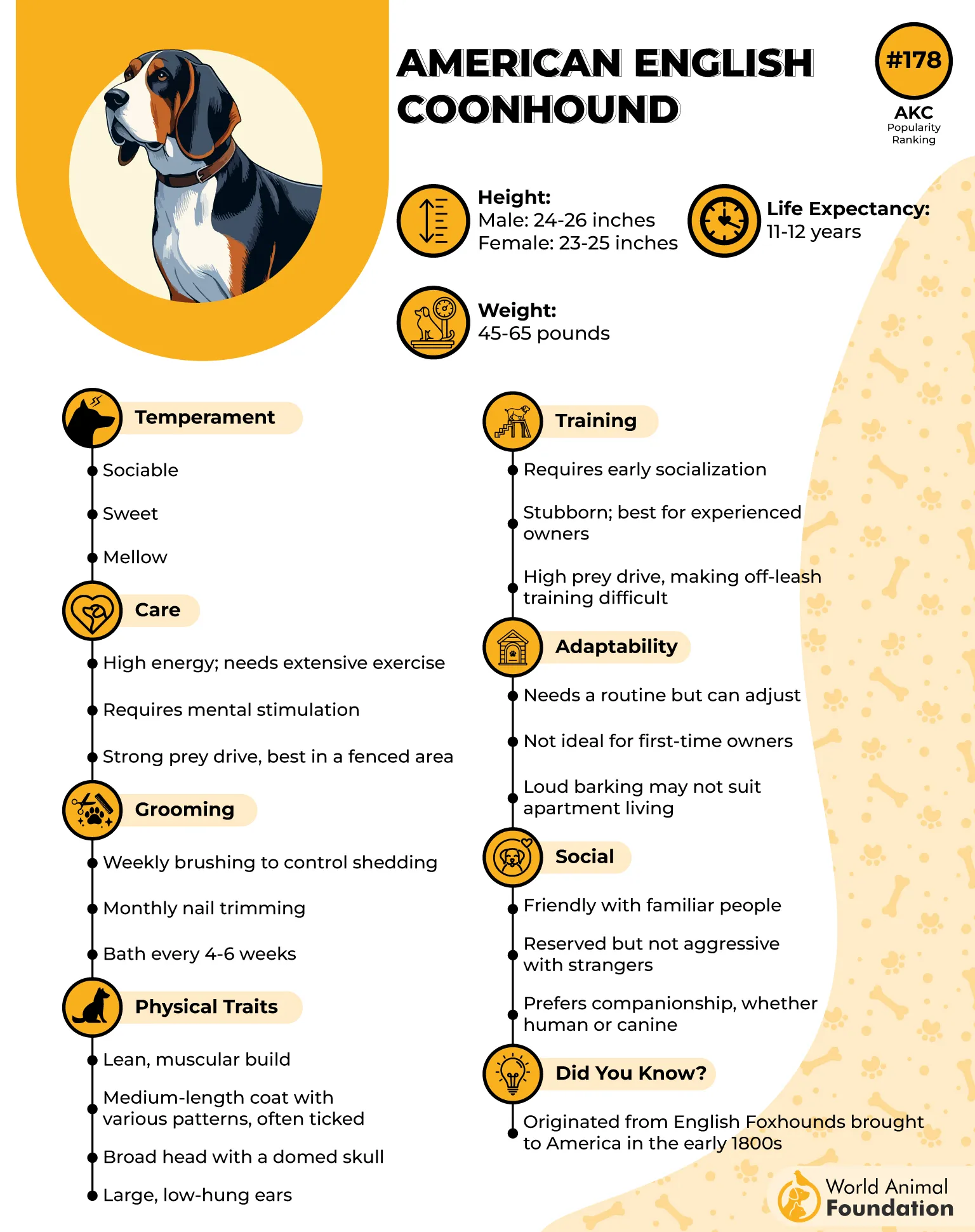
Known for their affectionate nature, these hounds attach deeply to their humans. They don’t like being left out of family life, so mental and physical stimulation must be done daily, and their soulful eyes reveal a loyalty that’s impossible to ignore.
Rarity Level: Rare outside the U.S.
Attachment Need: Strong, thrives in family environments
Loyalty: Extremely affectionate and friendly
Exercise Requirement: High, needs space to run and explore
Perfect for active families, they bring both companionship and energy into daily life. With more exposure, their reputation could expand beyond hunting circles into the hearts of devoted owners worldwide.
6. Leonberger
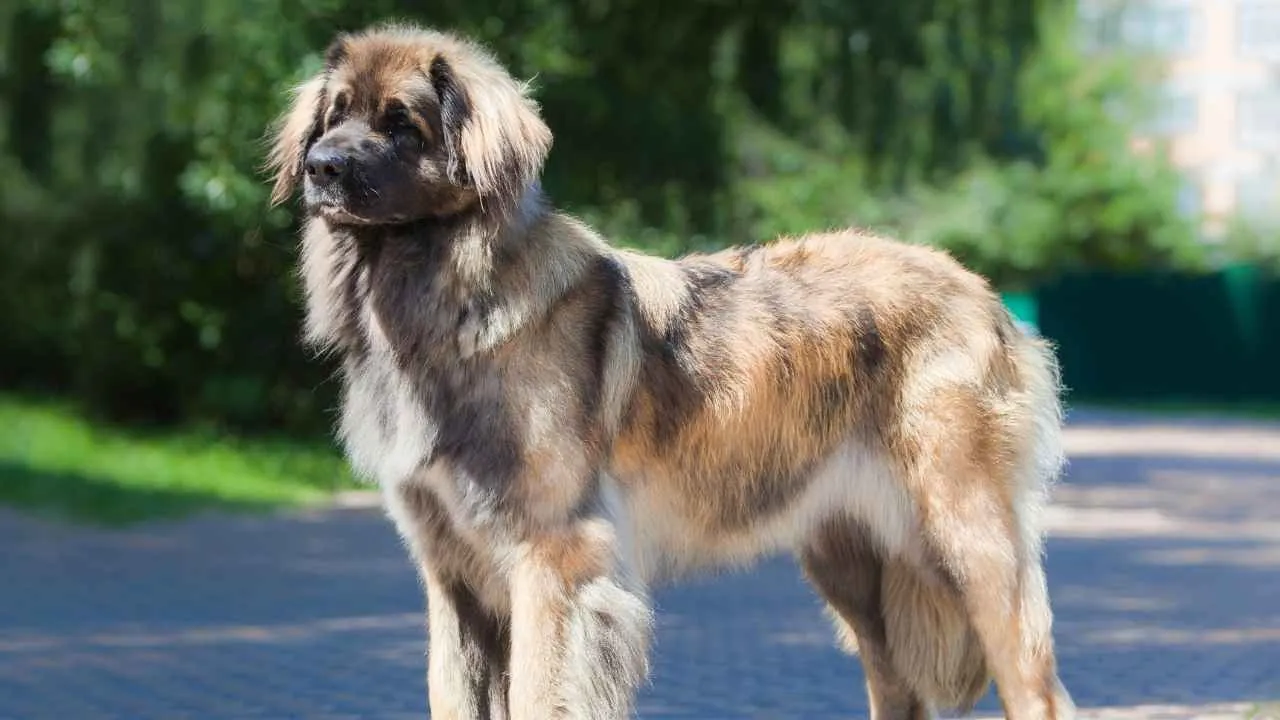
Developed in 19th-century Germany, the Leonberger was created to resemble a lion and symbolize strength. Though once favored by royalty, their numbers dwindled after both world wars, making them rare treasures today. Meeting one is like stepping into a fairy tale of loyalty and grace.
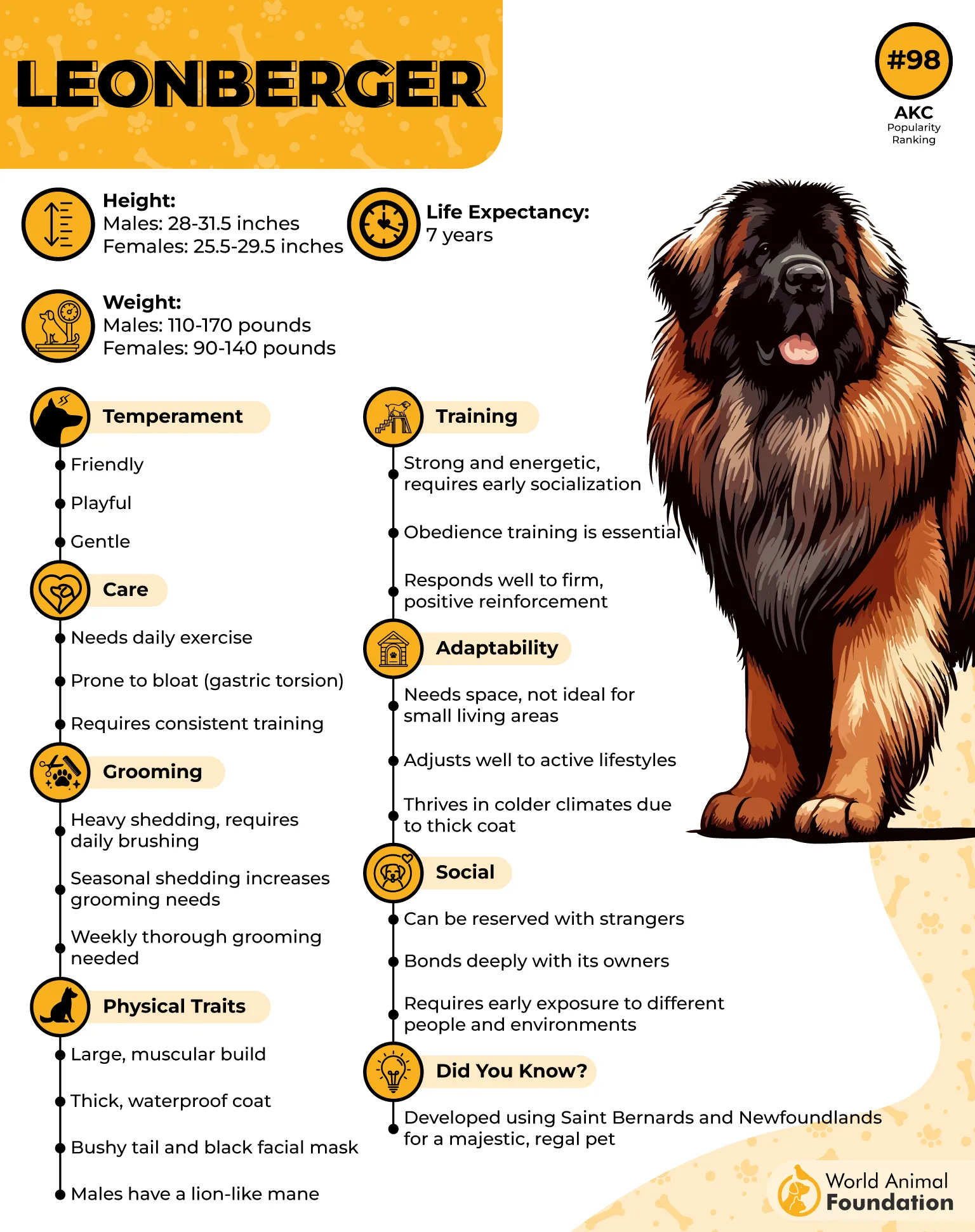
Leonbergers are astonishingly devoted, often called “gentle giants” for their affectionate nature. They thrive on attachment, especially to children, forming bonds that feel unbreakable.
Rarity Level: Rare, numbers affected by historical population decline
Attachment Need: Very high, thrives on family bonds
Loyalty: Deeply loyal and protective
Exercise Requirement: Moderate to high, enjoys outdoor play
Ideal for owners with space and patience, the Leonberger deserves renewed recognition as both a family protector and a showstopping companion. Highlighting their gentle heart could easily make them more beloved worldwide.
7. Kuvasz
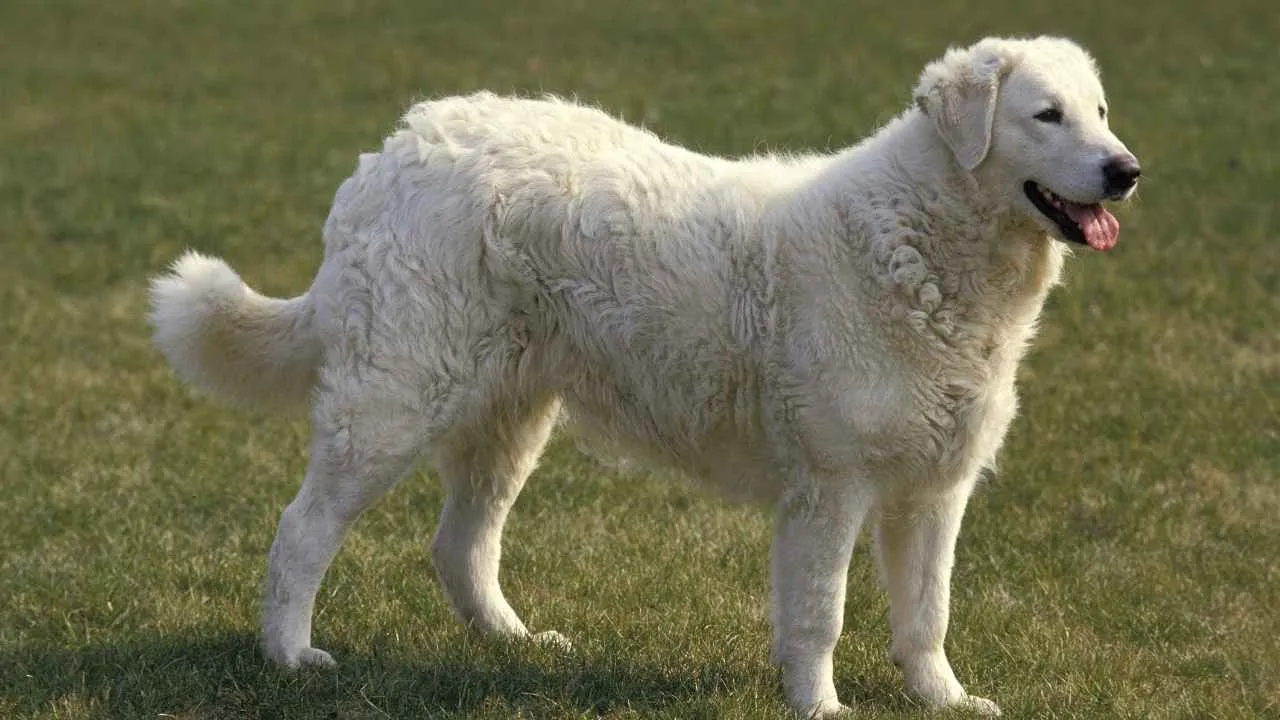
The Kuvasz hails from Hungary, where it once guarded livestock and even royal households. This breed’s rarity today is due to limited breeding and its demanding care needs, leaving it cherished mostly by enthusiasts. Owning a Kuvasz is like holding onto a piece of Hungarian nobility.
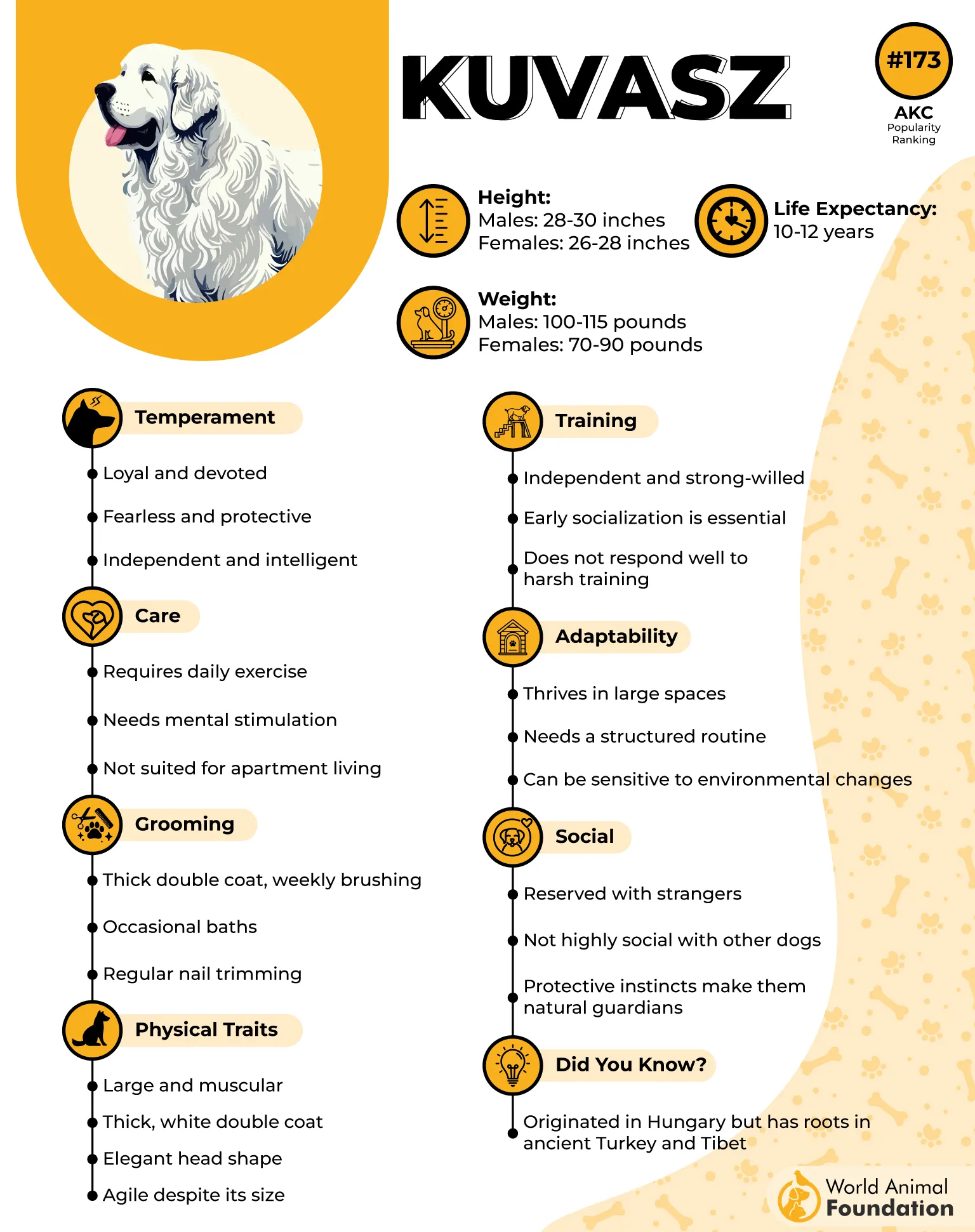
Fiercely protective yet deeply loving, the Kuvasz attaches with unwavering devotion to its family. They may seem independent, but their loyalty runs astonishingly deep, often guarding with silent watchfulness.
Rarity Level: Rare, limited breeding globally
Attachment Need: Strong but expressed through guardianship
Loyalty: Exceptional devotion and protectiveness
Exercise Requirement: High, needs purposeful activity
The best owners are experienced dog lovers who can balance independence with affection. With more promotion of its remarkable history, the Kuvasz could rise from obscurity and be celebrated for its astonishing loyalty.
FAQs
1. Why do some rare breeds develop stronger attachment needs than others?
Many rare breeds were originally bred as working dogs, herding dogs, or guard dogs, living in close partnership with humans. Their loyal nature has been passed down, making them more deeply affectionate and dependent on strong bonds with their owners.
2. How can I recognize that my dog has strong attachment needs?
Signs include following you from room to room, whining when left alone, or seeking constant physical and mental stimulation. Dogs with strong attachments often prefer your company over playing with other dogs.
3. What challenges come with owning a rare breed that craves attachment?
These loyal companions can struggle with separation anxiety, needing sufficient exercise, regular rest, and mental stimulation to stay balanced. Without it, their playful nature may turn into stress or destructive behavior.
4. Are rare breeds with strong attachment suitable for busy households?
Not always. These pups thrive best in homes where someone can be involved most of the day. If your schedule is packed, consider help like dog sitters, canine daycare, or even activities like dog sports to keep them engaged.
5. What type of training helps manage strong attachment needs in dogs?
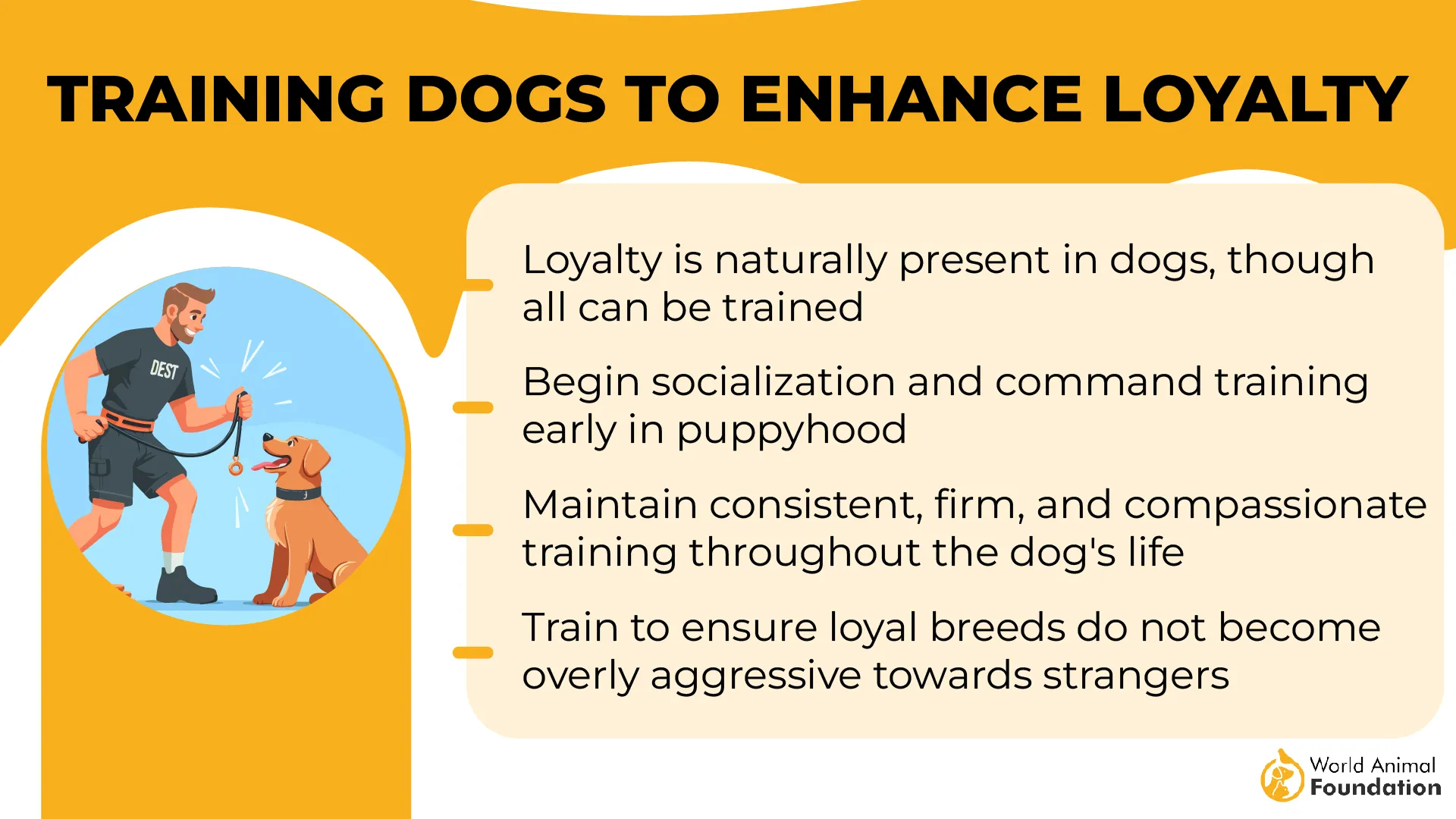
Positive reinforcement, crate training, and gradually teaching independence work wonders. Training that combines physical and mental exercises helps create confident, calm dogs who are still excellent companions without being overly dependent.
Conclusion
Rare breeds like the ones we explored prove that some dogs are more than pets—they’re loyal companions with a deeply affectionate nature. Many were originally bred as working dogs, hunting dogs, or herding dogs, making them excellent family dogs when given sufficient exercise and mental stimulation.
Other unique pups, from the Pyrenean Shepherd to the Dandie Dinmont Terrier and Swedish Vallhund, show how small size or playful personality can still come with big devotion. With regular exercise and bonds with their owners, these quick learners become excellent companions.
If you’re seeking a pup with a loyal nature and an eager-to-please personality, you can explore the breeds mentioned here. Your next cuddle buddy or playful canine could be closer than you think!
