




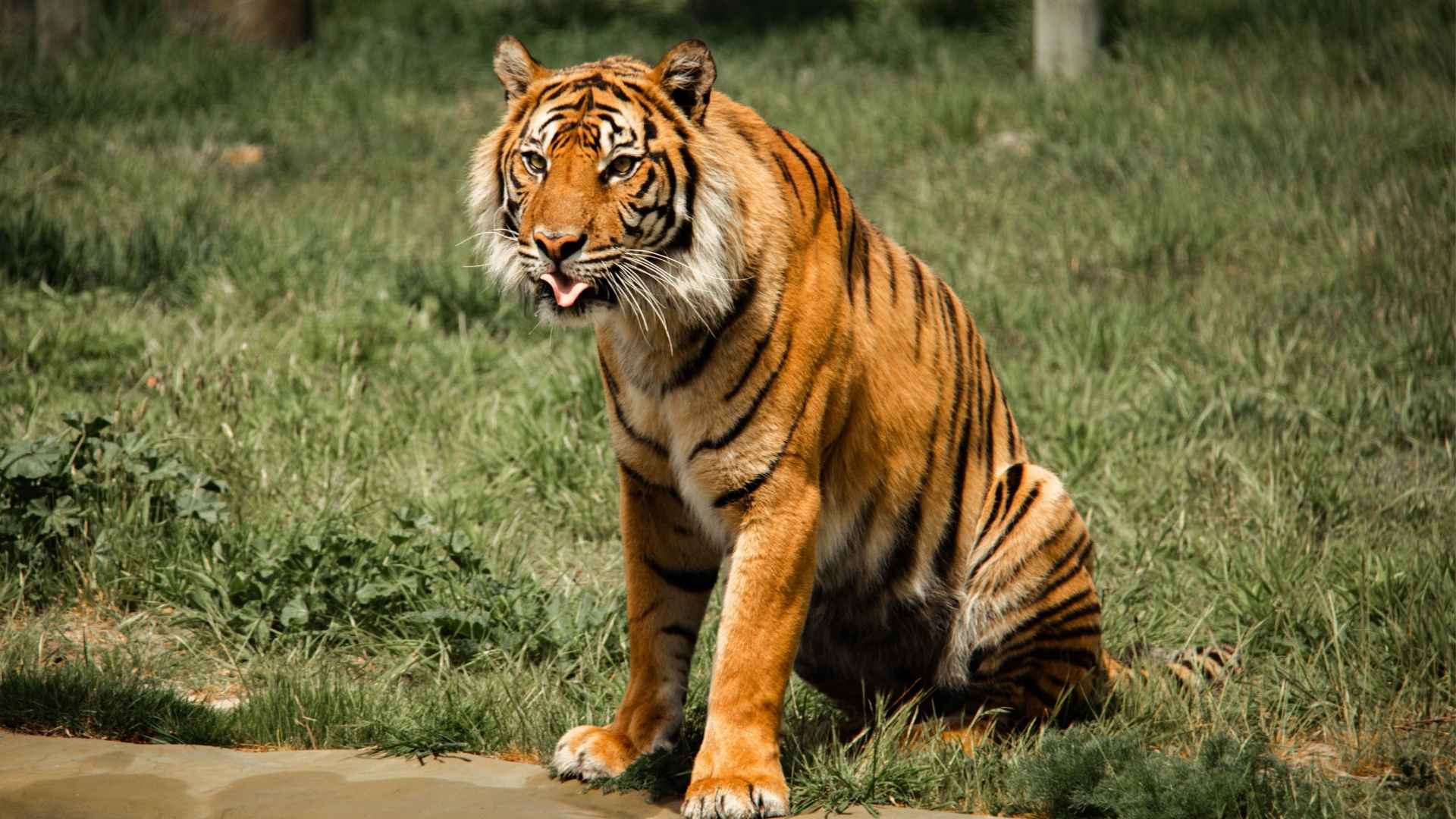
The animal kingdom is full of breathtaking creatures, but few command as much respect as the world’s big cats.
Sleek, powerful, and incredibly skilled hunters, these felines rule the wild with razor-sharp claws, unmatched agility, and deadly precision. Whether it’s the stealthy leopard, the muscular tiger, or the ferocious jaguar, these apex predators are built for survival.
While they may look stunning from a distance, up close, they are some of the most formidable creatures in nature.
If you’ve ever been fascinated by the power and elegance of the world’s most dangerous big cats, this list will take you deeper into their untamed world.
Most Dangerous Big Cat Breeds
1. Tiger
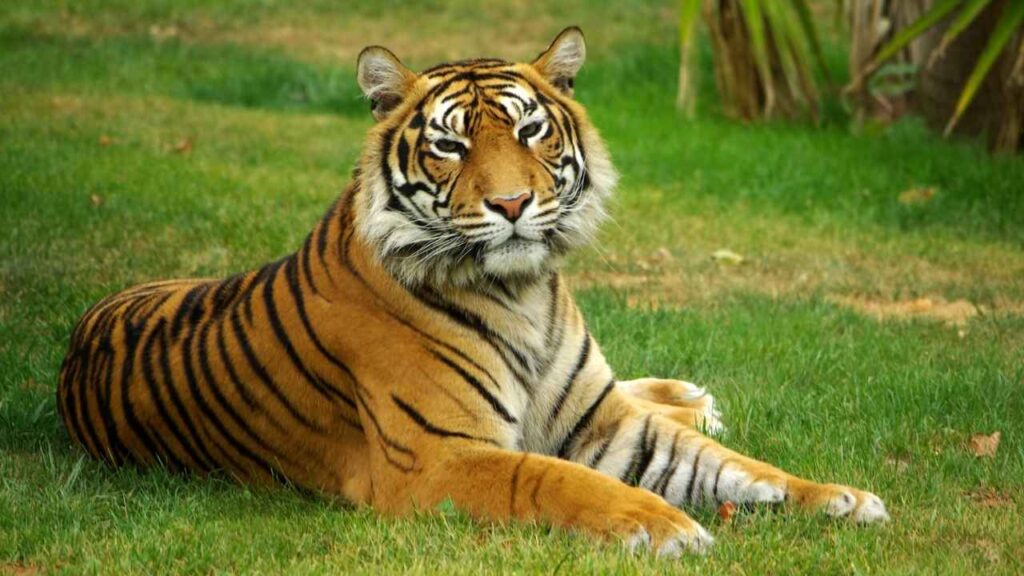
Scientific Name: Panthera tigris
Bite Force: ~1,000 PSI
Tigers are the largest and most powerful of all big cats. Their striking orange and black stripes serve as excellent camouflage in tall grass and forests, making them master stalkers. Unlike most big cats, tigers love water and are excellent swimmers.
They often cool off in lakes and rivers, sometimes even ambushing prey from the water. With their massive size, explosive speed, and jaw strength capable of crushing bones, tigers can take down prey more than twice their size.
Tigers are also solitary hunters, unlike lions, which means they rely entirely on their skills to survive. Once they spot a target, they creep up quietly and then launch themselves with a burst of speed, reaching up to 40 mph for short distances. Their powerful hind legs allow them to leap nearly 30 feet in one bound—so escaping a tiger isn’t exactly easy.
Despite their dominance in the wild, tigers are highly endangered, with fewer than 4,500 left in the wild due to poaching and habitat destruction.
Fun fact: A tiger’s stripes are like fingerprints—no two tigers have the same pattern!
2. Lion
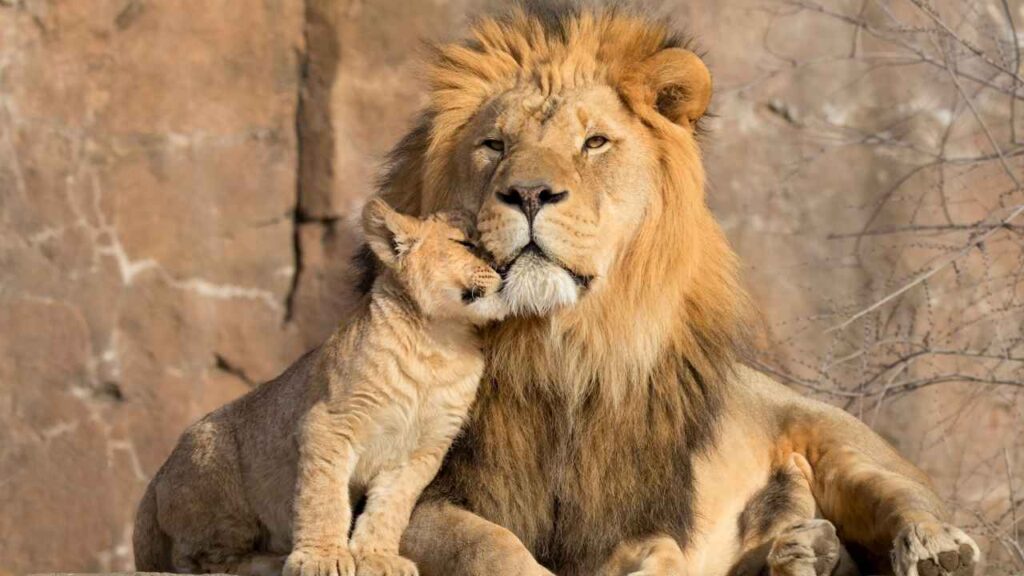
Scientific Name: Panthera Leo
Bite Force: ~650 PSI
Lions are the only truly social big cats, living in groups called prides that can have anywhere from 3 to 30 individuals. Unlike other felines that hunt alone, lions work together to bring down large prey like zebras, buffalo, and even young elephants.
Male lions are instantly recognizable by their majestic manes, which serve as a sign of dominance and strength.
The bigger and darker the mane, the more attractive the male is to females. But let’s not forget their most iconic feature—their deafening roar. A lion’s roar can be heard from up to 5 miles away, a perfect way to let everyone know who’s in charge.
Despite their royal reputation, lions spend most of their time sleeping—up to 20 hours a day! When they’re not busy hunting or fighting for dominance, they prefer to laze around under the African sun.
Fun fact: A lion’s night vision is six times better than a human’s, making them deadly nocturnal hunters.
3. Leopard
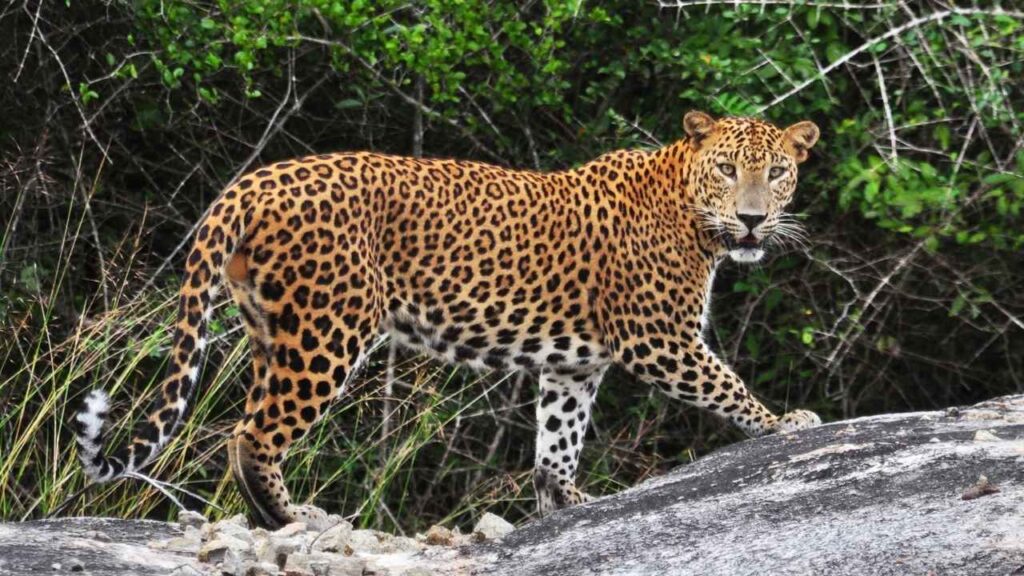
Scientific Name: Prionailurus bengalensis
Bite Force: ~600 PSI
Leopards are masters of stealth, and are known for their incredible agility, climbing skills, and ability to adapt to almost any environment. Found across Africa and Asia, they can thrive in savannas, forests, deserts, and even mountains.
Unlike lions and tigers, leopards prefer to hunt alone, relying on their speed and cunning rather than brute strength.
One of their most impressive traits is their tree-climbing ability. While most big cats stay on the ground, these dangerous cats will carry their prey up a tree to protect it from scavengers like hyenas and lions. And we’re not talking about small snacks—leopards can hoist animals three times their body weight up a tree with ease.
They are also excellent swimmers and incredibly fast, capable of reaching speeds of up to 36 mph. And if that wasn’t enough, their leaping ability is almost supernatural—they can jump 20 feet forward and 10 feet straight up!
Fun fact: Unlike jaguars, leopards have smaller, more spaced-out rosettes (spots), making it easy to tell them apart.
4. Jaguar
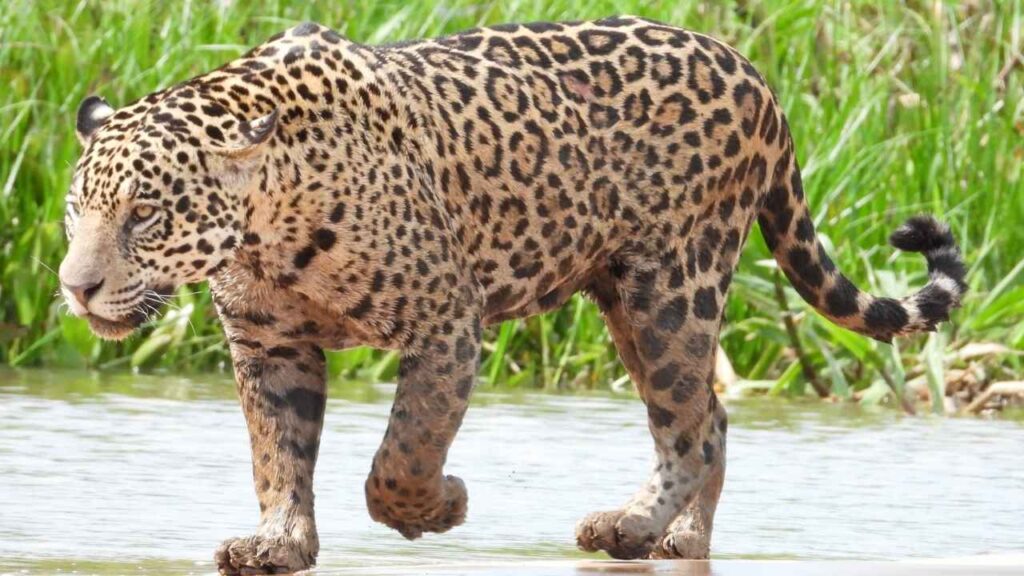
Scientific Name: Panthera onca
Bite Force: ~1,500 PSI (strongest of all big cats)
Jaguars are the undisputed kings of South America. While they may look similar to leopards, they are stockier, stronger, and have a much more powerful bite.
A jaguar’s jaw is so strong that it can crush bones and even turtle shells with ease. Instead of suffocating their prey like most big cats, jaguars prefer a skull-crushing bite that kills instantly.
Unlike many of the largest cat species, jaguars love water and frequently hunt caimans (small crocodiles) by ambushing them from rivers. They are also known for hunting anacondas, tapirs, and even deer.
Fun fact: Jaguars have the largest rosettes (spots) among all big cats, and some are born completely black—these are the famous black panthers!
5. Cougar
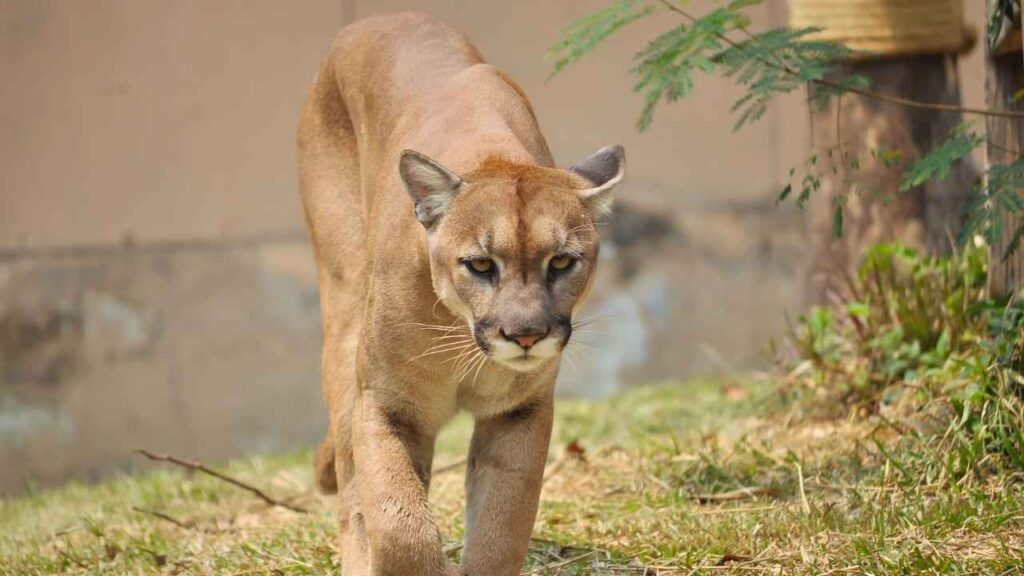
Scientific Name: Puma concolor
Bite Force: ~750 PSI
Cougars, also known as mountain lions, pumas, or panthers, are the most widespread big cats in the Americas.
While they aren’t as bulky as tigers or lions, they make up for it with stealth, speed, and raw agility. They can jump 18 feet vertically and 40 feet in a single leap, making them one of the best jumpers in the animal kingdom.
Cougars are solitary hunters and rely on ambush tactics to take down deer, elk, and even livestock. Unlike lions and tigers, cougars can’t roar—instead, they communicate through eerie screams and growls.
Fun fact: Cougars can sprint at 50 mph, making them one of the fastest land animals in North America.
6. Snow Leopard
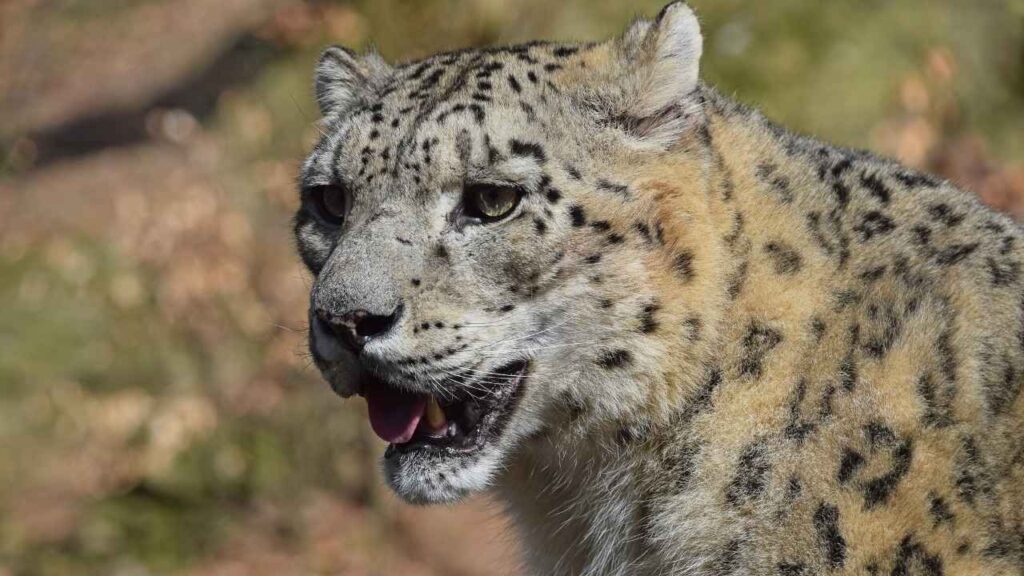
Scientific Name: Panthera uncia
Bite Force: ~1,000 PSI
Another most dangerous wild cat, the Snow leopard, is the ultimate mountaineer, living at altitudes of up to 15,000 feet in the Himalayas and Central Asia.
With their thick fur and huge paws that act like snowshoes, they are built to survive in freezing, rocky landscapes.
Despite their smaller size, snow leopards are incredibly strong and can jump up to 50 feet in one leap. They are known for their elusive nature and are so hard to spot that they’re nicknamed “the ghost of the mountains.”
As per Britannica, between 2,500 to 10,000 adult snow leopards remain in the wild, but the species continues to face significant threats to its survival.
Fun fact: Snow leopards can’t roar—instead, they make a soft, chuffing sound.
7. Eurasian Lynx
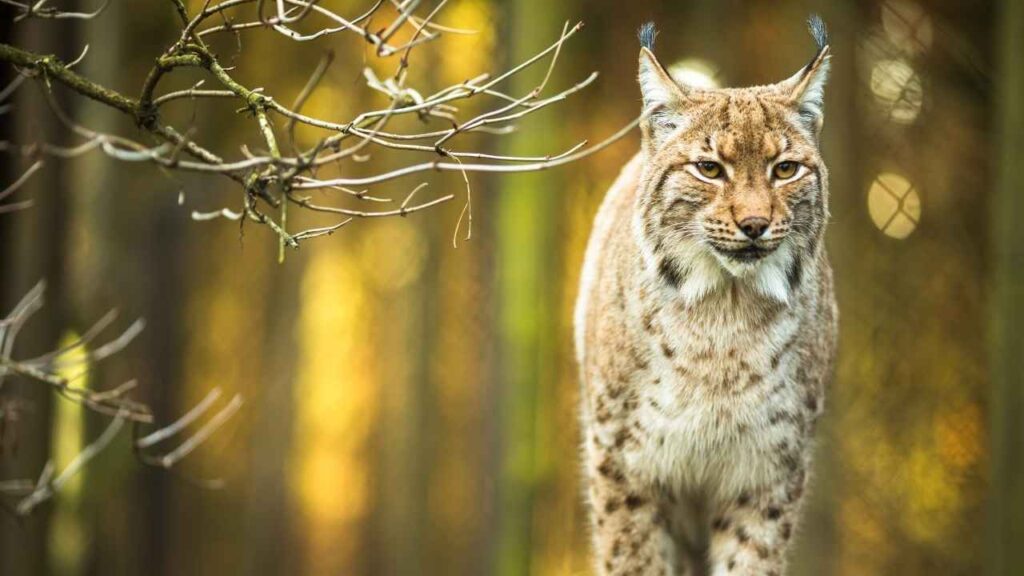
Scientific Name: Lynx lynx
The Eurasian lynx may not be as massive as tigers or lions, but don’t be fooled—this cat is a stealthy, efficient killer. Found across Europe and Asia, from the dense forests of Russia to the Alps, this wild feline is one of the largest species of lynx and is an apex predator in its ecosystem.
According to Britannica, the Eurasian lynx is the largest member of its genus and Europe’s third-largest predator.
With thick fur, tufted ears, and massive paws, the Eurasian lynx is built for snowy landscapes, where it silently stalks prey like deer, hares, and birds.
Unlike some big cats that rely on brute strength, the lynx is a patient ambush hunter, using its keen eyesight and sharp retractable claws to strike at just the right moment. And when we say keen eyesight, we mean it—these cats can spot a rabbit from over 250 feet away!
One of their most unique traits is their “snowshoe paws,” which help them walk effortlessly on deep snow, giving them an advantage over their prey. They’re also excellent climbers and can even take down prey twice their size—not bad for a cat that weighs about the same as a large dog!
Fun fact: Eurasian lynxes are mostly silent, but when they do communicate, their calls sound like a mix between a scream and a cough—imagine a cat trying to scare you while having a sore throat.
Conclusion
The cat world is full of fascinating yet deadly predators, from large cats to surprisingly lethal small ones. While cheetahs rarely attack humans, other big cat species, such as the Bengal tiger, are among the most dangerous cat species. Known for their immense strength and stealth, these wild animals dominate the landscapes of North and South America, as well as Asia and Africa.
However, the danger isn’t limited to size. The black-footed cat, despite being one of the smallest wild cats, is considered one of the deadliest cats due to its incredible hunting success rate. These solitary animals survive by preying on small animals with unmatched precision. Whether it’s a massive predator or a tiny but lethal hunter, the most dangerous cat species are built for survival. Their raw power, agility, and sharp instincts make them some of nature’s most formidable creatures, proving that danger in the wild comes in all shapes and sizes!
