




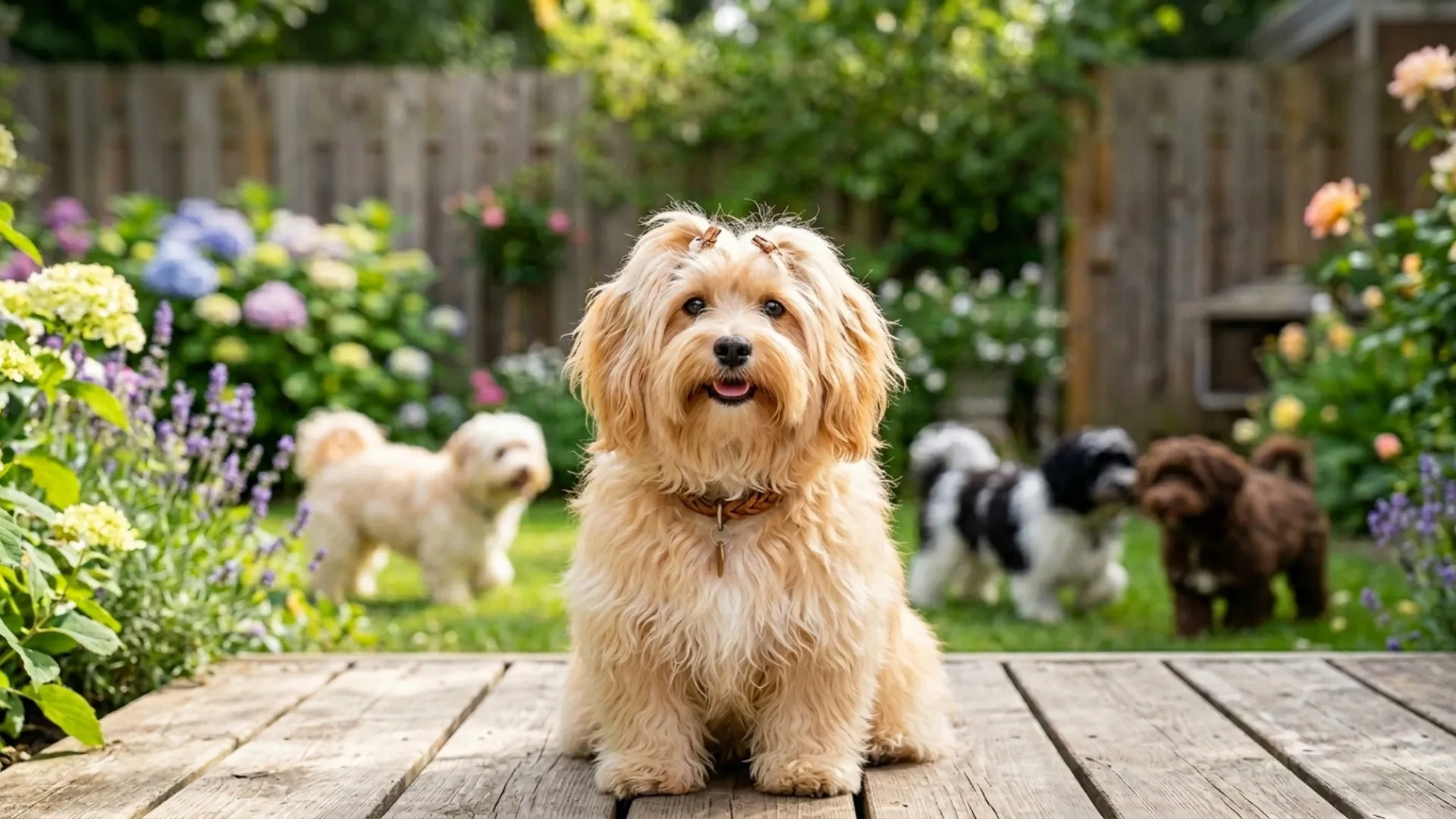
At first glance, a dog’s coat may seem like nothing more than a visual feature. Soft, curly, silky, dense, or wiry, every type creates a different first impression.
Yet what many people do not realize is that a coat can reveal far more than appearance alone. It can offer clues about grooming needs, climate adaptability, shedding habits, and even the role a dog was originally developed to perform. This is where things become far more interesting.
Two dogs may appear equally beautiful, yet their coats can demand completely different levels of care and serve entirely different purposes. Knowing those differences changes the way you look at dogs altogether. Suddenly, texture, length, and structure become part of a much bigger story.
Keep reading to explore extraordinary dogs whose coats tell stories every bit as remarkable as the companions themselves today.
Key Takeaways
A dog’s coat may catch attention first, but it often hides clues about how the breed lives, moves, and even survives.
Afghan Hound and Yorkshire Terrier carry coats shaped by history and purpose, where beauty once served real working needs in very different terrains.
Havanese and Maltese show how texture and length change daily life, from grooming routines to comfort in indoor spaces.
Read till the end to see how each breed’s coat tells a story that goes far beyond looks.
Wonderful Dog Breeds and Their Varied Coat Types
1. Afghan Hound
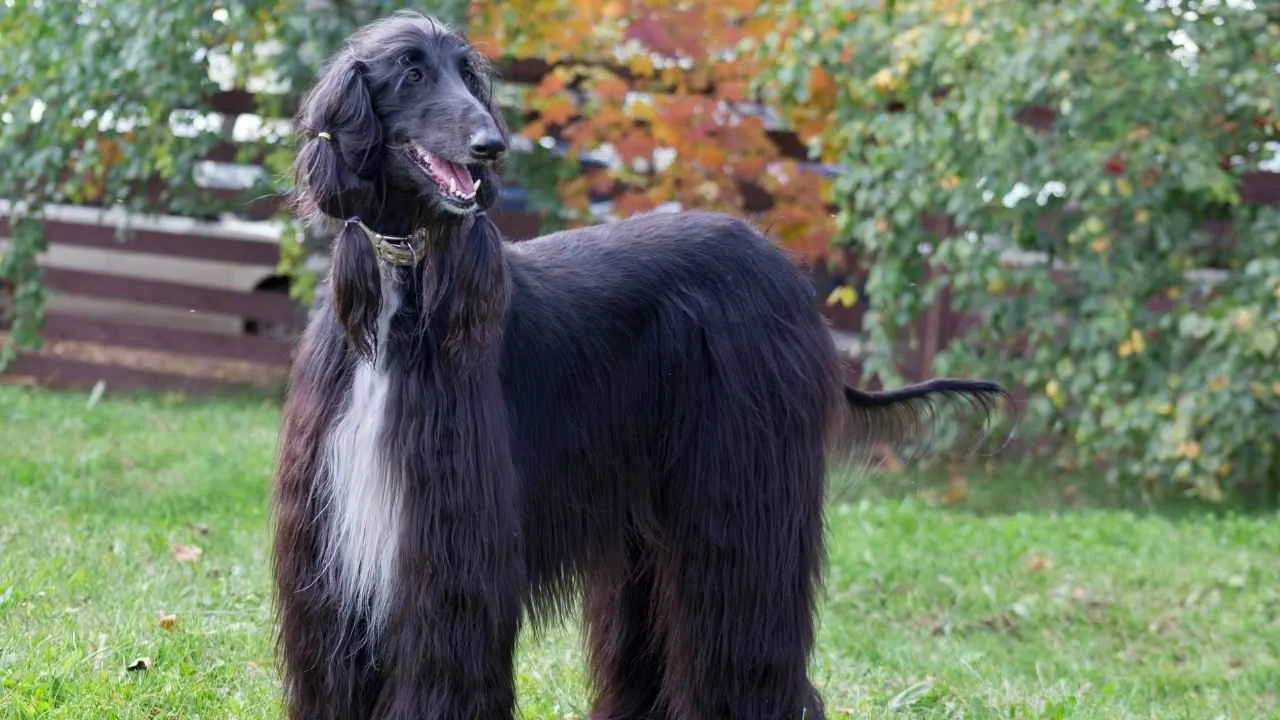
Afghan Hound is instantly recognized for its long, silky coat, yet that remarkable covering once served a practical role in harsh mountain regions, as per the AKC. Originating from ancient Middle Eastern sighthounds, this breed combined elegance with the ability to handle demanding terrain.
Built to Chase
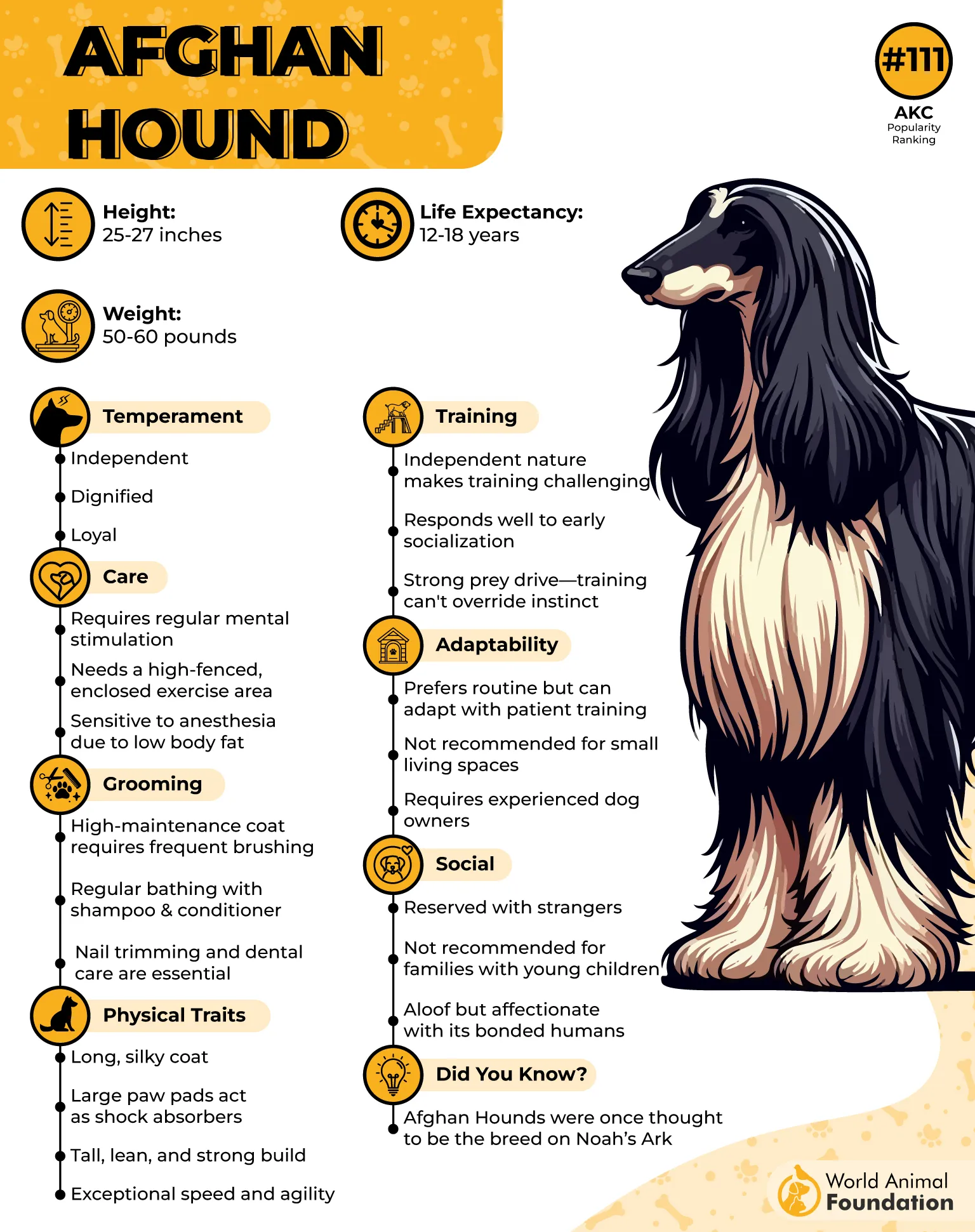
This silky-coated dog relies heavily on sight, a trait closely tied to its original hunting role. Large paw pads also helped absorb impact across rough ground during pursuit work.
These details contribute to this distinctive package:
Thick silky coat
Greyhound-like frame
Shock-absorbing paw pads
Athletic Requirements
Short strolls rarely satisfy a dog bred for covering ground with speed and efficiency. Opportunities for longer runs and enclosed areas suit its physical abilities far better than limited exercise. The breed’s combination of grace, power, and stamina reflects centuries of practical use.
2. Havanese
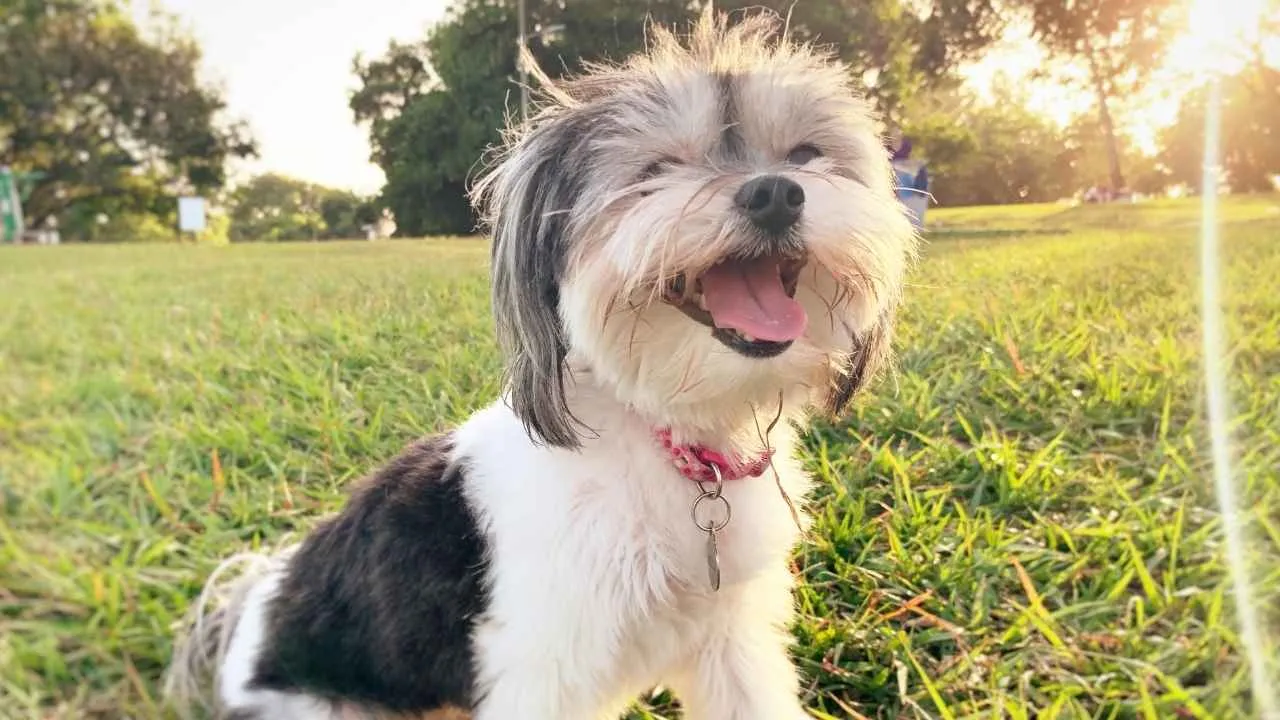
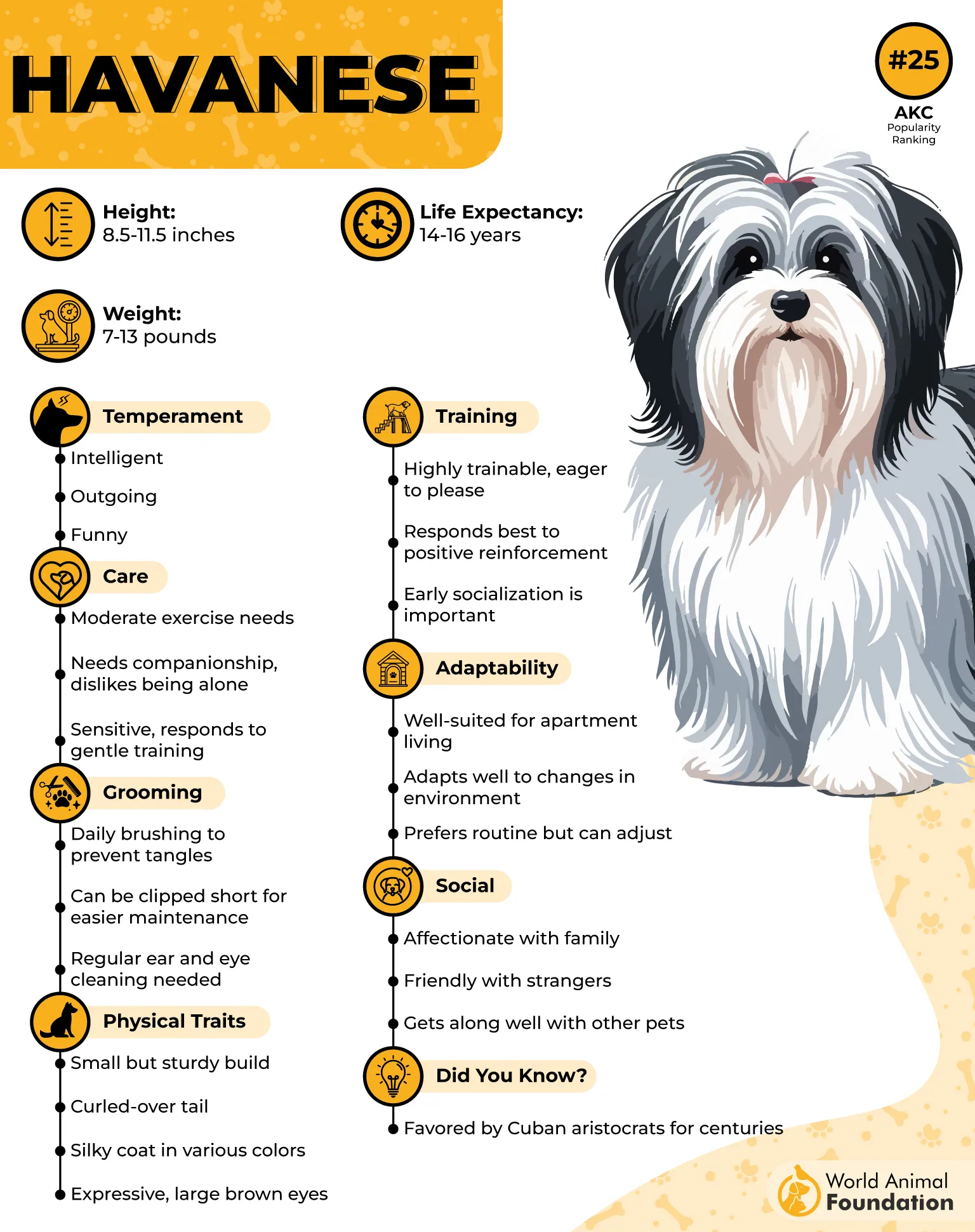
It is easy to see why the Havanese stands out, thanks to its long, soft, and flowing coat that can be either wavy or slightly curled. The breed’s Cuban roots connect back to Mediterranean dogs brought by Spanish traders as trade companions. Its lively expression and compact build give it a naturally engaging presence.
Coat Care and Everyday Living
Daily grooming shapes how the smooth coat stays, as tangles form quickly without regular attention. Many pet owners keep the coat trimmed short to simplify upkeep while preserving its soft texture.
These practical points explain its routine needs:
Coat mats easily without brushing
Works well in trimmed or long coat form
Bathing is done occasionally as needed
Training and Home Adaptability
Havanese learn quickly and often enjoy attention-based training sessions that involve interaction and small rewards, as PetMD notes.
Its natural clown-like behavior adds an entertaining layer to simple routines. The breed adjusts comfortably to compact living spaces where companionship remains constant.
3. Lhasa Apso
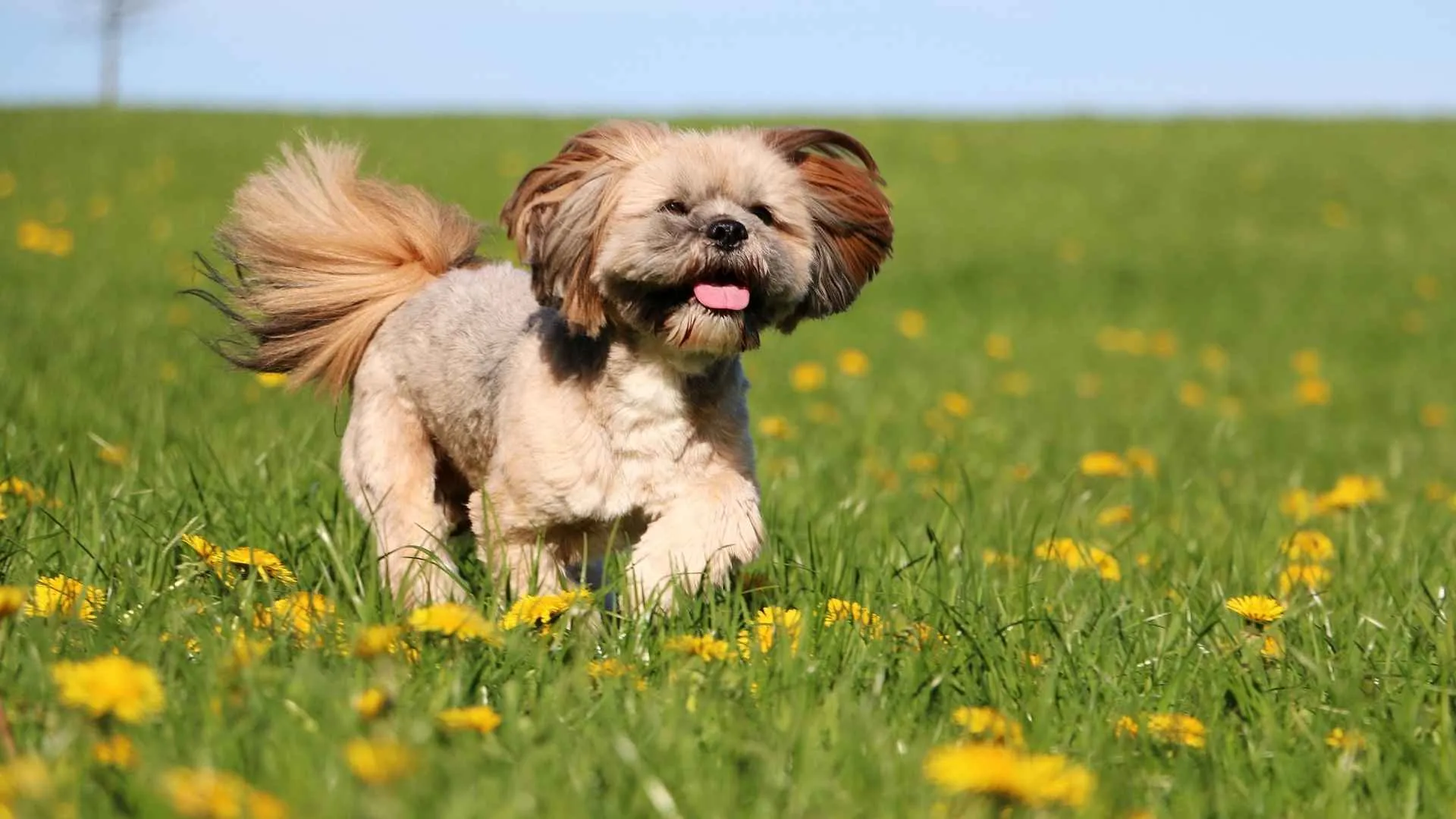
Lhasa Apso is linked to centuries of service inside Himalayan monasteries and palaces, where alert presence mattered more than size.
A compact frame hides a bold, self-assured temperament shaped for watchful roles in quiet spaces. Its personality blends sharp awareness with an unexpectedly playful side at home.
Coat and Grooming Demands
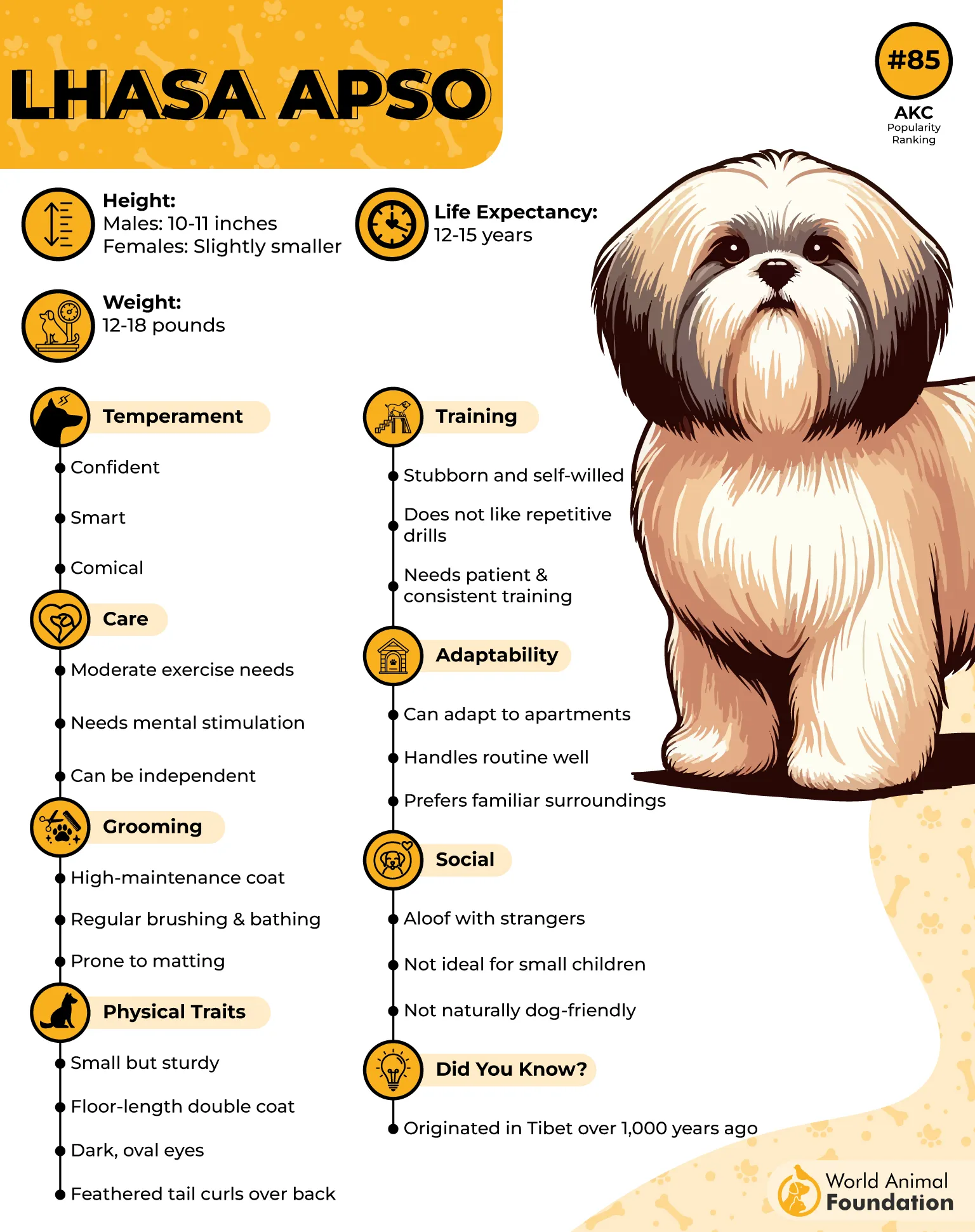
Daily life with this breed often revolves around its flowing coat, which can be kept long or trimmed short depending on preference. Regular brushing and bathing routines keep the coat manageable and prevent matting in dense areas.
A few grooming-focused points often define everyday care:
Requires frequent brushing sessions
Coats benefit from regular bathing cycles
Needs thorough drying after washing
Compact but Self-Sufficient Energy
Despite its small build, the Lhasa Apso does not rely on constant direction for activity, often creating its own movement indoors or in enclosed spaces. Short bursts of running or exploration help release its energy without structured routines. This independence adds a distinct layer to its daily behavior.
4. Yorkshire Terrier
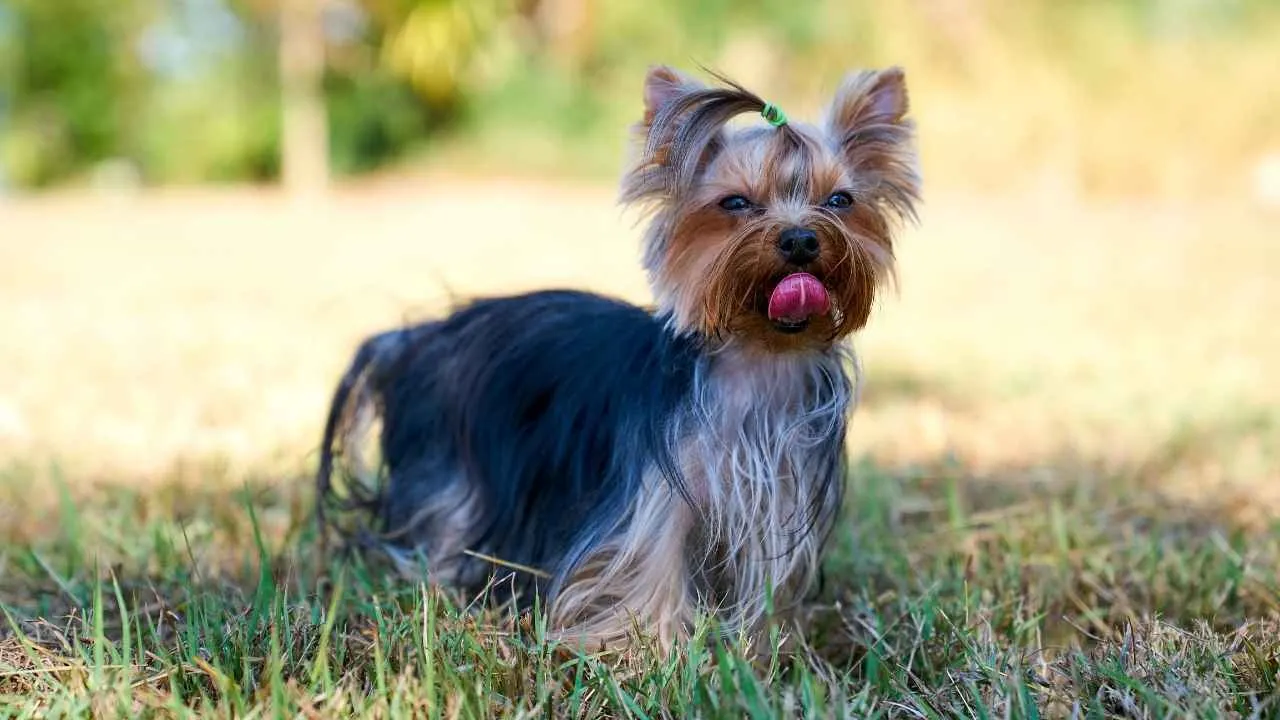
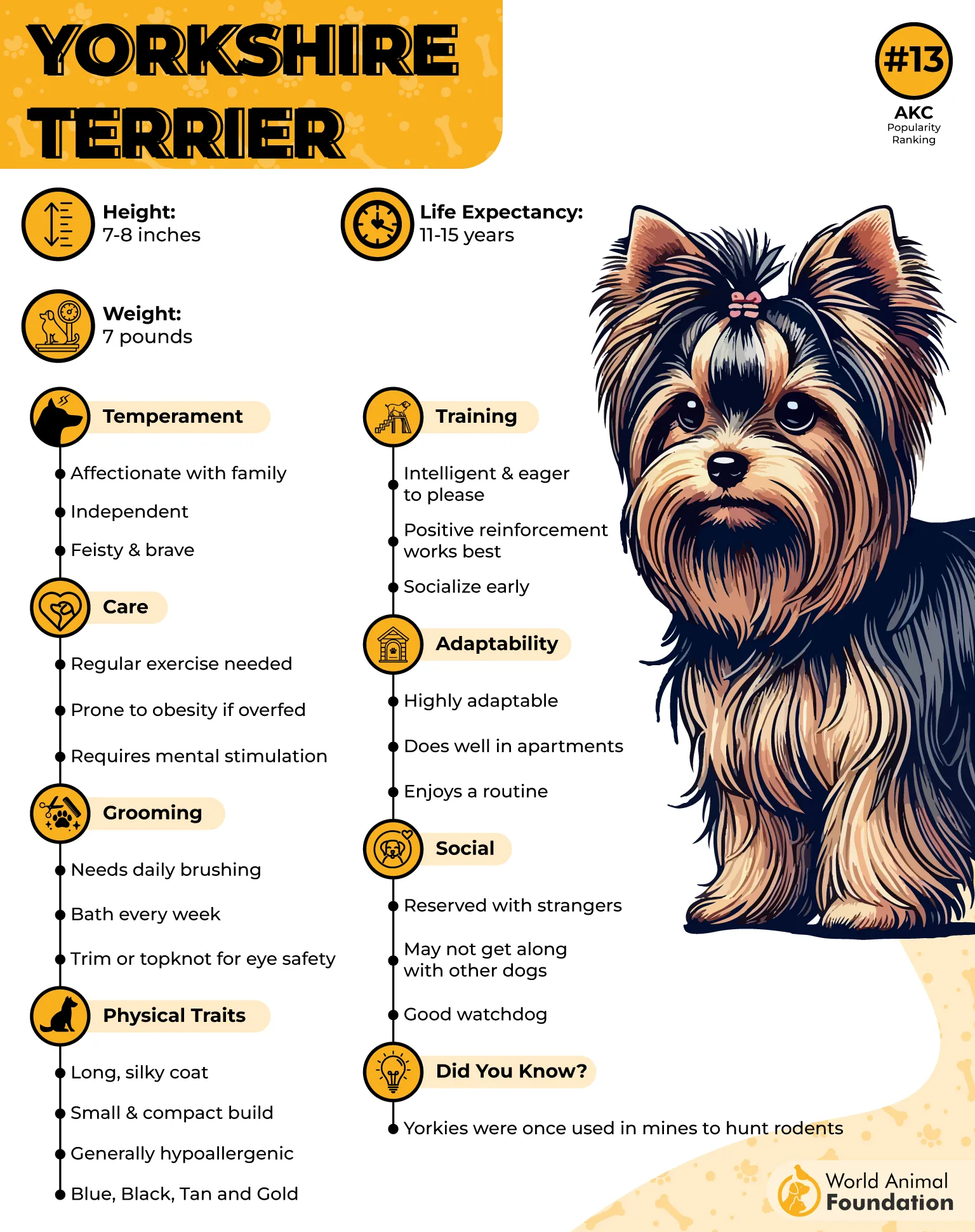
Yorkshire Terrier stands out with a bold terrier attitude shaped by work in mines and mills, giving it a confident, alert nature. This contrast between its spirited personality and working background defines its character. A long, silky coat, closer to fine human hair than fur, completes its elegant look.
Grooming and Coat Care
Yorkies require regular coat attention to keep their signature texture smooth and manageable in daily life. The hair around the face is often trimmed or tied back to keep vision clear during movement.
The following care habits help manage its fine coat effectively:
Daily brushing for long coats
Weekly bathing routine
Face hair tied or trimmed for comfort
Bold Terrier Personality
This long-coated dog carries a lively, determined attitude that often feels larger than its size suggests. Its alert nature keeps it engaged with its surroundings, while its playful streak brings constant activity indoors. Early working roles shaped this energetic mindset.
5. Maltese
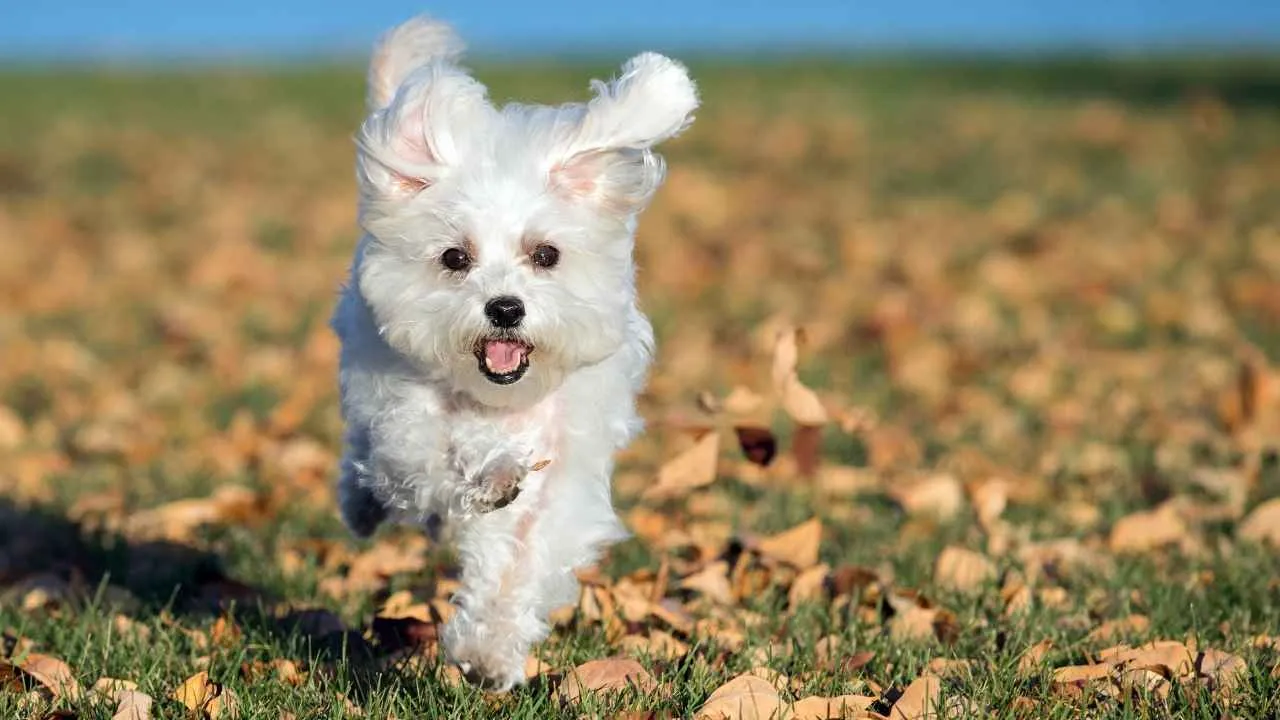
Maltese has a white coat that flows down in a way that makes every step look lighter than it should. Referred to as “Ye Ancient Dogge of Malta,” it has long been a steady lap companion. Beneath that is a small body that moves with calm balance.
Coat Care and Daily Rhythm
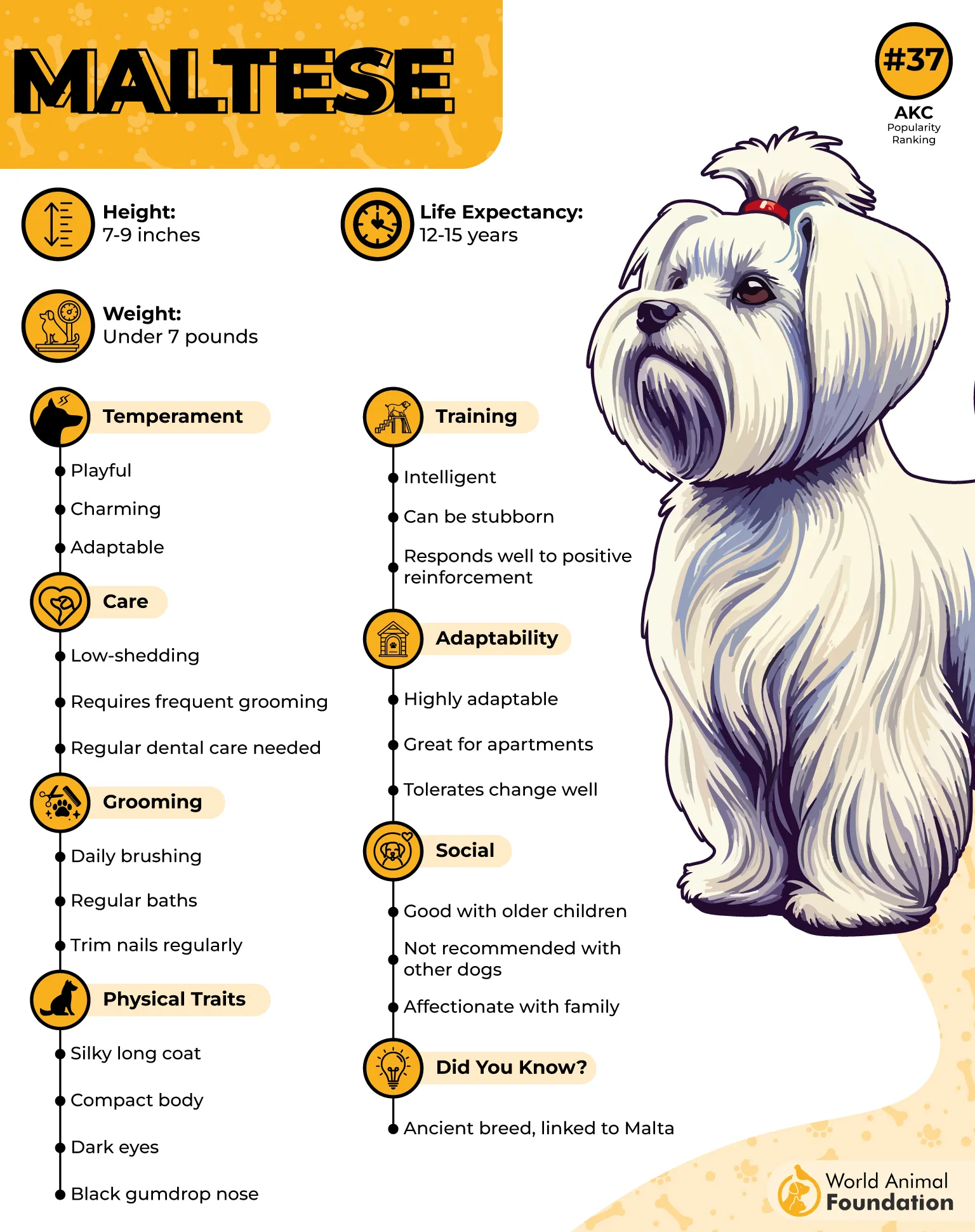
Their luxurious, simple coat requires regular grooming to keep its silky texture free from tangles and mats. The breed adapts easily to indoor living, making simple routines enough to meet its daily needs.
This is what shapes its upkeep and behavior:
A long, straight coat needs daily brushing
Regular bathing helps maintain coat texture
Responds well to reward-based guidance
Energy and Living Ease
Short walks or indoor play sessions usually satisfy its activity needs without demanding intense routines, as Orvis claims. Despite its delicate look, it handles daily life with surprising steadiness and adaptability. Its role as a companion remains central in how it engages at home.
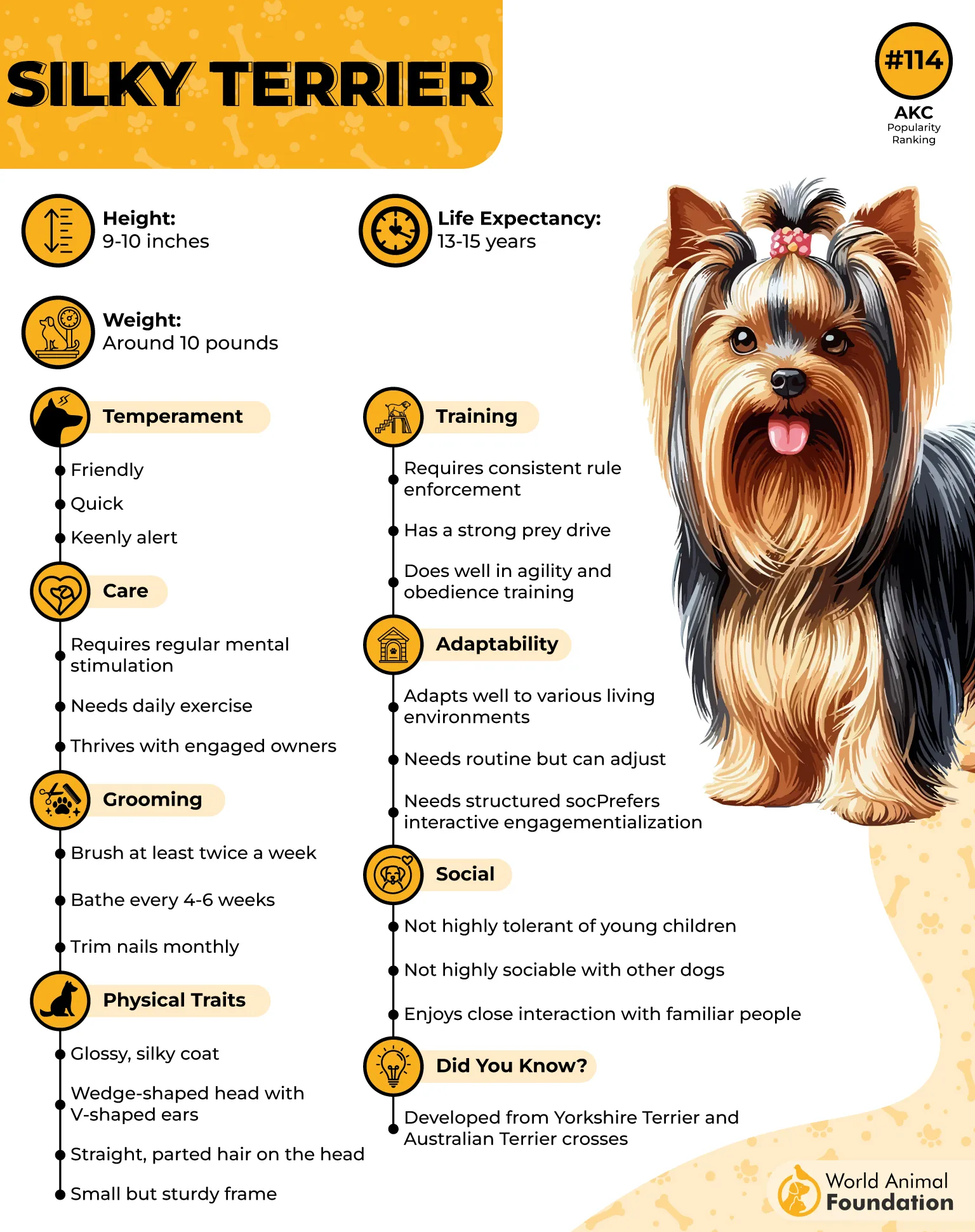
6. Silky Terrier
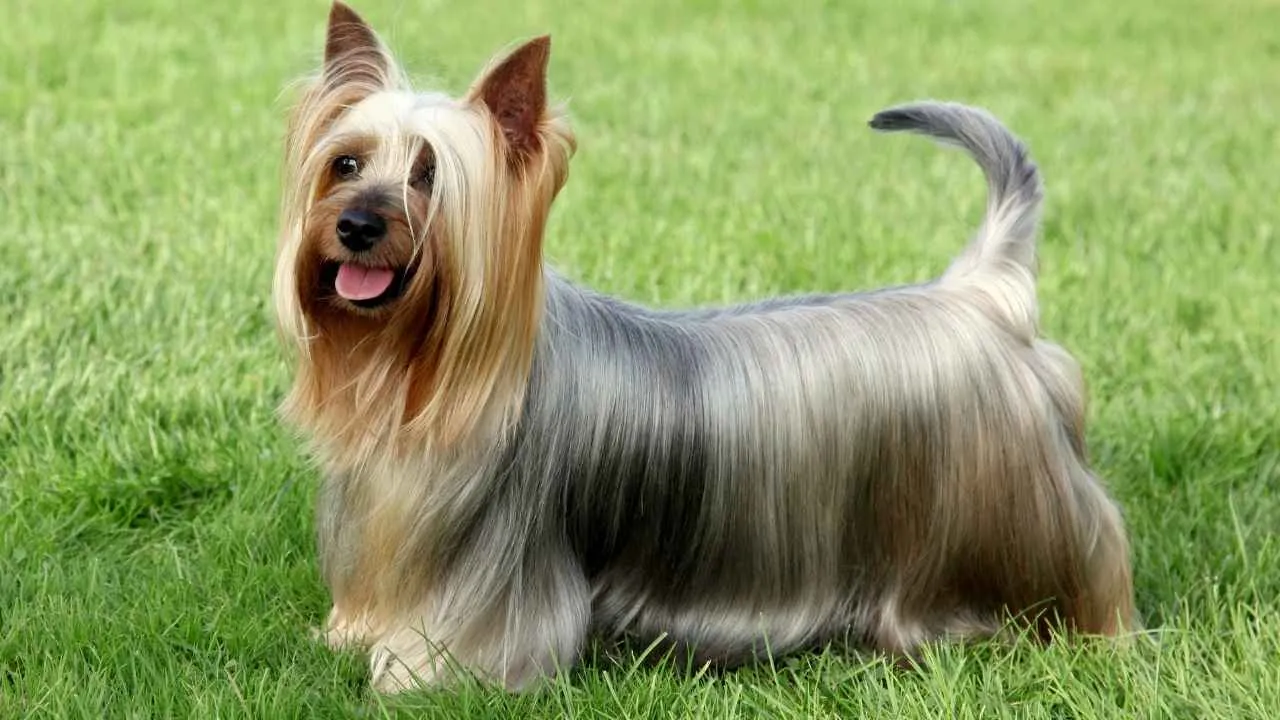
Silky Terrier takes shape from late 19th-century Australia through crossing Yorkshire Terrier lines with native Blue and Tan Terriers, producing a compact frame wrapped in long, fine hair. This combination created a small companion built around energy and a close family connection.
Daily Activity and Attention
Silky Terrier relies on consistent physical engagement paired with close interaction with its household. Its routine works best when movement and social time are balanced rather than separated.
This daily pattern becomes clearer through practical needs:
Needs at least one hour of daily activity
Enjoys agility-style movement and structured play
Responds better when social exposure begins early
Coat Care As a Defining Routine
This furry friend carries continuously growing, glossy hair that requires regular attention to prevent tangling and matting. Brushing becomes part of routine upkeep, while professional grooming helps maintain proper length. This coat structure directly shapes how daily care is organized.
7. Pomeranian
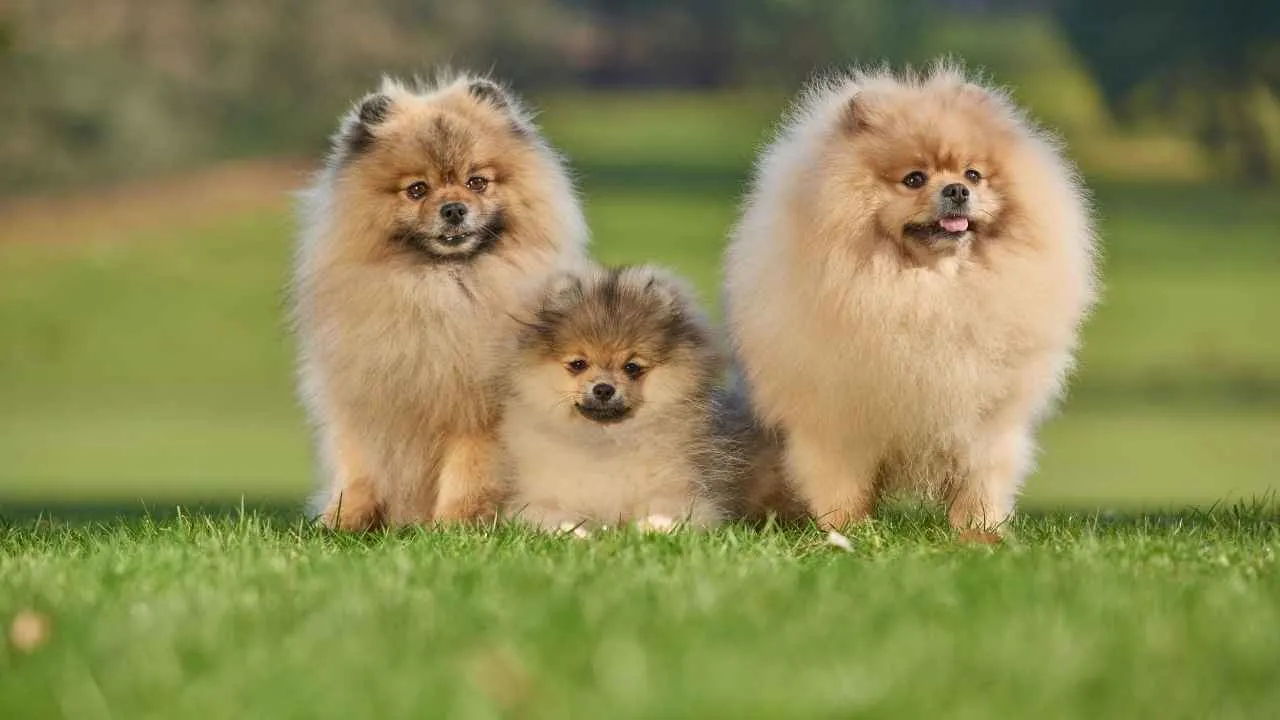
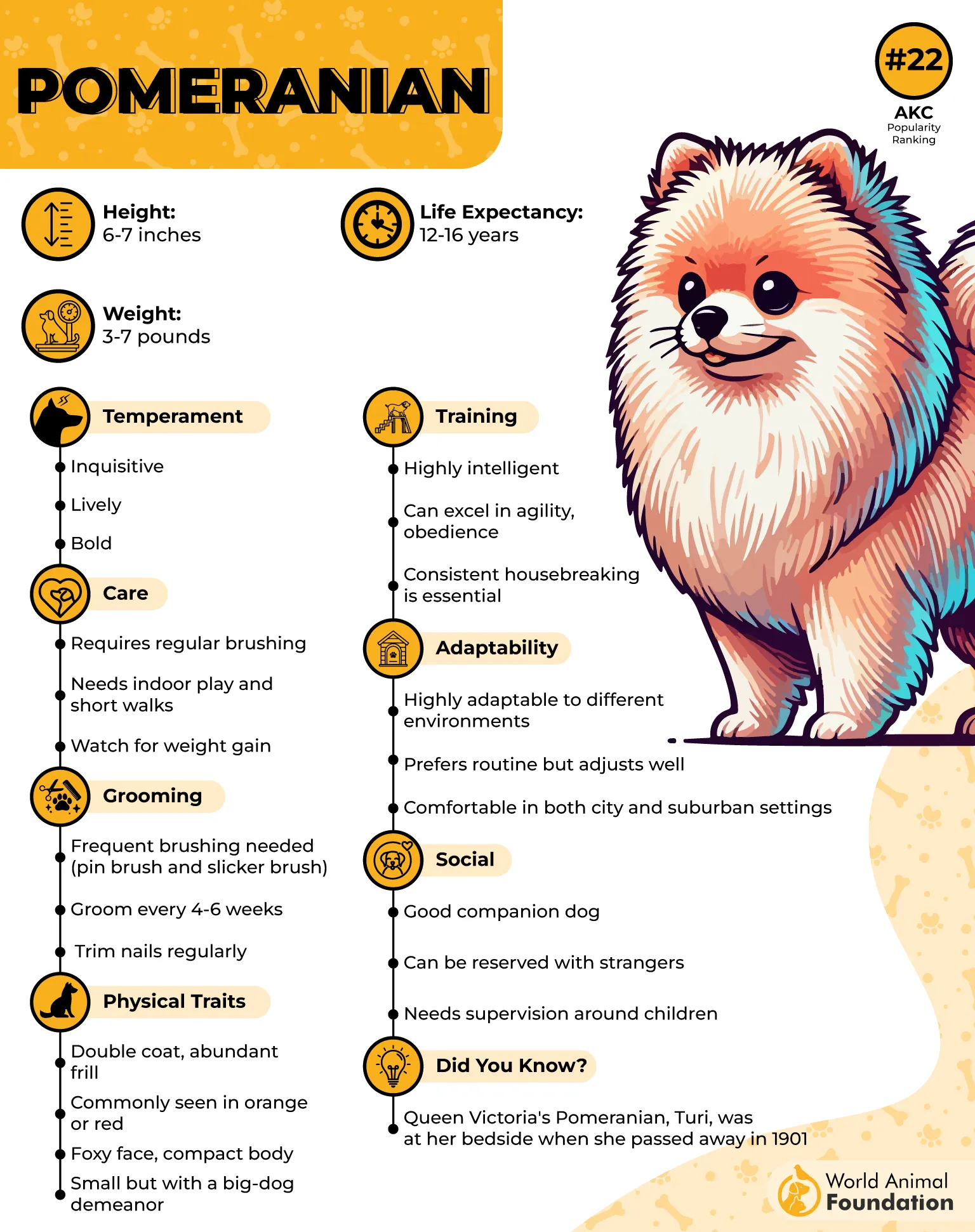
Pomeranians feel bigger in personality than their frame suggests, with a shape that naturally draws attention. Once favored in royal circles and households alike, its expressive fox-like face adds to its lively charm. The combination of size and presence gives it a confident, animated personality.
Coat Care and Daily Rhythm
That signature coat demands regular brushing to prevent tangles and keep its full texture intact, shaping much of the grooming routine. This double-coated breed responds quickly to interaction, making everyday engagement part of its routine.
This can be seen in how it is cared for and engaged:
A dense double coat needs frequent brushing
Learns tricks and simple games quickly
Enjoys short walks and indoor activity
Energy in a Small Frame
Behind the fluffy appearance sits an active and alert nature that enjoys interaction and attention. It adapts well to compact living spaces as long as it receives mental engagement and brief bursts of movement. Its expressive behavior often makes it responsive to human moods and routines.
Conclusion
Exploring different coat types reveals how much diversity exists within the canine world. Dog coat types are never simply decorative. They often reflect a dog’s original purpose, living conditions, and the environments it was developed to navigate. Some require dedicated grooming, while others remain surprisingly simple to maintain, from curly-coated dogs to a rugged wire-coated breed.
These distinctions shape ownership experiences in practical ways that extend far beyond appearance. Understanding coat characteristics, natural oils, and basic grooming tips allows future owners to make more informed choices while gaining a deeper appreciation for canine history. In many ways, a dog’s coat serves as a visible reminder of the remarkable journey behind the breed.
