




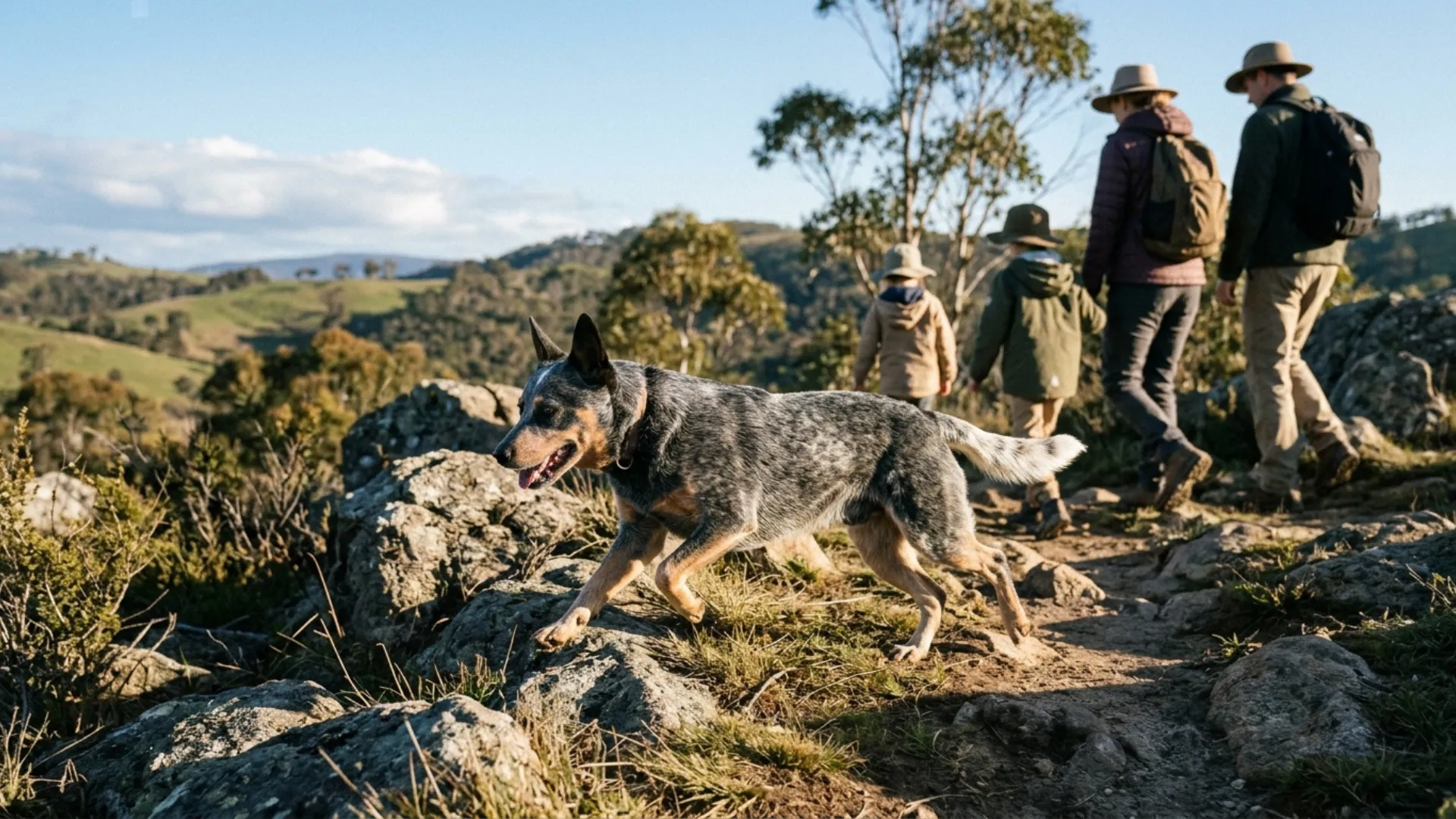
Life feels more meaningful when days have a bit of motion, fresh air, and those shared outdoor get-togethers that kind of stick in your memory. Families that like moving around, hiking, and keeping active routines usually end up wanting a companion that just matches that pace naturally, with steady energy in each little experience.
Some canine companions seem kinda made for that exact rhythm. Their energy, loyalty, and strong emotional bond with people make even a simple walk feel like a big journey. They don’t only hang around the family, they join the whole plan and become part of every adventure, every outdoor schedule, you know?
That stamina often traces back to generations of herding, hunting, and work done in wide open spaces. Solid muscle structure plus a sharp, focused mind allow them to stay engaged for long periods without losing focus. However, if there isn’t regular movement and structured activity, that same drive can turn into restless behavior at home, making daily exercise and mental stimulation very important.
Unstoppable Dog Breeds for the Adventure-Hungry Family
1. Border Collie
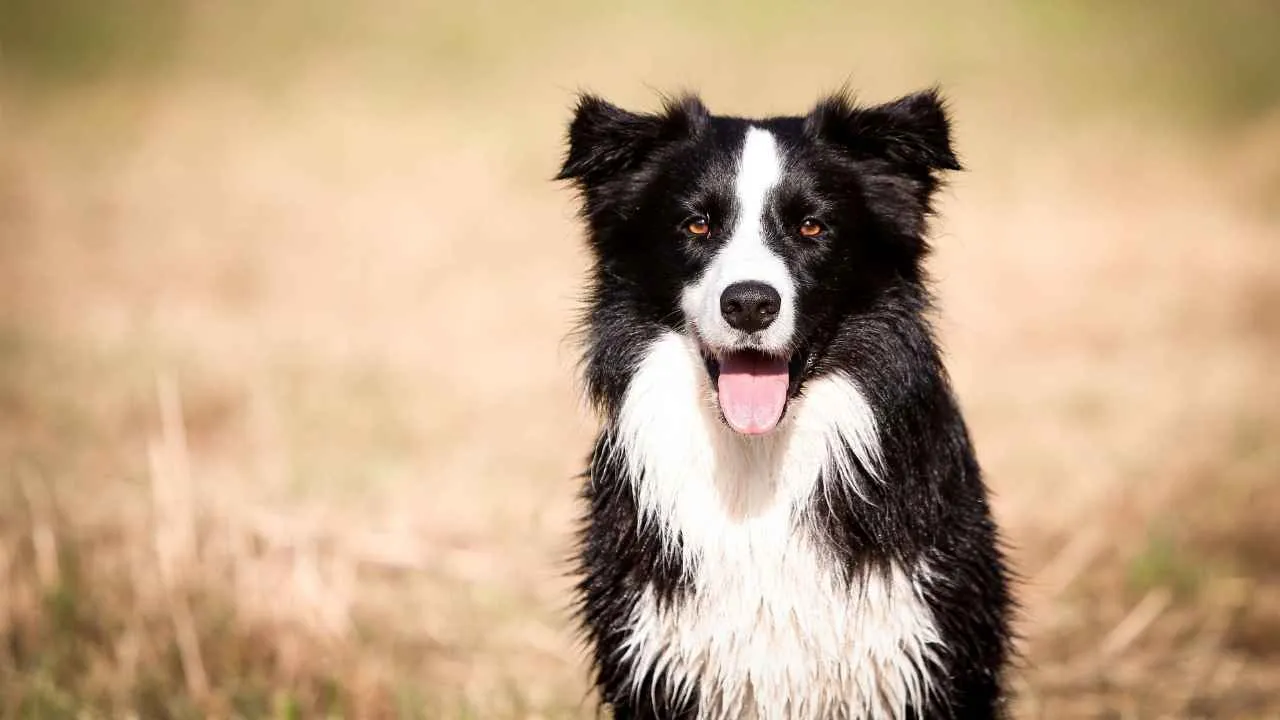
The Border Collie is a quick-witted companion well known for sharp thinking and a serious work drive. Originally developed from sheep herding lines in the British Isles, this lively companion tends to thrive in energetic settings where tasks and forward motion are part of everyday life.
A Border Collie needs both mental stimulation and physical exercise to stay steady. Training games, agility sessions, and learning new tasks help keep behavior calmer, and the focus stays clearer. A quiet stay-at-home kind of lifestyle doesn’t really fit this active dog.
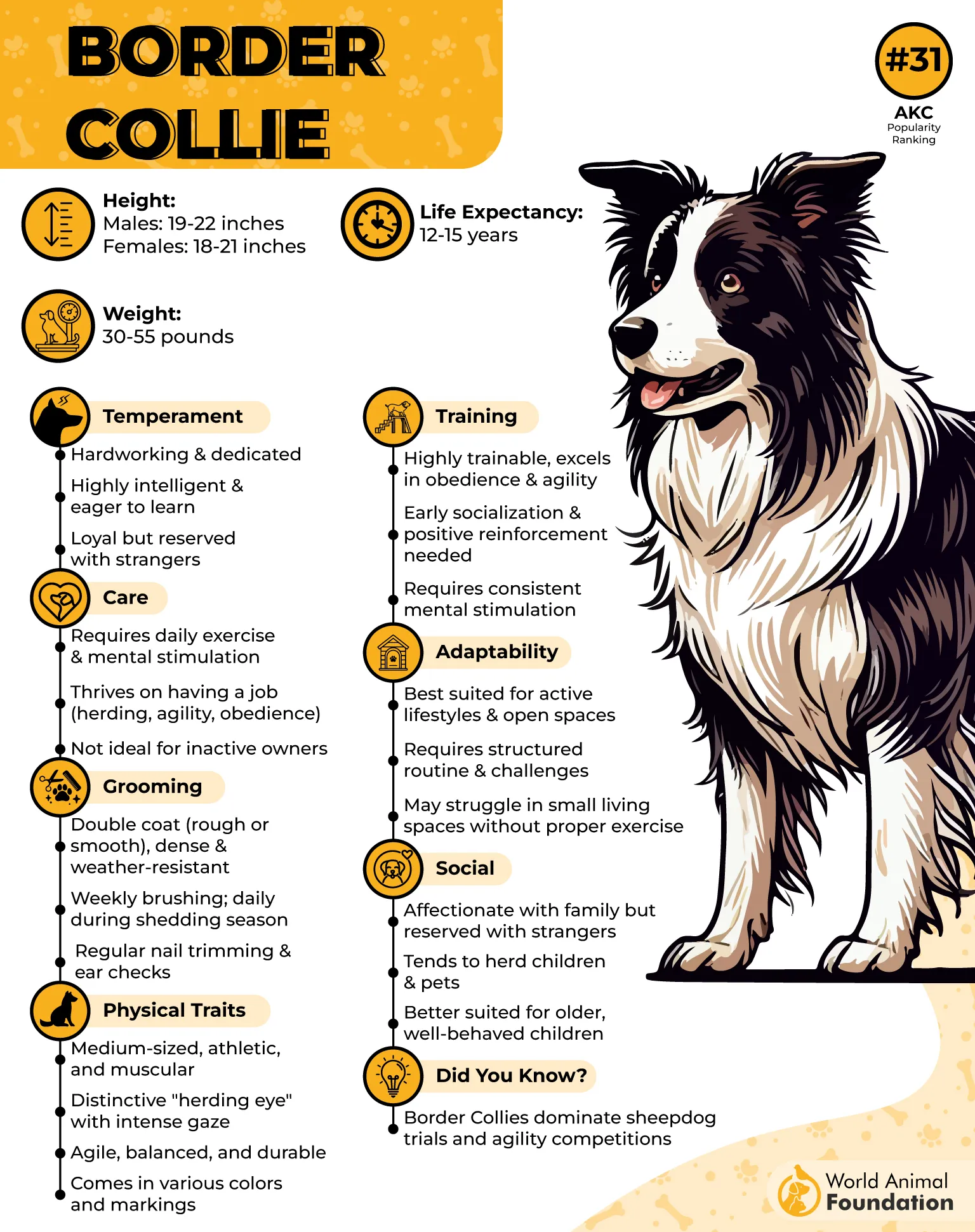
This coat can be rough or smooth, and both versions still need regular brushing to stay tidy and support skin health. Grooming also helps reduce shedding, which means less chaos inside the home environment. This companion is often ranked among the most intelligent working types and commonly does very well in structured training spaces where concentration and learning matter.
2. Australian Cattle Dog
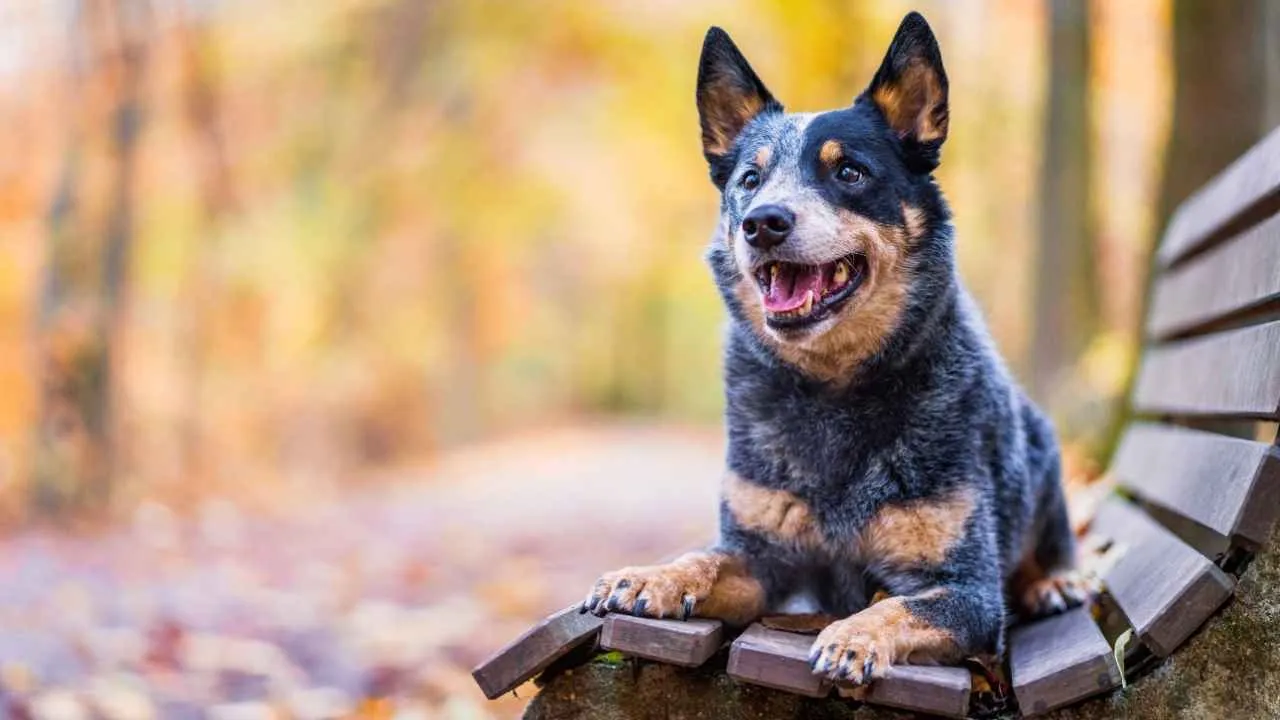
A strong, compact, and very alert working companion kinda built for endurance, and you can really feel it when it’s out there. Developed in tough Australian situations, this busy companion is known for stamina and sharp awareness even during long hours of work.
Australian Cattle Dogs show strong loyalty, and they can also be protective toward family members. Early socializing, like not just once, but consistently, helps shape steady behavior and gives better adaptability across different environments.
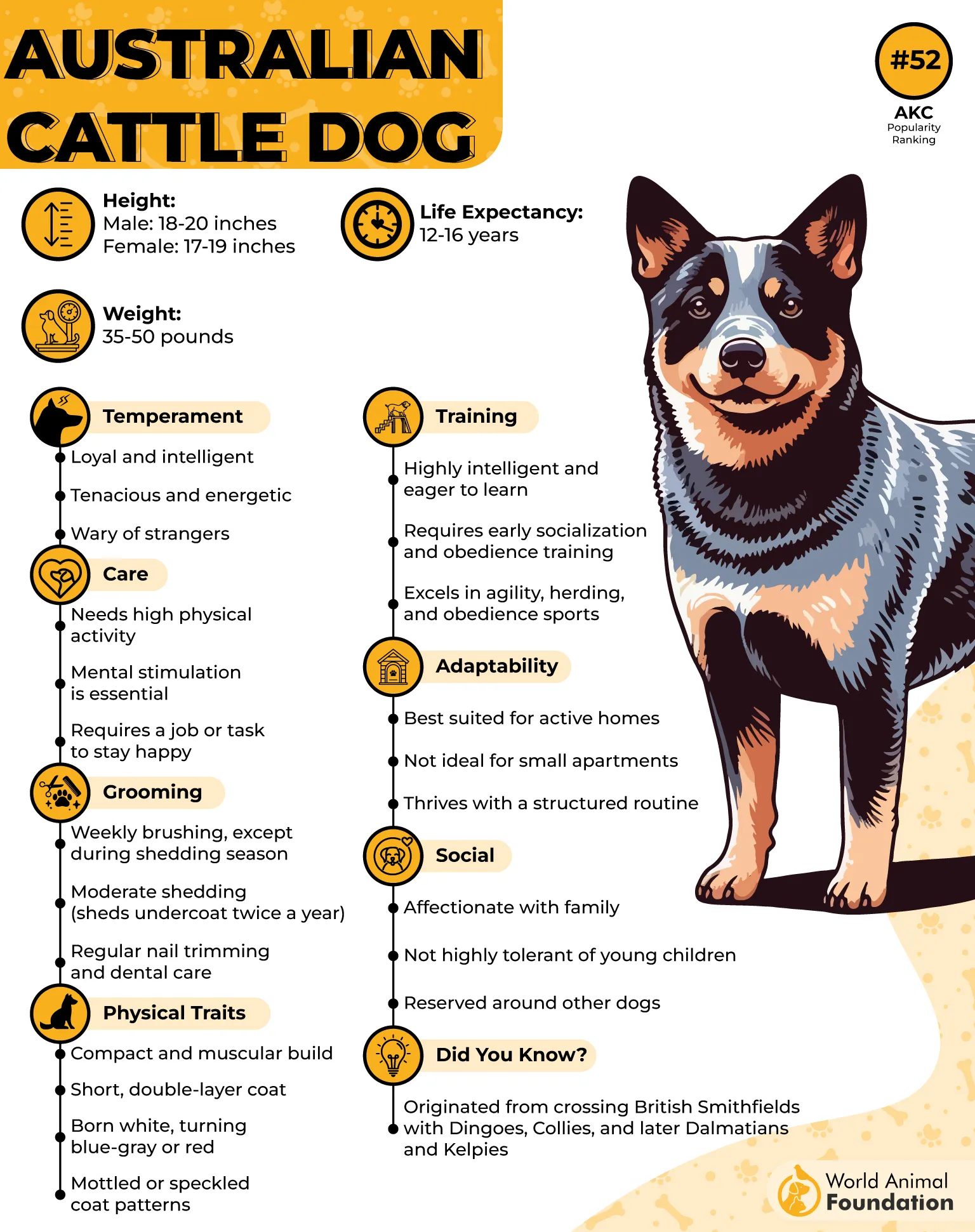
A dense coat helps protect against rough weather and all those outdoor little surprises. Regular brushing also keeps everything tidy, clean, and comfy. As Purina notes, this companion dog is recognized for strong working instincts, and it usually performs best when it is given tasks or at least some structured physical activity, not just random wandering.
3. Vizsla
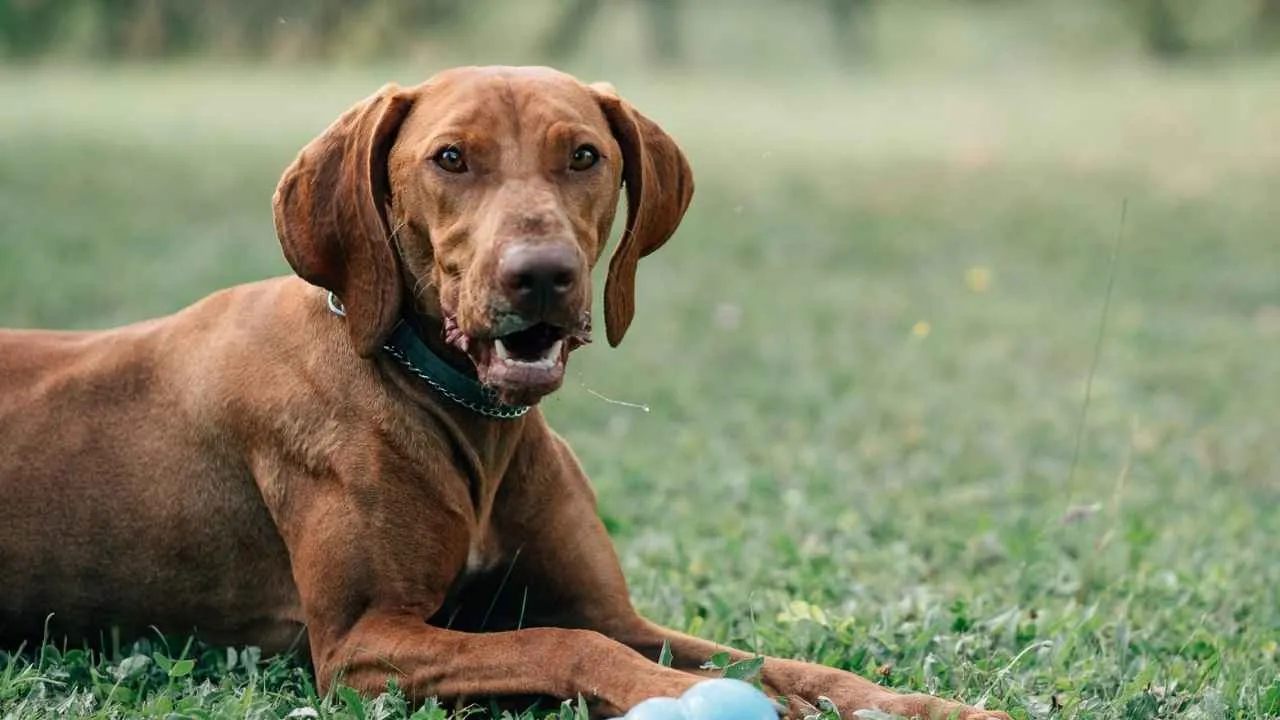
The Vizsla is a graceful and emotional hunting companion; it’s known for speed and close bonding with people. Coming from Hungary, this active companion feels made for agility and also companionship, so it fits pretty well with outdoorsy families.
Vizsla tends to want constant togetherness, and it really doesn’t like long isolation. That emotional link matters a lot for how stable it feels, and for comfort at home, too.
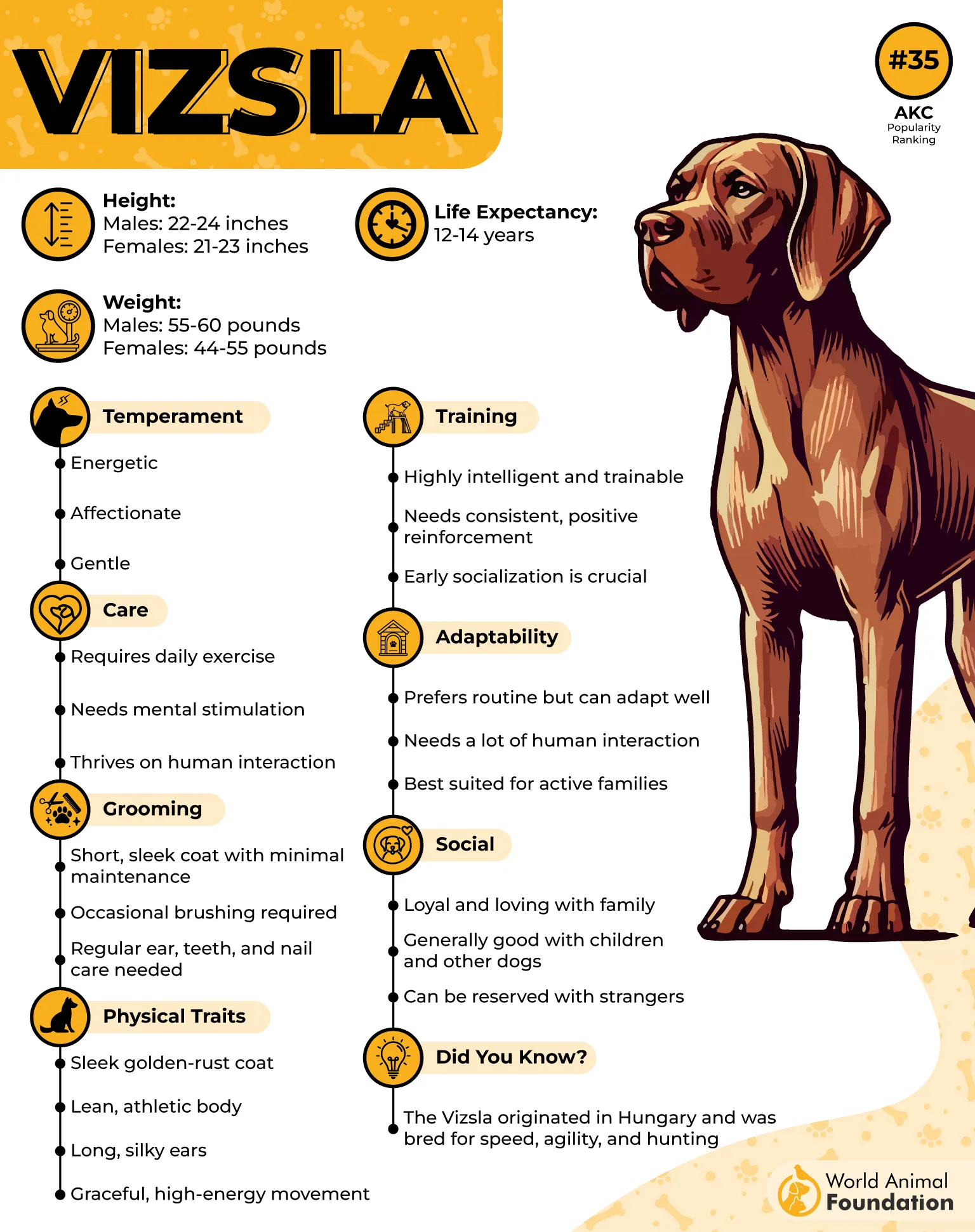
Regular running or other outdoor exercise supports balanced energy, and it can help calm behavior when you’re outside. Gentle training methods work best with this sensitive kind of dog, honestly. PetMD explains that this dog often forms a strong attachment with its family, and it typically responds well to positive reinforcement-based training methods.
4. Siberian Husky
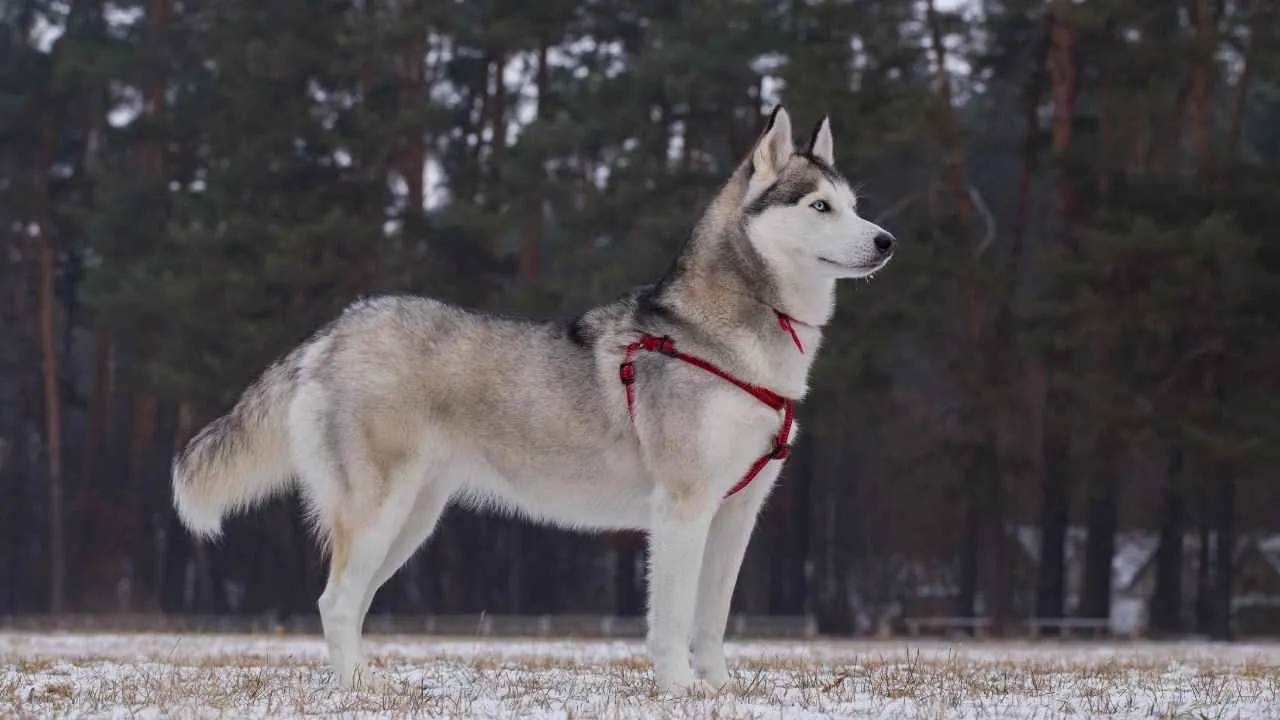
The Siberian Husky is a powerful endurance companion, developed for pulling sleds across snowy landscapes. This active companion is known for its thick coat, stamina, and strong movement instincts, especially in cold environments.
The Siberian Husky loves open spaces, and it also needs a lot of motion, or it starts getting antsy. Having secure outdoor areas matters a bunch, because it tends to wander naturally, and the curiosity is really strong, like always.
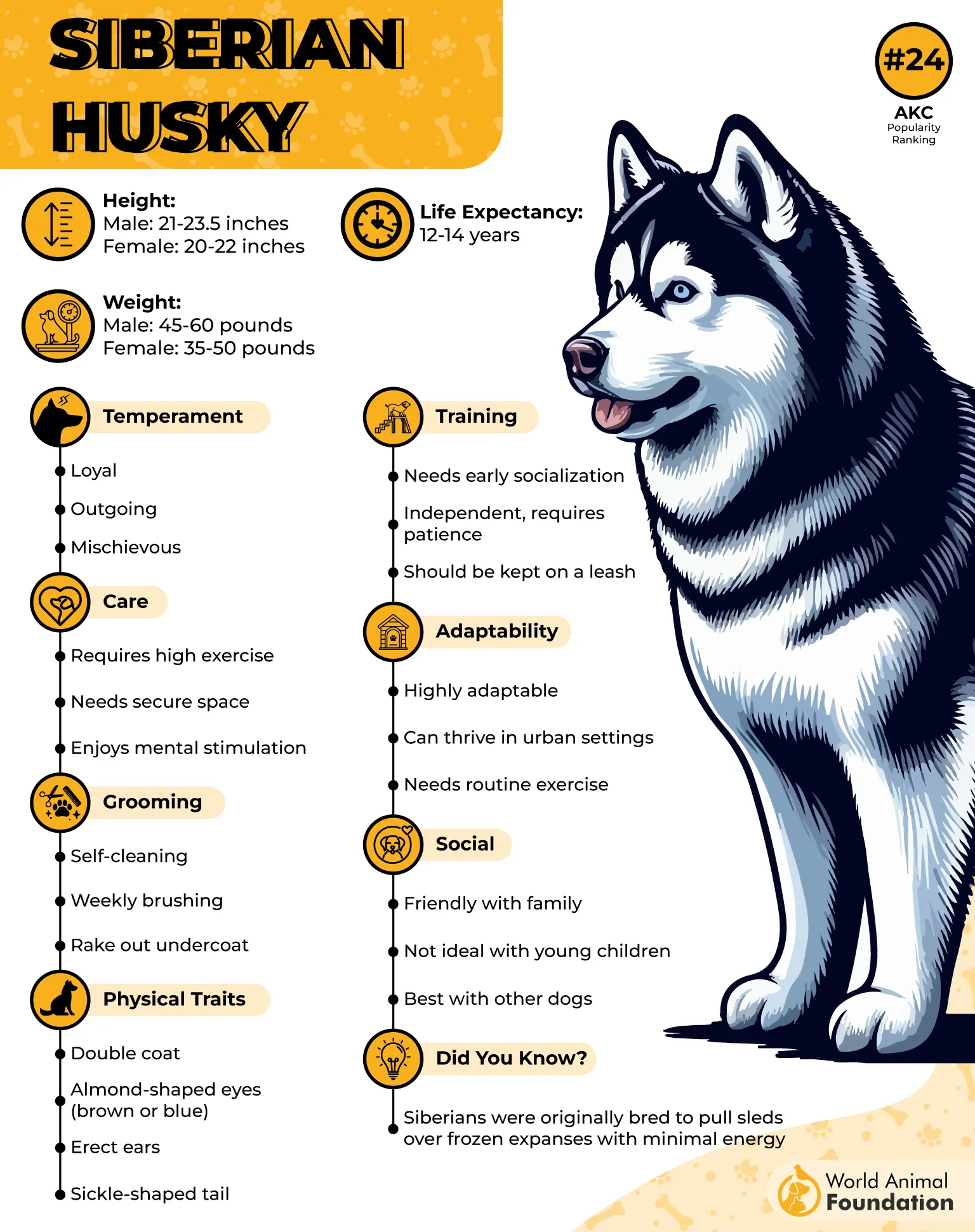
Its personality is usually quite amiable, so this companion stays sociable with people and also other animals. That said, the whole guarding impulse stays pretty low, in most cases. If you give it daily exercise, it seems to keep the mood steady. Sort of less twitchy, more balanced.
The American Kennel Club says this companion was originally shaped for long-distance pulling work, and that line of history is basically why it carries so much stamina and energy.
5. Australian Shepherd
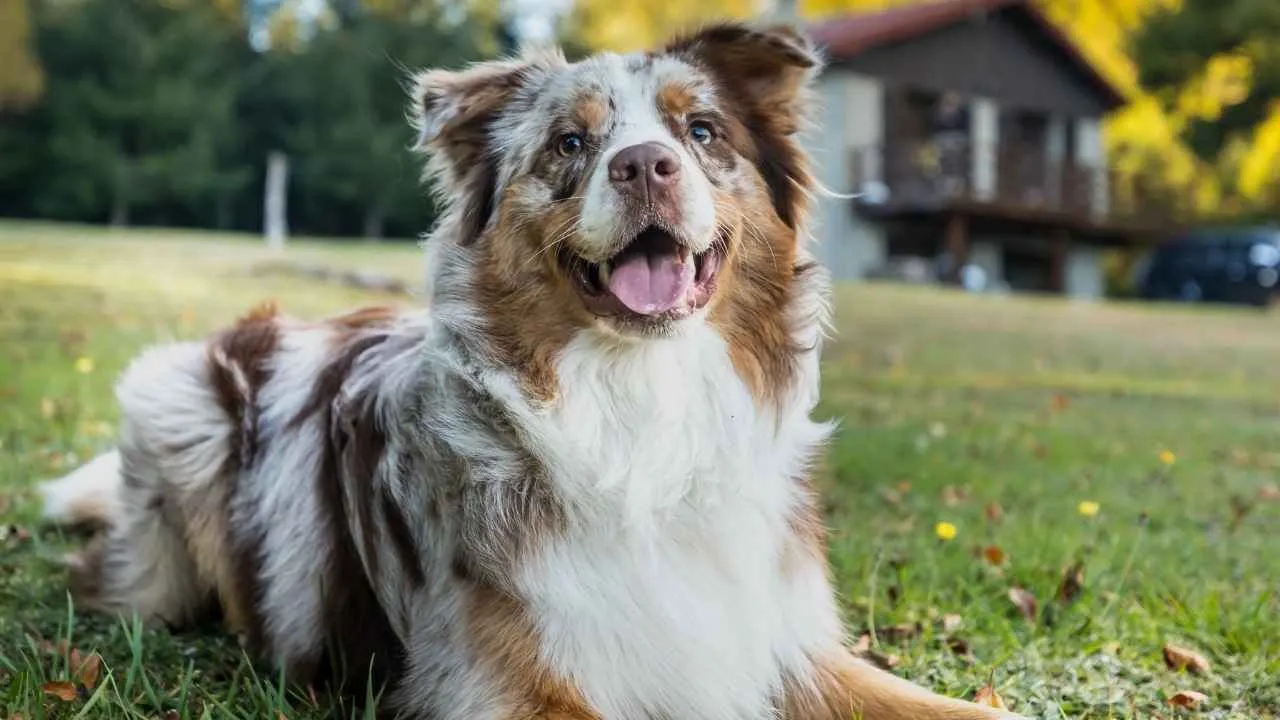
The Australian Shepherd is an intelligent, quick herding companion, known for learning fast and staying locked in. This on-the-go companion is widely respected for work drive and also for forming an emotional link with family.
The Australian Shepherd tends to make lasting bonds, and it usually does well with clear, structured routines. Mental stimulation is not optional either; it matters just as much as physical movement for well-rounded conduct.
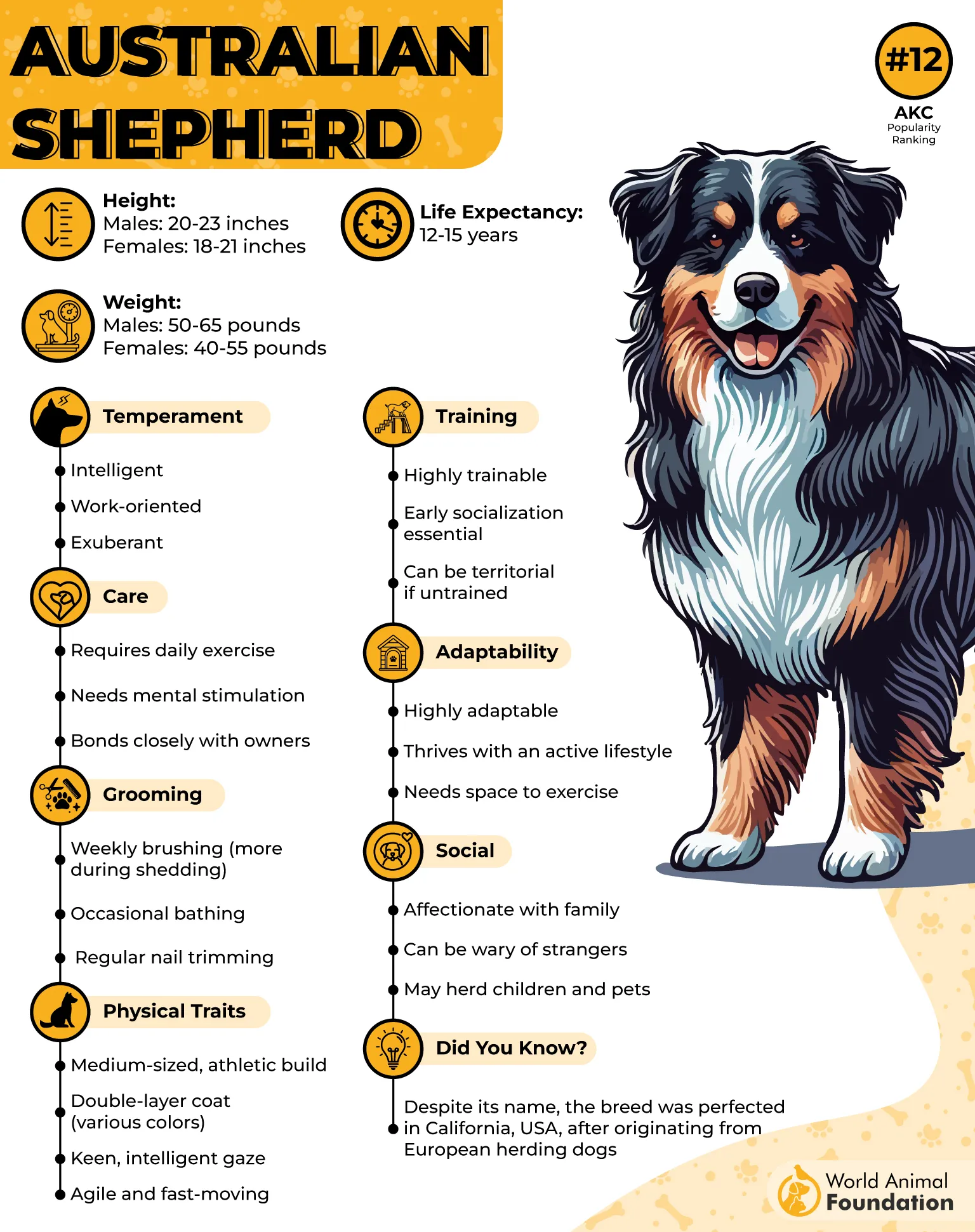
Getting it around different people early helps it grow confidence and adapt in new settings. You might notice herding instincts showing up during play, or when things involve movement-based chasing. This companion does best in lively households where training and outdoor time are part of the daily routine.
6. German Shorthaired Pointer
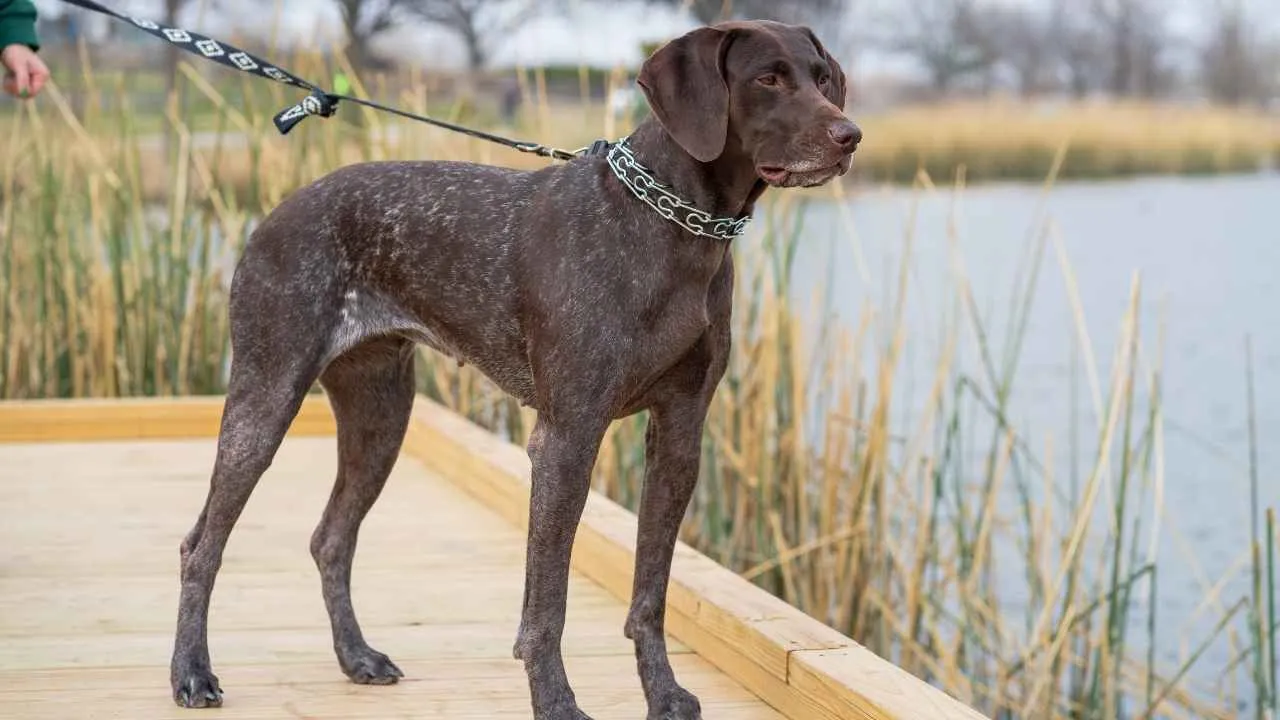
A tough, athletic hunting dog, built for endurance and speed. This active companion is made for extended outdoor time, and it handles tracking and retrieving tasks really well.
The German Shorthaired Pointer also prefers to stay close to the family group, and it doesn’t like being by itself for long stretches. Emotional closeness often supports steady and calm behavior overall.
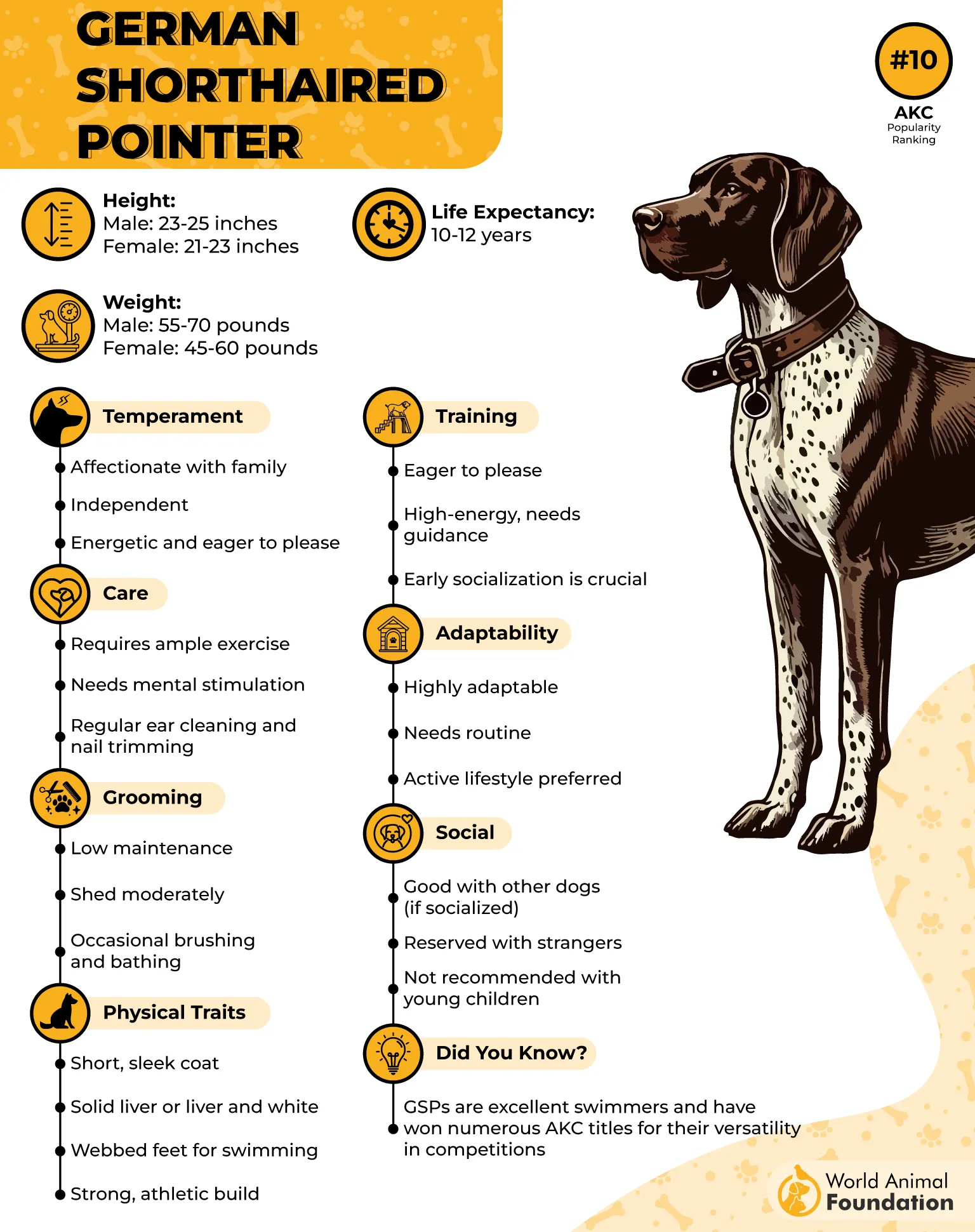
Its strong hunting instincts can push it to chase small animals outdoors, so safer management matters. Keeping things controlled helps handle that natural tendency in a safe way. This companion needs regular exercise schedules to keep energy in a balanced lane throughout the day.
7. Labrador Retriever
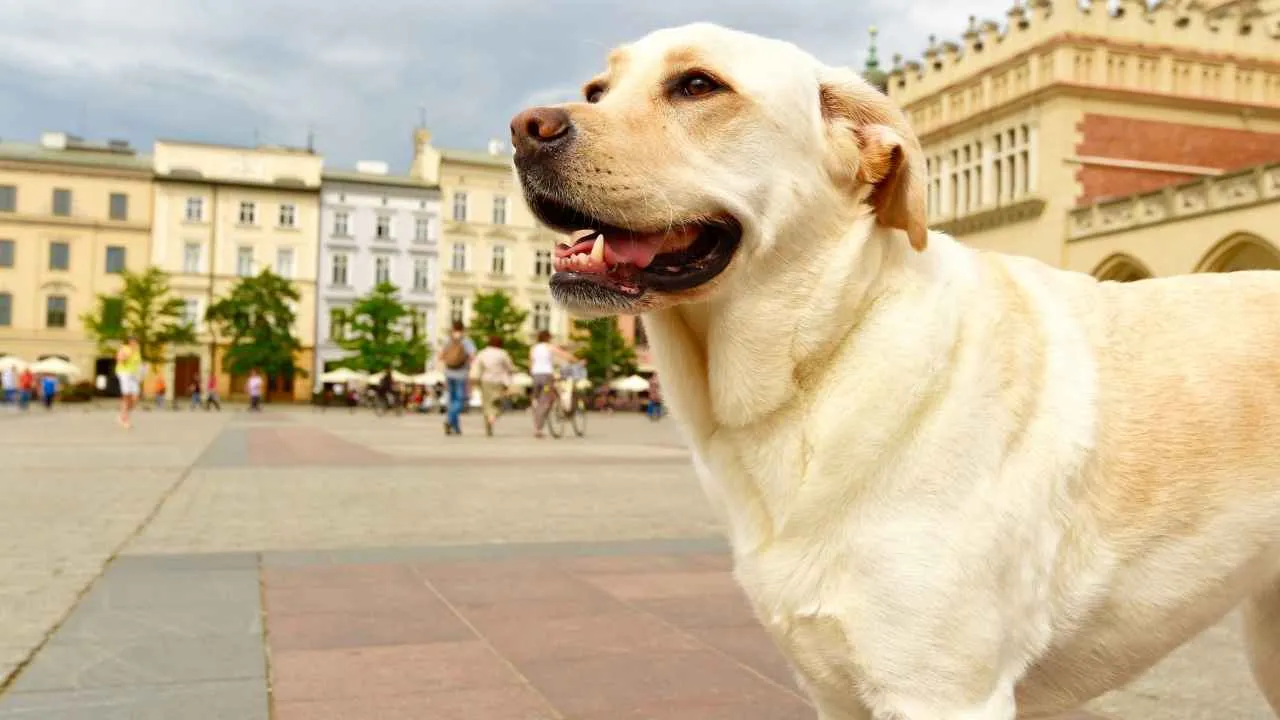
Friendly kinda family companion, really, with playful energy and loyalty that sticks around. You can spot it by its broad head, webbed feet, and that water-friendly coat too, so it ends up enjoying land and water things, both, kind of naturally.
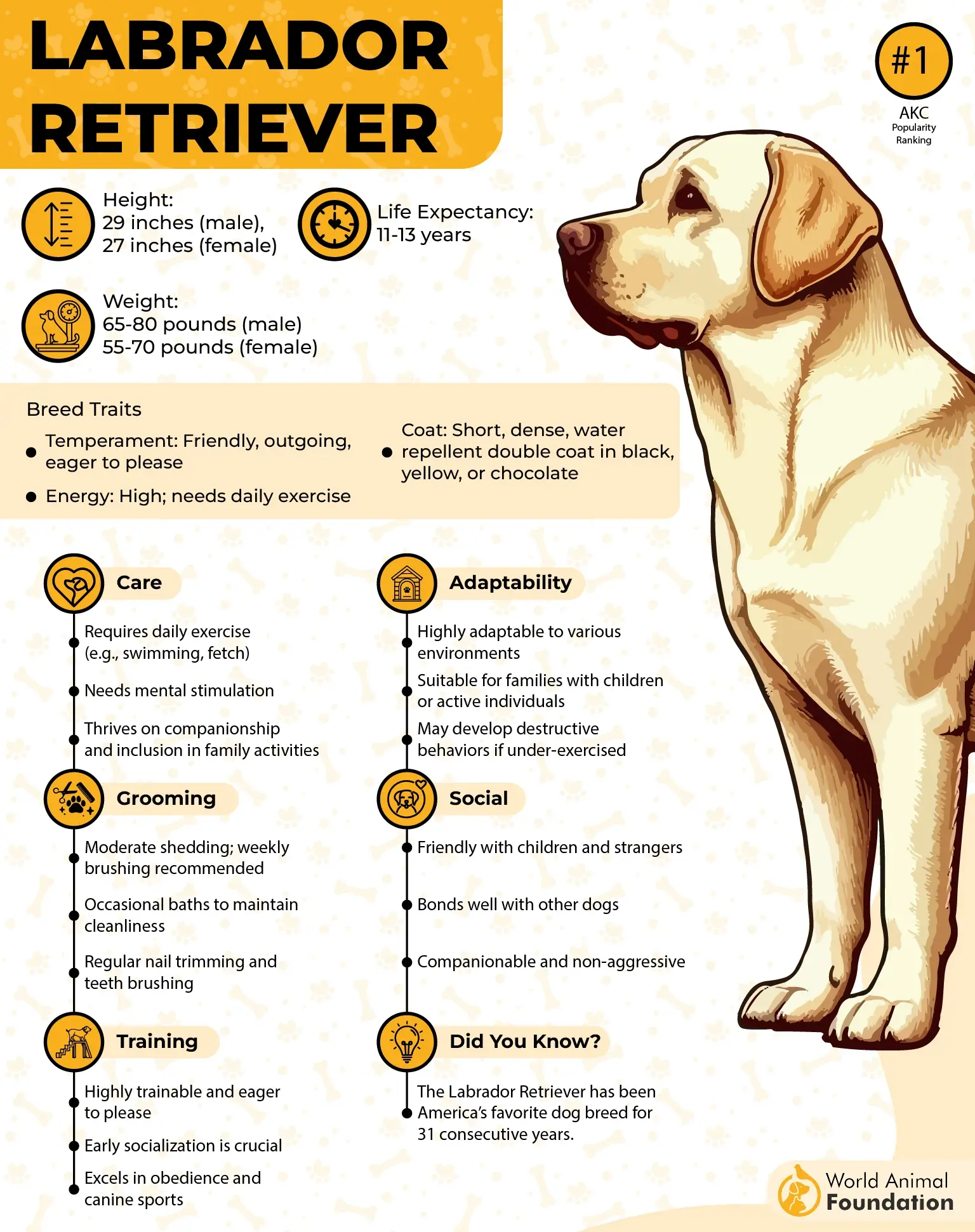
The Labrador Retriever often builds strong emotional bonds, and it tends to seek out social contact with family. Daily exercise matters a lot because it helps keep behavior steady, and supports a healthy weight, like pretty directly.
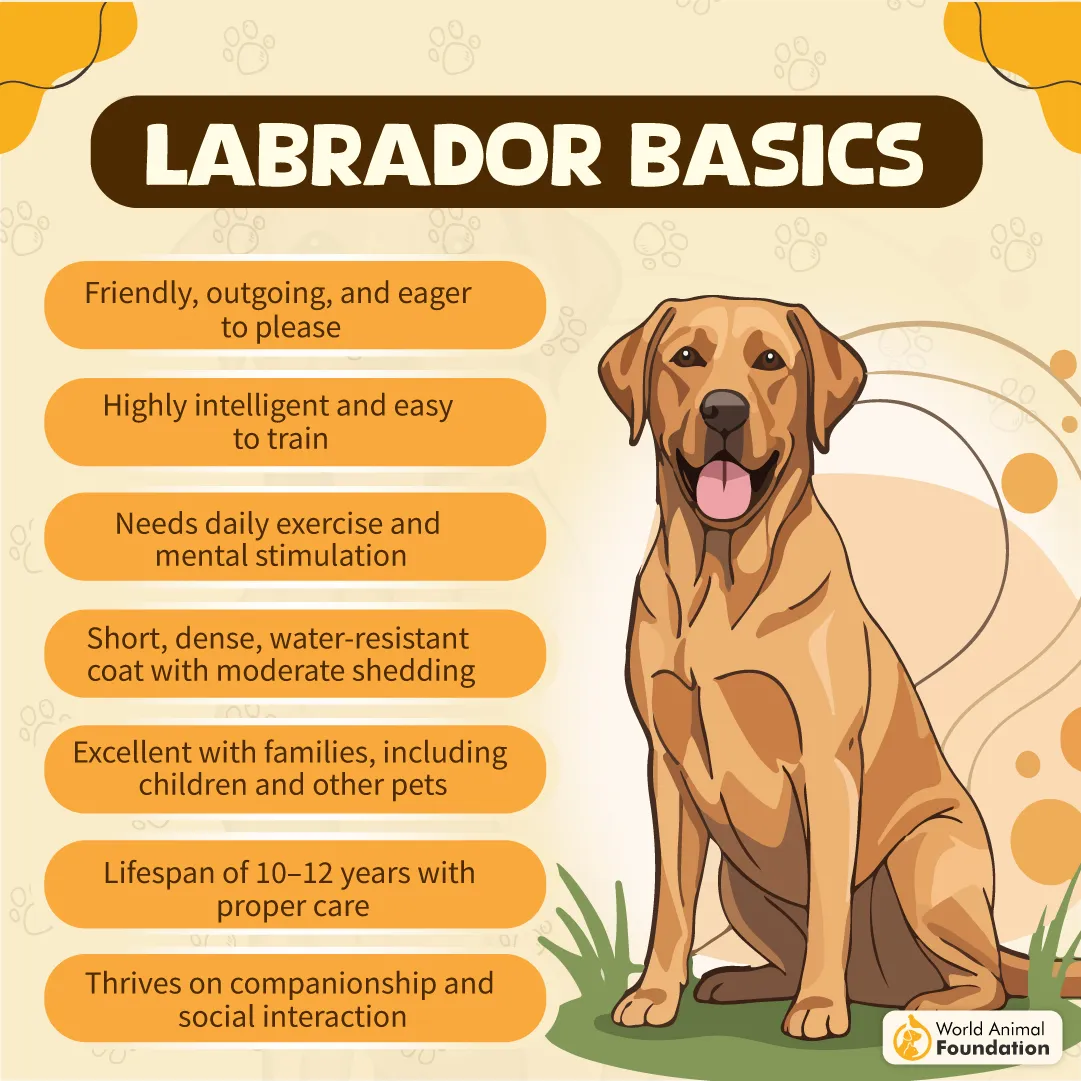
Training is usually simple because the dog is cooperative and willing to learn. Structured activity also helps keep emotional stability in place and helps focus. Hills Pet Nutrition notes that this companion can pick up unwanted habits if it’s under-exercised, so regular movement is important for overall well-being.
8. German Shepherd
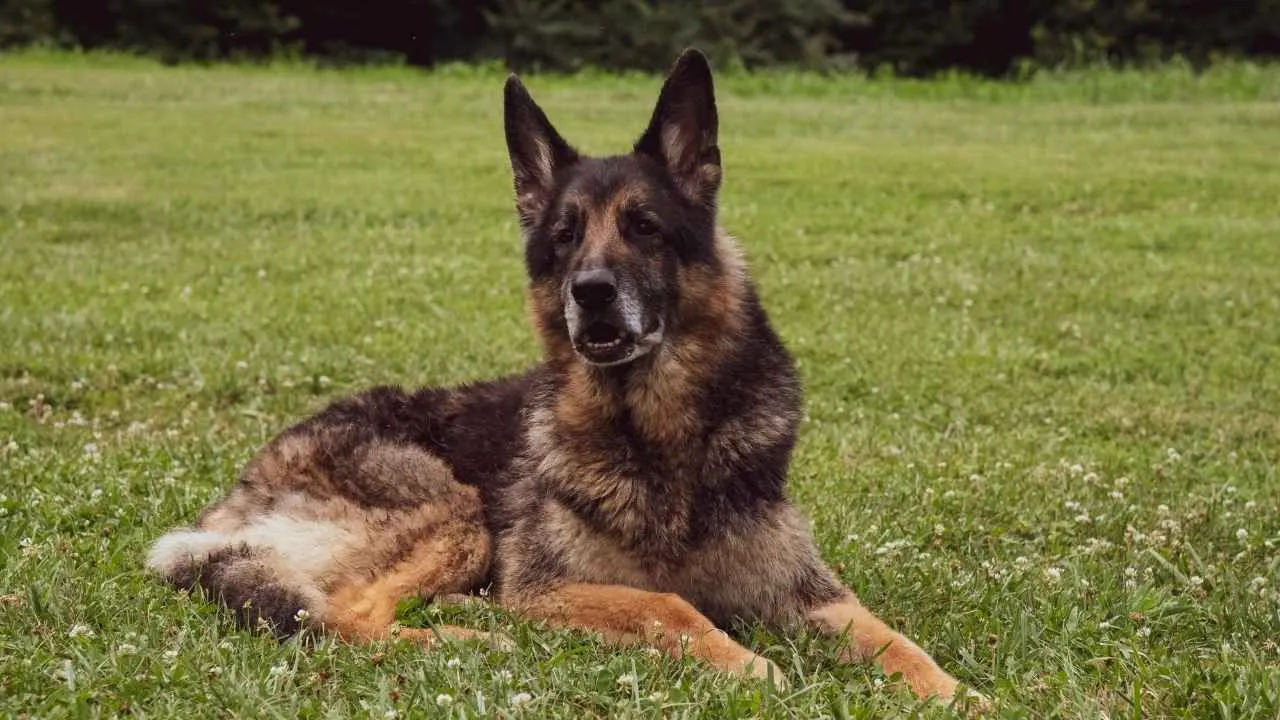
The German Shepherd is a loyal, intelligent working companion, with a disciplined vibe and a protective streak. Tracing back to herding origins in Germany, it grew into a strong dog that shows up a lot in service and security roles, honestly.
The German Shepherd does well with structured training and clear direction. Consistency plays a huge part in shaping stable behavior, not just once but long-term.
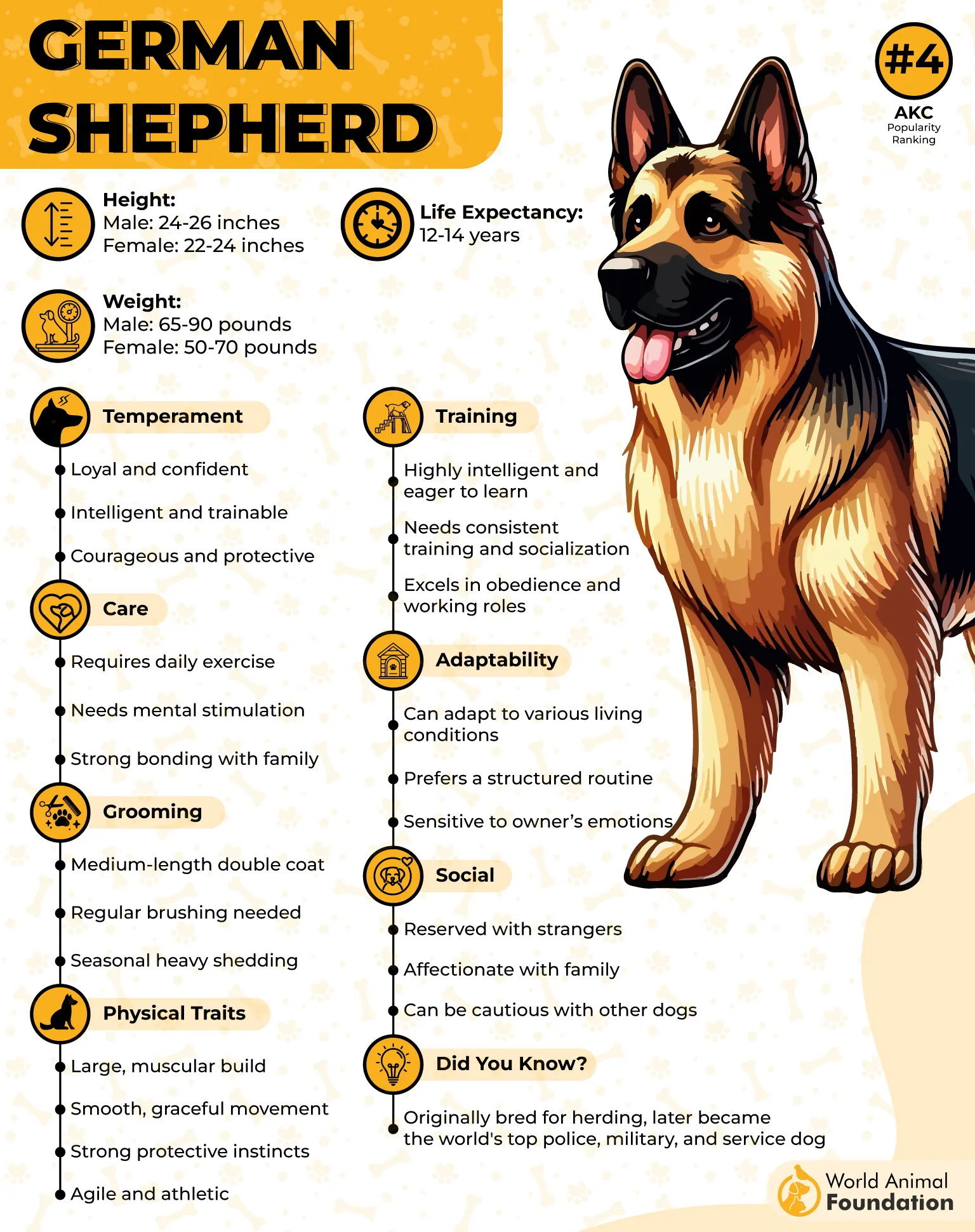
You’ll often see this companion in police, rescue, and military work because it stays focused and reliable. Mental stimulation is just as essential as physical exercise. This dog is among the most versatile working types used worldwide, used for trained tasks, protection roles, and similar duties.
9. Weimaraner
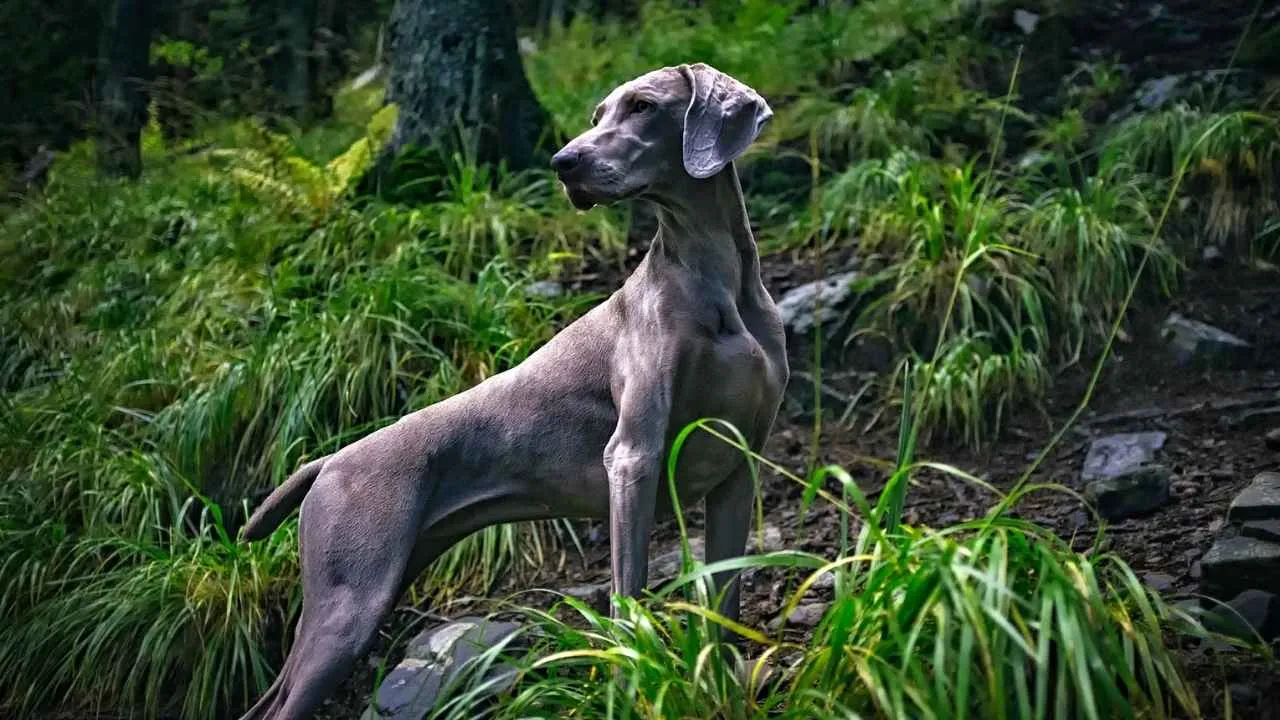
This elegant and athletic dog is known for its remarkable speed, strong hunting instincts, and deep emotional bond with its owners. Easily recognized by its silver-gray coat and well-built physique, it thrives in active environments and truly enjoys a lifestyle filled with outdoor adventures and daily activity.
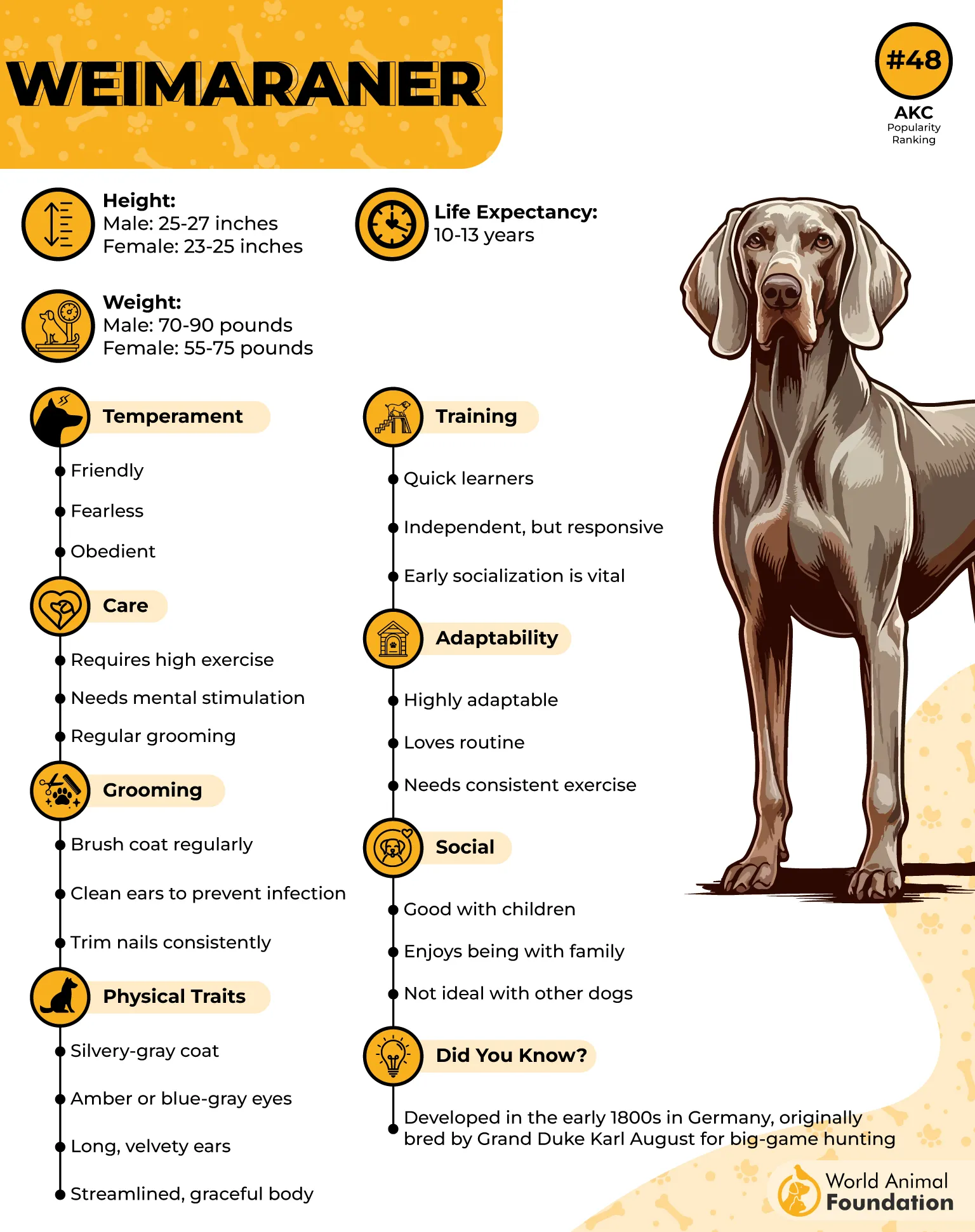
A Weimaraner tends to need steady outdoor movement to keep both emotional well-being and physical balance in check. If it lacks activity, it can get restless, and that restless feeling may show up as annoying or unwanted behavior.
It forms a close attachment with its family, and it generally likes to stay near the people it trusts. PDSA also points out that energetic environments, not just quiet routines, can support healthier behavior patterns and help lower stress in these high-energy companions.
Conclusion
For active, adventure-minded families, a good companion needs to keep up with the pace, the energy, and that emotional rhythm that shows up day to day. These nine companions fit that vibe in a natural way, bringing motion, genuine happiness, and real bonding into regular life, so the routine stuff turns into shared moments that feel more personal.
These companions possess a personality of their own, but they all share one strong trait-an energetic mindset plus steady loyalty. With the right care, consistent training, and small daily engagement, they can turn into lifelong partners on every trip, trail, and family memory, the kind you don’t easily forget.
