





A quiet campsite can feel completely different after dark. Once the fire dies down, your ears become more important, and a small dog with sharp hearing can notice sounds you miss.
Dogs can hear higher frequencies than humans and can pick up distant noises, making a sudden bark a useful early warning when something approaches the tent. For campers, that can matter when wildlife, unfamiliar people, or another animal moves nearby.
Size also has practical value outdoors. A compact dog is easier to fit inside a tent, transport in a vehicle, and keep close when the campsite becomes busy. Still, a watchful companion needs training, supervision, and a secure setup because barking alone cannot protect a camp from wildlife.
The right small dog can add another layer of awareness without taking over the whole camping routine. The following choices make those nighttime moments a little easier to handle after sunset.
Key Takeaways
Once the camp goes quiet, a rustle outside the tent can catch your attention fast, especially when your dog reacts before you do.
The Miniature Schnauzer has long been valued for its alert nature, while the Lhasa Apso was once used as an early warning dog in Tibetan monasteries.
The Toy Fox Terrier adds another interesting trait with ears that can pick up tiny sounds and a habit of watching its surroundings closely.
The breeds that follow bring their own mix of sharp senses, bold personalities, and outdoor instincts, so there is plenty more to uncover.
Small Dog Breeds That Keep Your Camp Safe All Night
1. Miniature Schnauzer
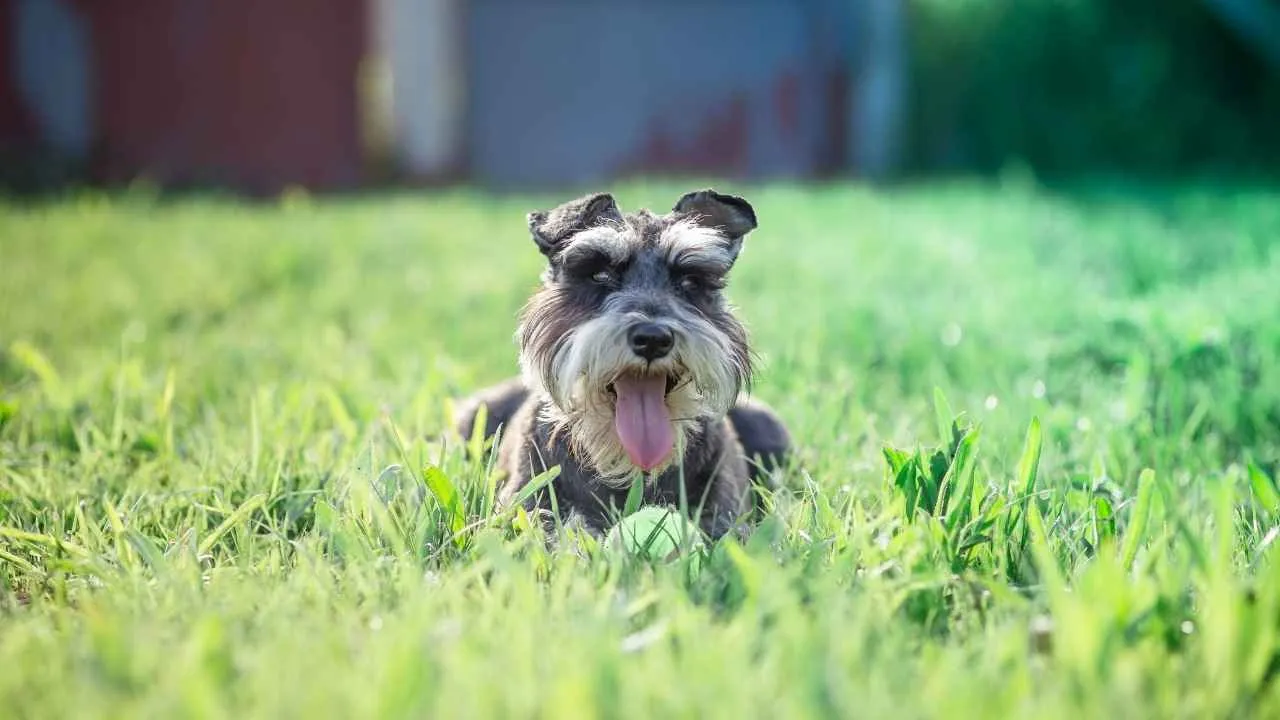
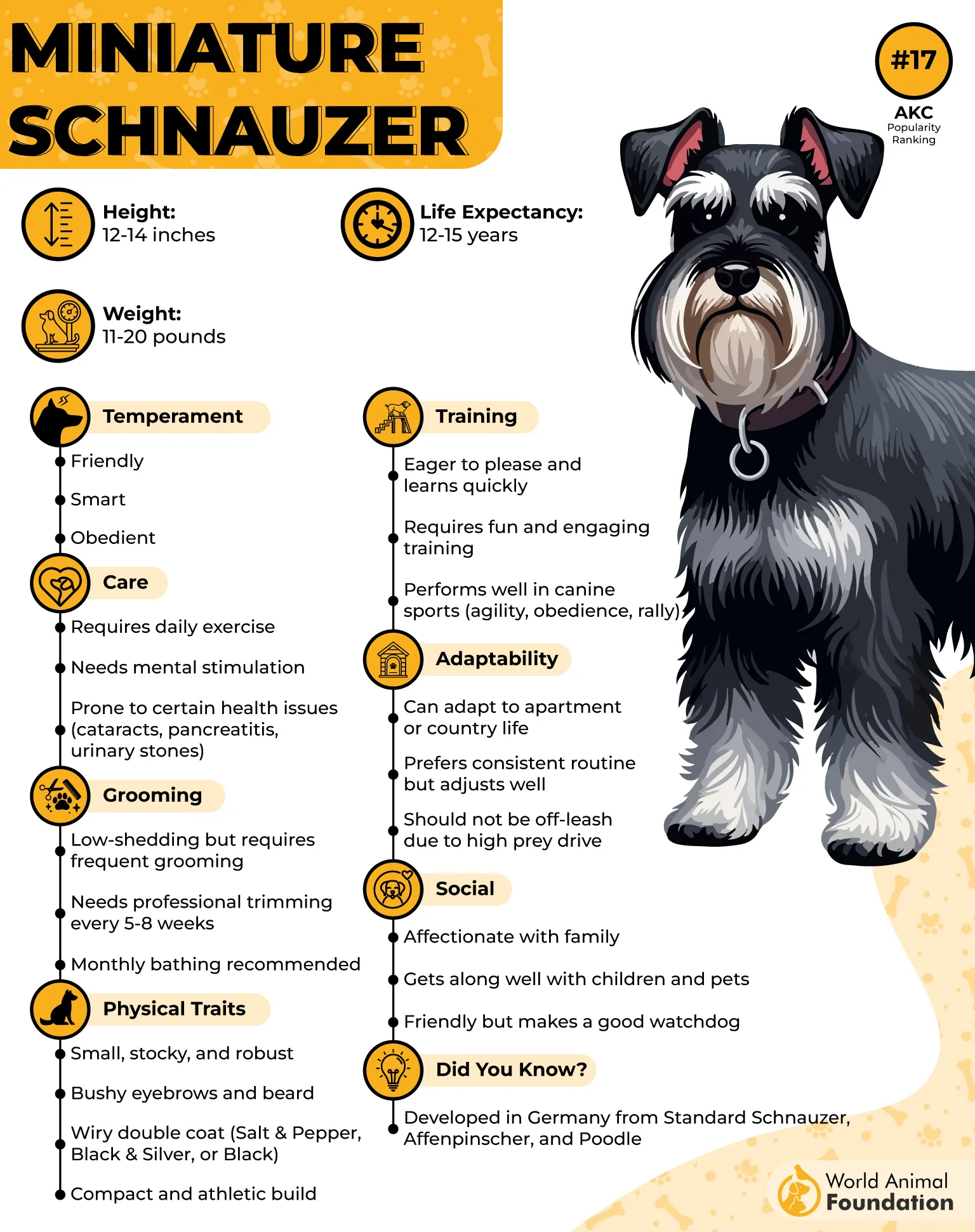
Miniature Schnauzer first appeared in Germany in the late 1800s, bred from the Standard Schnauzer, Affenpinscher, and Poodle for vermin control and guarding. The name itself comes from “Schnauzer,” a dog exhibited in the 1880s, with the German word referring to its distinctive small beard.
Sharp-Eared at Night
Miniature Schnauzer has exceptionally keen hearing from its vermin-hunting roots, allowing it to pick up subtle sounds around a campsite. Its habit of barking at strangers, passing vehicles, and other animals can give a camper an early warning when something catches its attention.
That nighttime alertness comes with some useful specifics:
Relaxes once guests are welcomed inside
Courageous and confident all the time
Not typically prone to biting intruders
Small Dog, Big Personality
This little guard dog brings a lively, playful personality into family life and generally gets along well with children, dogs, and cats, as mentioned by Orvis. Its strong chase instinct can become an issue around hamsters, mice, and rats, which closely connects to its original vermin-catching purpose.
2. Lhasa Apso

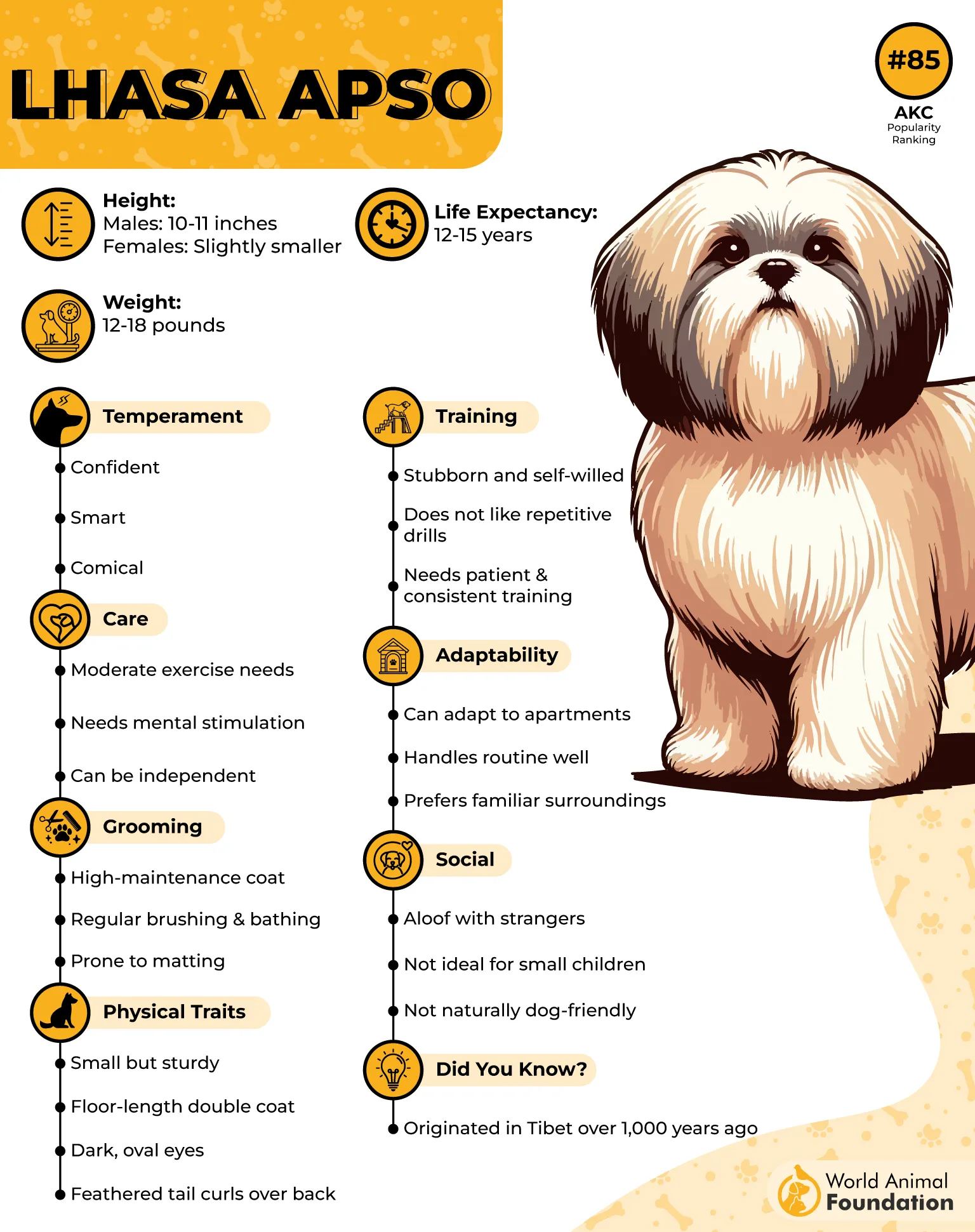
Lhasa Apso was originally bred in Tibet, where Buddhist monasteries relied on these small dogs to alert monks when unfamiliar people approached. Records place their domestication and active breeding as far back as 800 BC, making them one of the oldest recognized breeds.
A Sharp Night Watch
This dog breed has exceptionally attentive hearing and a surprisingly strong bark for its size, quickly reacting to footsteps, doors, or unfamiliar sounds around camp. Its compact frame also makes it practical for smaller sleeping areas without making it overly delicate.
The following characteristics add another layer to its watchful nature:
Often scans rooms from elevated spots
May patrol familiar areas after changes
Can firmly hold its ground around strangers
Curious and Headstrong
Lhasa Apso can remain puppy-like for its first three years, bringing plenty of curiosity, energy, and playful behavior into daily life, as reported by Omlet. Its intelligence comes with a stubborn streak, while calm introductions and early socialization can help with unfamiliar people.
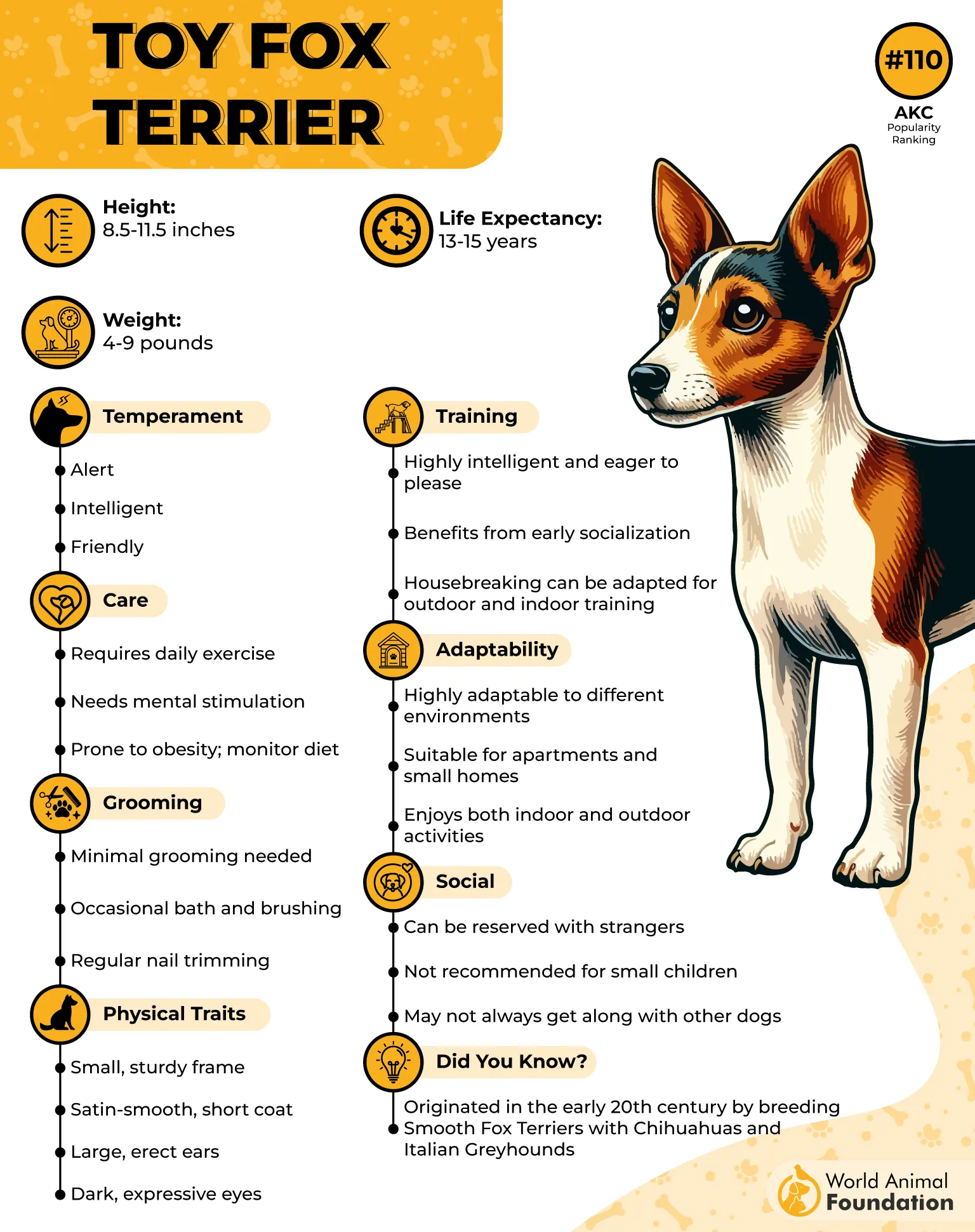
3. Toy Fox Terrier
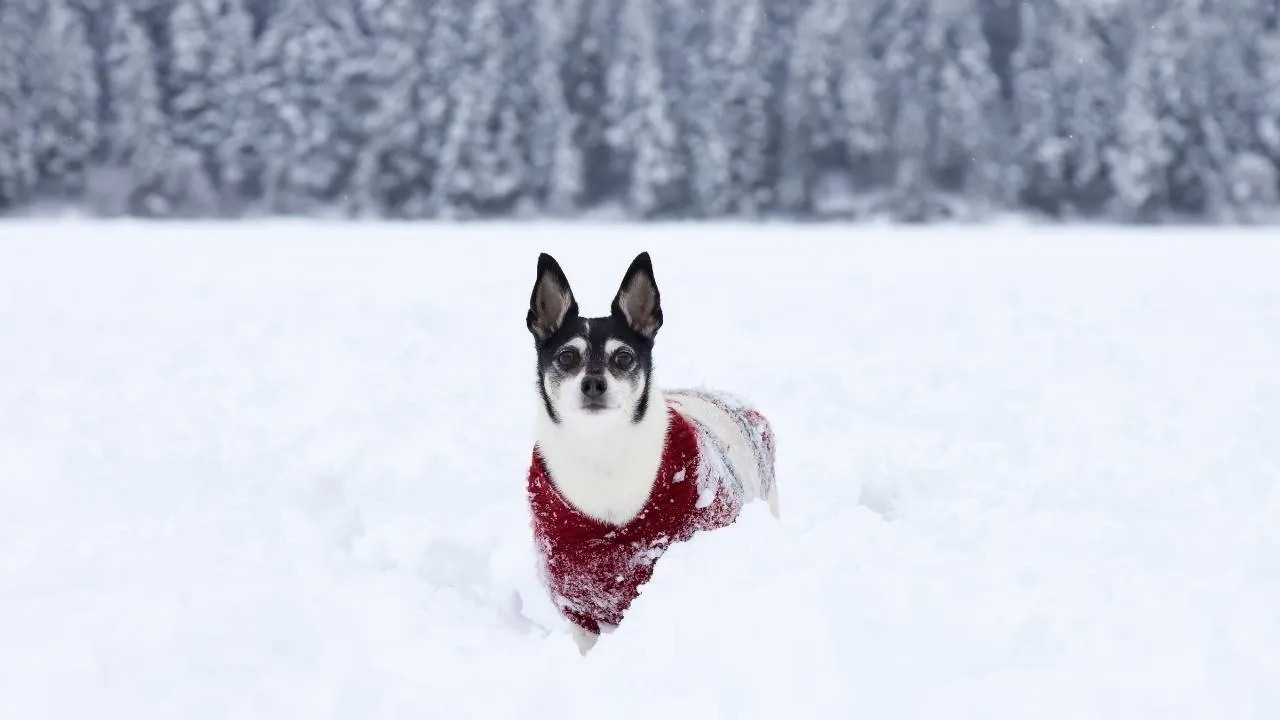
Toy Fox Terrier originated in the 1930s as an American breed intended to create a milder, calmer version of the Fox Terrier. Its lineage includes the Fox Terrier crossed with small breeds such as the Miniature Pinscher, Italian Greyhound, and Chihuahua.
A Sharp Camp Lookout
Toy Fox Terrier has erect ears that pick up unfamiliar sounds quickly, while its habit of watching from windows or elevated spots can make it surprisingly attentive at camp, as CKCUSA claims. A sudden rustle or unfamiliar activity may bring a sharp alert bark.
These traits add to its nighttime awareness:
Squeak-sensitive head tilting
Quick reaction to rustling sounds
Strong instinct to chase small animals
Ready for a Training Game
Toy Fox Terrier responds well to structured lessons and problem-solving games, with clicker work, tricks, obedience, agility, and rally among suitable activities. After an energetic session, it may burrow beneath a blanket or settle onto a lap for some quiet attention.
4. Jack Russell Terrier
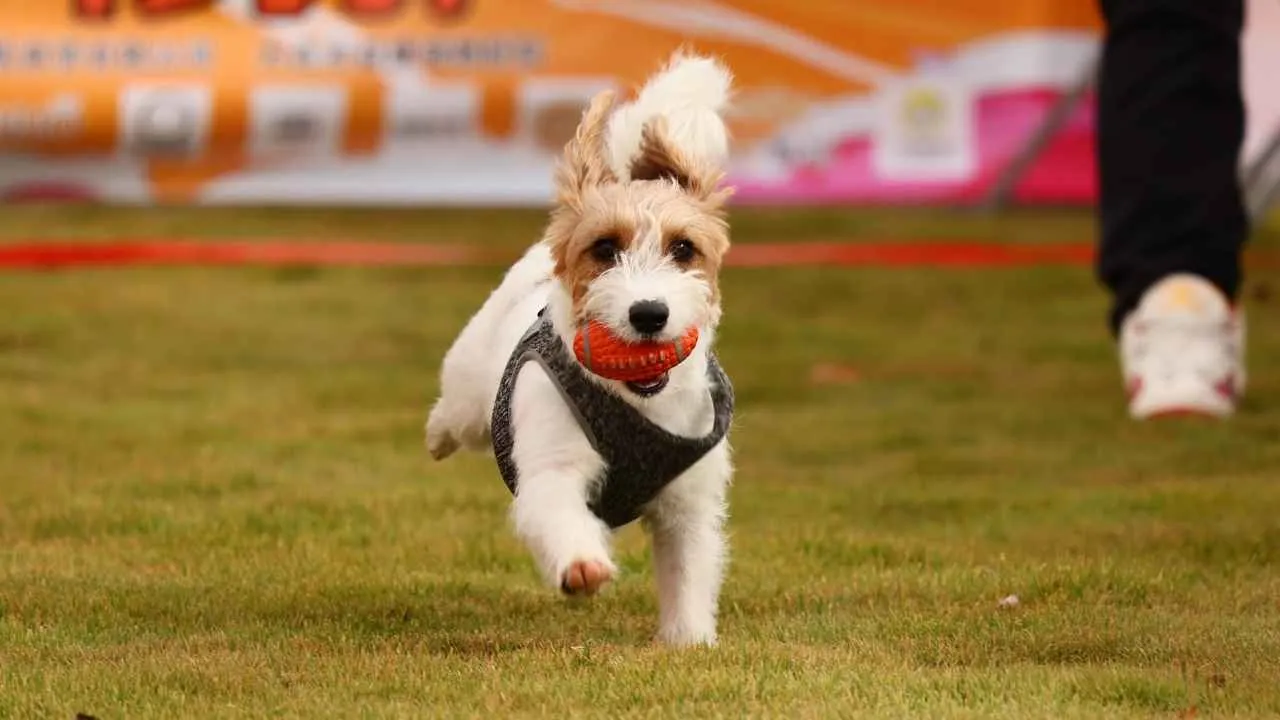
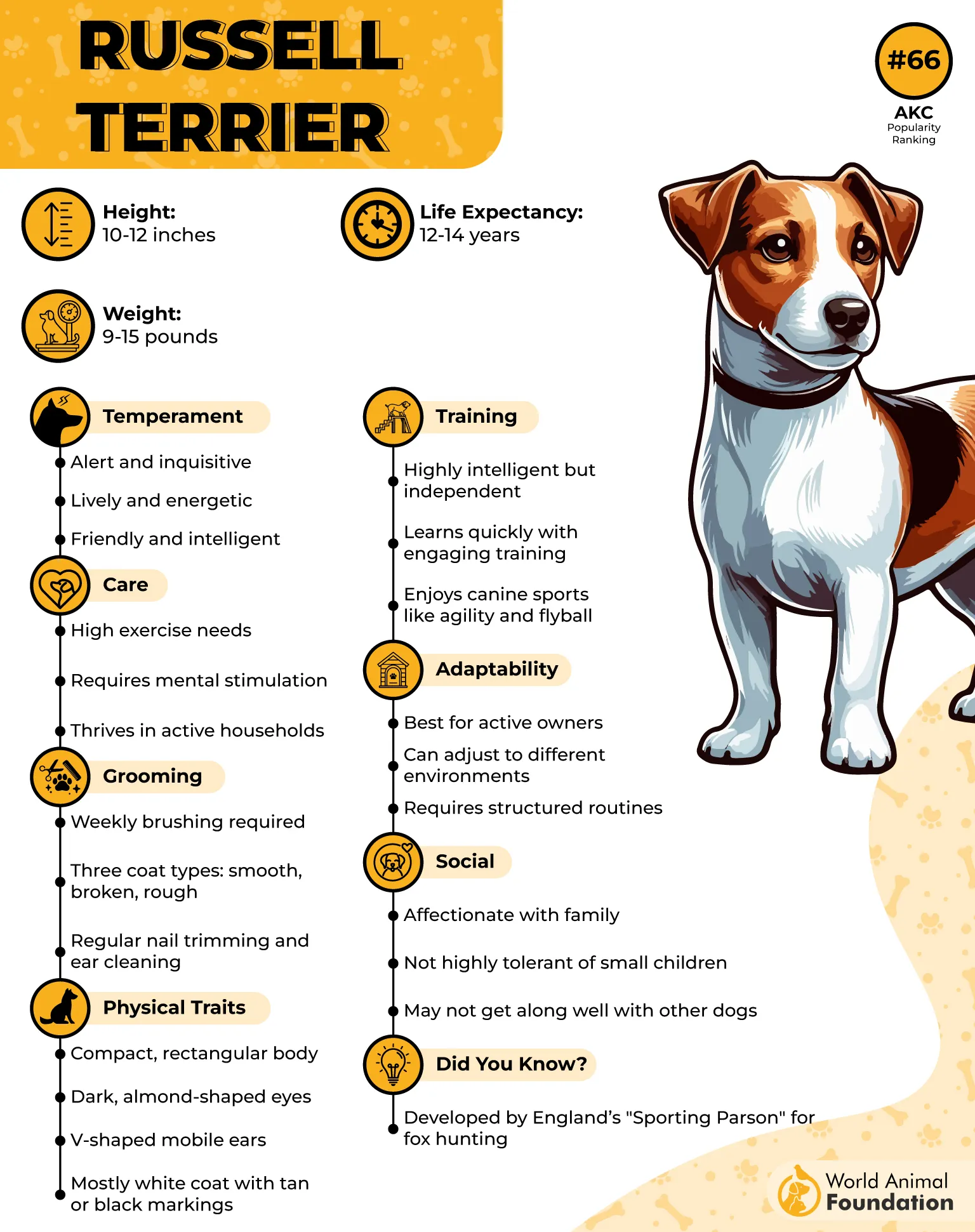
Jack Russell Terrier was shaped in England during the 1800s, beginning as a cross with the now-extinct White Terrier for fox hunting. These small dogs were expected to locate foxes, dig them from their underground hiding places, and hold them there until the hunter arrived.
Made for Tight Spaces
This terrier breed has a narrow chest and flexible body suited to burrows and dense brush, while its compact frame allows sudden bursts of speed. Its dense, smooth, broken, or rough coat also helps resist briars, dirt, and light rain during outdoor work.
These working details make its design especially practical:
White coat for field visibility
Powerful digging ability
Quick bounce-and-pivot agility
Alert After Dark
Jack Russell Terrier quickly scans for unfamiliar sounds or movement and can vocalize when something unusual catches its attention. Loud noises or sudden surprises may also be followed by a rapid return to activity, although individual responses depend on training and temperament.
5. Miniature Pinscher
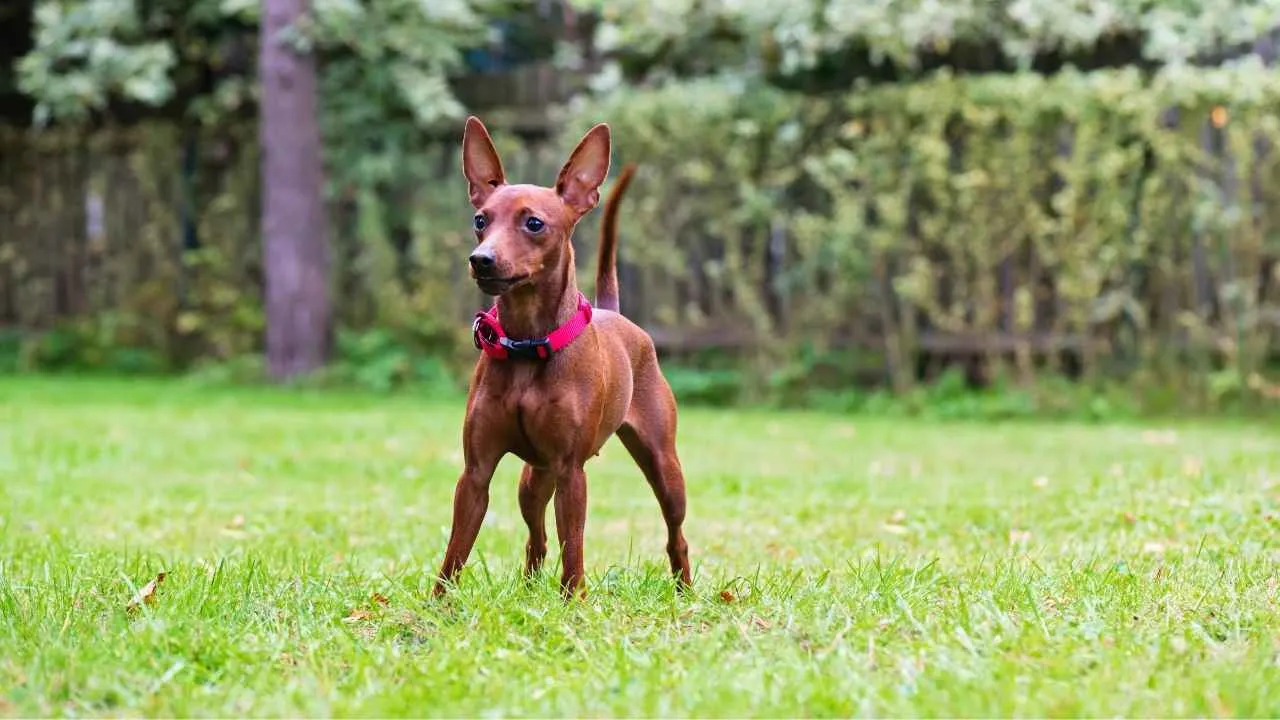
Miniature Pinscher dates back hundreds of years in Germany, with written records reaching back roughly two centuries. After the First World War, the breed became widely known as the Pinscher, and its official name was changed to Miniature Pinscher in 1972, establishing the name used today.
Tiny Night Watch
For a campsite, the Min Pin’s sharp awareness can matter after dark, when a strange sound or unfamiliar movement may be harder to notice. Its upright posture and quick response help it react quickly to something unusual in its surroundings.
These characteristics make its watchfulness easy to understand:
Sharp bark when something unfamiliar appears
Keen response to new activity
Vigilant behavior around the home
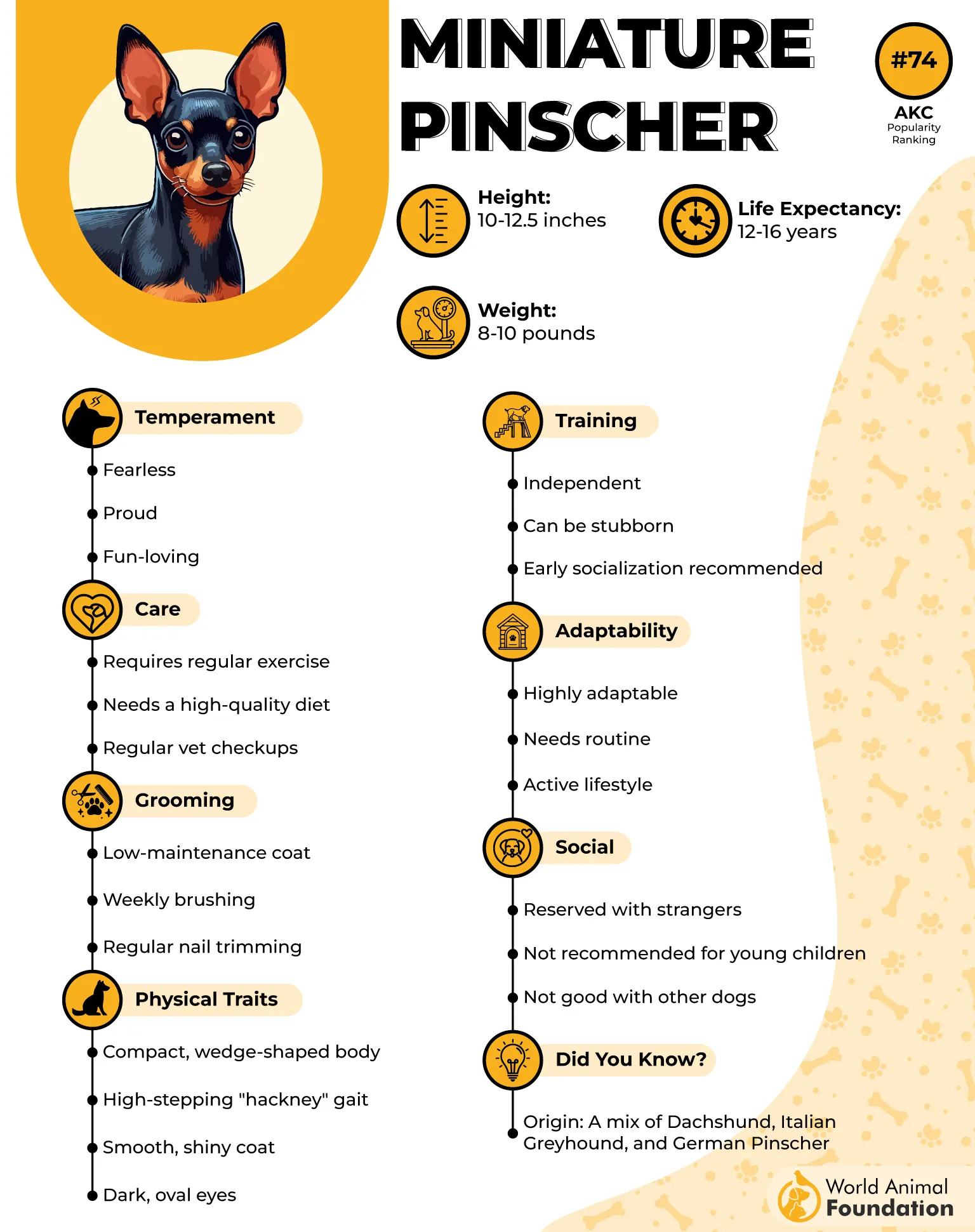
Small Dog, Big Attitude
Miniature Pinschers can be affectionate and playful with their family, often turning into a little clown when plenty of attention is available. They can also test boundaries or ignore cues when training lacks consistency, while early puppy classes can help them become more comfortable around unfamiliar dogs.
6. Pomeranian
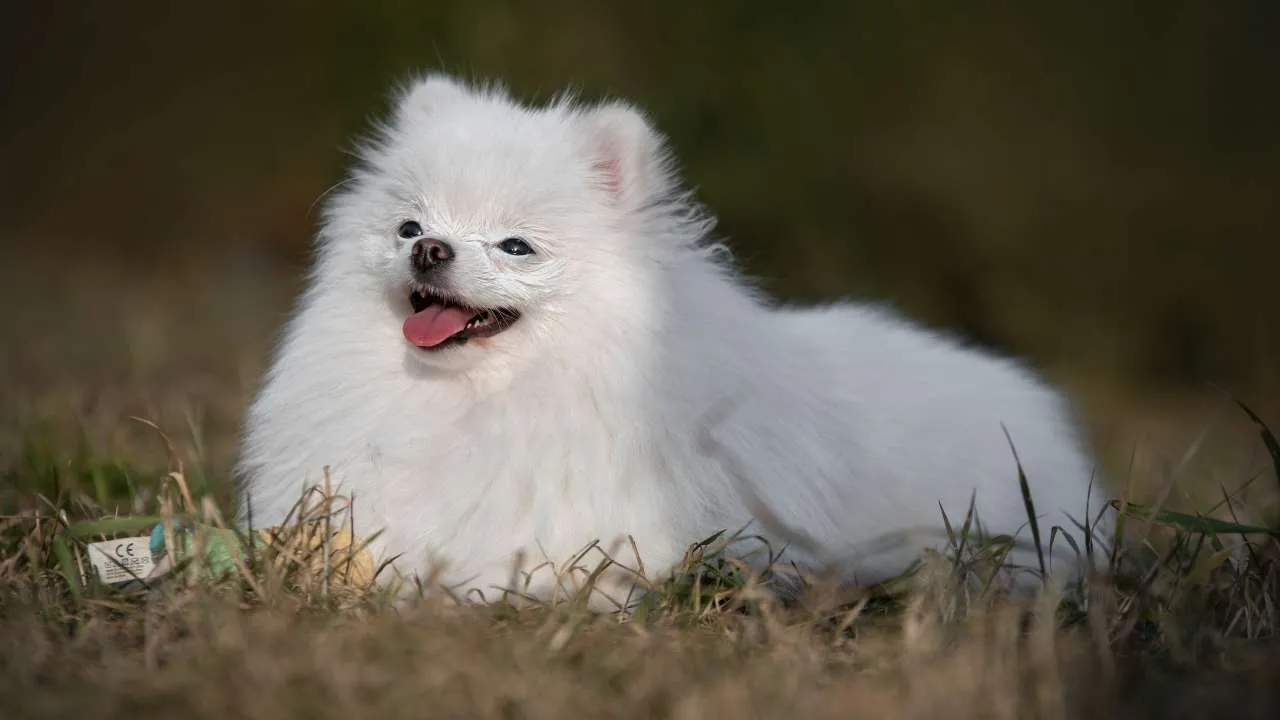
Pomeranian has strong ties to Pomerania, a historical region spanning parts of present-day Poland and Germany, and is thought to have descended from the German Spitz.
Over generations, breeders deliberately selected smaller puppies, gradually producing the compact companion dog known today.
A Tiny Alarm System
This dog has a sharp response to unfamiliar sounds, visitors, and activity around the campsite, often announcing them with quick, persistent barking. That natural watchfulness can be useful after dark when even a small noise deserves attention.
Their nature is easy to picture through these habits:
Naturally alert to nearby activity
Closely follows its favorite person
Bred for companionship and indoor life
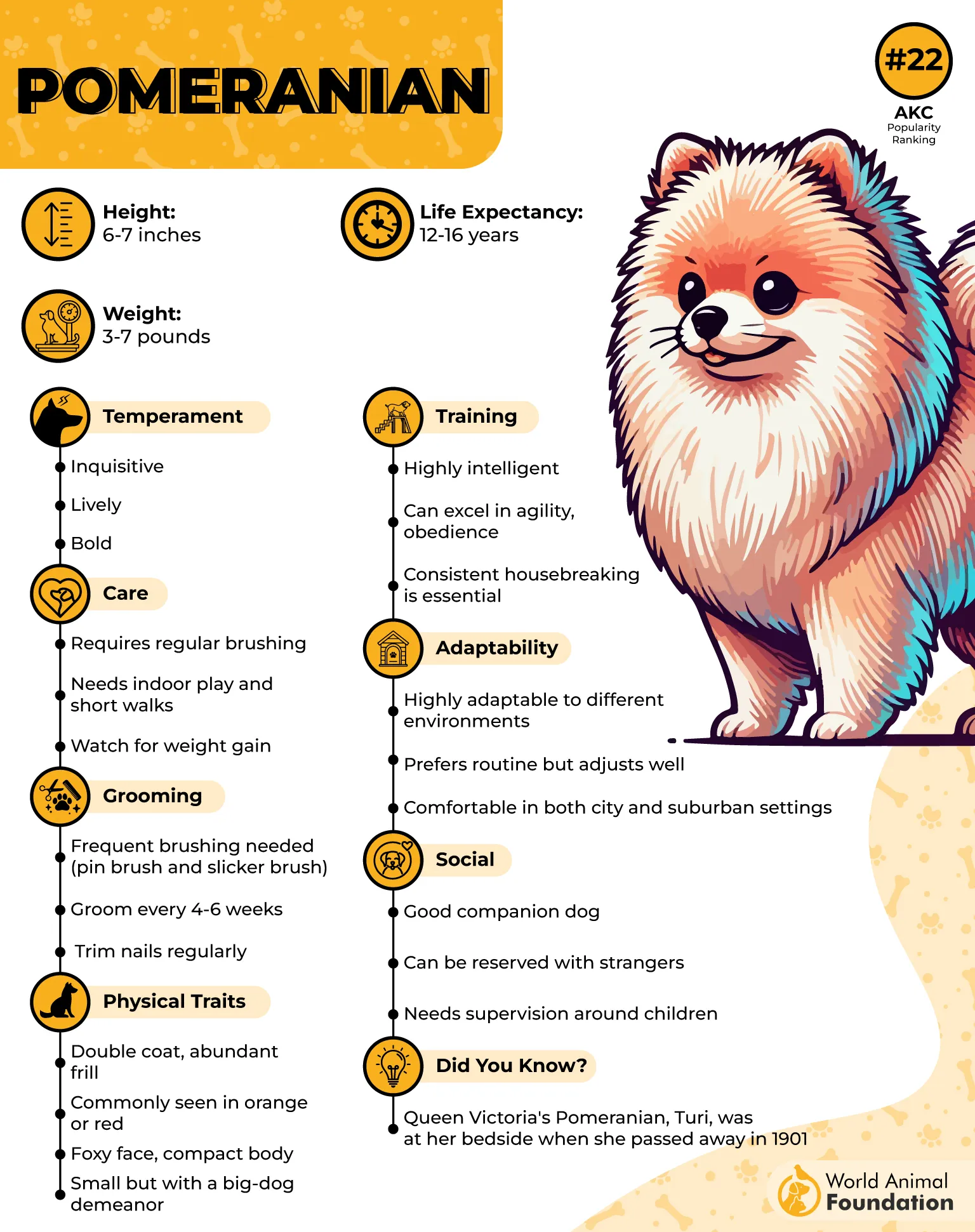
Quick Bursts
Pomeranians usually channels its energy through short games, sudden zoomies, and brief active sessions rather than prolonged endurance work. Rewards can make trick training especially effective, while gentle handling and early socialization help with children and unfamiliar people.
7. Dachshund

Dachshund first appears in written records during the 16th century, with its German name combining Dachs, meaning badger, and Hund, meaning dog. These dogs were bred to pursue badgers underground, forcing quarry from its den, while also hunting foxes and rabbits.
Made for Tight Ground
This little breed has a long body, muscular legs, broad front paws, and a deep chest suited to underground work. Its narrow skull and powerful forequarters helped it enter confined tunnels, dig through soil, and push toward quarry hidden from view.
These qualities are especially useful around a campsite:
Alert barking at unfamiliar sounds
Strong instinct to investigate holes and gaps
Independent decision-making during training
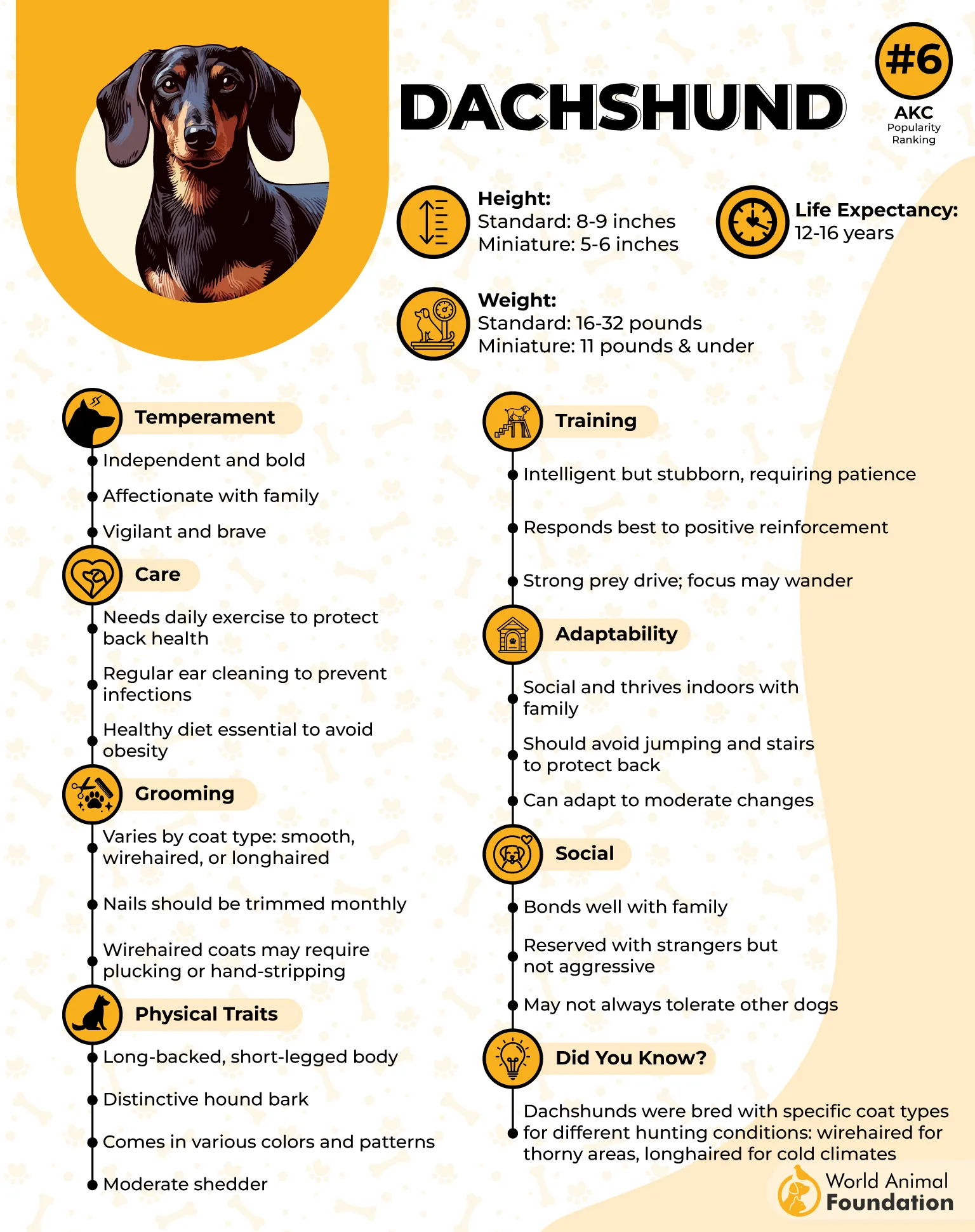
A Natural Burrower
This family dog often recreates its old den-seeking habits through everyday play, squeezing beneath furniture, burrowing into blankets, or digging in loose soil. Its prey drive also makes secure fencing and reliable leash use important when small animals are nearby.
Conclusion
A campsite needs more than a good watchdog to remain safe after sunset. A small companion can notice distant sounds, unfamiliar movement, other dogs, or activity near your sleeping area, giving you another reason to pay attention. That alertness works best alongside a leash, secure tent setup, proper food storage, and sensible distance from wildlife, whether you are camping in an open space or a small space.
Proper training can also help control unnecessary barking when other campers are nearby. Before heading outdoors, consider your dog’s confidence, recall, weather tolerance, energy level, and comfort with unfamiliar surroundings. A suitable camping companion should fit easily into your routine while adding awareness without creating problems during the night, whether you prefer small dogs or big dogs.
