




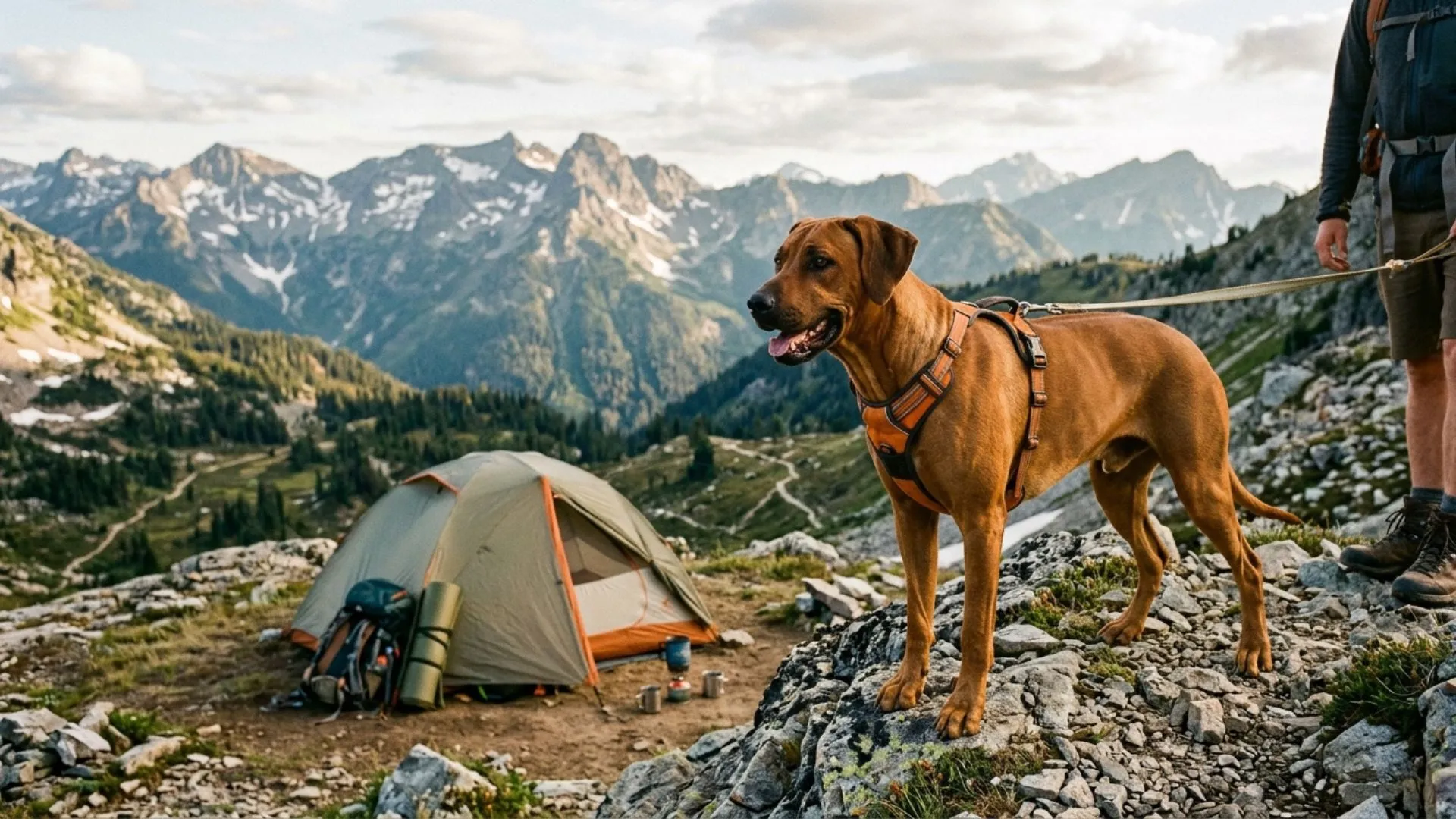
For outdoor lovers, every mountain trail and camping trip feels better with a loyal dog by your side. Some breeds are naturally built for adventure, with the strength, endurance, and confidence needed to handle rocky paths, changing weather, and long days outdoors.
These rugged dogs are more than energetic companions. They thrive in nature and enjoy exploring forests, climbing hills, and relaxing beside a campfire after a long trek. From thick coats that handle colder climates to athletic builds made for endurance, the right breed can turn any outdoor trip into an unforgettable experience.
If you are searching for a dependable four-legged partner for your next camping or mountain adventure, these high-energy breeds are ready for the challenge.
Rugged Dog Breeds Perfect for Mountain Camping Adventures
1. German Shepherd Dog
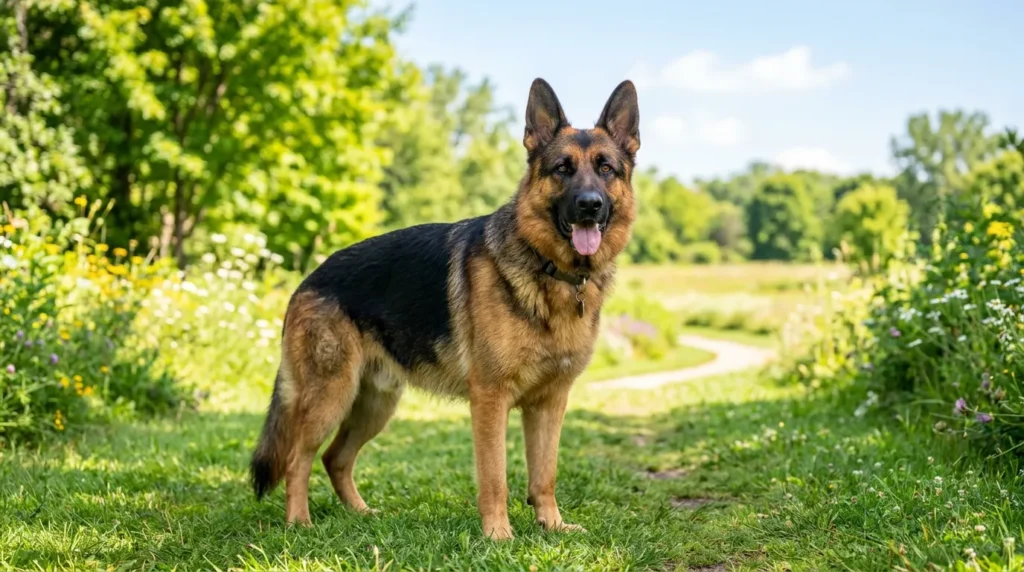
German Shepherds are built for action and rarely enjoy sitting around all day. These muscular, highly intelligent dogs were originally bred for herding, but they are also trusted in military work, search and rescue, and police tasks because of their confidence and bravery. Their alert personality makes them highly aware of their surroundings, which comes in handy on forest trails or uneven mountain paths.
As per PetMD, this breed thrives when it has something meaningful to do. German Shepherds need one to two hours of exercise daily, along with mental stimulation to prevent boredom and destructive behavior. Hiking, tracking, agility work, and nose games all match their energetic personality perfectly. They also form strong bonds with their families and tend to stay attentive during outdoor adventures.
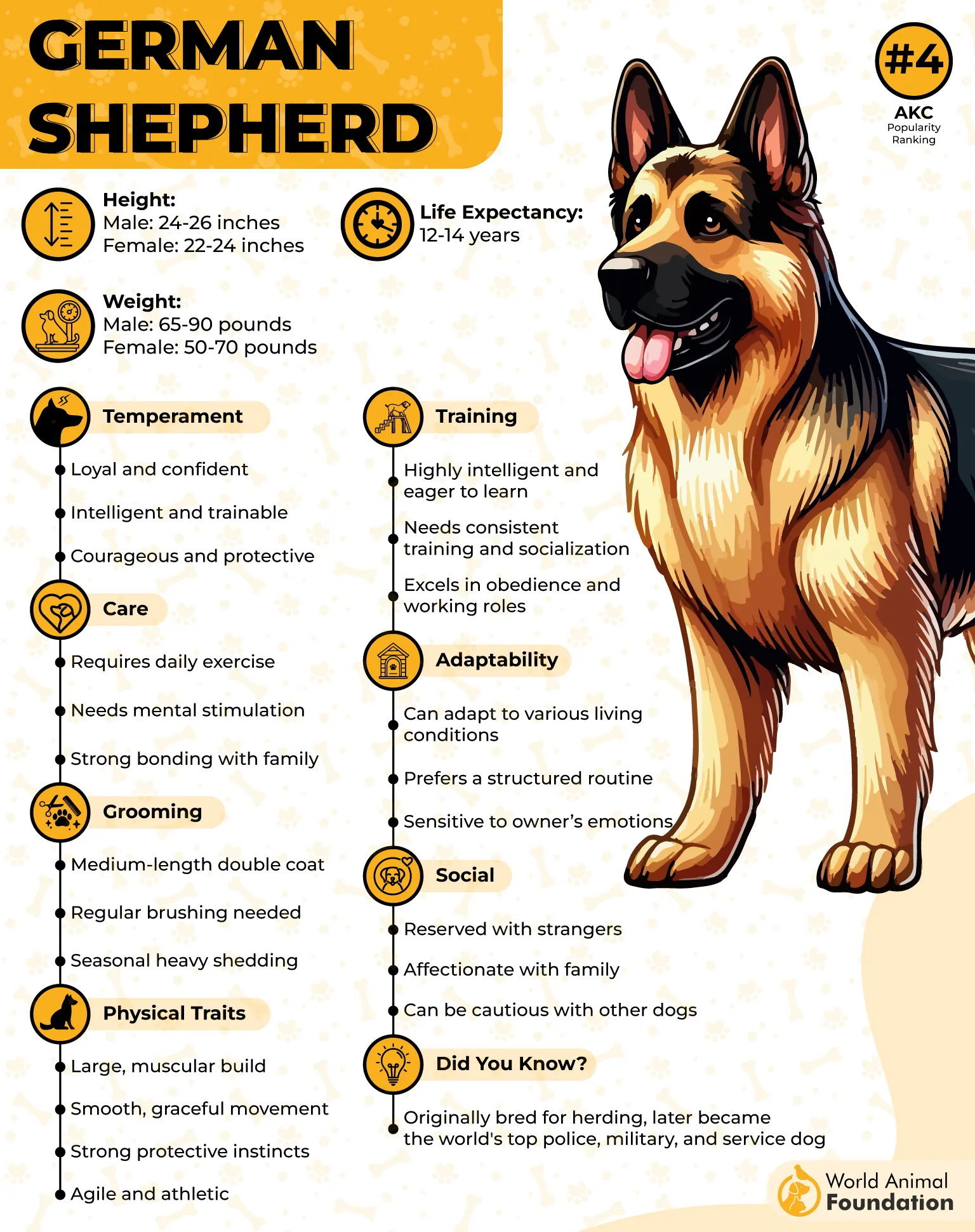
Their thick double coat helps protect them in cooler conditions, though it also means regular brushing is necessary. German Shepherds are loyal and gentle with family members when properly trained and socialized, but they may stay cautious around strangers. Early obedience training is especially important because this breed is smart enough to invent its own rules if left unchecked.
Why This Breed Is a Good Fit
Strong stamina allows them to handle long camping hikes without slowing down halfway through the trail.
Their natural alertness can make nighttime campsites feel a little more secure.
They enjoy structured outdoor activities, so mountain adventures feel like a full-time job they actually love.
2. Australian Cattle Dog
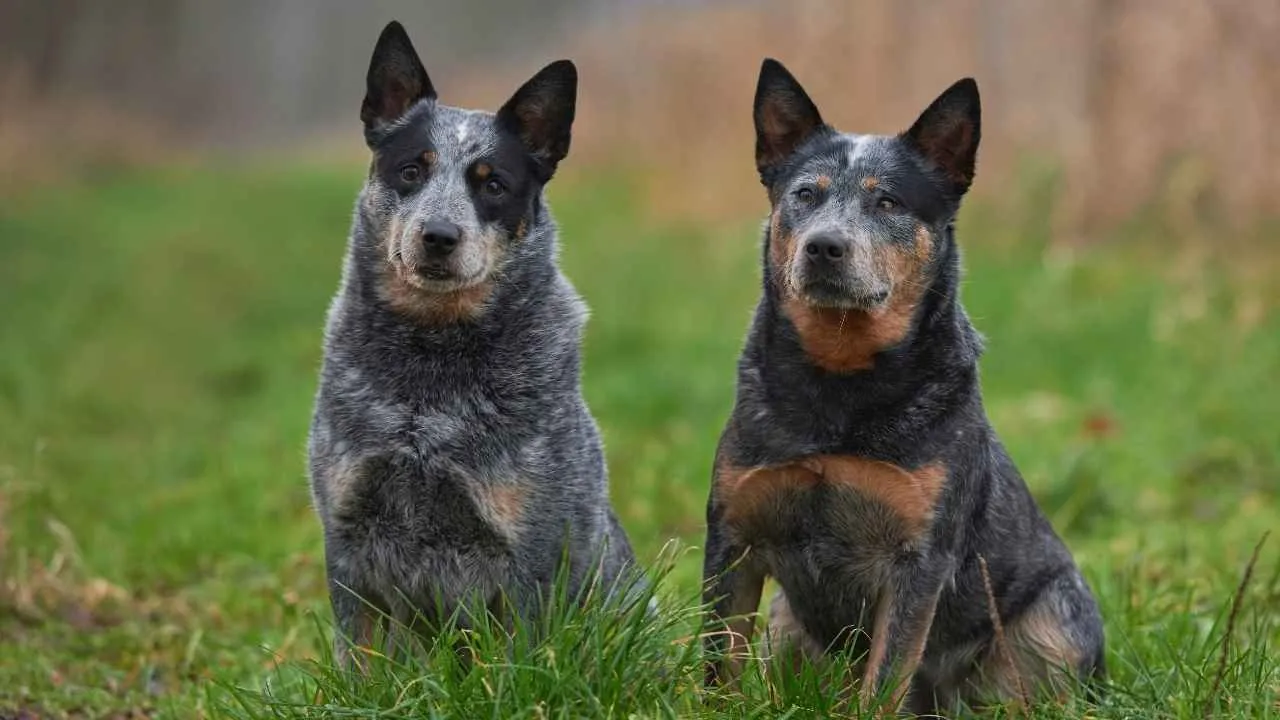
The Australian Cattle Dog may not be giant in size, but this compact herder is packed with endless energy and determination. Originally developed to handle rough terrain and livestock work, the breed is known for strength, agility, and a work-focused mindset. Many owners quickly discover that this clever dog can outthink them if left bored for too long.
Australian Cattle Dogs need more than casual backyard play and truly enjoy active routines such as running, agility training, obedience work, and herding activities. They are happiest when mentally challenged and physically busy, making them excellent companions for people who enjoy spending long hours outdoors.
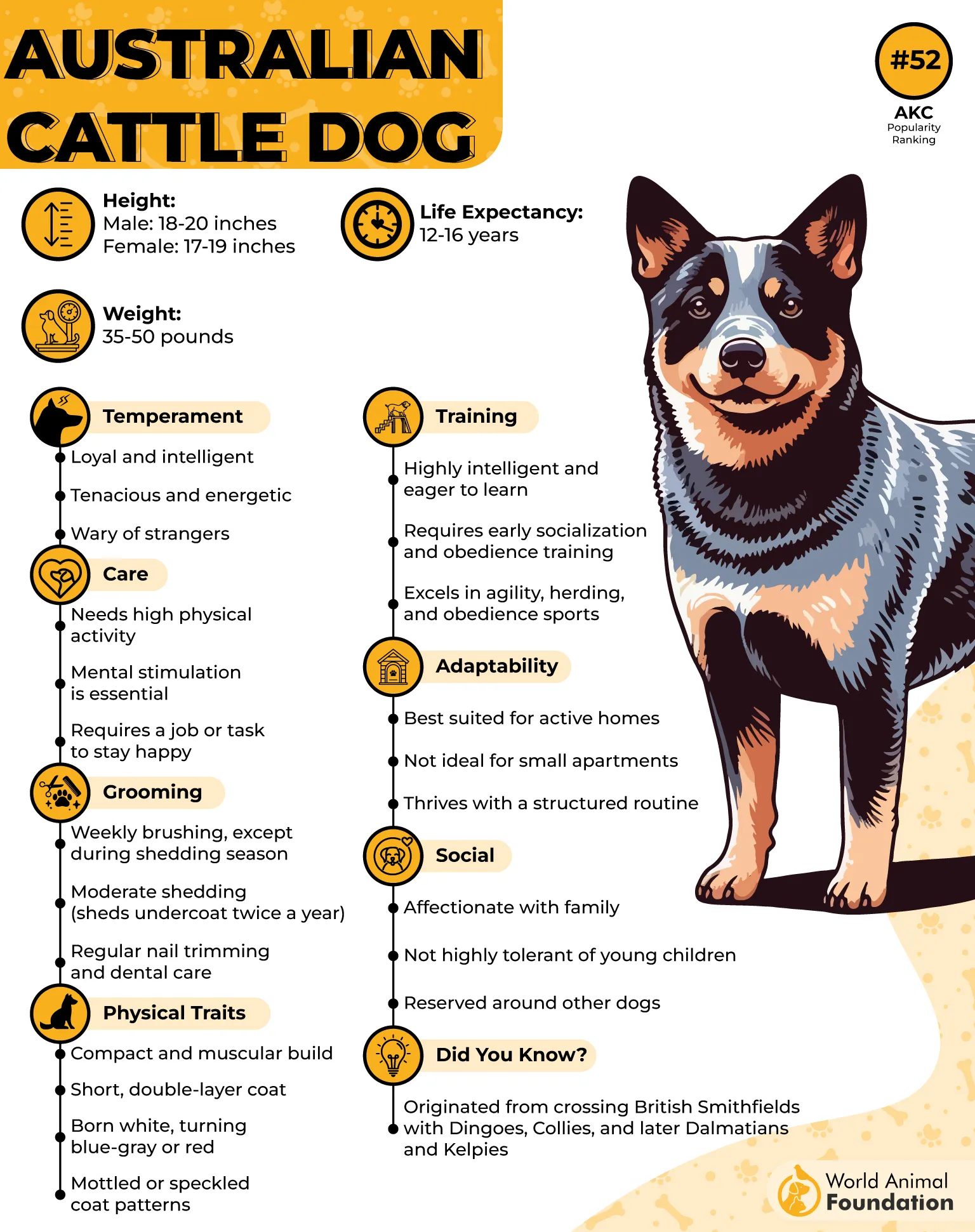
According to the AKC, their smooth double-layer coat protects them from outdoor conditions and usually only requires weekly brushing, except during seasonal shedding periods. These dogs are loyal and alert, though they can be wary of strangers. Early socialization and consistent training help channel their intelligence in positive ways instead of turning your hiking backpack into a surprise chew toy.
Why This Breed Is a Good Fit
Their athletic build makes climbing rocky trails and uneven terrain look almost effortless.
They enjoy having a task, so carrying gear or learning trail commands keeps them engaged.
Outdoor adventures provide the mental challenge this highly active breed constantly craves.
3. Siberian Husky
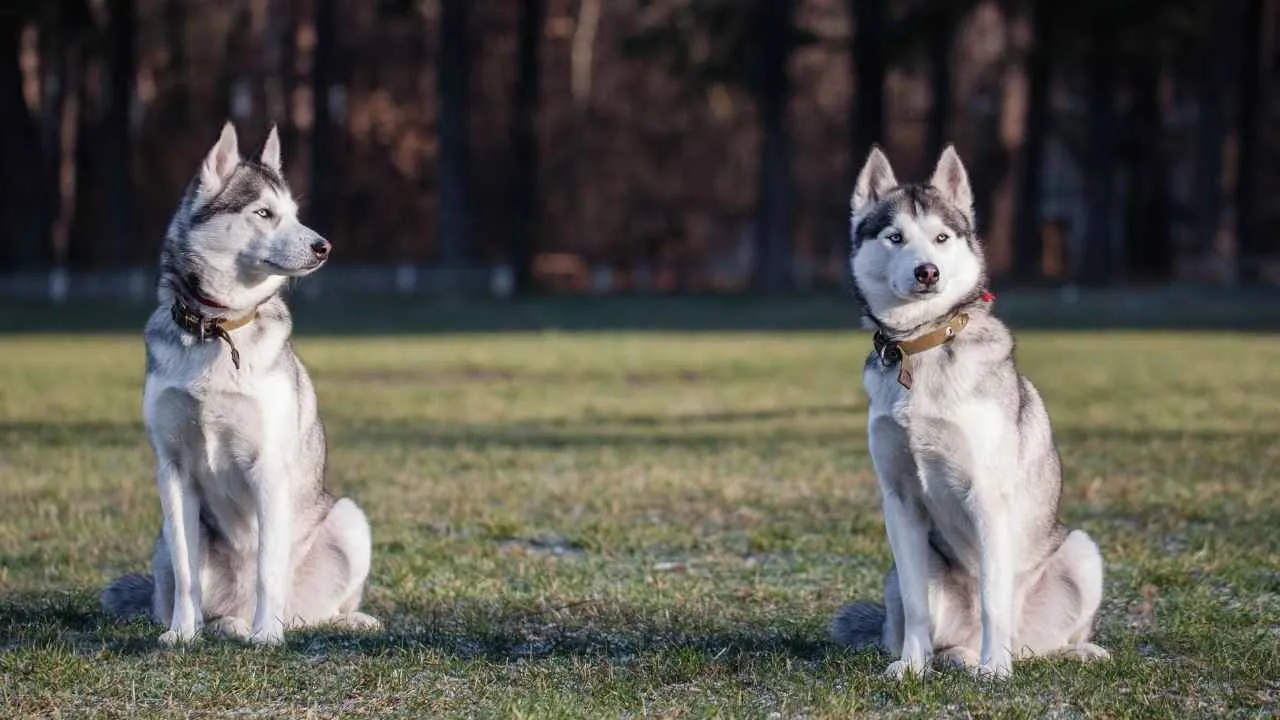
Siberian Huskies were bred for endurance, and it definitely shows. Originally used as sled dogs by the Chukchi people of Siberia, these dogs are known for stamina, speed, and a playful personality that keeps every outing entertaining. Their thick double coat and energetic attitude make them especially comfortable in cooler outdoor conditions.
As per PetPlan, Huskies are extremely active and require at least two hours of exercise each day. They enjoy vigorous walks, running, exploring, and activities that challenge both body and mind. Because of their independent nature and strong prey drive, they are known for occasionally ignoring recall commands and choosing their own adventure instead. A secure leash and fenced spaces are usually a very good idea.
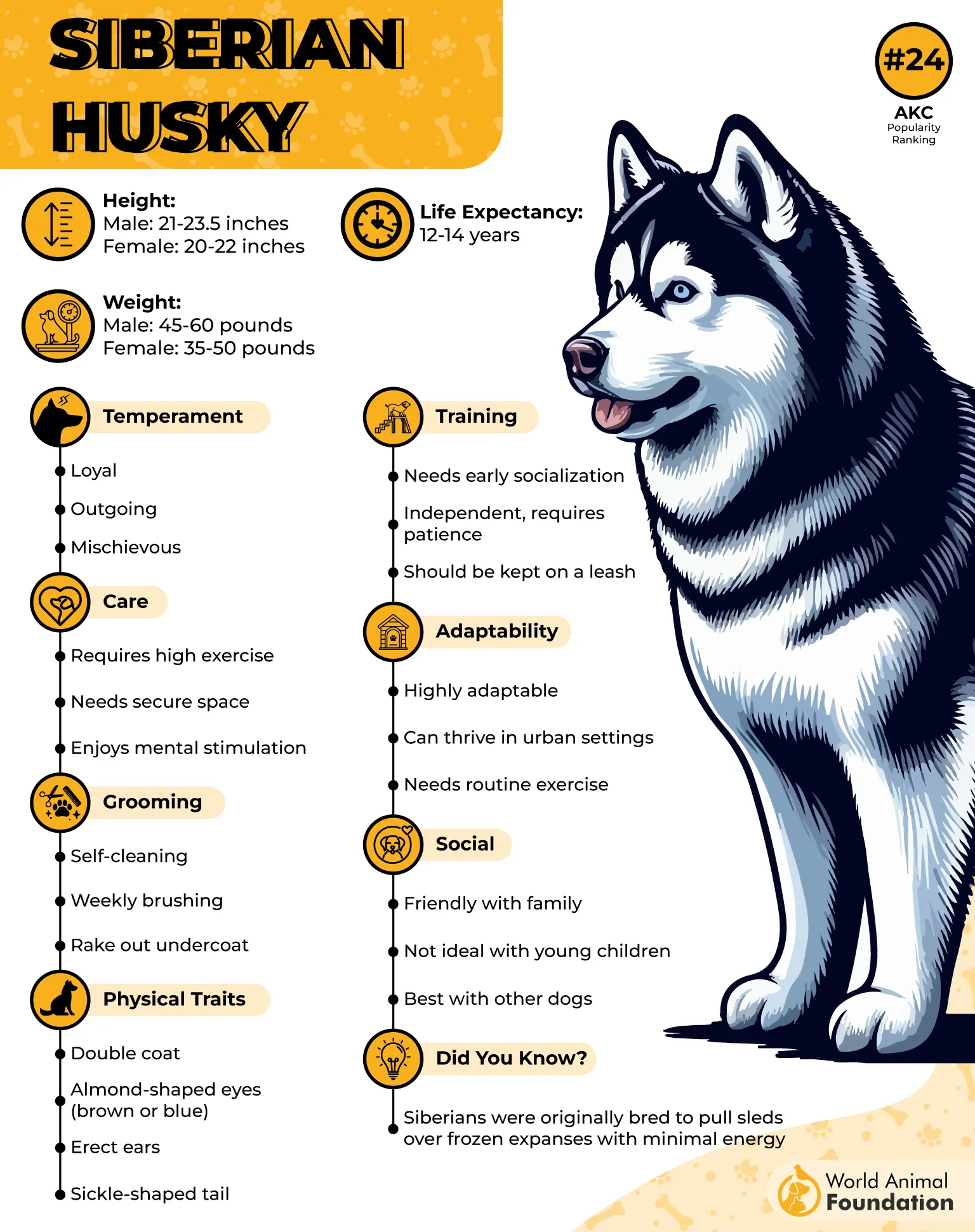
This breed loves companionship and prefers spending time with people rather than staying alone for long periods. Huskies are friendly, vocal, and sometimes hilariously mischievous, especially when boredom strikes. They also enjoy games like agility training, hide and seek, and canicross, which taps into their natural sled-pulling instincts. Their adventurous personality means they are always ready to investigate a trail, a campsite, or a suspiciously interesting pile of leaves.
Why This Breed Is a Good Fit
Their endurance allows them to keep pace during long-distance mountain treks.
Thick coats help them stay comfortable during chilly camping nights.
They love exploring new environments, which makes every outdoor trip feel exciting for them.
4. Rhodesian Ridgeback
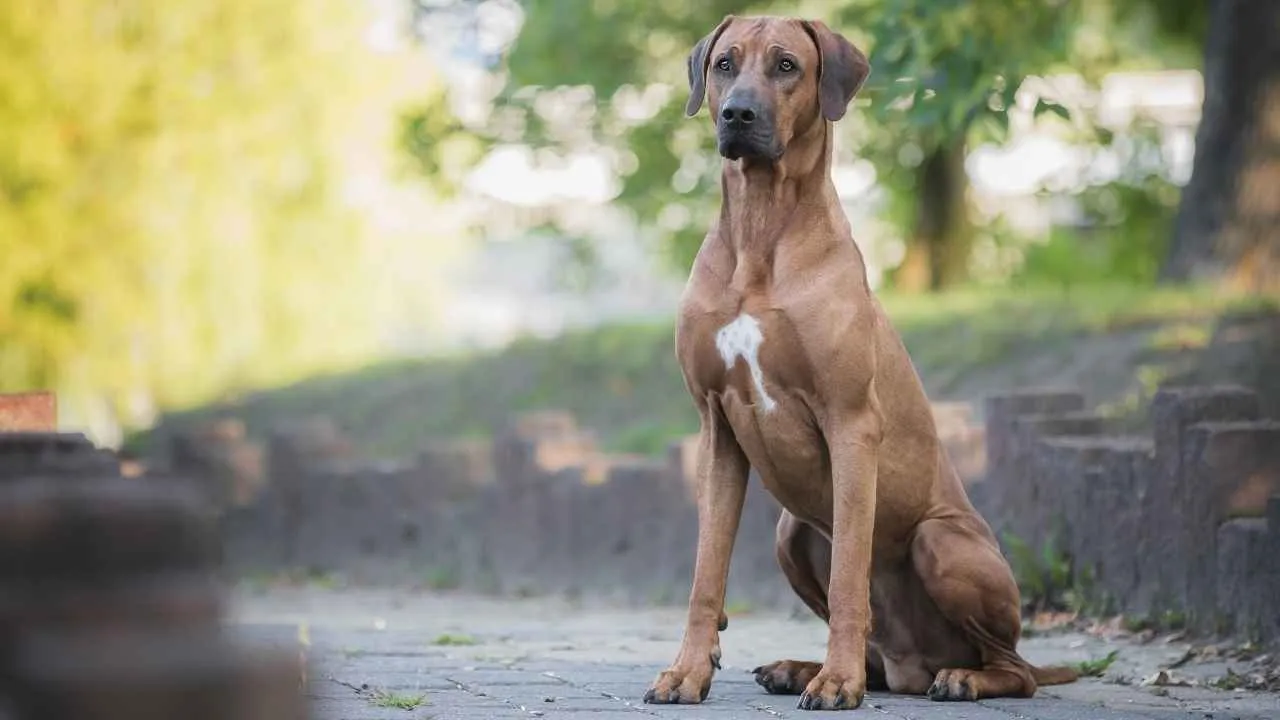
The Rhodesian Ridgeback is a powerful and athletic breed with a fascinating background as a hunting and tracking dog. Originally developed in southern Africa, these dogs were known for tracking lions and holding them at bay for hunters. Their courage, endurance, and sharp senses still stand out today, especially during outdoor activities that require stamina and focus.
As youngsters, Ridgebacks are packed with energy and make excellent running or jogging partners. They enjoy long walks, hiking, swimming, tracking, agility, and nose work, though they can become stubborn if training lacks consistency. This breed is intelligent and capable, but it also likes to question whether your command is worth following. Reward-based training tends to work much better than harsh corrections.
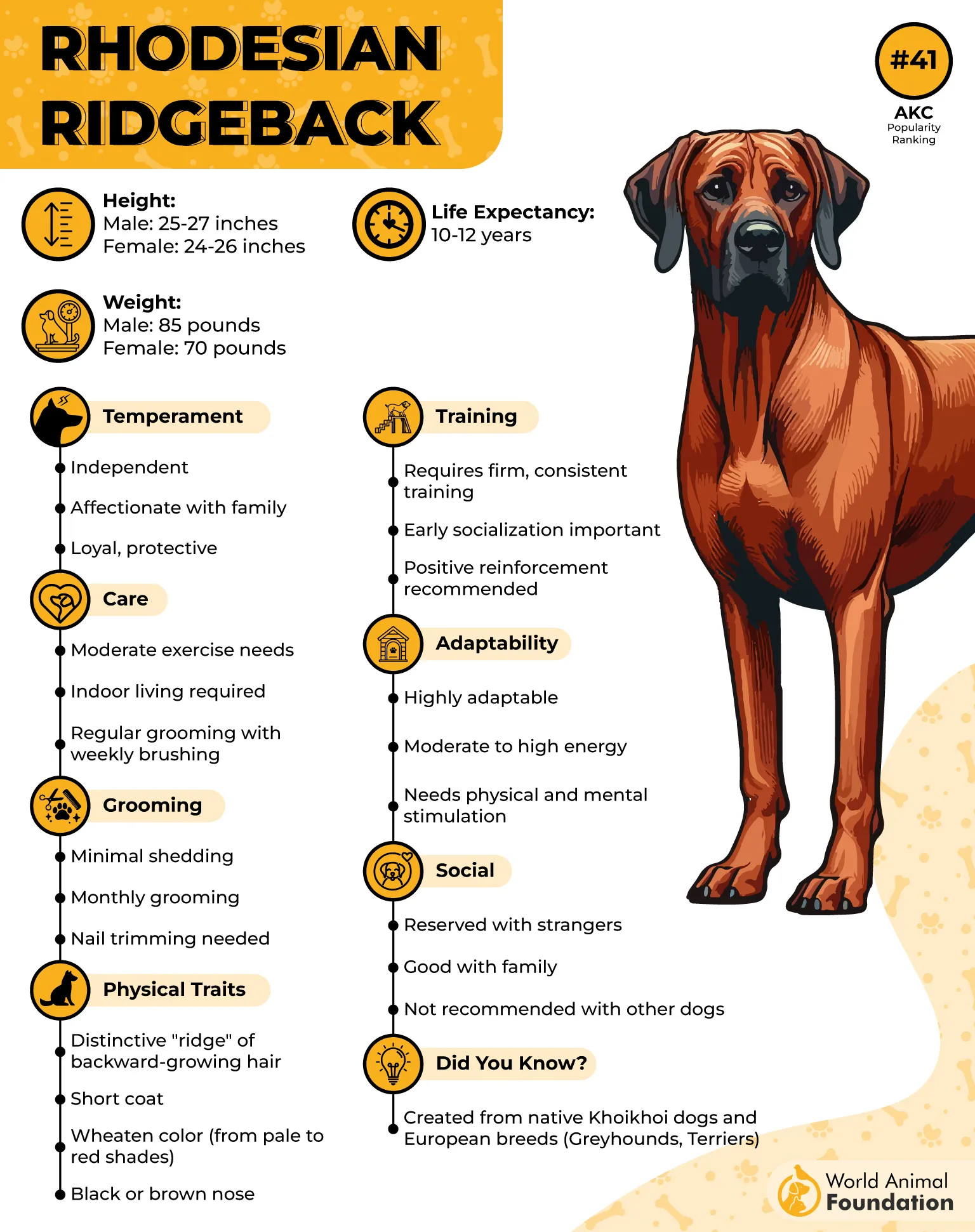
Despite their rugged reputation, Ridgebacks can be surprisingly affectionate at home and often forget just how large they are. They enjoy being close to their people and can become destructive if bored for too long. Their short coat keeps grooming simple with weekly brushing, while their protective instincts make them naturally alert around strangers and unfamiliar situations.
Why This Breed Is a Good Fit
Their endurance and athleticism suit long mountain hikes and active camping schedules.
Sharp eyesight and strong awareness help them stay attentive in outdoor environments.
Minimal grooming needs make them easier to manage during extended camping trips.
5. Bernese Mountain Dog
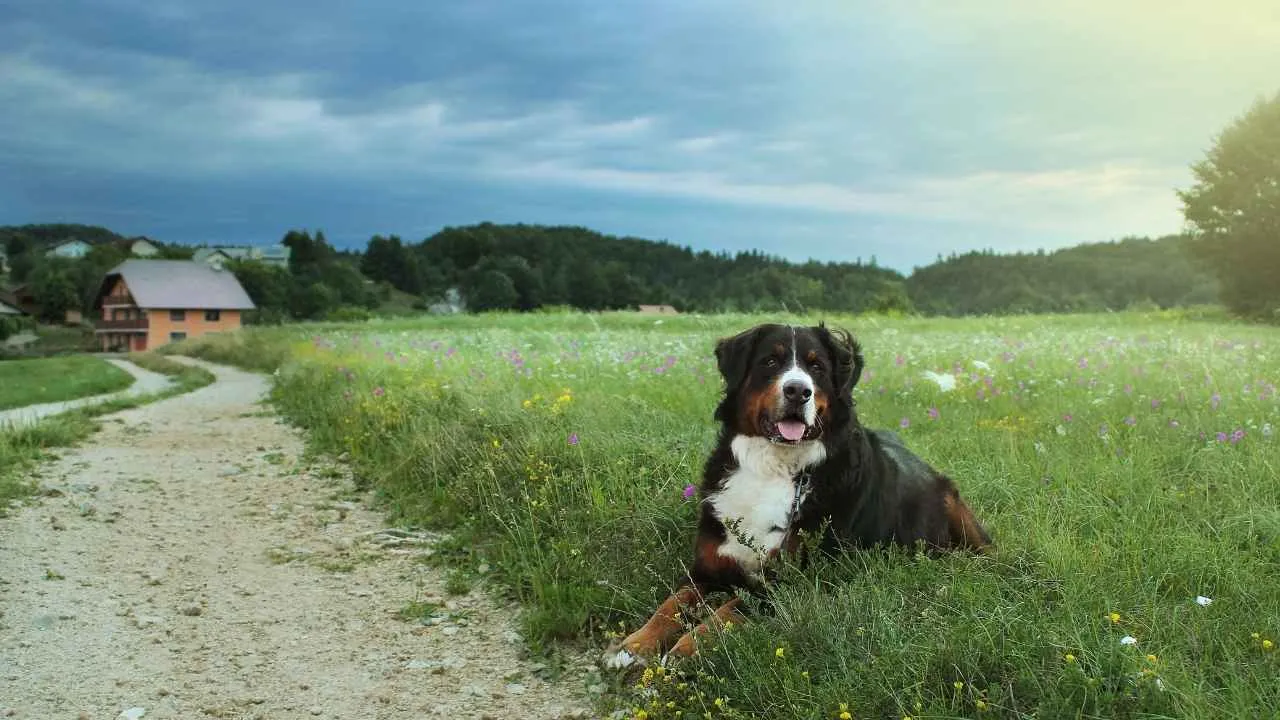
The Bernese Mountain Dog is a large, gentle working breed originally developed in the Swiss Alps for farm work, including pulling carts, driving cattle, and guarding property. Despite their size and strength, they are known for their affectionate nature and strong bond with their families. Their striking tricolor coat and steady temperament make them especially popular as companion dogs today.
As puppies and young dogs, Berners grow quickly and need controlled exercise to protect their developing joints. They enjoy moderate outdoor activity such as long walks, light hiking, and relaxed play sessions rather than intense endurance work. While intelligent and willing to please, they respond best to patient, consistent training, and can become stubborn if pushed too hard. Socialization early on is important to build confidence and reduce shyness.
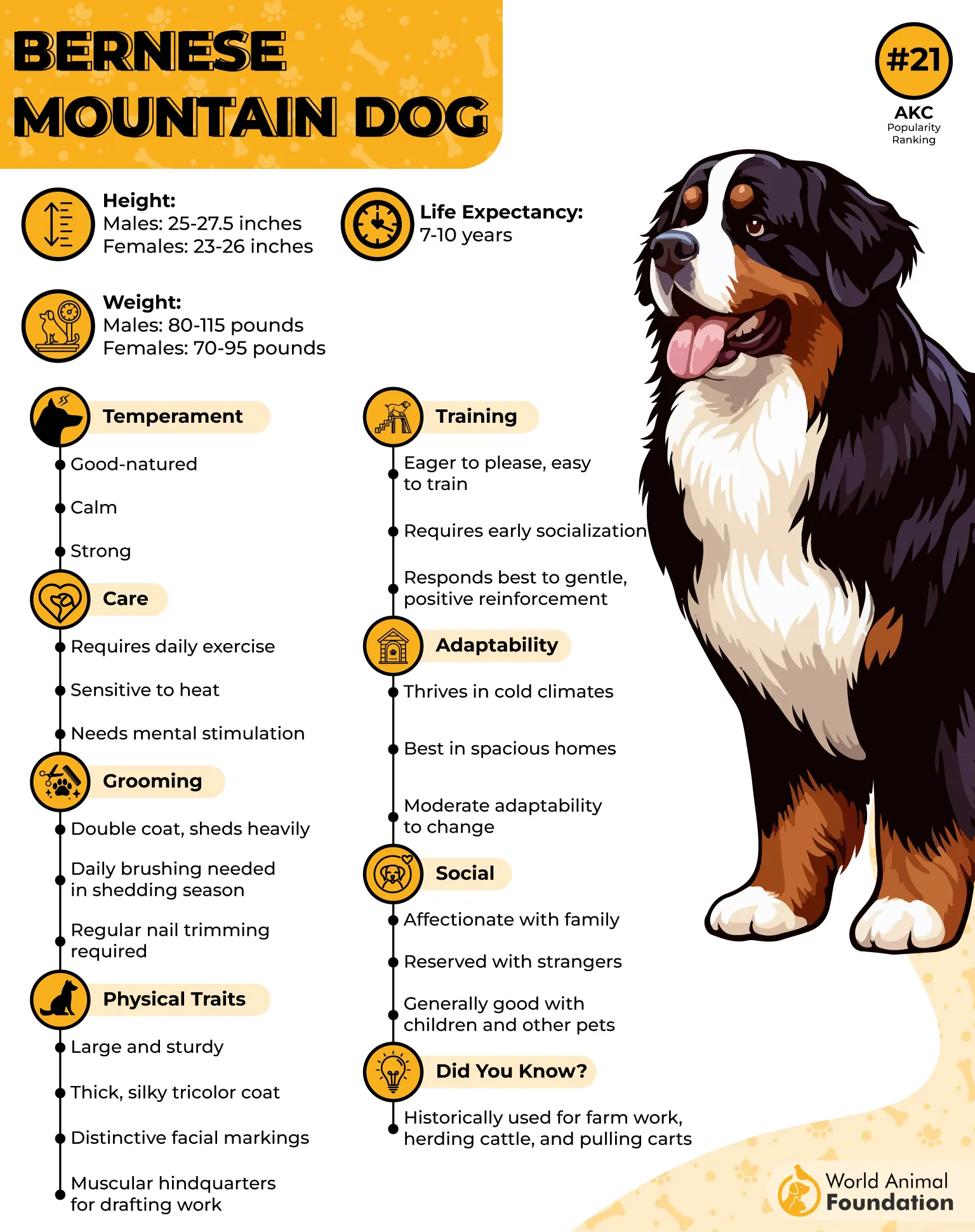
At home, Bernese Mountain Dogs are typically calm, loyal, and people-oriented. They often prefer staying close to their family and can become unhappy if left alone for long periods. Their thick double coat provides insulation in cold weather but also causes heavy shedding year-round, requiring regular brushing. They are sensitive to heat and do best in cooler climates or shaded environments.
Why This Breed Is a Good Fit
Their temperament suits outdoor lifestyles and family camping trips.
Naturally steady and patient, making them reliable companions around children and other pets.
Strong cold-weather tolerance due to their dense double coat, ideal for mountain or winter environments.
6. Australian Shepherd
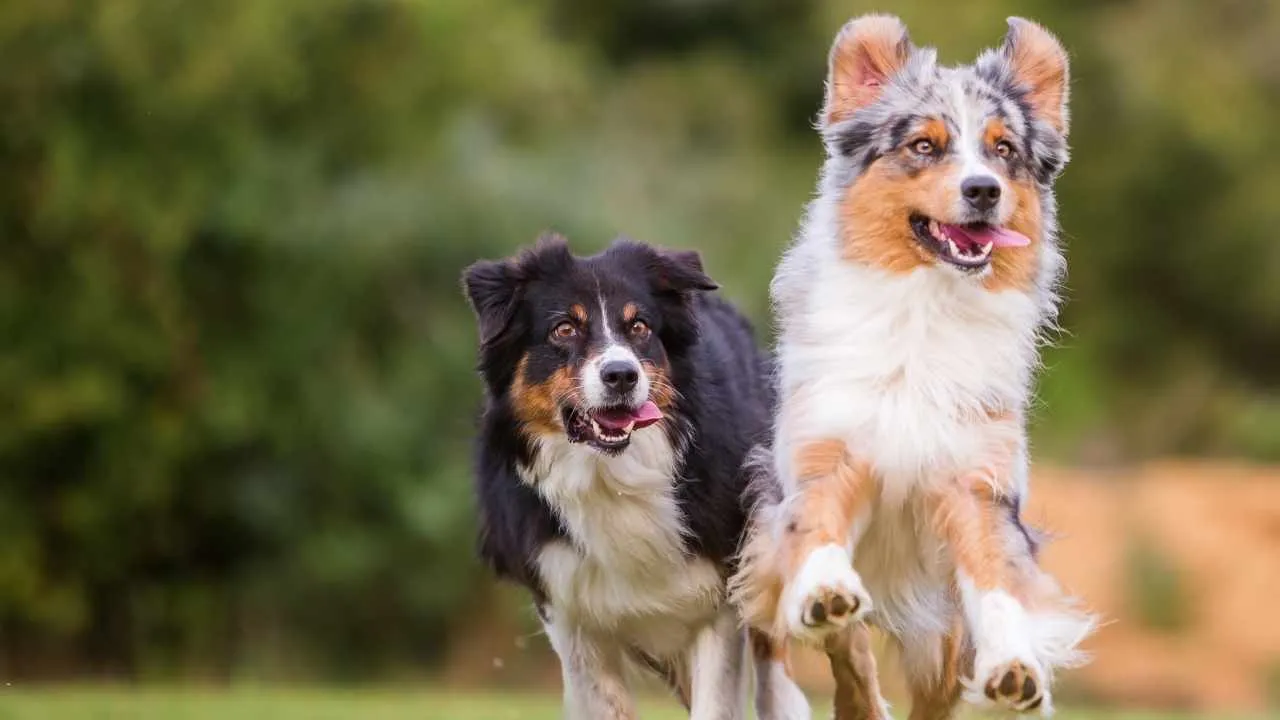
The Australian Shepherd is a highly intelligent and energetic herding breed developed in the United States for working livestock. Known for their agility, focus, and work ethic, Aussies thrive when they have a job to do. Their striking coat patterns and sharp awareness make them stand out, but it’s their drive and intensity that truly define them.
As young dogs, Australian Shepherds have very high energy levels and require both physical exercise and mental stimulation every day. They excel in activities like running, agility training, obedience work, hiking, and advanced fetch games. Without proper outlets, they can become bored and develop unwanted behaviors. Training is usually fast, but must stay consistent, as they can be independent thinkers.
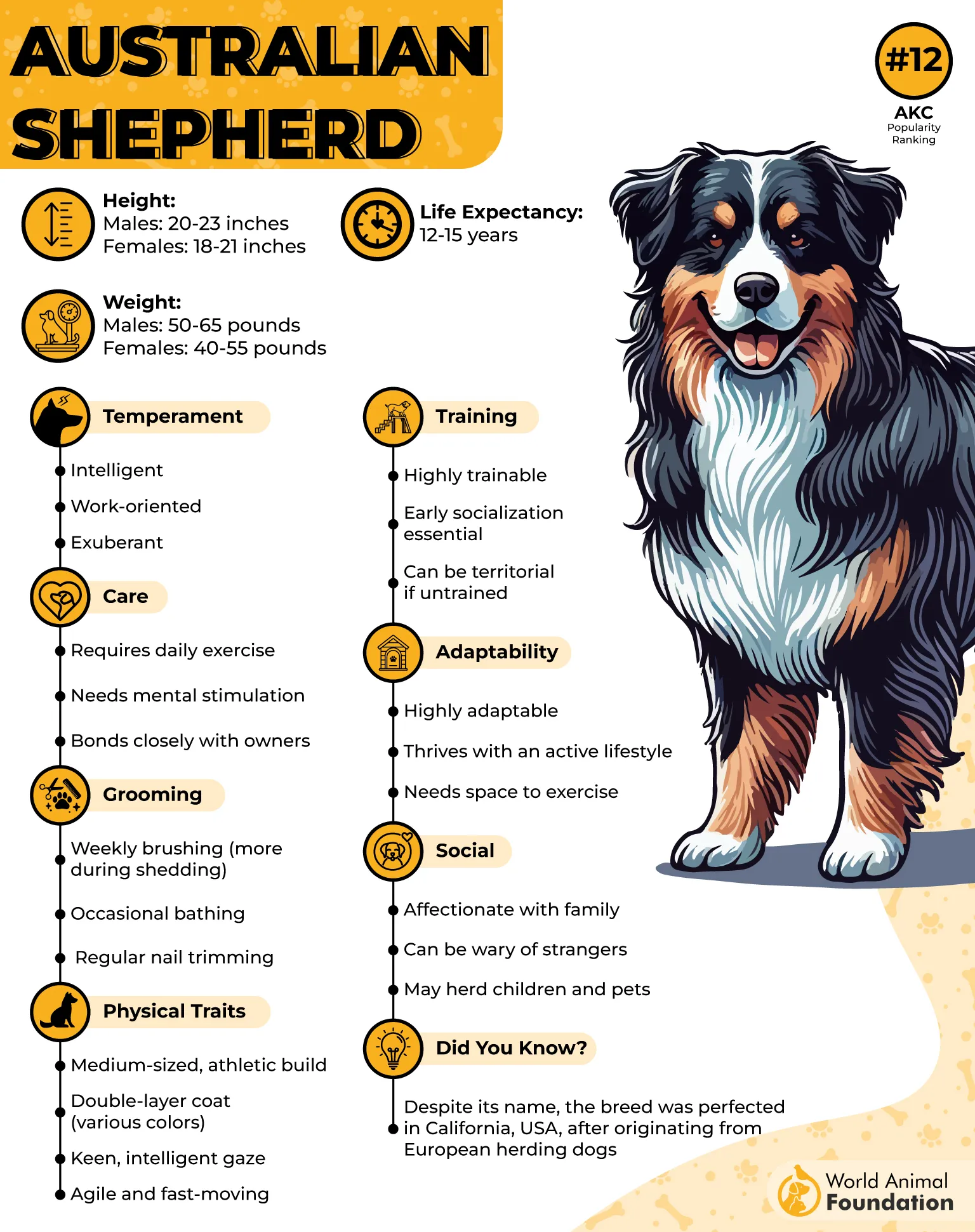
Australian Shepherds are loyal, alert, and deeply attached to their owners. They tend to be highly responsive but can be cautious around strangers. Their intelligence makes them quick learners, but also means they may try to anticipate or outthink commands. They shed moderately year-round and more heavily during seasonal coat changes, requiring regular brushing.
Why This Breed Is a Good Fit
Extremely high energy levels match well with long hikes, trail running, and active outdoor lifestyles.
Strong problem-solving ability makes them great for training-based outdoor activities.
Highly trainable and responsive, ideal for owners who want an interactive working partner.
7. Alaskan Malamute
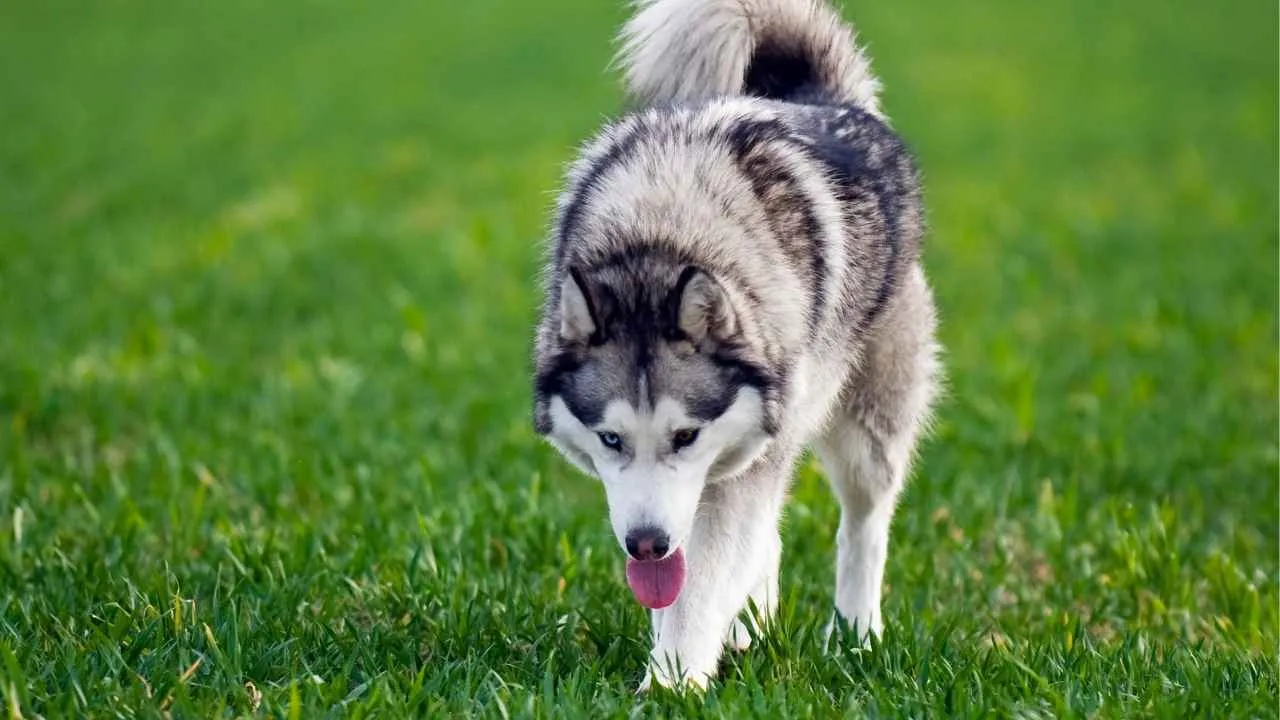
The Alaskan Malamute is a powerful Arctic working breed originally bred for hauling heavy loads across long distances in harsh northern climates. Known for their strength, endurance, and wolf-like appearance, they are one of the oldest and most capable sled dog breeds. Despite their rugged build, they often have a friendly and social personality.
As puppies and young dogs, Malamutes grow steadily and require structured exercise to build strength safely. They enjoy hiking, pulling activities, long walks, and cold-weather adventures, but they are not built for fast-paced endurance running like lighter breeds. Training can be challenging at times due to their independent and stubborn nature, so consistency and patience are essential.
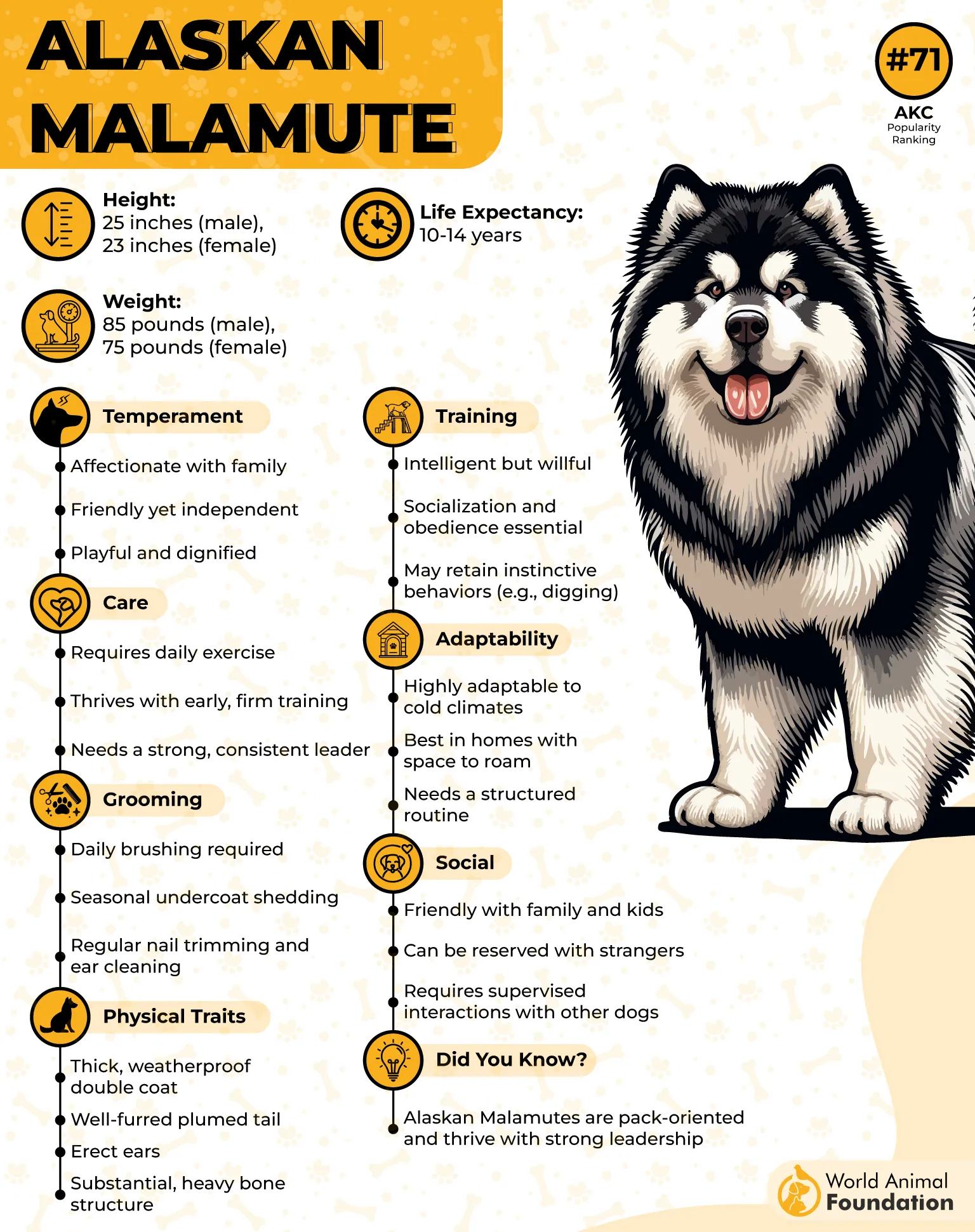
Alaskan Malamutes are affectionate but strong-willed dogs that often think independently rather than following commands instantly. They are social and enjoy being part of a pack or family, but may become destructive if under-exercised. Their thick double coat is built for extreme cold, but it also causes heavy shedding and makes them prone to overheating in hot climates.
Why This Breed Is a Good Fit
Exceptional strength and endurance make them ideal for hiking, trekking, and carrying gear.
Natural cold-weather adaptation suits snow, mountains, and winter camping environments.
A calm but powerful temperament fits experienced owners who enjoy structured outdoor challenges.
Conclusion
In conclusion, these large canine companions are intelligent, strong, and highly capable, but each requires a different type of owner and lifestyle. Some are calm, affectionate, and best suited for relaxed, cold environments where companionship matters more than constant activity.
Others are extremely energetic and need daily physical exercise along with mental challenges to stay balanced and well-behaved. A few are powerful, independent, and built for endurance in harsh conditions, but they demand experienced handling and consistent proper training.
Overall, choosing the right one depends on energy level, environment, and long-term commitment to care, training, and exercise.
