




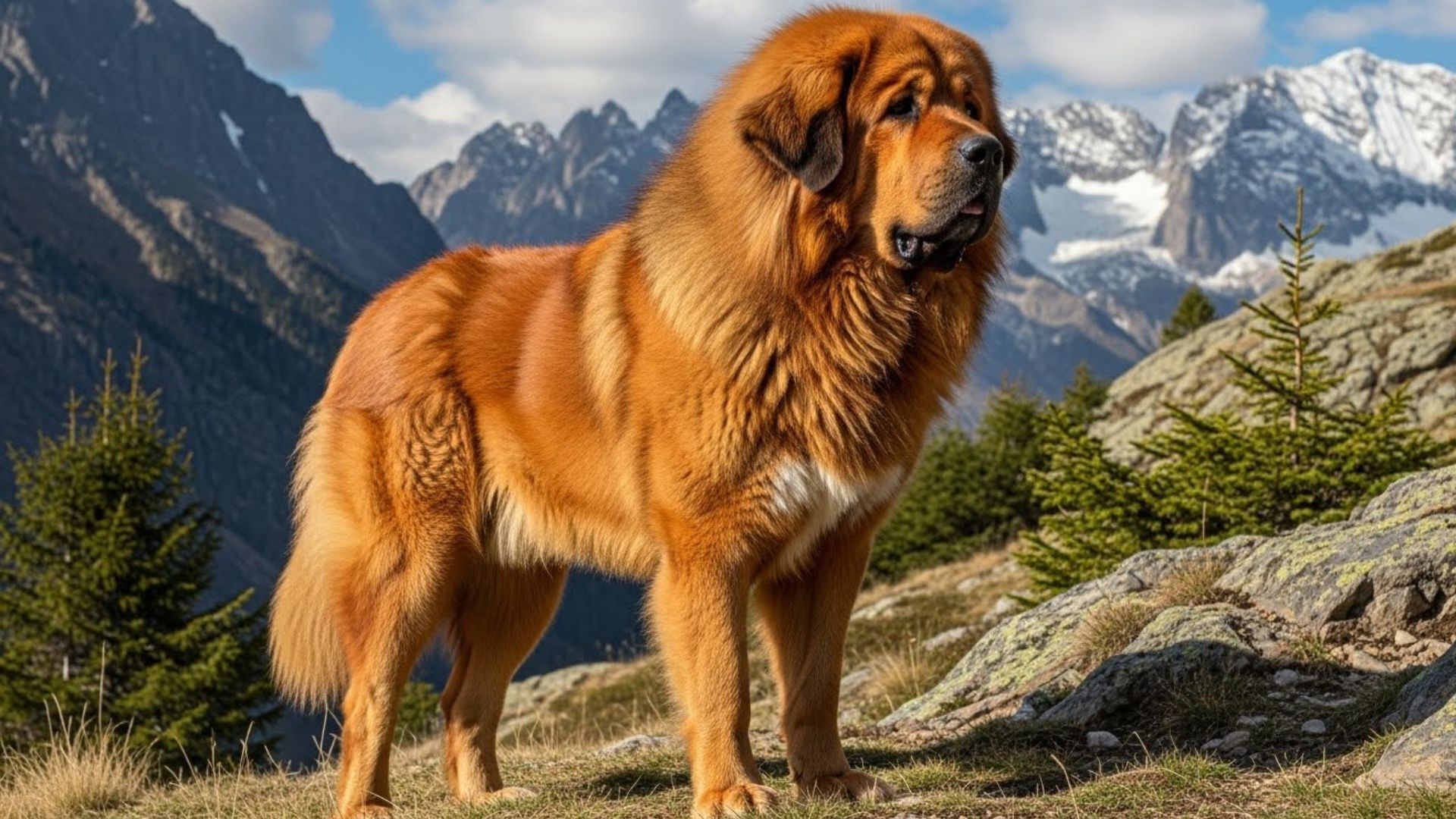
Some dogs stand out not just for their size but for the unique stories and traits that set them apart. Rare giant breeds often surprise people with how calm, gentle, and capable they are despite their impressive height and weight.
Many of these breeds were originally bred for tough jobs like guarding remote farms or helping communities in rugged environments, yet today they’re better known for their steady personalities and striking presence.
Learning about these lesser-known giants is a chance to explore dogs that don’t often appear in everyday life but leave a strong impression when they do. Their size may catch your attention first, but it’s their character and history that make them truly memorable.
Rare and Impressive Giant Dog Breeds
1. Tibetan Mastiff
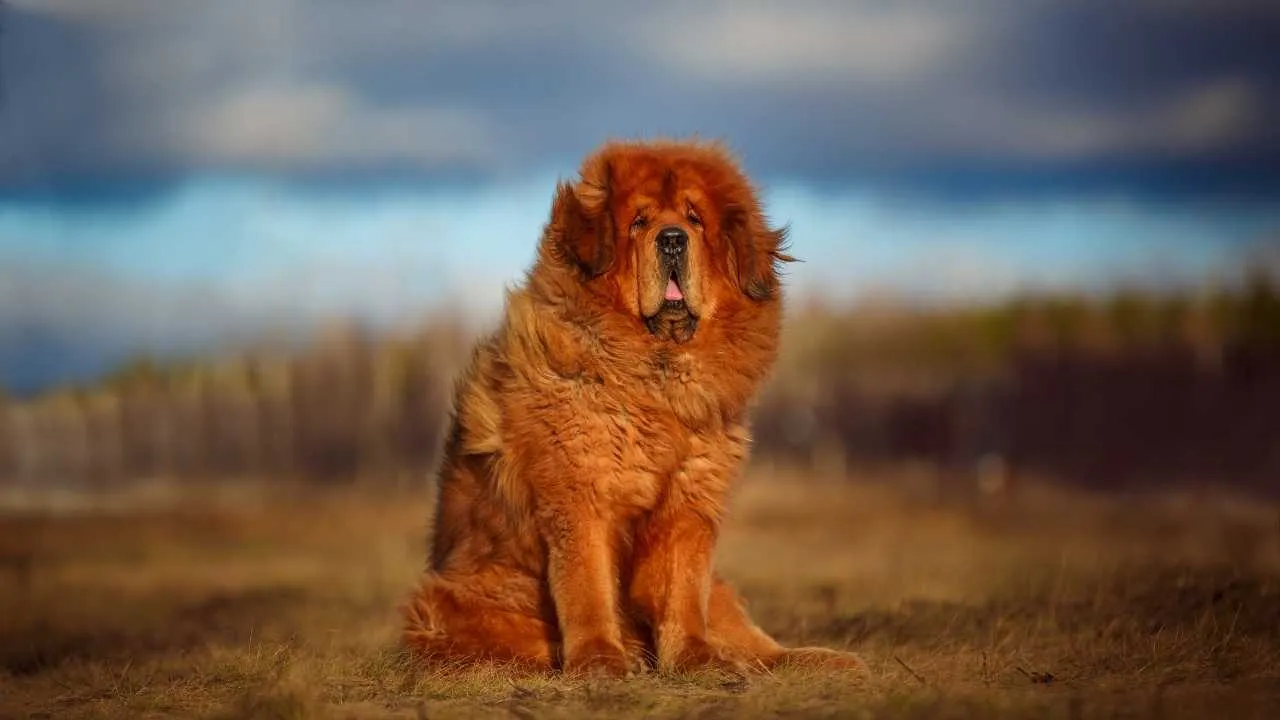
The Tibetan Mastiff began as a mountain guardian, protecting villages and monasteries from threats in remote regions. Its heritage shaped a dog known for confidence and a calm, observant nature.
This breed is recognized for a powerful frame, thick coat, and an expressive face that often appears thoughtful. Their heavy fur helps them stay comfortable in colder climates.
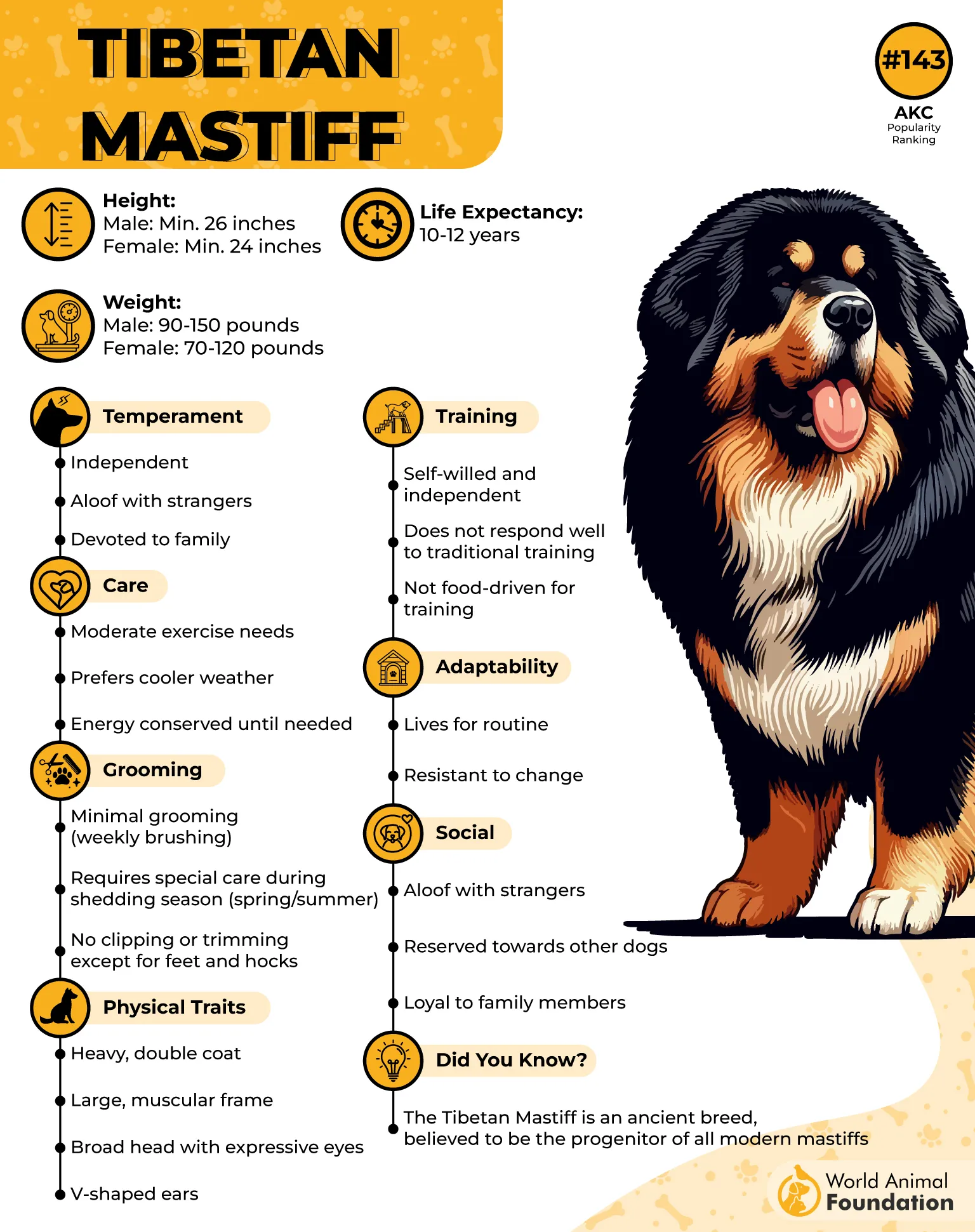
As per PetMD, Tibetan Mastiffs tend to bond strongly with their families while staying watchful around unfamiliar people. Their independence adds to their appeal but also calls for knowledgeable handling.
Daily life with this breed benefits from steady routines and low-impact activity. They enjoy surveying their surroundings and prefer structured interactions over chaotic play.
Their coat sheds heavily during seasonal changes, so grooming becomes more frequent during those periods. Outside of shedding seasons, moderate brushing is usually enough to maintain their coat.
Fun Fact
Tibetan Mastiffs were once valued so highly that they were given as gifts to royalty. Some historians believe they contributed to the development of several large guardian breeds around the world.
2. Caucasian Shepherd
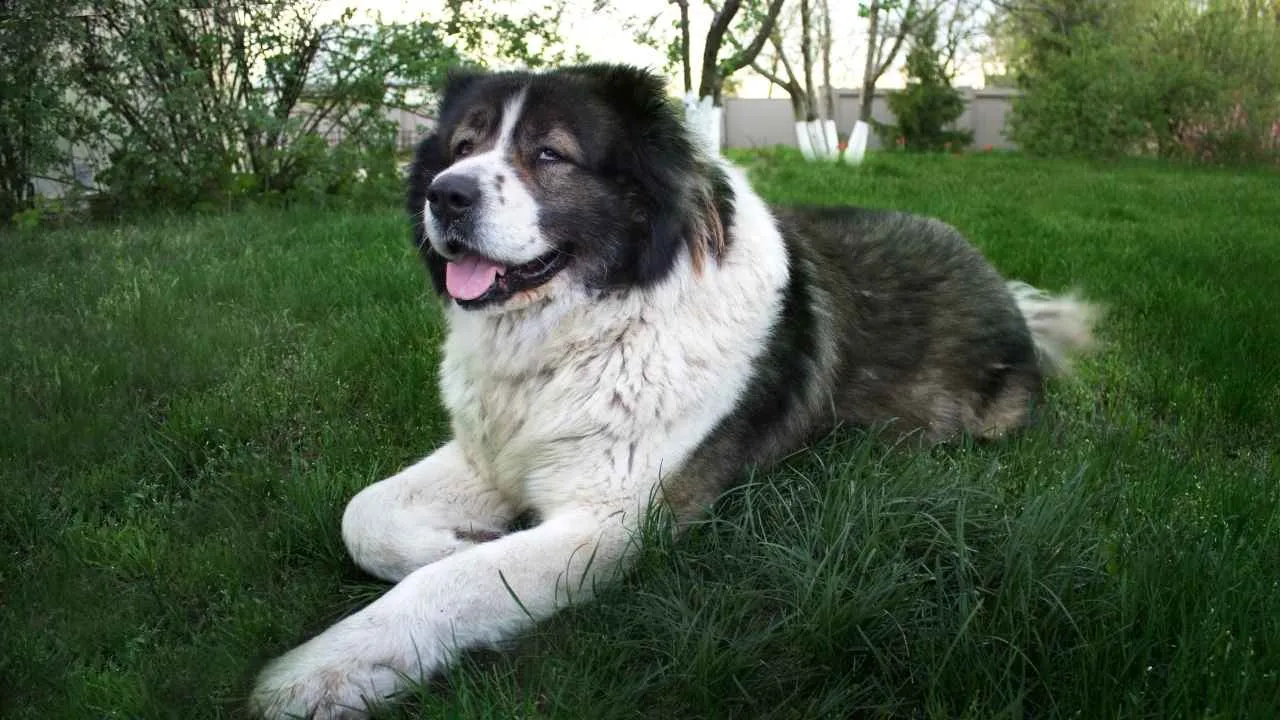
The Caucasian Shepherd originated in the rugged mountain regions where protecting livestock required courage and resilience. Its long history includes guarding flocks from predators and standing watch over remote lands.
This breed has a strong, broad outline and a dense coat that can vary in length. Their substantial presence is balanced by a steady, unhurried way of moving.
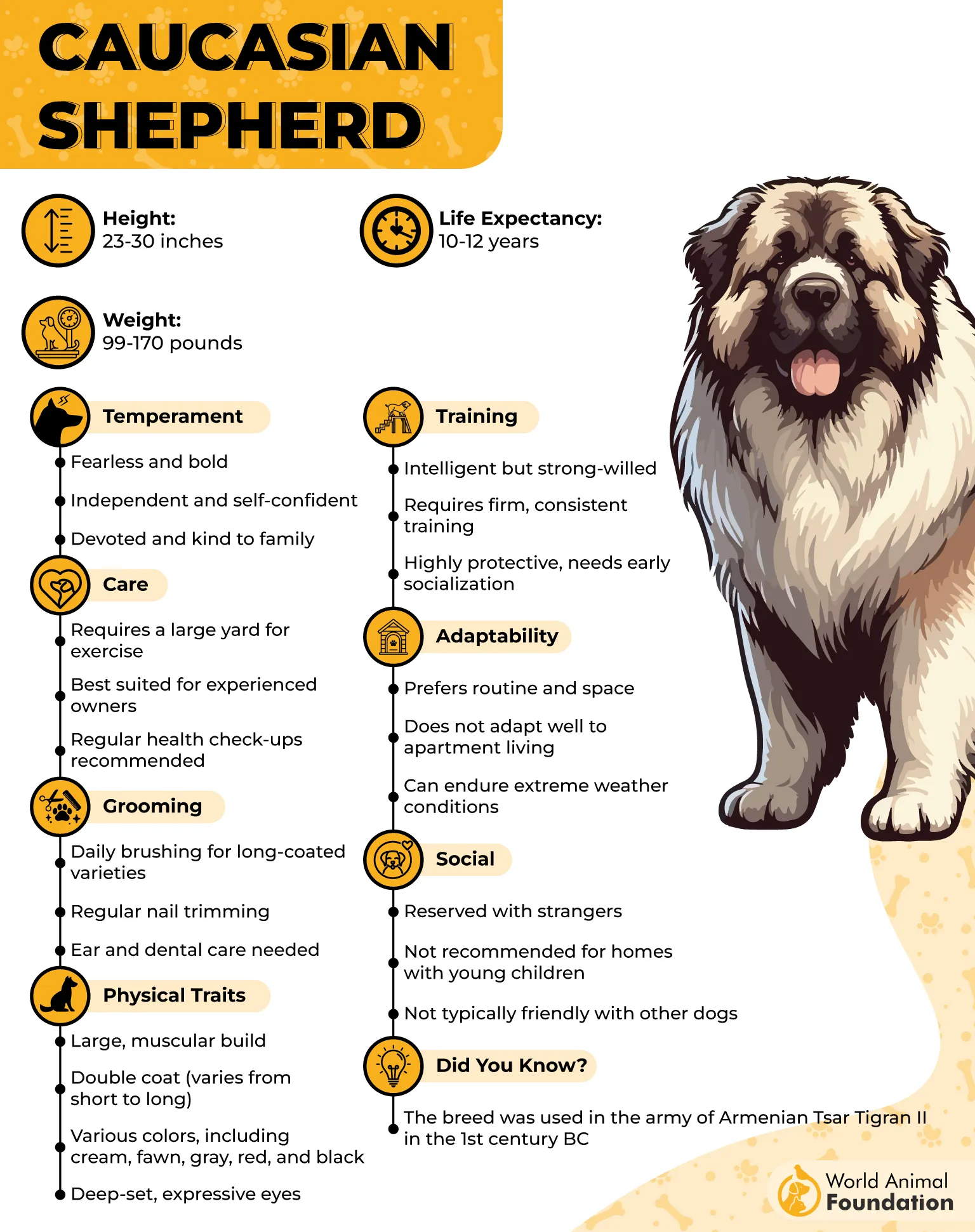
Caucasian Shepherds are deeply loyal and dedicated to the people they trust. Their guarding instincts remain strong, so early guidance and social exposure shape better decision-making in adulthood.
They appreciate room to move and benefit from calm, structured exercise. Independent thinking is part of their nature, making patient training especially important.
Regular grooming helps manage shedding and keeps the coat healthy. These dogs thrive with owners who understand large guardian breeds and can provide a stable environment.

Fun Fact
Historical accounts describe dogs like the Caucasian Shepherd accompanying soldiers and guarding borders. Their reputation as serious working guardians is rooted in centuries of service.
3. Leonberger
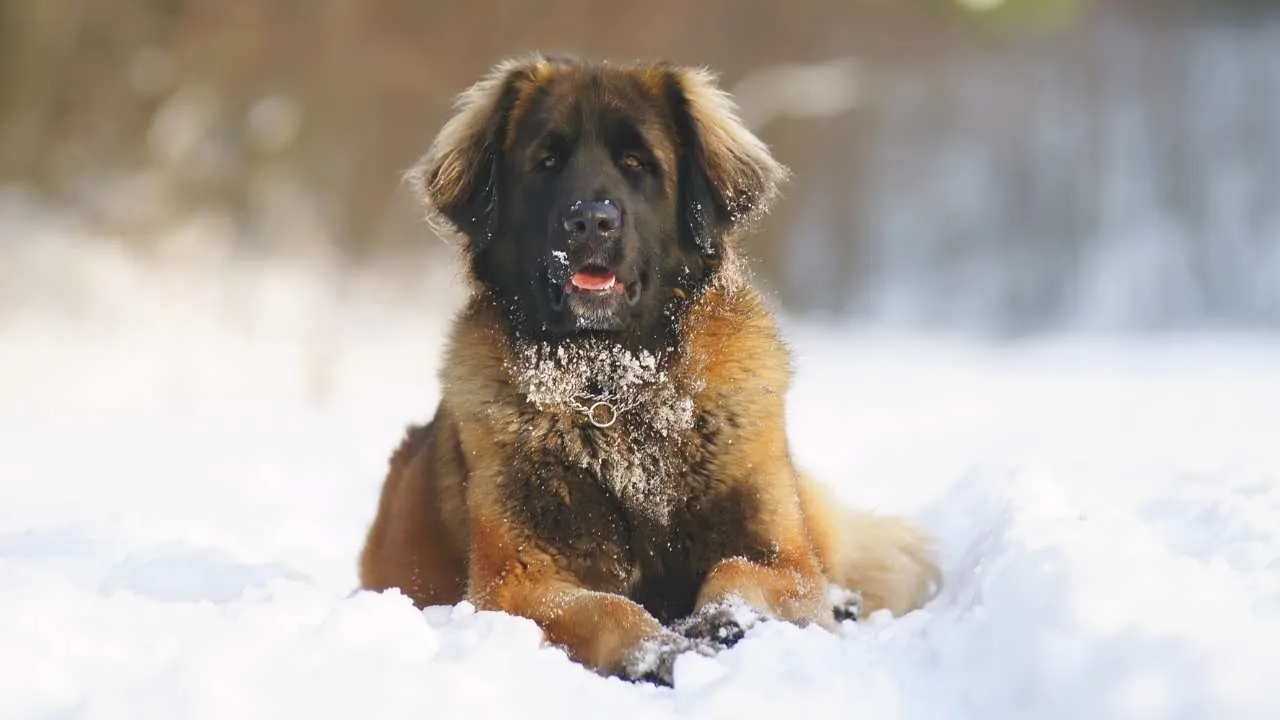
The Leonberger is known for a lion-like appearance paired with a warm, friendly expression. Its lineage includes European working dogs that contributed to its confident yet gentle nature.
A Leonberger’s thick coat and balanced build give it an impressive but elegant look. Webbed feet help them move gracefully in the water, which is a favorite activity for many, as noted by Purina.
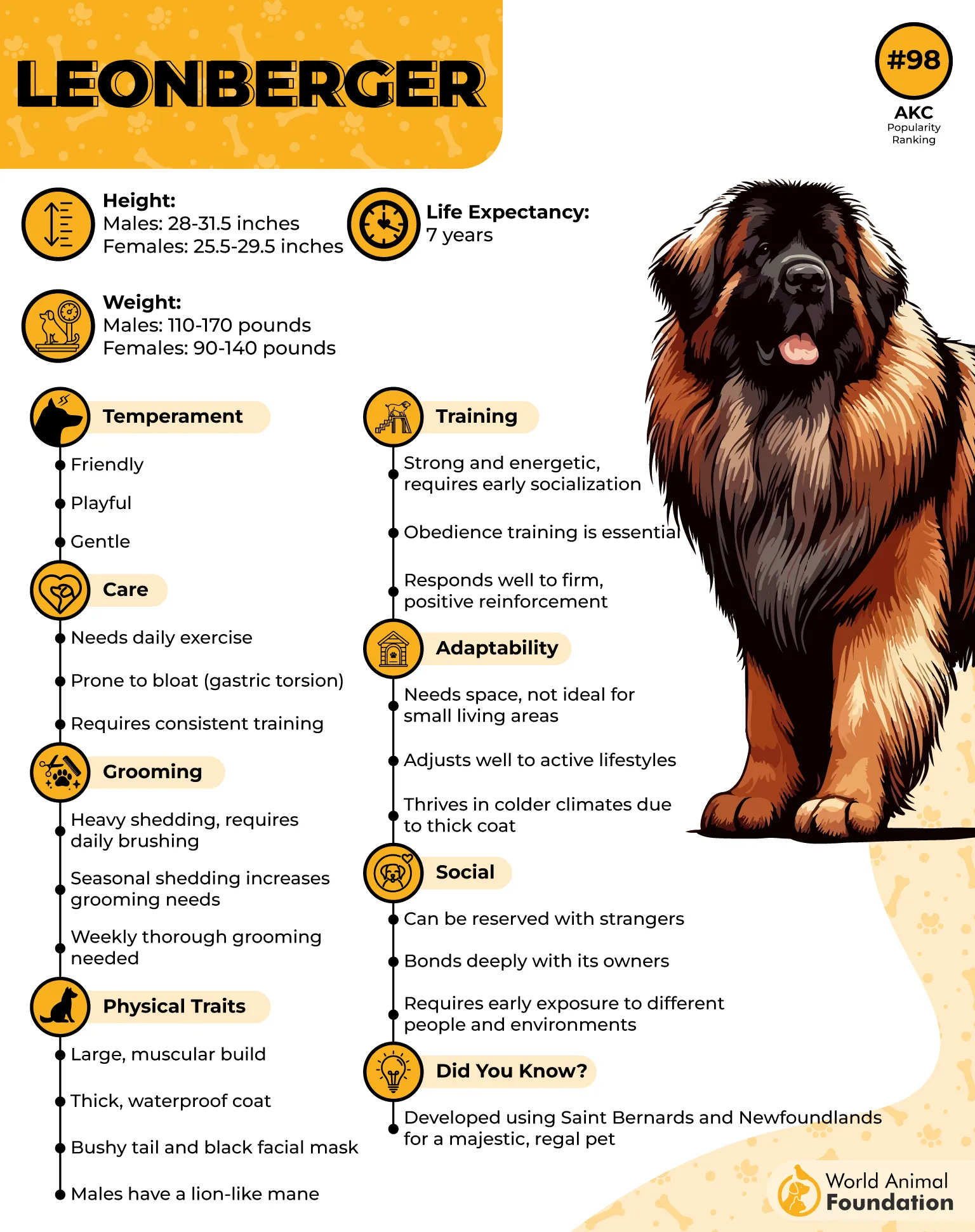
This breed is often affectionate and patient, making it adaptable to active families. They enjoy companionship and tend to fit best in homes that include them in daily activities.
Regular outdoor time supports their well-being, as they appreciate both vigorous play and peaceful walks. Their calm temperament helps them adjust well to varied environments.
Grooming is a key part of Leonberger care due to their long, double coat. Extra brushing is needed during heavy shedding, along with routine ear, dental, and nail maintenance.
Fun Fact
The Leonberger nearly disappeared during major wars, with only a small group of dogs remaining afterward. Modern Leonbergers trace their ancestry back to those few survivors.
4. Tosa Inu
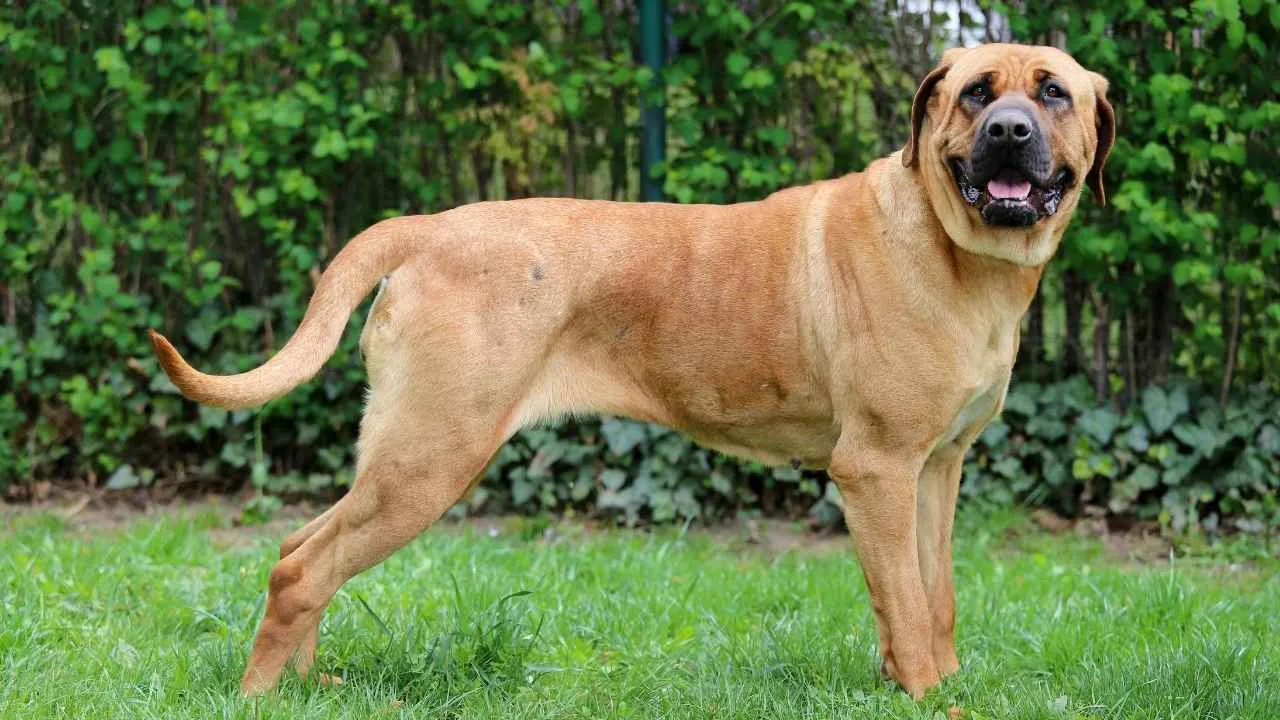
According to the AKC, the Tosa Inu was developed in Japan through the blending of native dogs with strong Western breeds. The goal was to create a powerful yet composed dog known for determination and a steady temperament.
Tosas have a muscular frame, a broad head, and a close-fitting coat that highlights their athletic build. Their appearance conveys quiet strength rather than constant intensity.
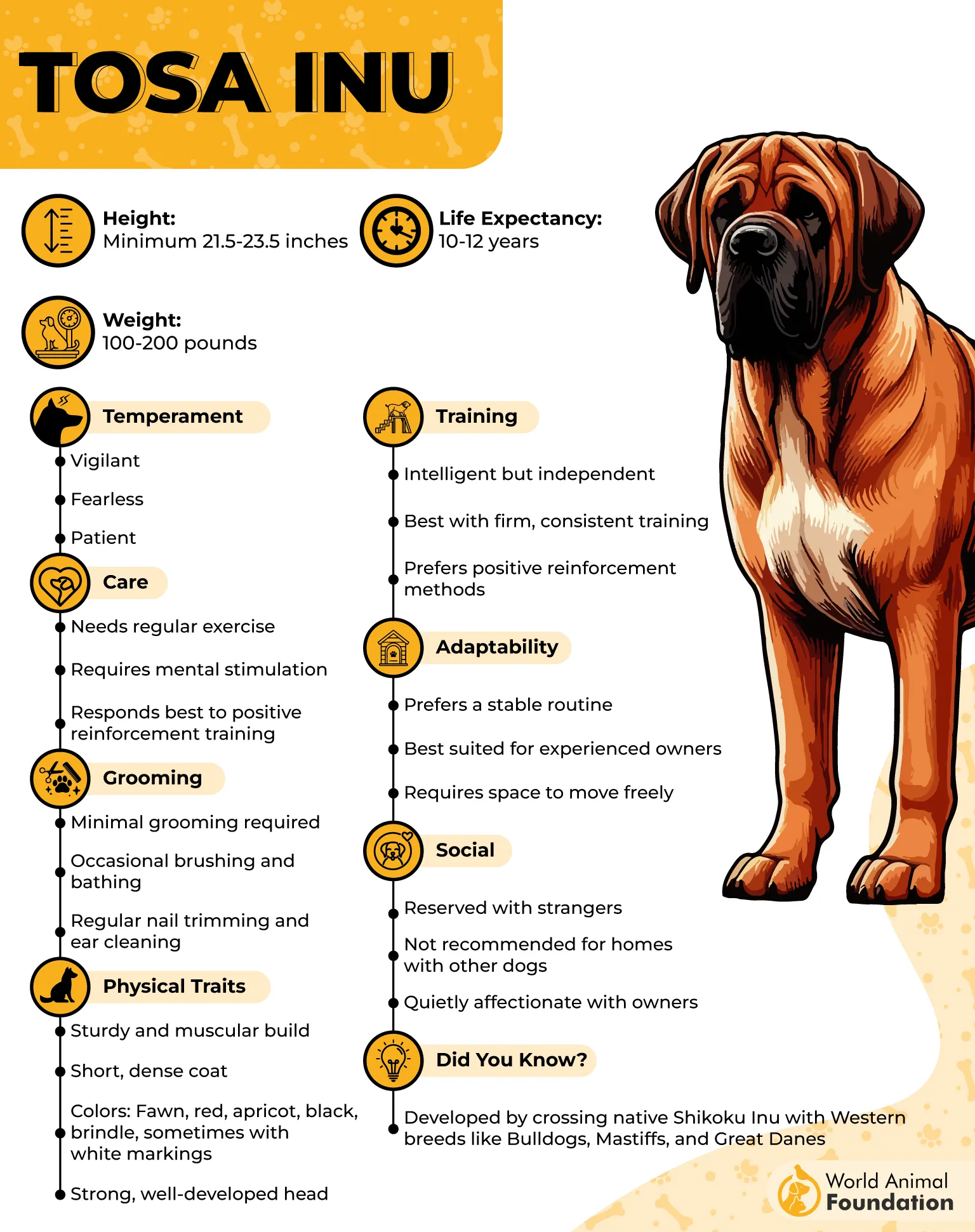
This breed is often calm and thoughtful around family while remaining cautious with new dogs or people. Proper guidance helps them grow into reliable companions with stable behavior.
Training should begin early and progress with a clear, consistent structure. Their size and natural resolve mean they thrive with confident, knowledgeable owners.
Care routines usually focus on regular activity, mental engagement, and simple coat maintenance. Responsible management supports long-term health and well-being in this impressive breed.
Fun Fact
The Tosa Inu is recognized in Japan as a culturally significant breed. Though originally developed for competitive purposes, today it is more often kept as a dignified guardian.
5. Boerboel
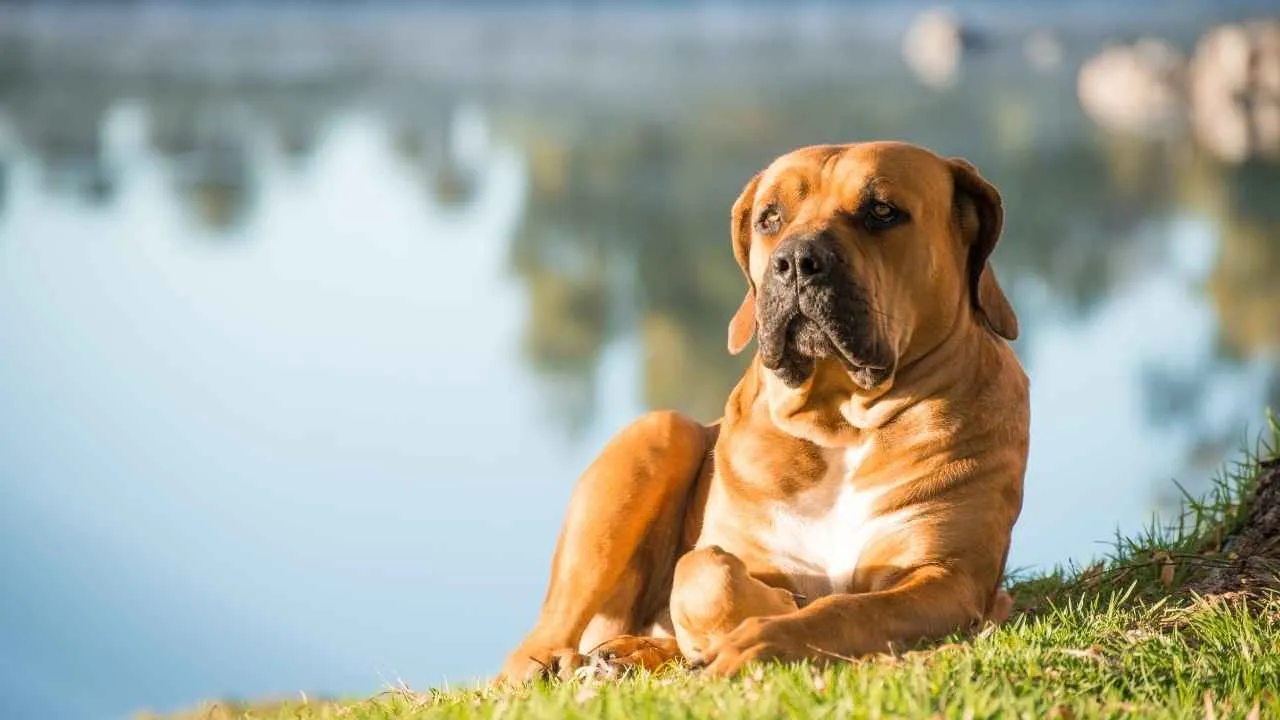
The Boerboel began as a South African farm guardian bred to protect homesteads from wildlife and intruders. Its history created a confident dog with strong instincts for defense and close family loyalty.
This breed has a broad, muscular body and a steady, grounded posture that conveys natural authority. Their expressive face often shows both alertness and calm focus.
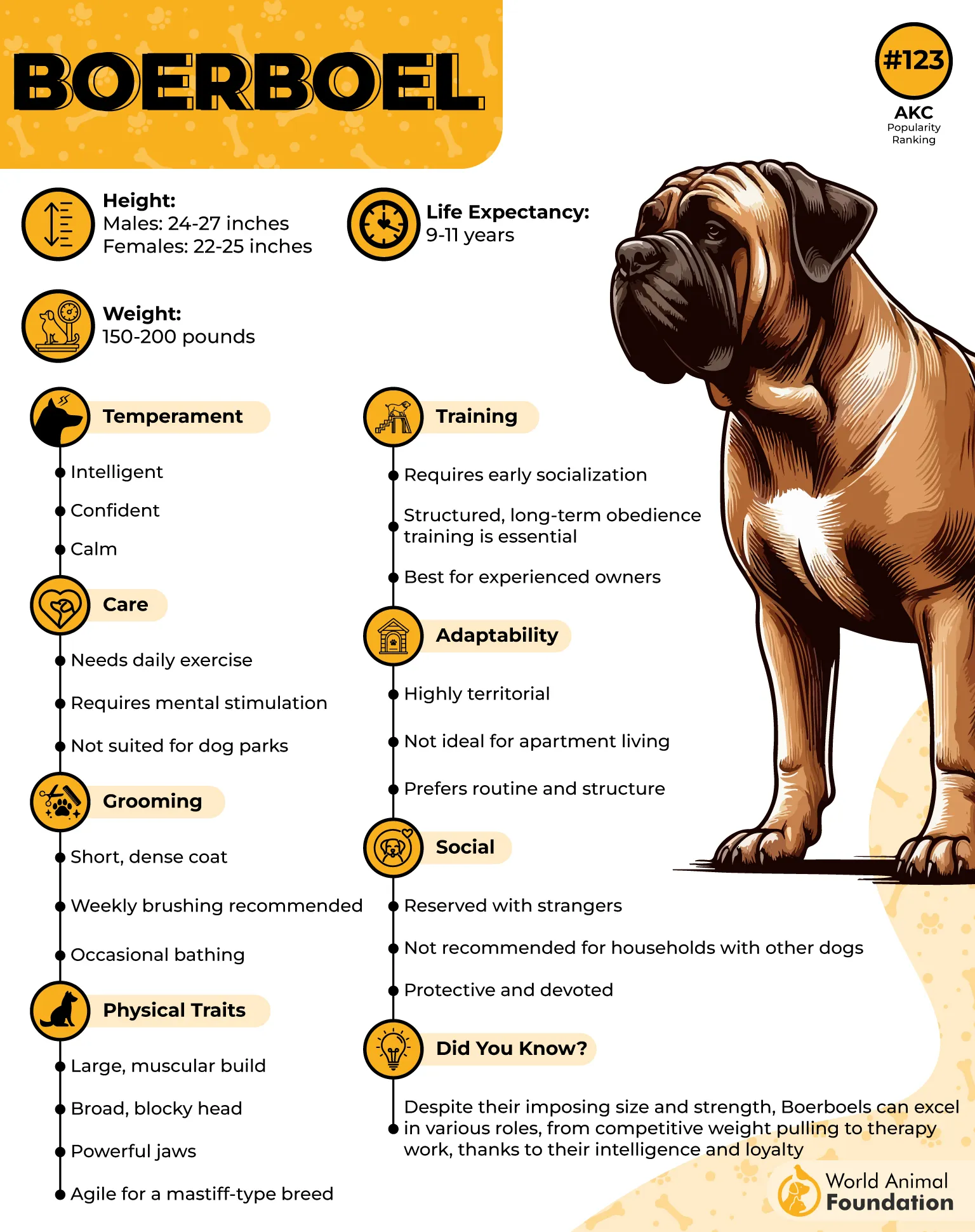
Boerboels are known for being devoted to their families and generally gentle with familiar people. They stay mindful of their surroundings and respond best to clear, consistent guidance.
Daily life with a Boerboel benefits from activities that work both the body and mind. They enjoy purposeful tasks, relaxed time with their people, and predictable routines.
Basic grooming stays simple with occasional brushing and regular nail and dental care. A stable, structured home supports their emotional and physical well-being.
Fun Fact
The Boerboel’s name comes from a Dutch word meaning “farmer’s dog,” reflecting its long history of working closely with rural families. Early settlers relied on them for survival in isolated regions where dependable protection was essential.
6. Irish Wolfhound
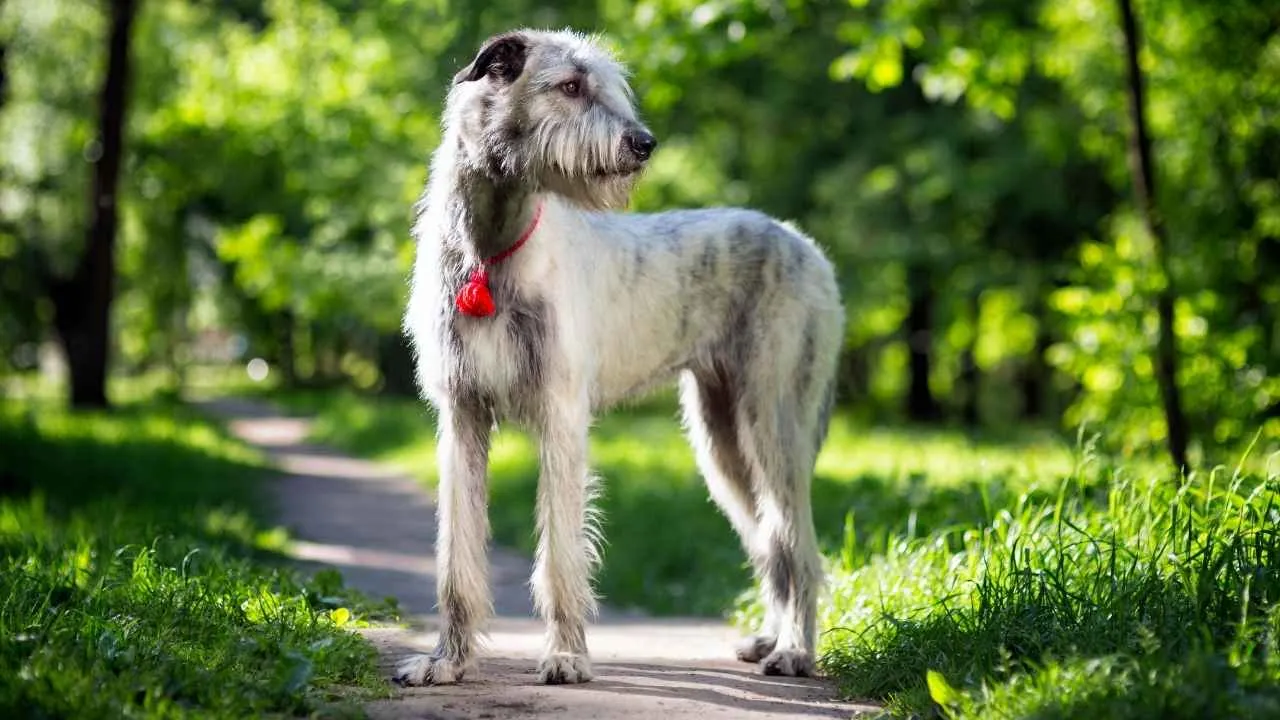
The Irish Wolfhound descends from ancient hounds once used to hunt large game across Ireland’s open landscapes. Its legacy shaped a dog known for nobility, quiet strength, and a gentle nature.
Known as the tallest dog breed in the world, the breed’s wiry outline gives it a distinctive look that is both athletic and elegant. Their expressive eyes and relaxed posture soften their impressive silhouette.
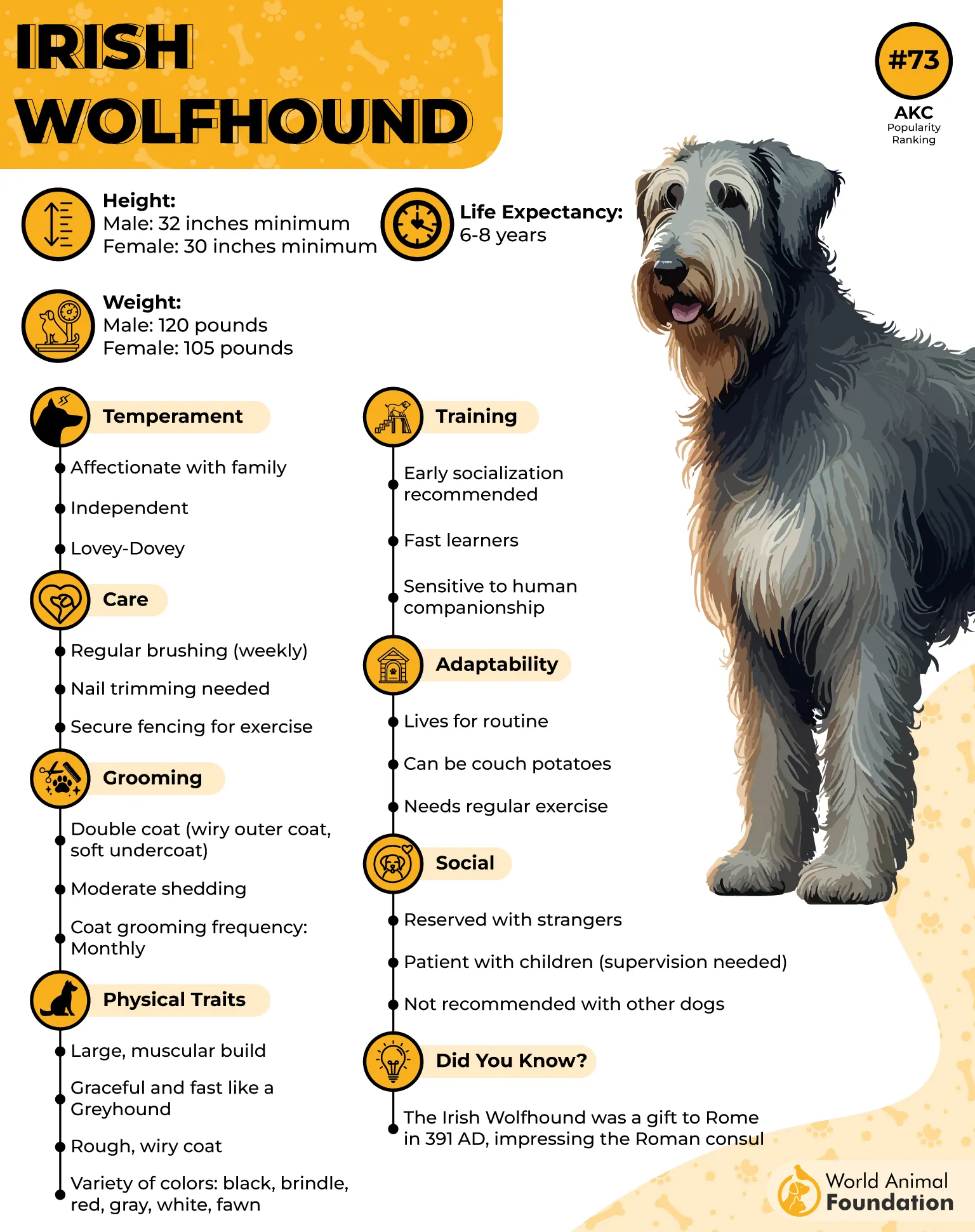
Irish Wolfhounds are famously kind-hearted and often bond deeply with their families. They tend to approach the world with patience, making them well-suited for calm homes.
They enjoy long, peaceful walks and opportunities to stretch out in wide open spaces. Despite their size, they often prefer soft interactions over rough play.
Grooming usually involves regular brushing to manage their coarse coat. Supportive care for joints and overall comfort helps them stay active and content.
Fun Fact
Irish Wolfhounds were once so respected that ancient laws recorded their value in terms reserved for nobles. Their presence symbolized honor and prestige in early Irish culture.
7. Kuvasz
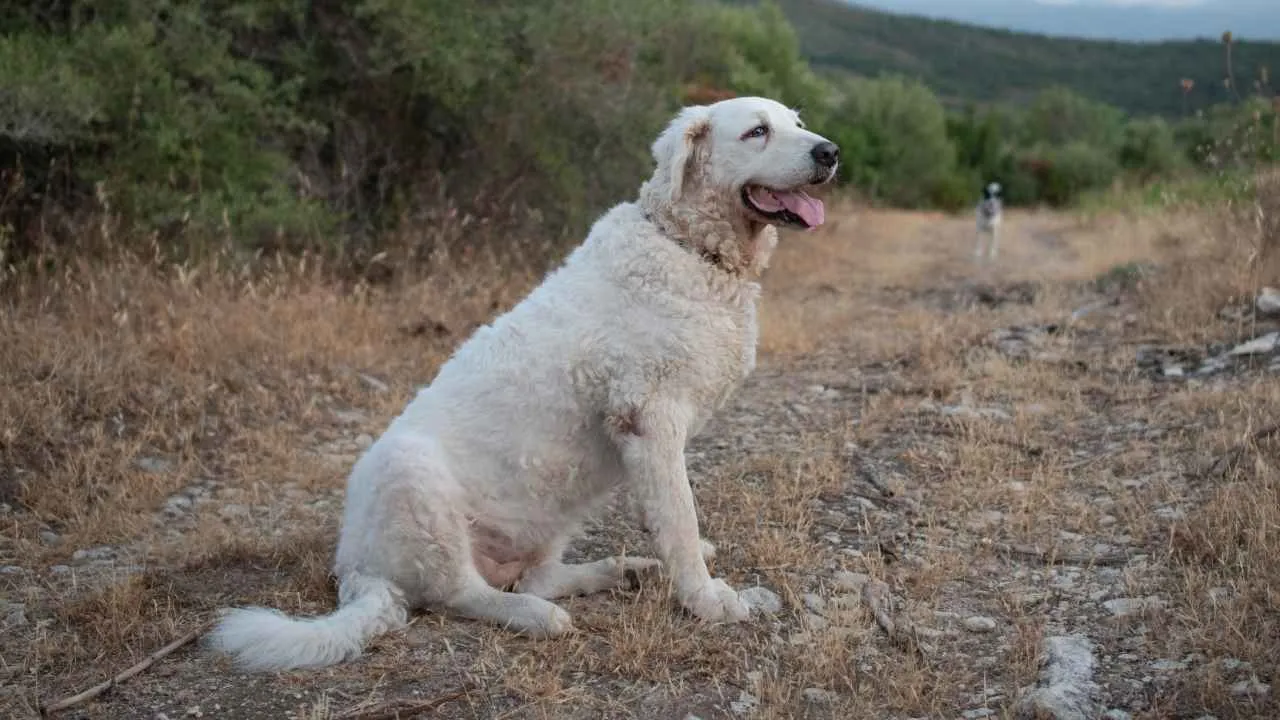
The Kuvasz originated in Hungary as a livestock guardian known for courage and independent decision-making. Its working background shaped a dog capable of protecting herds across large, open terrain.
Kuvasz dogs have a striking white coat that reflects sunlight and blends naturally with flocks. Their athletic build supports endurance and quick movement when needed.
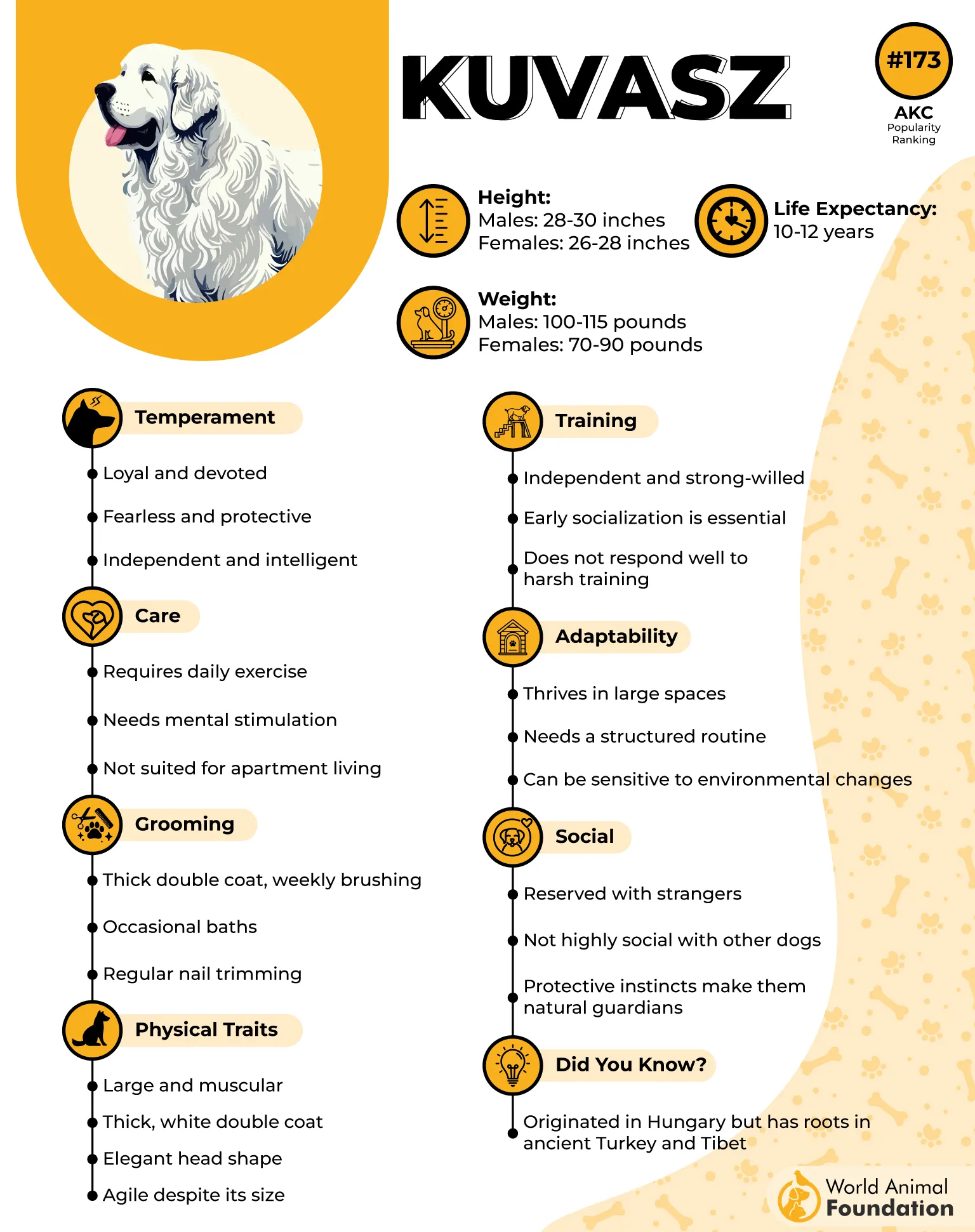
This breed forms strong bonds with its people while remaining watchful and discerning. Early social experiences help them balance protectiveness with confidence in new settings.
They appreciate space to roam and purposeful exercise that allows them to use their instincts. Calm leadership and patient training guide them toward reliable behavior.
Their thick coat requires regular brushing to stay free of mats and seasonal shedding. Routine care keeps their skin, ears, and overall health in good condition.
Fun Fact
The Kuvasz was once favored by Hungarian royalty, serving as both a guardian and a trusted companion. Its reputation for bravery made it a treasured dog among nobles and shepherds alike.
Conclusion
Rare dog breeds and gentle giants continue to fascinate pet parents who admire big dogs with power, intelligence, and mellow temperaments. Many large dogs thrive with consistent training, early training, and enough exercise to stay healthy, especially since a large breed often needs more food and enough room to move on four legs.
Their thick double coat or short coat, soulful eyes, docile nature, and bravery shape family life with kids, other dogs, and new people, while responsible breeding helps support good life expectancy and limits risks like hip dysplasia. These big dog breeds traditionally worked as guard dogs, rescue dogs, flock guardian dogs, or agile companions for animals such as sheep.
Other dog breeds, such as the Bernese Mountain Dog, French Mastiff, Great Pyrenees, Saint Bernards, Black Russian Terrier, West African Sighthound, and Bedlington Terrier, add even more majestic and rare breeds to explore.
