




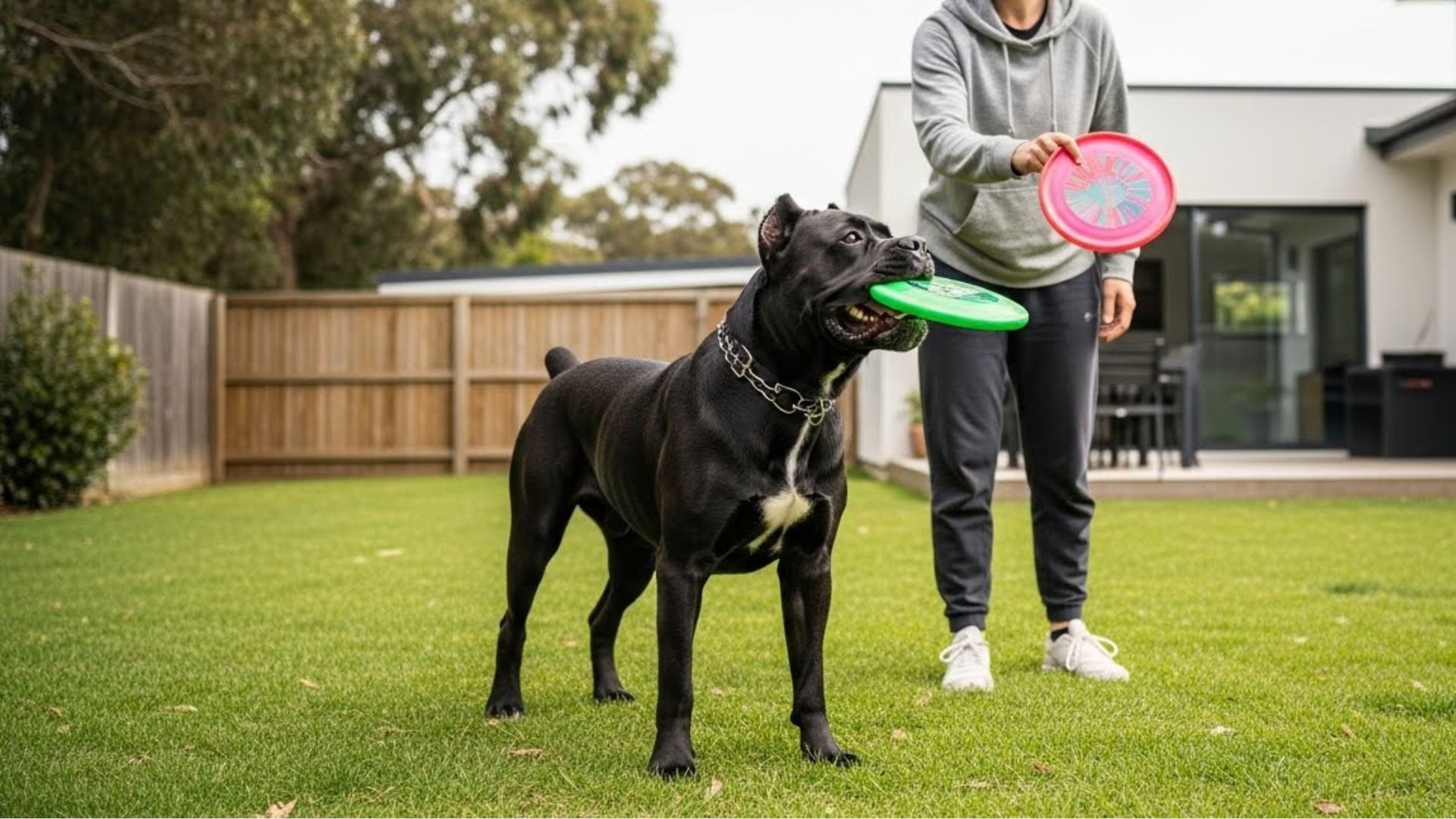
When you want more than a cuddle companion—when you want a living, breathing sense of security—certain dog breeds stand out. The right protector can bring two things at once: steady companionship and sharp instincts that make you feel safer at home, on walks, and even while traveling.
It’s also hard to ignore how tense the world can feel. With news cycles packed with stories about break-ins, robberies, and worse, it’s no surprise many people start thinking about real protection, not just an alarm app.
For some households, a guardian-minded dog becomes one of the most reliable “security systems” around: present, aware, and deeply devoted.
That said, protective doesn’t mean aggressive—and choosing the right breed is about fit, training, and responsible ownership.
In this guide, we’ll explore protective dog breeds known for serious guarding potential, what shaped their instincts, and how to match that power with the right lifestyle so your dog is both a confident defender and a safe, loving family member.
Protective Dog Breeds for Serious Security
1. German Shepherd
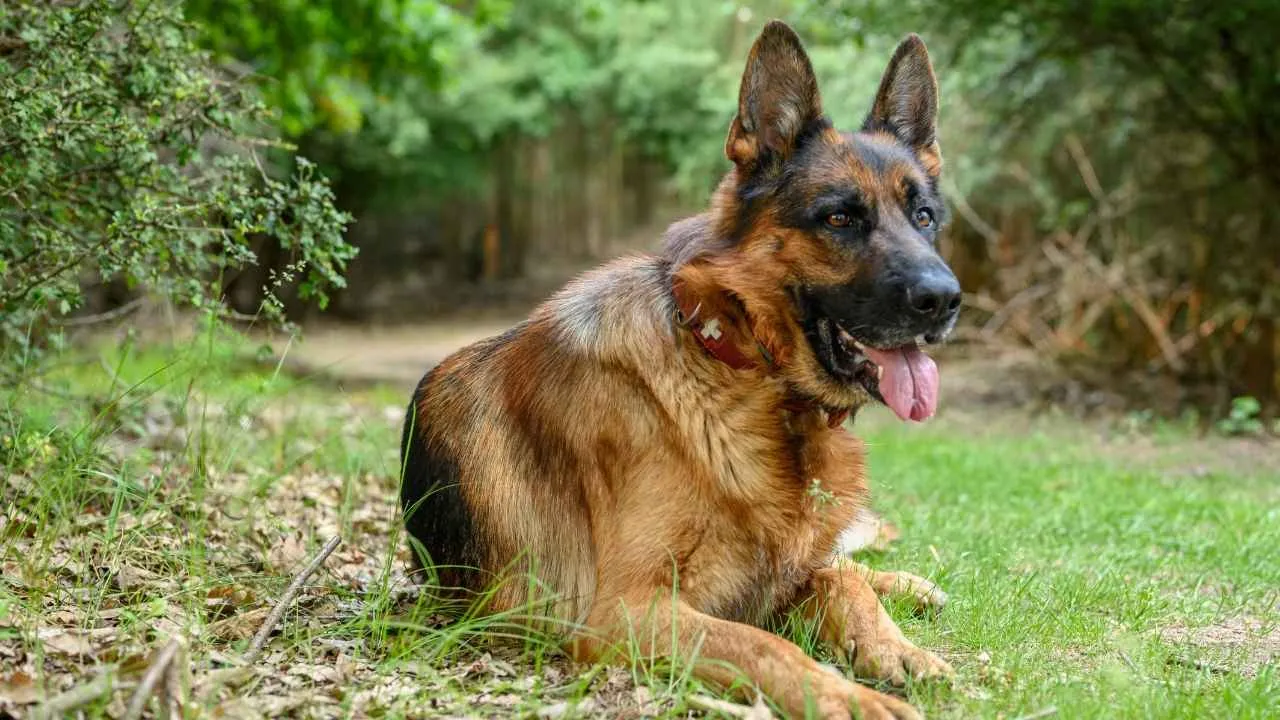
The German Shepherd Dog (GSD)—also known simply as the German Shepherd—is one of the most recognized protection breeds in the world.
The AKC states that the German Shepherd Dog is often regarded as one of the best all-around working breeds, known for its large, agile, muscular build, along with a noble temperament and high intelligence.
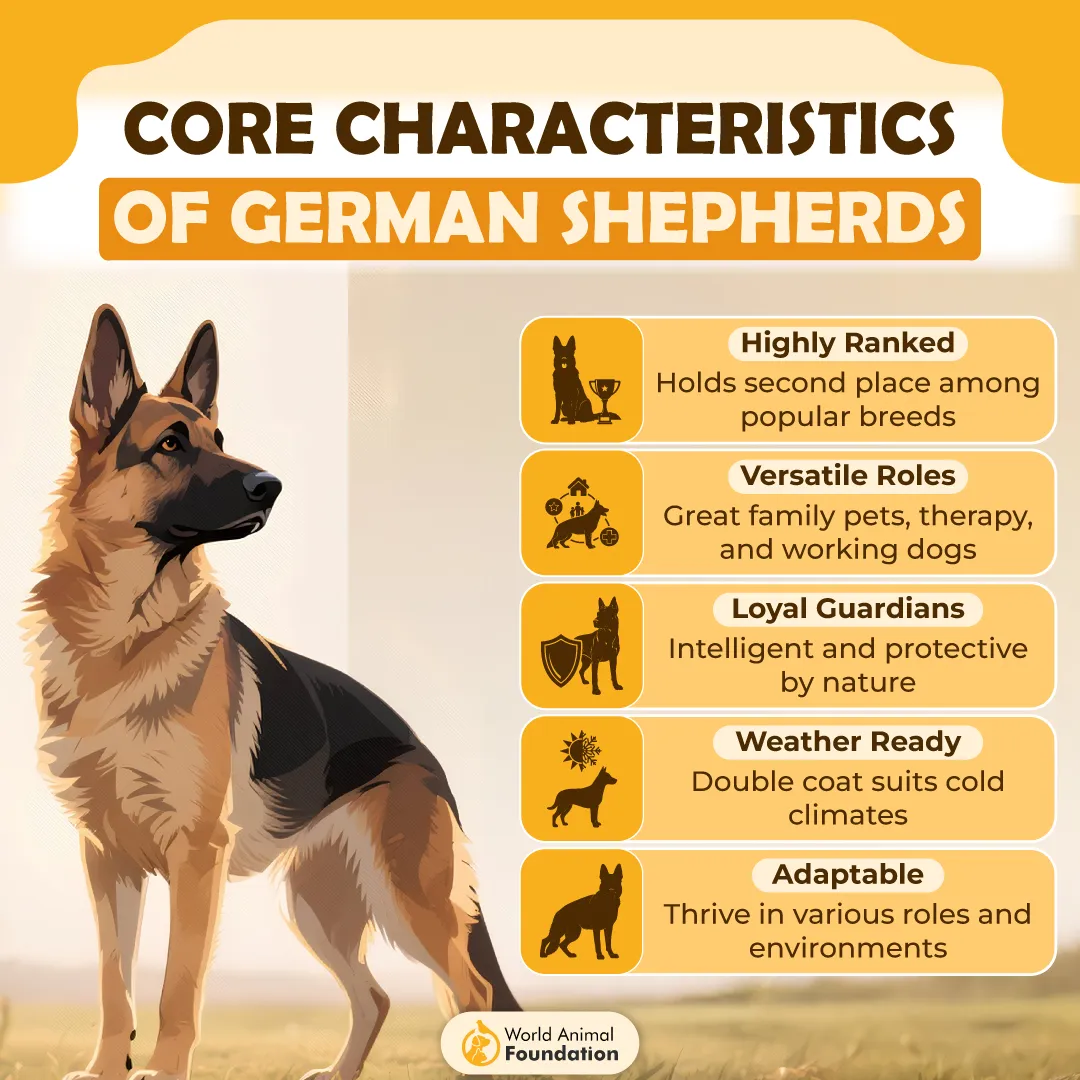
What “serious security” means here is judgment, not just bravado. German Shepherds tend to read situations quickly, stay alert to unfamiliar people, and shift from calm family dog to confident defender when something feels off—making them strong protectors of both home and people.
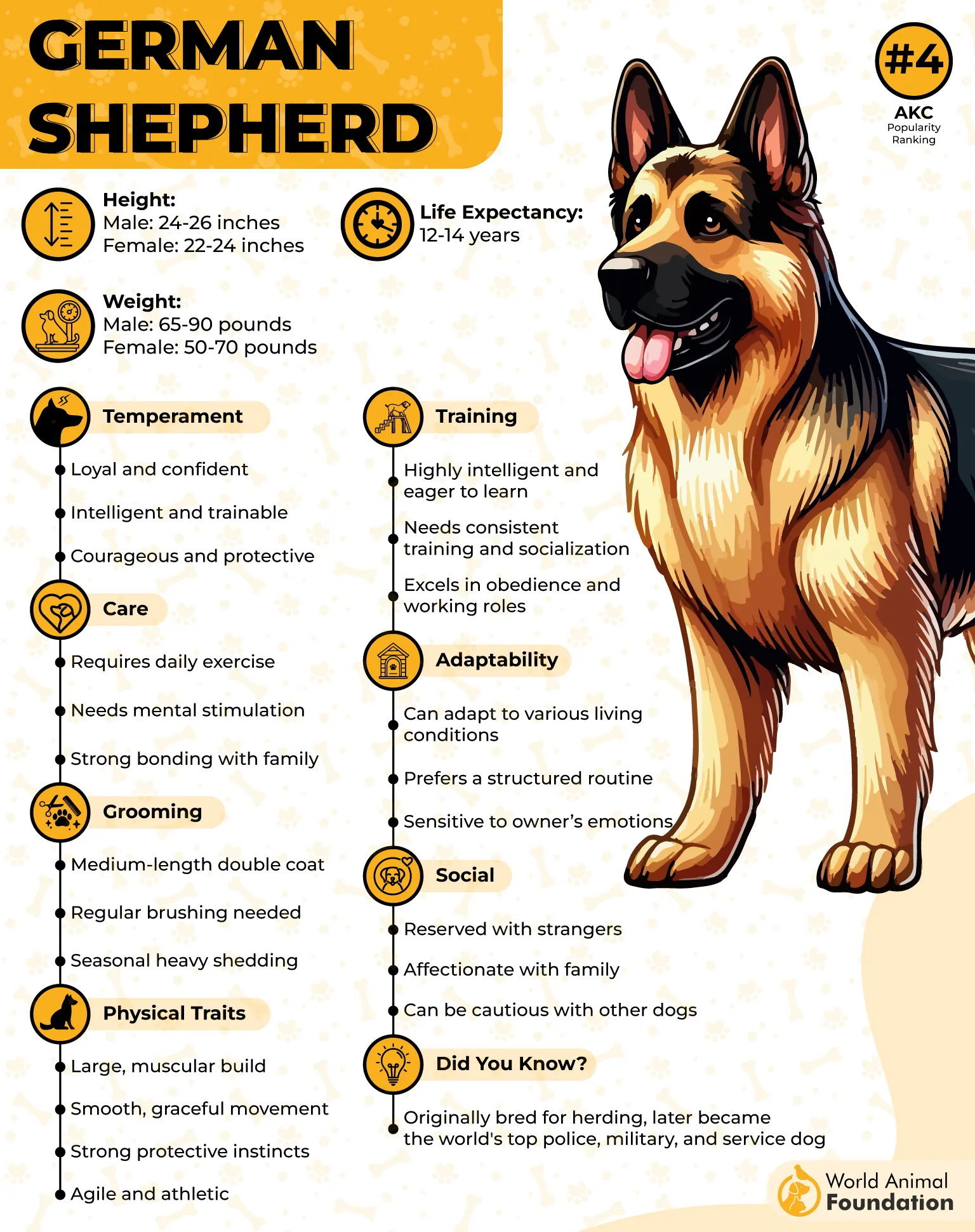
Their edge comes from trainability. These dogs excel with structured obedience, clear rules, and consistent socialization, which is why they’re widely used in police, military, and search-and-rescue roles. Give them a job—patrol games, scent work, advanced commands—and they shine.
They’re not couch ornaments, though. A GSD needs plenty of exercise and mental work to stay balanced, especially in busy households that want a reliable guardian without unwanted reactivity.
Fast fact: German Shepherds are commonly used by police for executive protection tasks, including bomb and drug detection.
2. Rottweiler
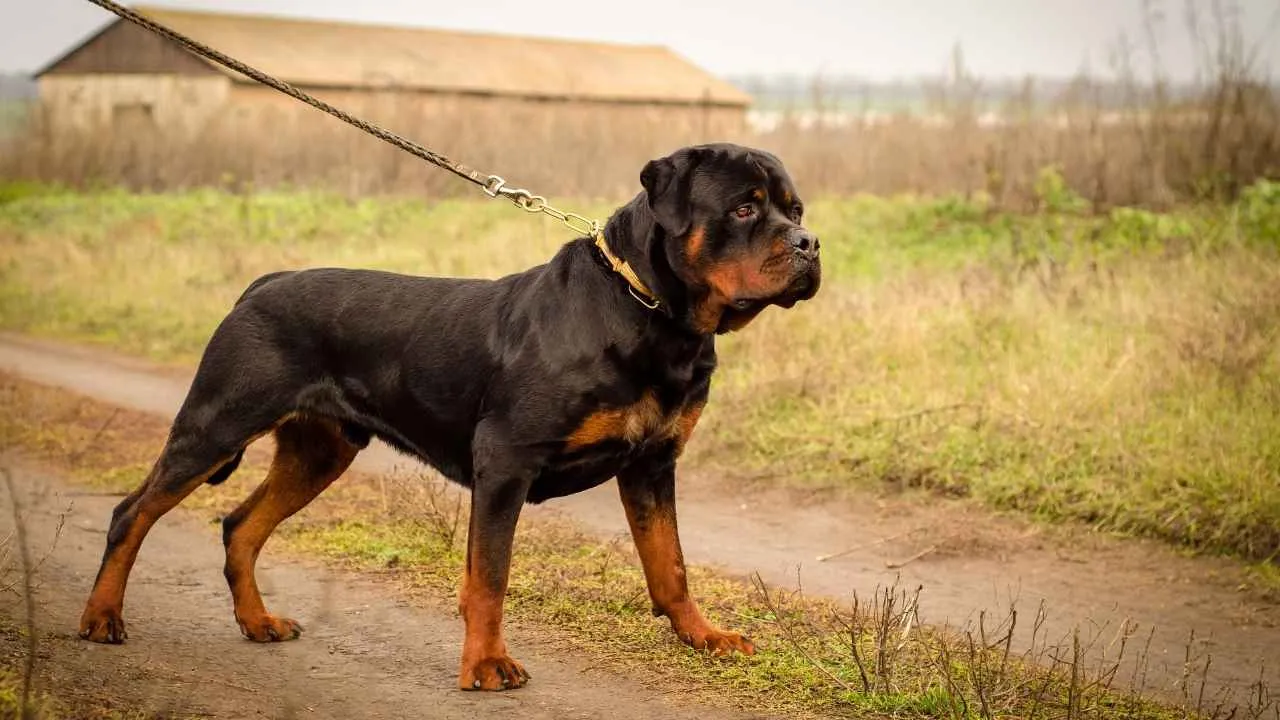
The Rottweiler (often called a Rottie) is a powerfully built, confident dog known for serious guardian instincts. With a muscular frame and a steady presence, this breed naturally reads the room—calm with family, cautious with strangers.
PetMD states that Rottweilers are a large breed recognized for a broad head, short coat, and wide-set eyes.
As a watchdog, a Rottweiler’s job is awareness: noticing unusual people or sounds and making it obvious that someone’s on duty. Step up to a guard dog, and you’ll see more territorial behavior—protecting a home or property through posture, blocking, and intimidation.
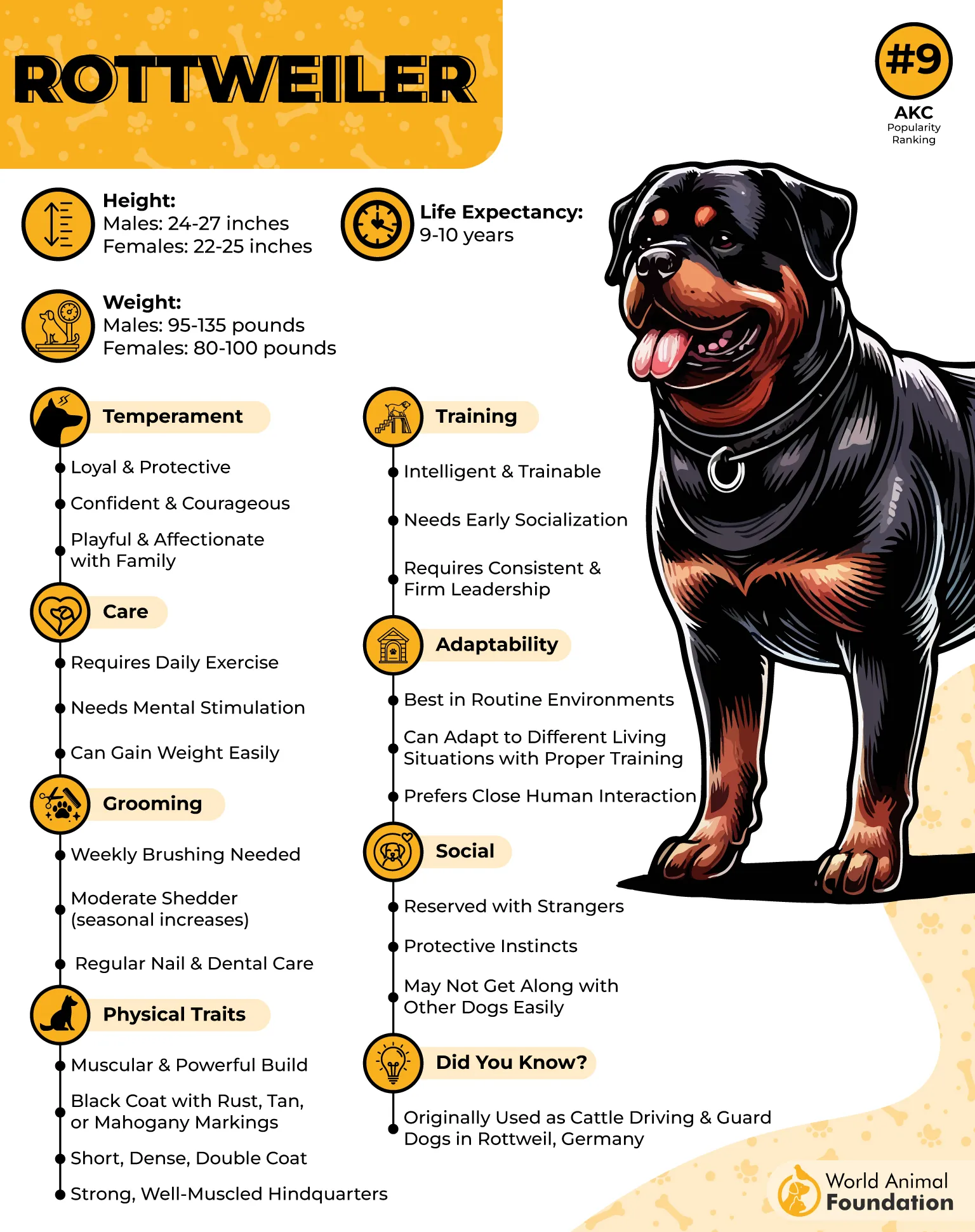
A true protection dog, though, is different: that role requires structured training so the dog responds to specific cues and can disengage on command. Rottweilers can excel here because they’re smart, quick learners, and eager to work—when socialized early and trained consistently.
Handled responsibly, a Rottie becomes the best kind of security: devoted, affectionate, and reliable without being reckless.
Fast fact: When using treats for training, keep them to no more than 10% of your dog’s daily calorie intake to help prevent obesity.
3. Doberman Pinscher
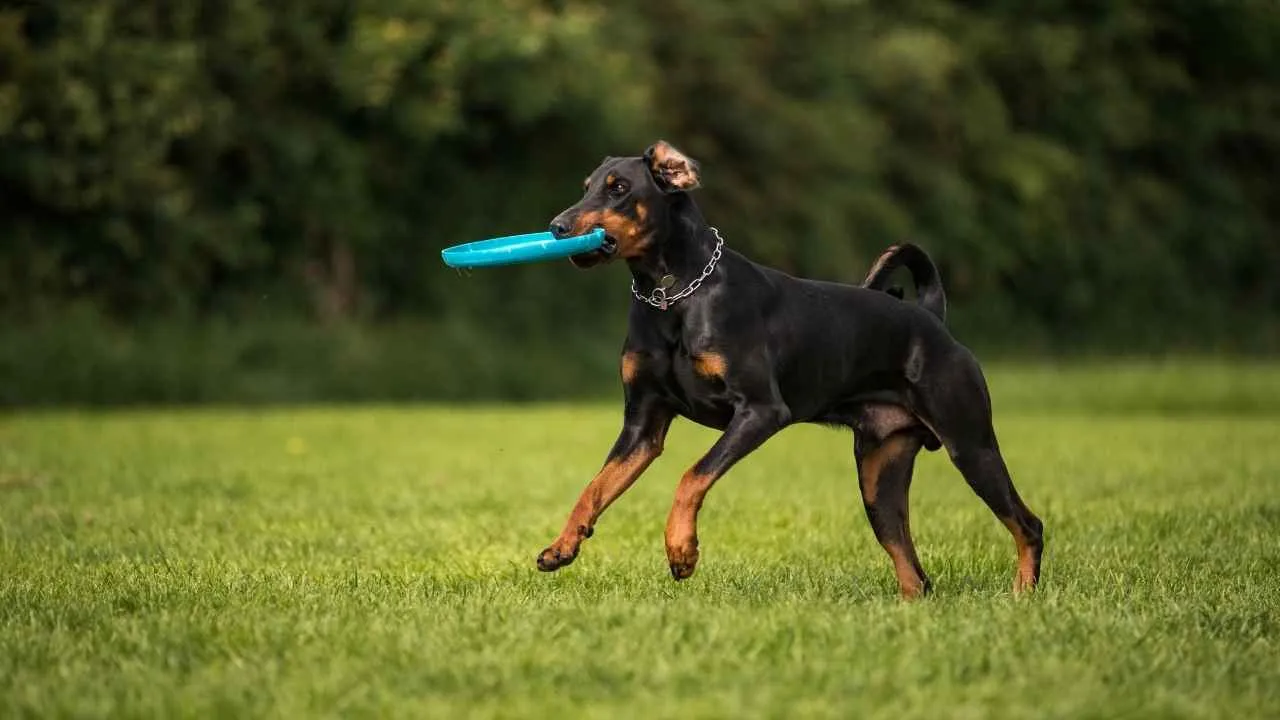
The Doberman Pinscher (often called the Dobie or Dobermann) is a sleek, athletic breed built for speed, presence, and protection.
WebMD notes that Doberman Pinschers are strong, intelligent, and courageous dogs that are often used for guarding. Originally developed to guard its owner, this dog pairs sharp instincts with deep loyalty to home and family.
For serious security, the Doberman brings the traits that matter: steady nerves, quick awareness, and the confidence to step forward when something feels off. They’re naturally watchful and will alert you to potential danger, but their best work comes from clear leadership, structure, and purposeful training.
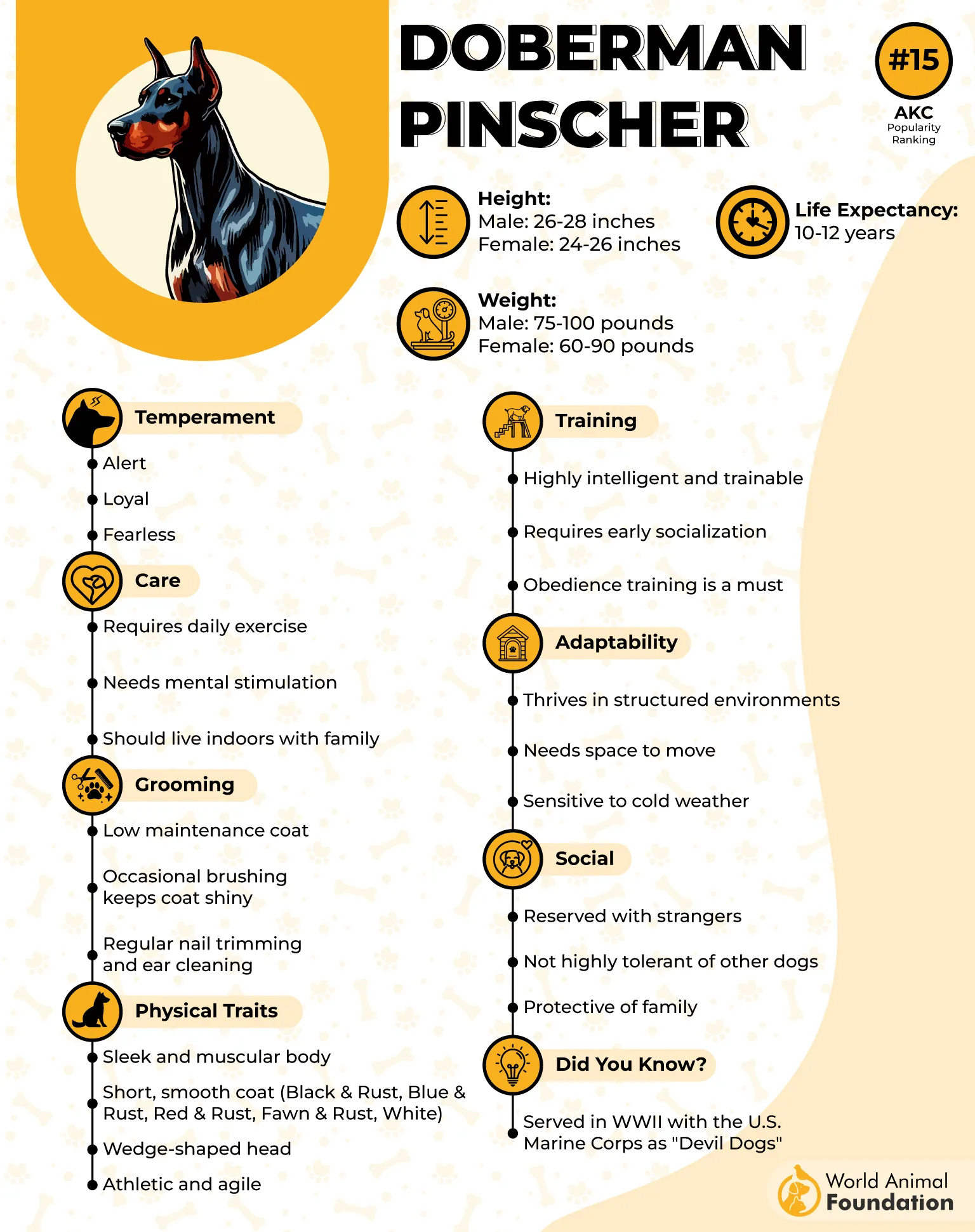
High drive is part of the package, so plan for daily outlets—running space, focused obedience, and “jobs” like scent games or controlled protection-style drills with a qualified trainer. With the right handler, that intensity becomes reliable control instead of chaos.
Dobermans can be affectionate and playful with their people, even gentle in family settings, but it’s wise to research your dog’s background and avoid questionable breeding.
Fast fact: Dobermans are often stereotyped as ferocious and aggressive, despite being loving with their families.
4. Belgian Malinois
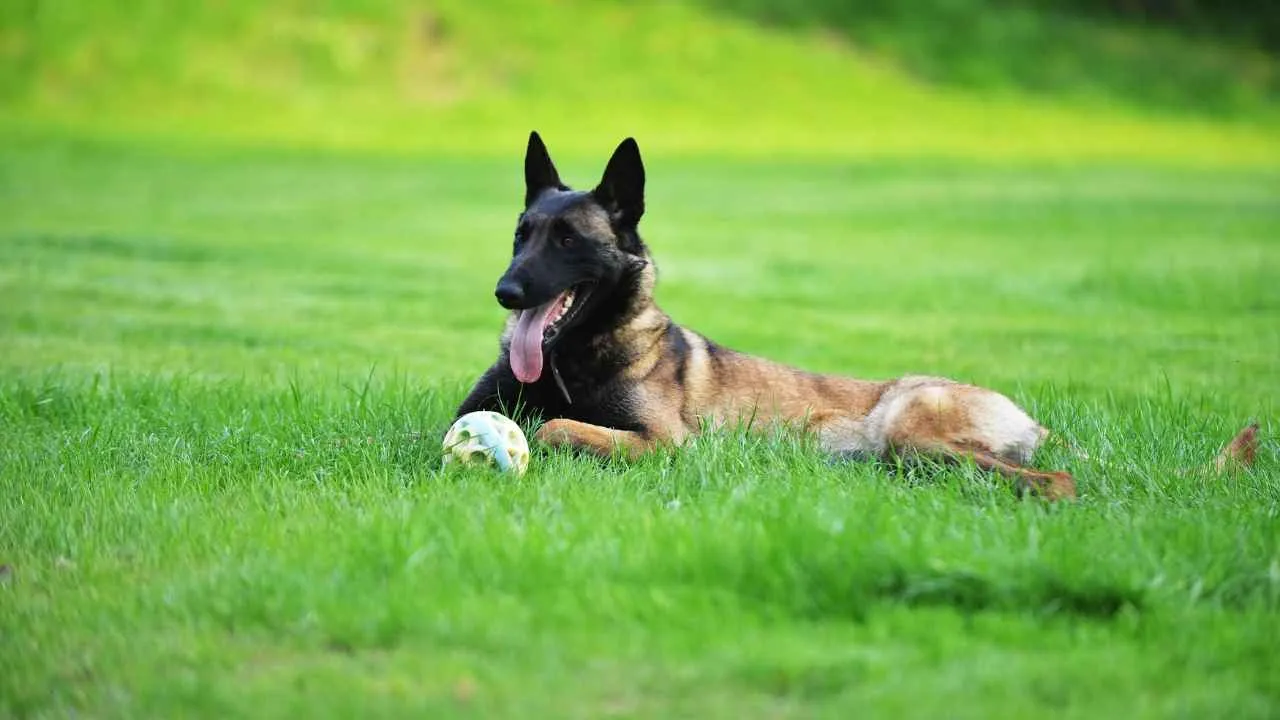
The Belgian Malinois (often called the Mal) is a sleek, high-drive working dog built for vigilance and speed. Famous for versatility and laser focus, this breed is widely used in police and military roles where quick decisions and fast responses matter.
For serious security, the Malinois brings intensity: sharp alertness, strong protective instincts, and the kind of intelligence that makes advanced training stick. They’re not just “watchful”—they’re proactive problem-solvers that thrive when they have a job to do and a handler who sets clear rules.
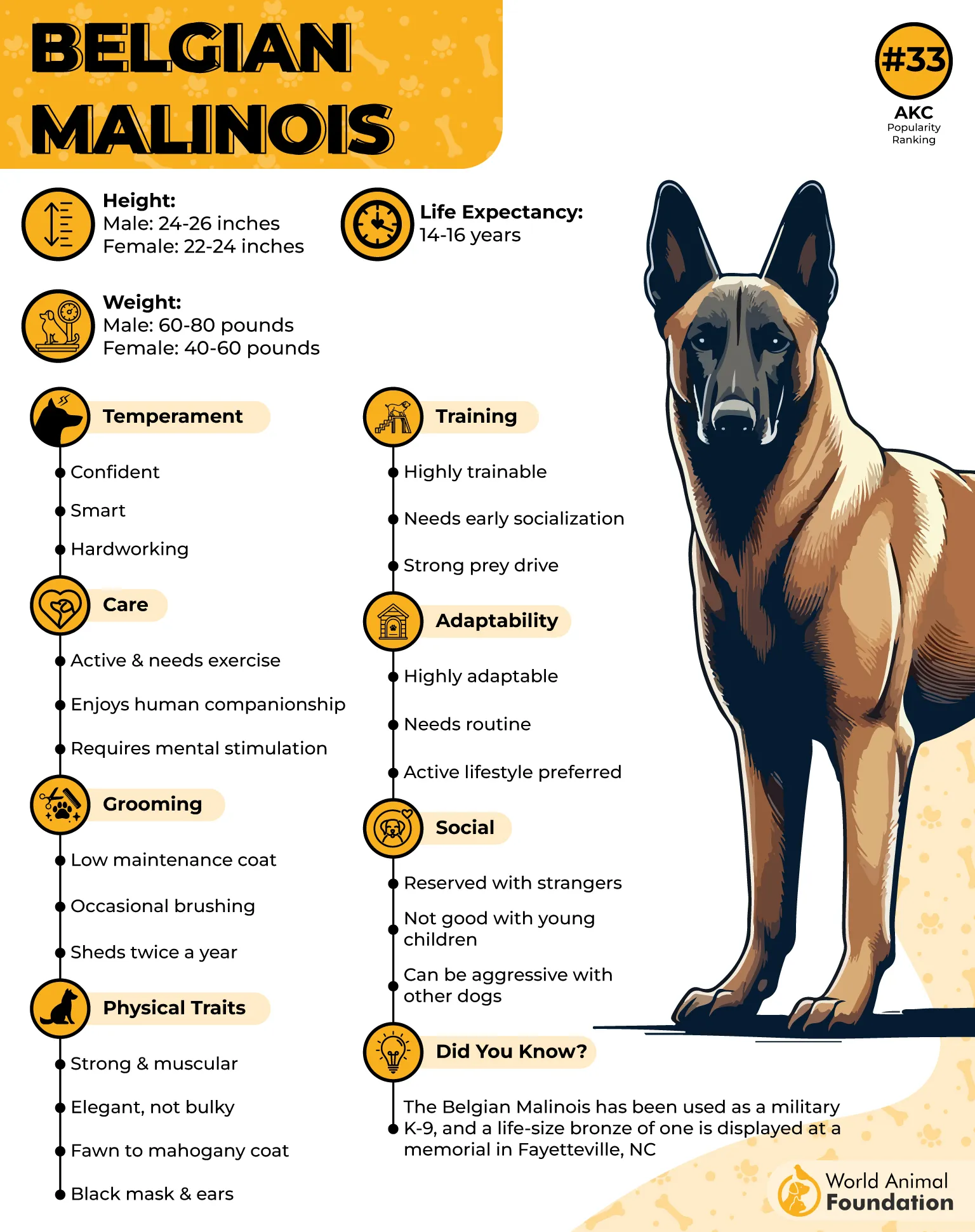
That same power means they’re not a casual-pet choice. Malinois need daily exercise, consistent training, and plenty of mental work, or they can become restless and challenging. They also tend to be reserved with strangers, which can be a plus for guarding, but it requires careful socialization.
Lifestyle fit is everything with this breed—especially if you have small children or other animals. Fast fact: Some sources note that Belgian Malinois can be aggressive toward other dogs and may not be suitable to keep with cats.
5. Bullmastiff
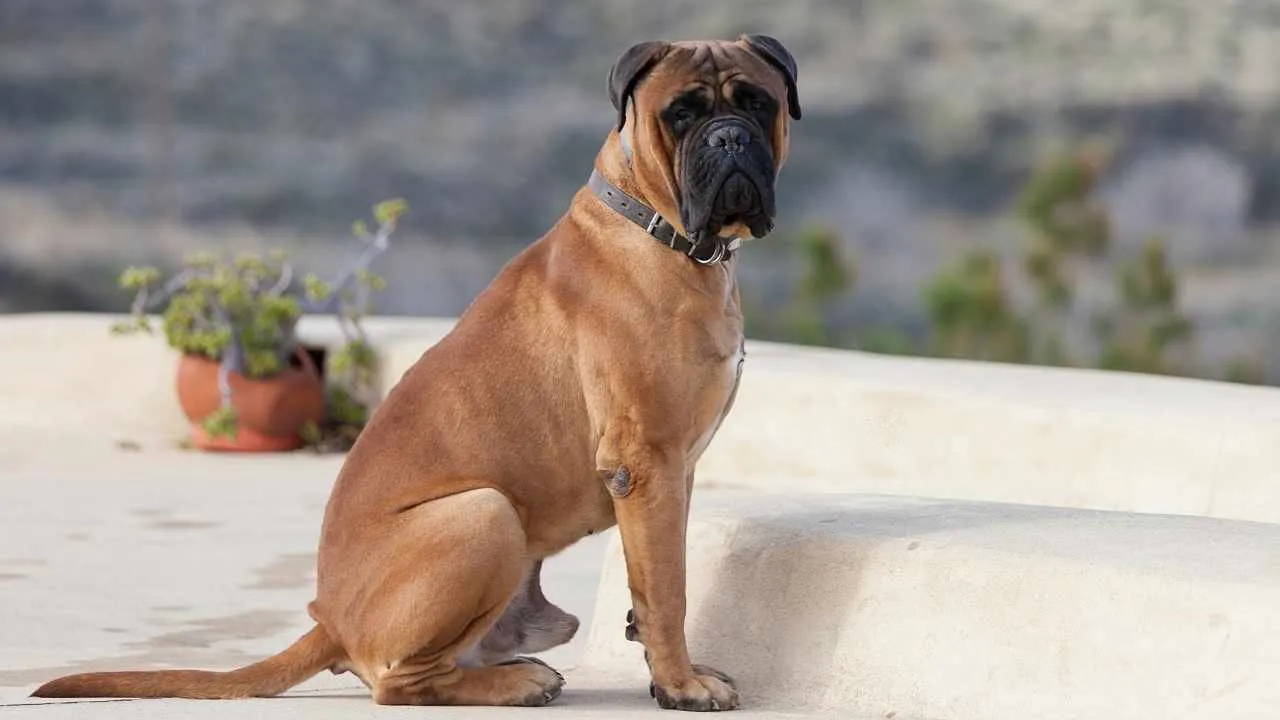
The Bullmastiff (often called the “Gamekeeper’s Night Dog”) is a large, muscular guardian originally developed to protect game from poachers. With a powerful frame and watchful stare, this breed brings serious “don’t try it” energy to any home or property.
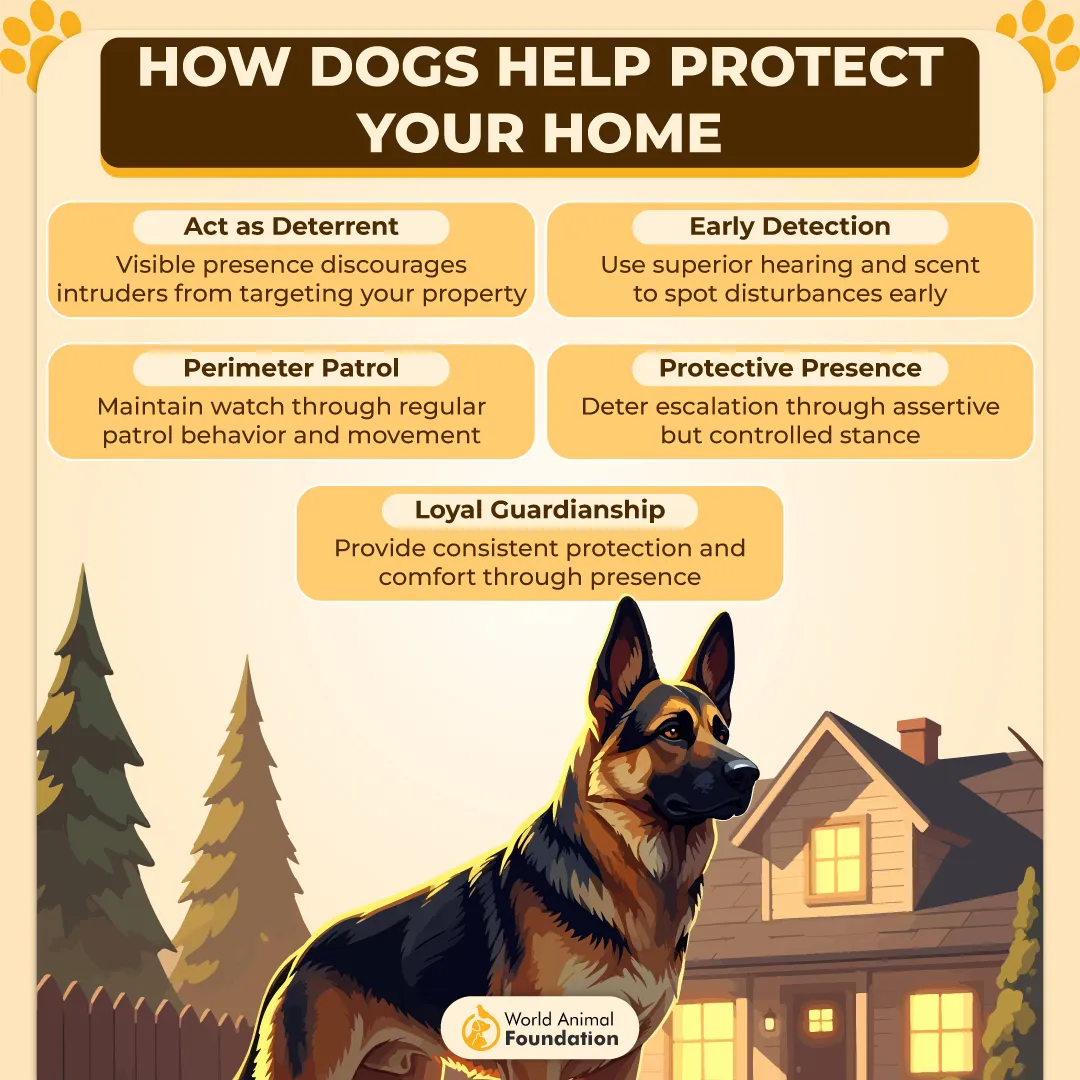
For perimeter protection, Bullmastiffs rely more on presence and decisive action than constant barking. They’re naturally territorial and alert to what’s happening around their yard, and their sheer size alone can discourage intruders—and sometimes even make guests think twice.
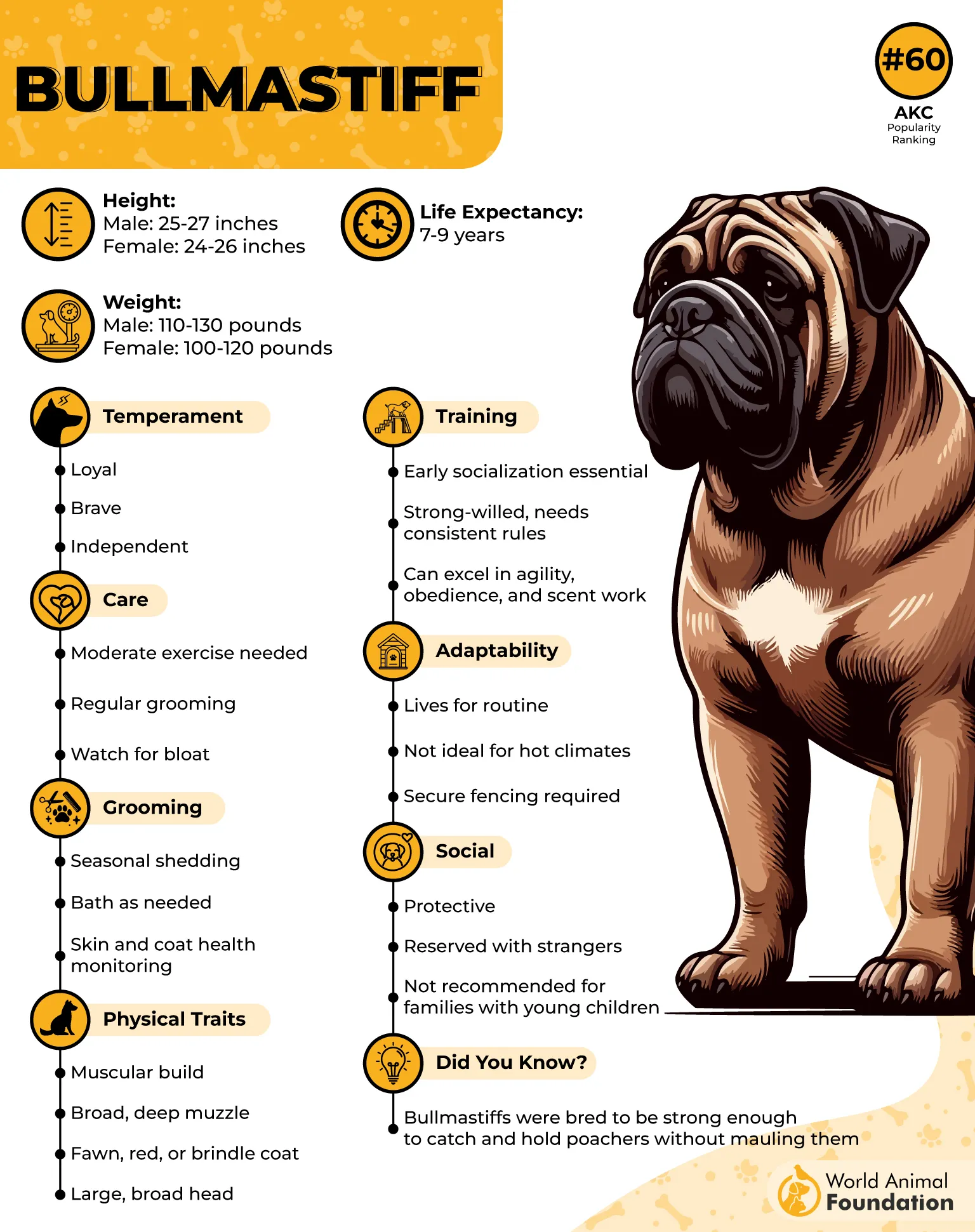
What keeps them “smart security” is their balance: in a stable home, they’re often gentle, docile, and affectionate with their people, including kids and other pets. With early socialization and consistent training, they learn when to relax and when to switch on their protective instincts.
When a threat feels real, they’re known for defending by blocking, charging, or physically stopping an intruder rather than being overly bite-focused.
Fast fact: Bullmastiffs were originally bred in the English countryside to guard game from poachers and are known to stay attentive to a property’s perimeter.
6. Cane Corso

The Cane Corso (also called the Italian Mastiff) is a powerful guardian with roots in Ancient Rome—so much so that its name is often linked to the idea of a “bodyguard dog.”
For real security, this breed shines because it’s confident, highly intelligent, and deeply loyal. At the same time, that protective drive needs direction; a Corso without guidance can become pushy, independent, and far too in charge for a casual owner.
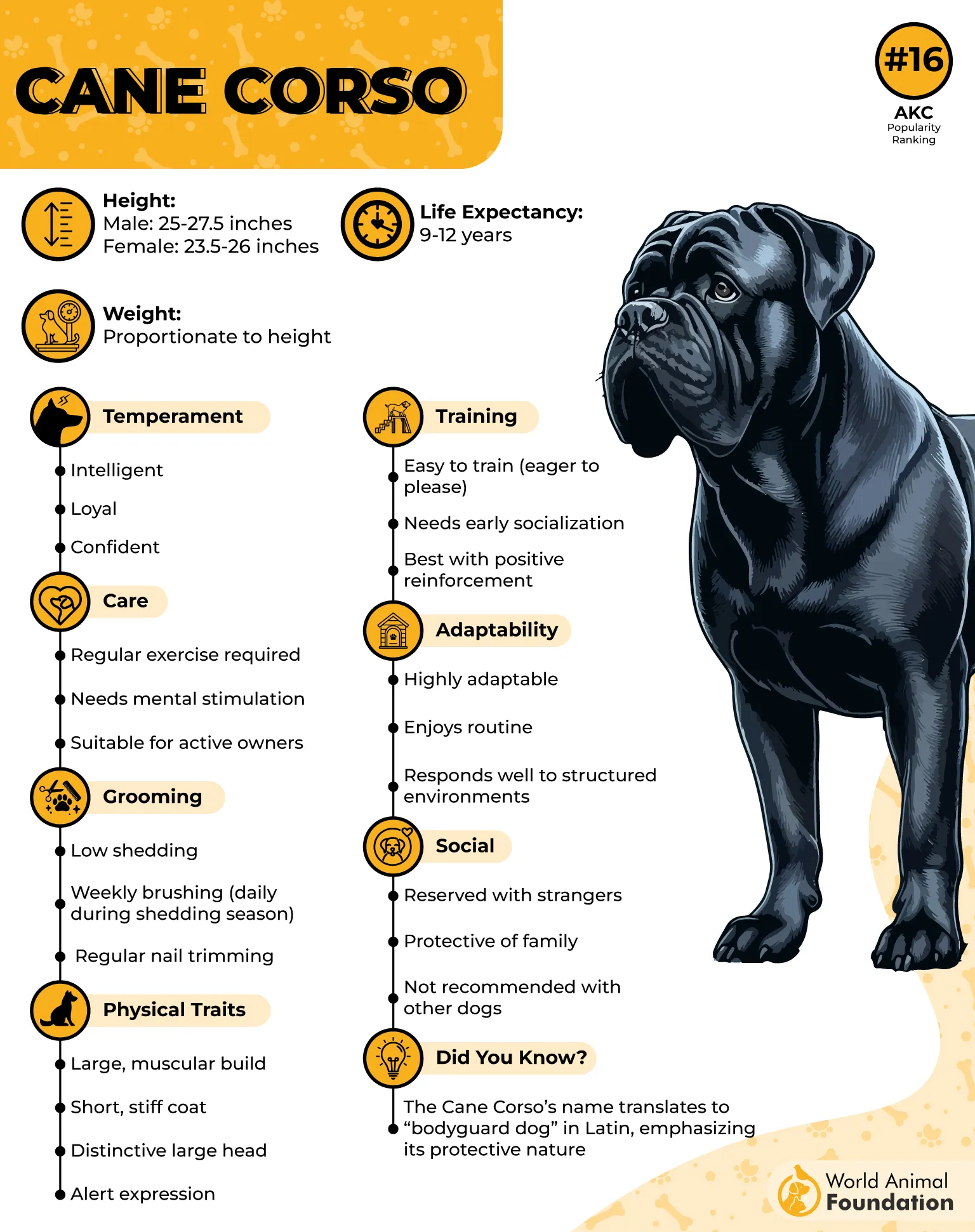
Obedience comes before protection with a Cane Corso. Consistent, structured training—clear boundaries, routine practice, and positive reinforcement like praise and treats—helps channel their intensity into calm, reliable control rather than reactive behavior.
Early socialization is just as essential as commands: exposure to different people, animals, and environments helps them grow into stable adults who can judge situations without overreacting.
Fast fact: Cane Corsos are known for being so assertive that they can “own” an unprepared owner if socialization and training are skipped.
7. Giant Schnauzer
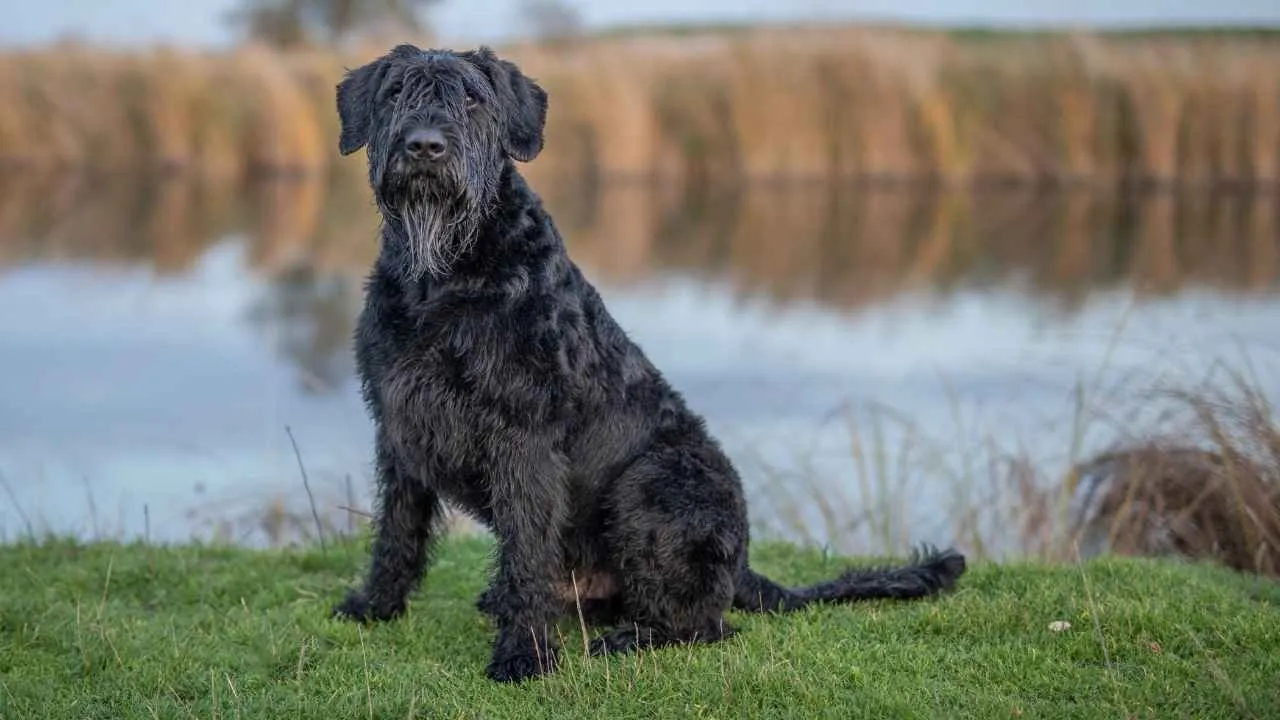
The Giant Schnauzer (the largest of the Schnauzer types) is a miniature pony-sized guardian with a bold outline, thick coat, and an unmistakably serious presence. Highly intelligent, powerful, and intensely loyal, this breed is built for families who want real security—paired with real commitment.
For “serious protection,” the Giant’s strengths are obvious: a booming bark, strong nerves, and the confidence to challenge strangers at the gate.
They’re naturally vigilant and will stand their ground, but their protective drive needs clear rules, early socialization, and consistent obedience work to keep it controlled and reliable.
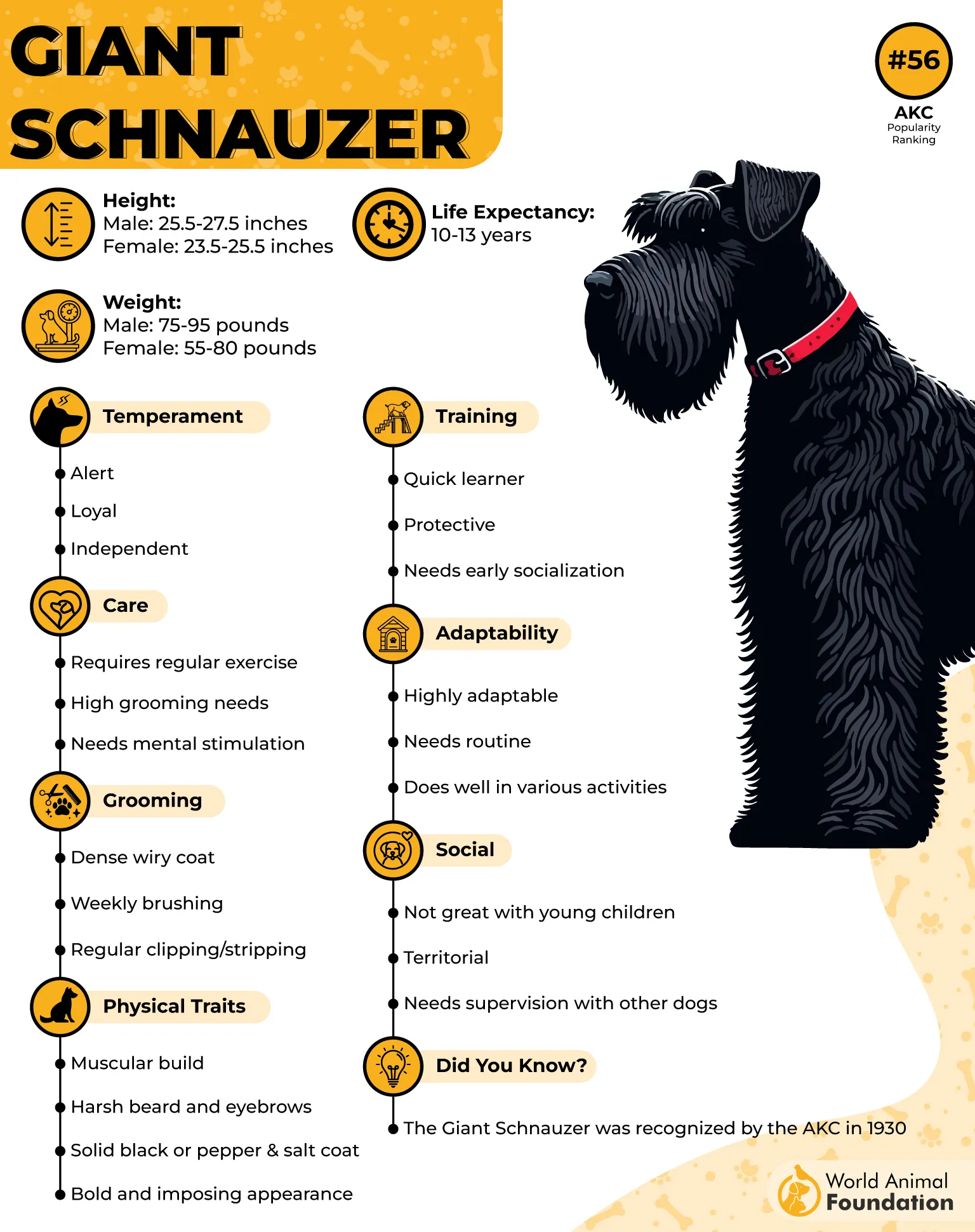
Conditioning is non-negotiable. These dogs thrive on daily physical outlets plus brain work—structured training, scent games, puzzle feeders, and purposeful play—so they don’t turn that energy into stubborn, self-appointed patrol duty.
A home with a large yard or regular dog-park-style exercise fits them best.
From a health-and-lifestyle angle, think “working athlete”: balanced diet, steady weight, and routine activity support joints and performance.
Fast fact: Giant Schnauzers are gentle enough that small kids have been known to ride on their backs, yet imposing enough that most intruders think twice on sight.
Conclusion
Protective companions can offer real peace of mind, but the most protective dog breeds aren’t plug-and-play alarms.
The Giant Schnauzer shows why guard dog breeds rank among the best guard dogs: a large dog with a big bark, natural guarding instincts, and an incredibly loyal streak that can deter intruders—while still being one of those dogs that can be both gentle companions in the right home and family life.
To turn natural guard dogs into effective guard dogs, proper training is everything: early training, proper socialization, and consistent obedience training (including proper obedience training) channel their protective nature and instinct safely, starting at a young age.
Exercise and mental stimulation matter just as much for the smartest breeds, whether you choose a rescue dog or look at popular guard dog breeds and best guard dog breeds like the Staffordshire Bull Terrier or a historic war dog type, aiming for a confident, great family dog setup.
