




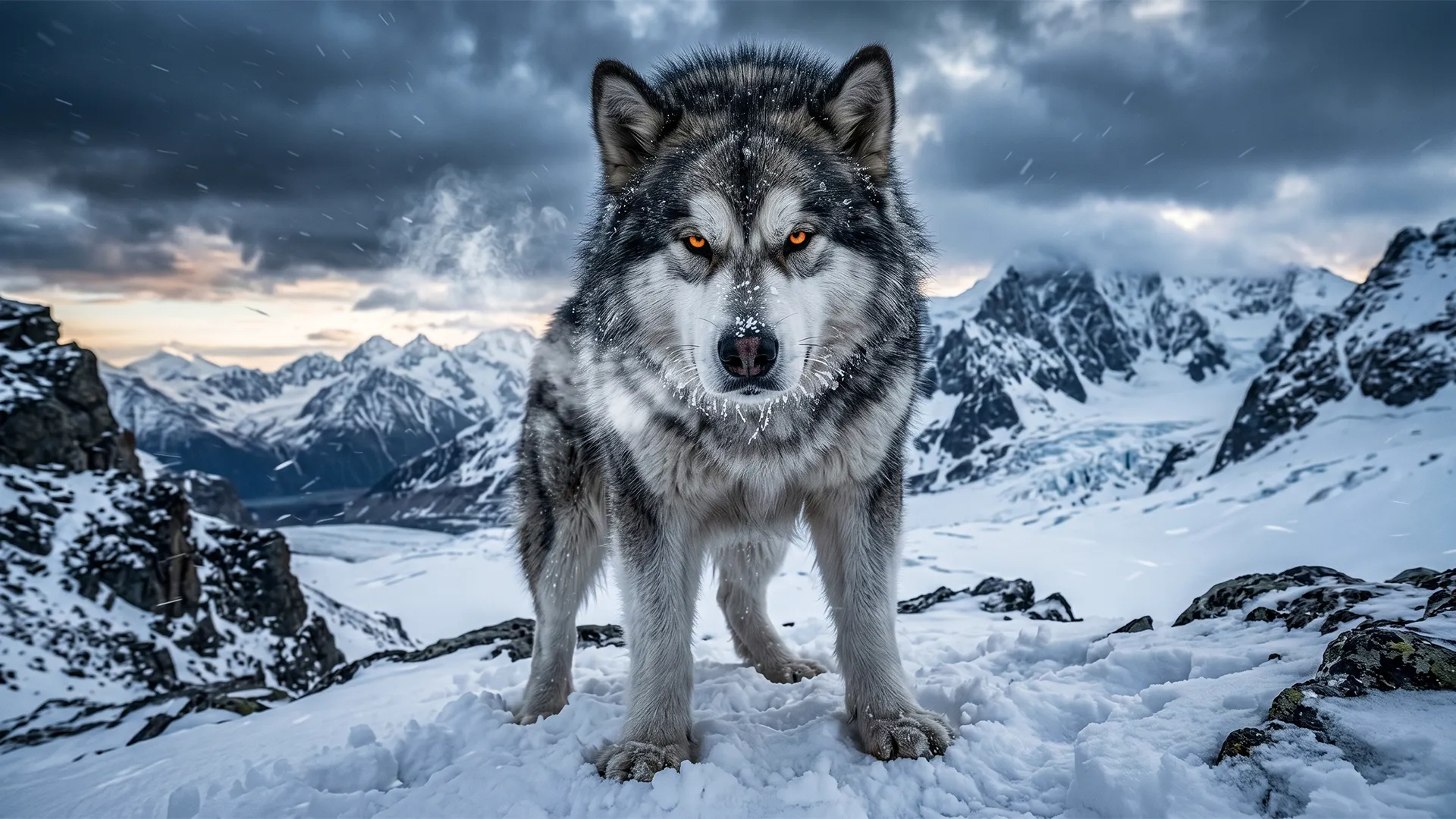
Not every dog is built for hardcore outdoor life. Some pups are perfectly happy doing one short walk and then binge-watching your life from the couch like they’re streaming a comfort series. But other breeds? They’re basically the endurance athletes of the dog world — always ready for mountain trails, freezing weather, rugged terrain, and adventures that would leave most dogs tapping out early.
These powerful working breeds weren’t designed for lazy afternoons. Many were originally bred to pull sleds through Arctic snow, herd livestock across dangerous hillsides, track game for hours, or work alongside humans in brutal outdoor conditions. That history still shows today in their stamina, intelligence, muscle power, and nonstop drive.
But for active owners, these dogs are unmatched companions. Whether you love hiking, trail running, camping, snow sports, hunting, backpacking, or outdoor fitness, these breeds thrive in environments where they can move, think, and work with purpose.
Here are some of the most powerful dog breeds built for extreme outdoor challenges.
Powerful Dog Breeds Fit for Extreme Outdoor Challenges
1. Siberian Husky
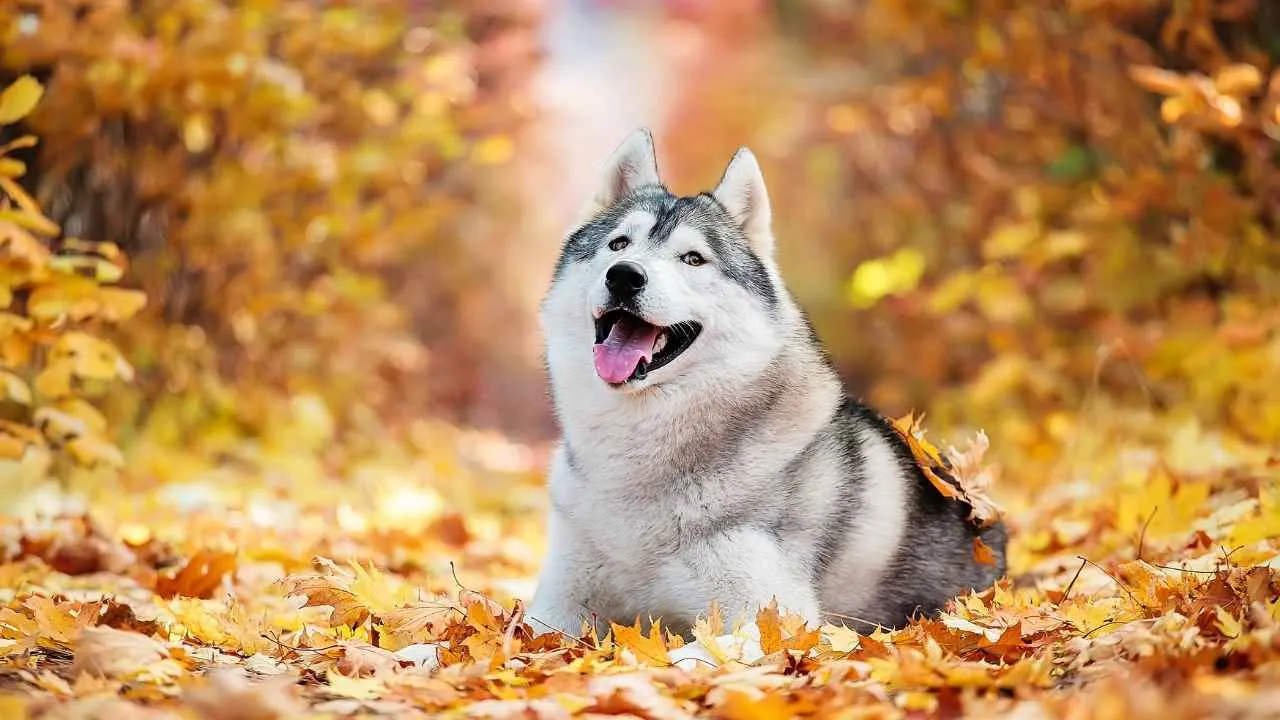
Siberian Huskies are engineered for endurance. Unlike bulky power breeds that rely on raw strength, Huskies specialize in efficient movement over massive distances. Their athletic frame, deep chest, and smooth stride allow them to travel for hours without burning energy too quickly.
Historically, the Chukchi people in Siberia used these dogs to pull sleds across frozen terrain in brutal Arctic conditions. Modern sled races still rely heavily on Husky-type dogs because of their ability to maintain speed and stamina over long distances.
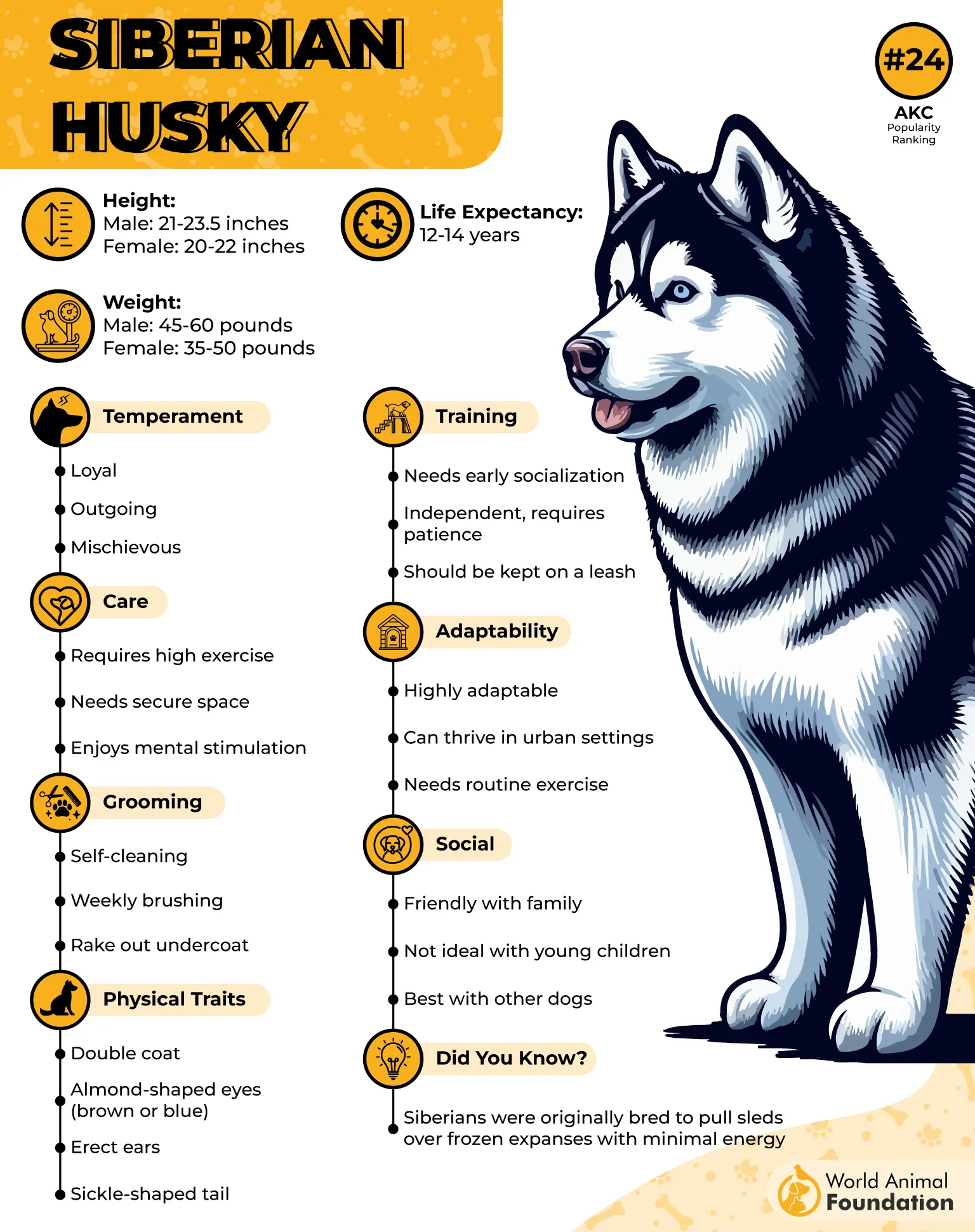
Research on sled dogs has shown that endurance breeds like Huskies can burn thousands of calories daily during intense periods of activity. That insane metabolic efficiency is one reason they seem to have endless energy at home, too.
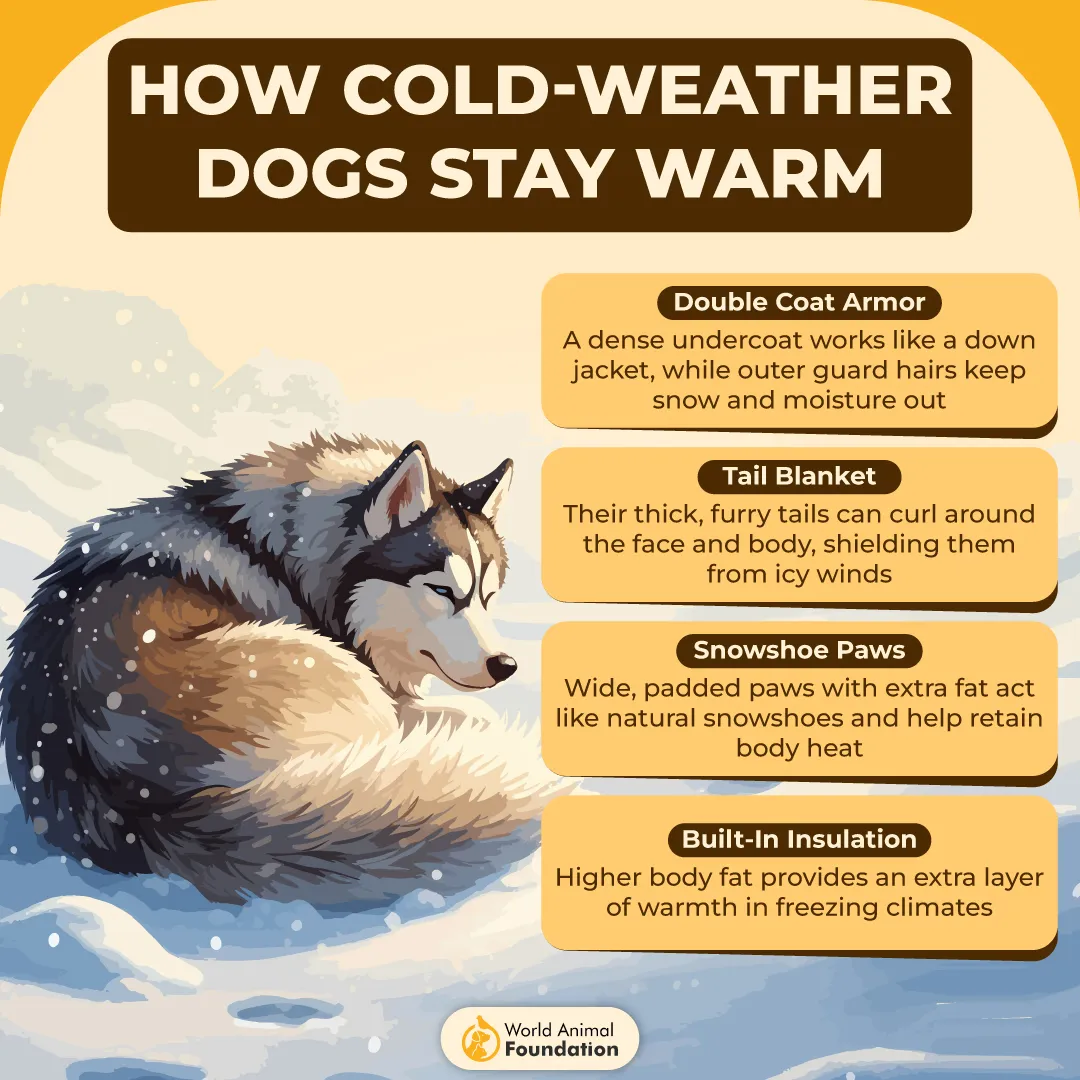
The Husky’s thick double coat is one of the breed’s biggest survival tools. The soft undercoat traps body heat, while the outer guard hairs block wind, moisture, and snow.
Interestingly, Huskies regulate temperature surprisingly well in moderate climates, too. Their coat acts almost like thermal technology, insulating against both cold and heat when properly maintained.
But yes — the shedding is legendary. During seasonal “coat blowing,” owners joke that their house looks like a snowstorm exploded indoors. Black clothing becomes a dangerous lifestyle choice.
These extremely intelligent dogs are incredibly smart, but they’re not eager-to-please dogs. Training them often feels like negotiating with a clever toddler who knows exactly what you want but isn’t sure they care.
This independence comes from their working history. Sled dogs often had to make decisions without human guidance during dangerous weather conditions. That self-thinking ability still exists today.
2. Border Collie
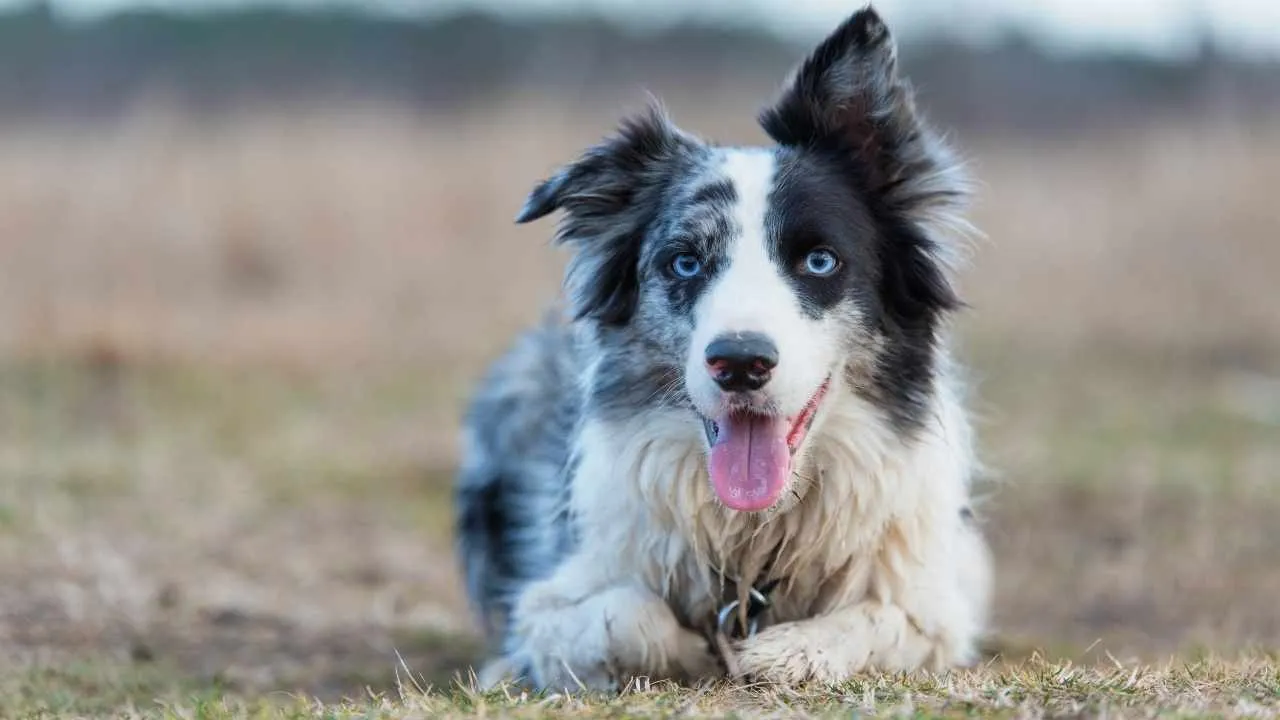
Border Collies are widely considered the smartest dog breed on Earth. Some studies on canine intelligence rank them at the very top for learning speed, memory, and problem-solving ability.
But intelligence alone doesn’t explain this breed. Border Collies combine elite-level intelligence with insane physical stamina, making them among the most capable outdoor working dogs ever developed.
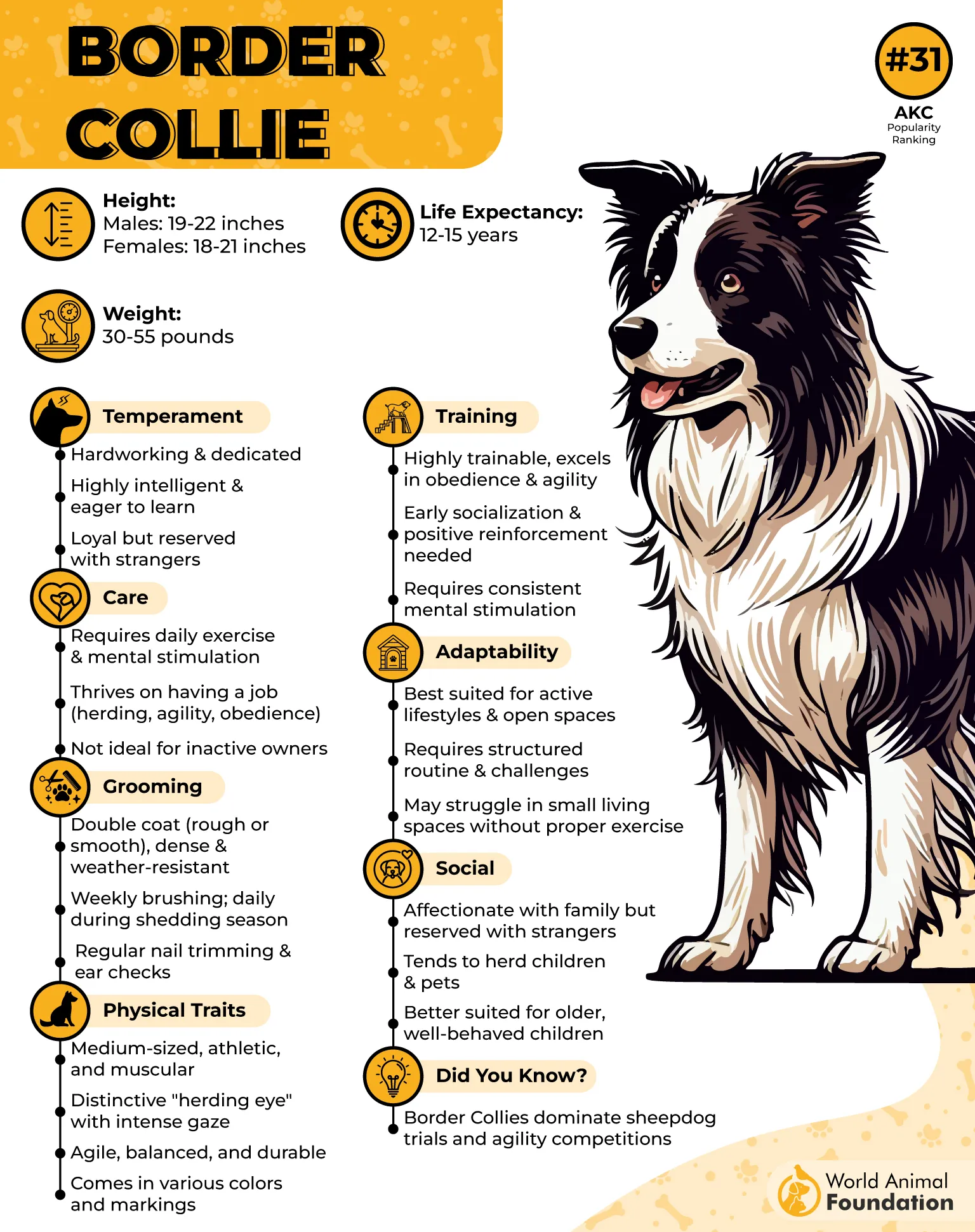
Originally bred to herd sheep across rough countryside, they were designed to think independently while staying responsive to human direction. That balance makes them incredibly adaptable in demanding outdoor situations.
Border Collies aren’t just “active.” They are work-driven dogs with extremely high physical and mental energy needs.
Most healthy adult Border Collies need at least 2 hours of daily activity, but many thrive with far more. Long hikes, agility training, trail running, frisbee sports, and advanced obedience work barely scratch the surface.
Without enough stimulation, boredom becomes a real issue. Owners often compare under-exercised Border Collies to gamers stuck in lag — restless, frustrated, and chaotic.
These high-energy dogs love mental challenges. Puzzle toys, scent work, advanced commands, obstacle navigation — they treat all of it like side quests in a strategy game. Many owners report their dogs learning routines without formal teaching.
Some learn where hiking gear is stored and react before the owner even says a word. This intelligence also means they pick up bad habits quickly if boundaries are inconsistent.
3. Vizsla
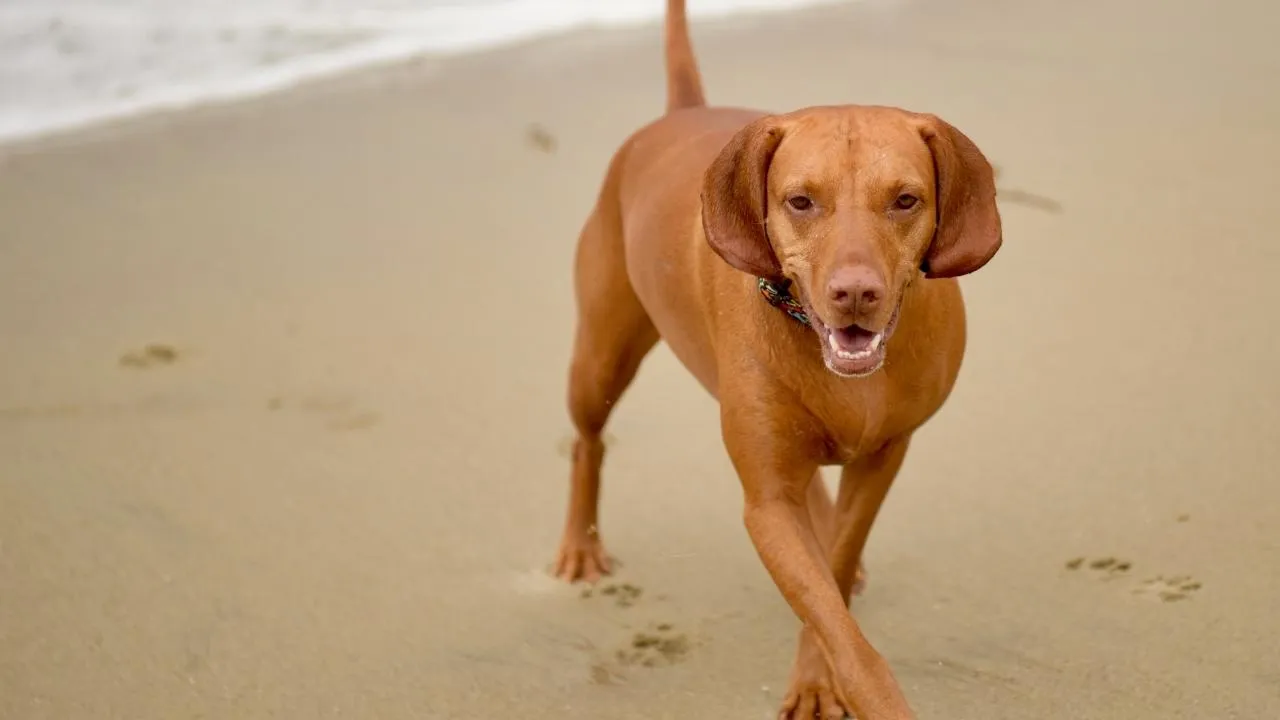
Vizslas are often called “Velcro dogs” because they stick incredibly close to their owners emotionally and physically.
Originally bred by Hungarian hunters, they were designed to run long distances while maintaining close cooperation with humans. That partnership instinct still defines the breed today.
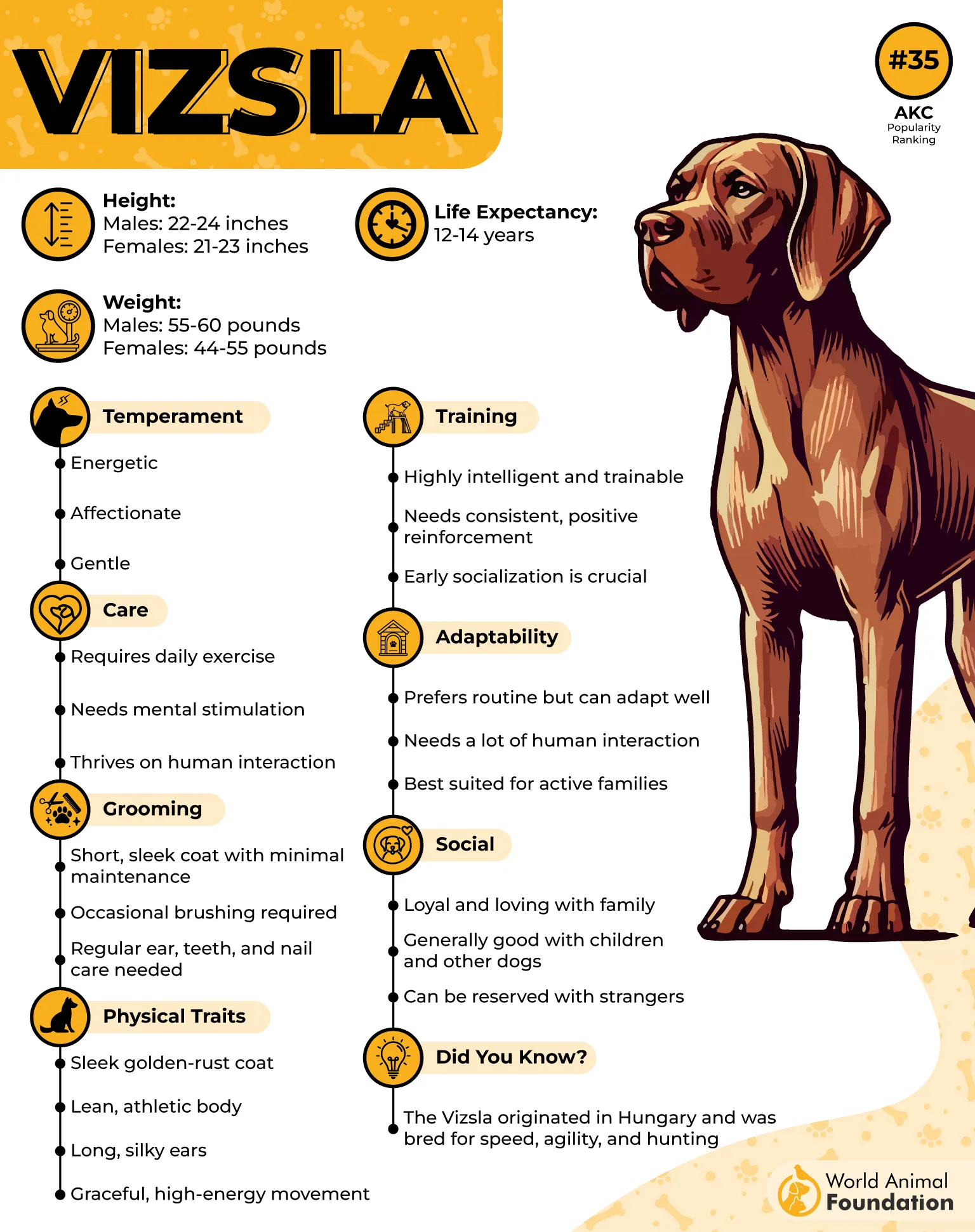
Unlike independent working breeds, Vizslas genuinely want to be involved in everything their owner does.
These hunting dogs are lean, muscular, and extremely athletic. Their lightweight frame allows them to move fast without sacrificing stamina. These dogs excel in running, hiking, hunting, swimming, agility, and various outdoor sports.
Many runners consider Vizslas one of the best canine jogging partners because they naturally maintain pace over long distances. A bored Vizsla is usually a destructive Vizsla. Without exercise, they may chew furniture, dig, bark excessively, or develop anxiety behaviors.
They thrive when both body and brain stay active. Scent games, training drills, trail exploration, and outdoor adventures help keep them balanced.
4. Alaskan Malamute
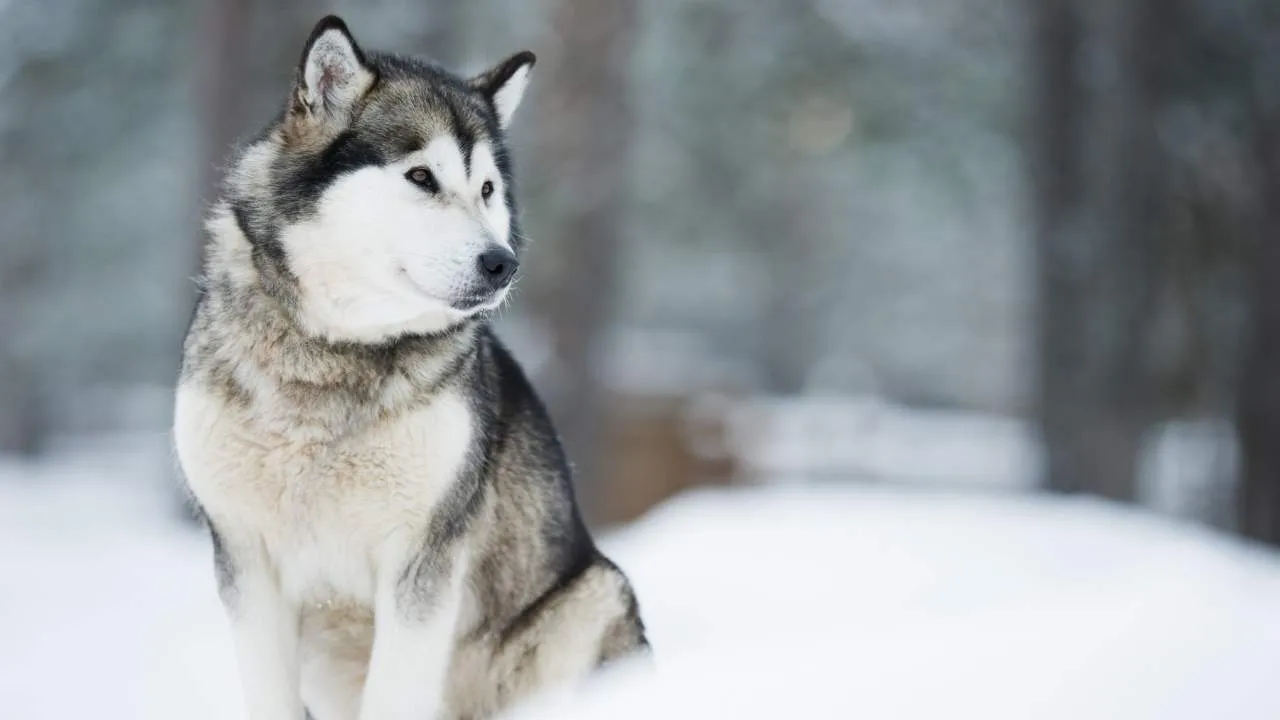
If Huskies are marathon runners, Alaskan Malamutes are heavyweight powerlifters.
These dogs were bred to haul heavy loads across frozen terrain for long distances. Their body structure reflects that history — massive chest, thick muscles, powerful legs, and huge snow-adapted paws.
They are one of the oldest Arctic sledding breeds still recognized today.
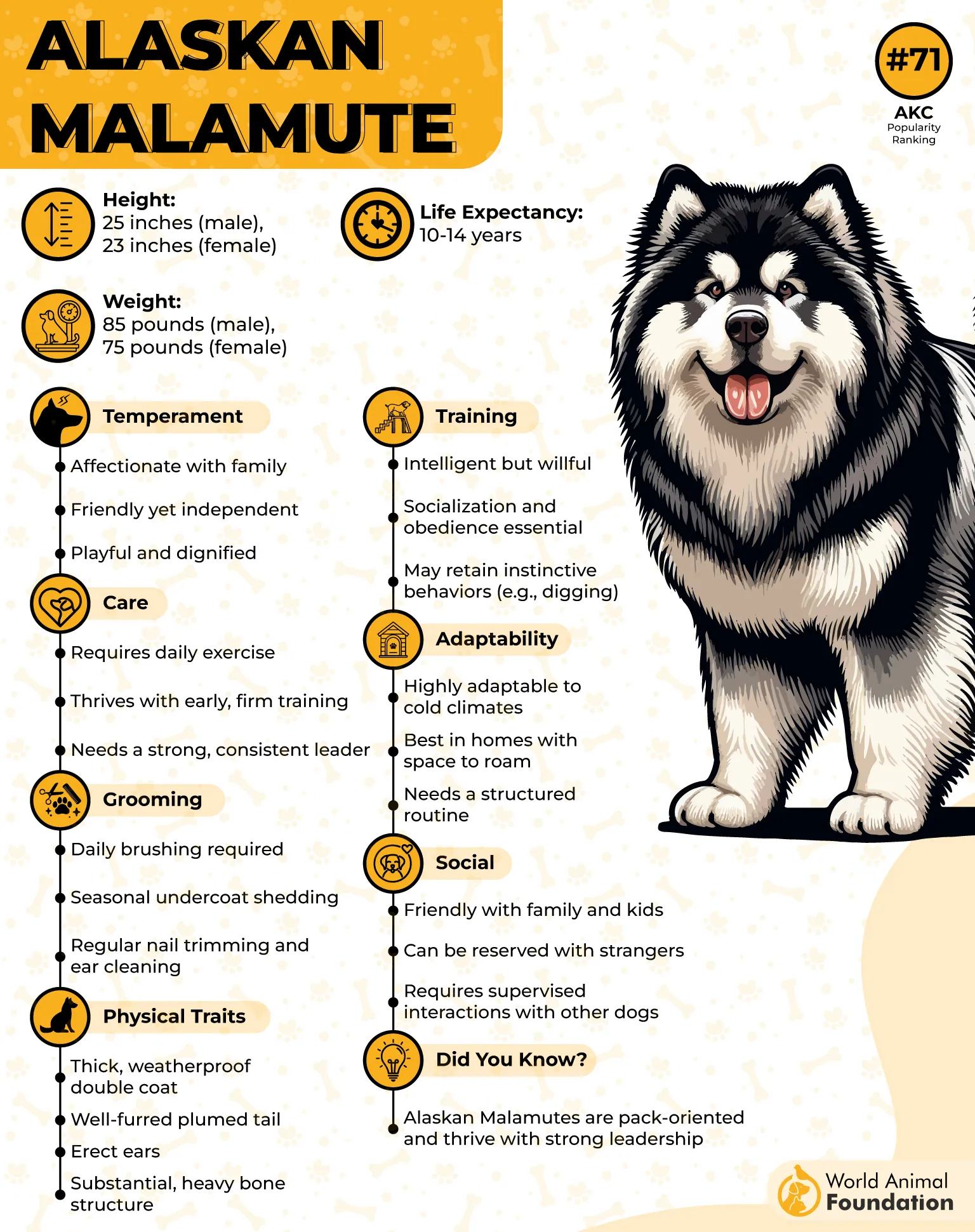
Purina says they absolutely thrive in cold climates. Snow, ice, freezing temperatures — this is their comfort zone. Their thick coat provides extreme insulation, while their powerful frame allows them to pull heavy loads through difficult terrain.
However, hot climates can be challenging for them. Outdoor activity in warm weather usually needs careful timing and hydration management. Many owners say Malamutes constantly seek mental stimulation and become restless without challenges.
They excel in physically demanding environments. Long hikes, mountain trails, winter camping, and outdoor exploration suit them perfectly.
Despite their wolf-like appearance, most are surprisingly social and friendly with people. Owners often describe Malamutes as “dramatic comedians trapped inside giant snow dogs.” They howl, vocalize, and express opinions constantly.
They also form deep family bonds and often behave like oversized, affectionate shadows. For pet parents who love rugged outdoor life, Malamutes feel almost unstoppable. They bring power, endurance, resilience, and personality all at once.
5. Weimaraner
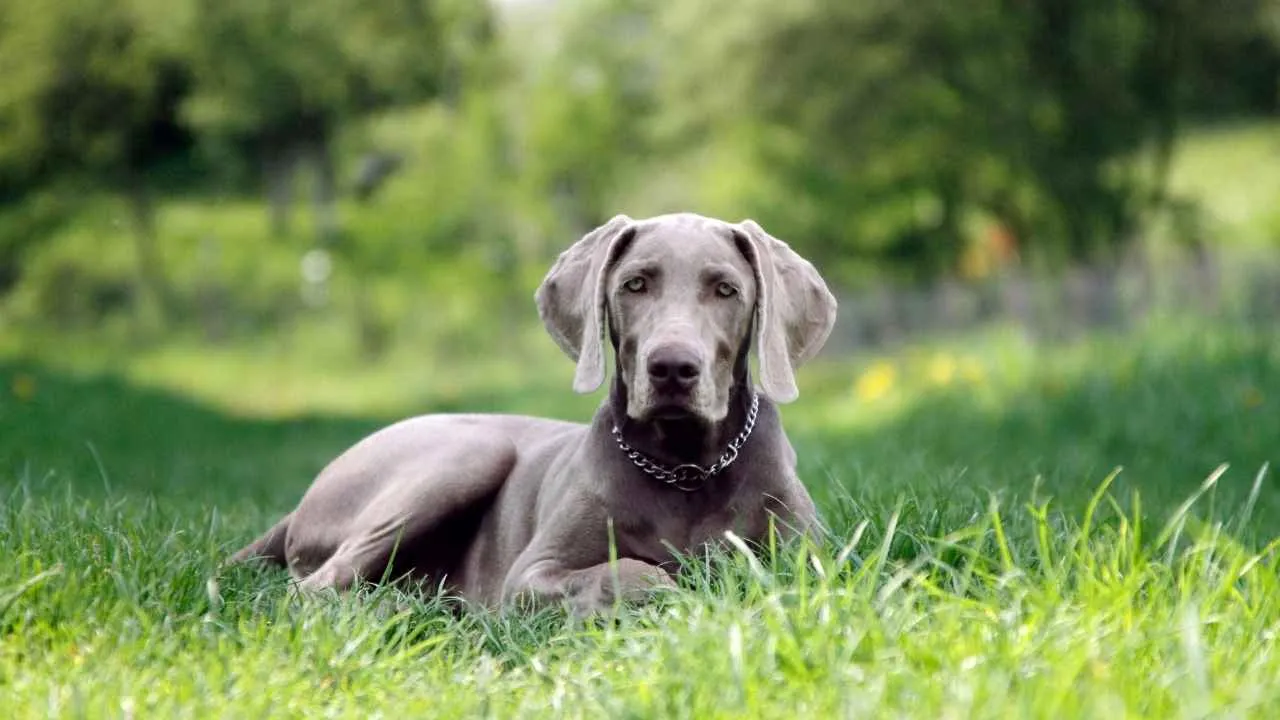
There’s a reason the Weimaraner looks like the main character in an outdoor adventure movie. Originally bred in Germany for hunting large game, these silver-coated athletes were designed to move fast, think independently, and handle rough terrain without slowing down.
Their sleek body isn’t just for aesthetics either—it helps them stay agile during long hikes, trail runs, and intense outdoor work.
Weimaraners are basically the ultra-marathon runners of the dog world. Some owners compare living with a Weimaraner to “having a caffeinated personal trainer who also wants cuddles afterward.”
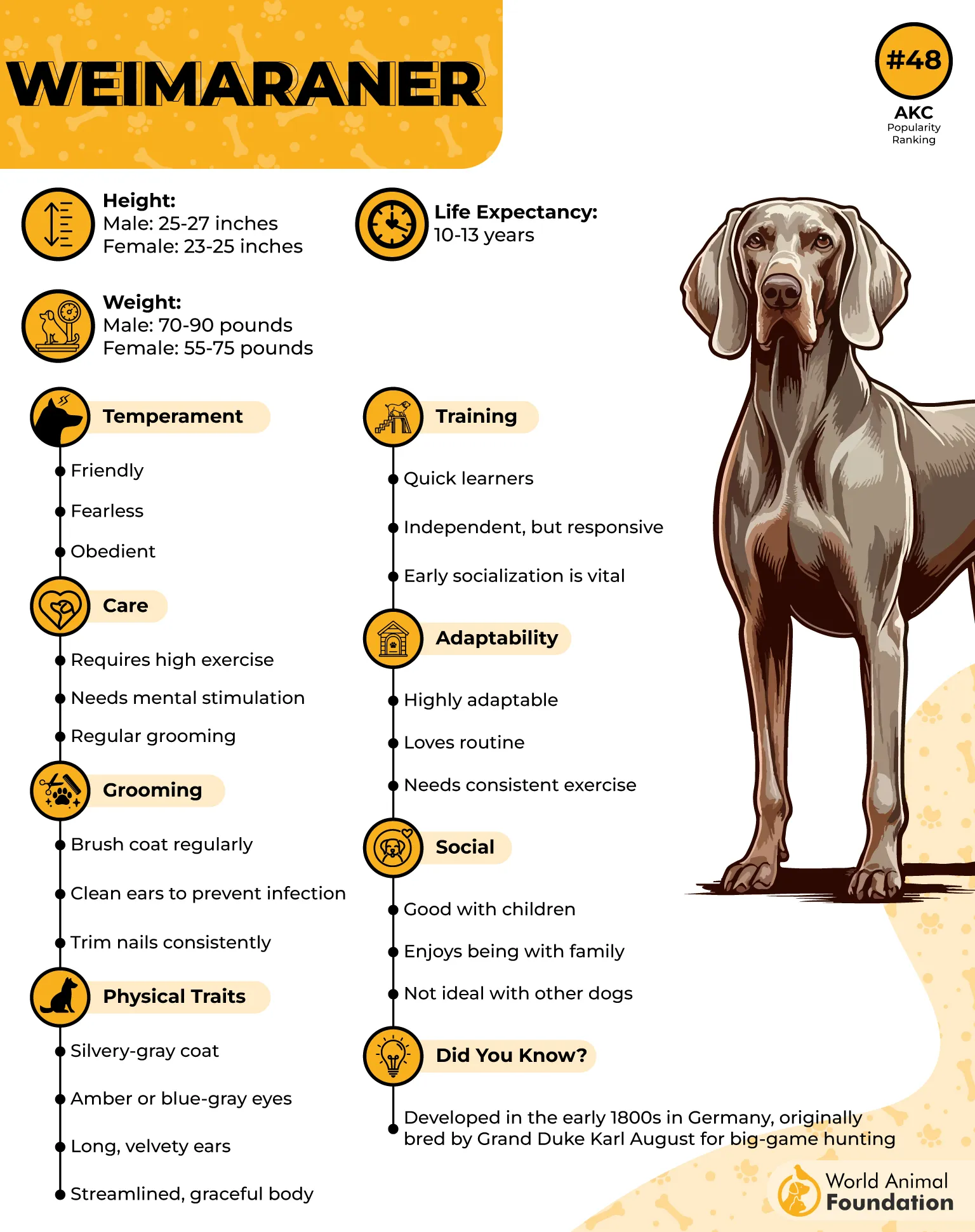
One of their strongest qualities is endurance, says PetMD. They’re not the kind of dog satisfied with a quick stroll around the block and then lounging all day. Without enough physical activity, they often create their own entertainment, which may include chewing furniture, stealing socks, or turning your backyard into a construction site.
These dogs also need mental workouts, not just physical ones. Puzzle toys, scent games, obedience drills, and agility exercises help keep their brains busy. Think of them like gamers grinding side quests after finishing the main storyline—they always want another challenge.
Despite their athletic side, Weimaraners are extremely people-oriented. They bond deeply with their humans and often act like oversized lap dogs.
Because of that attachment, they don’t enjoy being left alone for long periods. Separation anxiety can become a real issue if they aren’t properly trained early. A bored and lonely Weimaraner can turn into an expert-level chaos generator surprisingly fast.
6. Labrador Retriever
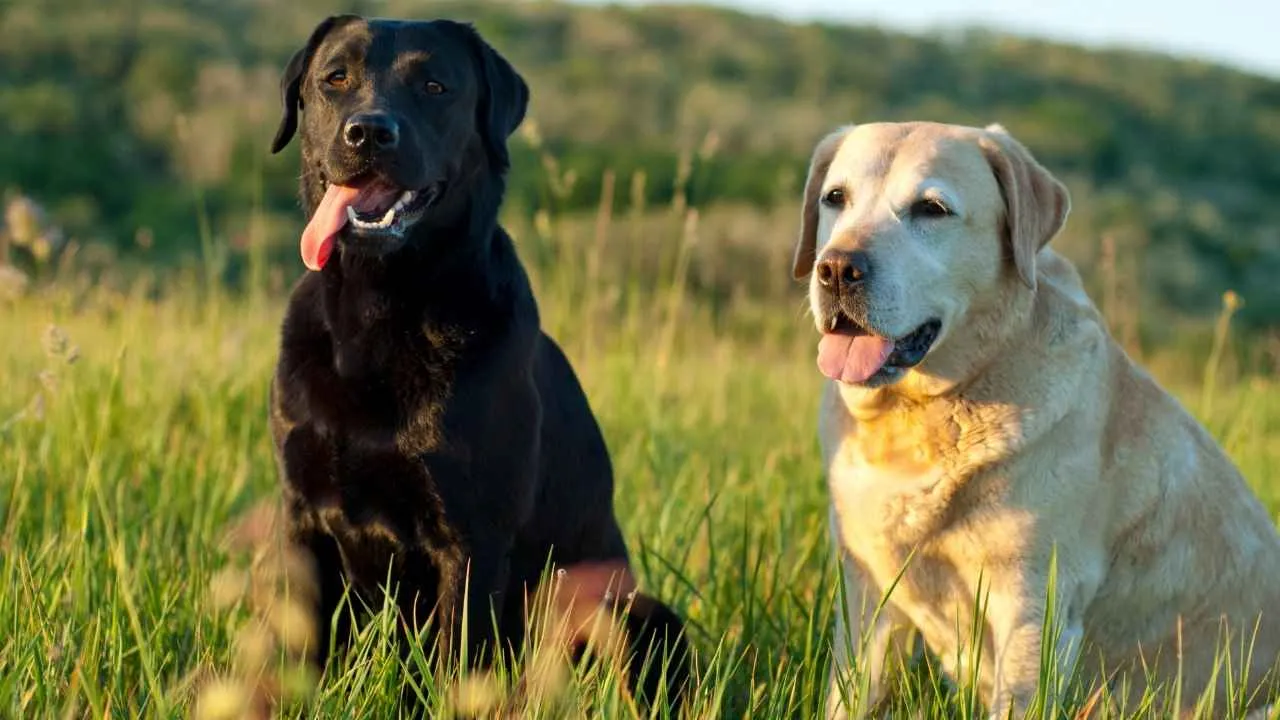
The Labrador Retriever might seem like the “friendly family dog” everyone knows, but outdoors? Labs are absolute beasts. Originally bred to retrieve fishing nets and waterfowl in freezing conditions, these dogs combine strength, stamina, intelligence, and pure enthusiasm like few breeds can.
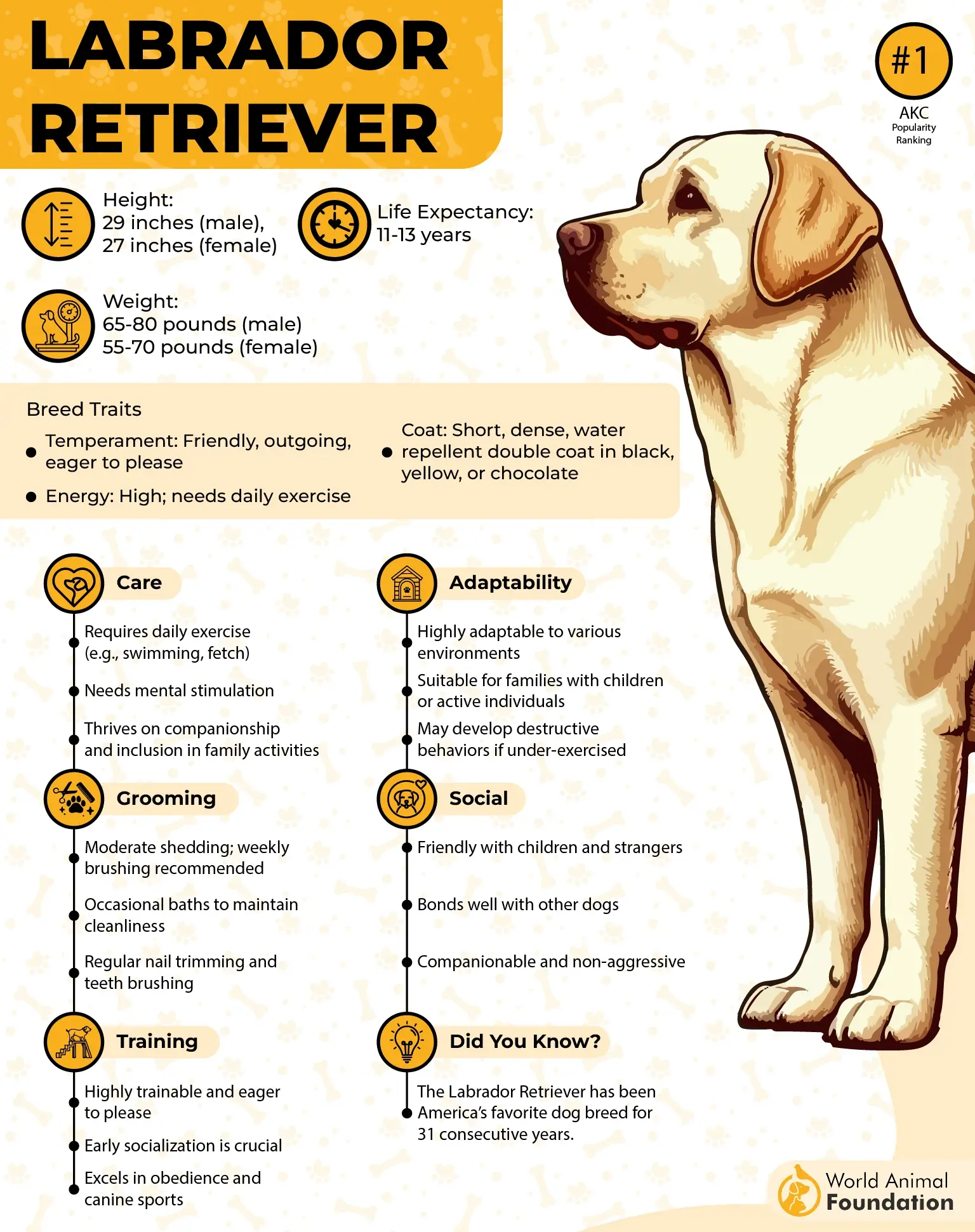
Labs thrive in outdoor environments because they genuinely love movement. Swimming, hiking, retrieving, trail walking, dock diving—you name it, they’re probably obsessed with it. If adventure sports had mascot dogs, Labs would definitely be on the poster.
One of the biggest reasons active people love Labradors is their versatility. They’re equally happy climbing trails, splashing through rivers, or joining camping trips. Their webbed feet and water-resistant coats make them exceptional swimmers, and many owners say their Labs will choose water over dry land every single time.
Labs also bring emotional intelligence to the table. They’re famously social and easygoing, making them excellent companions during group adventures. Unlike some independent breeds, Labradors genuinely want to work with their owners and stay connected during activities.
That said, Labs need structure and regular exercise to stay healthy. Without activity, they’re very prone to weight gain. A bored Labrador can become destructive—not out of aggression, but because all that energy needs somewhere to go.
Many real owners describe Labs as “the friend who says yes to every plan.” Rainy hike? Yes. Cold lake swim? Absolutely. Long camping weekend? Already in the car waiting.
7. German Shepherd
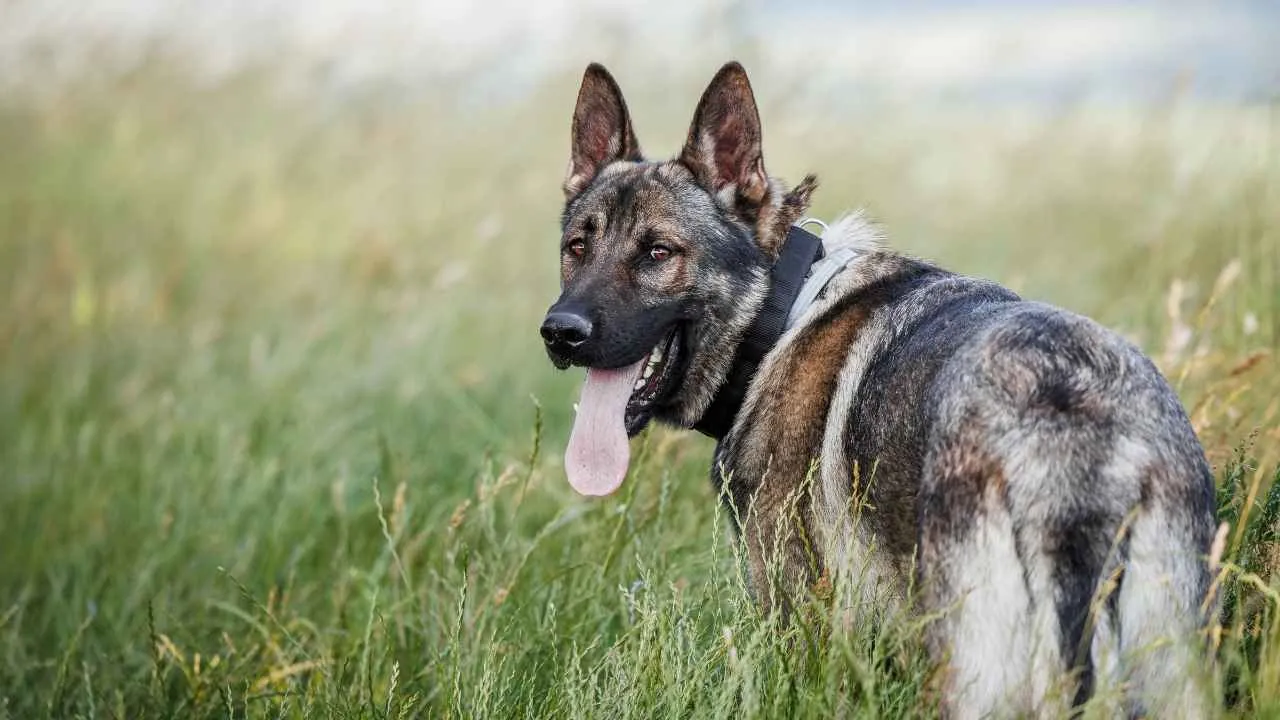
German Shepherds are like the elite tactical units of the dog world. Intelligent, athletic, loyal, and highly trainable, they’re built to handle physically demanding situations while staying mentally focused under pressure.
Originally developed for herding and protection work, German Shepherds quickly became famous for their roles in police, military, and rescue work. That working background means they absolutely thrive when given jobs, structure, and outdoor challenges.
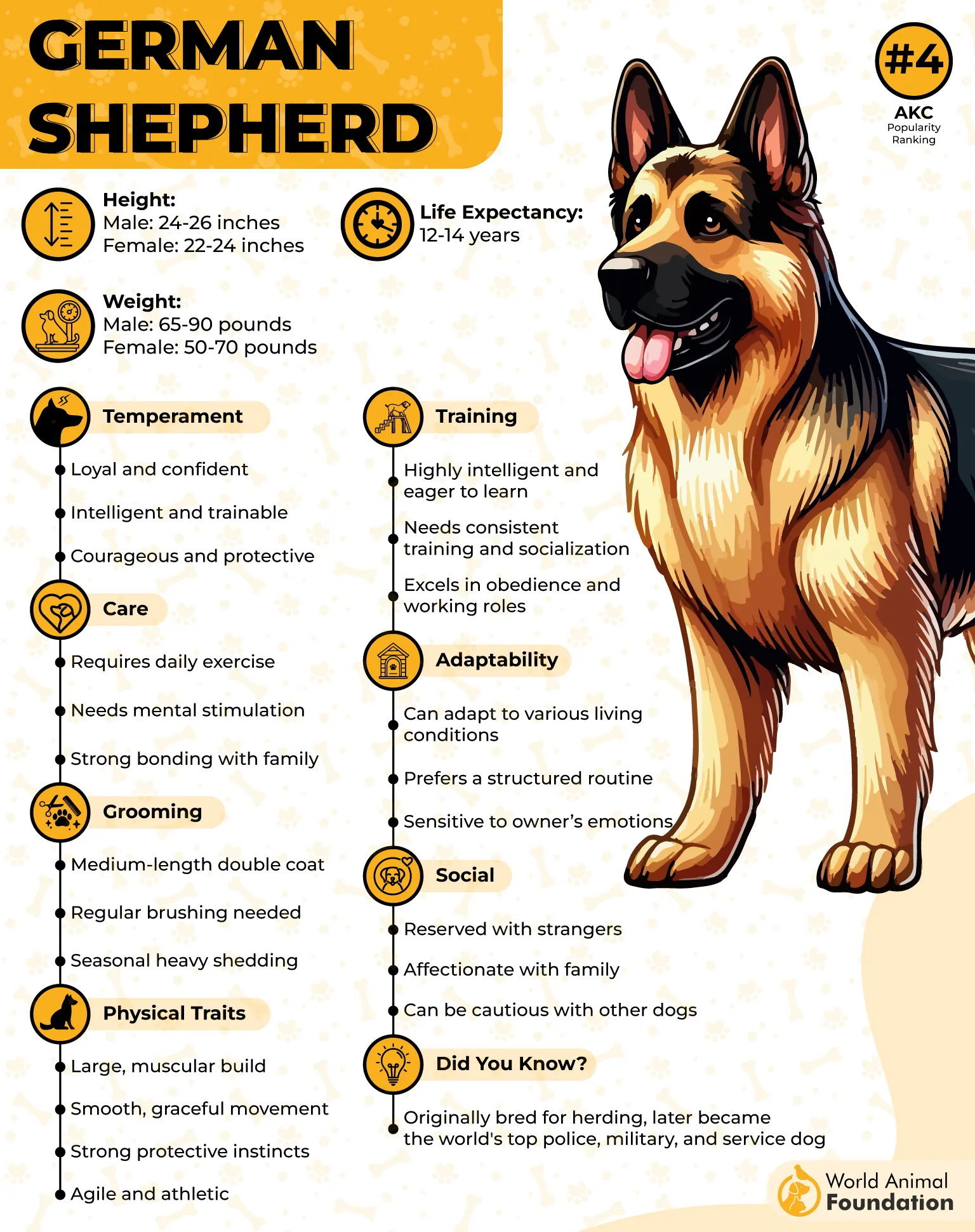
Physically, they’re powerful dogs with impressive endurance. Long walks, trail hikes, obstacle courses, tracking games, and agility exercises all help satisfy their need for stimulation. A German Shepherd that gets proper activity often becomes calm, confident, and deeply dependable.
Mental exercise matters as much as physical movement. These dogs are incredibly smart and can become frustrated if under-stimulated. Advanced obedience, scent work, protection sports, and interactive games help keep them balanced and happy.
German Shepherds also form extremely strong bonds with their owners. They’re naturally protective and attentive, which makes them reliable outdoor companions for solo hikers or families spending time outdoors. Many owners describe them as constantly “checking in” during adventures to make sure everyone is okay.
Conclusion
Some dogs are perfectly happy binge-watching life from the couch. These dogs? Not even close. These breeds were practically engineered for movement, endurance, and adventure.
What makes these best dog breeds for outdoor adventures special isn’t just strength—it’s mindset. They crave purpose, challenge, and connection. Whether they’re sprinting across snowy trails, swimming through cold lakes, climbing mountain paths, or mastering agility courses, these dogs thrive when life feels like an open-world exploration game.
But owning one of these powerful outdoor breeds also comes with responsibility. They need regular exercise, mental stimulation, training, and real commitment. Without those things, even the smartest or strongest dog can become frustrated, anxious, or destructive.
If your ideal weekend includes trails, forests, lakes, snow, or endless movement instead of staying indoors, these powerful dog breeds may be exactly the kind of companion you’re looking for.
