




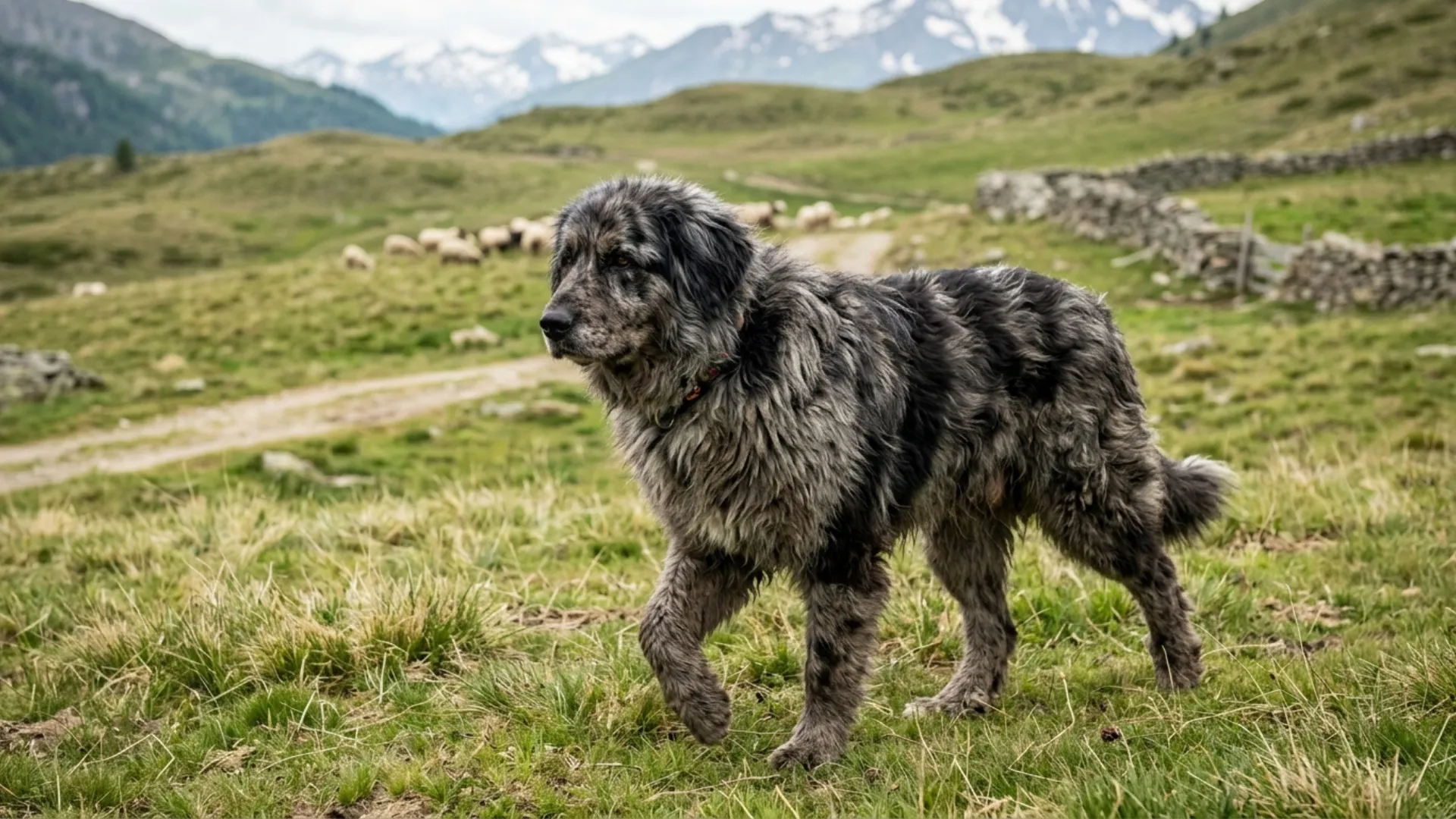
The field was still wet from the early morning rain when the dog moved forward without hesitation, circling the livestock with complete focus while keeping pace with every sudden movement.
There was no confusion, no wasted energy, and no need for repeated commands. Hours passed, yet the dog continued working with the same steady determination it showed at sunrise. That kind of endurance does not happen by accident. Certain working dogs were developed specifically for difficult outdoor tasks where strength, awareness, and control were necessary every single day.
Their role went far beyond companionship because people relied on them to manage demanding jobs in challenging environments. Even today, those instincts remain deeply rooted in their behavior and personality. These dogs still carry the confidence, drive, and resilience that once made them essential on farms and open land.
Coming up are some of the most capable working dogs known for handling tough herding duties, demanding field work, and responsibilities requiring serious strength and discipline.
Key Takeaways
One wrong movement in an open field could scatter an entire flock, which is exactly why these dogs were bred to react with speed, control, and confidence.
The Anatolian Shepherd Dog was trusted to face predators alone across open land, while the Beauceron handled demanding work with strength and sharp control.
Thick coats, fearless instincts, and endless stamina gave breeds like the Bergamasco Sheepdog and Briard the ability to work through rough terrain without slowing down.
By the time you reach the final breed, it becomes clear why these dogs were never simply pets to the people who depended on them every day.
Mighty Dog Breeds for Powerful Field and Herding Duties
1. Anatolian Shepherd Dog
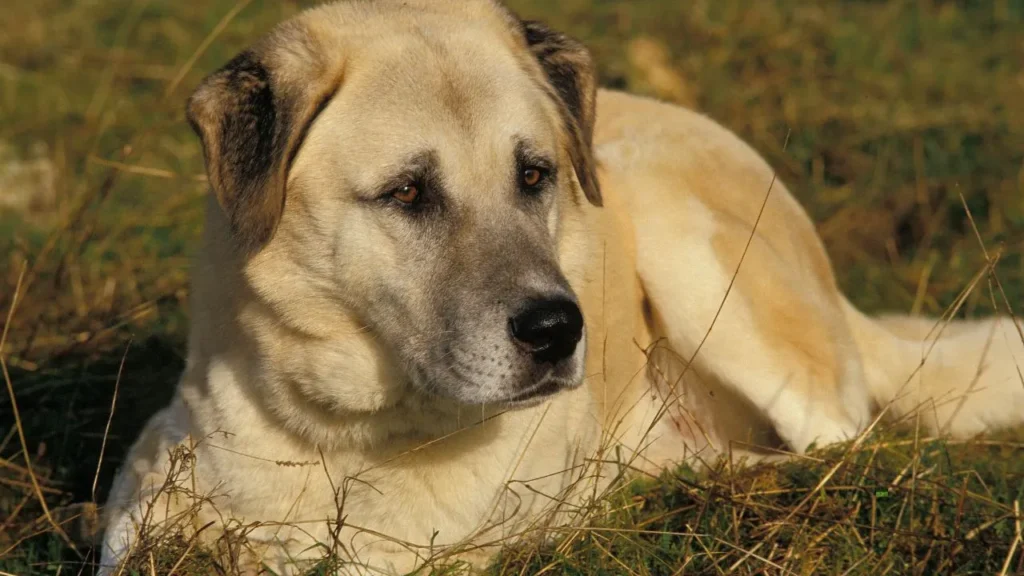
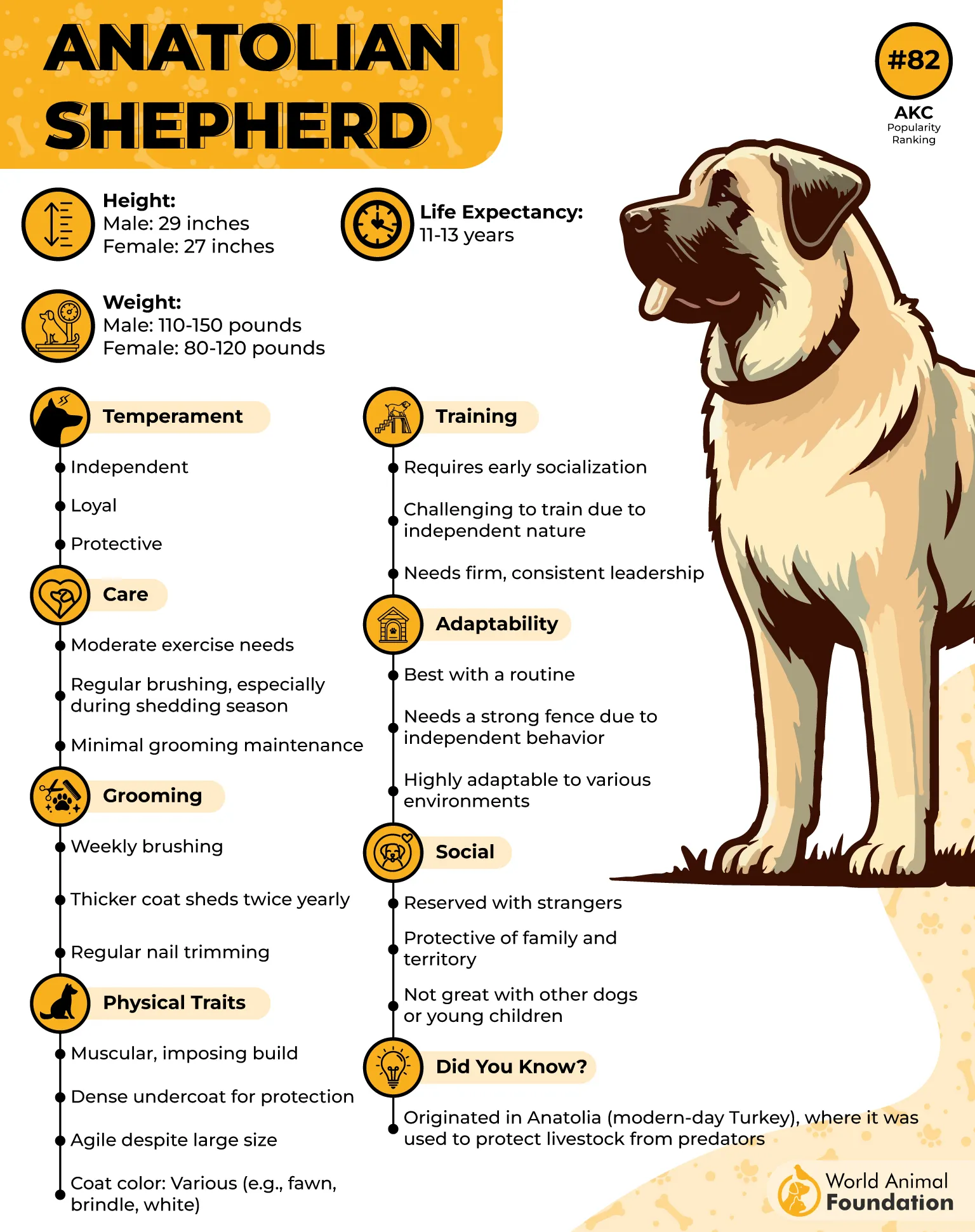
Anatolian Shepherd Dog comes from some of the oldest domestic canine bloodlines, shaped across harsh terrain where predators and isolation demanded independent judgment. Its rugged frame, muscular build, and agile footing reflect a dog formed through survival work rather than appearance.
Built for Harsh Conditions
This large dog handles rough landscapes with a combination of physical power and calculated movement, allowing it to confront large threats across open land. Its role centered on guarding livestock through both freezing winters and intense heat.
Several traits reinforce this working ability:
Heavy muscle paired with agile footing
Strong protective instinct around flock animals
Endurance suited for extreme outdoor conditions
Independent Decision Maker
They rely heavily on self-judgment, often assessing situations without waiting for direction from a handler. This independent mindset came from long periods guarding livestock away from constant human supervision. Its protective focus may extend beyond sheep to children or smaller animals.
2. Bergamasco Sheepdog
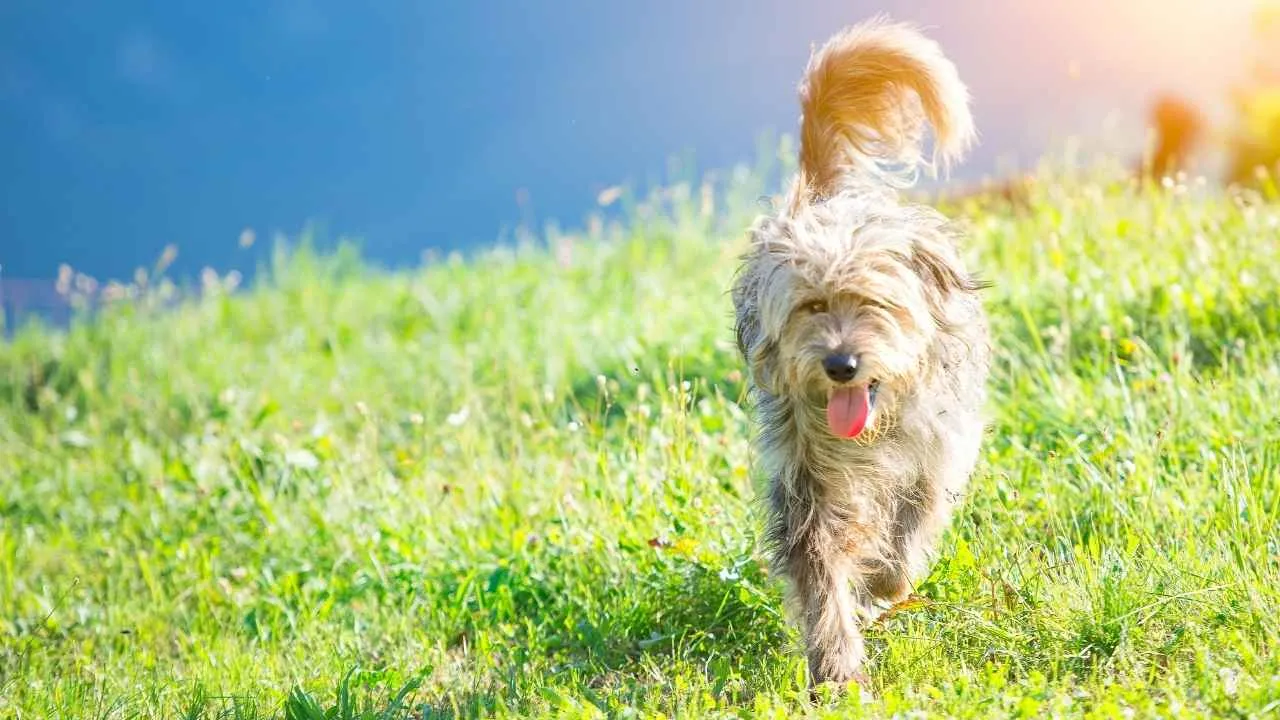
Bergamasco Sheepdog worked for centuries across the Italian Alps, where harsh winters and roaming predators shaped both its body and temperament. The dense locks covering the body were never ornamental; they protected this shepherd during long days with livestock.
Coat With Purpose
Three different hair textures weave together into loose felted layers that shield the breed from cold terrain and rough outdoor conditions. Even with such a dramatic appearance, the coat becomes surprisingly low-maintenance once fully formed.
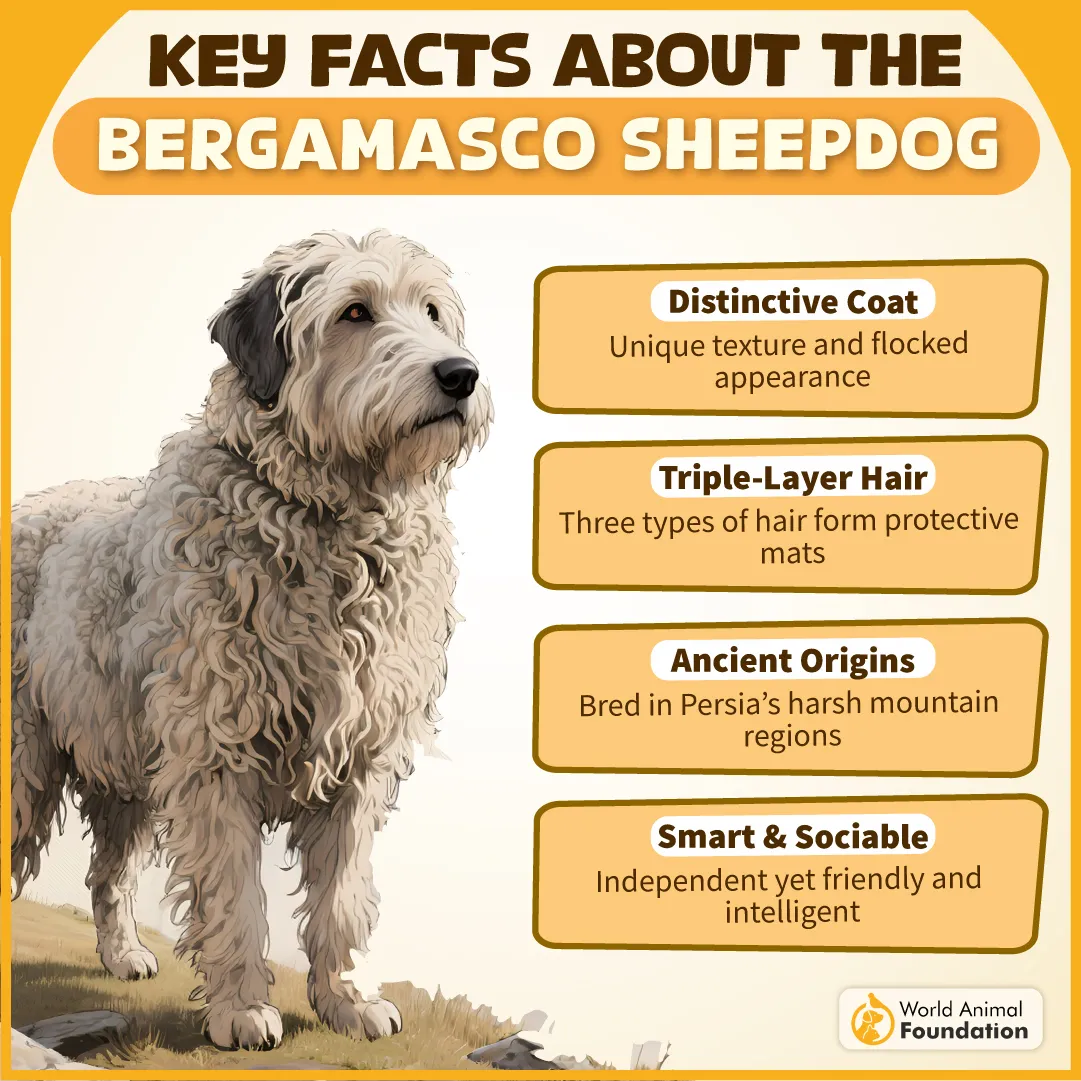
A few practical details explain its working ability:
Naturally forming protective coat
Large muscular frame beneath the coat
Very light shedding after coat develops
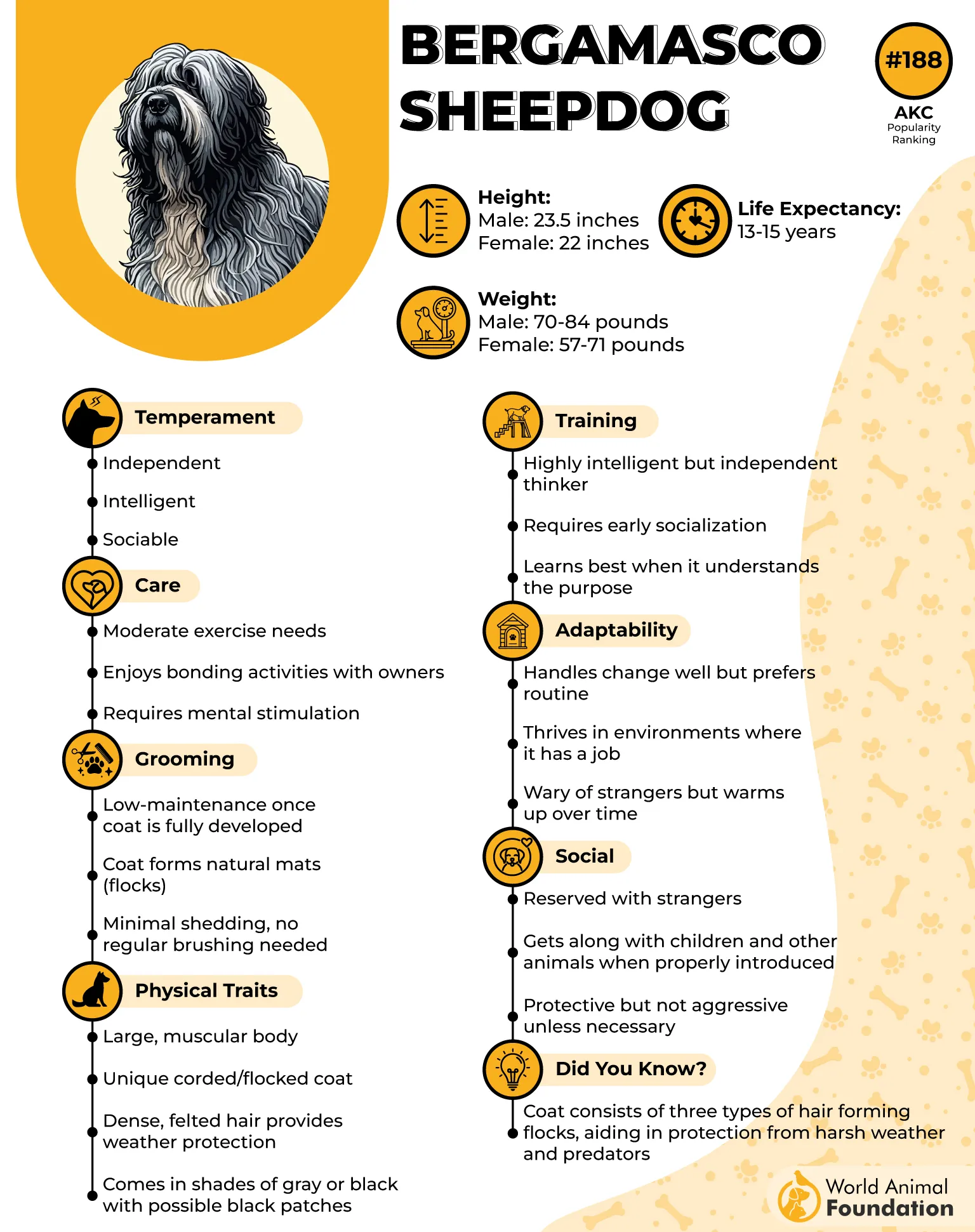
Work ethic tied to companionship
Purina states that this herding dog breed connects strongly with daily activity, willingly joining long walks, hikes, open-field play, or dog sports. Its willingness to participate comes from a deeply rooted working mentality linked to shepherding duties. The breed balances physical capability with close attachment to its people.
3. Beauceron
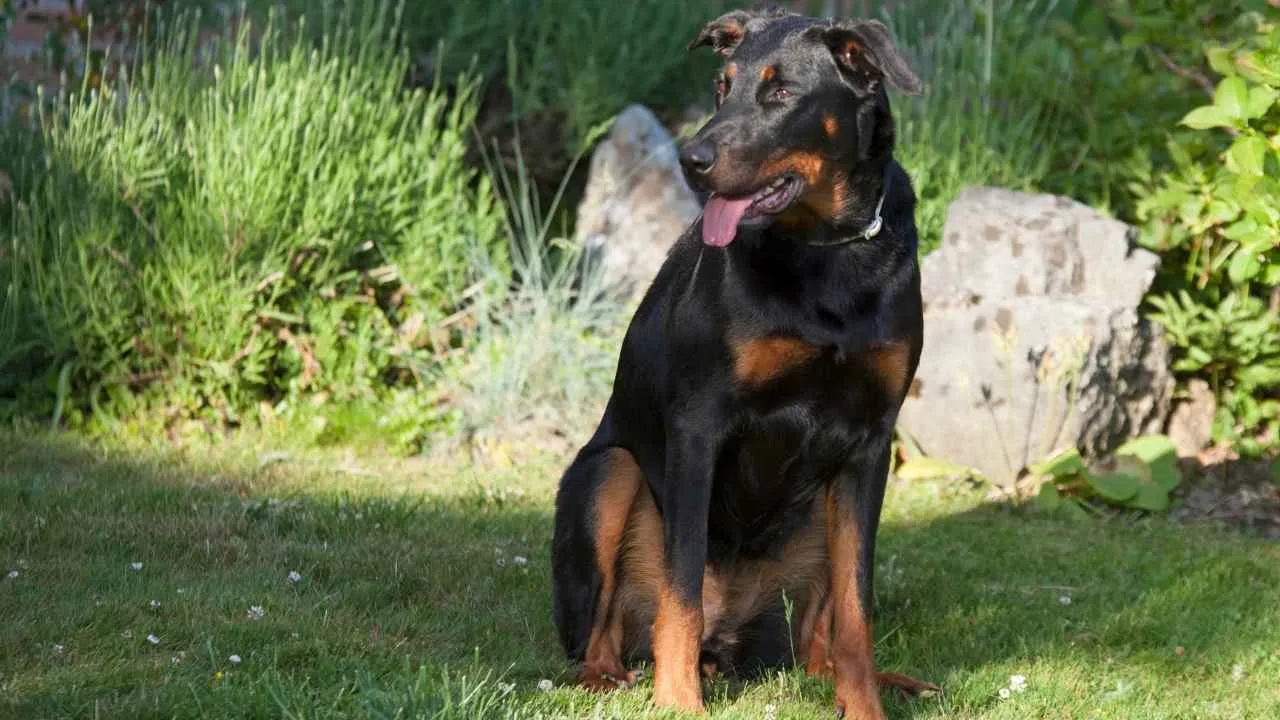
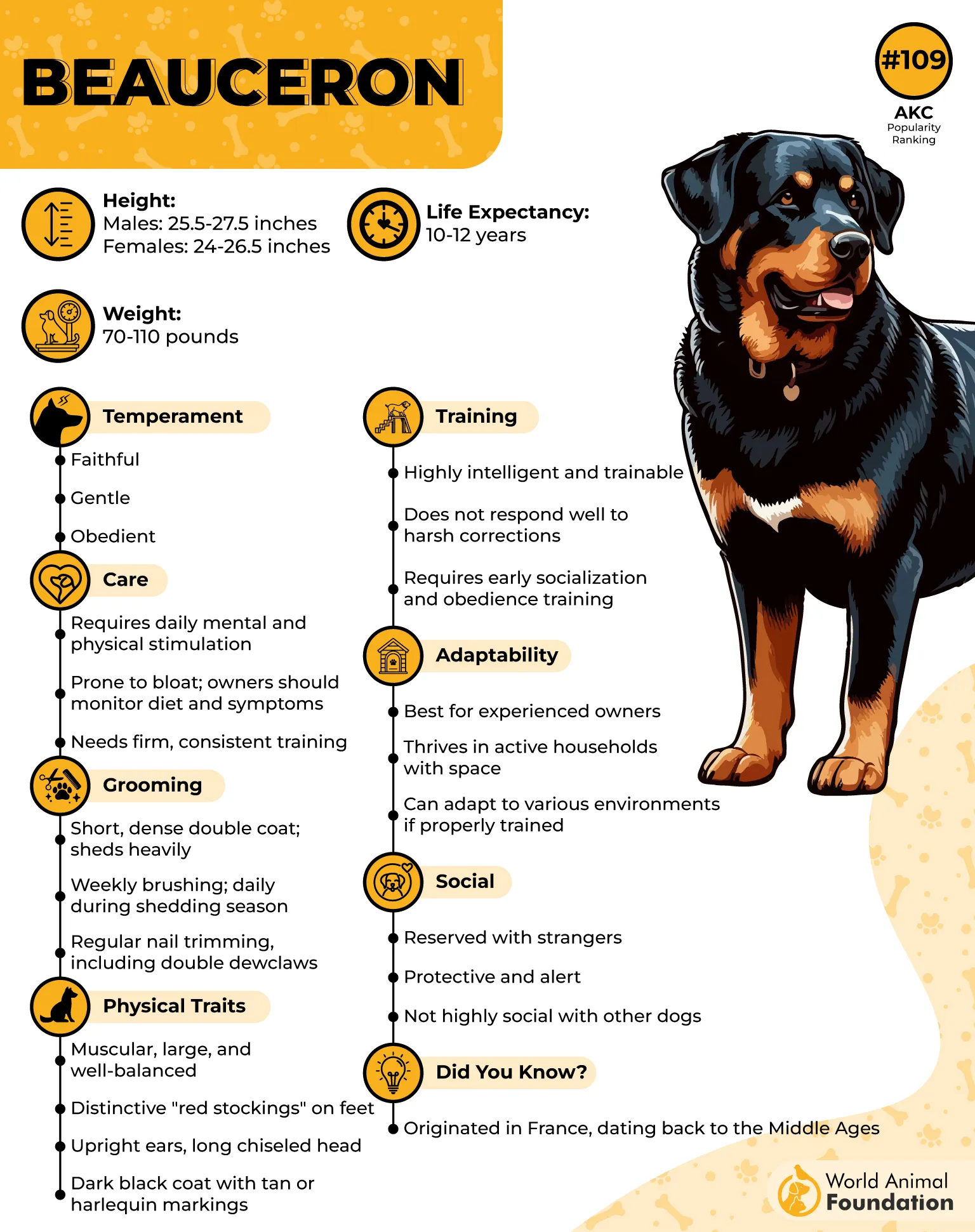
Beauceron combines the quick-thinking instinct of a herding dog with the size and muscle of a large working guardian. Its rugged structure and alert expression reflect a breed built for demanding outdoor responsibilities. Women often value the balance of protective awareness and emotional sensitivity.
Herding Instinct With Constant Engagement
This herding breed approach works with intensity, often seeking direction, tasks, or interaction instead of remaining idle. Its sharp mind responds quickly to structured routines and purposeful activity.
That working nature appears through clear behavioral patterns:
Handles herding tasks with controlled pressure
Responds rapidly to guided instruction
Channels energy through active involvement
Leadership and Physical Demand
As per AKC, the Beauceron requires confident handling due to its dominant tendencies and high activity level. Daily routines often include long exercise periods combined with mentally engaging work. Consistent training shapes a steadier temperament around people, pets, and changing environments.
4. Bouvier Des Flandres
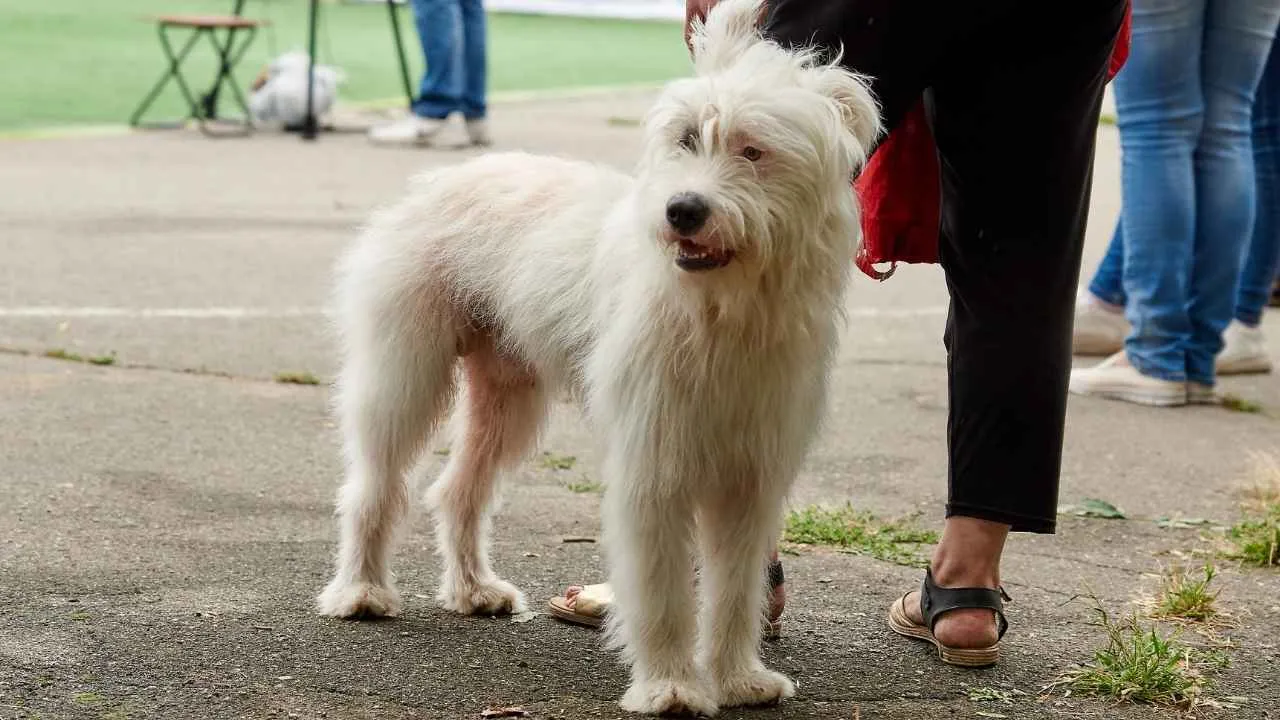
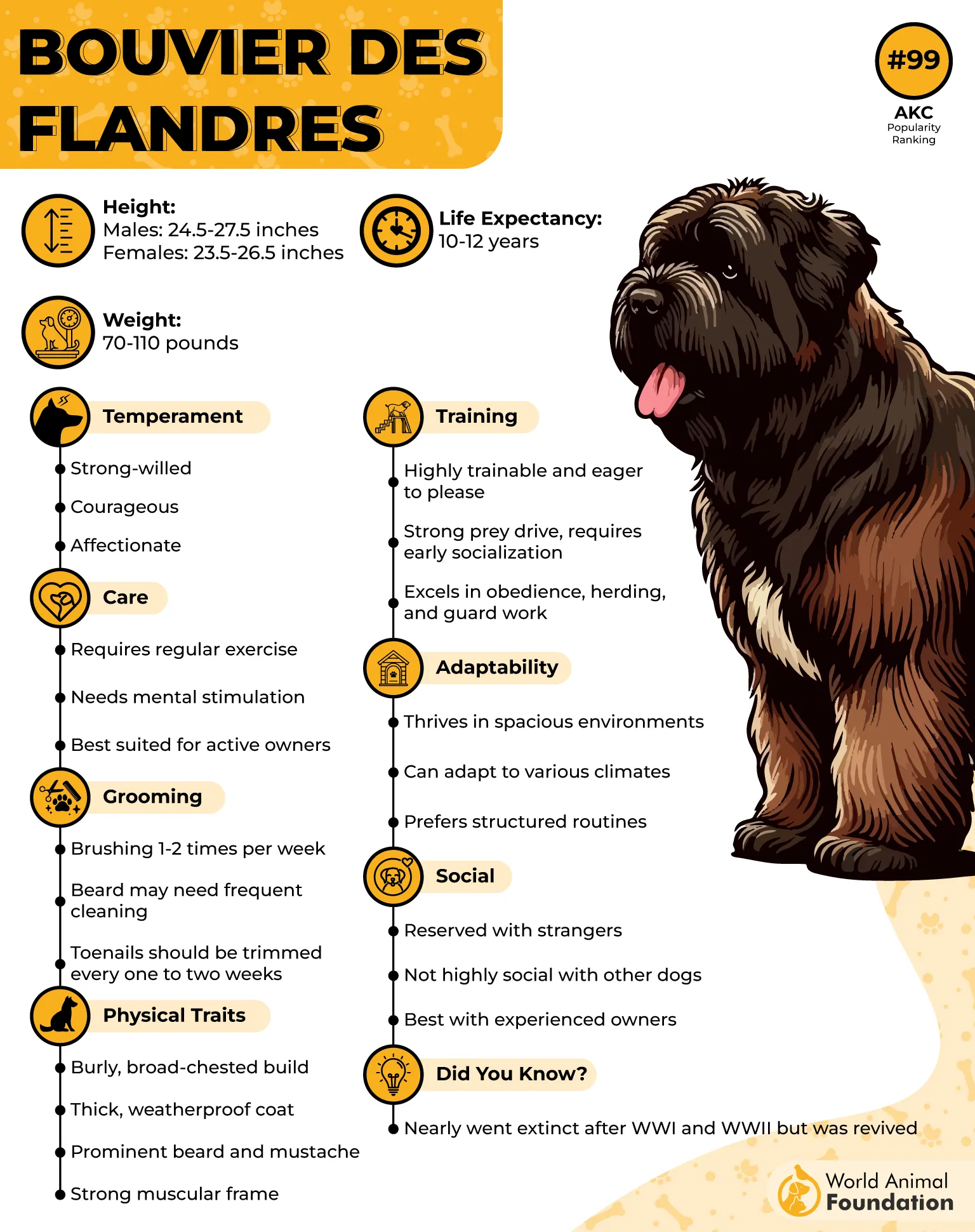
Bouvier des Flandres earned its place on Belgian farms by herding cattle and hauling heavy milk carts through demanding rural work. Its dense frame, rough coat, and grounded posture reflect a dog shaped for labor rather than appearance. That practical nature still defines the breed today.
Energy With Purpose
PetMD points out that this intelligent dog needs structured activity to stay balanced, especially in homes expecting a calm indoor companion after work or exercise. Daily routines matter more with this breed because boredom quickly turns into destructive behavior.
A few traits explain that intensity well:
Strong herding instincts
High mental stamina
Powerful prey drive
Built Around Responsibility
Bouvier des Flandres responds best when life includes tasks, movement, and regular interaction instead of long inactive hours indoors.
Long hikes, herding work, and physically engaging activities help channel the breed’s working mindset in productive ways. Even in family settings, it approaches daily life with the seriousness of a true farm dog breed.
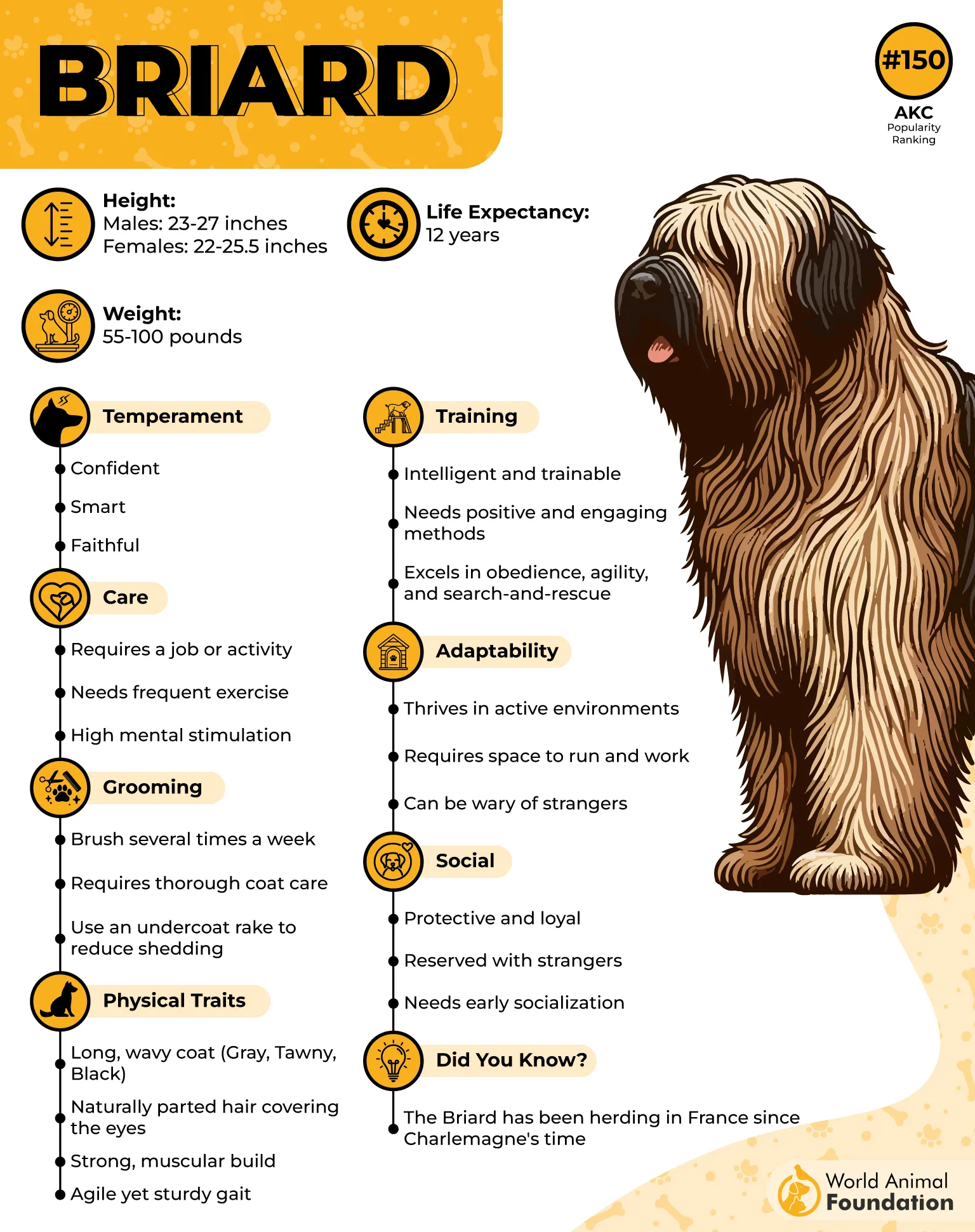
5. Briard
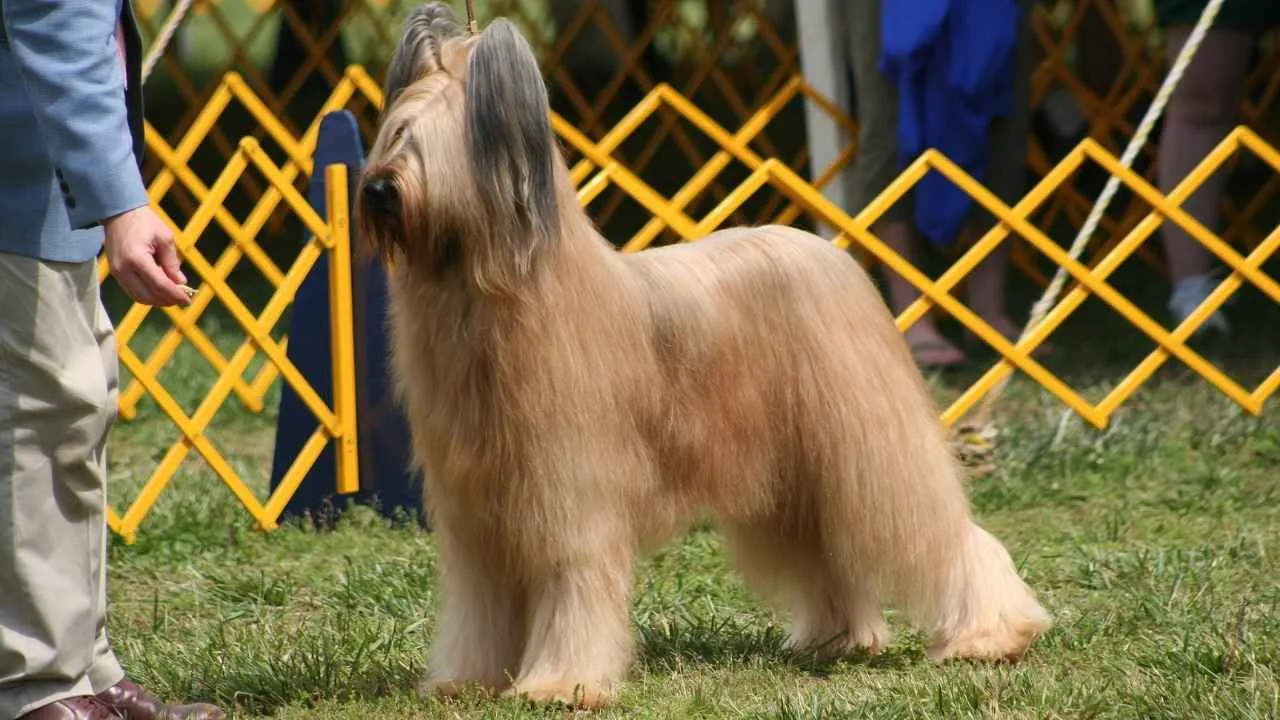
Briard entered French pastures as a dual-purpose sheep guardian, trusted to guide flocks while reacting quickly to sudden danger.
Its rugged coat, powerful frame, and fast directional control suited rough field conditions. French breed descriptions compared its footwork to quicksilver because of its sharp turns and instant reactions.
Field-Ready Instincts
They approach physical work with initiative, often making decisions confidently when separated from human guidance. That independent thinking shaped the breed into a reliable countryside worker.
A few traits explain this clearly:
Abrupt stops and fast directional shifts
Fearless attitude during livestock work
Strong endurance for long outdoor tasks
Independent but Attached
Briards form deep loyalty toward their household while remaining naturally cautious around unfamiliar people and newly introduced animals.
Herding instincts can surface around children through circling and guiding behavior. Careful social exposure matters early because this breed responds through judgment rather than blind obedience.
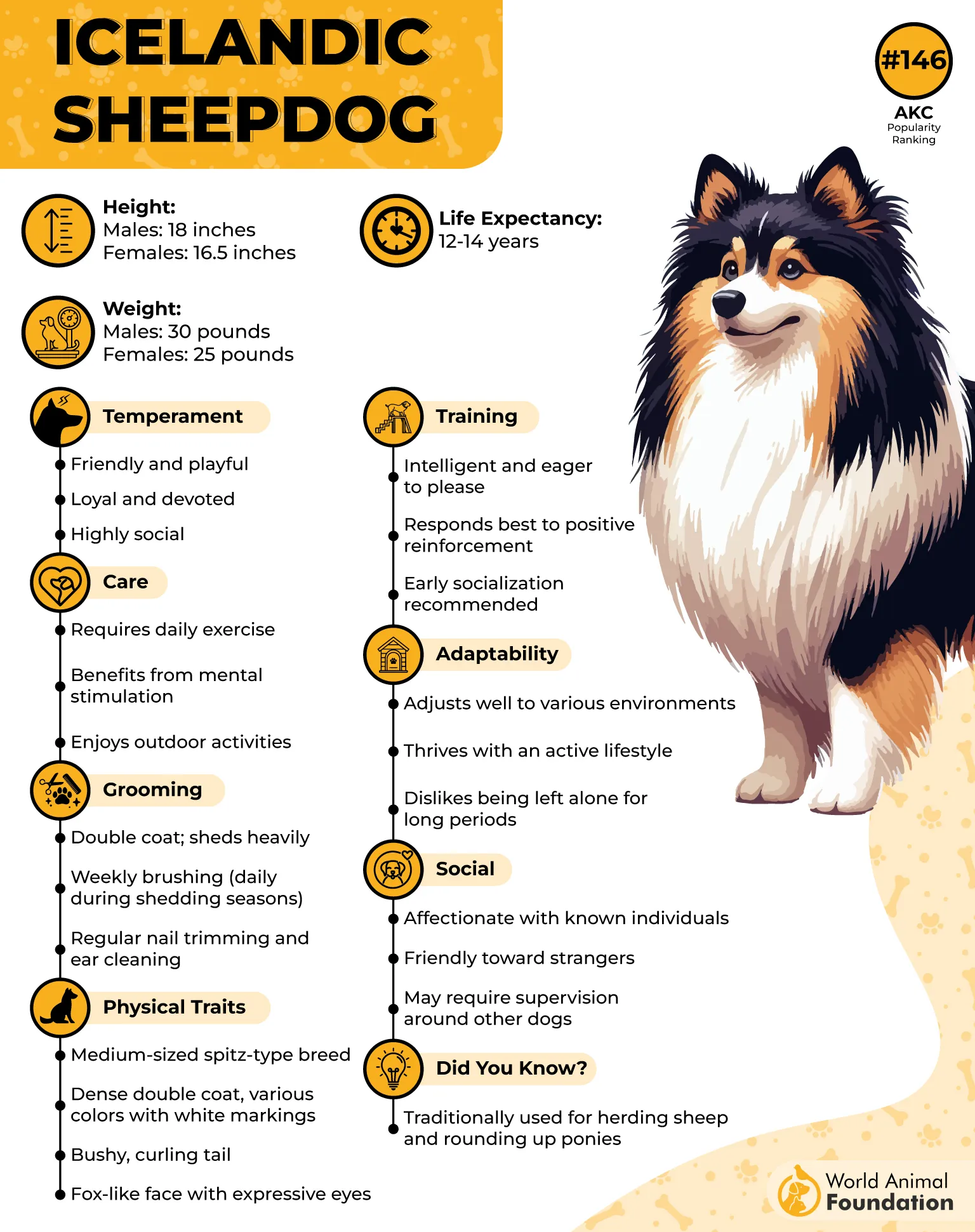
6. Icelandic Sheepdog
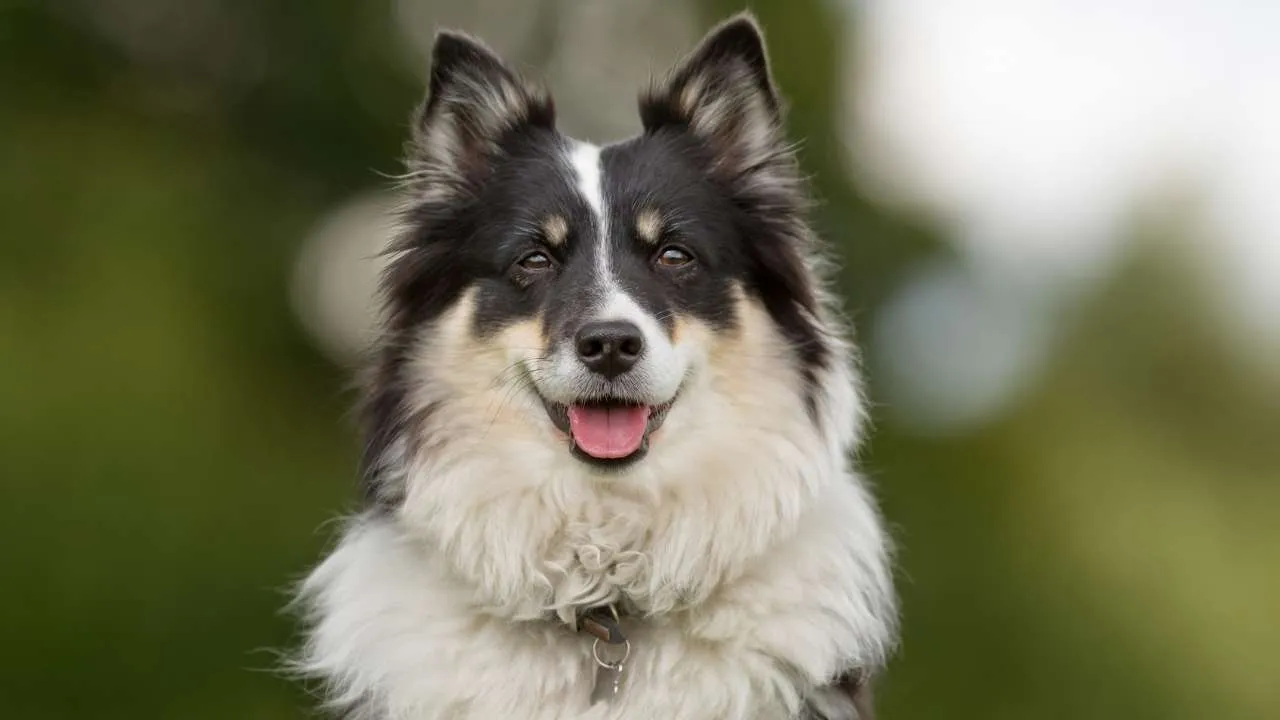
Icelandic Sheepdog arrived with Norse settlers and became the island’s only native canine, valued for herding across rugged terrain.
Its dense spitz coat and bright expression fit harsh northern conditions and close human partnership. The breed’s face often appears cheerful and fully engaged with the people around it.
Built for Varied Outdoor Tasks
Icelandic Sheepdog handles both physical activity and responsive task work through quick coordination and eagerness to participate. Herding work shaped a dog comfortable with direction, terrain changes, and prolonged outdoor routines.
That versatility appears through several working traits:
Dense coat suited for colder climates
Quick response during herding activities
Strong engagement during tracking tasks
Energy Directed Through Participation
They prefer involvement over isolation, often choosing activities that include both interaction and movement. Long walks, hiking routes, and canine sports give it a productive outlet tied closely to its working instincts. Obedience, rally, and agility tasks keep both attention and physical rhythm engaged.
7. Pyrenean Shepherd
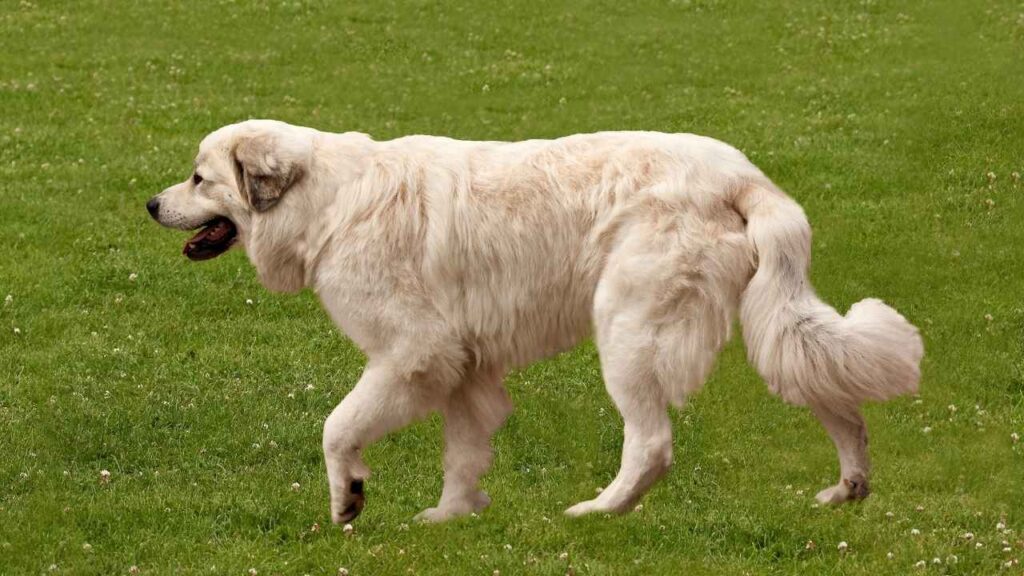
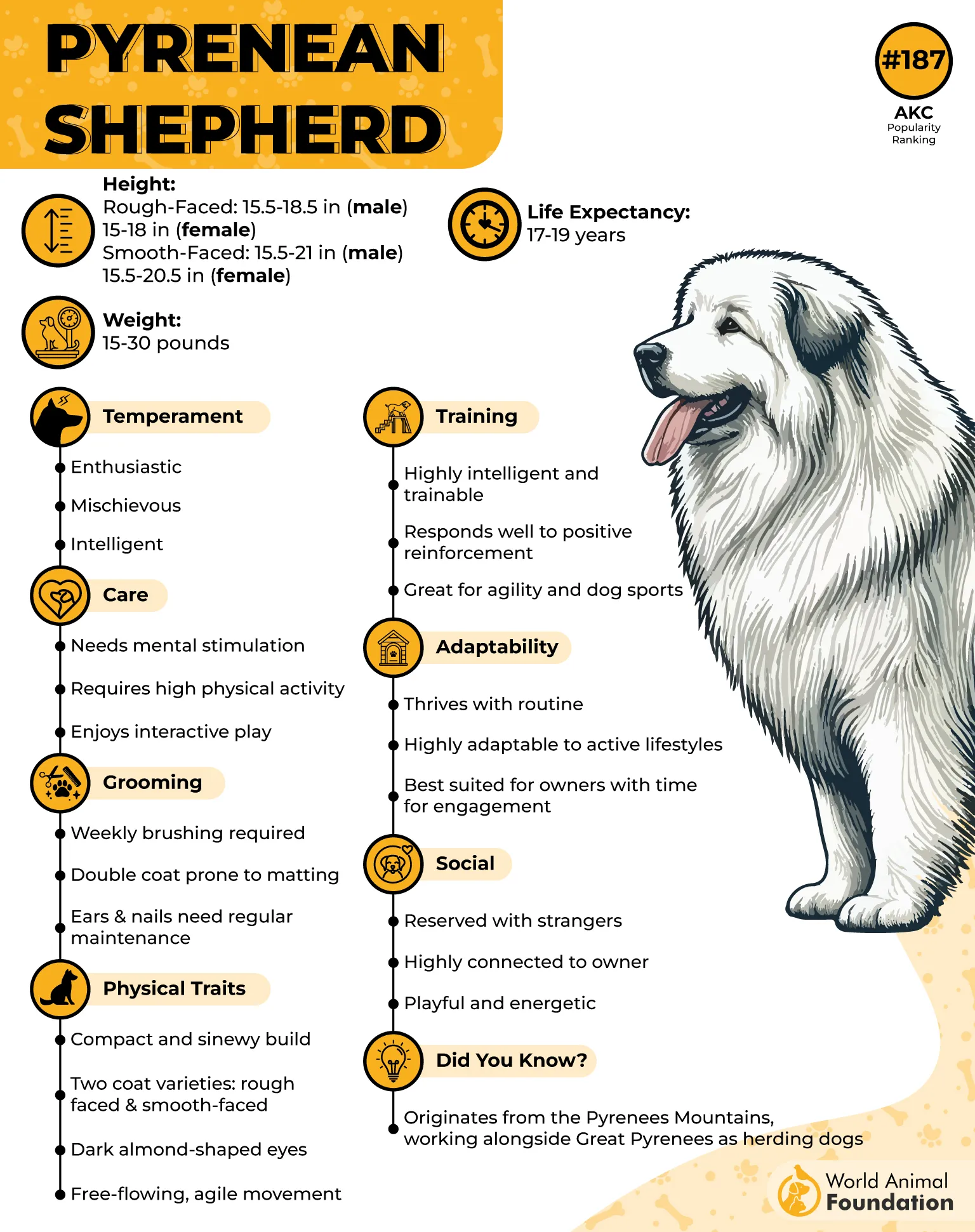
The Pyrenean Shepherd worked in the rugged Pyrenees between Southern France and Northern Spain, guiding sheep across difficult terrain.
Medieval shepherds relied on this quick-thinking dog for constant awareness. Its small frame matched remarkable speed, sharp instincts, and relentless focus.
Always Watching
These shepherds react quickly to sound, movement, and unfamiliar activity, which explains why early training around barking matters so much. Daily life with this breed revolves around engagement and purpose.
That intensity often appears through:
Persistent alert barking
Strong herding behavior
Fast problem-solving habits
Quick Mind, Quick Reactions
They gained wider recognition during the First World War, serving as a courier, watchdog, and search-and-rescue helper because of their responsiveness and stamina.
The breed learns commands rapidly but constantly looks for the next task. Agility work, obedience drills, and structured activities help direct that restless intelligence.
Conclusion
Long before modern routines and fenced yards, certain dogs spent their days crossing rough land, herding livestock, and responding to danger without hesitation. That history still lives inside them today through sharp awareness, physical endurance, and a steady willingness to work for hours without losing focus. These are not energetic dogs shaped around comfort alone.
They were developed for responsibility, pressure, and constant movement in difficult environments where people depended on them daily. Even now, their instincts remain visible in the way they observe, react, and engage with other dogs and the world around them. Strength matters, but mental stimulation, resilience, and intelligence define why many also become trusted family dogs over time.
