




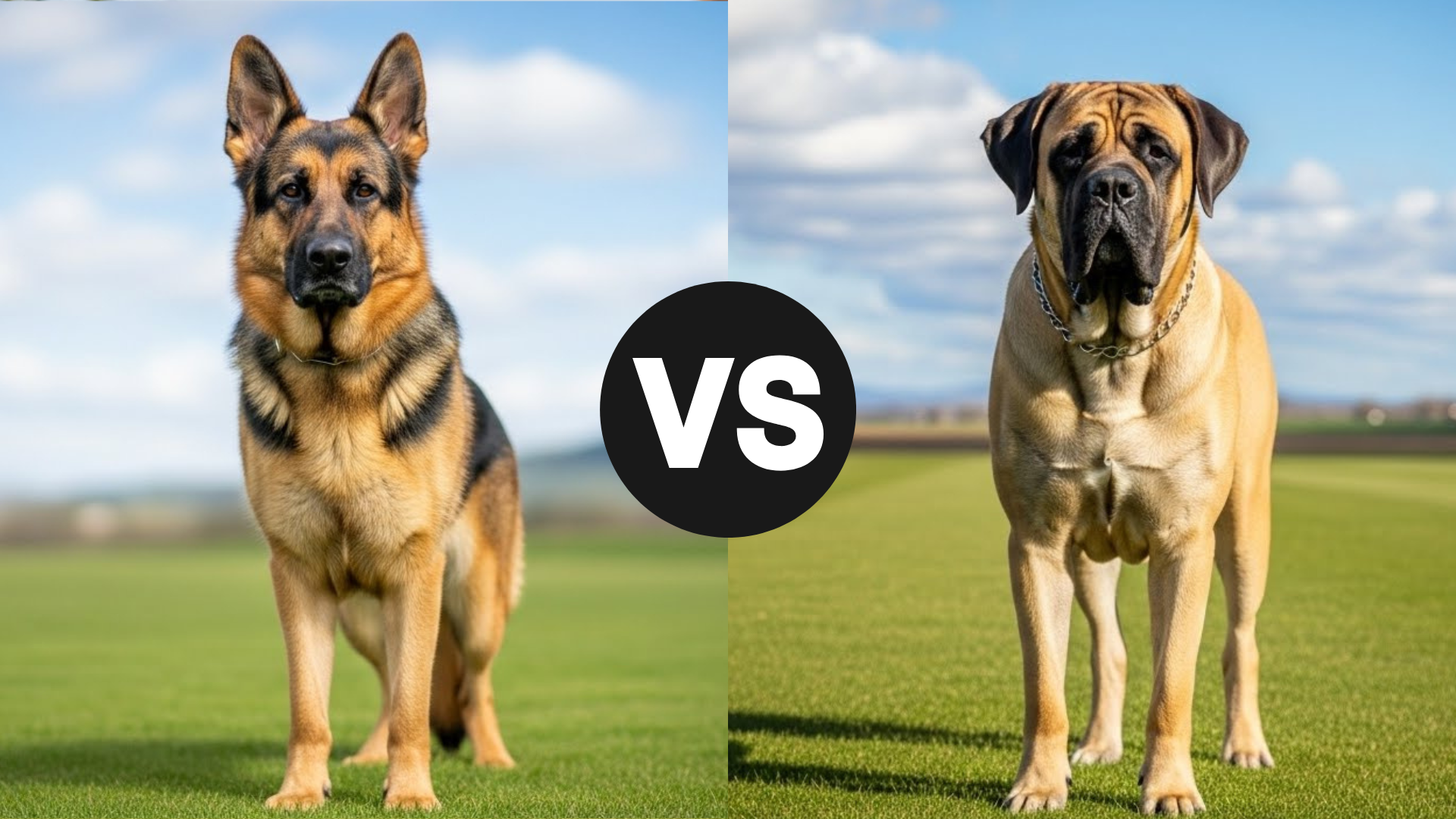
It’s not every day you compare two dogs whose histories stretch from ancient battlefields to modern living rooms. Yet the German Shepherd and the English Mastiff stand out as two of the most admired canine companions today. Their differences make them even more intriguing.
Before diving into those distinctions, here’s a fun fact to spark your curiosity: the world’s heaviest dog ever recorded was an English Mastiff named Zorba, weighing an astonishing 343 pounds (Guinness World Records). That kind of presence tells you a lot about what sets this giant apart. But size is only one piece of the puzzle.
German Shepherds, in contrast, are known worldwide for their speed, trainability, and problem-solving ability. Their versatility has enabled them to hold roles ranging from service work to active family guardianship. This makes them a fascinating counterpoint to the Mastiff’s calm, powerful nature.
Understanding these two dogs means looking beyond appearances. Their temperaments, exercise needs, and ideal home environments differ greatly. Each brings something unique to the table.
In this introduction, you’ll get a clear sense of what truly distinguishes these remarkable dogs. Whether you’re choosing between them or simply curious, these key insights will help you appreciate both. Let’s explore what every owner should know.
German Shepherd vs. English Mastiff
Origins & History
The German Shepherd traces its roots to late-19th-century Germany, where Captain Max von Stephanitz aimed to create the ideal herding and working dog.
He selected regional sheepdogs known for intelligence and stamina, setting the foundation for what the AKC now recognizes as one of the most versatile working breeds. This background explains their strong reputation in roles such as search-and-rescue, protection work, and service tasks.
During the early 1900s, the breed gained global attention as police and military units adopted them for their trainability. Their performance in both World Wars accelerated worldwide demand. Even today, modern working-dog programs continue to rely on their reliability and learning ability.
Historical records show that German Shepherds evolved quickly through selective breeding to emphasize problem-solving and focus. These traits helped shape their signature confidence and steady work ethic. Their development remains one of the most intentional and documented in canine history.
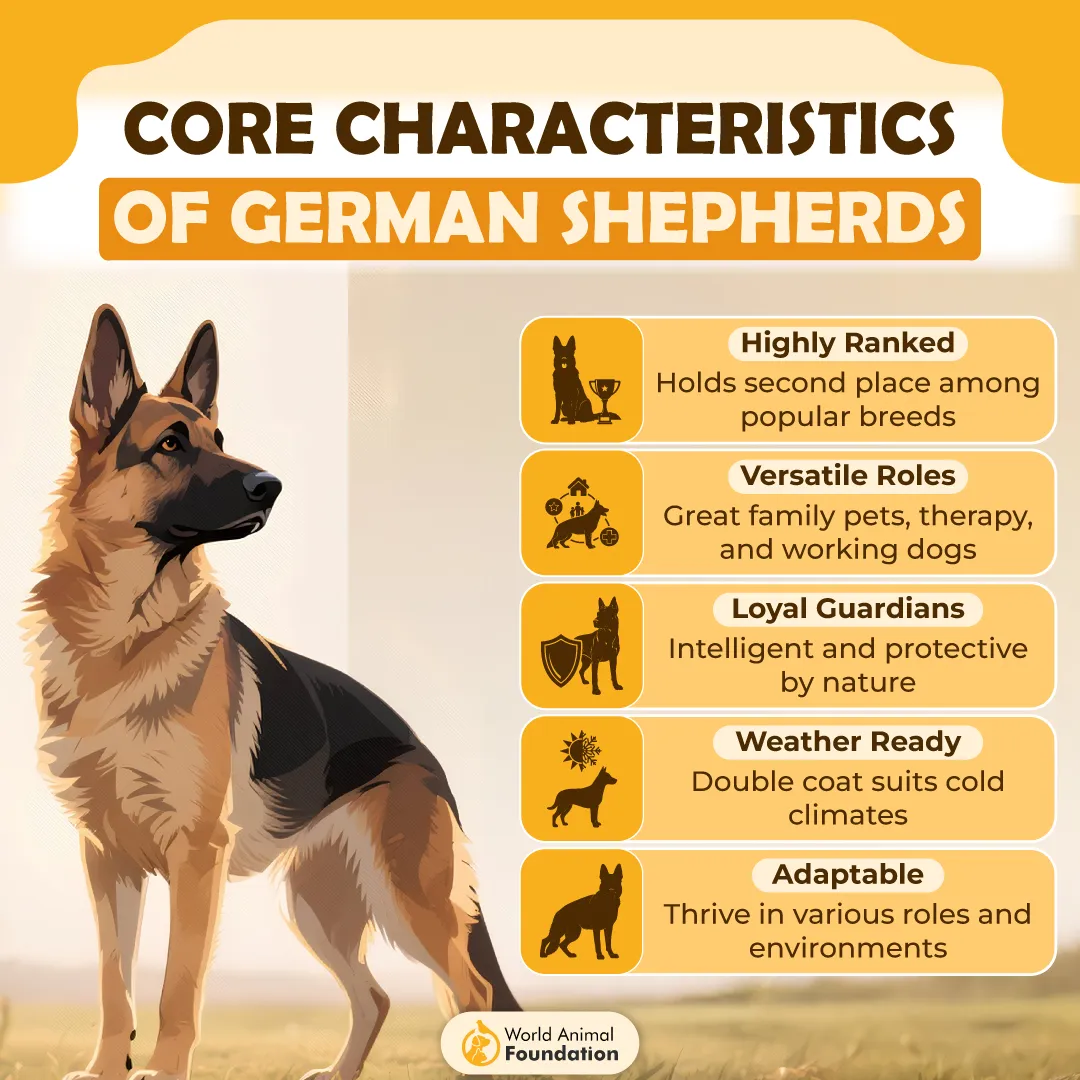
By examining their origins, it becomes clear why they excel in environments requiring precision and responsiveness. They were designed for real-world utility above all else. That design continues to define the breed’s identity today.
The English Mastiff has one of the oldest documented histories among domestic dogs, with references dating back to ancient Roman texts and medieval manuscripts. These giants served as guardians and war dogs, admired for their protective nature and powerful presence. Their ancestors appear in records from as early as 55 B.C., according to historical accounts cited by the FCI.
By the Middle Ages, Mastiffs were popular estate guardians across Britain. Their imposing size discouraged intruders long before modern security systems existed. Nobles valued them for their calm vigilance and loyalty.
The breed nearly disappeared after World War II due to food shortages, but dedicated breeders restored its numbers. Their efforts preserved the Mastiff’s signature gentle-giant temperament and classical British heritage. Today’s Mastiff carries centuries of consistent purpose behind its lineage.
Understanding this deep historical backdrop highlights their traditional role as stable, dependable companions. Their identity has been shaped by centuries of responsibility rather than speed or agility. That history gives the English Mastiff a timeless, grounded character.
Size & Physical Build
The German Shepherd stands in the medium-to-large category, recognized for a balanced, athletic frame that supports endurance and agility. Males typically reach 24–26 inches at the shoulder, according to the AKC. Their muscular build allows them to maneuver quickly across various terrains.
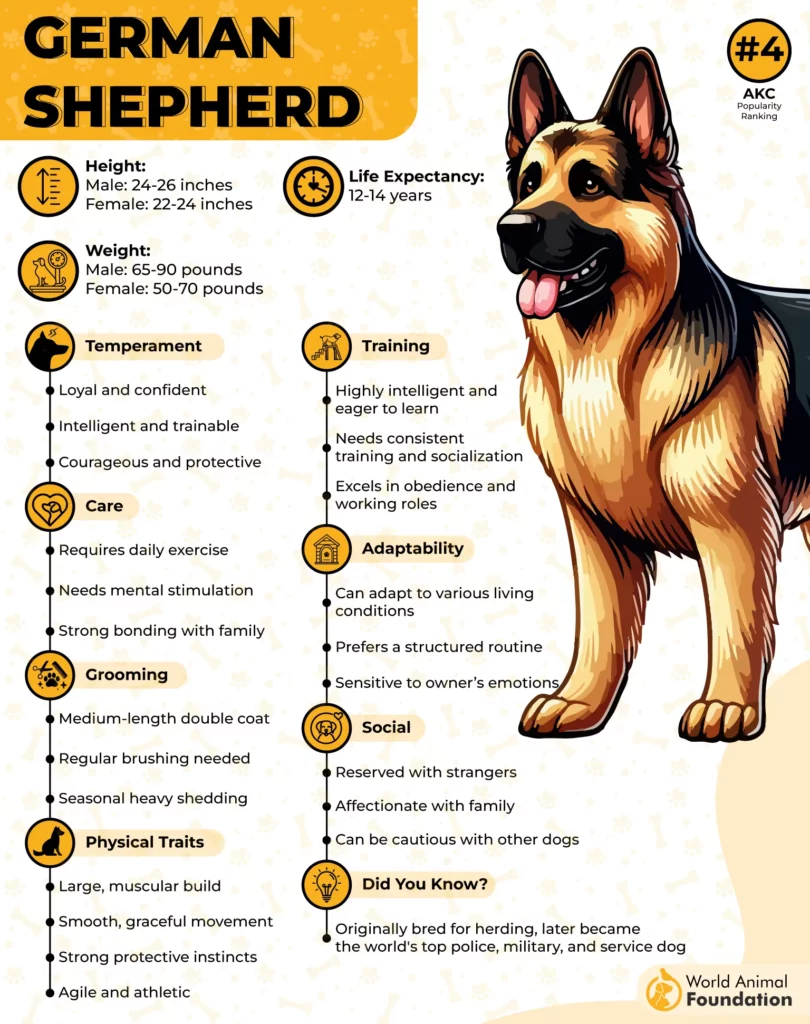
This structure comes from generations of selective breeding for herding and working efficiency. Their sloping topline and strong hindquarters contribute to fluid movement. These traits enable quick directional changes that working roles often demand.
A well-conditioned German Shepherd has a lean silhouette rather than a bulky one. This helps them maintain stamina during long tasks. Their functional build remains one of the breed’s defining advantages.
The English Mastiff belongs to the giant-dog class, known for sheer mass and incredible strength. Adults can weigh 120–230 pounds, and the heaviest dog ever recorded, Zorba, reached 343 pounds according to Guinness World Records. Their body structure prioritizes stability over speed.
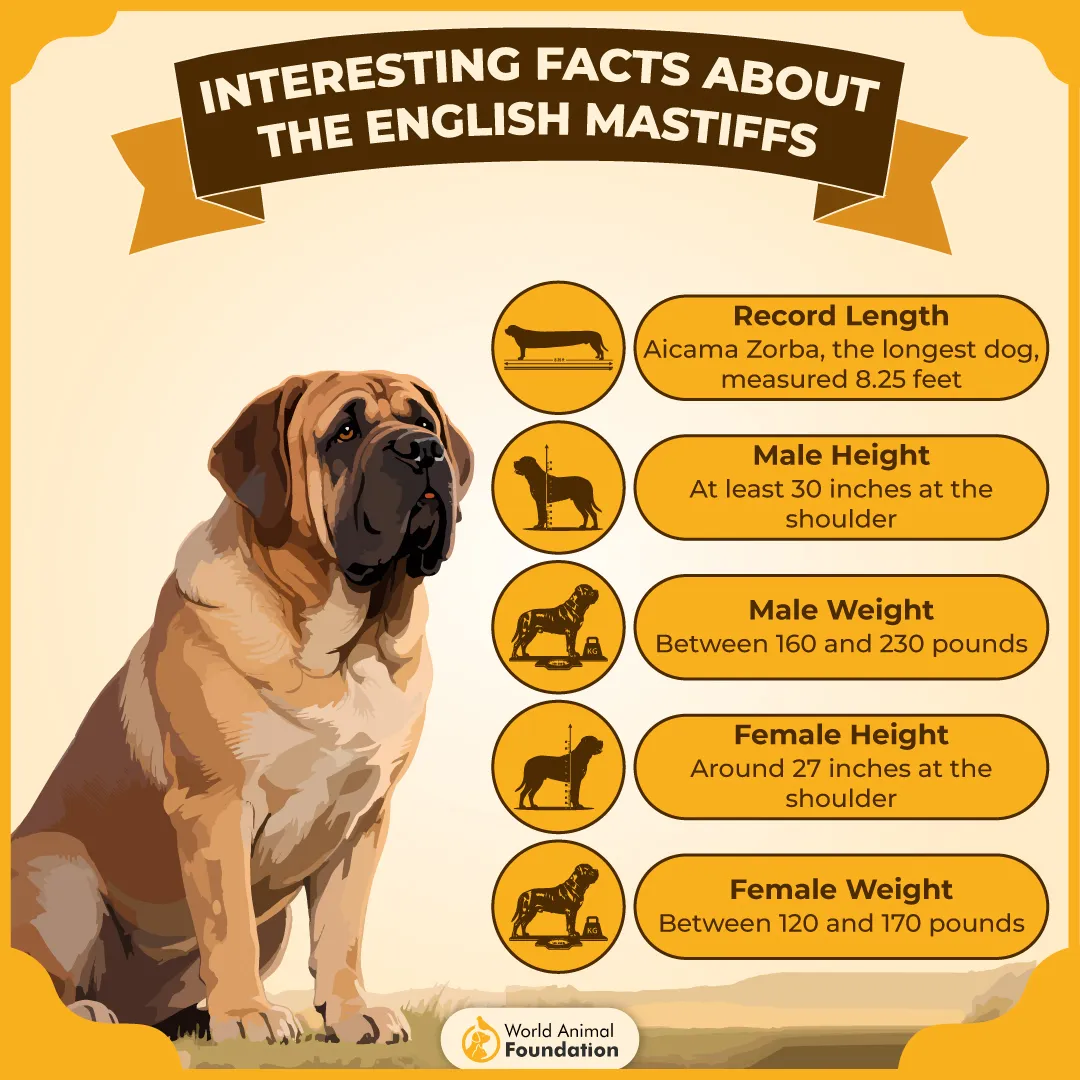
Their broad chest and thick bone structure reflect their original role as estate guardians. Standing as high as 27–30 inches at the shoulder, they carry their weight with a slow, confident presence. This physical style differs dramatically from the athletic silhouette of herding dogs.
Hills Pet notes that the Mastiff’s frame offers impressive power, often described as monumental. Their bulk contributes to their reputation as gentle giants. This build shapes their movement, behavior, and daily needs.
Coat Type & Requirements
The German Shepherd typically sports a medium-length double coat designed to protect against harsh weather. Their undercoat insulates, while the outer coat repels moisture and debris. This natural design stems from their origins in demanding working environments.
PetMD explains that shedding is consistent year-round, increasing seasonally during “blowout” periods. Regular brushing helps manage loose hair and maintain skin health. Grooming also offers an opportunity to check for early skin issues, as recommended by veterinary dermatology sources.
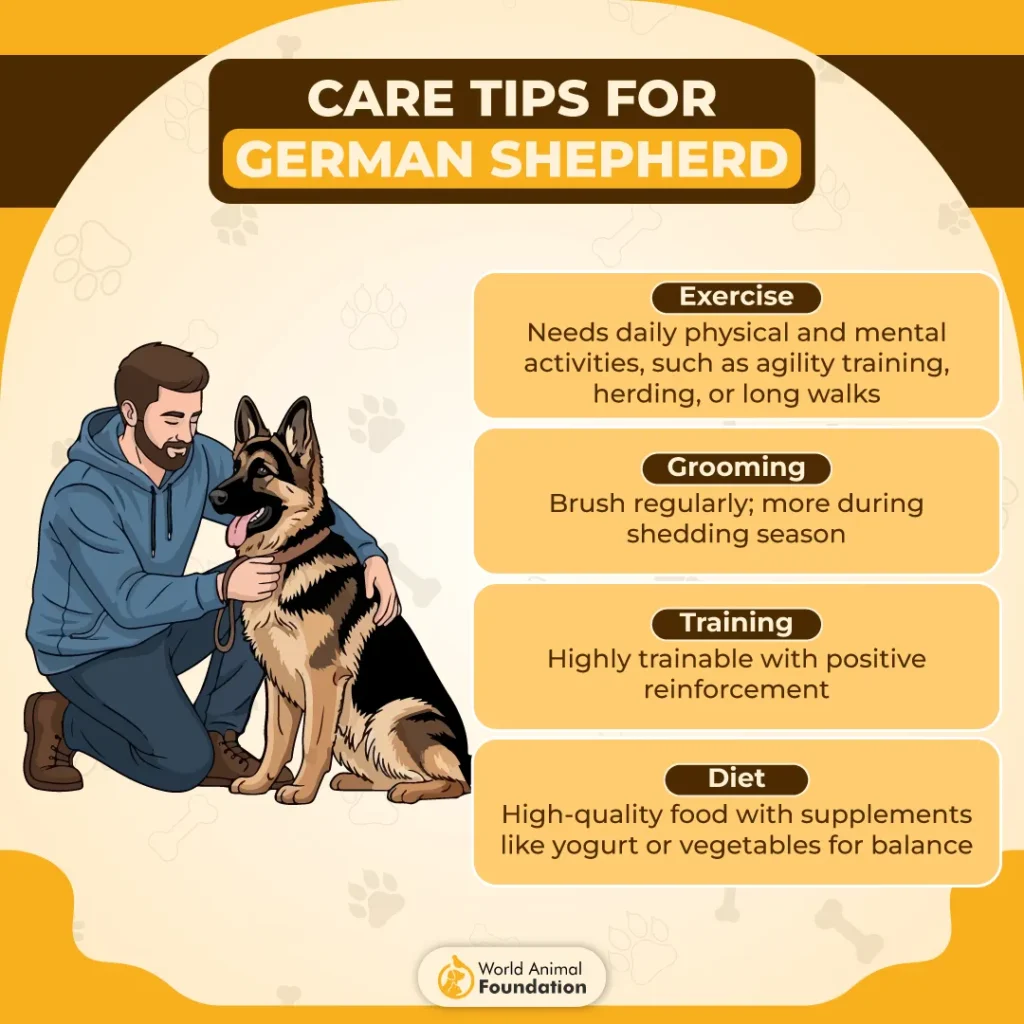
Because their coat is functional rather than decorative, maintenance focuses on hygiene and health. Bathing should be occasional to preserve natural oils. Their coat type serves both practicality and comfort.
The English Mastiff has a short, dense coat that lies close to the body, offering moderate protection without heavy insulation. The coat’s texture makes maintenance relatively simple. Weekly brushing usually keeps shedding under control.
Their skin folds are mild compared to other mastiff-type dogs, but they still benefit from routine cleaning around the face to prevent irritation. This helps reduce moisture buildup, as suggested by veterinary care guidelines. Their coat dries quickly after baths, making grooming less labor-intensive.

The Mastiff’s coat reflects centuries of adaptation as a guardian rather than a field worker. Its simplicity supports low-effort upkeep. This makes them easier to maintain compared to longer-coated working breeds.
Temperament & Personality Traits
German Shepherds are known for sharp intelligence, task focus, and high responsiveness. They thrive in environments that offer mental engagement and structured guidance. Their loyalty often translates into a strong bond with their handlers.
These dogs are naturally alert and attentive, traits that make them exceptional in professional fields. Their confidence grows through training and positive reinforcement, as supported by research in canine cognition. A well-trained German Shepherd often displays a composed, stable demeanor.
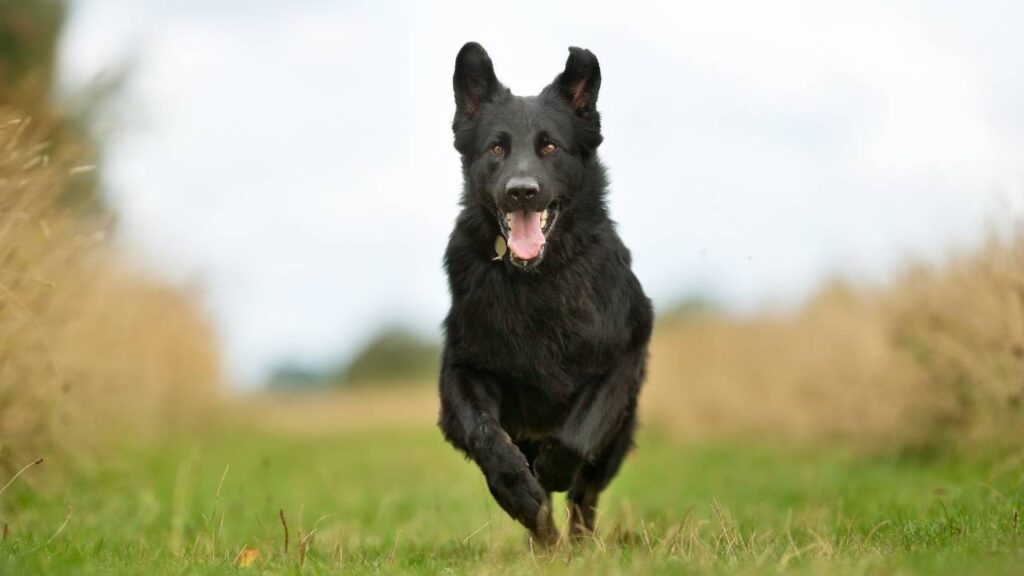
They can be reserved with strangers but warm and affectionate with family. This balance creates a dependable companion with clear boundaries. Their personality reflects their working heritage.
The English Mastiff is famously calm, composed, and gentle. Their affectionate nature has been documented for centuries, describing them as steady and dignified. They often prefer quiet observation over high-energy engagement.
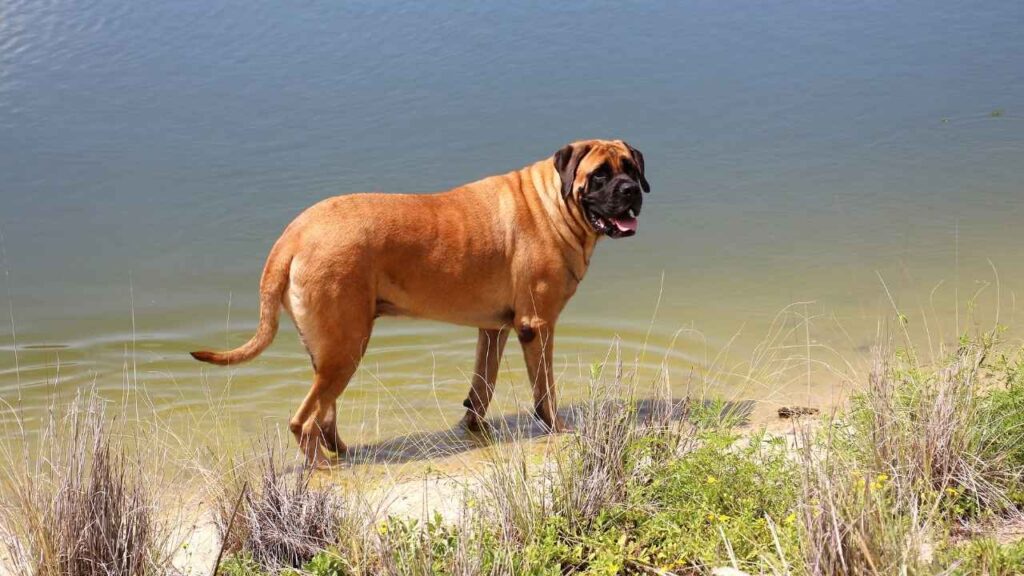
Though protective of their home, they rely more on their presence than aggression. Their temperament leans toward patience and reassurance, especially with familiar people. Many Mastiff owners describe them as deeply loyal family companions.
Their slow, thoughtful responses give them a grounded personality. They enjoy companionship and steady routines. This gentle nature distinguishes them from more energetic working breeds.
Exercise & Activity Needs
German Shepherds need regular physical and mental activity to stay balanced. Their working heritage demands daily outlets such as structured training, agility work, or brisk exercise. This helps prevent restlessness and promotes long-term health.
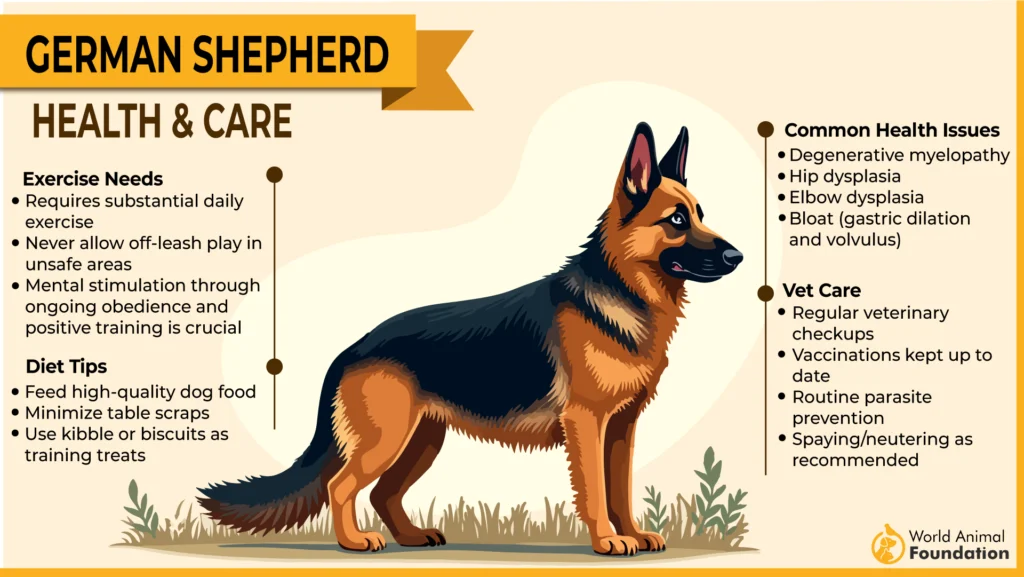
Puzzle toys, advanced obedience sessions, and task-based games suit their problem-solving nature. Providing variety keeps their minds engaged. Multiple short sessions often work better than one long activity period.
Their activity needs to align well with active households or experienced dog owners. Without sufficient stimulation, they may develop unwanted behaviors. Consistent structure ensures a healthy, confident dog.
Britannica claims that English Mastiffs require exercise, but their needs are moderate compared to high-drive working breeds. Short, steady walks combined with light play typically meet their daily requirements. Their large bodies benefit from controlled movement rather than intense running.
Because giant breeds develop slowly, veterinarians recommend avoiding strenuous activity during early growth. Gentle exercise protects their joints and supports healthy development. This measured approach suits their calm disposition.
Mental enrichment also plays a role in keeping them content. Slow-paced training sessions and scent games offer rewarding stimulation. Their lifestyle aligns with relaxed households that enjoy unhurried routines.
Trainability & Socialization
German Shepherds are known for their exceptional learning capacity, often ranking among the most trainable dogs in studies by canine cognition researchers such as Dr. Stanley Coren. Their eagerness to work and ability to interpret human cues make them ideal for advanced obedience. They grasp new tasks quickly when training is structured and consistent.
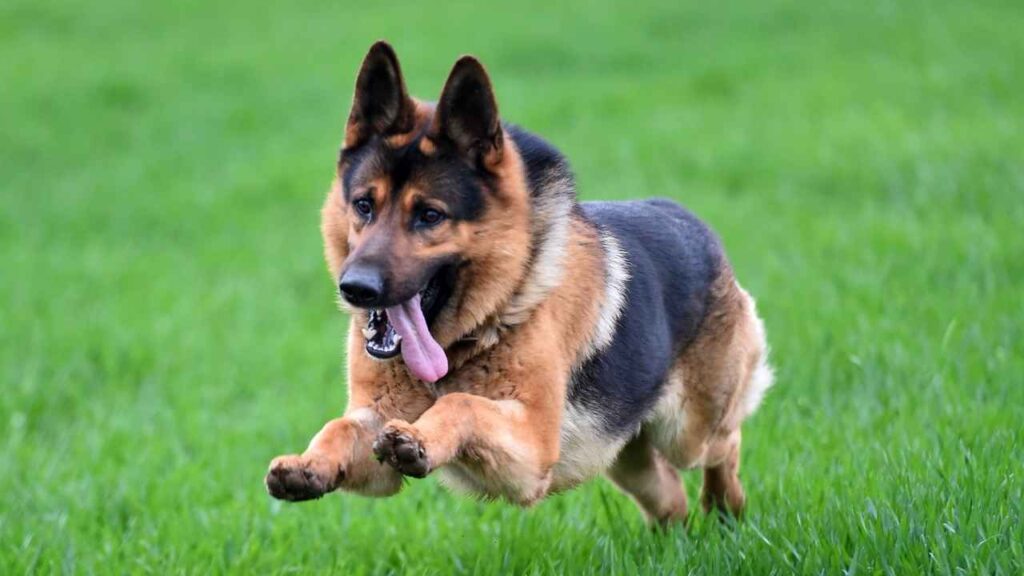
Early socialization expands their confidence in new situations. Exposure to varied environments helps them develop a stable temperament and reduces sensitivity to unfamiliar sounds or movements. Their intelligence allows them to adapt quickly once proper foundations are set.
Training a German Shepherd works best with clear communication and positive reinforcement. They respond well to handlers who offer direction and engaging challenges. This bond-driven learning style supports success in both family and working environments.
Because they enjoy purposeful activity, adding scent games, tracking exercises, or structured tasks enhances their overall well-being. Their trainability remains one of their strongest qualities. This makes them excellent choices for owners who enjoy an interactive training routine.
The English Mastiff approaches training at a slower, steadier pace. Their gentle nature pairs with a thoughtful learning style, which means they benefit from patient guidance. They respond best to calm, encouraging instruction rather than fast-paced drills.
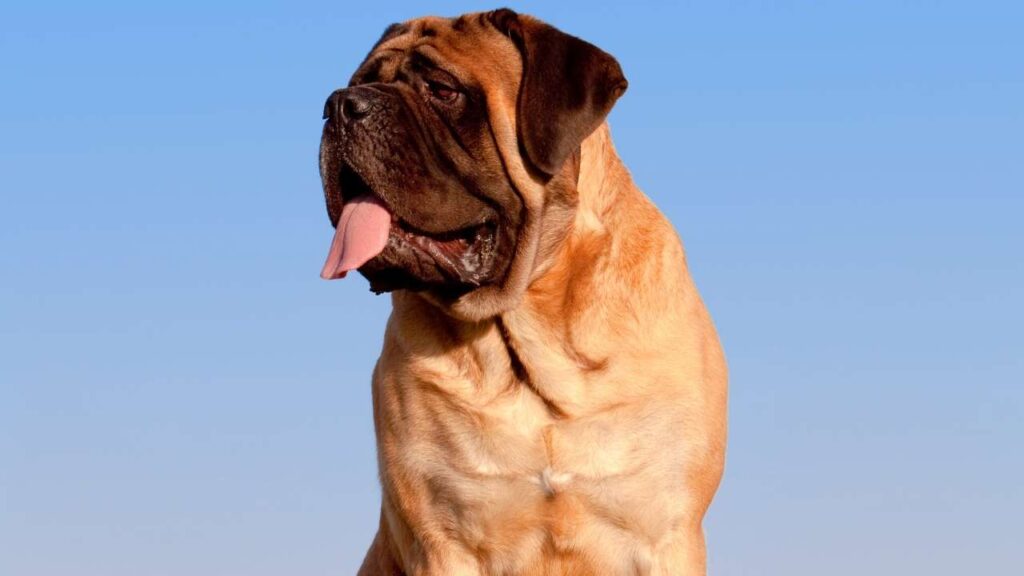
Socialization during puppyhood helps them become confident adults. Introducing them to friendly dogs, guest visits, and simple household experiences nurtures their stable temperament. These early steps support their natural ease around familiar people.
Because of their large size, reinforcing polite manners from an early age helps them move safely in shared spaces. Teaching loose-leash walking, doorway etiquette, and calm greetings is especially helpful. Their willingness grows when training sessions stay light and positive.
Once they understand a routine, they follow it reliably. Their bond with family motivates them more than high-intensity activities. This steady approach results in a well-mannered, deeply loyal companion.
Diet & Nutrition Needs
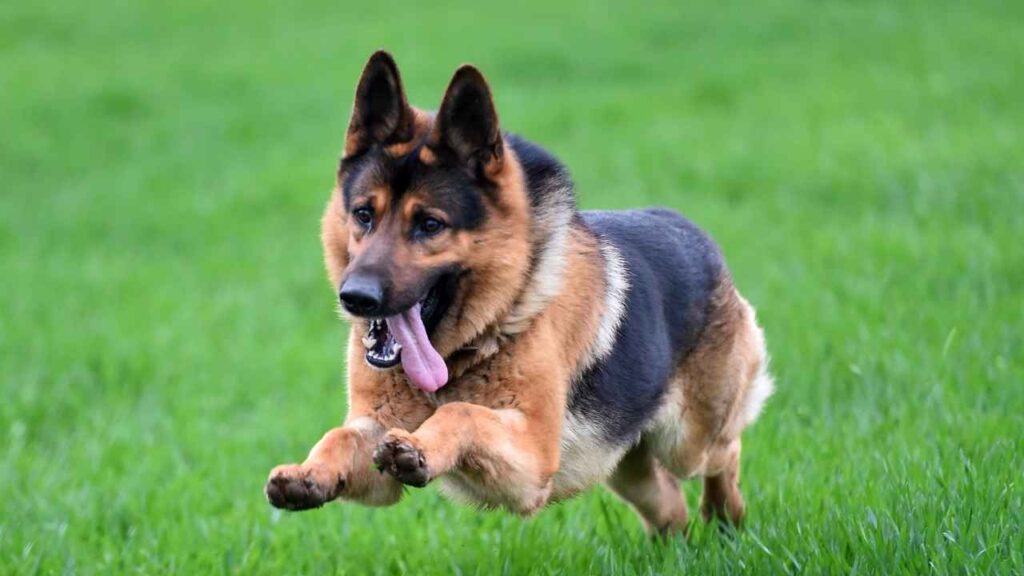
German Shepherds benefit from a nutrient-balanced diet that supports lean muscle maintenance and joint health. Foods rich in high-quality protein, omega-3 fatty acids, and controlled calcium levels are often recommended by veterinary nutritionists. These nutrients help maintain mobility and coat condition.
Their metabolism stays active because of their working lineage. Feeding schedules that divide meals can reduce the risk of digestive issues. Regular body-condition assessments help ensure they stay fit without excess weight.
Some individuals may have sensitive stomachs, so consistent ingredients and gradual diet changes can be beneficial. Adding vet-approved supplements may assist with joint support. Monitoring dietary response helps owners choose the right long-term plan.
A German Shepherd’s nutritional needs adapt as activity levels change. Puppies, adults, and seniors each have different caloric and mineral requirements. A well-planned diet supports their performance and overall vitality.
The English Mastiff requires careful, measured feeding due to its giant size and slow-growth pattern. Veterinary guidelines emphasize diets formulated specifically for large and giant breeds. These formulas help support developing joints and controlled weight gain.
Because Mastiffs can be prone to obesity, portion management becomes essential. Feeding two to three smaller meals supports steady digestion. Owners benefit from watching body condition and avoiding unnecessary extra calories.
Their heavy frame also means their joints experience significant load. Nutrients such as glucosamine and chondroitin may assist with long-term mobility. Fresh water and quality ingredients keep their system balanced.
Diet consistency plays a major role in maintaining digestive comfort. Slow adjustments prevent stomach upset. With proper nutrition, Mastiffs enjoy better stamina and overall well-being.
Health & Lifespan
German Shepherds have an average lifespan of 9–13 years. They are generally robust, though they can be predisposed to hip and elbow concerns. Regular screenings recommended by organizations such as the Orthopedic Foundation for Animals help monitor joint health.
Digestive sensitivity may appear in some dogs, so veterinary guidance supports long-term wellness. Maintaining a healthy weight significantly contributes to joint preservation. Dental care and routine checkups help detect early concerns.
Their activity level often contributes to excellent cardiovascular fitness. Balanced exercise supports strong muscles and keeps joints more flexible. Owners who prioritize proactive care often see greater longevity.
Understanding genetic lines also plays a role when selecting a puppy. Ethical breeders use health testing to reduce inherited risks. These efforts contribute to healthier, more resilient dogs.
The English Mastiff typically lives 6–10 years, consistent with many giant breeds. Their size places additional strain on the heart and joints, so regular veterinary evaluations are essential. Early detection of mobility or cardiac concerns helps maintain quality of life.
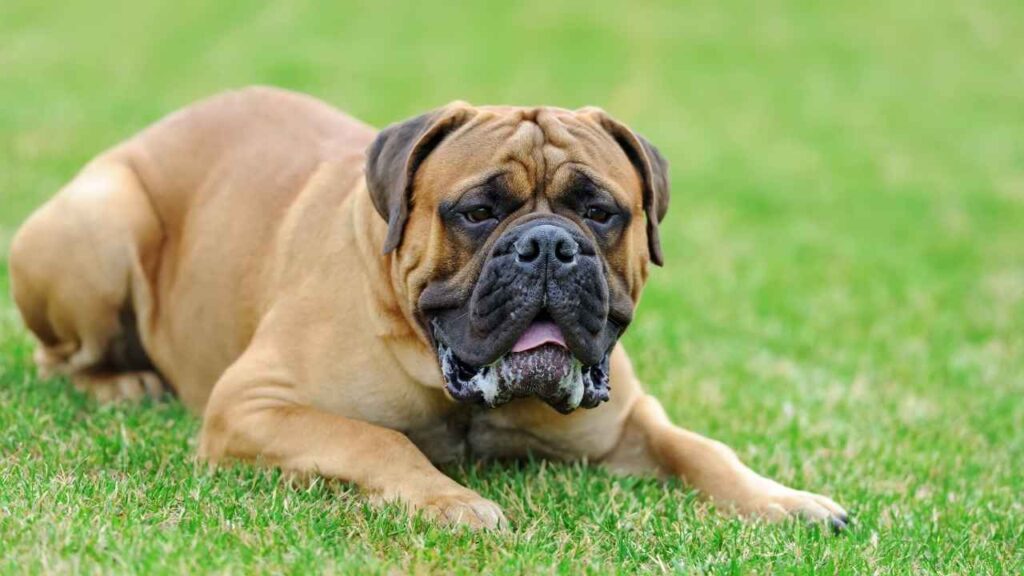
Controlled exercise and steady weight management reduce stress on their bones. Bed padding, nonslip flooring, and supportive rest areas improve comfort. Owners who follow veterinary care schedules often see improved long-term mobility.
Because giant breeds mature slowly, thoughtful growth management during puppyhood protects their developing frame. Veterinary orthopedic guidelines emphasize careful monitoring during this stage. Their gentle temperament makes medical care a smooth experience.
As they age, joint supplements and low-impact routines can support comfort. A calm lifestyle helps them remain relaxed and content. Their health needs reflect their monumental size.
Roles & Workability
The German Shepherd excels in diverse working roles across the globe. Police departments, search-and-rescue teams, and service-dog programs rely on their precision and problem-solving. Their agility and quick learning allow them to adapt to highly specialized tasks.
Their herding foundation still appears in their strong focus and directional awareness. This background makes them responsive in dynamic environments. Many handlers note their ability to stay composed during complex challenges.
Modern German Shepherds remain a favorite in sports such as tracking, IPO, and agility trials. These outlets highlight their intelligence and balanced drive. They often shine when given work that pairs physical and mental demands.
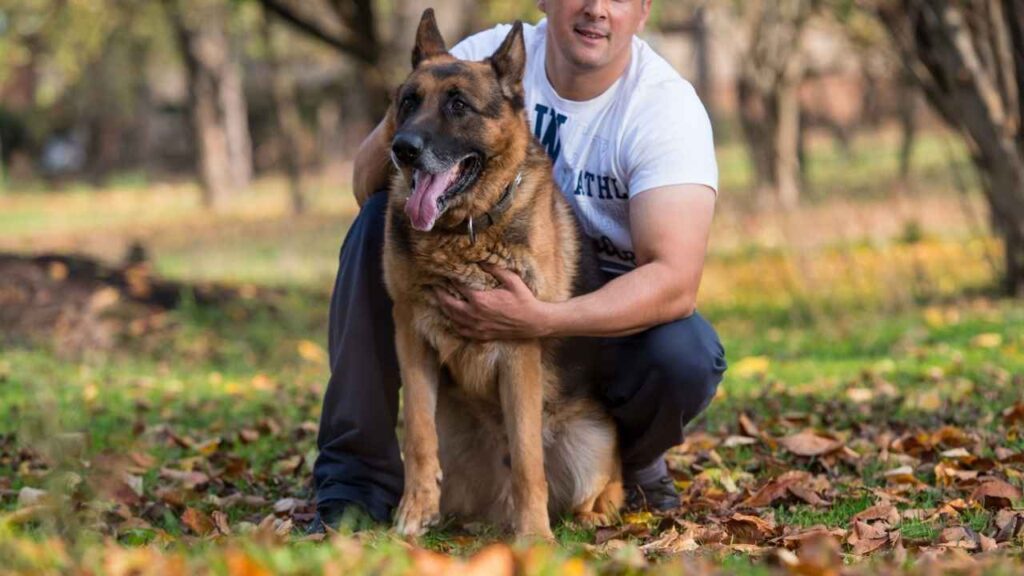
Their versatility stems from a blend of confidence, resilience, and eagerness to learn. This combination has made them one of the most useful working dogs in history. Their workability continues to evolve with new training approaches.
While the English Mastiff is not a high-drive working dog, its historical role as a guardian shaped its calm confidence. These dogs served as estate protectors and companions long before modern security systems existed. Their imposing size alone was often enough to deter threats.
Today, Mastiffs thrive primarily as steady family companions. Their presence contributes to a safe, peaceful home environment. Their patience makes them excellent partners for households that enjoy quiet routines.
They can succeed in low-intensity training roles focusing on manners and basic obedience. Their gentle nature pairs well with therapy-dog work when properly socialized. Their calm temperament comforts many people in assisted-living settings.
The Mastiff’s workability centers on companionship and emotional grounding. Their contribution lies not in fast-paced tasks but in reassuring stability. Their gentle strength remains a defining feature of their role.
German Shepherd vs. English Mastiff: Which One Is Right For Your Lifestyle?
Choosing between a German Shepherd and an English Mastiff often comes down to your daily rhythm, activity level, and the type of companionship you’re looking for. Each breed brings something very different to a home. Understanding those differences helps you see which one fits naturally into your routine.
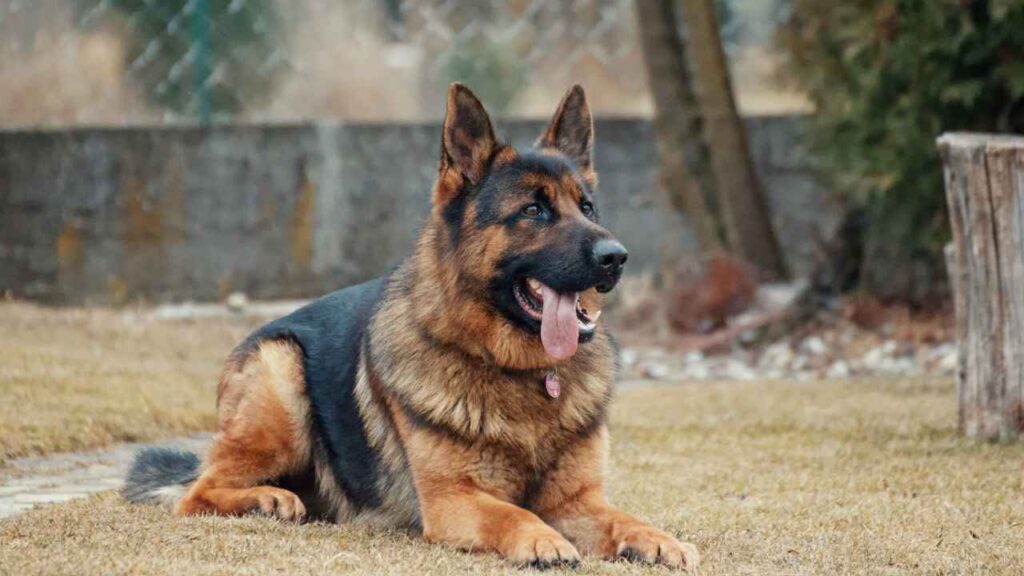
A German Shepherd suits households that enjoy structure, outdoor activity, and ongoing training. These dogs thrive when they’re mentally challenged and physically engaged. Owners who enjoy purposeful tasks, sports, or learning new skills with their dogs often find the German Shepherd’s drive extremely rewarding.
Their working background also aligns well with people who appreciate consistent communication and routine. They enjoy learning new tasks and staying mentally active. Homes that offer commitment, direction, and daily activity give them the environment they thrive in.
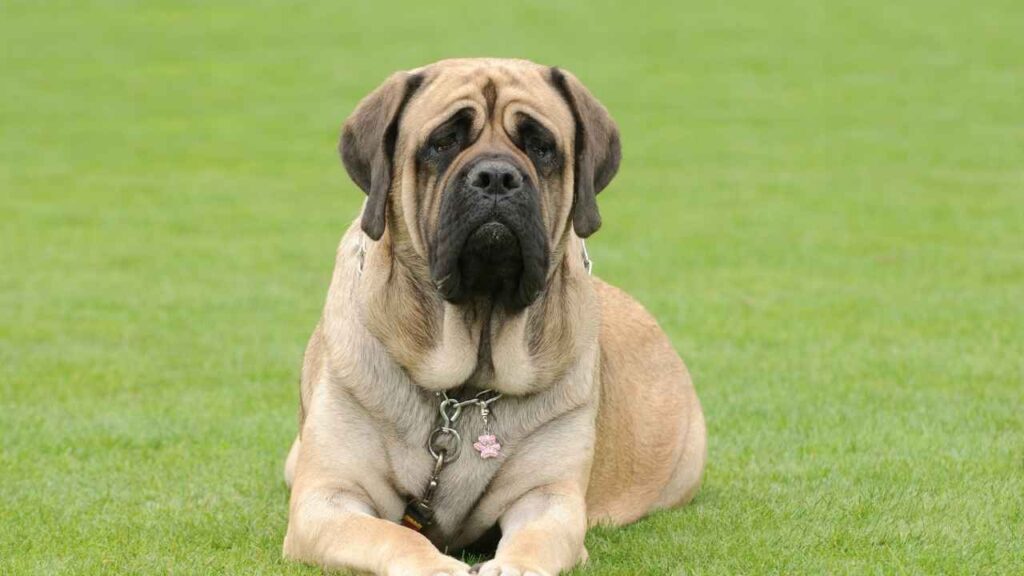
The English Mastiff fits a lifestyle centered around calm companionship and a slower pace. Their gentle nature blends well with relaxed households that appreciate quiet evenings, steady routines, and low-intensity activities. Owners who value a comforting, emotionally grounded presence often feel deeply connected to a Mastiff.
Their size calls for space and careful management, yet their temperament makes them wonderfully easygoing. They seek closeness over action, providing reassurance and stability. Families who enjoy peaceful moments at home may find the Mastiff’s calm temperament a perfect match.
If you want, I can now prepare your blog’s conclusion or a short FAQ section to boost SEO and reader engagement.
Conclusion
Here are our final thoughts: both the Mastiff and German Shepherd bring big heart, big character, and plenty of personality traits to any home. These two breeds suit different lifestyles, yet each can become a loyal friend who fills the couch and your life in the best way.
If you’re still exploring dog breeds, you might also peek at the German Shepherd Mastiff mix, Cane Corso, purebred German shepherds, pit bulls, or other large dogs with short coats that tend to shine with the right mental stimulation. Every mix has its charm, and thankfully, there’s no shortage of excellent family companions to love.
Take your time, expect fun, and choose a pet from reputable breeders or rescues who match your own pace. If you want help finding your perfect match, just tell me!
