




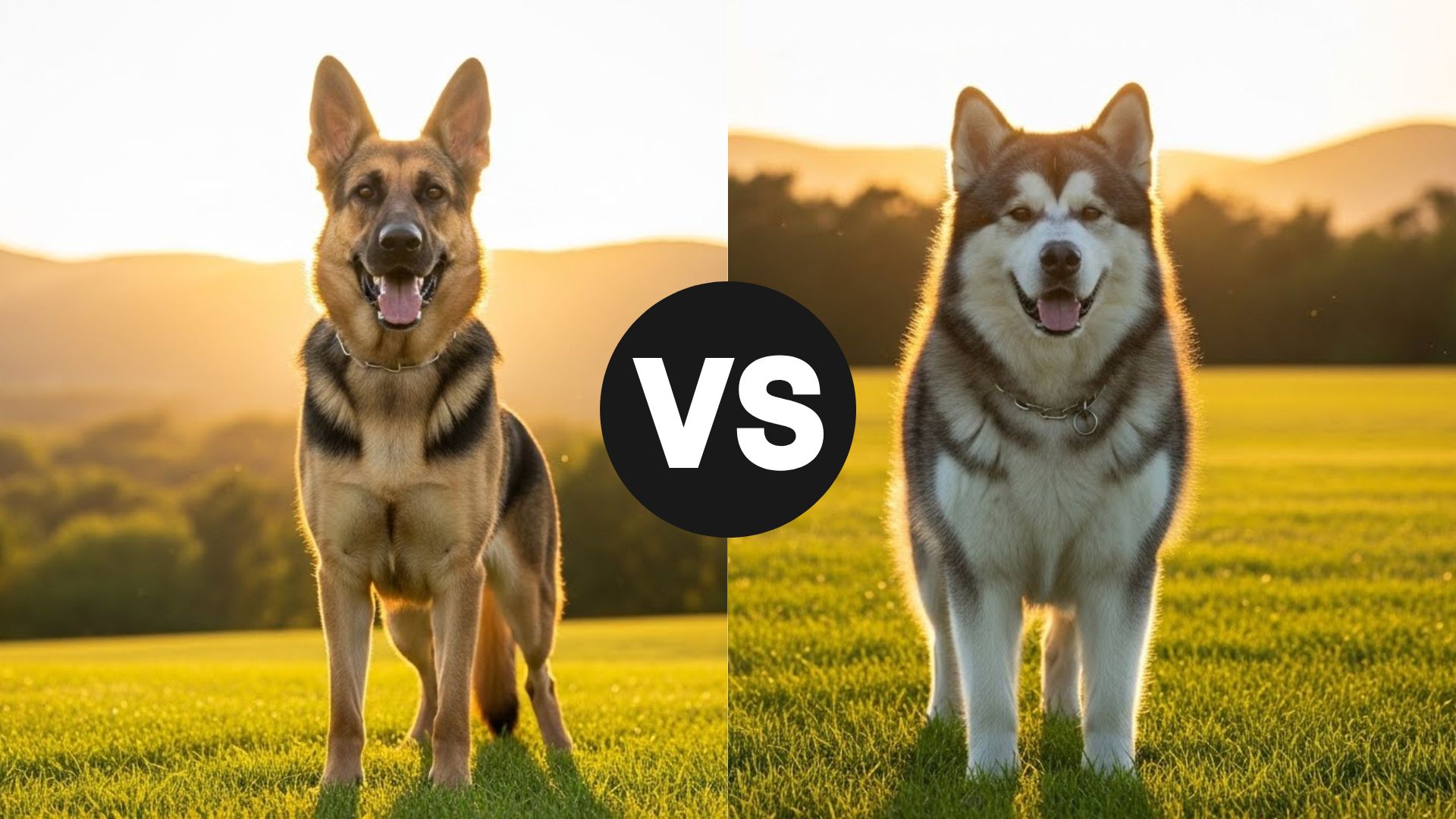
Have you ever wondered which dog fits your life better, the German Shepherd or the Alaskan Malamute?
These two powerful breeds often stand side by side in comparisons because both look strong, work hard, and stay loyal to their families. Each has unique breed traits that suit different lifestyles. Yet they are very different once you look closely.
In this guide, you will see how each breed stacks up in size, personality, grooming, exercise needs, and family life. By the end, you’ll know which dog fits your home, your energy, and your daily routine.
German Shepherd vs. Alaskan Malamute
Brief Overview
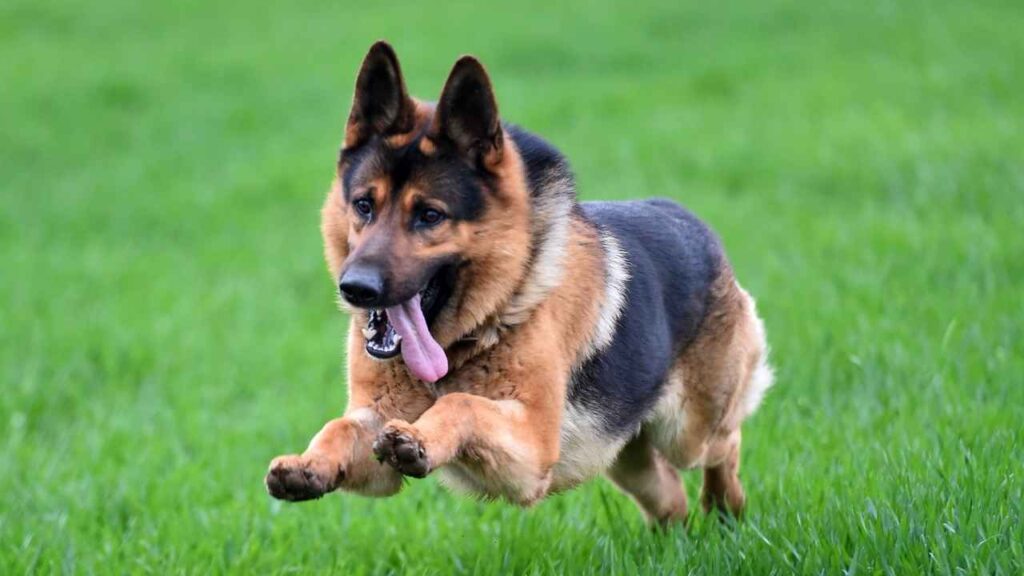
The German Shepherd and the Alaskan Malamute may look similar at first, but they are built for very different jobs. The German Shepherd shines in work that needs focus, quick thinking, and strong duty. The Malamute shines in work that needs strength, stamina, and long stretches in the cold.
The German Shepherd is known for quick thinking and fast learning. According to Britannica, the German Shepherd is one of the world’s most intelligent working dogs and is trusted in police and rescue work for its keen mind and steady nature, often saving lives in critical situations.
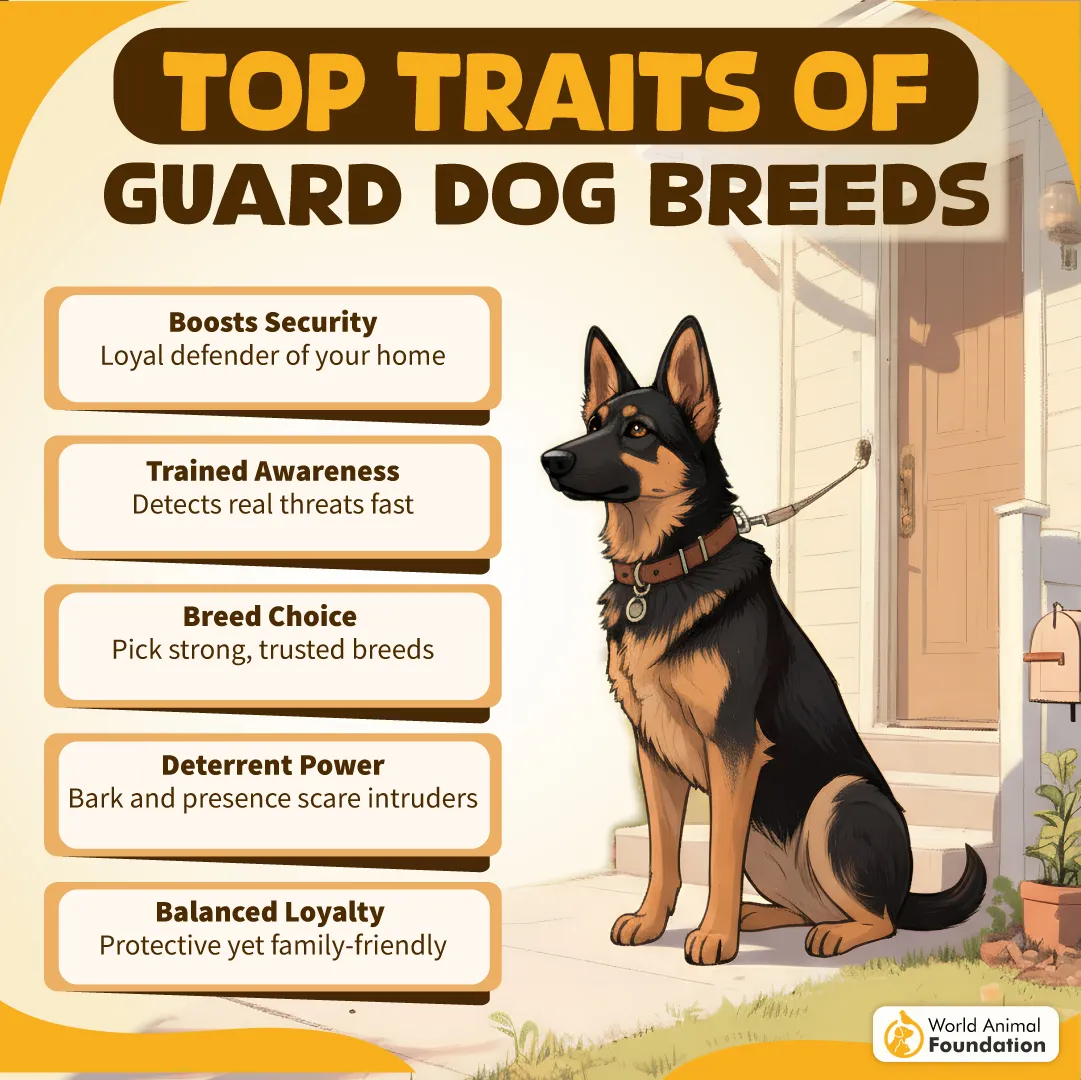
This is one reason many people choose a German Shepherd as a guard dog or a loyal home companion.
The Alaskan Malamute brings a very different type of strength. As noted by the AKC, the Alaskan Malamute is one of the oldest Arctic sled dogs and was built to pull heavy loads across frozen land for long hours. This history gives the Malamute a bold spirit, strong body, and deep love for adventure.
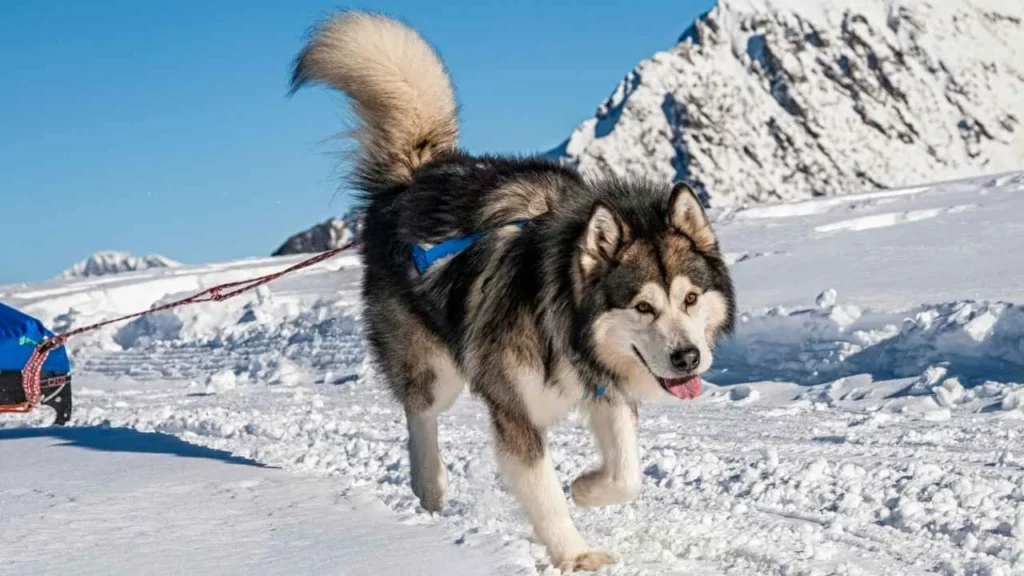
The Alaskan Malamute is heavier and more powerful. Its thick coat and wide frame help it move through deep snow and harsh winter winds. It has slow, steady energy rather than quick bursts. It fits best in homes that enjoy outdoor life, long walks, and wide open spaces.
Both dogs are strong, confident, and full of personality. They fit different daily routines, and knowing these quick differences helps you see which one could be the better match for your daily life.
Origins & Purpose
German Shepherd Origins
The modern German Shepherd began in Germany in the late 1800s. A cavalry officer named Max von Stephanitz wanted a reliable sheep‑herding dog. He believed in a strong dog with a sharp mind and steady temperament.
That first dog — Horand von Grafrath — became the prototype for all future German Shepherds. Over time, German Shepherds gained a reputation for being smart, loyal, and adaptable, with instincts that can trace back to wolf ancestry.
Their herding background gave them instincts to guard flocks and guard property.
As society changed, so did the breed’s role. People realized the German Shepherd’s value beyond farms. Many now use them as working dogs, guard dogs, service animals, or loyal family pets.
Alaskan Malamute Origins
The Alaskan Malamute traces back thousands of years to Arctic regions. It was bred by the Mahlemut Inuit tribe of Alaska. The tribe needed strong, reliable dogs that could survive in cold, harsh climates.
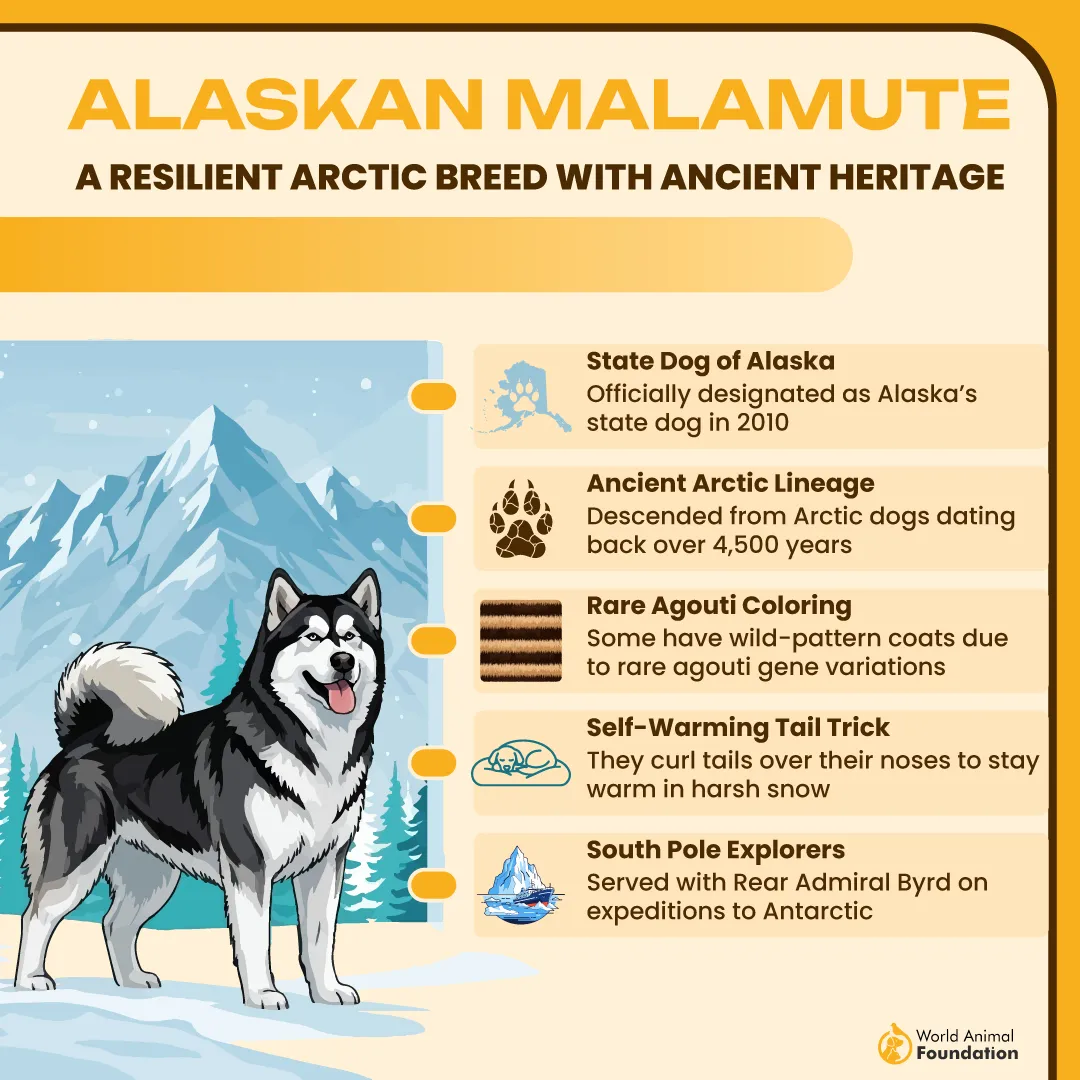
Mals pulled heavy loads across deep snow, helped haul supplies, and supported survival in frozen lands. Malamutes were never bred for speed. Instead, they were built for strength, endurance, and resilience.
Over centuries, they proved their worth hauling sleds full of supplies, transporting goods, and sometimes helping with hunting and guarding. That history shaped their powerful bodies, thick coats, and loyal nature.
Today, many Alaskan Malamutes live as household dogs rather than working sled dogs. But their heritage still shows in their sturdy frame, endurance, and love for outdoor work, hiking, or cold-weather activity.
Size & Physical Build
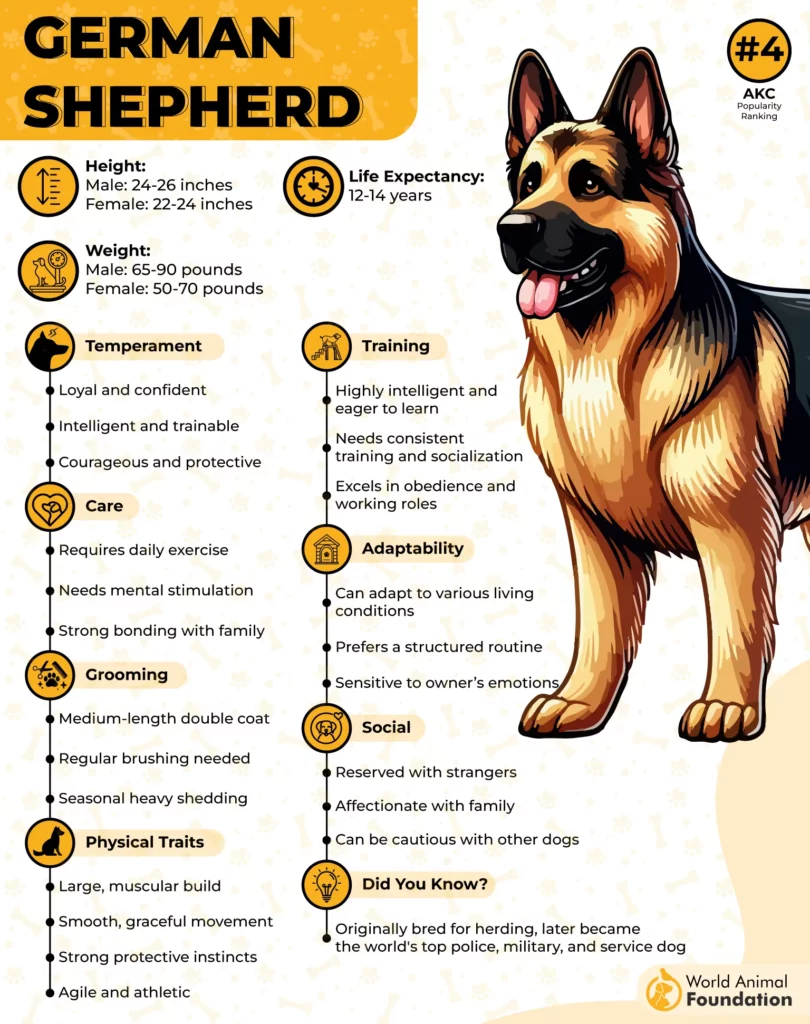
German Shepherd Build
German Shepherds are athletic and lean. Adult males usually weigh 65–90 pounds, while females weigh 50–70 pounds. Their height ranges from 22 to 26 inches at the shoulder. German Shepherds have strong legs, a deep chest, and a straight back.
As noted by PetMD, their body is built for agility and speed. This makes them excellent for work, running, and quick movements. The GSD’s head is proportionate, with a long muzzle and alert ears.
Their build allows them to move with power, yet remain balanced. Despite their size, they can be mild-mannered and fast learners when instructed.
Alaskan Malamute Build
Alaskan Malamutes are larger and heavier. Males often weigh 85–100 pounds, and females 75–85 pounds. They stand 23–25 inches tall at the shoulder.
Their bodies are solid and muscular, designed to pull sleds and survive harsh cold climates. Malamutes have broad chests, strong legs, and thick necks. Their heads are large with erect ears and almond-shaped eyes.
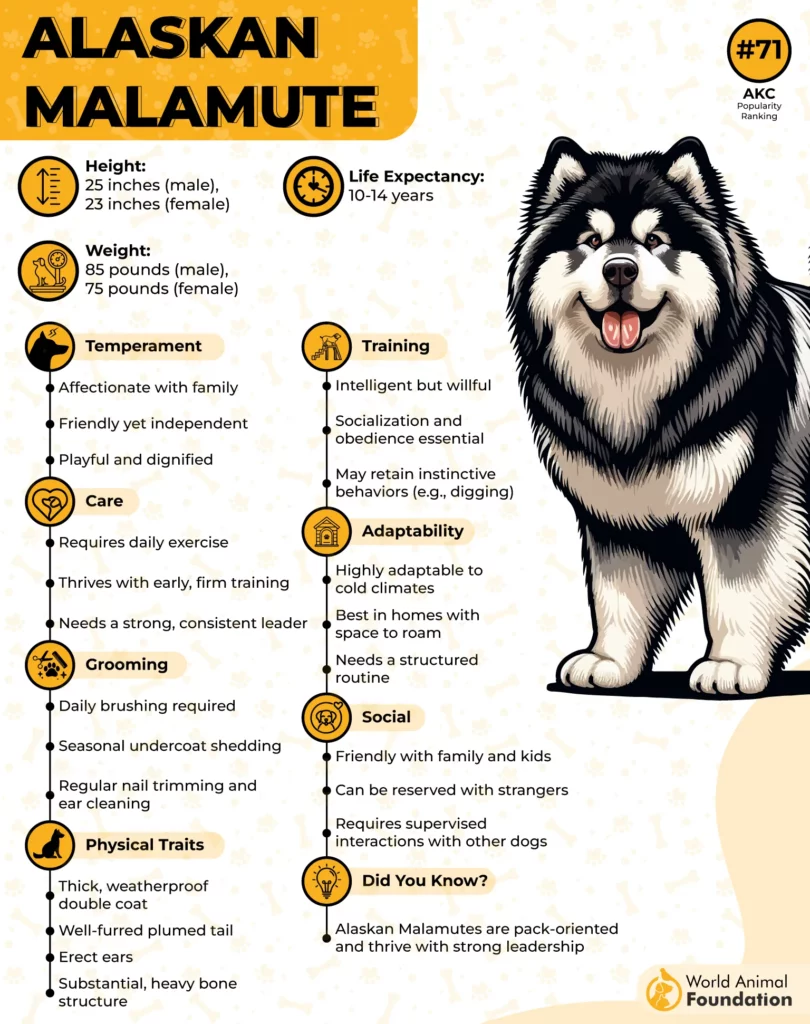
Thick double coats keep them insulated in freezing temperatures. Unlike the GSD, their build favors power and endurance over speed.
Quick Comparison
In short, the German Shepherd is more agile and athletic, while the Malamute is powerful and built for strength. Both are strong, confident dogs. Your choice depends on your daily routine: do you prefer quick, alert movements or steady, heavy-duty strength?
Temperament & Personality
German Shepherd Temperament
German Shepherds are devoted and attentive companions. They form close bonds with people. Always observant, they carefully monitor their home environment. With sharp minds, they quickly understand tasks and react well to guidance.
Socialization is key. Early exposure to other pets and strangers helps a GSD stay calm and friendly. Without it, they can become overly protective or wary. These dogs thrive with structured routines and consistent guidance. They enjoy mental challenges, like puzzle toys or obedience exercises.
Alaskan Malamute Temperament
Alaskan Malamutes are friendly, soft, and lively. They are more independent than German Shepherds, but they love human companionship. Malamutes are social and enjoy being around loved ones, yet they have a strong high prey drive, so small pets may not be safe without supervision.
Malamutes are less territorial. They rarely guard property but are loyal and protective in their own way. Their history as sled dogs makes them resilient and steady, with patience for outdoor games and long activities.
Quick Comparison
German Shepherds are intelligent, focused, and highly watchful. Malamutes are social, lively, and strong-willed. Both dogs have bold personalities, but express them differently. The right choice depends on whether you want a protector or a friendly, energetic companion.
Exercise & Energy Levels
German Shepherd Exercise Needs
German Shepherds have high energy and need regular physical activity. Daily walks, runs, trips to the park, or guidance sessions keep them healthy and happy. Without exercise, they can become bored and develop behavior problems like chewing or excessive barking.
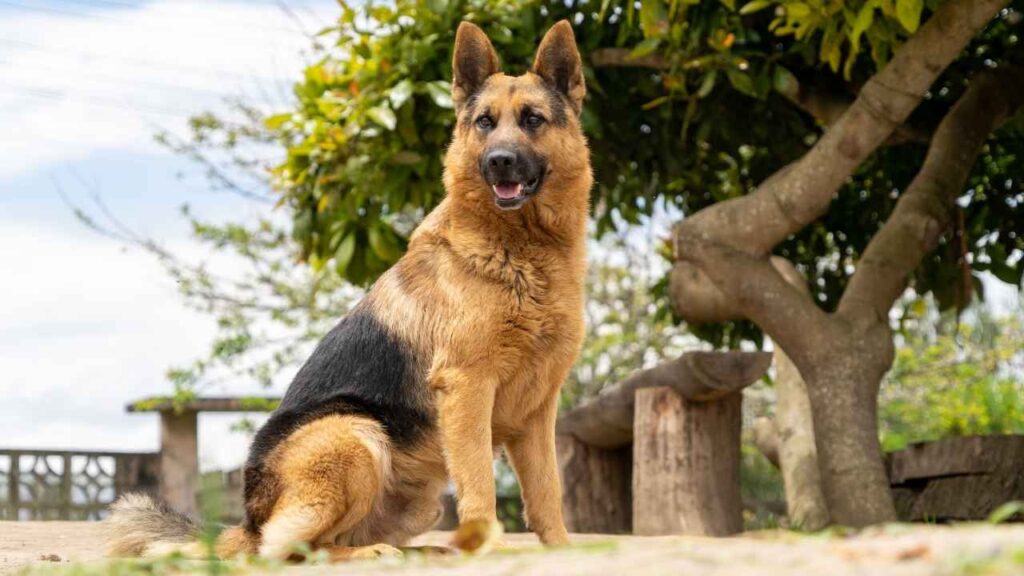
GSDs also love to play. Games like fetch, tug, or obstacle courses are perfect. Mental stimulation is just as important as physical. Puzzle toys, obedience drills, or learning new commands keep their minds sharp.
Alaskan Malamute Exercise Needs
Malamutes need long, steady exercise sessions and love exploring open spaces. Long walks, hiking, or running are essential. Without enough activity, Malamutes can become restless or destructive.
Malamutes enjoy outdoor play more than structured guidance. They love snow, open spaces, and running with a pack. Strong fences and secure yards are a must because their roaming instinct is powerful.
Quick Comparison
Both breeds need plenty of exercise. The German Shepherd thrives with a mix of mental and physical activity, while the Malamute focuses more on long, steady outdoor work. Knowing your daily routine will help decide which dog fits best.
Training & Intelligence
German Shepherd Training
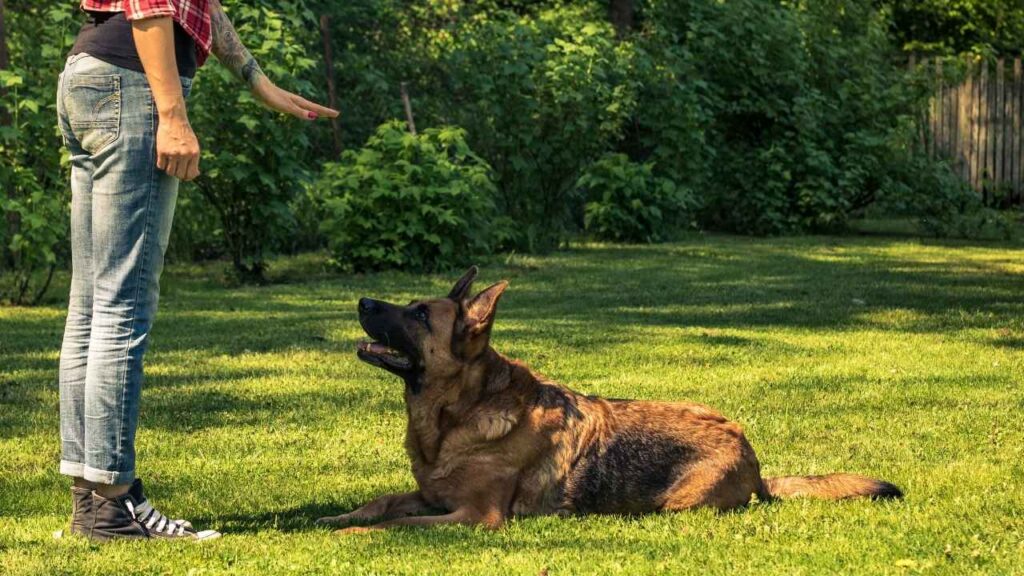
German Shepherds are extremely intelligent and quick learners. They pick up commands faster than most breeds. This makes them easy to teach for obedience, protection work, or service tasks. Positive reinforcement with treats and praise works best.
Early socialization is key. Introducing a GSD to other pets, strangers, and children helps them grow confident and well-behaved. Their natural desire to protect and work makes them loyal and reliable companions.
Alaskan Malamute Training
Alaskan Malamutes are smart but more independent. They react best to firm, consistent guidance. Unlike German Shepherds, they may ignore commands when bored.
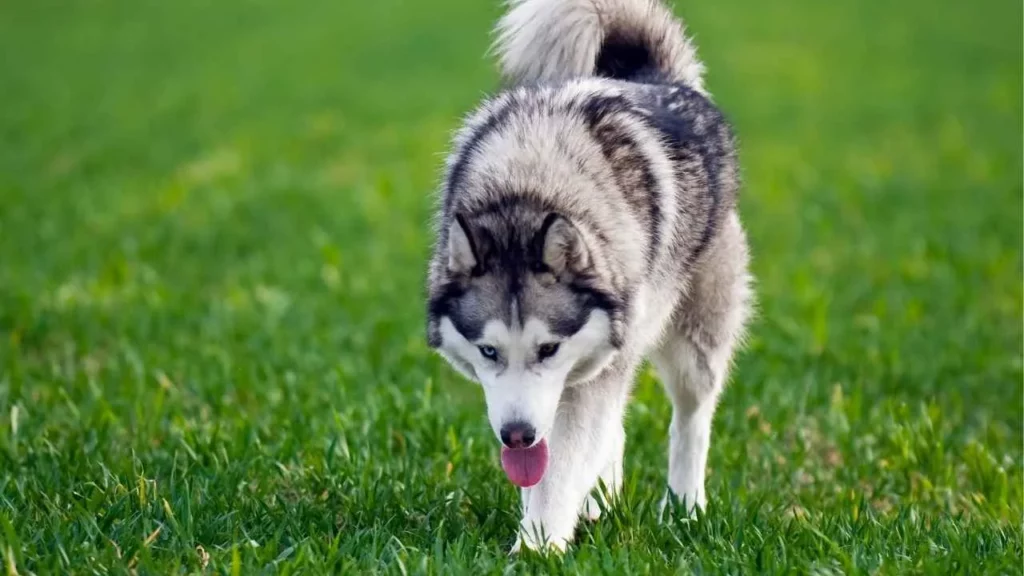
Early socialization with children, other pets, and new environments is essential. Training should focus on boundaries, recall, and leash manners. Malamutes need patience and creativity from owners.
Quick Comparison
The German Shepherd is easier to teach and highly obedient. Malamutes require more patience and creativity. Both breeds can learn well, but your approach must fit their personality.
Coat Maintenance
German Shepherd Grooming
German Shepherds have a double coat that sheds year-round. They need weekly brushing and extra grooming during seasonal shedding. Bathing can be done occasionally, but overbathing may dry their skin.
Proper grooming helps reduce hair in the house and keeps the coat healthy. Cleaning ears and trimming nails regularly are also important.
Alaskan Malamute Grooming
Alaskan Malamutes have thick, heavy coats. They shed heavily, especially in warm climates. Daily brushing during shedding seasons is needed. Regular bathing and grooming prevent matting and maintain skin health.
Malamutes are built for cold climates. In warm climates, coat maintenance is even more important to prevent overheating.
Quick Comparison
GSDs require moderate grooming, while Malamutes need more time and effort. Both benefit from early coat care habits
Health & Lifespan
German Shepherd Health
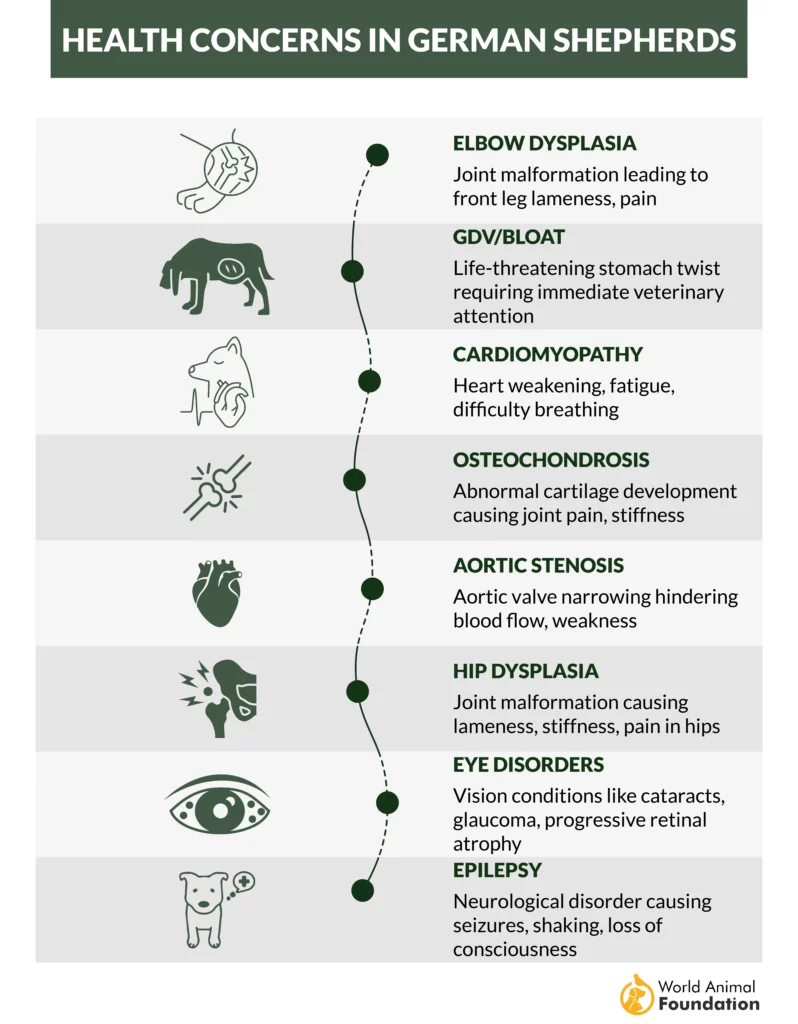
German Shepherds are generally healthy, but can have hip and elbow issues. They live around 9–13 years. Regular vet check-ups and proper diet help prevent common problems.
GSDs are prone to some genetic conditions, so responsible breeding matters. Exercise and lifestyle play a key role in long-term health.
Alaskan Malamute Health
Alaskan Malamutes typically live 10–14 years. They can develop hip dysplasia, thyroid problems, and eye conditions. Regular vet visits, proper diet, and exercise are essential.
Malamutes are hardy dogs, but extreme activity or weight gain can cause joint problems. Proper care is key to a healthy, active life.
Quick Comparison
Both breeds can live long, healthy lives with proper care. GSDs may have more joint issues, while Malamutes need attention to weight and coat health.
German Shepherd vs. Alaskan Malamute: Which one suits best for Guarding or a Family Pet?
Best for Guarding
German Shepherds are natural protectors. They are alert, loyal, and respond quickly to threats. Their watchful instincts make them ideal for guarding homes, property, or family. With proper guidance, a GSD can distinguish between strangers and friends.
Malamutes are friendly and less territorial. They rarely guard property, so they are not ideal for protection work. Their loyalty is toward companionship rather than defense.
Best for Family Life
Both breeds can be companions, but in different ways. German Shepherds are watchful and may need structured supervision with children and other pets.
Alaskan Malamutes are social and loving with family members. They enjoy long outdoor games and are gentle with kids. However, their high prey drive requires caution with smaller animals.
Quick Decision
If you want a guard dog and a loyal protector, the German Shepherd is your best fit. If you want a strong, lively, and friendly companion for outdoor adventures, the Alaskan Malamute fits better.
Conclusion
Choosing between a German Shepherd and an Alaskan Malamute depends on your lifestyle, space, and needs.
Do you want a dog that protects your home or one that joins in long, energetic outdoor adventures?
German Shepherds are alert, intelligent, and loyal. They thrive on guidance, work, and structured daily exercise. Alaskan Malamutes are strong, friendly, and lively. They need space, activity, and proper grooming.
Both breeds have unique traits, temperament, and energy levels. Understanding these helps you provide the right care and environment.
Which one fits your home? Are you ready for a loyal protector or a playful companion?
Whichever you choose, both breeds offer love, devotion, and an active lifestyle that can bring years of joy.
