




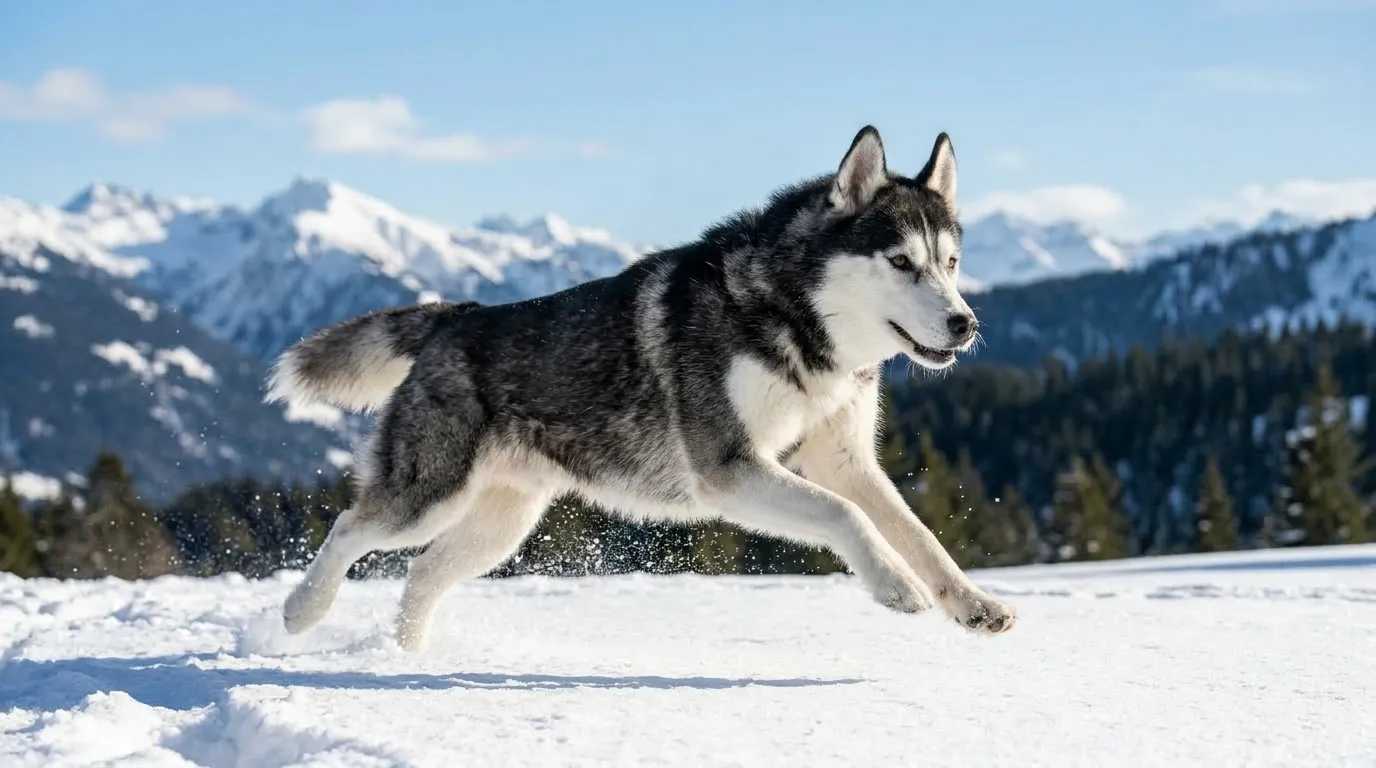
Big strength. Fast feet. Hearts full of fire, too.
Some dogs look athletic. These dog breeds feel athletic in real life. They move with purpose. They can go longer than you expect. And here’s the best part! Their bodies are not just “strong.” They are built for real work, real weather, and real physical activities.
Many of these breeds were originally bred to pull, guard, track, herd, or hunt. That past still shows up today in their muscles, balance, and drive.
But why bother with that? Because remarkable physicality is not just about looks. It means stamina, agile movements, natural athleticism, and the ability to handle physical tasks without falling apart.
If you love an active lifestyle, this blog is for you. You will meet loyal companions, serious athletes, and a few lovable chaos gremlins.
Exceptional Dog Breeds Possessing Remarkable Physicality
1. Border Collie
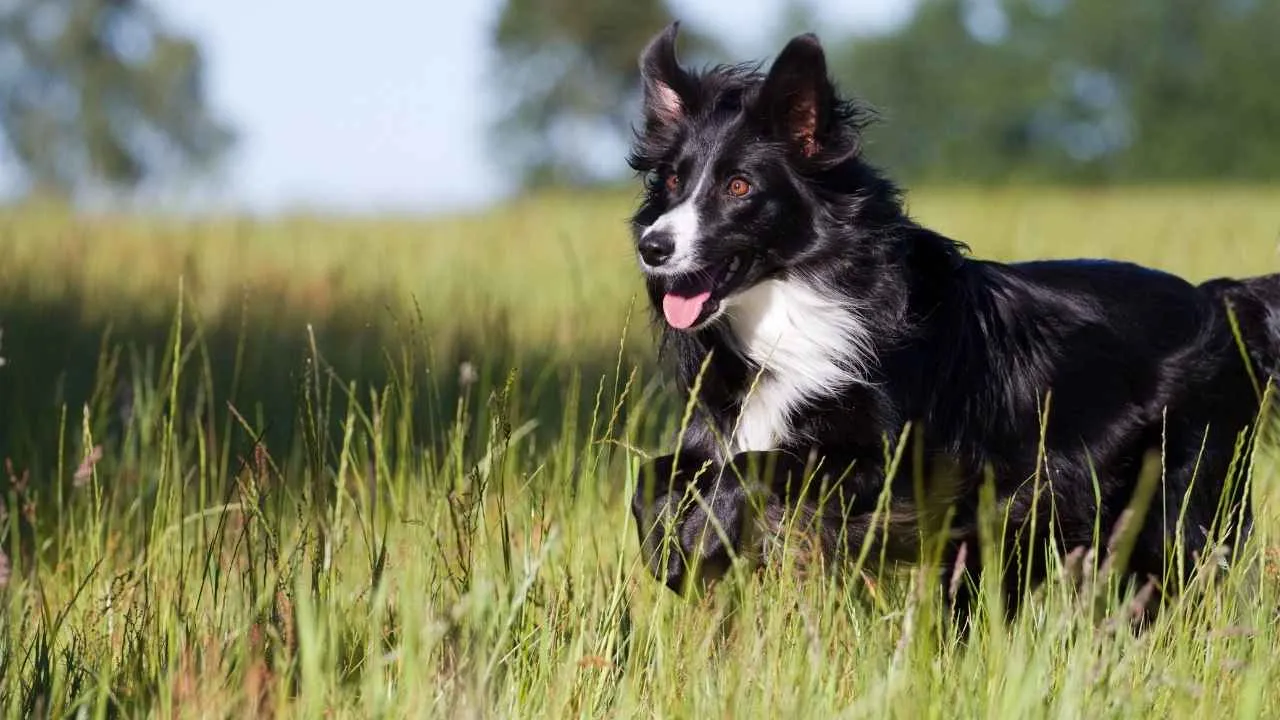
Border Collies are herding dogs famous for speed, focus, and a brain that never sleeps. They were originally bred for herding sheep across rough hills, and it shows in their incredible endurance. Some can cover huge distances during a working day, then still look at you like, “Cool. What’s next?”
Their build is made for control. Light frame, quick turns, and incredibly agile footwork. That’s why Border Collies shine in various dog sports and can crush agility competitions when the handler keeps up.
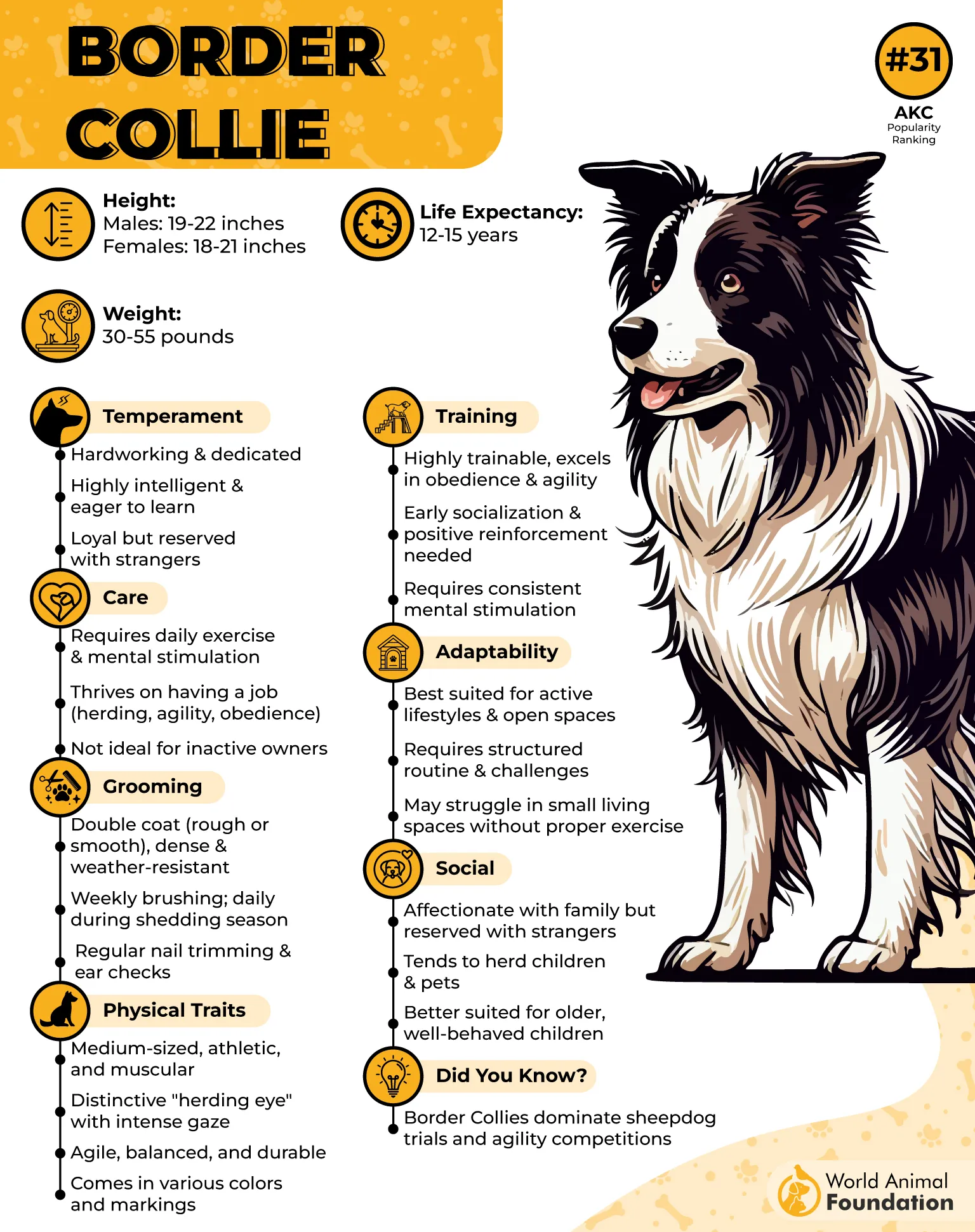
They are also smart dogs in a way that feels almost unfair. Give them a job, and they glow. Skip the job, and it gets even worse, though, because boredom can lead to destructive behaviors.
For active families, this breed can be amazing, but only with proper training and mental stimulation. Think of daily challenges, not just a walk.
A short run, a training game, and puzzle toys can help prevent destructive behaviors. Border Collies can be great family pets in the right home, but they need human family members who enjoy moving.
The body of a born athlete
Boundless energy that needs a plan, not a “maybe later.”
Excels at agility training and herding breeds style work
Loves physical challenges and quick-thinking games
Best with consistent training and early socialization
2. Siberian Husky
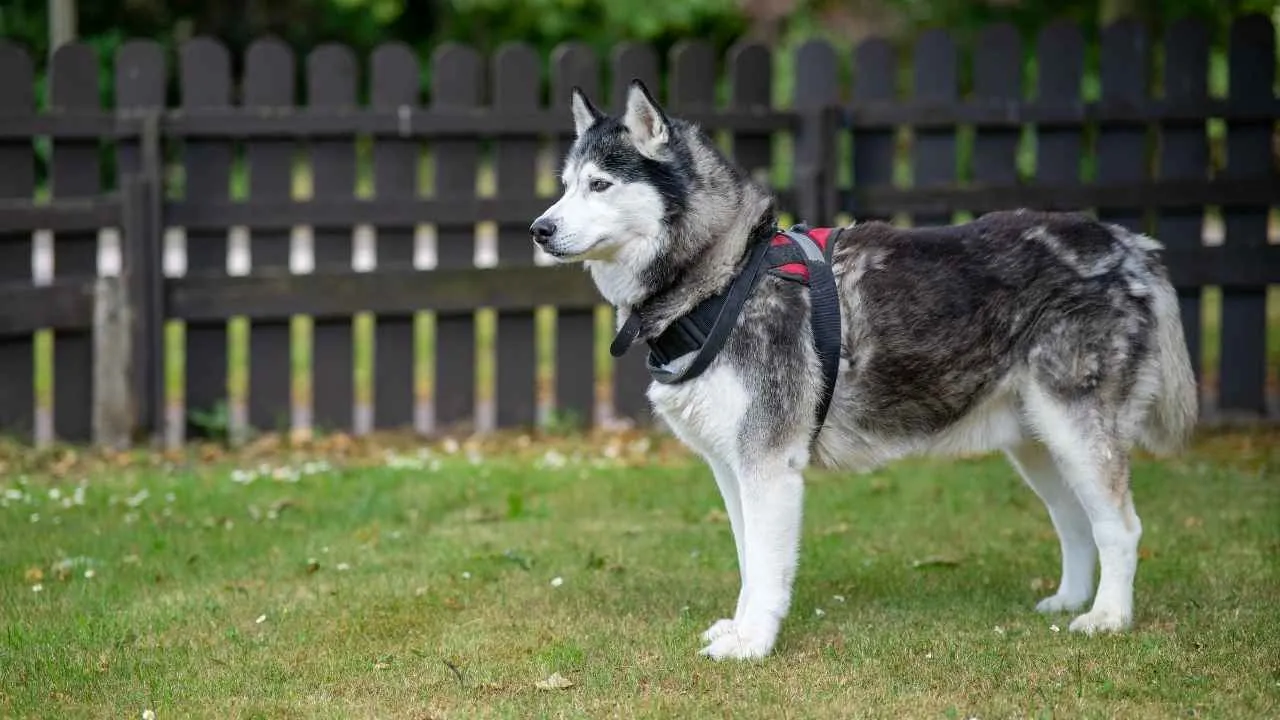
The Siberian Husky is built like an engine. Not a bodybuilder. An engine. They were originally bred by Arctic communities to pull sleds over long distances in cold climates, and that history is still stamped into their body. Compact frame, efficient stride, and a thick double coat that laughs at winter, making them one of the most popular dog breeds.
This is one of those energetic dogs that can run, rest, and then run again. Their incredible endurance is the headline. They can keep going when many other dogs tap out. Sounds crazy, right? But that stamina is real, and it’s why they fit active families who actually love daily physical activities.
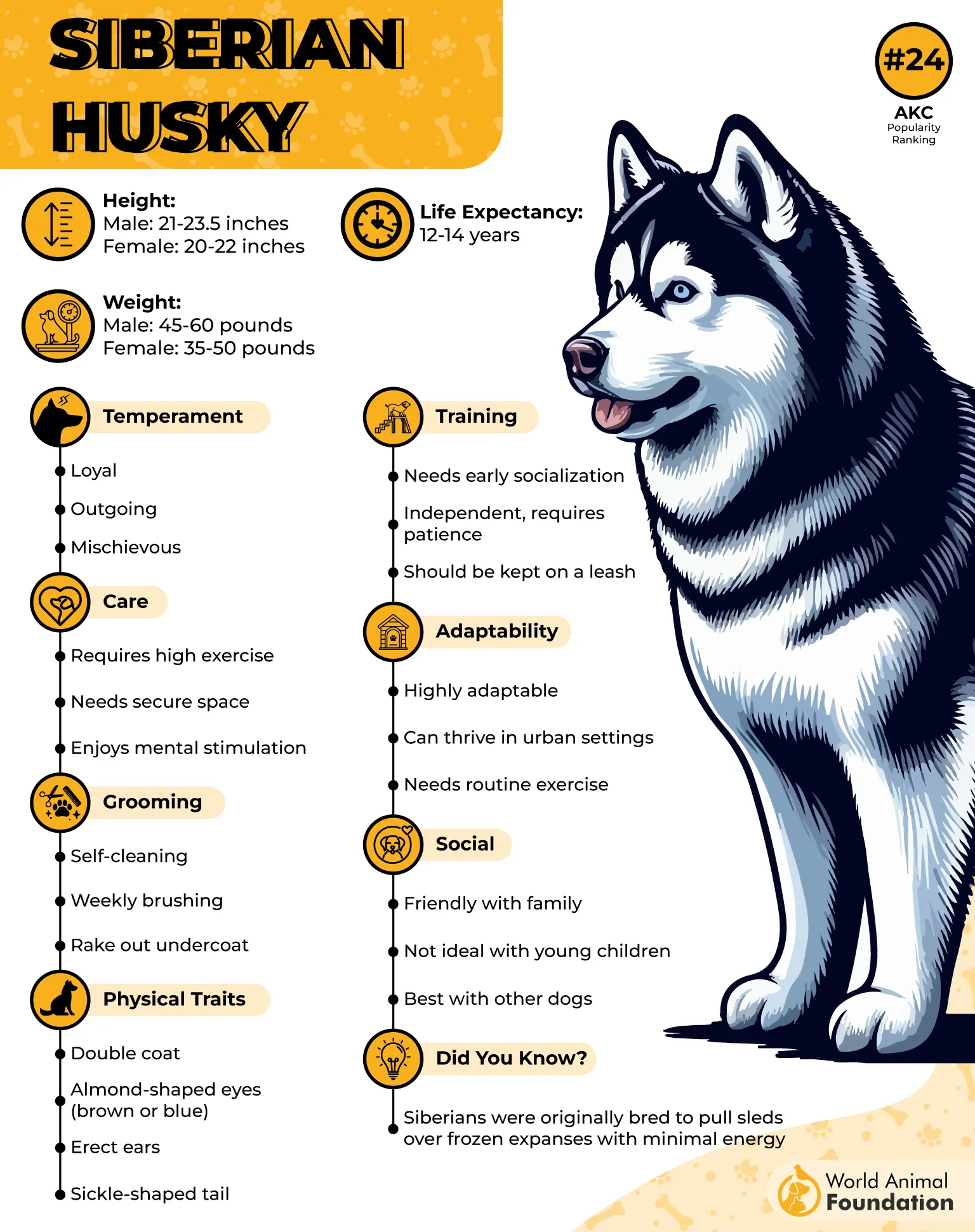
Huskies also need mental stimulation, because intelligent dogs get bored fast. They can also be independent nature champions. Translation: they might hear you, understand you, and still choose chaos.
Positive reinforcement training helps, and so does variety. Mix running, games, and short skill sessions. In hot weather, be careful. Their coat is made for cold, not summer heat.
Winter-built stamina, everyday fun
Strong pull drive and requires endurance
Thick coat for cold climates, but heat needs caution
Great for active lifestyle homes with time for physical exercise
Social, playful nature, and often loud about it
3. Akita
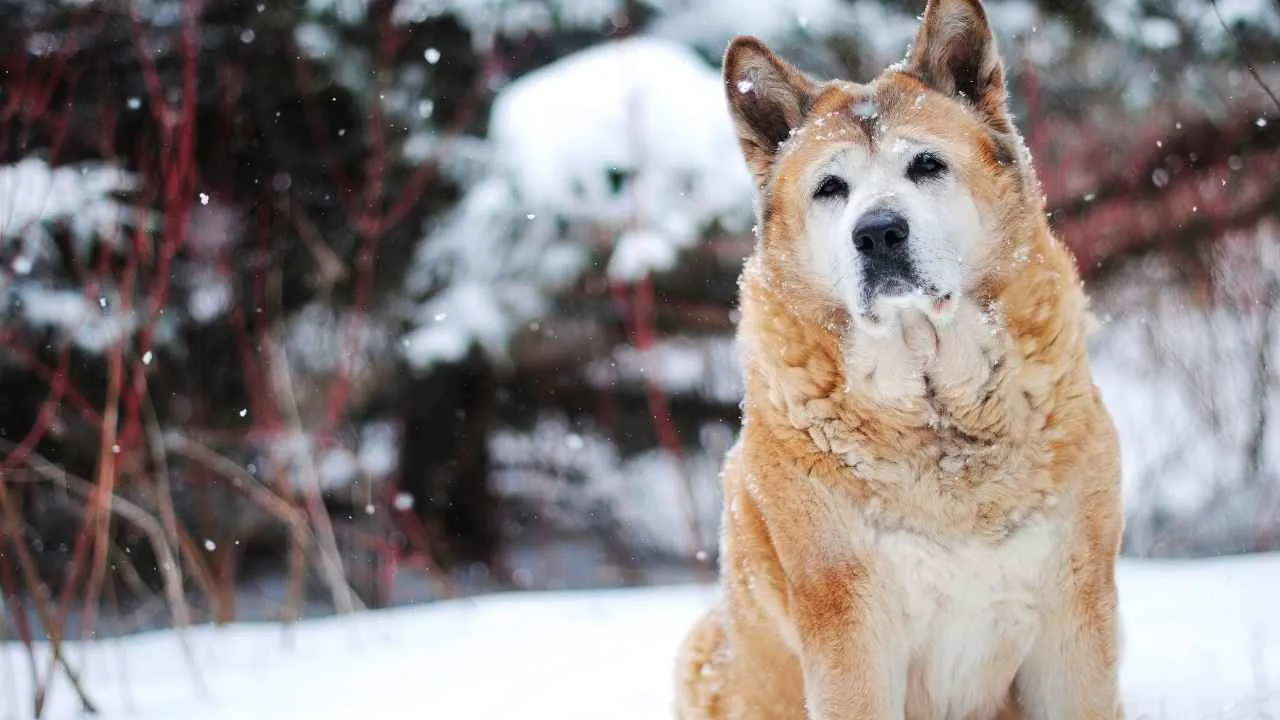
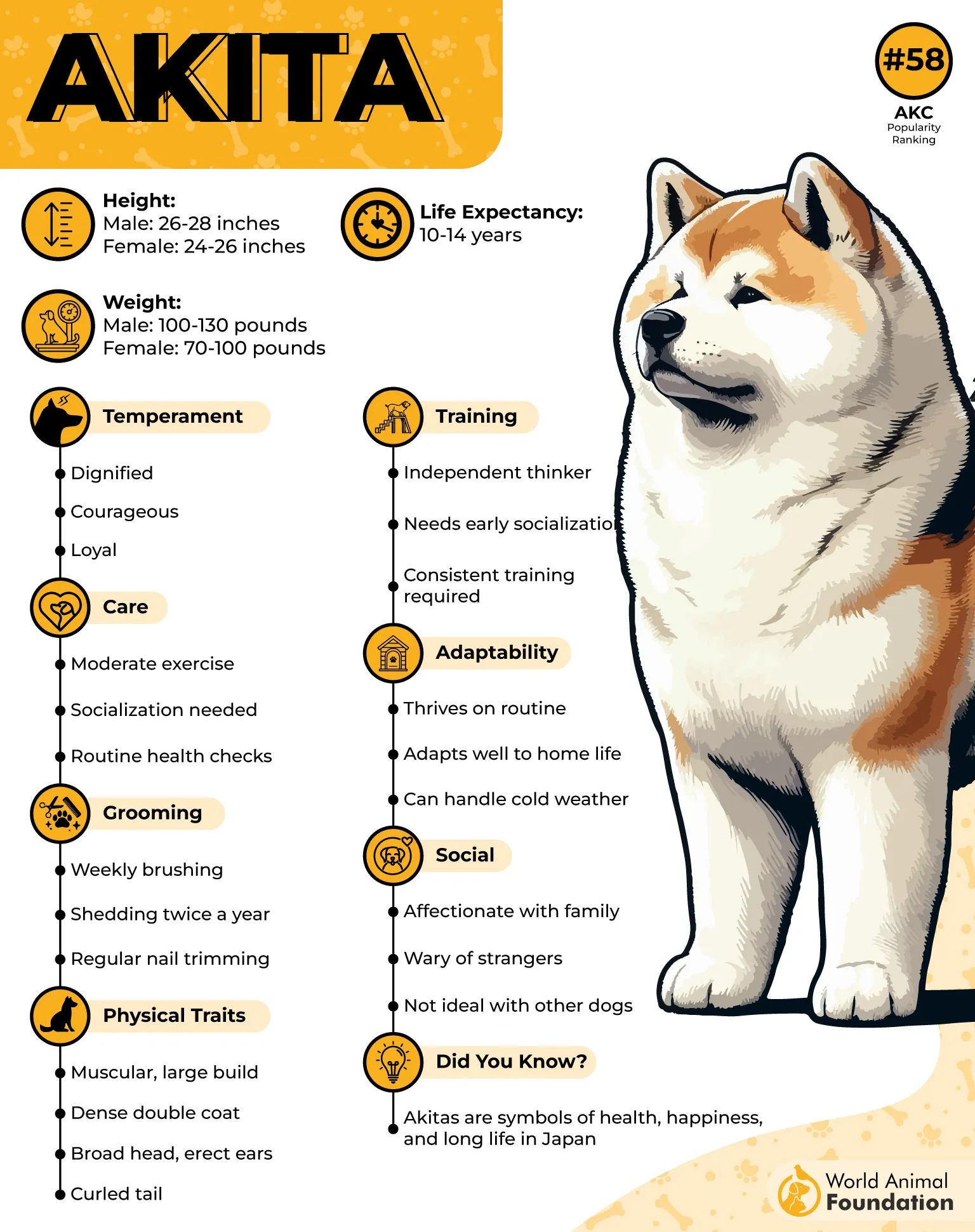
Akitas carry power like they were born wearing armor. They were originally bred in northern Japan to hunt and guard, which explains their physical strength and calm confidence. Their body is solid and balanced, not flashy. They look like they could walk through a storm and never blink.
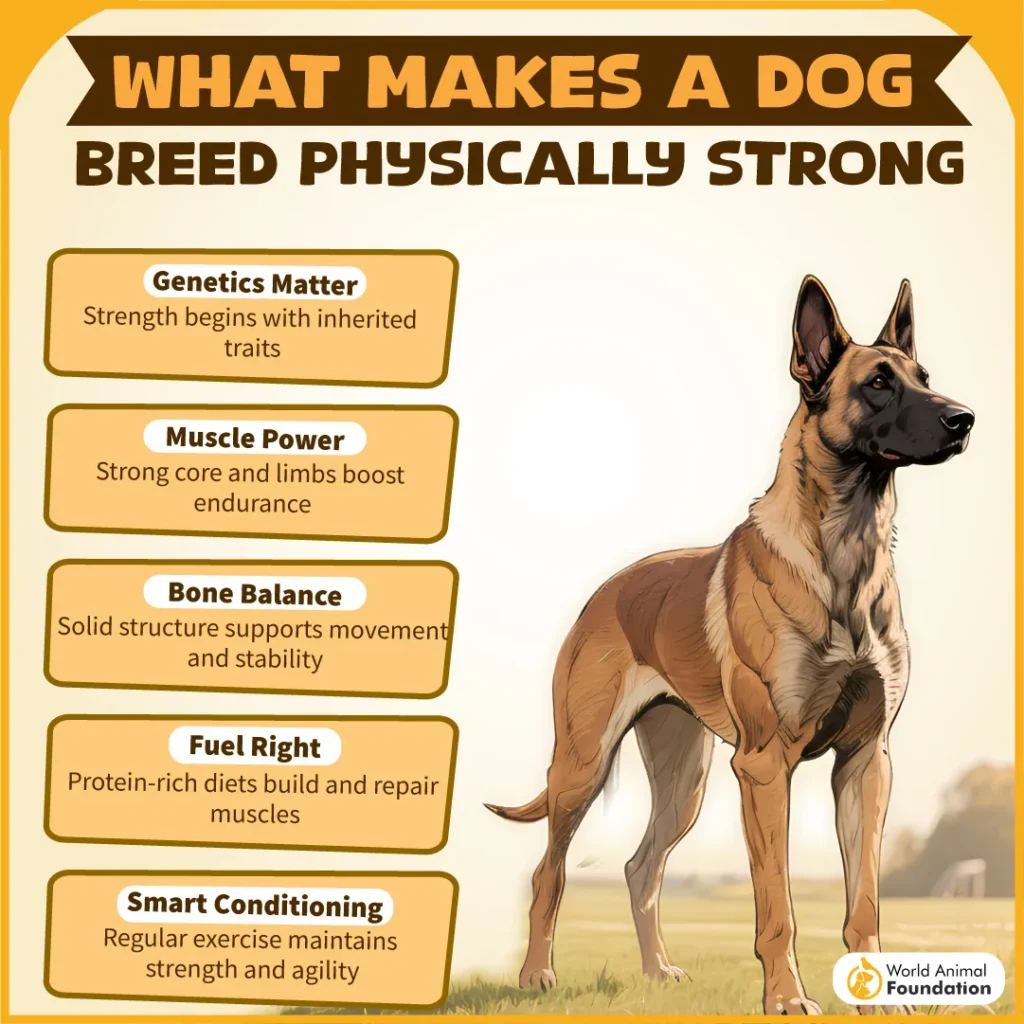
This breed’s remarkable physicality is not about nonstop sprinting. It’s controlled strength. They can perform complex tasks, but they do best when the relationship is built on respect and clear rules.
Akitas can have protective instincts, and that can be a good thing in the right hands. But it also means early socialization matters. A lot.
They do well in cooler weather and can handle snow thanks to their dense coat. Still, they are not a “do whatever” type of companion. They need positive training, calm leadership, and steady routines. With the right person, they are incredibly loyal, and their breed disposition feels deeply devoted.
Quiet power with a serious heart
Strong frame and confident presence
Loyal to family members, often reserved with strangers
Best with consistent training and positive reinforcement training
Needs smart handling around other dogs
4. Norwegian Elkhound
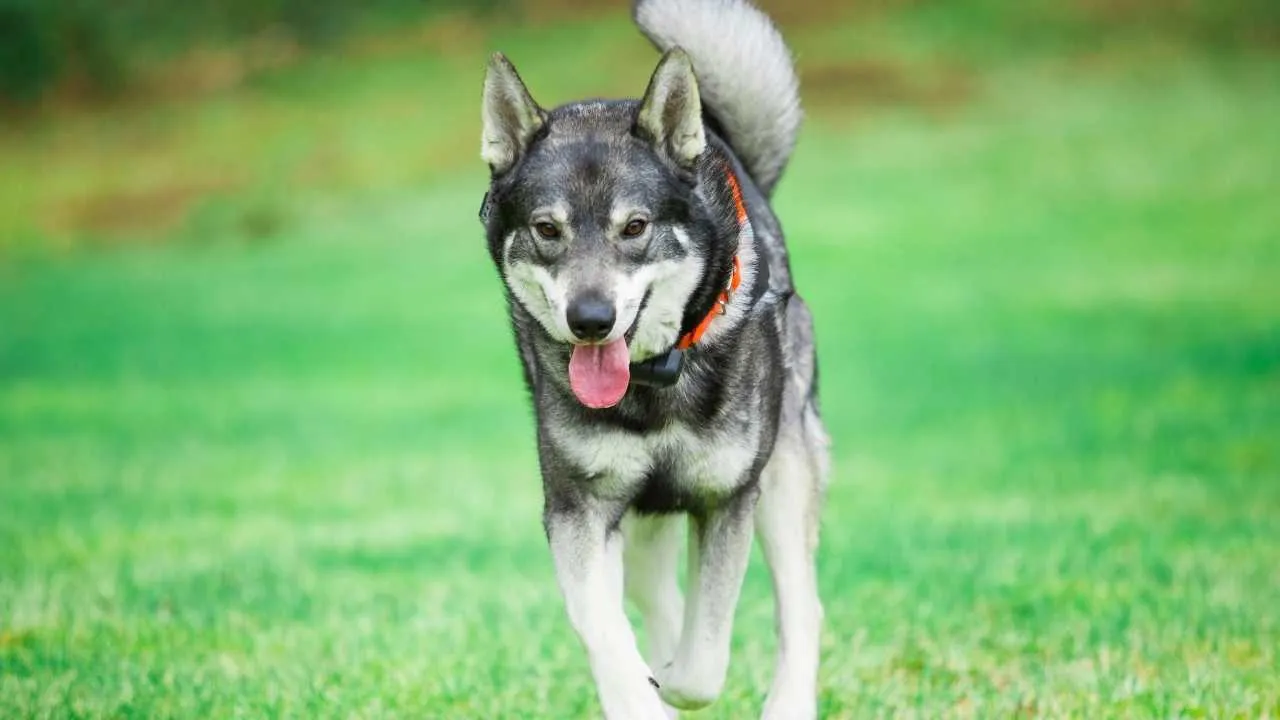
If you want a sturdy trail partner with a proud face, meet the Norwegian Elkhound. This is one of Europe’s old working dogs, shaped by harsh land and hunting life. According to the AKC, they were originally bred to track big game and hold ground, which is why they come with grit, stamina, and a big voice.
Their bodies are compact and strong, built for long days outside. Think muscular frame, thick coat, and feet that can handle tough ground.
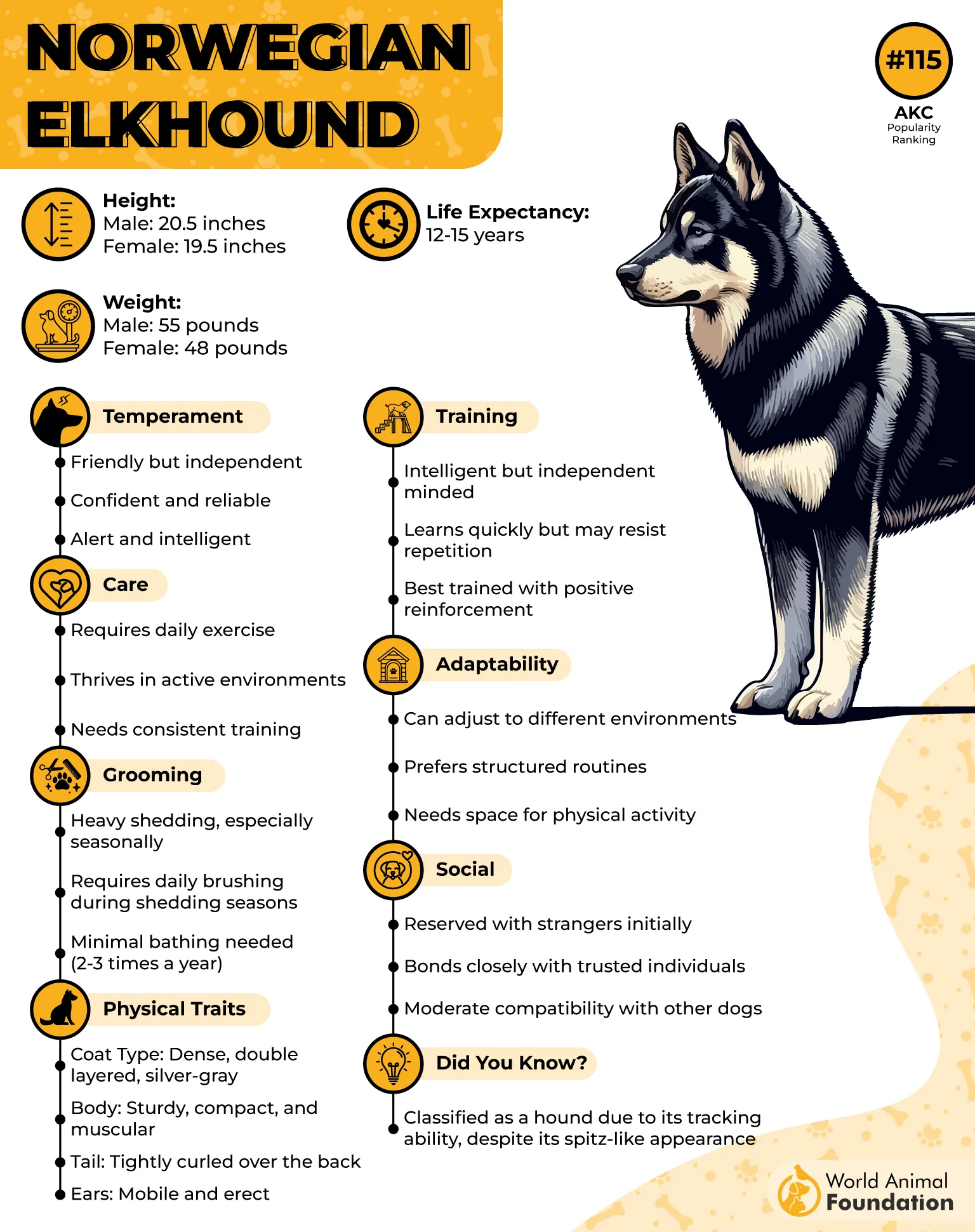
They love physical activities, and they also have an independent nature that can make training feel like a debate club. Here’s the good part: they are also smart dogs who learn fast when sessions are fun and clear.
They often do best with active families who like daily movement. They can be family pets, but they need structure, early manners, and something to do. Puzzle toys and scent games help, because their keen sense is a huge part of who they are.
Tough as the weather, warm with the right people
Natural watchdog style, often vocal
Thick coat and comfort in cold climates
Needs physical tasks plus mental stimulation
Confident, social, and sturdy with a calm demeanor at home when exercised
5. Canaan Dog
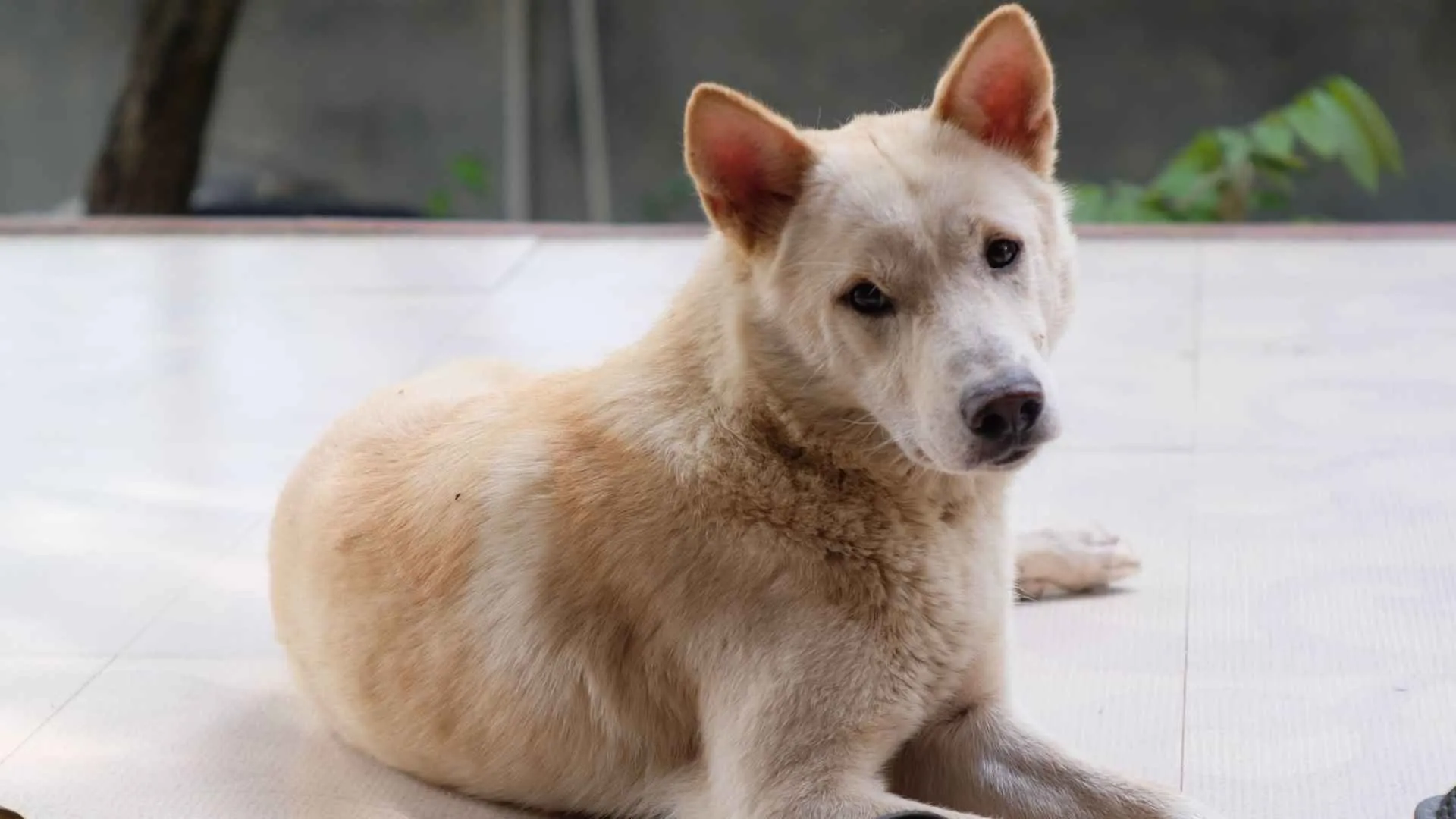
The Canaan Dog is a survivor type, and you can see it in the body. Light, agile physique, quick reactions, and an instinct for staying alert. They were originally bred around the Middle East as hardy land companions that could guard, herd, and adapt. In plain words, they are built to handle rough conditions.
Their strength is not “giant dog power.” It’s athletic durability. They move with fast, agile movements and can handle heat better than many thick-coated breeds. That makes them interesting for active families living in warmer places.
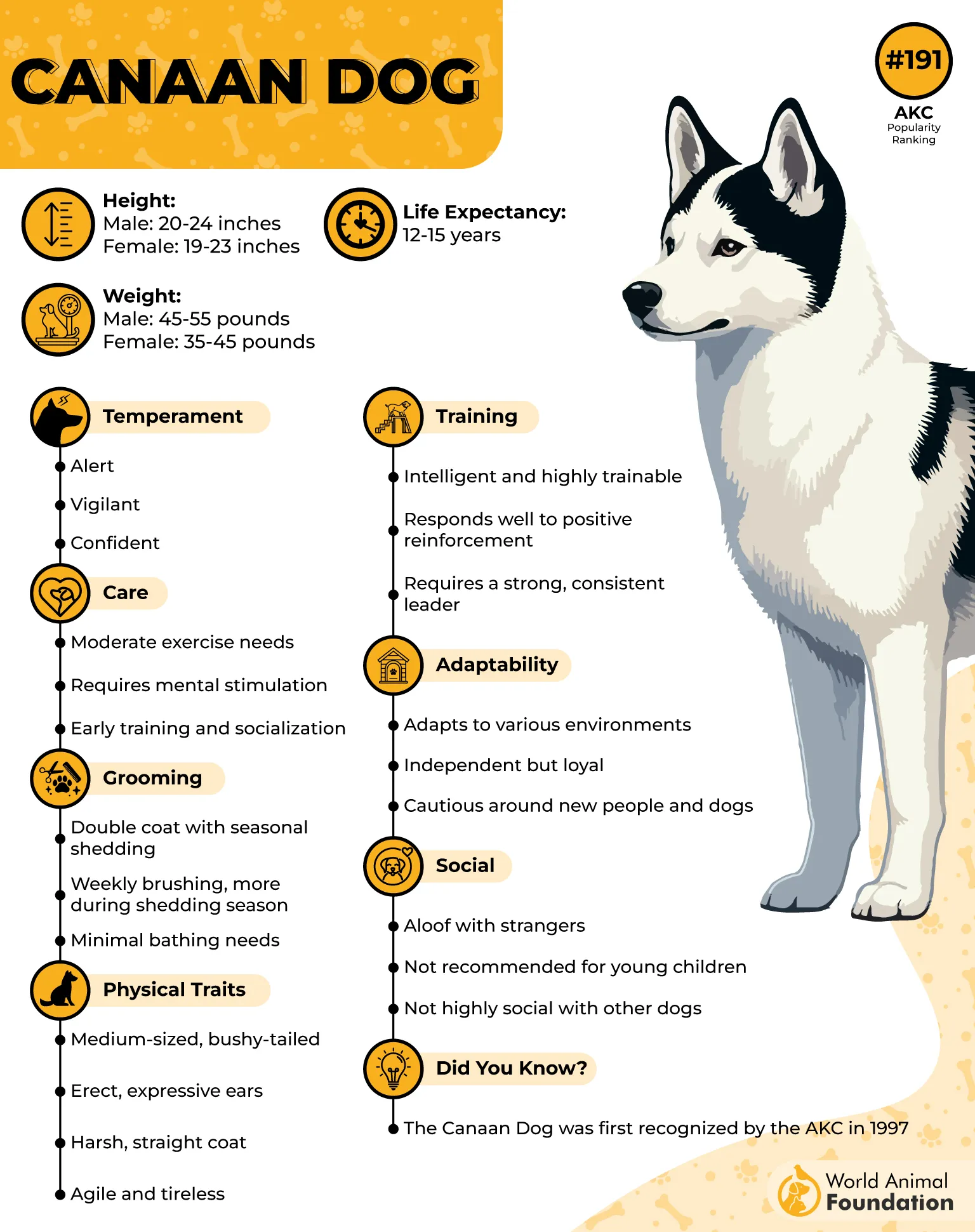
But wait, there’s more! They are also intelligent dogs, which means they need mental stimulation or they will invent their own fun.
Canaan Dogs can be affectionate with their people, yet cautious with strangers. That mix is part of their unique traits. Training works best with positive reinforcement training and short sessions.
Repeat the same thing too much, and they get bored. Keep it fresh, and they can shine in dog sports, including agility training, when introduced the right way.
Built for survival, ready for play
Agile, alert, and strong in body control
Often reserved at first, then deeply connected to the family pet’s life
Does best with early socialization and positive training
Great match for active families who like outdoor physical activities
6. Belgian Malinois
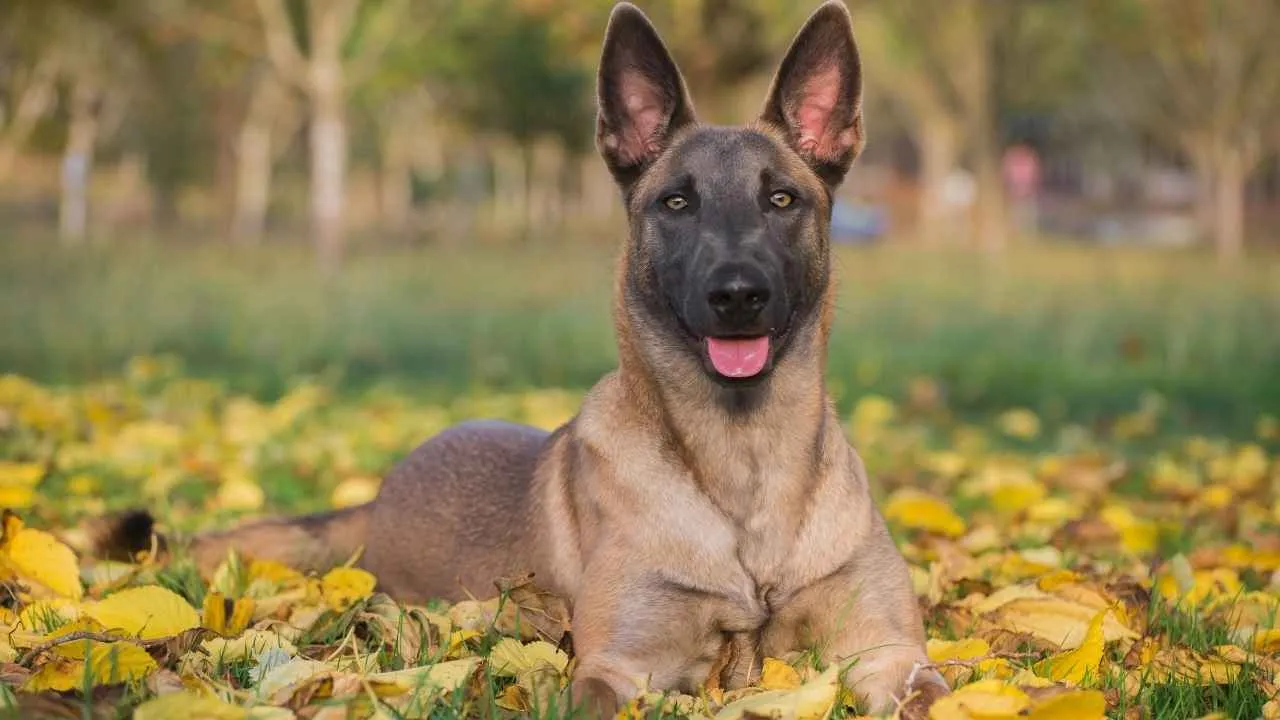
Belgian Malinois are world-class working dogs. Lean, hard muscle, sharp eyes, fast feet, making them one of the most intelligent dog breeds. They were originally bred as herding breeds, but today they are famous for serious jobs. Police work, protection work, and search and rescue missions are common paths for this breed.
Their physicality is intense. Natural athleticism, speed, and stamina for long training days. This is one of the smartest dog breeds you will ever meet, and that combo can be a lot. Walking alone usually won’t cut it.
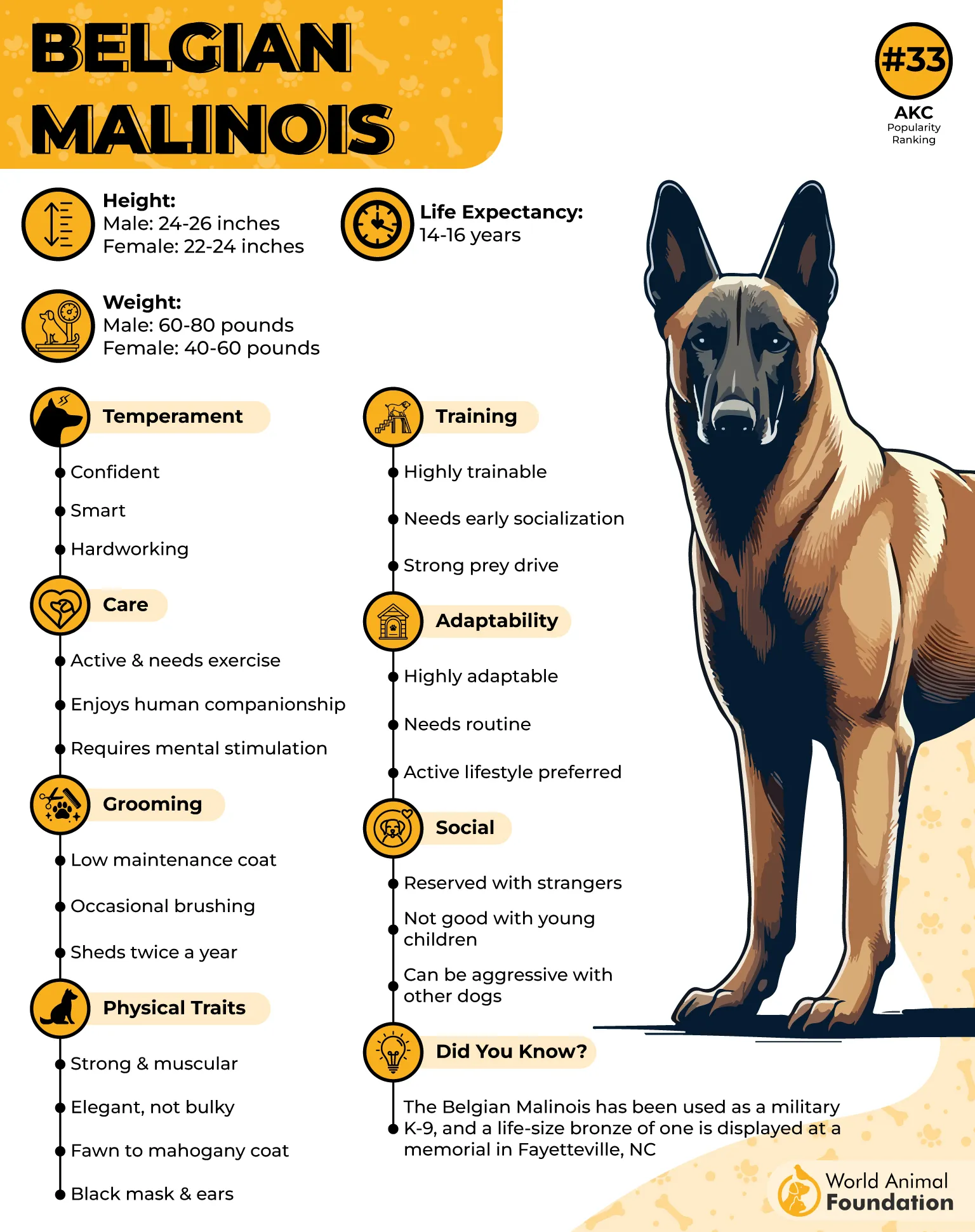
They need physical tasks, brain work, and clear structure. Without that, you may see destructive behaviors or a dog that turns your home into a personal obstacle course.
The good news is they respond well to consistent training and clear rewards. They can perform complex tasks and stay locked in. If you love training, this breed excels.
If you want a chill couch companion, it gets even worse, though, because boredom hits them hard. For the right person, they become excellent companions and even service dogs in some settings.
Not just energy, but drive
Muscular build with speed and agile movements
Needs strenuous exercise plus mental stimulation
Strong bond with their people, often incredibly loyal
Great fit for advanced handling, agility training, and serious work
7. Rhodesian Ridgeback
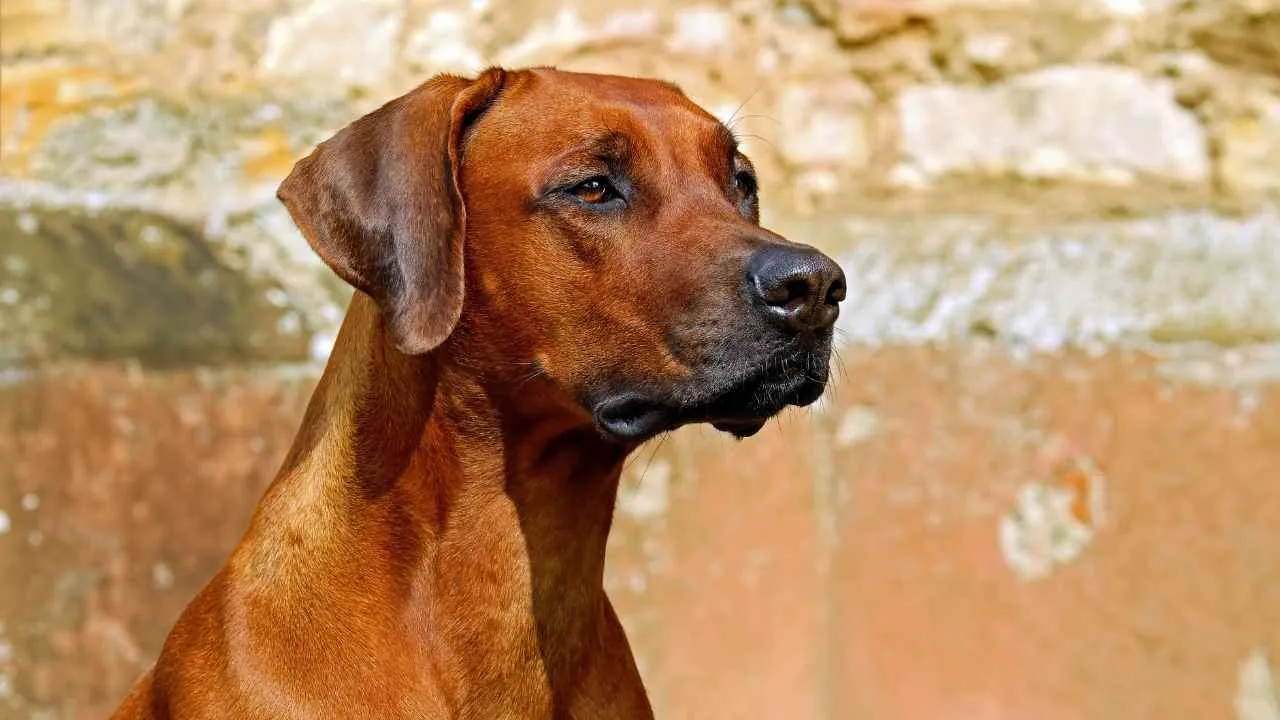
The Rhodesian Ridgeback is pure athletic power with a cool signature: that ridge of hair along the back. They were originally bred in southern Africa for demanding hunting work, including tracking and holding dangerous game at bay. That past shaped a body built for heat, distance, and grit.
PetMD notes that they are strong, athletic, and capable of incredible endurance with solid speed. Their chest is deep, their stride is smooth, and their build is made for long outdoor physical activities.
Many Ridgebacks also have an independent nature. They are loving with their people, but they can be stubborn if training is sloppy.
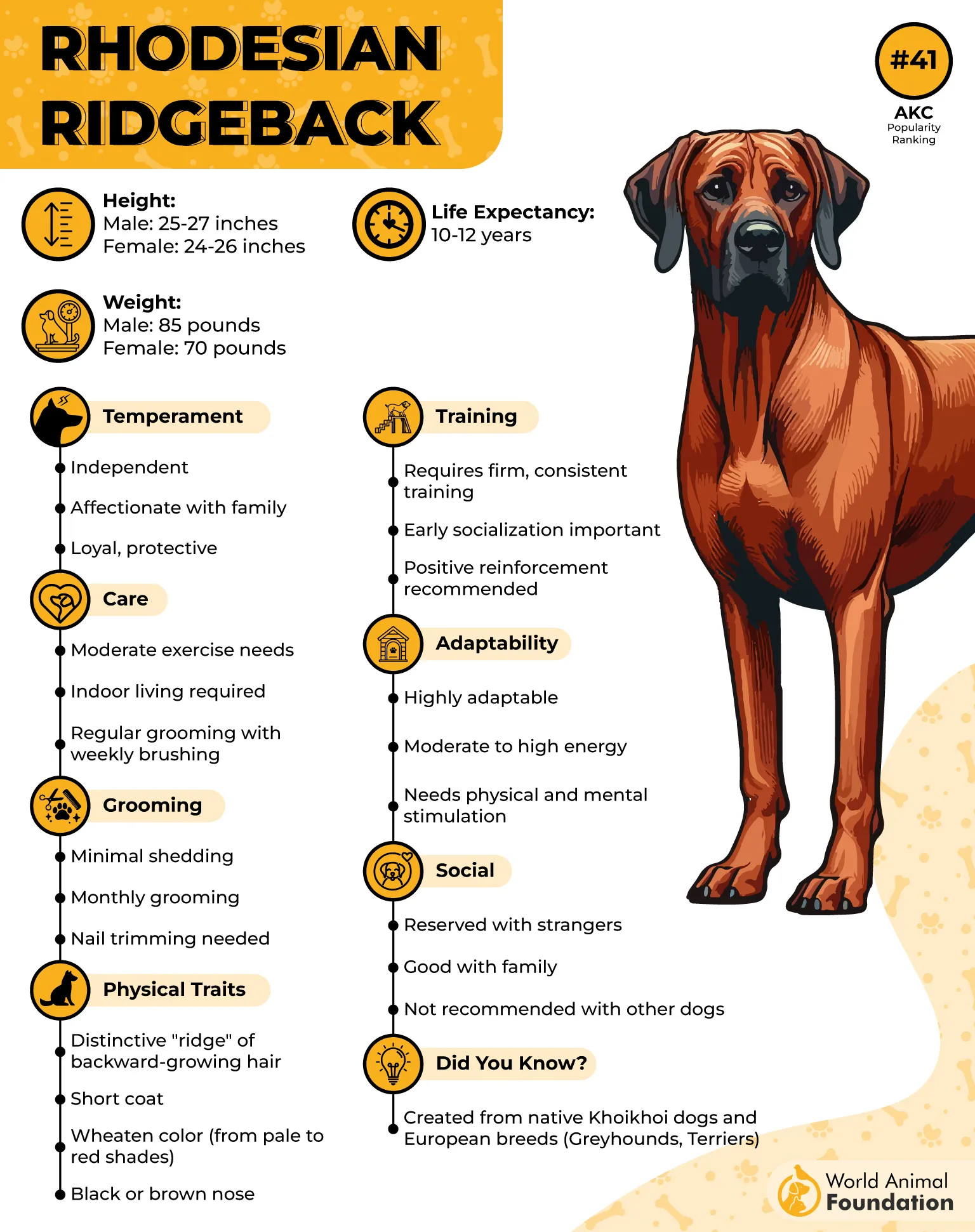
They do best with active families who can provide regular physical activities and clear rules. A fenced yard helps because prey drive can be strong. Training should be calm and steady, not harsh.
Positive reinforcement training plus consistency is the winning combo. With good routines, they can be excellent companions and steady family pets.
The athlete who also loves your couch
Strong, balanced body with endurance and speed
Heat-ready background and tough mindset
Needs physical exercise and a steady structure
Loyal, sometimes reserved, and often a happy dog after a good run
8. Alaskan Malamute
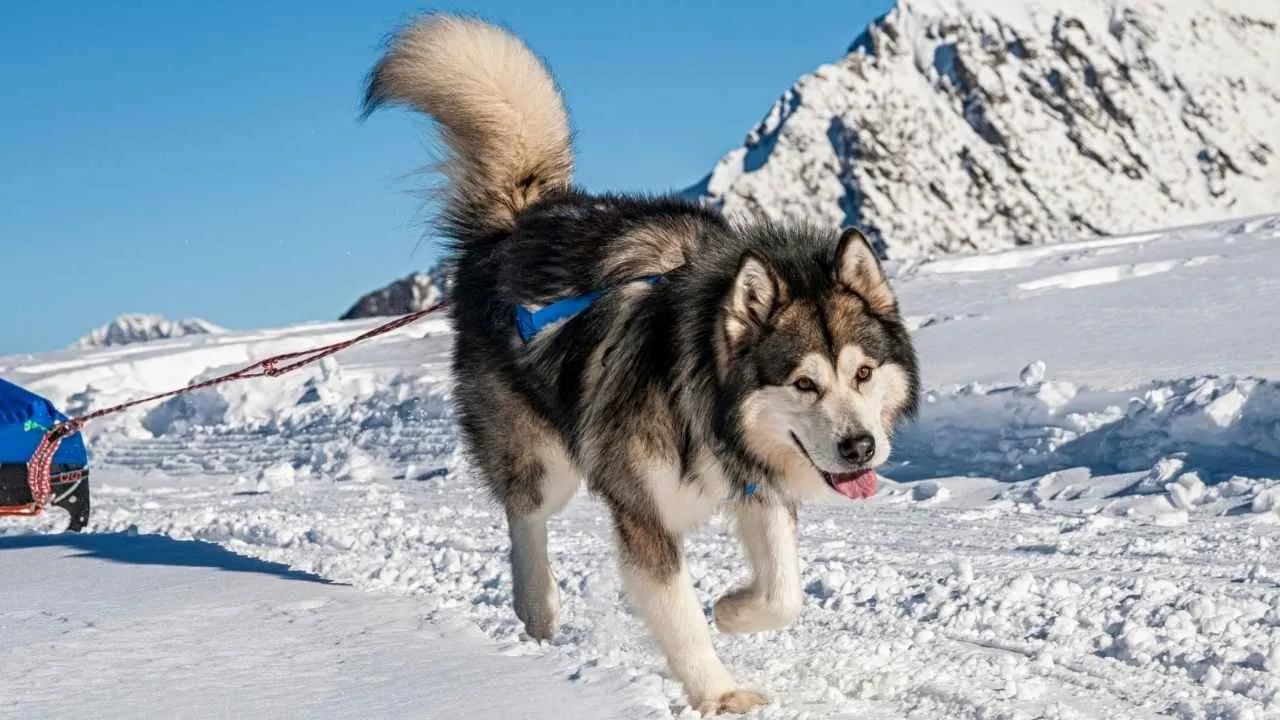
Alaskan Malamutes are the heavyweight pullers of the north. They were originally bred to haul heavy loads over ice and snow, which explains their physical strength, thick coat, and big bones. This is not a delicate breed. It’s a “move the mountain” kind of companion.
Their muscular build supports power more than sprint speed. They can handle physical tasks that smaller, lighter breeds simply cannot. Many Malamutes love pulling games and long hikes, and they thrive in cold climates. They are energetic dogs, but their energy is often steady and strong, not twitchy.
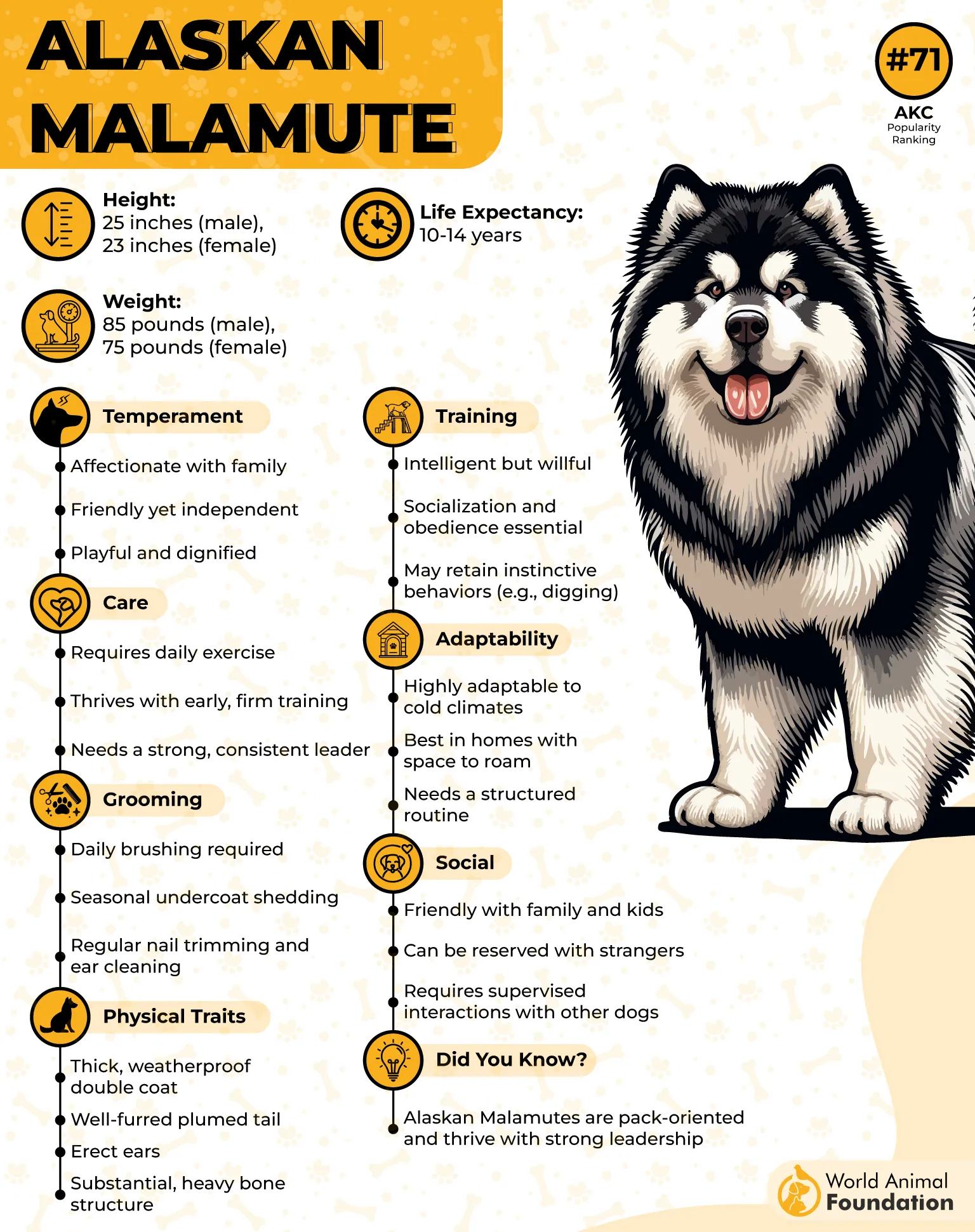
Health note that matters: hip dysplasia can be a risk in large, powerful breeds. Good nutrition, smart exercise, and vet care are important. Training should be consistent and kind. They can be stubborn, and they also enjoy other dogs, but supervision helps because play can get rough.
With the right home, they are great family pets and can be excellent family guardians in their own quiet way.
Built for long, heavy work
Physical strength mis ade for hauling, not quick sprints
Loves outdoor physical activities in cool weather
Needs proper training and clear boundaries
Watch joints, especially for hip dysplasia risk
9. Tibetan Mastiff
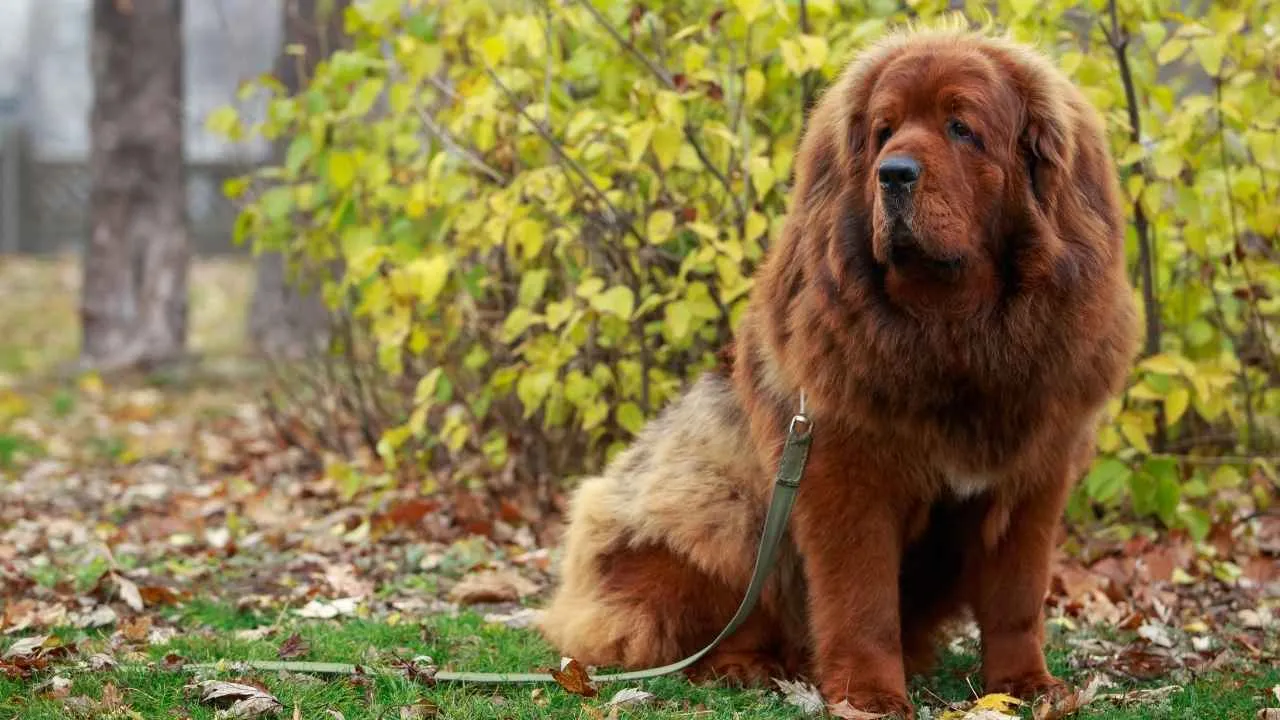
The Tibetan Mastiff looks like a walking fortress, and honestly, that’s not an accident. They were originally bred as guardian animals in the Himalayan regions, patrolling and protecting people and livestock from predators. Their size, thick coat, and presence are part of the job description.
Their remarkable physicality is not about constant motion. It’s about power, stability, and confidence. These are working dogs in the old-school sense.
As per WebMD, they can be calm around the house, yet very alert. Their protective instincts can be strong, so early socialization is key. Without it, you may end up with a giant bouncer who did not ask for your opinion.
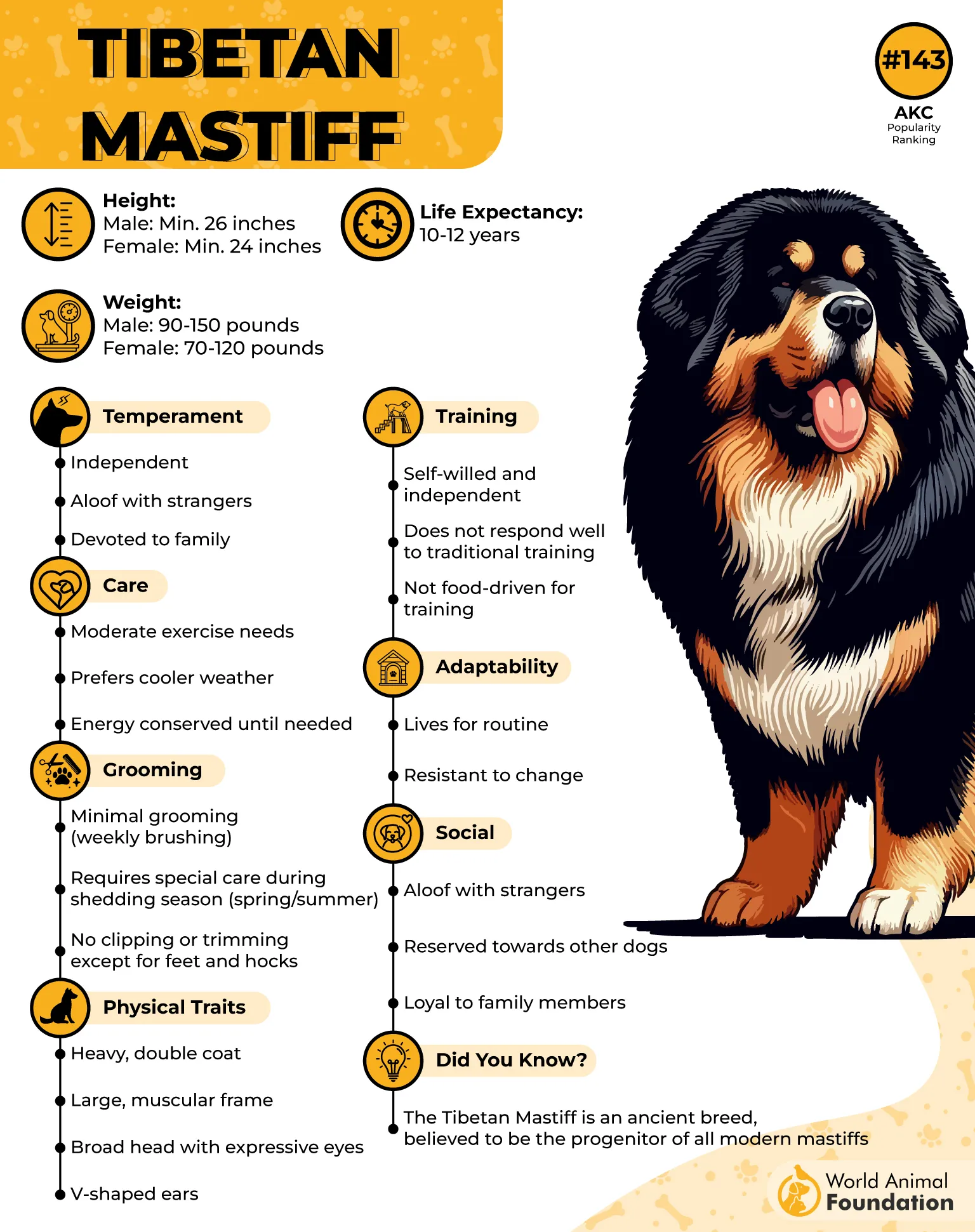
They do best with experienced handlers who respect the breed’s independent nature. Training should be steady, fair, and consistent. Exercise is often moderate, but they still need daily physical activities to stay balanced. In cold climates, they are in their comfort zone.
And yes, they can be affectionate with family members, but they usually save their trust for their inner circle.
Guardian strength with a quiet vibe
Massive build and thick coat suited to cold climates
Strong territorial instincts and an instinct to guard
Needs consistent training and early socialization
Calm demeanor indoors when their needs are met
Conclusion
If you are chasing remarkable physicality, start with honesty about your daily life. These dog breeds are not “exercise sometimes” companions.
Many were originally bred to work hard, handle weather, and keep going. That can be a dream for active families, and a nightmare for people who want easy mode.
And here’s the best part! When you match the right breed to the right home, everything feels smoother. Training gets easier. Bonding gets deeper. Your pup becomes a teammate, not a problem.
So, pick the energy level you can truly support. Plan real physical activities. Add mental stimulation. Then commit. Your future best friend is not looking for perfection. They are looking for you to show up.
