




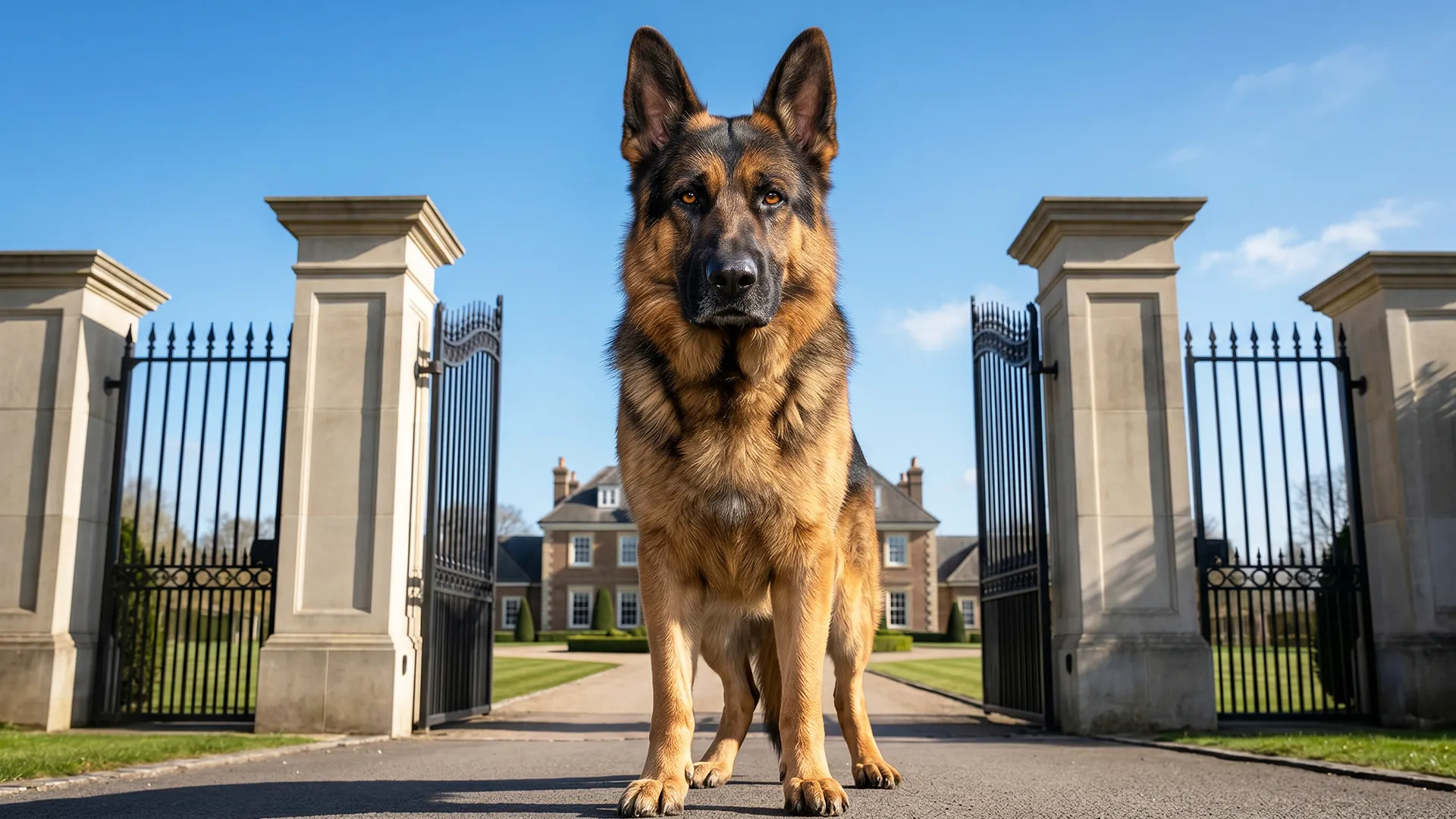
Exceptional guard dog breeds are defined by their deep loyalty, intense alertness, and innate protective instincts. Ranging from relentless flock guardians to disciplined personal protectors, these dogs require dedicated, experienced handlers who can provide firm training and early socialization to channel their powerful guarding nature safely.
An effective guard dog doesn’t act out of fear; it reads situations with intelligence and composure, responding only when genuinely warranted. For prospective owners, that means looking beyond size and intimidation and prioritizing three core qualities: natural protective instincts, emotional stability, and trainability.
The ten breeds below represent the gold standard in canine protection; each with a distinct guarding style, specific training needs, and the loyalty that makes them truly exceptional.
Exceptional Dog Breeds With a Strong Guarding Nature
1. German Shepherd
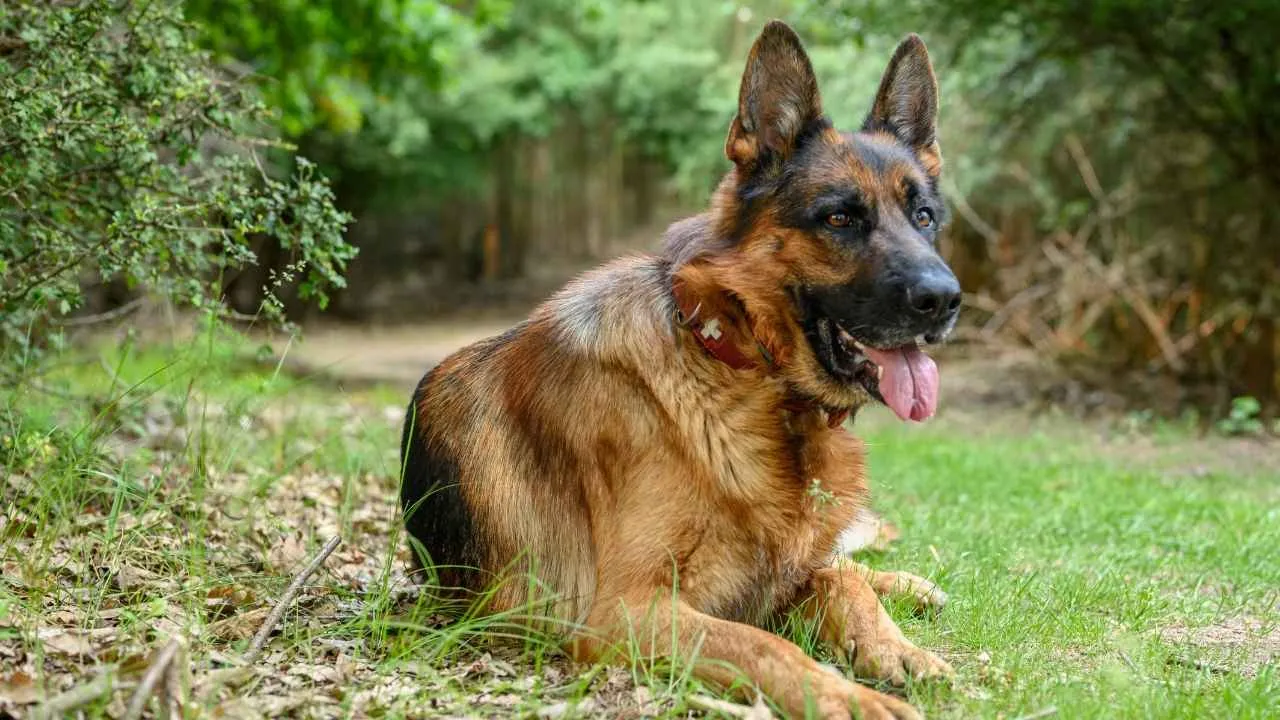
The German Shepherd is widely regarded as the gold standard of guard dogs, and that reputation is built on far more than physical capability. What sets them apart is their intelligence and emotional control: the ability to assess a situation rather than react impulsively, making them equally effective in family homes and professional working environments.
Described by the American Kennel Club as an all-purpose worker, the German Shepherd thrives when given structure, purpose, and consistent mental stimulation. Without it, boredom can lead to destructive behavior; a reminder that their capabilities demand an equally engaged owner.
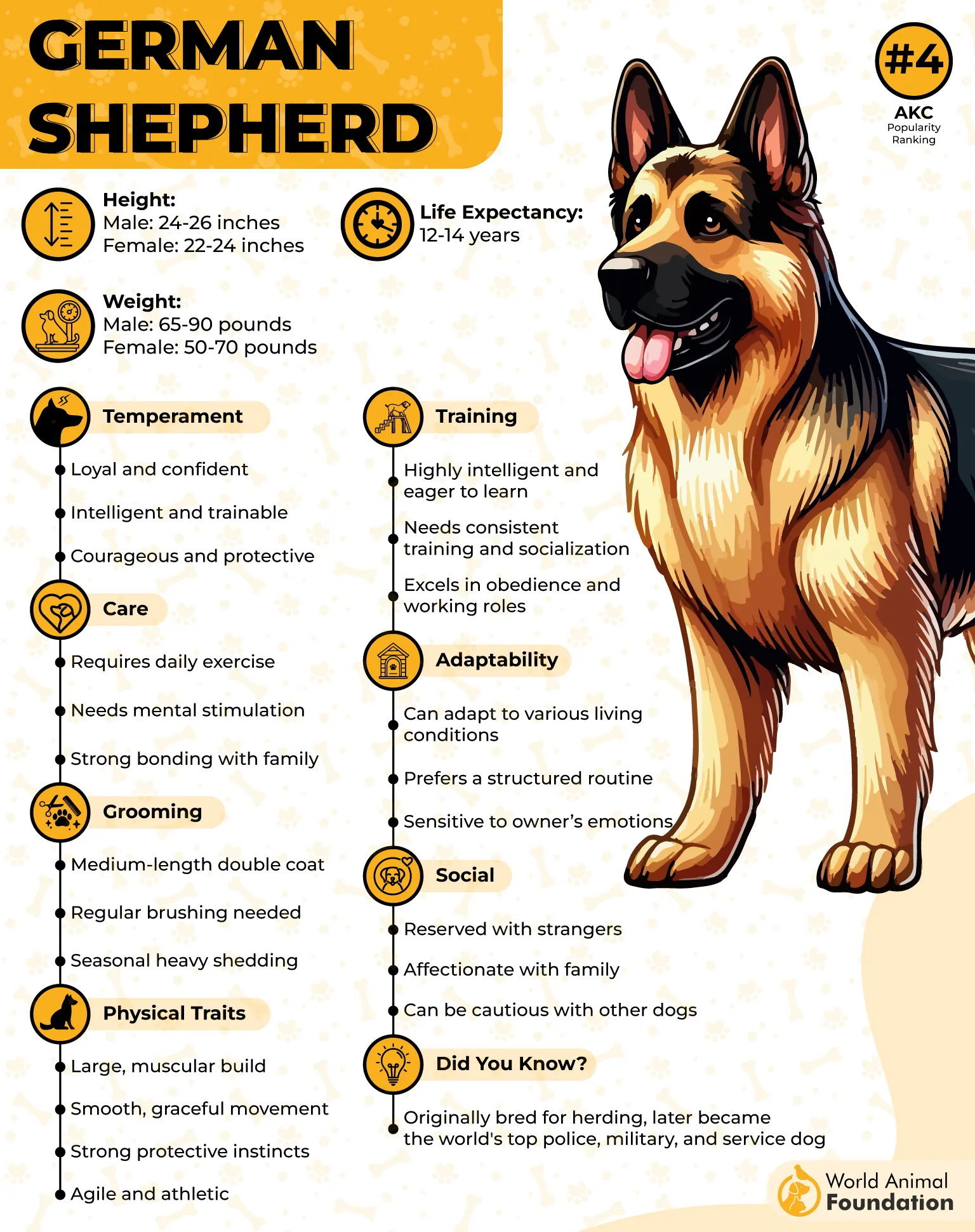
Their protective qualities are deeply rooted in several key traits: advanced obedience, an exceptional capacity for learning and retaining commands, and the ability to shift fluidly between calm and alert states as a situation demands.
German Shepherds also tend to form an intense bond with a primary handler, and that devotion only deepens their protective instincts. Courageous, confident, and highly adaptable, they remain the benchmark against which most other guard dog breeds are measured.
2. Rottweiler
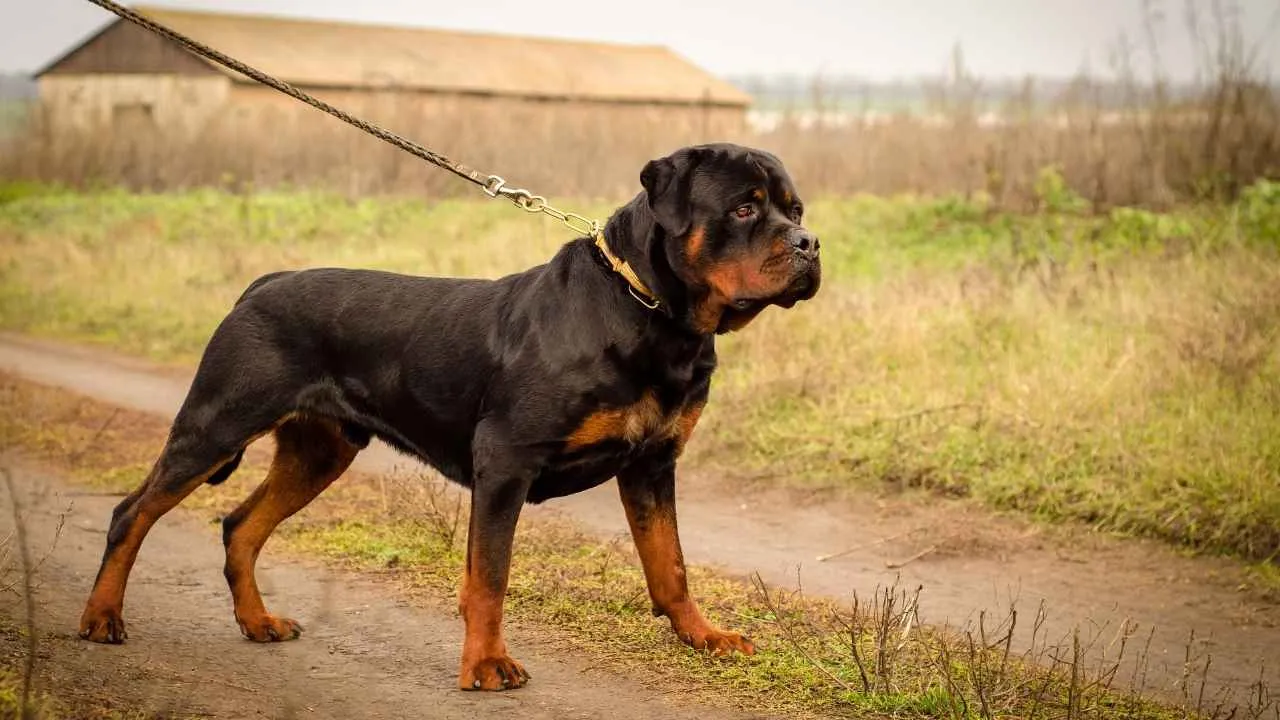
The Rottweiler is a formidable guardian, but what distinguishes the breed is the composure behind that power. Unlike more reactive breeds, Rottweilers observe and assess before acting, keeping unwarranted aggression to a minimum. Their sheer presence alone is often enough to deter a threat.
Their protective instincts are grounded in strong territorial awareness, a natural wariness around strangers, and a confidence that holds steady under pressure; qualities that make them deeply reliable when properly trained.
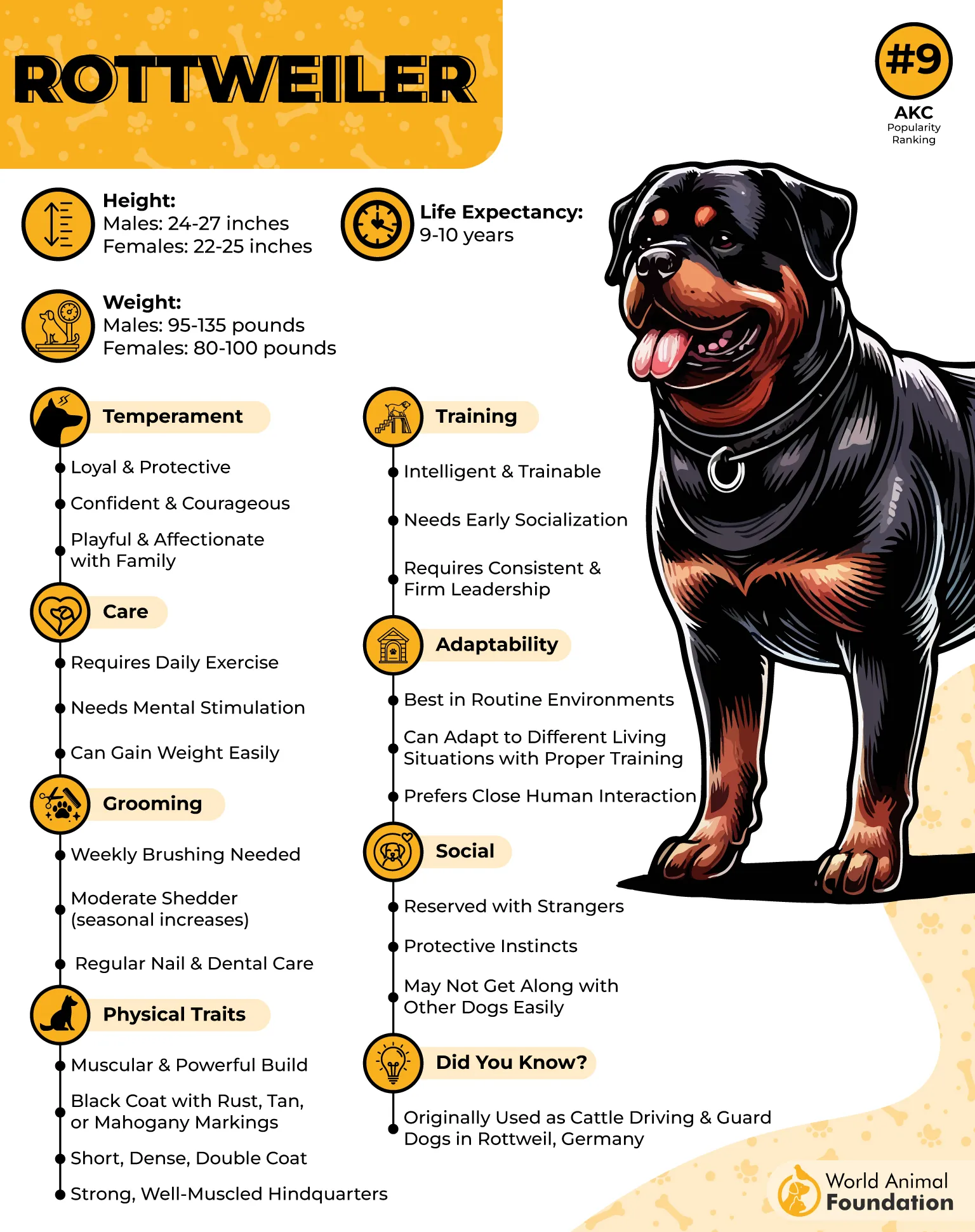
That training investment is non-negotiable. Rottweilers don’t respond well to harsh or heavy-handed discipline; they need consistent, calm leadership from an experienced handler. Given that foundation, they become one of the most dependable guard breeds available.
What often surprises people is the depth of their affection within the family. Behind the imposing exterior is a loyal, loving companion; a combination of genuine protective power and emotional attachment that makes the Rottweiler as rewarding as it is effective.
3. Doberman Pinscher
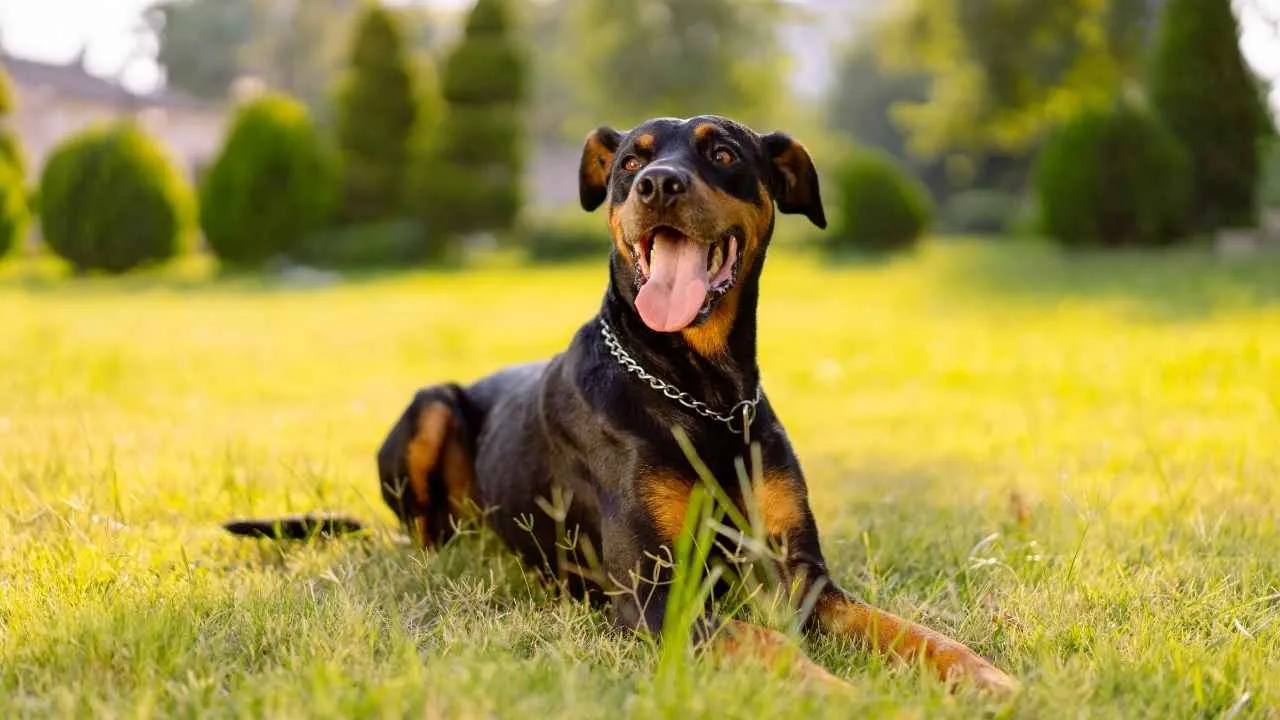
The Doberman Pinscher brings a rare combination of speed, precision, and intelligence to the role of guard dog. Known for their rapid threat response, Dobermans are always switched on; alert to environmental shifts and ready to act without hesitation.
What sets them apart is their style of protection. Dobermans are proximity guardians, staying close to their owner and responding directly to changes in their immediate environment; a quality that makes them particularly effective as personal protectors.
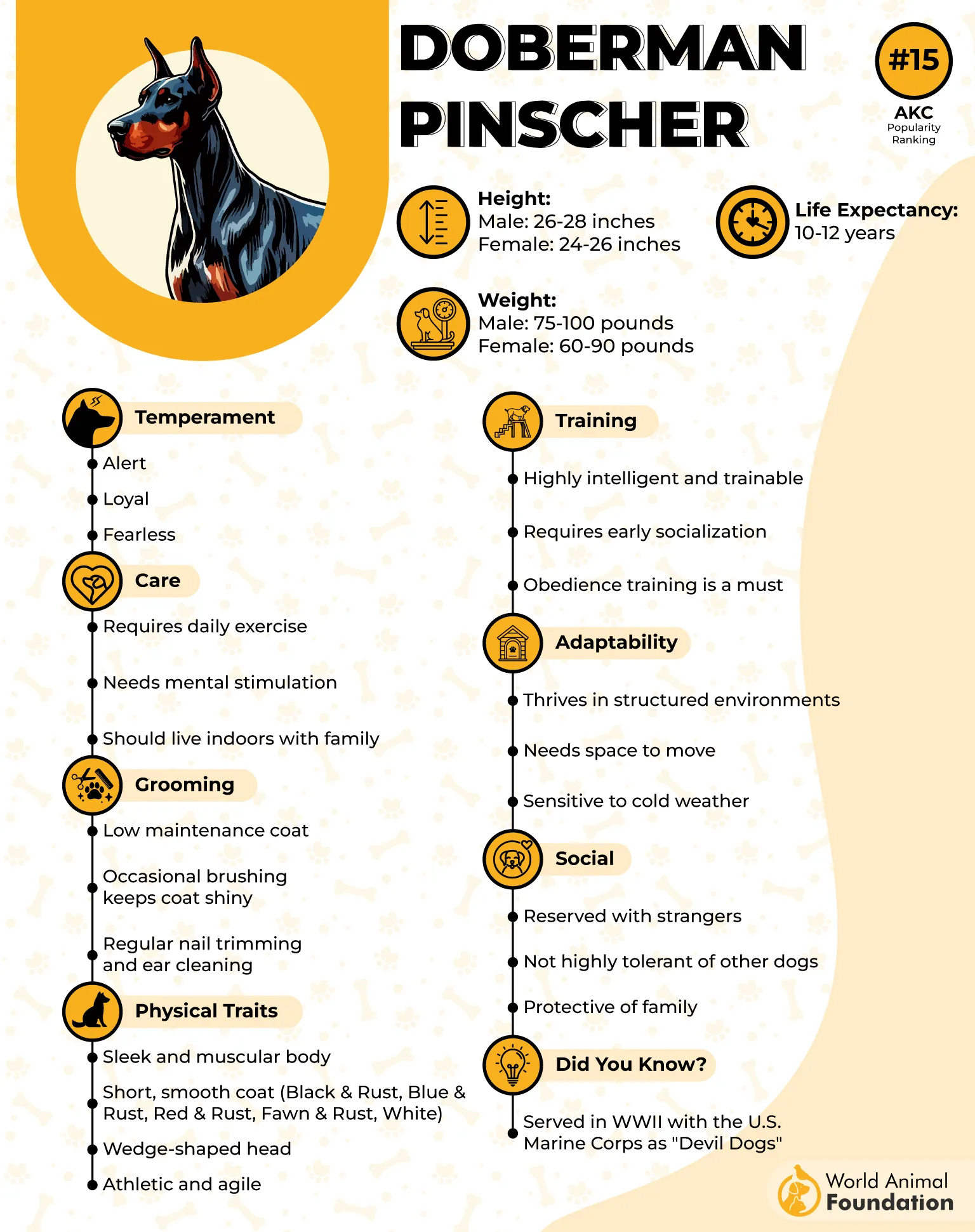
Their core strengths are hard to match: rapid learning, strong obedience, sharp focus, and a natural alertness that doesn’t tip into excessive or unnecessary barking. They watch, they assess, and they act with purpose.
That intelligence, however, comes with a requirement. Dobermans need consistent mental stimulation; without it, restlessness sets in. They respond best to positive, structured training that respects their sensitivity while maintaining clear boundaries and firm consistency.
For experienced owners who can meet those needs, the Doberman is one of the most capable and devoted guard dogs available.
4. Belgian Malinois
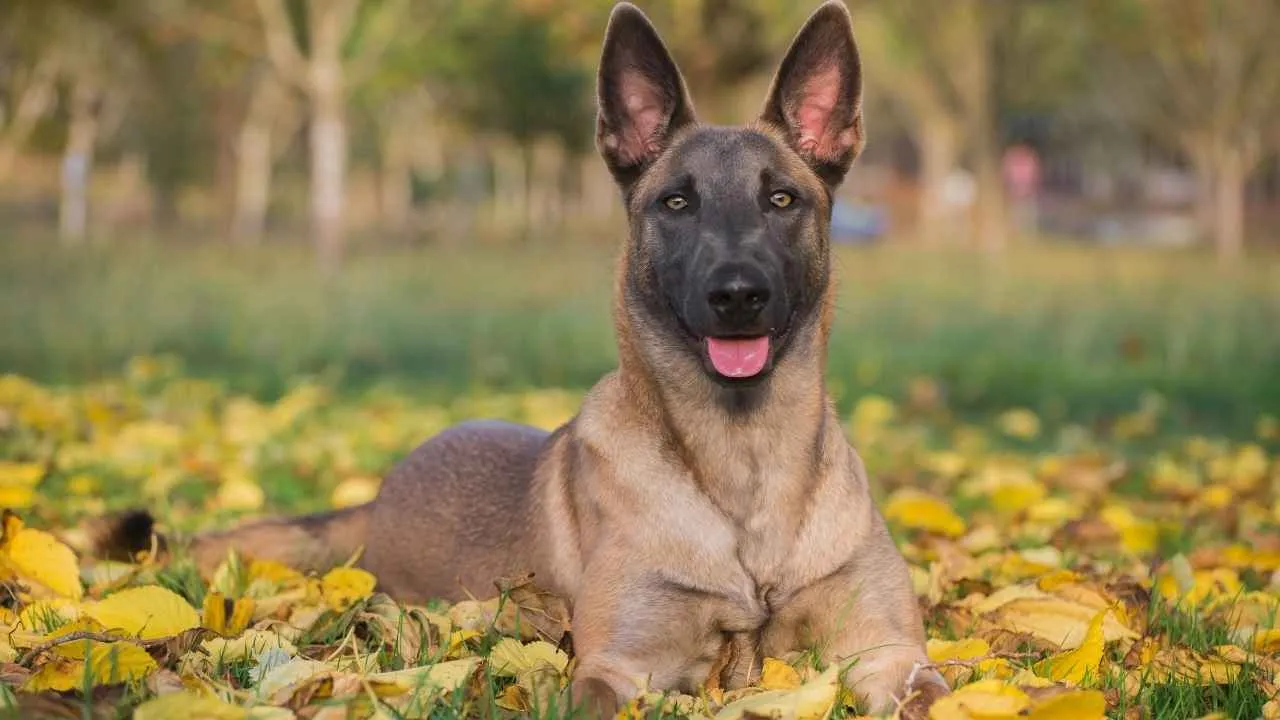
The Belgian Malinois operates at a level few breeds can match. More working dog than household pet, the Malinois excels when given a clear purpose, which is precisely why it remains the preferred choice of military and law enforcement agencies worldwide.
Their protective capability is built on an exceptional combination of intense focus, high drive, remarkable endurance and agility, and an advanced trainability that allows them to master complex tasks with speed and precision.
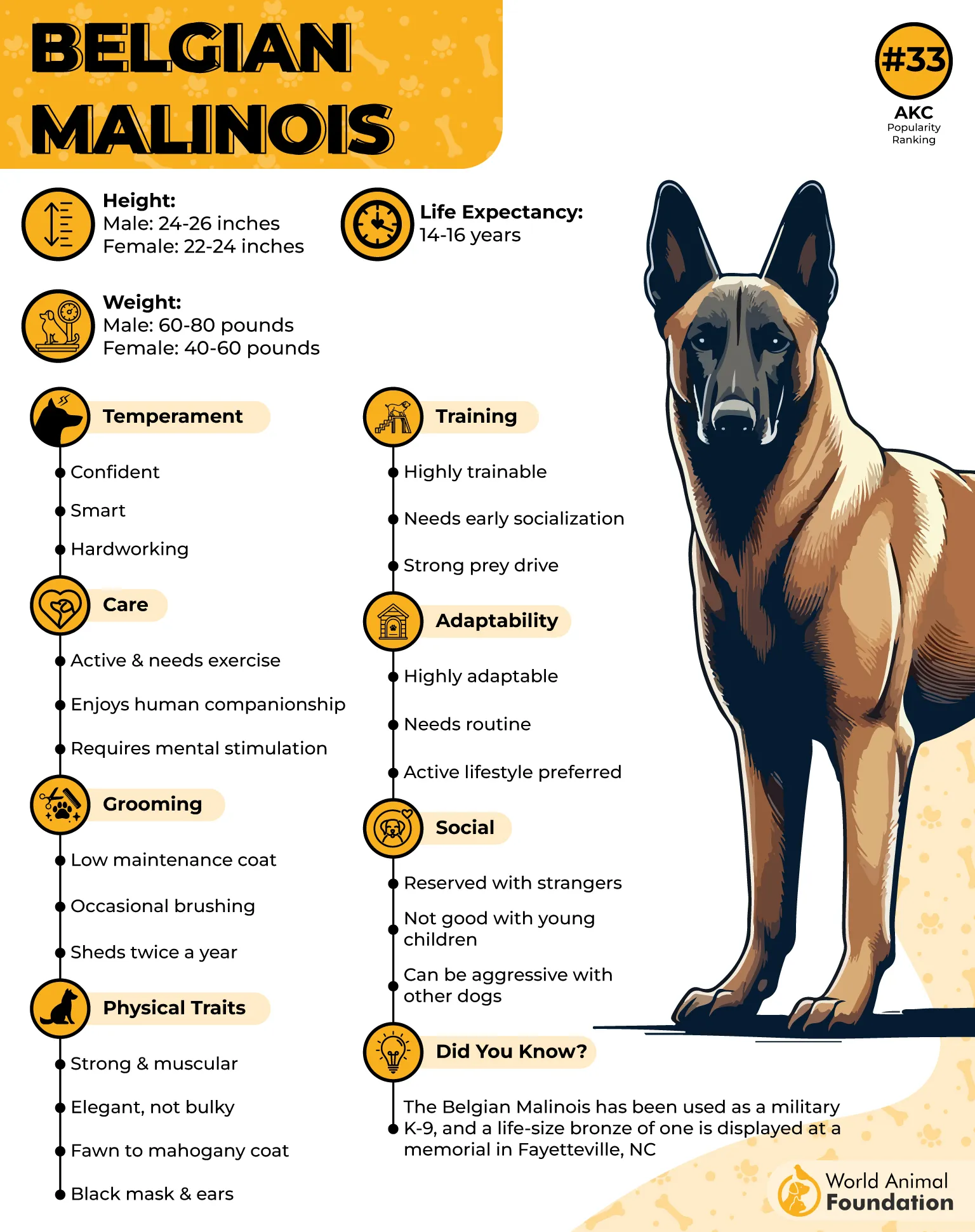
That same intensity, however, makes them entirely unsuitable for passive or inexperienced owners. Without sufficient activity, structure, and mental engagement, behavioral problems follow. This is a breed that demands daily structured training, rigorous physical exercise, and continuous mental challenge, not occasionally, but consistently.
For experienced handlers who can meet those demands, the Belgian Malinois delivers uncompromising performance, unwavering reliability, and a level of dedication to their work that is simply unmatched.
5. Akita
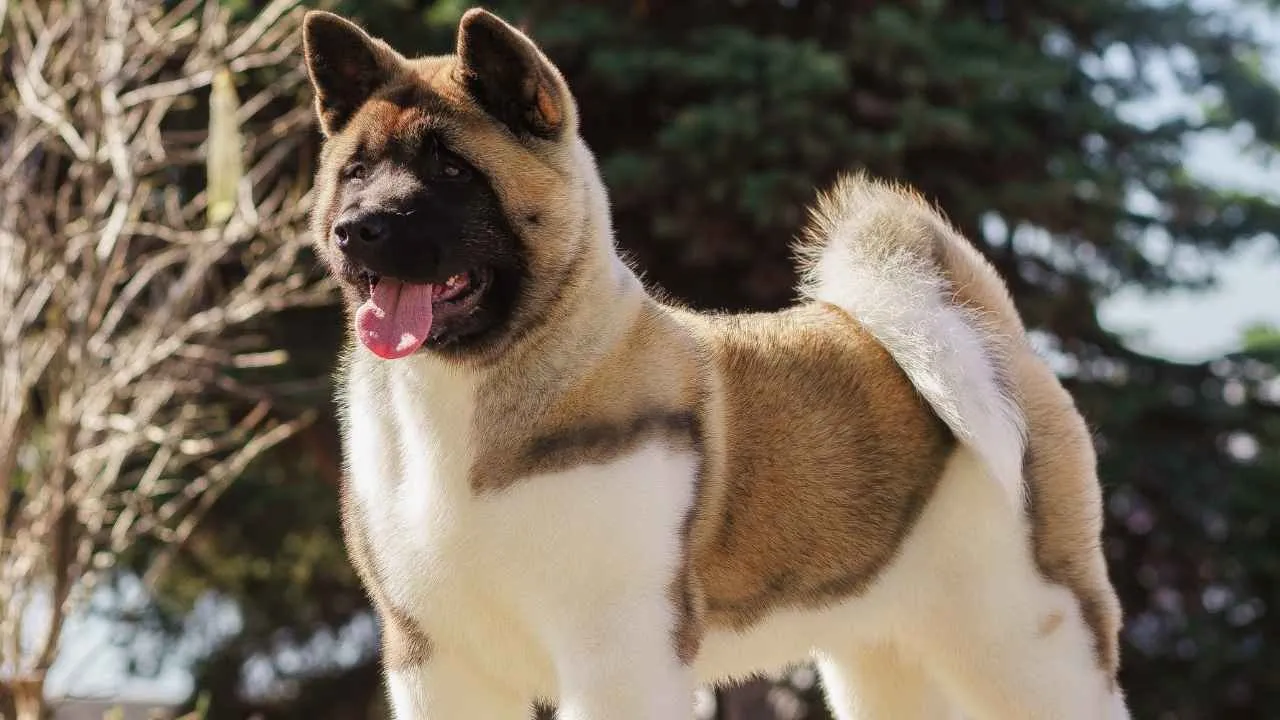
The Akita guards with quiet authority. Reserved and naturally watchful, they don’t bark unnecessarily or react impulsively: they observe, assess, and act only when they determine a genuine threat is present. That composed, self-possessed approach makes them a distinctly different kind of guardian.
Their protective instincts are deeply tied to family loyalty, strong territorial awareness, and a notable capacity for independent judgment. Akitas don’t simply follow orders; they think, which makes them both highly capable and uniquely self-reliant as guard dogs.
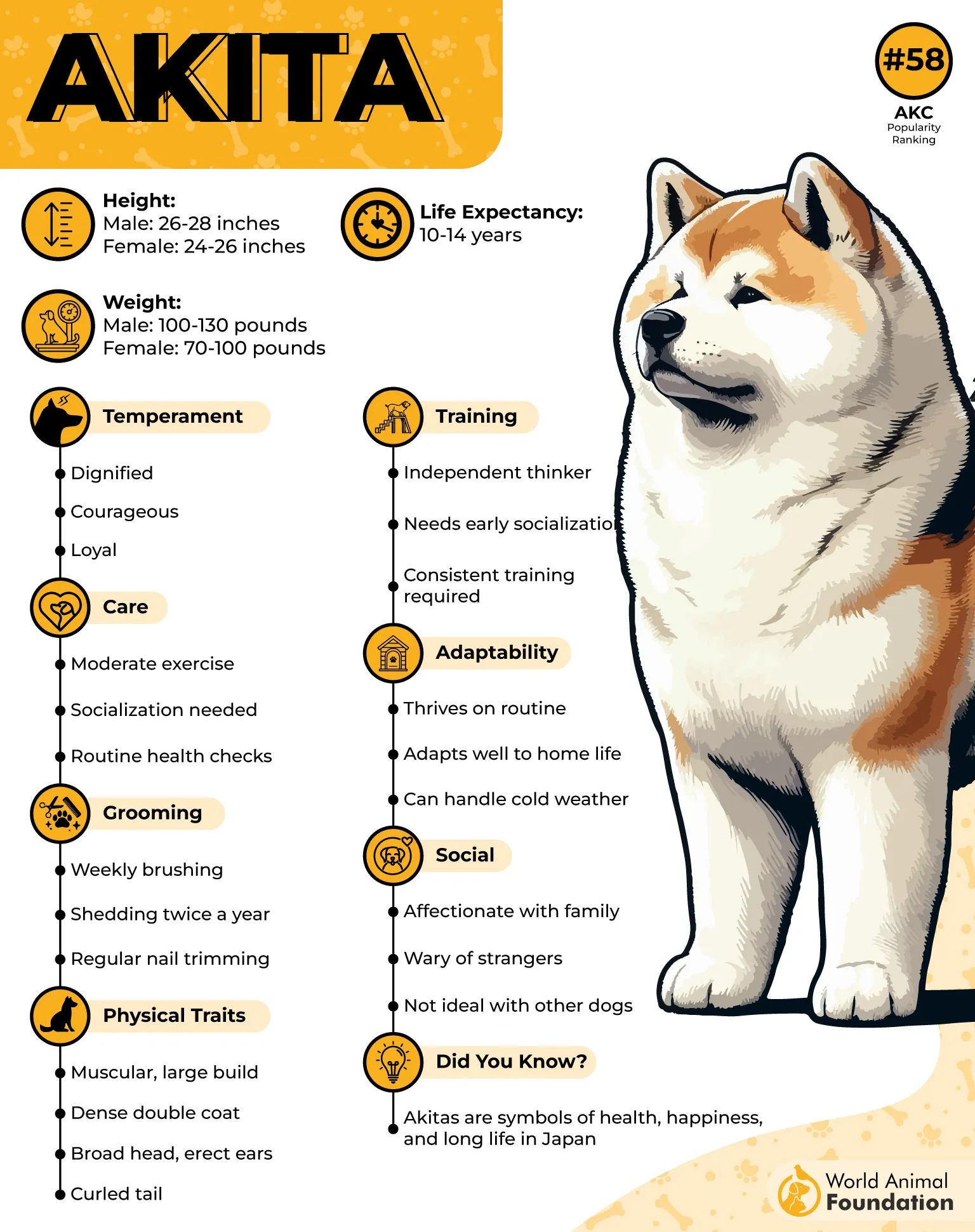
The Akita Club of America notes that their wariness around strangers is innate and serves their guarding role well, though it makes early socialization essential. Without it, their protective instincts can become excessive and difficult to manage.
Within the family, the contrast is striking. Akitas form profound bonds with those they love, combining formidable protective capability with genuine warmth and devotion, a powerful duality that makes them as rewarding to live with as they are effective at their role.
6. Bullmastiff
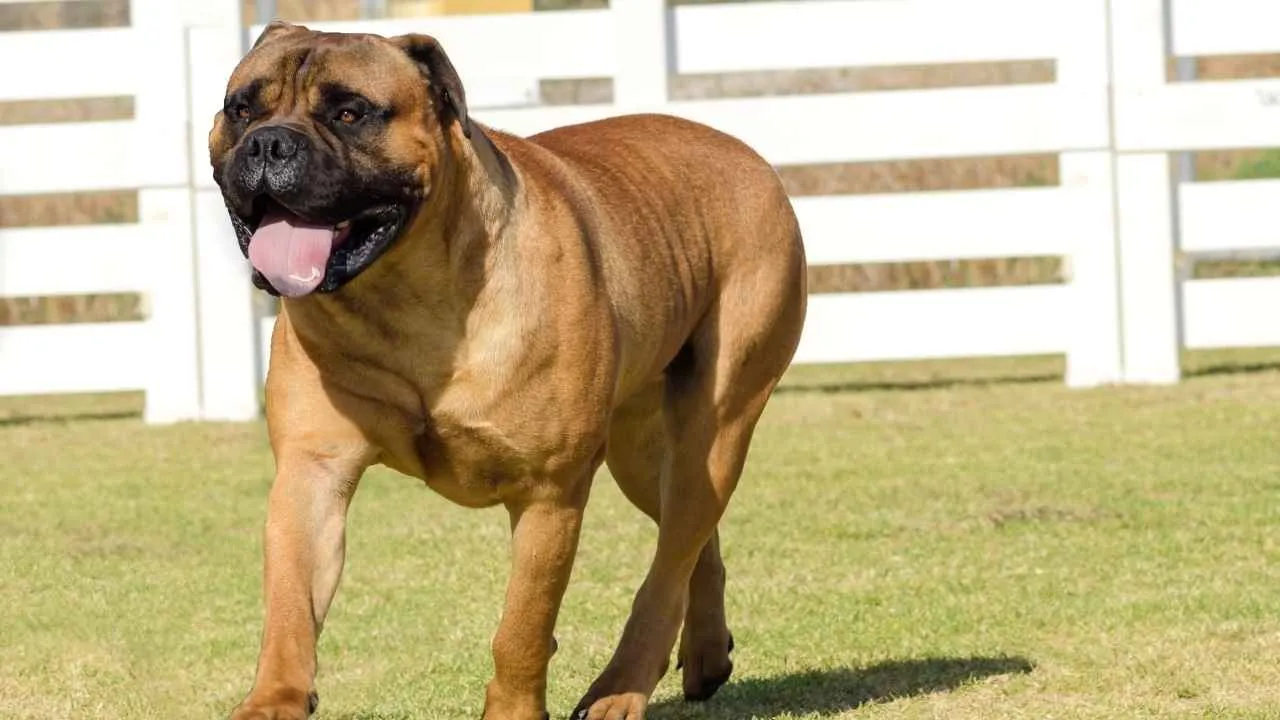
The Bullmastiff was purpose-built for protection, originally bred to guard large estates, relying on physical presence and intimidation rather than speed or aggression. That heritage is still evident today in a breed that guards instinctively, quietly, and with remarkable restraint.
Their approach is watchful and measured: calm and non-reactive until a situation genuinely demands otherwise, at which point their physical dominance becomes immediately apparent. According to Purina, Bullmastiffs enjoy regular walks, but their overall activity needs remain moderate, making them more manageable than many other large guardian breeds.
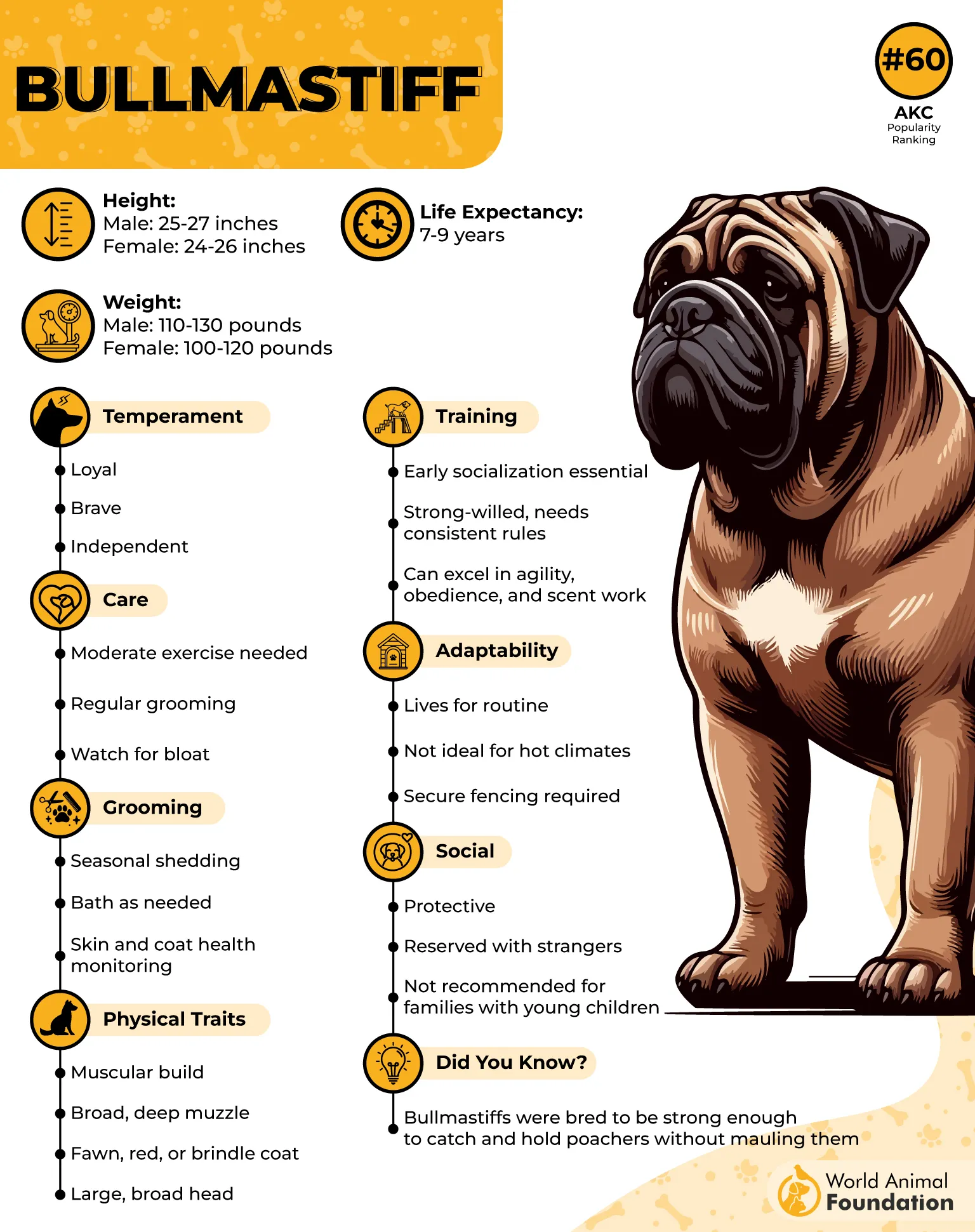
That size, however, makes early training and socialization non-negotiable. Consistent handling from an experienced owner is essential to ensure their protective instincts remain balanced, particularly around strangers and children.
For those seeking a powerful yet composed defender, one that doesn’t require constant activity or stimulation, the Bullmastiff is a natural and proven choice.
7. American Staffordshire Terrier
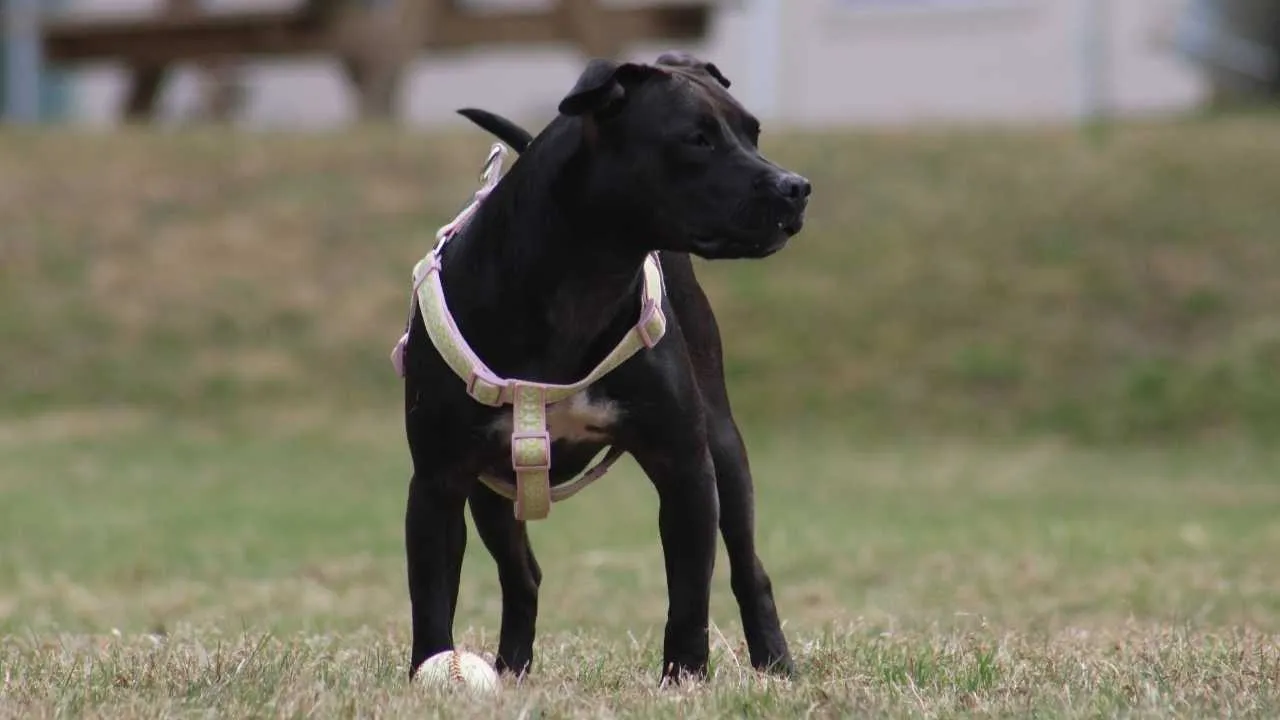
The American Staffordshire Terrier is a confident, physically powerful breed whose protective nature is rooted in something deeper than territory; it’s driven by an intense devotion to family. Where many guard breeds protect space, the AmStaff protects people.
Their strengths are built on a combination of physical stamina, high confidence, and a strong emotional bond with those they love; qualities that make them both effective guardians and deeply loyal companions.
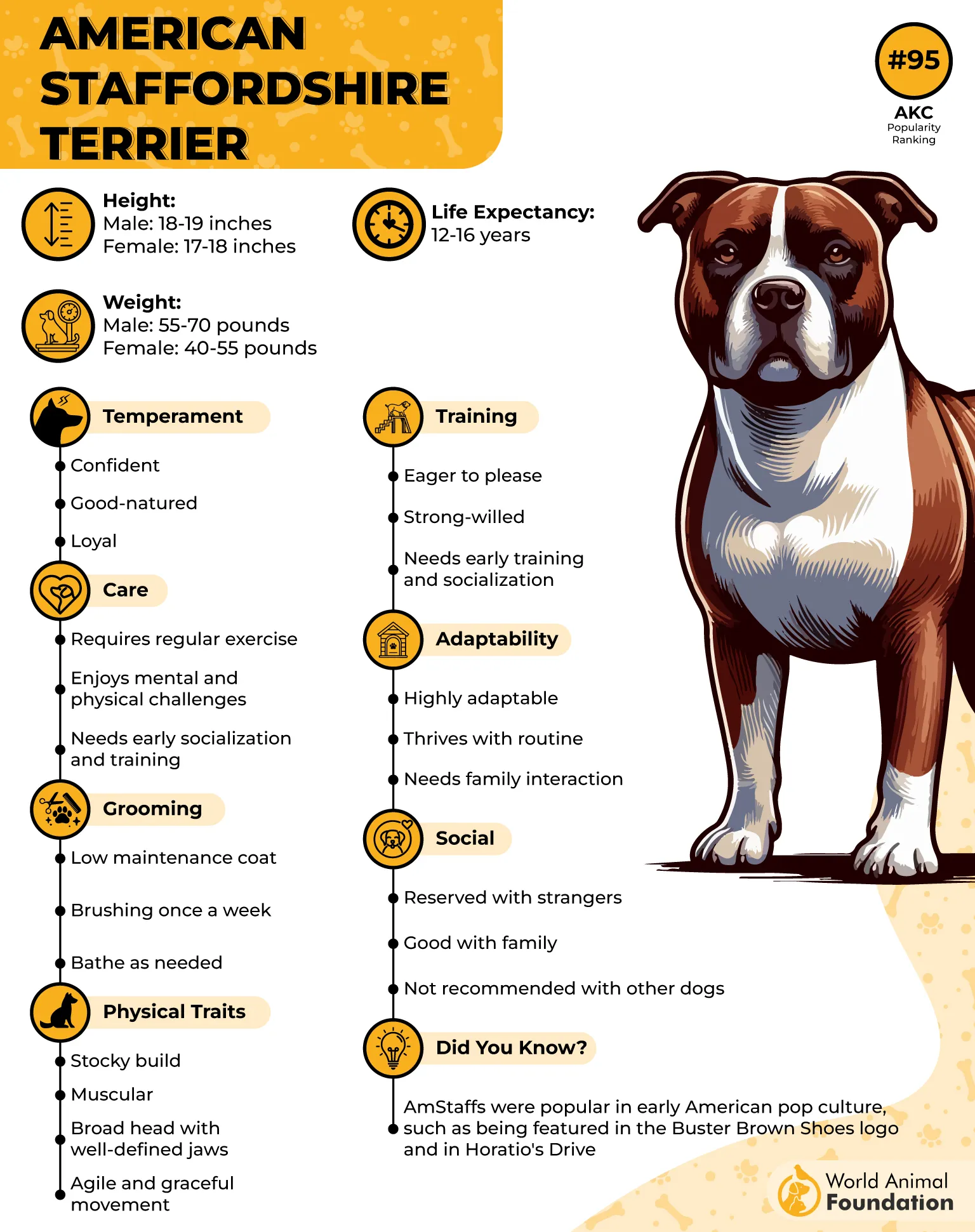
Consistent training and early socialization are essential. Without them, their energy and confidence can become difficult to manage, particularly around strangers and other animals. With the right foundation, however, that same drive produces a well-balanced, dependable protector.
They are an energetic breed and require regular physical activity to stay mentally stable and focused. For owners willing to invest the time and consistency, the AmStaff rewards that effort with unwavering loyalty and steadfast companionship.
8. Giant Schnauzer
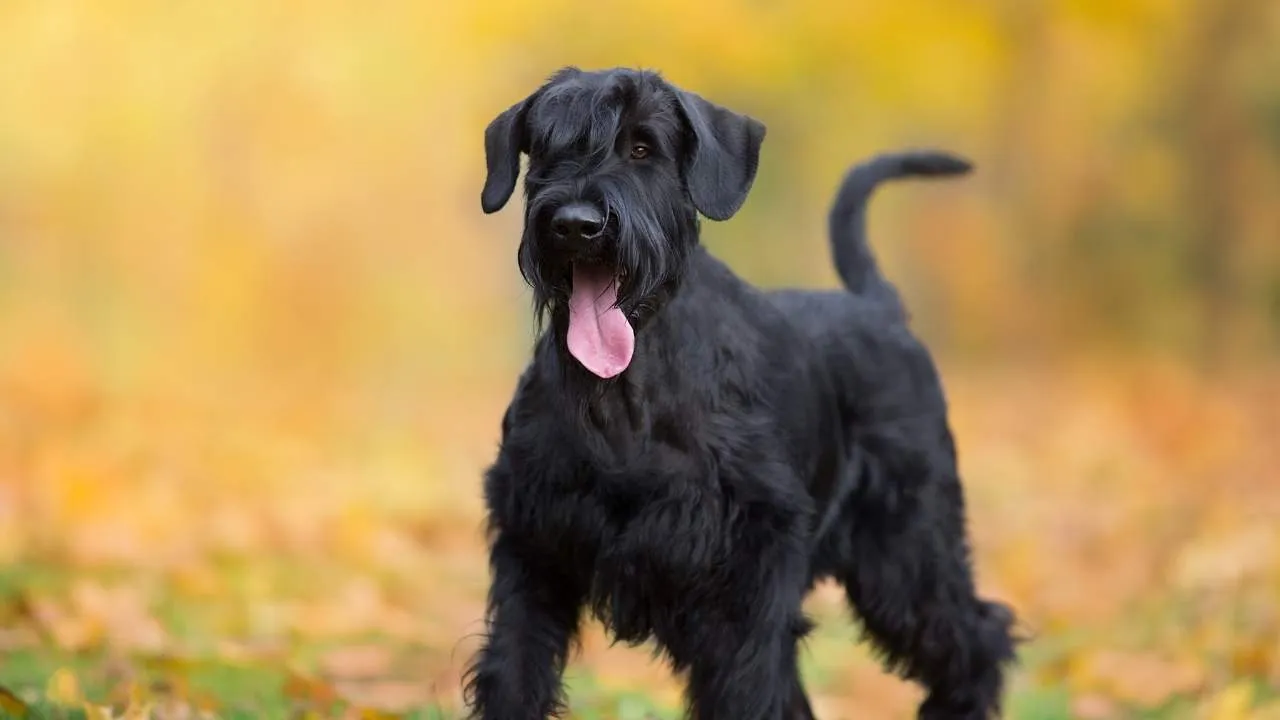
The Giant Schnauzer is a serious working breed: disciplined, strong-willed, and built for the demands of structured guarding. As Orvis notes, they are powerful dogs that require an equally capable owner to bring out their best.
Their protective instincts are driven by strong territorial awareness, a consistently high level of alertness, and a natural wariness around strangers that gives them an inherently imposing presence.
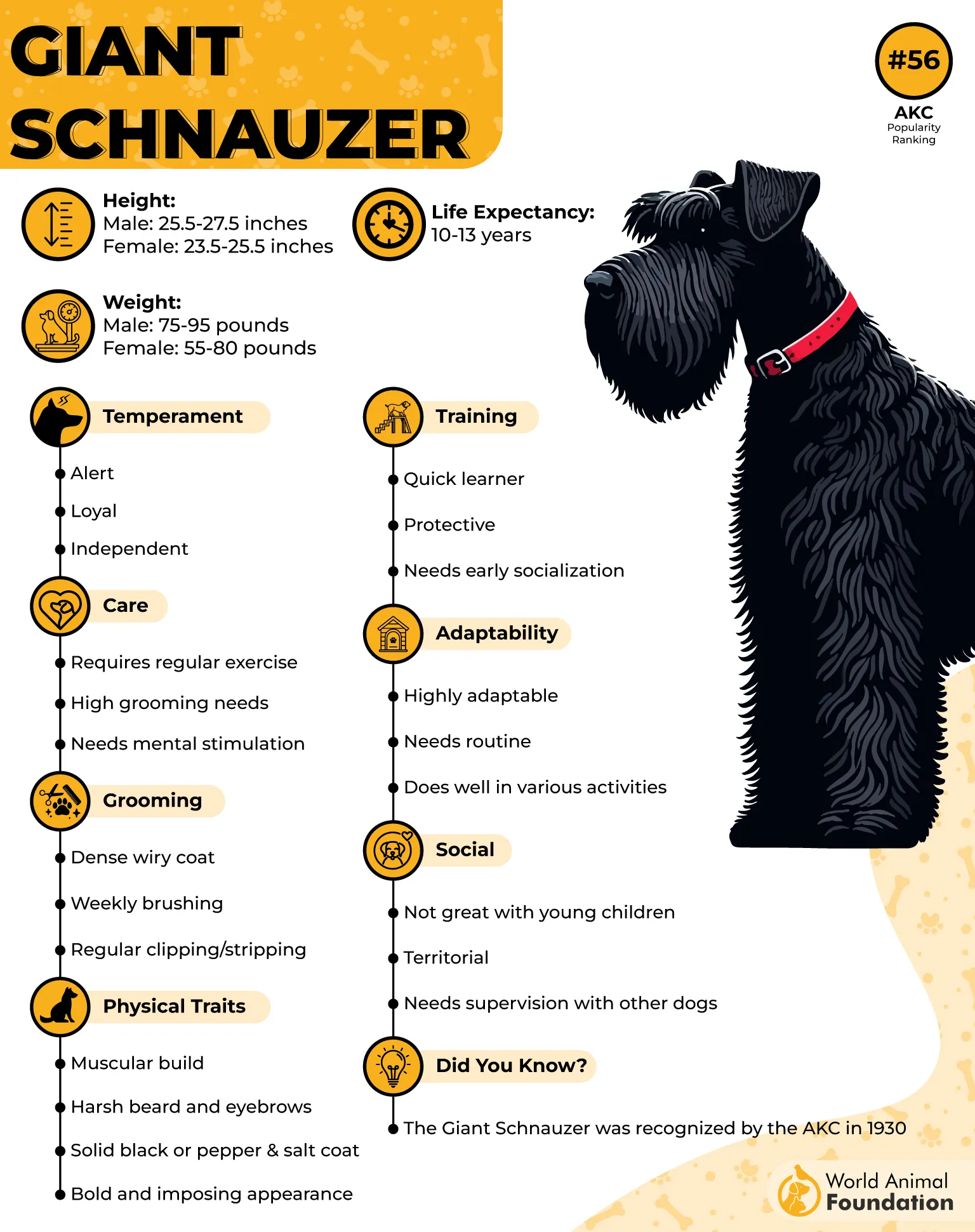
This is not a breed for a relaxed household. Giant Schnauzers need daily training and regular exercise to remain balanced, and their dominant nature means clear, consistent leadership is non-negotiable. Without firm guidance, their protective tendencies can become difficult to manage.
They are best matched with seasoned owners who understand working breeds, those who can provide the structure, engagement, and steady hand this breed demands and deserves.
9. Rhodesian Ridgeback
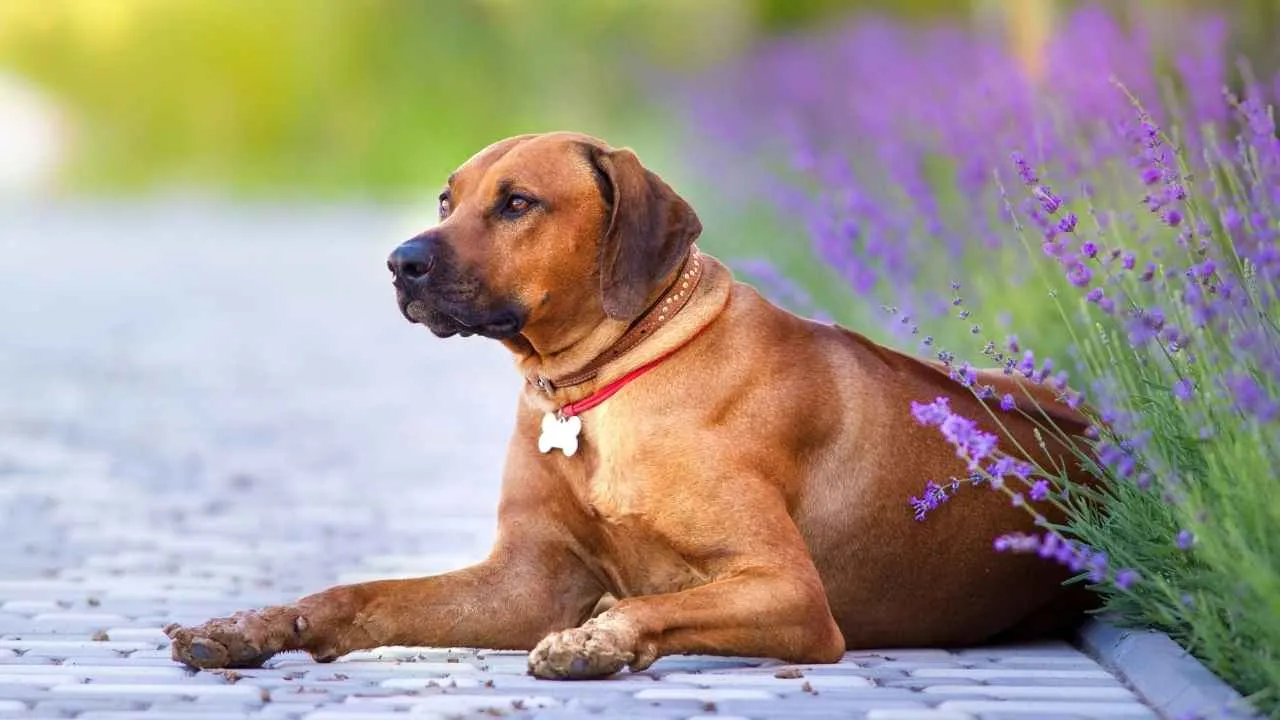
The Rhodesian Ridgeback brings a quiet, self-assured confidence to the role of guard dog. Independent and highly selective in their responses, they don’t bark unnecessarily or react without cause; their guarding style is passive, composed, and deliberate.
Under pressure, Ridgebacks remain calm. Their protection is rooted in devotion rather than possessiveness, and their physical capability and natural awareness make them formidable when a situation genuinely warrants a response.
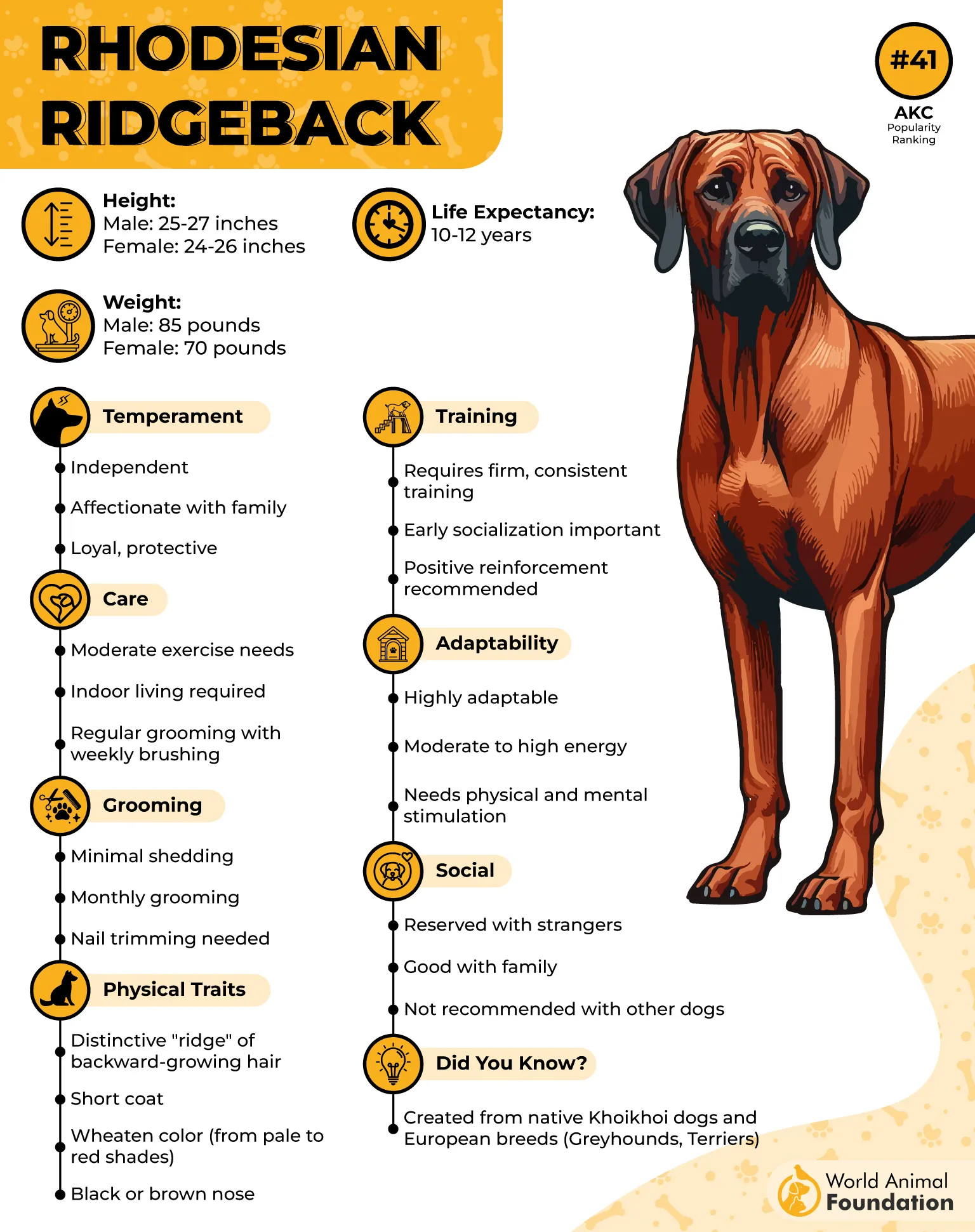
Training is important, but heavy-handed control doesn’t work with this breed. Ridgebacks respond to firm, respectful handling: an approach that acknowledges their intelligence and independence rather than trying to override it.
For owners who want a capable protector without the intensity or reactivity of more high-strung guard breeds, the Rhodesian Ridgeback is an exceptionally well-suited choice.
10. Boerboel
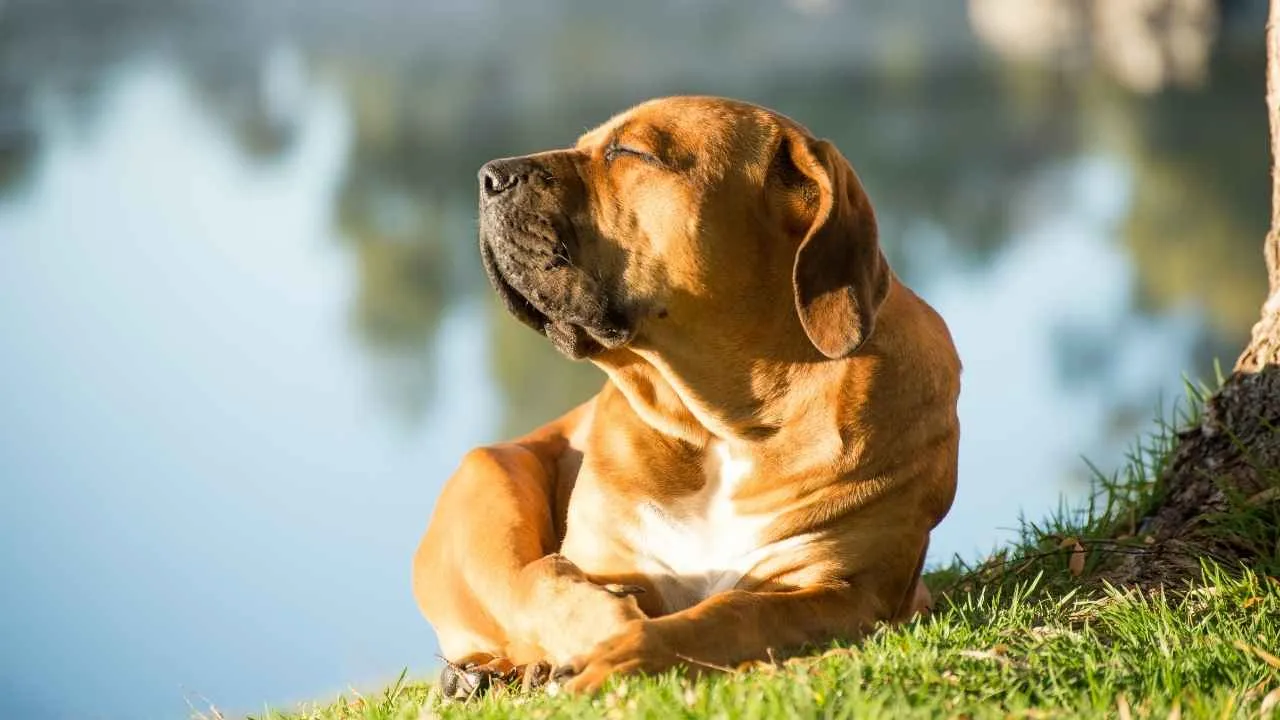
Originally bred to protect livestock and guard estates in South Africa, the Boerboel is one of the most physically powerful guardian breeds in existence. Confidence and protective instinct aren’t traits the Boerboel learns; they are deeply ingrained from birth.
Their effectiveness as protectors is built on strong territorial instincts, exceptional physical strength, and a natural self-assurance that requires no encouragement. When they perceive a threat, there is little ambiguity in their response.
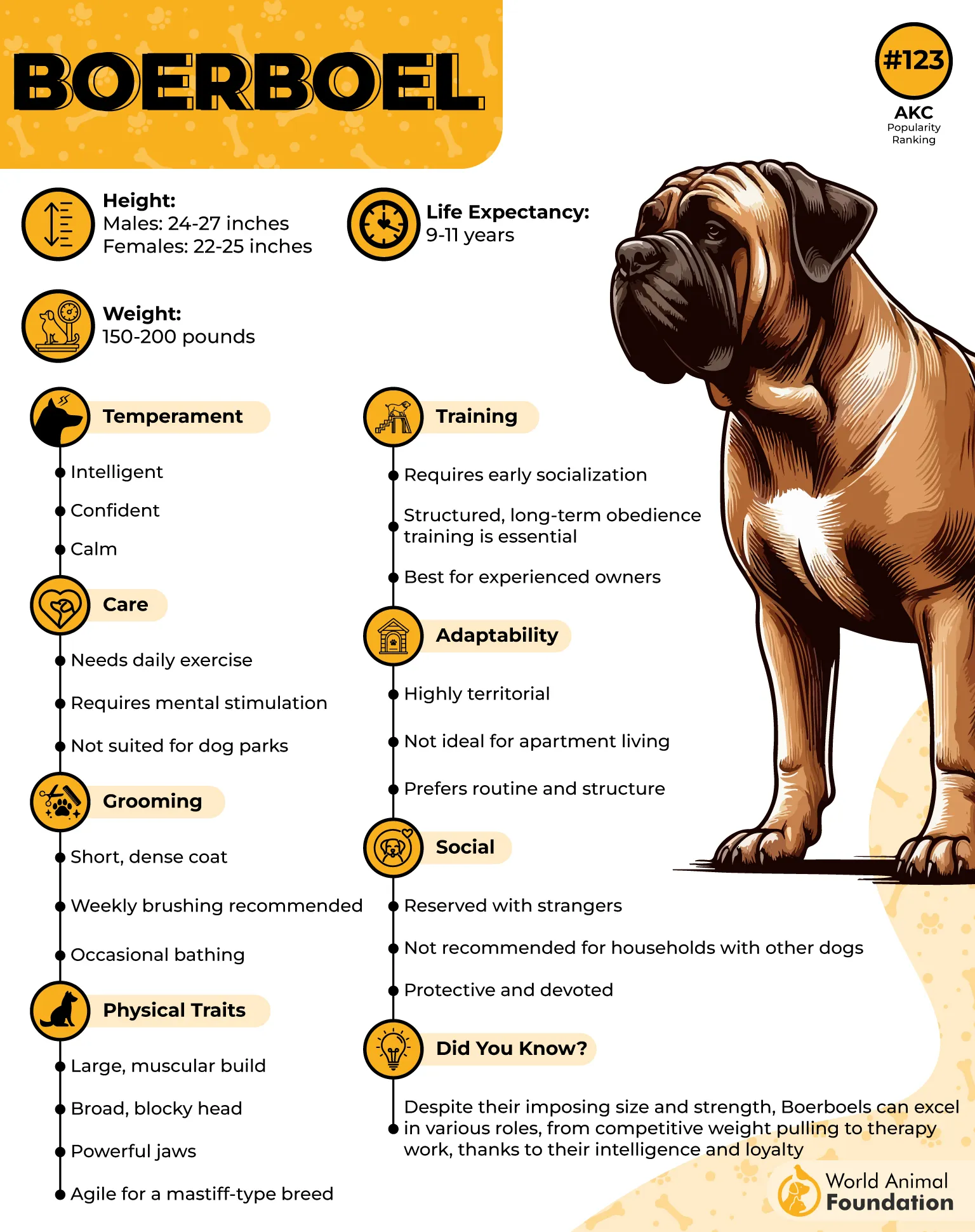
That power, however, demands responsibility. As VCA Animal Hospitals notes, Boerboels can be dominant and stubborn, making early socialization and consistent training absolutely essential. Strong, experienced leadership isn’t optional with this breed; it’s the foundation everything else is built on.
The Boerboel is best suited to owners who have the knowledge, confidence, and commitment to manage a large, powerful dog responsibly. For those who can, the reward is a deeply loyal and formidable protector.
Conclusion
The best guard dogs offer far more than physical protection; they bring confidence, loyalty, and a deep sense of security to everything they guard.
Each breed covered above approaches that role differently. Some combine intelligence with precision and control; others rely on sheer physical presence and natural wariness. What they share is an instinct to protect that, when properly channeled, produces a reliable and devoted companion.
Breed selection matters, but it’s only the starting point. Consistent training, clear structure, and confident leadership are what transform natural instinct into a well-balanced, trustworthy guardian, one that is as gentle within the family as it is formidable when it counts.
