





For centuries, people have developed dogs specifically to locate, flush, pursue, and recover game birds across forests, fields, marshes, and waterways. Speed became an especially valuable quality when a dog needed to cover open ground, keep pace with fleeing quarry, or react instantly when a bird suddenly burst from cover.
Modern bird dogs may spend their days as family companions rather than working in the field. However, many still possess the physical traits and instincts that made their ancestors effective hunting partners. Long legs, flexible bodies, powerful hindquarters, keen senses, and an eagerness to work can combine to produce impressive bursts of acceleration.
The breeds featured here come from different sporting backgrounds, and their working methods are not identical. Some were designed primarily to retrieve, while others were developed to point, flush, or draw birds into range. Their shared connection to bird hunting helps explain why many are so quick, agile, and responsive when movement catches their attention.
Top Dog Breeds That Hunt Birds With Lightning‑Fast Speed
1. Labrador Retriever
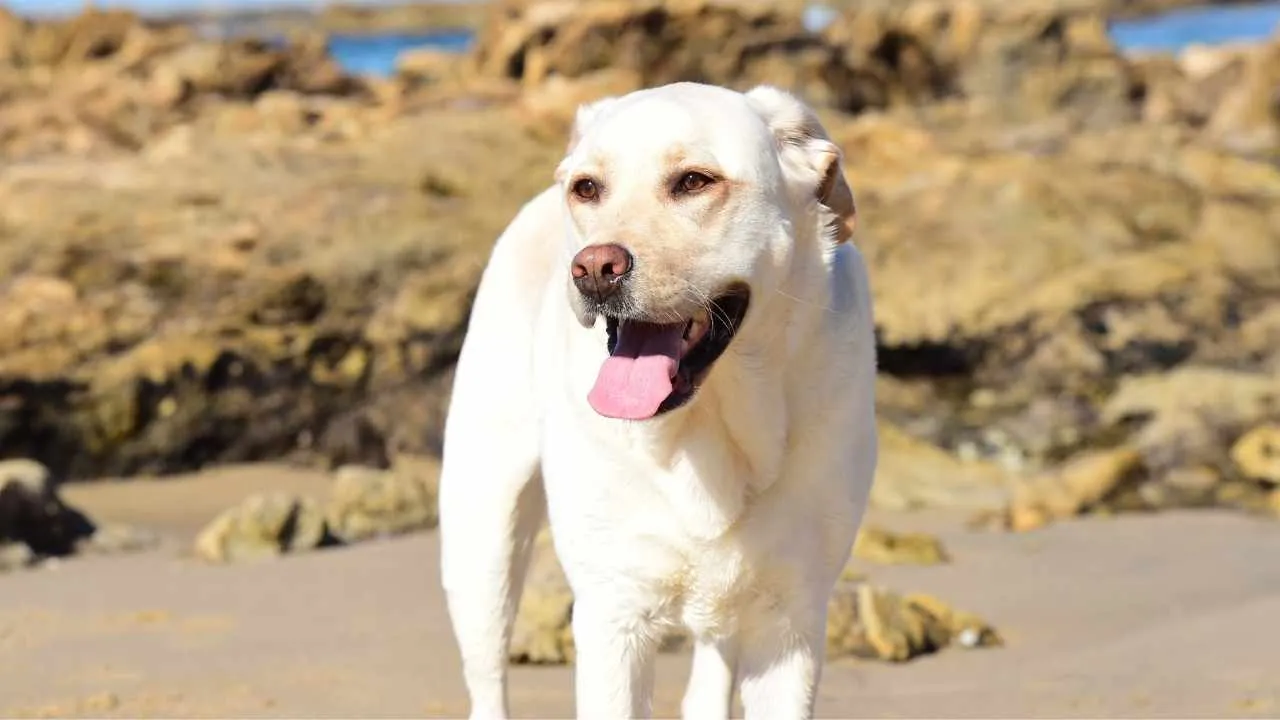
Labrador Retrievers have roots in Newfoundland, where early St. John’s dogs worked alongside fishermen and were valued for retrieving objects from cold Atlantic waters, as mentioned by Britannica. Their descendants were later refined in Britain as sporting companions, becoming highly capable retrievers used by hunters to collect waterfowl and other game.
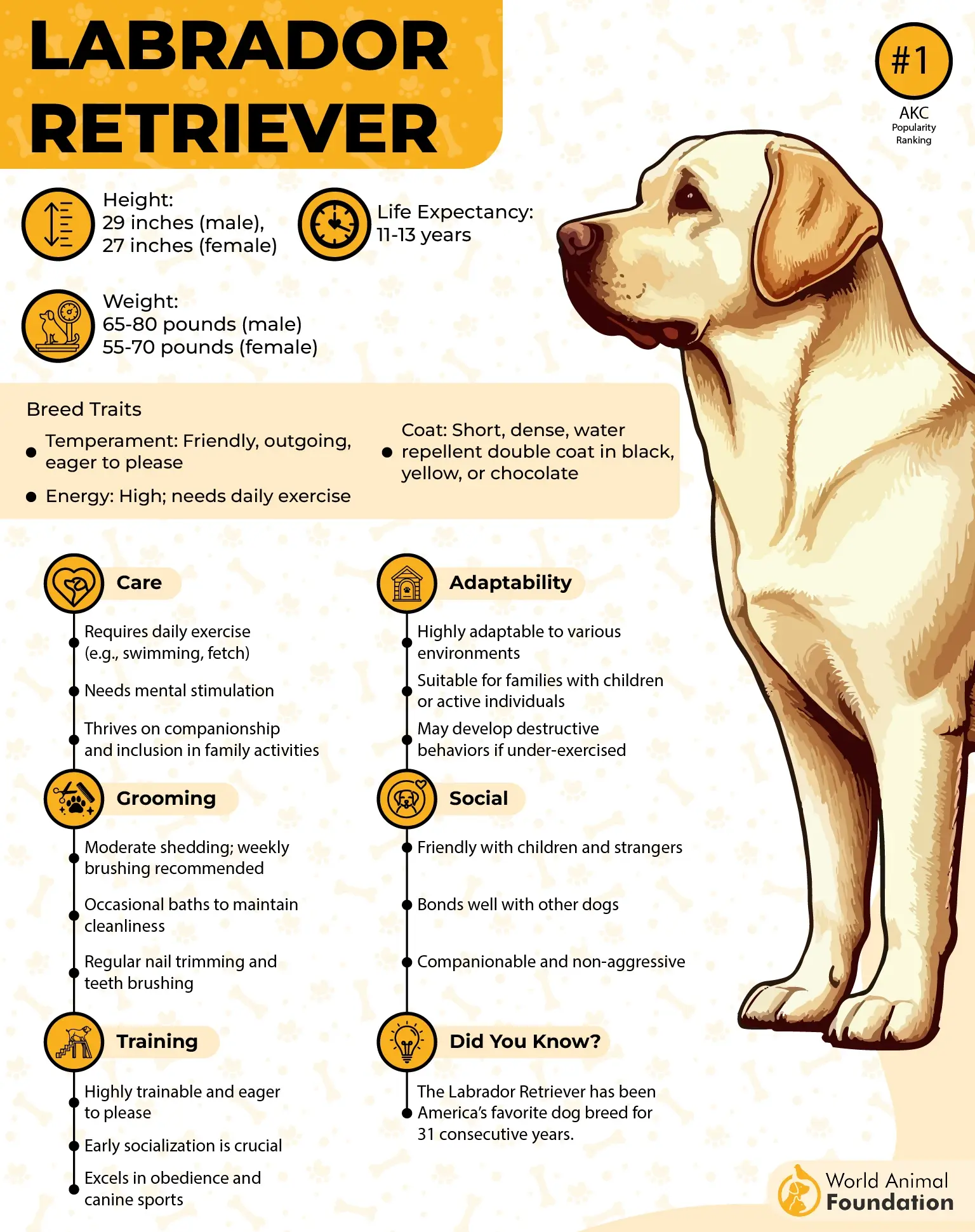
Water-Ready Bodies and Active Daily Lives
A Labrador’s short, dense coat is relatively straightforward to maintain, although regular brushing helps remove loose hair and keep the coat in good condition. This muscular breed needs substantial daily movement, with swimming, retrieving, hiking, running, and interactive games offering useful ways to expend energy.
Explosive Acceleration When Birds Take Flight
Labradors are not traditionally known as pursuit specialists, but their athleticism can produce surprising bursts of speed when they are sent after moving game. Their strong retrieving instinct makes them especially responsive to birds that have been flushed or brought down, allowing them to cover ground quickly while keeping their attention on the task.
2. Boykin Spaniel
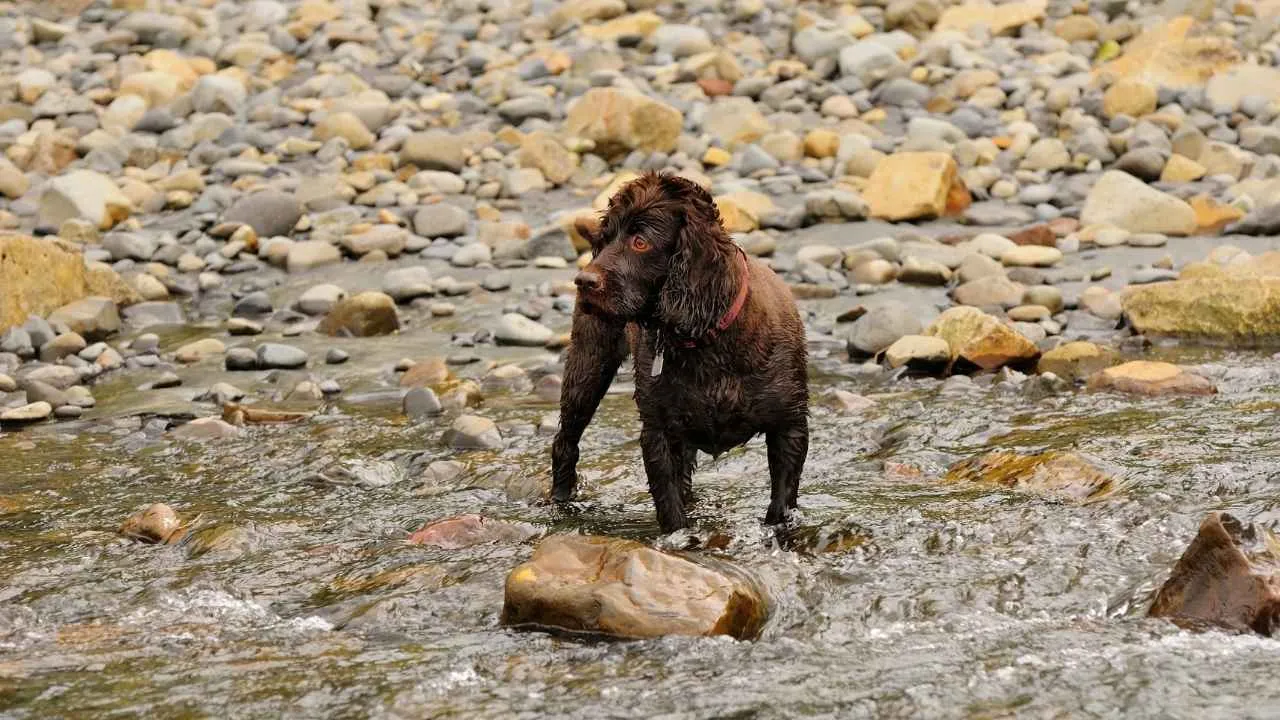
The Boykin Spaniel was developed in South Carolina during the early twentieth century. Its story is closely connected to a small brown Spaniel that was trained for hunting and retrieving, eventually becoming the foundation of a breed particularly suited to the waterways and dense terrain of the American Southeast.
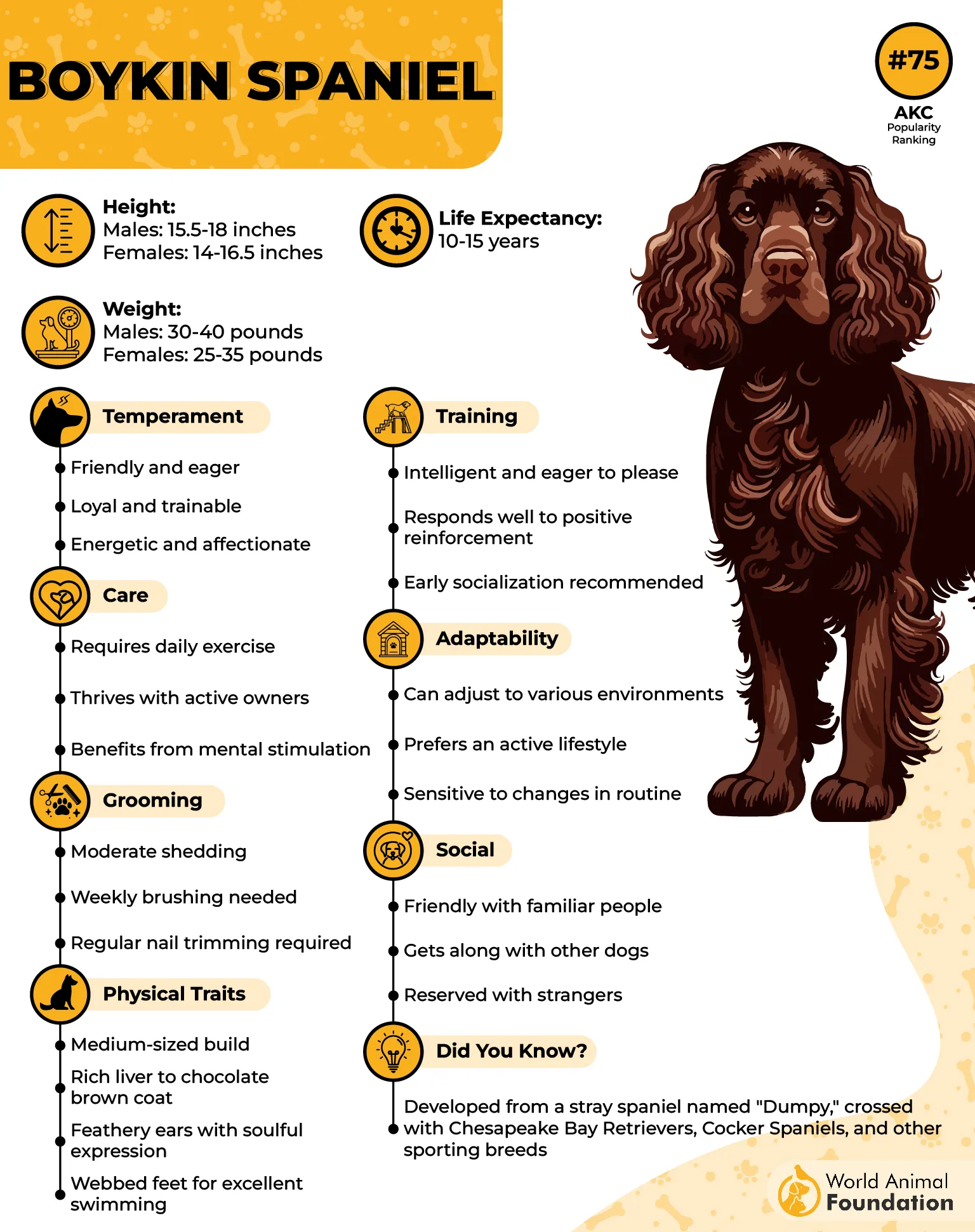
A Practical Coat and Plenty of Outdoor Activity
Boykin Spaniels have medium-length coats that benefit from regular brushing, particularly around areas where debris can collect after outdoor adventures, as noted by the AKC. They are energetic dogs that enjoy walking, swimming, retrieving, hiking, and games that allow them to remain physically involved and mentally occupied.
Small Stature, Rapid Movement in the Field
A Boykin may be compact compared with larger sporting breeds, but its build allows it to move efficiently through thick vegetation and difficult terrain. Its hunting heritage favors quick reactions when birds move suddenly, while its enthusiasm for flushing and retrieving gives it plenty of motivation to maintain a fast pace during fieldwork.
3. Golden Retriever
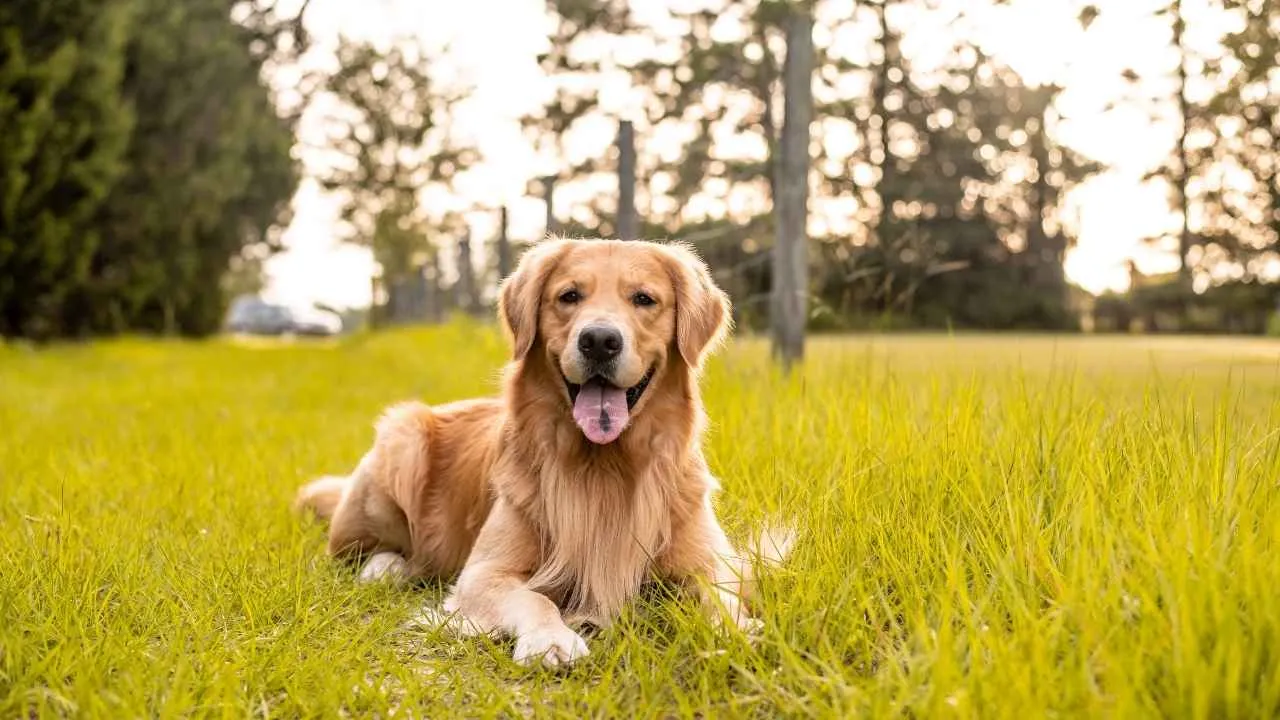
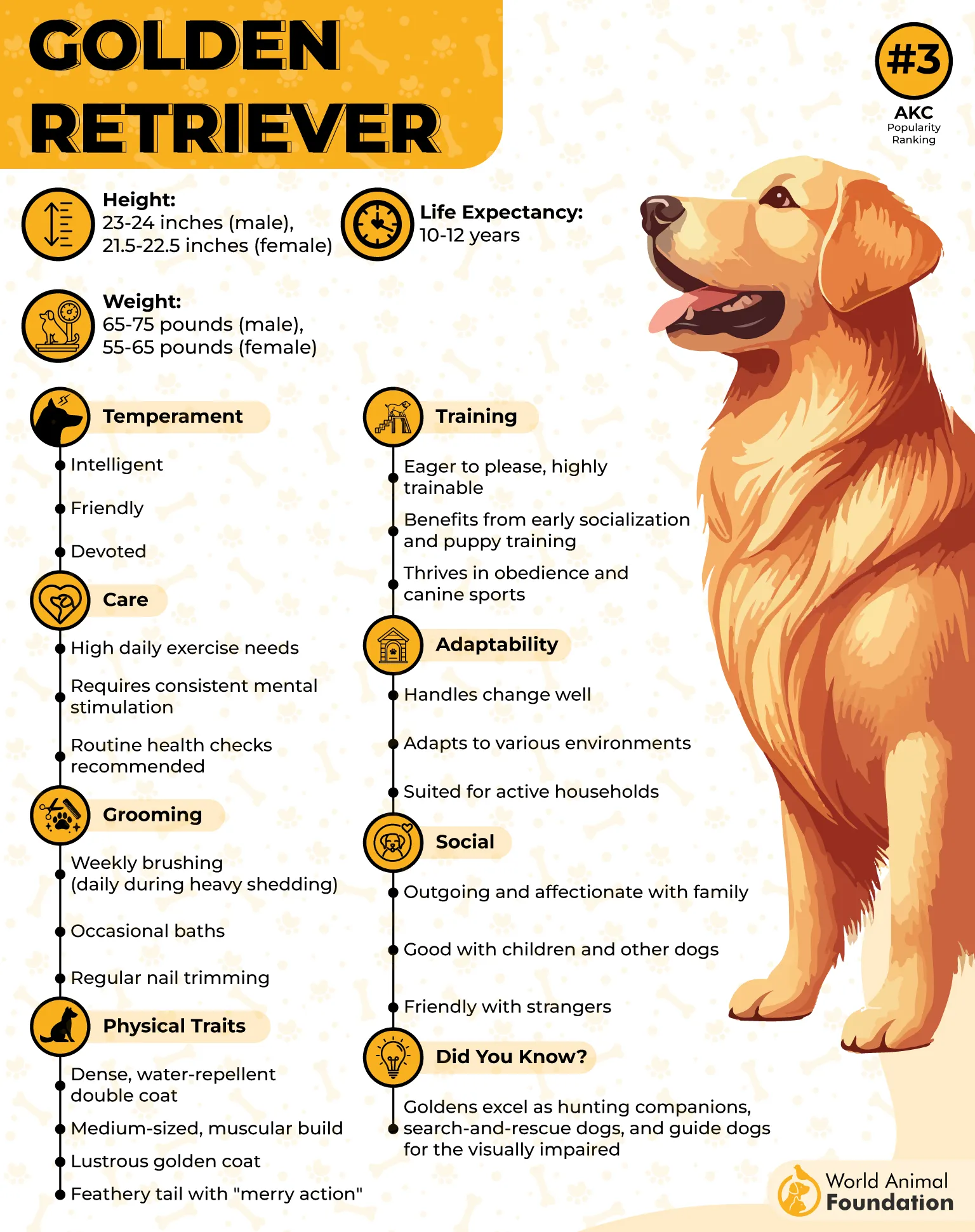
Golden Retrievers were developed in Scotland during the nineteenth century as sporting dogs capable of retrieving game across varied terrain. Breeders combined Retriever-type dogs with other sporting lines to create an adaptable hunting companion with stamina, a strong swimming ability, and a willingness to work closely with people.

Coat Maintenance and Athletic Requirements
The Golden’s abundant double coat requires frequent brushing, especially during periods of heavy shedding. Its exercise needs are considerable, and activities such as swimming, long walks, retrieving games, hiking, and obedience work can help keep both body and mind engaged.
Fast, Focused Pursuit Across Open Ground
Golden Retrievers can accelerate impressively when chasing a thrown object or responding to a working command, as noted by Orvis. In the field, their combination of stride length, stamina, and concentration allows them to move quickly toward birds and cover significant distances without tiring immediately. Their speed is generally paired with controlled retrieving rather than uncontrolled pursuit.
4. Vizsla
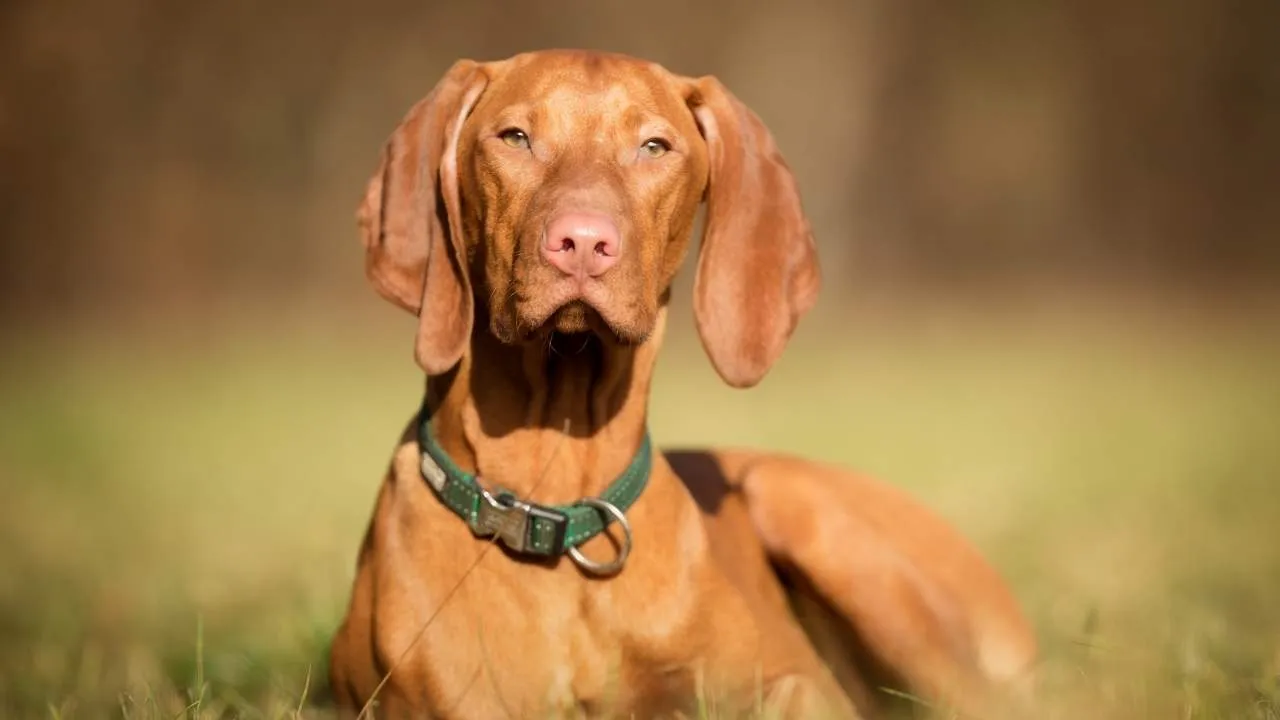
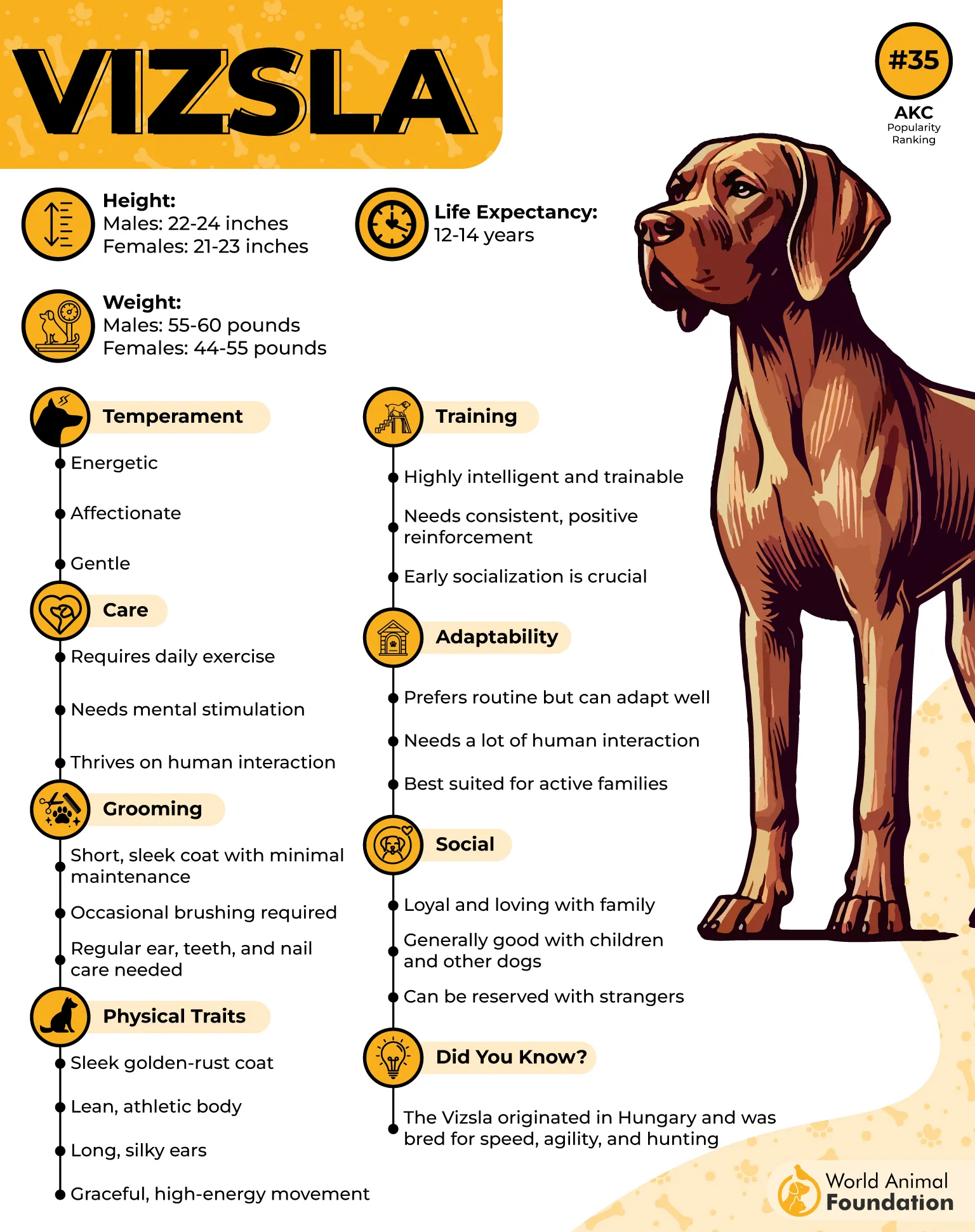
The Vizsla’s history stretches back several centuries in Hungary, where its ancestors were valued by hunters for locating game across open landscapes. The breed became known for its versatility, combining pointing, tracking, and retrieving abilities in a lightweight body capable of covering ground efficiently.
A Low-Maintenance Coat on a High-Energy Athlete
The Vizsla’s short coat requires relatively little grooming, with occasional brushing generally sufficient for routine care. Exercise is another matter: this breed needs significant daily activity. Running, hiking, fieldwork, swimming, scent games, and retrieving exercises can all help satisfy its substantial physical requirements.
A Natural Sprinter With Exceptional Field Agility
Speed is one of the Vizsla’s defining physical advantages. Its lean frame, long legs, and efficient movement allow it to race across open country while rapidly changing direction. When searching for birds, it can move with remarkable fluidity, covering large areas before suddenly slowing to investigate scent or indicate game.
5. English Springer Spaniel
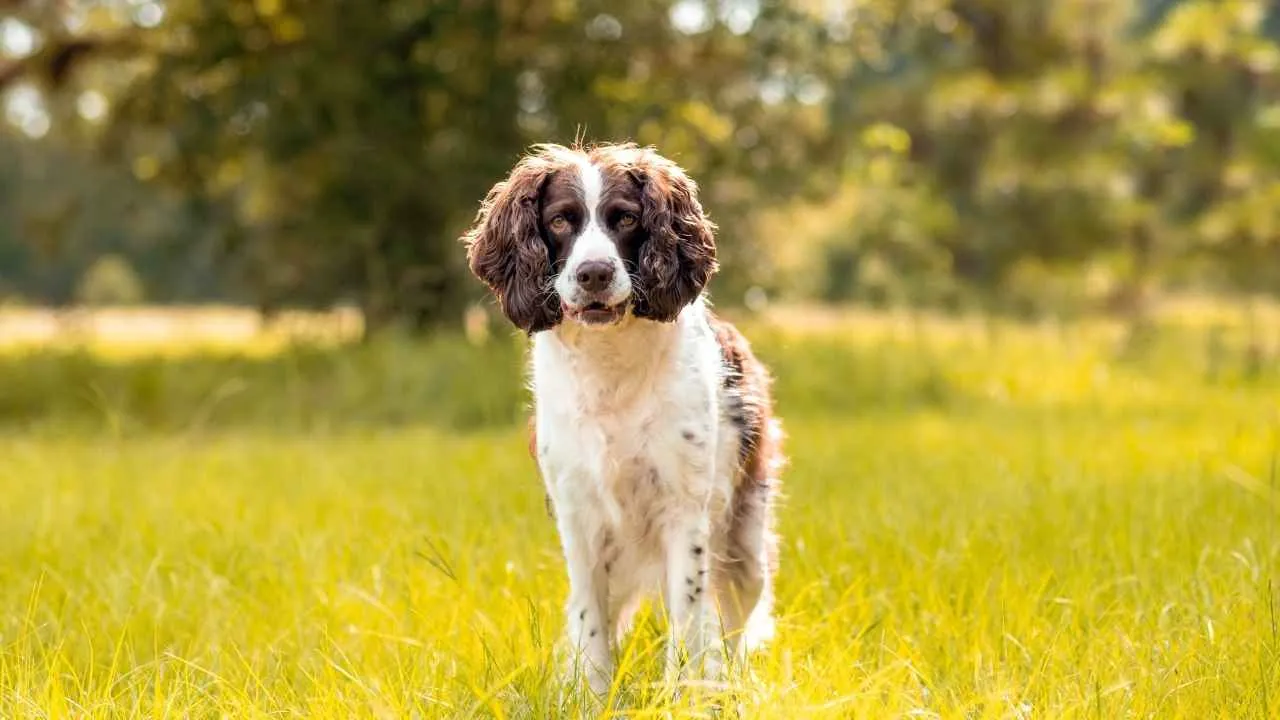
English Springer Spaniels originated in Britain as hunting dogs used to locate and flush game birds from vegetation. Their role required a combination of endurance, responsiveness, scenting ability, and agility, allowing them to work close to hunters while moving through fields and dense cover.
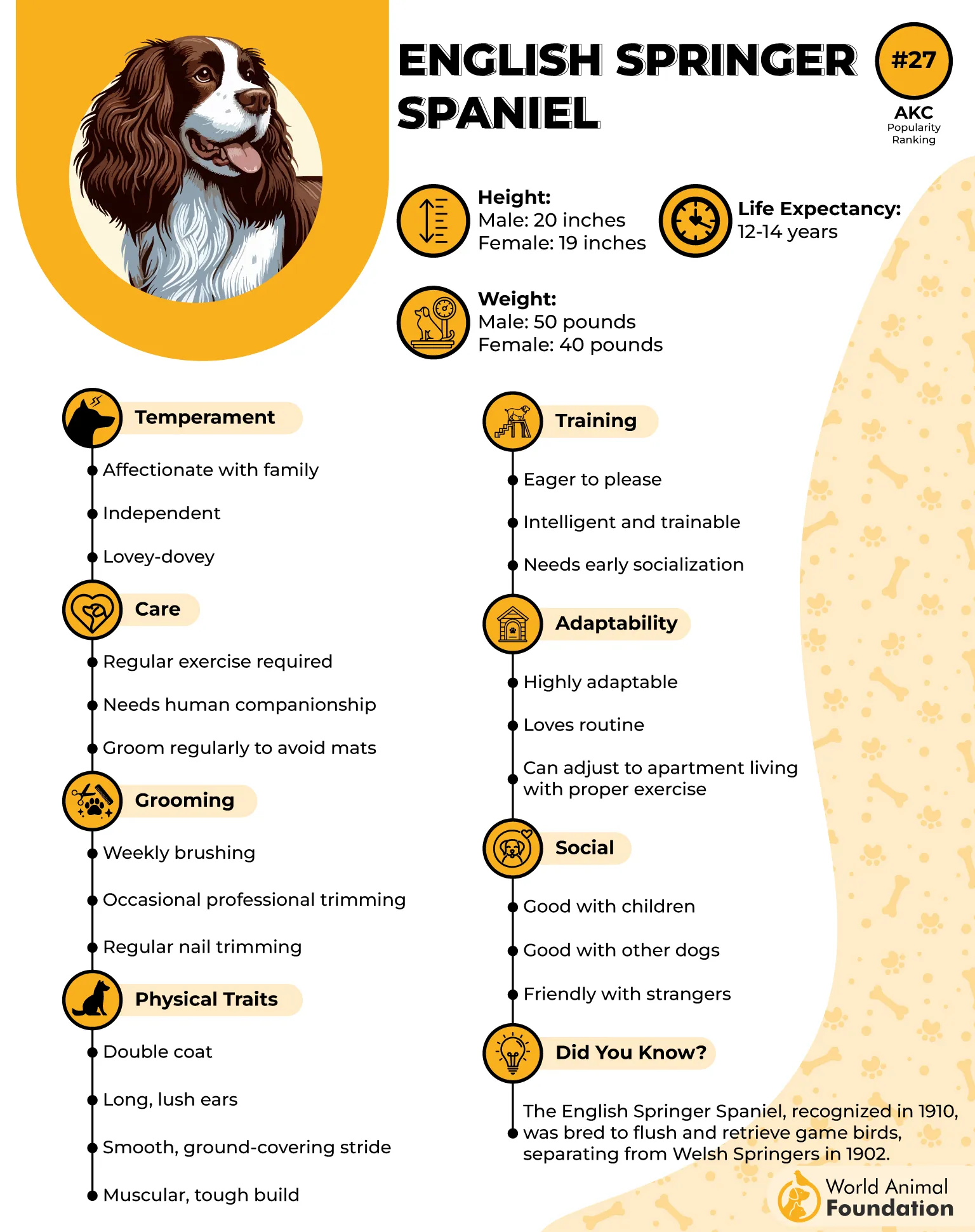
Feathered Fur Needs Attention From Active Owners
The breed’s medium-length coat features distinctive feathering that can collect burrs, mud, and other debris during outdoor excursions. Regular brushing and occasional trimming help keep it manageable. Springers also need an active routine involving walks, retrieving, scent games, training, hiking, or other forms of purposeful exercise.
A Burst of Speed Designed for Flushing Birds
Springers are built for quick movement rather than leisurely exploration. When they locate promising cover, they can accelerate rapidly and weave through vegetation with impressive coordination. Their traditional flushing role means they are especially responsive to the moment a bird breaks from hiding, making quick reactions central to their working style.
6. Nova Scotia Duck Tolling Retriever
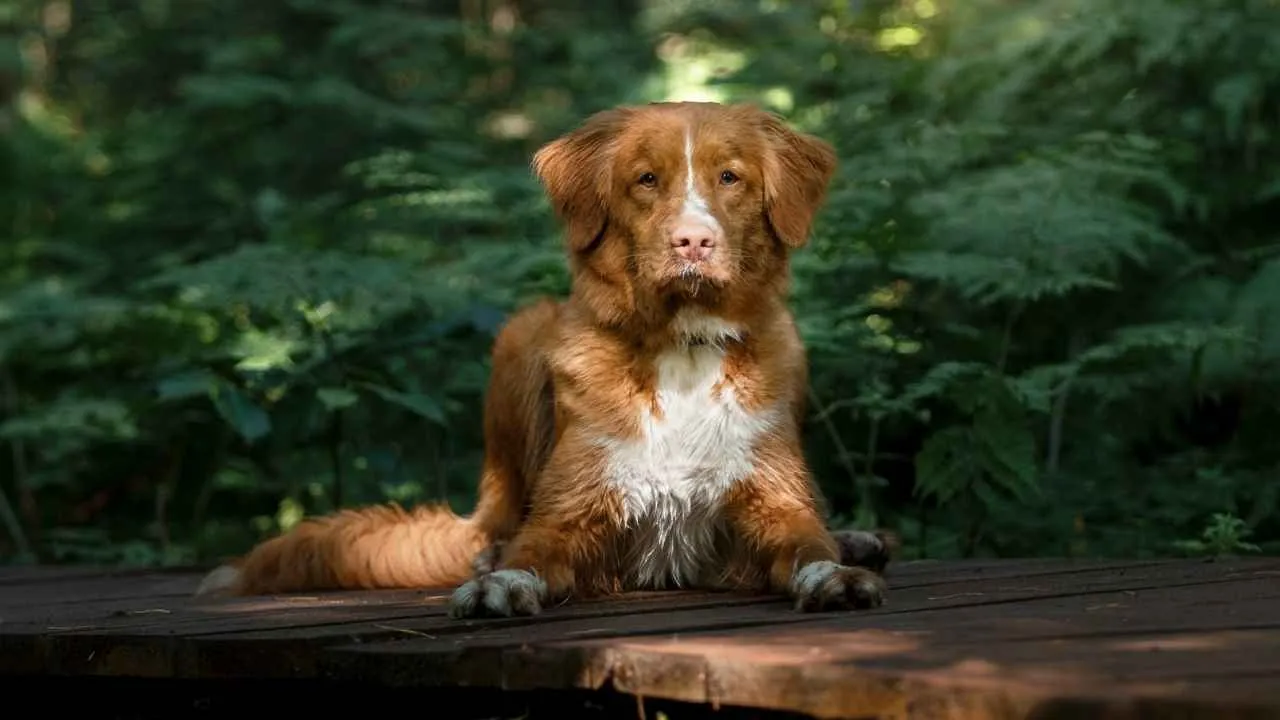
The Nova Scotia Duck Tolling Retriever was developed in Canada’s Maritime region, where hunters used energetic, small dogs to attract curious waterfowl toward shore. The breed’s unusual working method combined playful movement with retrieving, making it a distinctive specialist among sporting dogs.
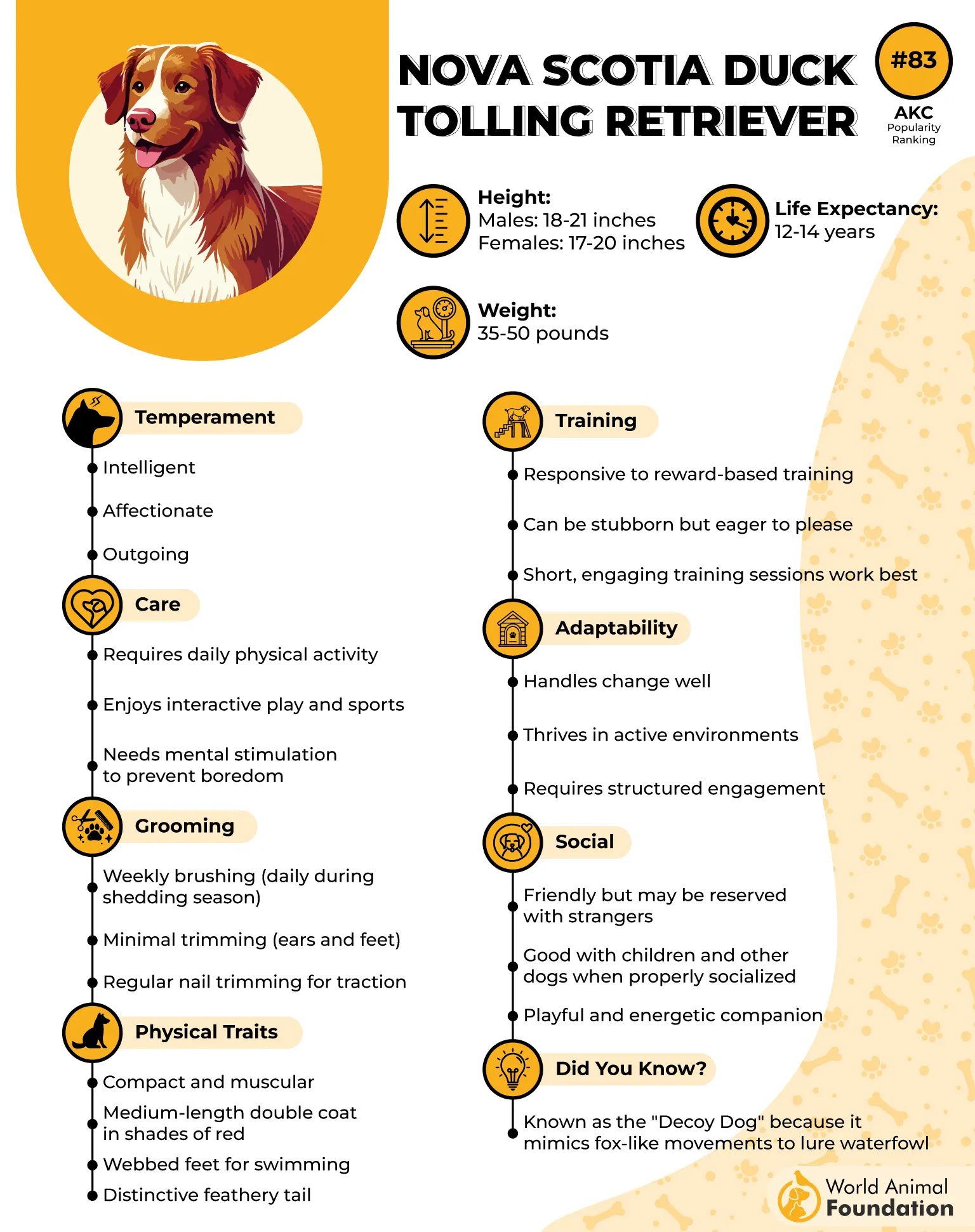
A Weather-Resistant Coat for an Energetic Lifestyle
The Toller has a water-resistant double coat that benefits from routine brushing to manage loose fur and keep the feathering free of tangles. Its energy level is high, so ordinary walks may not always be enough. Swimming, retrieving, running, agility, scent games, and interactive training can provide more satisfying outlets.
Quick Feet and Rapid Reactions Around Waterfowl
Tollers possess a lively combination of agility, endurance, and enthusiasm. Their traditional work around water demanded repeated movement between land and water, while their interest in birds helped keep them engaged with the hunting process. When excited, a Toller can move with remarkable speed and snap into action almost instantly.
7. Brittany
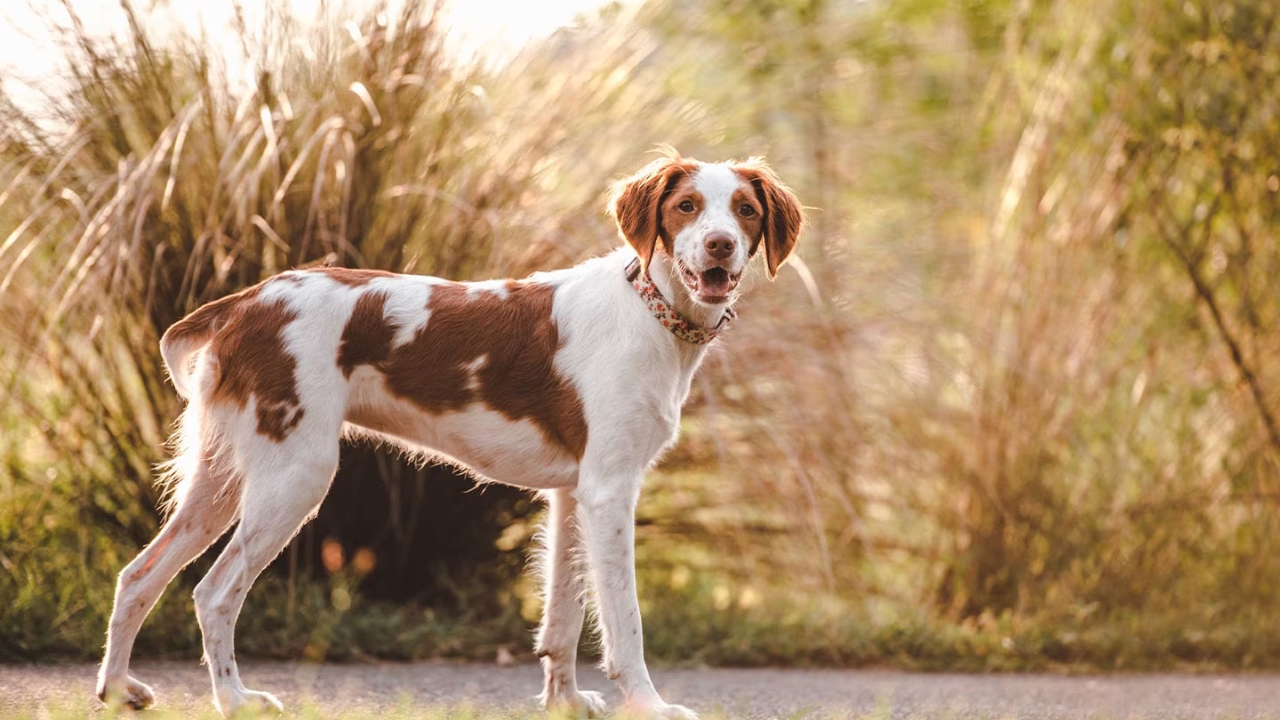
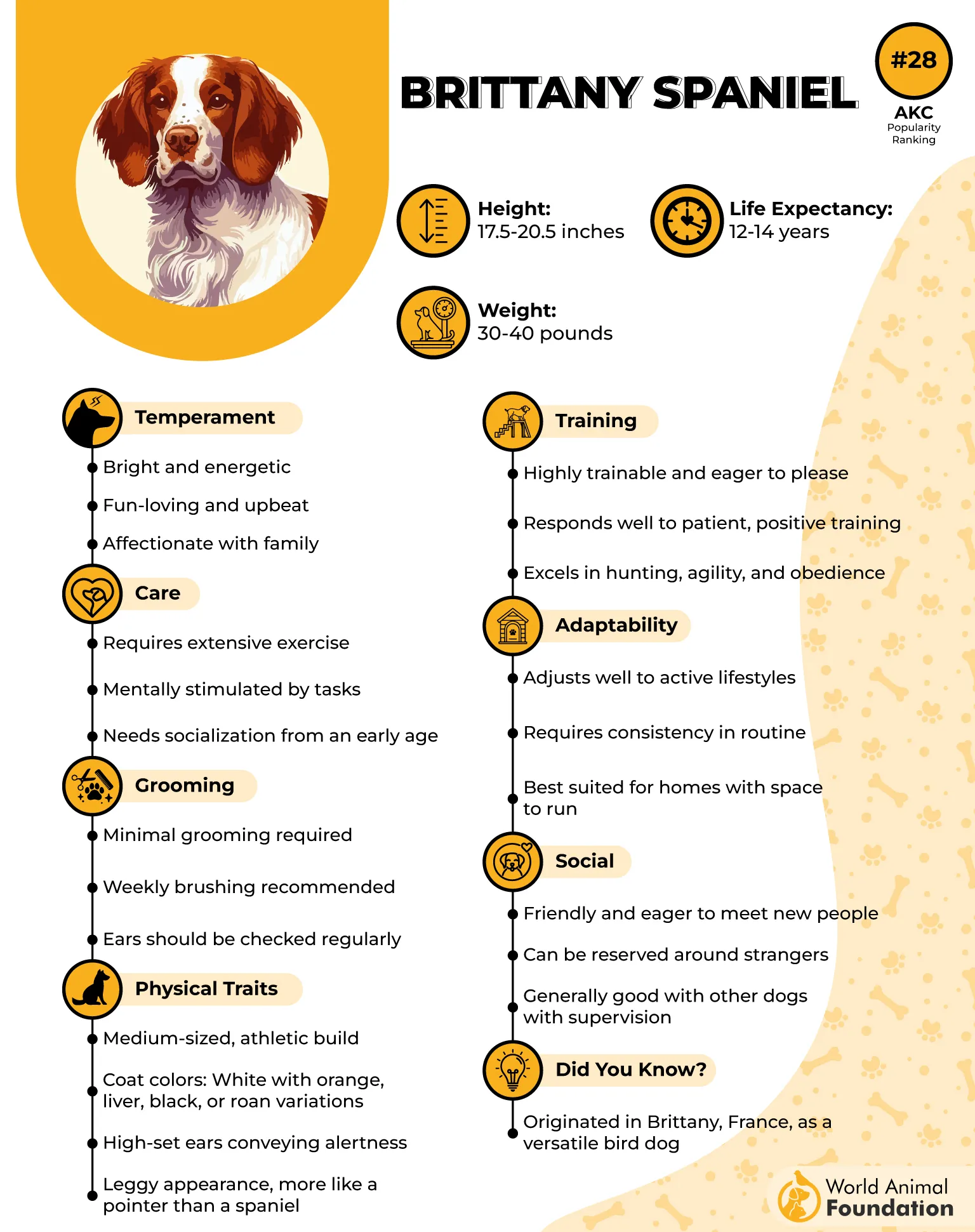
The Brittany originated in France and was developed as a versatile bird dog capable of working across varied countryside. Its compact frame made it practical for hunters traveling through fields and woodland, while its pointing and retrieving abilities allowed it to perform several jobs during a single hunt.
Easy Coat Care for a Dog That Loves Motion
Brittanys generally have a moderately short coat with some feathering that requires routine brushing rather than elaborate grooming. Their exercise needs are much greater than their medium-small stature might suggest. Long walks, running, hiking, retrieving, scent activities, agility, and field training can all suit their energetic nature.
A Compact Athlete With Serious Speed
Brittanys are exceptionally nimble and can move rapidly across uneven ground without sacrificing maneuverability. Their hunting style depends heavily on covering territory, searching for birds, and reacting to changing scents. That combination gives them the ability to accelerate quickly, turn sharply, and maintain an impressive pace while working.
Conclusion
Labrador Retrievers, Boykin Spaniels, Golden Retrievers, Vizslas, English Springer Spaniels, Nova Scotia Duck Tolling Retrievers, and Brittanys demonstrate different forms of athletic ability shaped by generations of sporting work. Their histories explain why qualities such as acceleration, agility, endurance, and responsiveness remain prominent in these breeds.
Not every individual dog will display the same level of speed. Age, conditioning, body structure, motivation, training, and inherited traits can all affect performance. A dog bred for fieldwork may also express its energy differently when living as a household companion.
For anyone considering one of these breeds, exercise requirements should be taken seriously. These dogs generally thrive when their physical abilities are paired with activities that challenge their senses and intelligence.
Giving them appropriate outlets can help turn their impressive athleticism into a rewarding part of everyday life rather than allowing excess energy to become a problem.
