




What makes cream such an interesting coat color in dogs? It appears in breeds that look nothing alike, come from different parts of the world, and were developed for completely different purposes.
Some breeds have cream as a standard shade, while others produce it only through specific genetic combinations. Either way, the color offers a useful starting point for exploring how varied dog breeds truly are.
This overview focuses on dogs commonly found in cream and explains why the color shows up in each breed. Instead of treating the shade as a decorative detail, it becomes a way to understand breed history, coat genetics, and the range of looks and temperaments associated with these dogs.
Whether you’re researching potential pets or just curious about canine diversity, cream-coated breeds offer plenty to learn about without needing any special background knowledge.
Dog Breeds with Cream-Colored Coats
1. Chow Chow
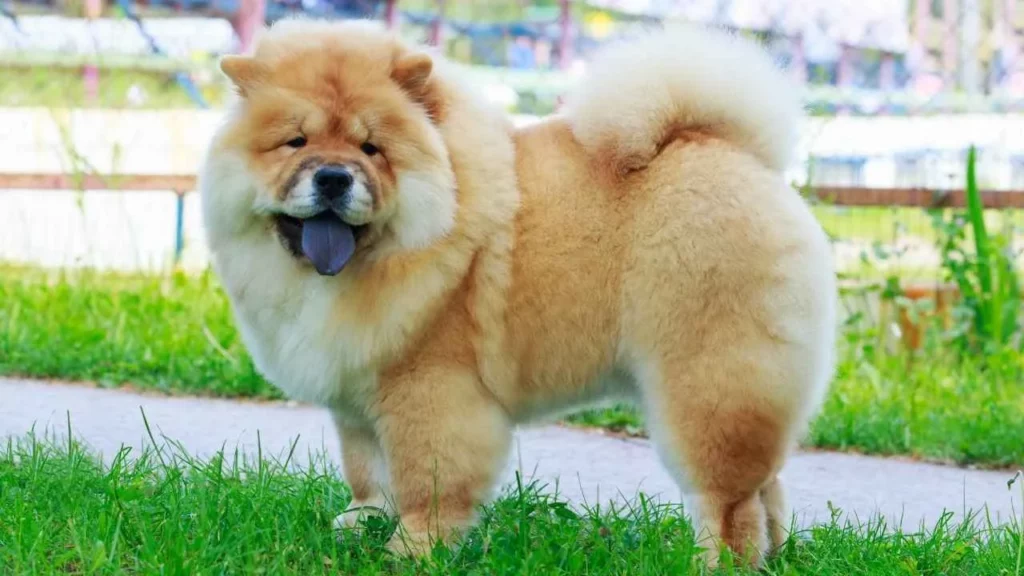
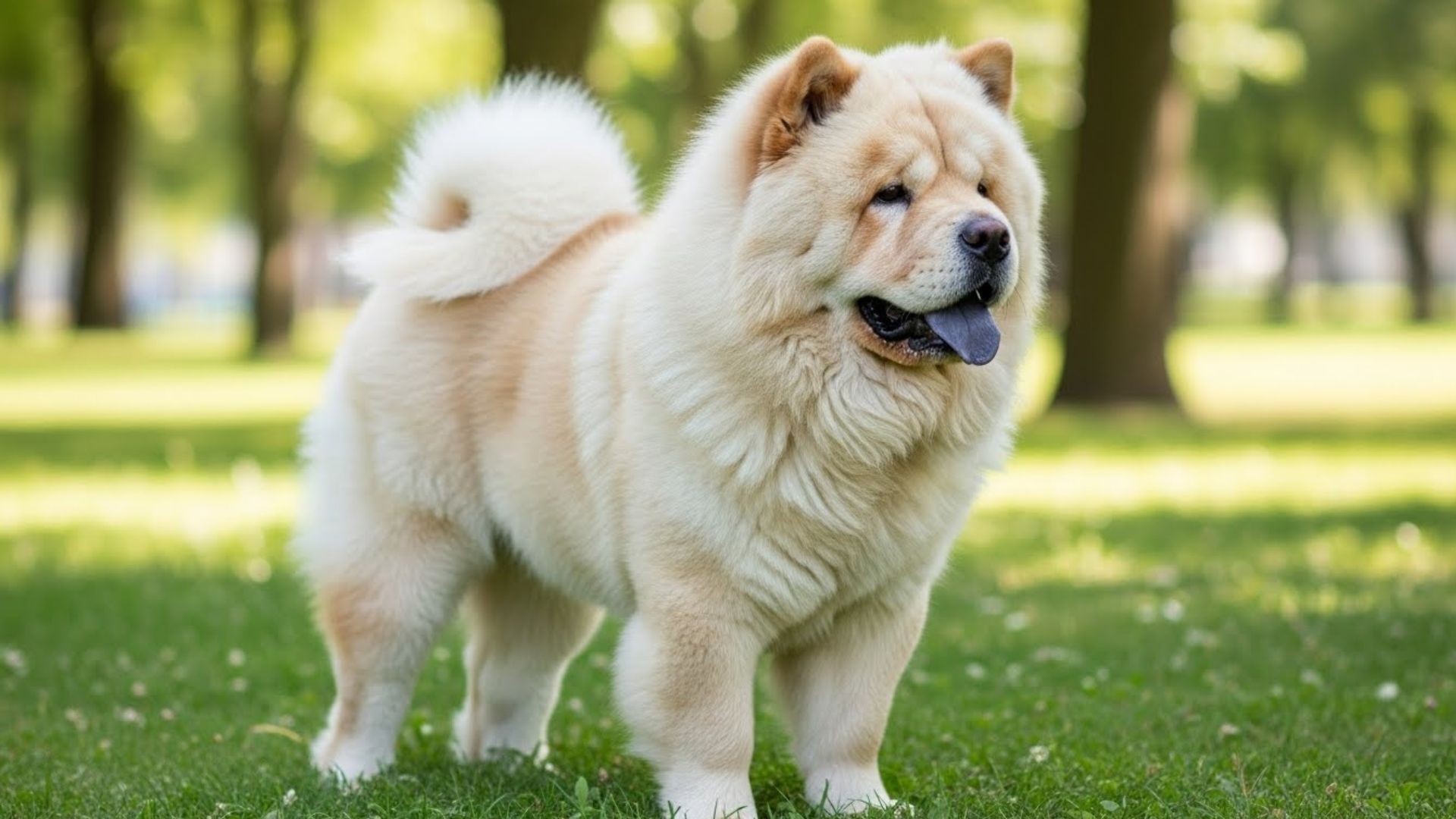
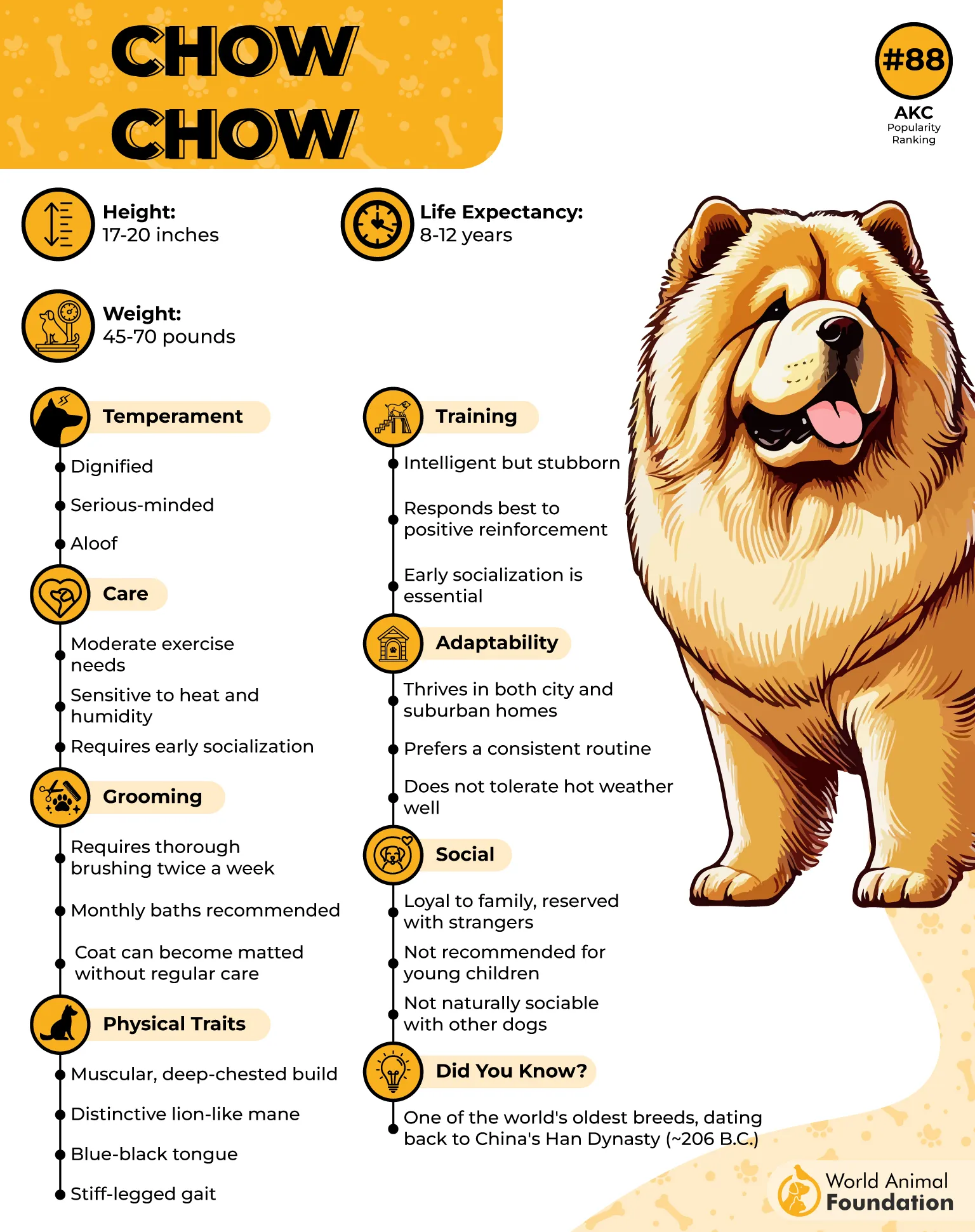
The Chow Chow is known for its serious expression and dignified manner, traits that have been part of the breed since its origins in ancient China. Its compact, muscular build and deep chest contribute to a powerful overall look.
One of the most recognizable features of the Chow Chow is the lion-like ruff that frames its head and shoulders. This, paired with the blue-black tongue and almond-shaped eyes, gives the dog an appearance that is both distinctive and reserved.
The stiff-legged gait further adds to its unique presence.
Coat types vary between rough and smooth, and the breed appears in several colors, including cream, red, blue, black, and cinnamon. Owners often comment on how clean the dogs naturally are. They tend to develop house manners quickly and have very little odor.
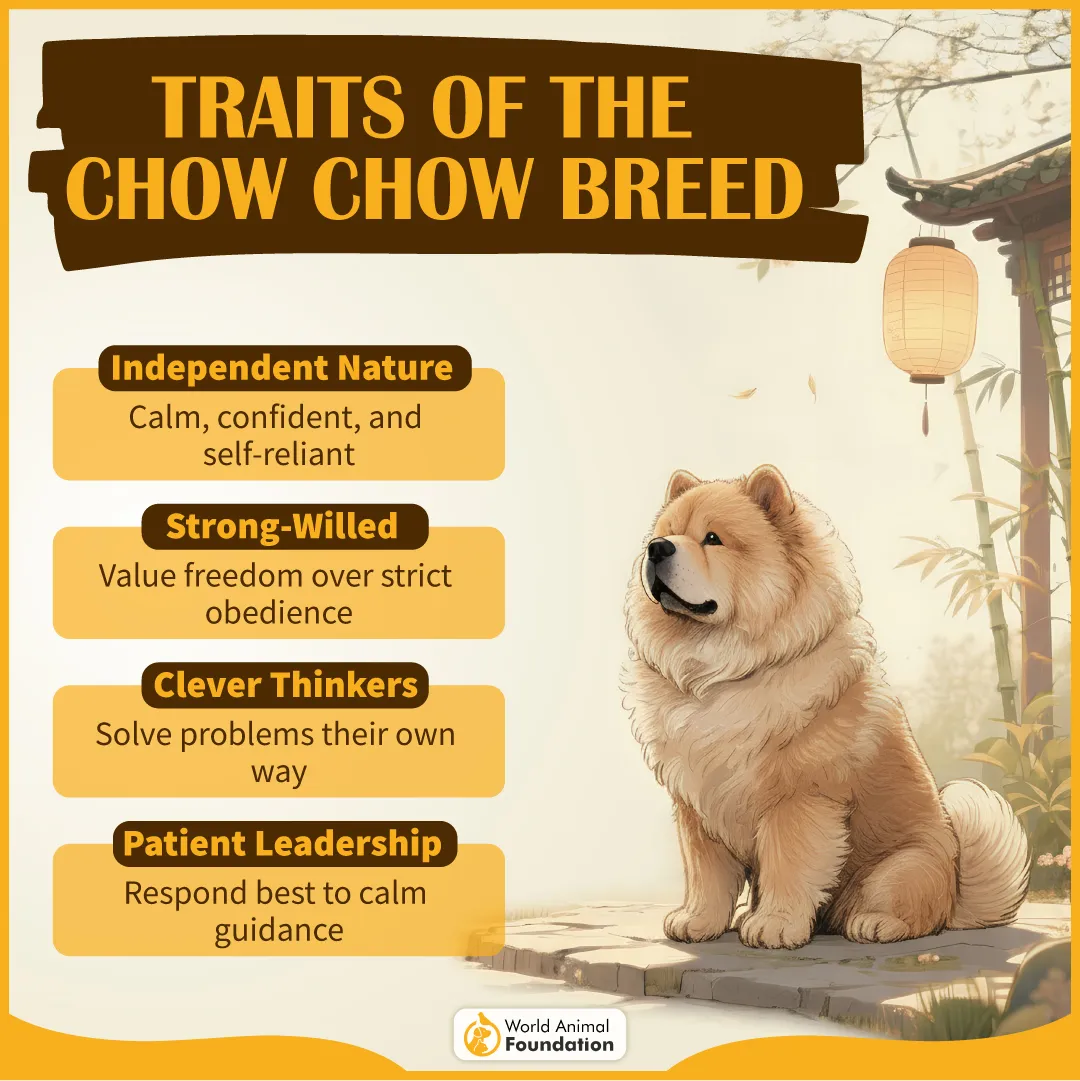
Temperamentally, the Chow Chow is known for being independent and selective with affection, as noted by the AKC. It forms durable bonds with loved ones and prefers a predictable, calm environment. While aloof with strangers, a well-socialized Chow Chow remains polite and steady.
The breed adapts well to life in cities because it does not have demanding exercise requirements. Its serene personality allows it to handle daily routines without fuss.
Fun Fact
The Chow Chow is one of the very few breeds with a naturally blue-black tongue, a feature present even in puppies. This characteristic is so unique that it is considered a defining trait of the breed.
2. Saluki
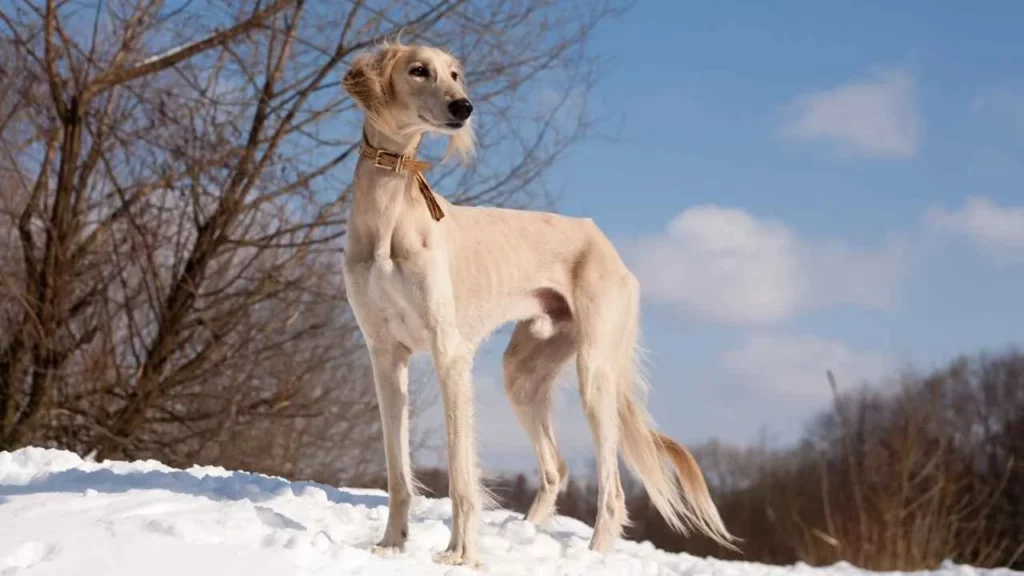
The Saluki is considered one of the oldest known dog breeds, with origins that reach back to ancient civilizations. Historical records link it to royalty and noble hunters who valued its speed and endurance. Its long lineage contributes to its reputation as a graceful and refined sighthound.
This breed is tall, slim, and built for agility. Adults typically reach around 28 inches in height and maintain a light weight that supports fast movement. The narrow head, long legs, and flowing tail create a silhouette that is instantly recognizable.
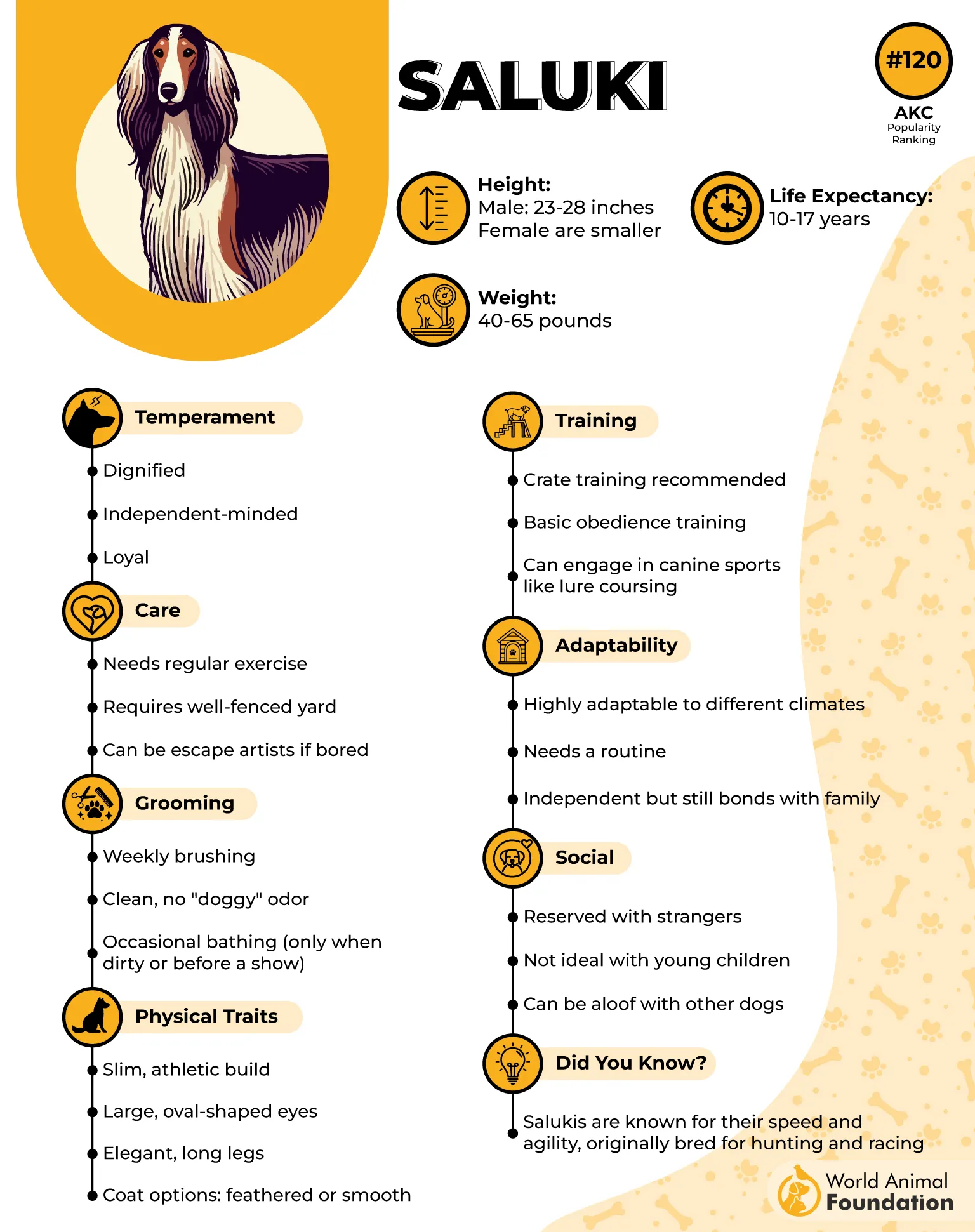
Salukis can have either a smooth coat or a feathered coat with silky hair on the ears and tail. Both coat types are relatively simple to maintain and benefit from regular brushing. Their overall grooming needs are modest compared to many long-haired breeds.
Temperamentally, the Saluki tends to be reserved with strangers while forming strong bonds with family members. Indoors, the breed is often calm and quiet, making it comfortable in peaceful households. They may not be well-matched with small pets due to a natural prey drive.
Because they were originally used for hunting, Salukis require a high level of daily exercise. They enjoy long runs, open spaces, and activities that challenge their stamina. When their physical needs are met, they settle into a gentle and relaxed routine at home.
Fun Fact
In ancient times, Salukis were held in such high regard that some were mummified and buried with pharaohs. Their status reflected not only their hunting ability but also their deep cultural significance.
3. Pomeranian
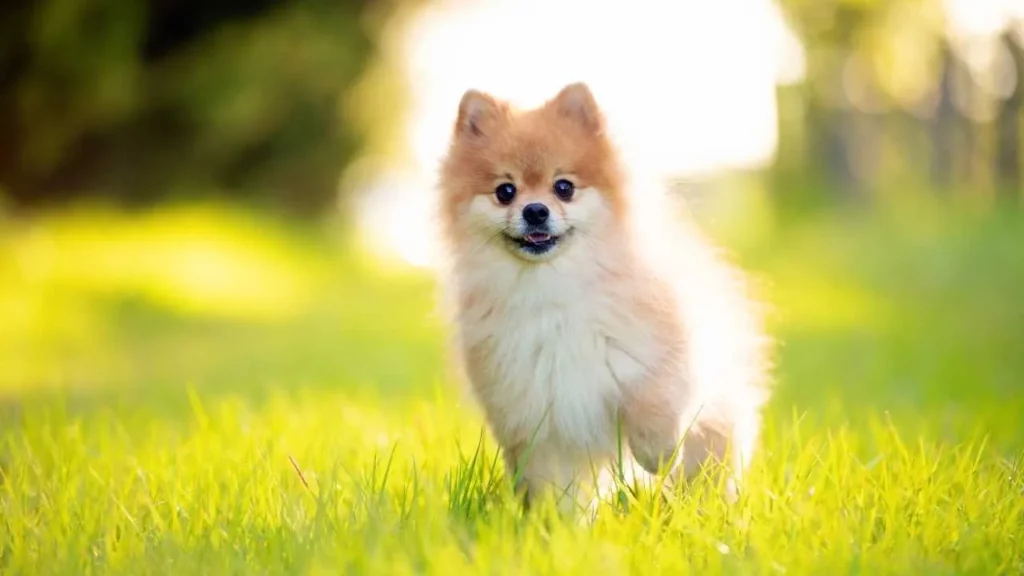
The Pomeranian is a toy breed that originated in the region once known as Pomerania, located in present-day Germany and Poland.
It descends from early Spitz-type dogs that were originally used as sled and herding dogs. Over generations, breeders refined the breed into the small companion dog recognized today.
This breed shows clear spitz features, including a fox-like face, pointed ears, and a compact frame. Its thick double coat stands out around the neck and chest, creating a plush appearance. The coat appears in many colors, including cream, which highlights the breed’s fluffy texture.
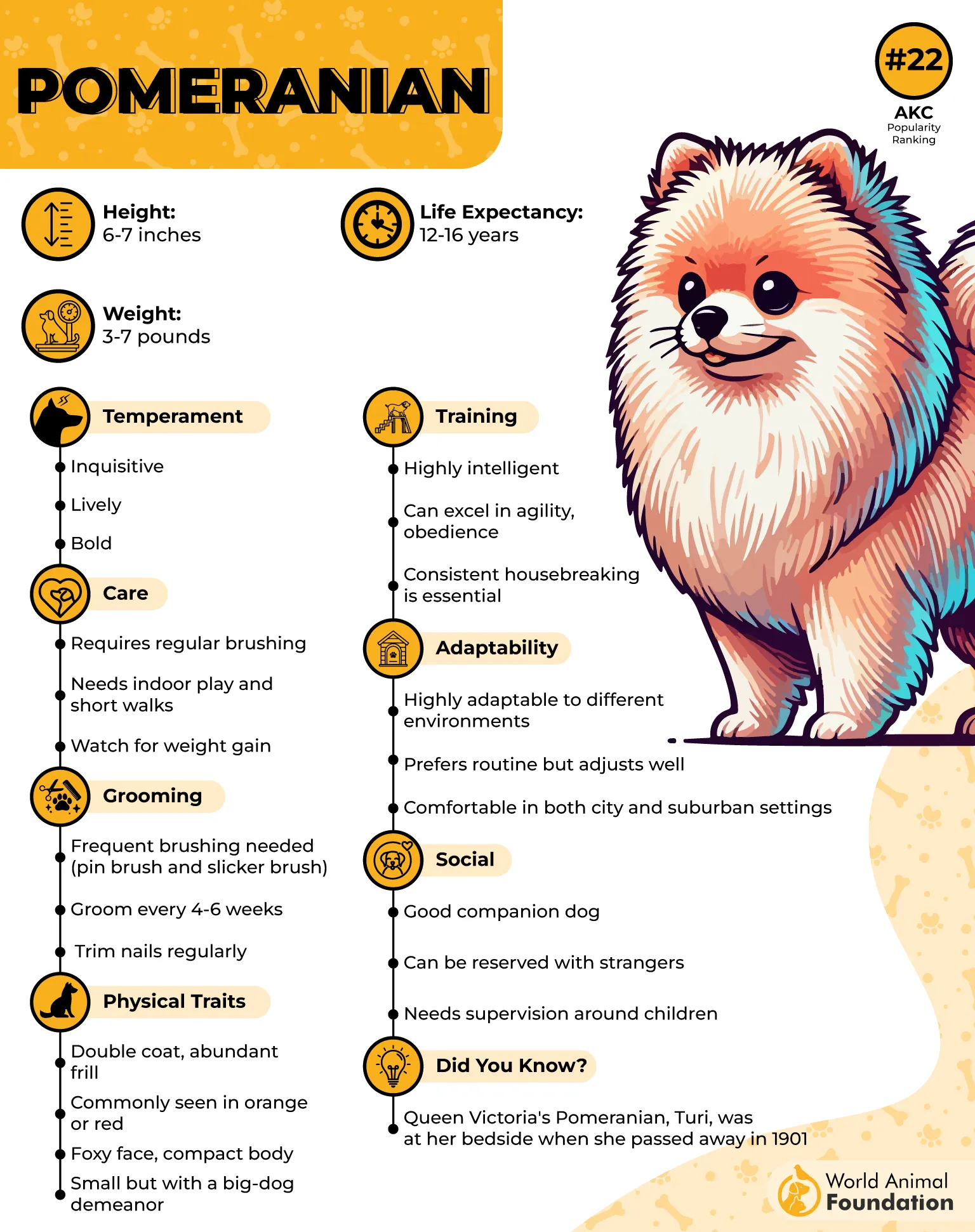
Pomeranians are known for their lively and confident personality. They enjoy interactive play, short training sessions, and exploring their surroundings. Their spirited nature makes them engaging pets, though supervision is wise during interactions with larger animals or very young children.
Grooming is an important part of caring for a Pomeranian due to its dense coat. Regular brushing keeps shedding under control and helps maintain the breed’s characteristic fullness. While energetic, the breed’s small size means daily walks and indoor play are usually enough to meet its exercise needs.
Although they are small in stature, Pomeranians retain the sturdy structure of their spitz ancestors. Their expressive faces and bright temperament make them appealing to many households. With proper care and attention, they can be affectionate and long-lived companions.
Fun Fact
A small Pomeranian owned by a European royal figure helped inspire the development of the modern miniature version of the breed. The popularity of that dog encouraged breeders to continue reducing the breed’s size.
4. Afghan Hound
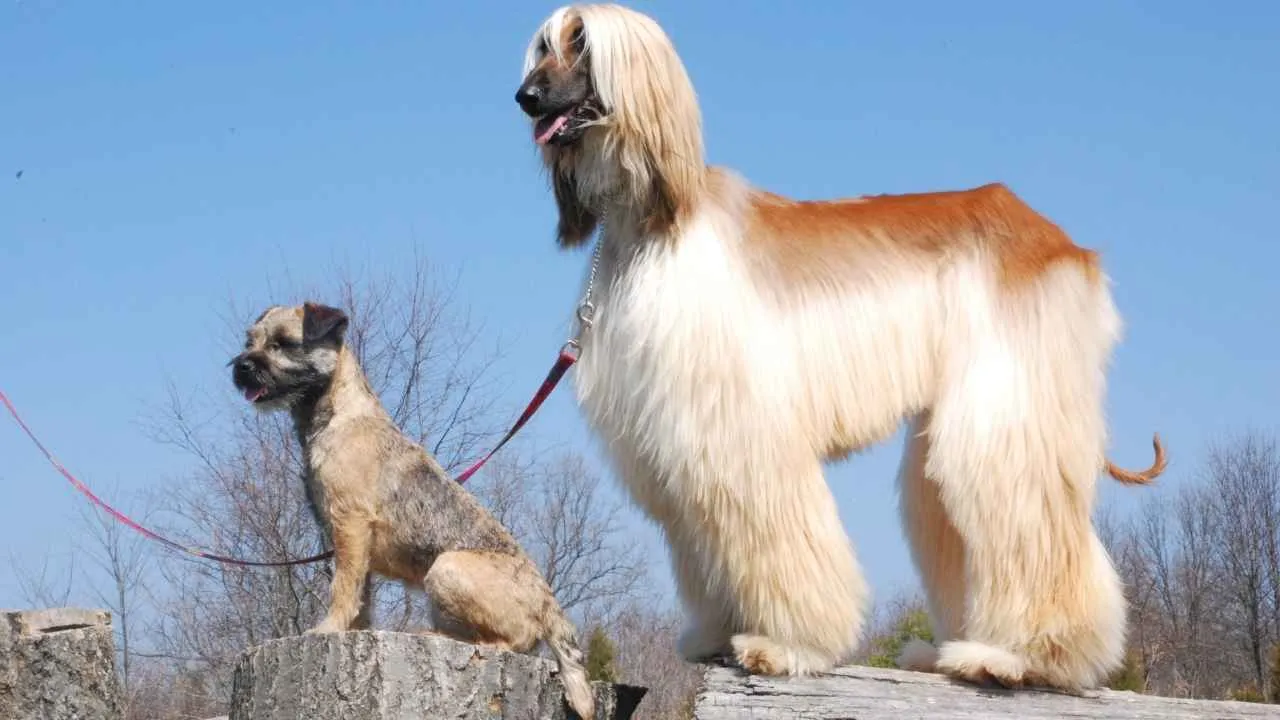
The Afghan Hound is an ancient sighthound known for its long, silky coat and dignified appearance. Its origins trace back to the rugged mountains of Afghanistan. The breed was valued for hunting speed and endurance.
Standing tall with a slim build, the Afghan shows a deep chest, long legs, and a proud stance. The coat often includes colors like cream, black, blue, or red. Its fine hair was originally functional, offering protection against harsh climates.
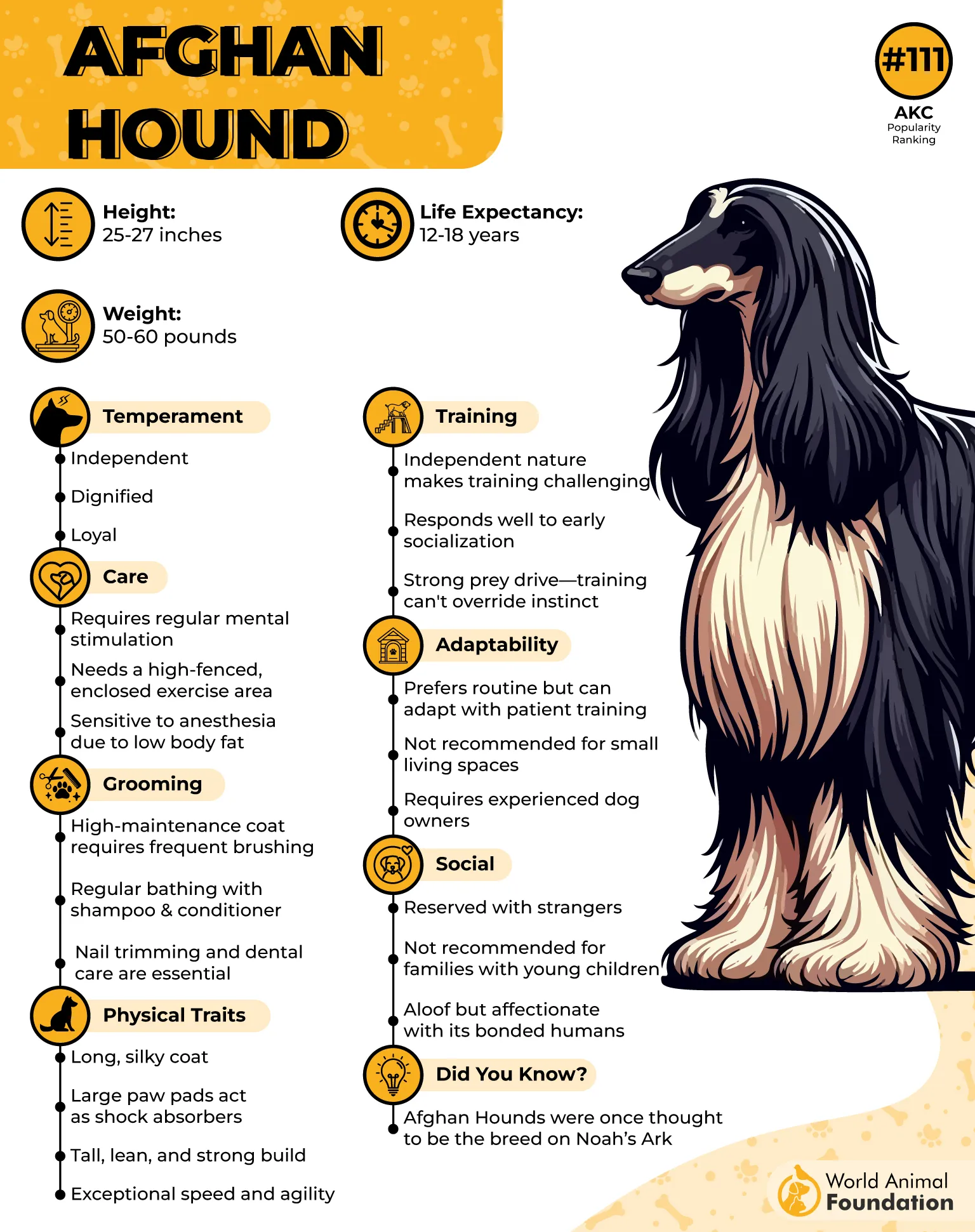
The breed has an independent, sometimes aloof temperament. As per Britannica, it bonds deeply with family while remaining reserved with unfamiliar people. Despite a calm manner indoors, it retains a strong prey drive outdoors.
Exercise needs are high due to its sighthound heritage. Regular running opportunities and long walks help maintain physical and mental balance. Grooming is essential, as the coat requires frequent brushing to stay healthy.
Owners who appreciate elegance, independence, and an athletic companion find the Afghan Hound rewarding. With proper grooming and activity, it becomes a graceful and loyal presence in the household.
Fun Fact
Afghan Hounds are among the oldest genetically identified dog breeds, connecting them to early domesticated dogs.
5. Poodle
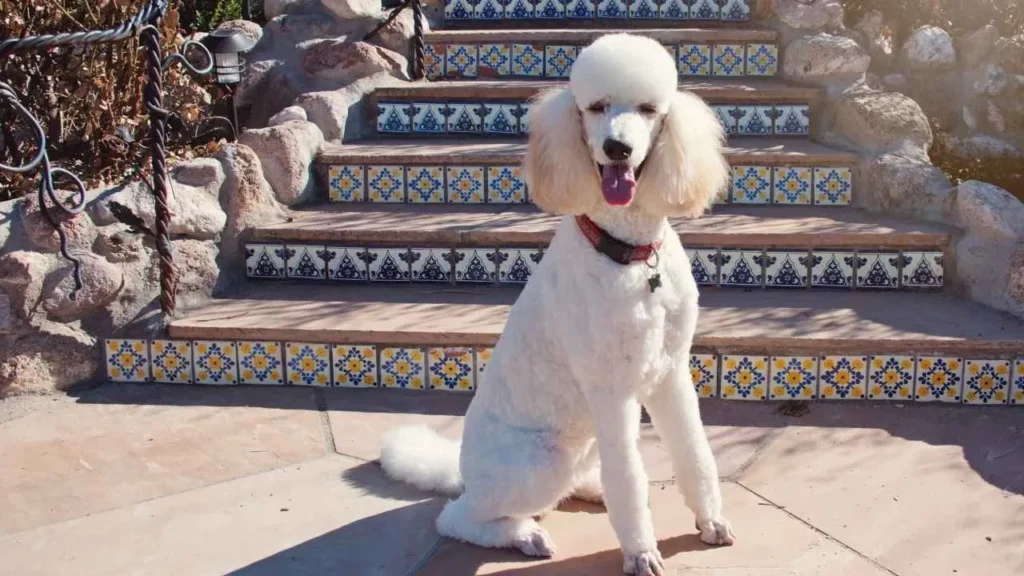
The Poodle is known for its intelligence, trainability, and curly, low-shedding coat. It appears in Standard, Miniature, and Toy sizes, each sharing the same energetic and alert personality. Cream is one of several recognized coat shades.
Its dense, curly fur gives the breed its iconic look. Cream-coated Poodles often have a soft, warm-toned coat that highlights their refined outline. Despite its elegance, the coat requires consistent grooming to prevent matting.
Purina states that Poodles are social, responsive, and eager to learn. These traits make them strong performers in training, sports, and everyday family life. Their adaptable nature suits a wide range of homes.
Regular brushing and professional grooming help maintain coat health. Activity needs vary by size but generally include daily walks and mental engagement. Their intelligence makes puzzle toys and structured play especially beneficial.
This breed appeals to people seeking a bright, friendly companion with a polished appearance. When well cared for, Poodles blend charm, athleticism, and versatility.
Fun Fact
Although often associated with stylish grooming, the Poodle began as a water-retrieving dog whose coat protected it from cold water.
6. Havanese
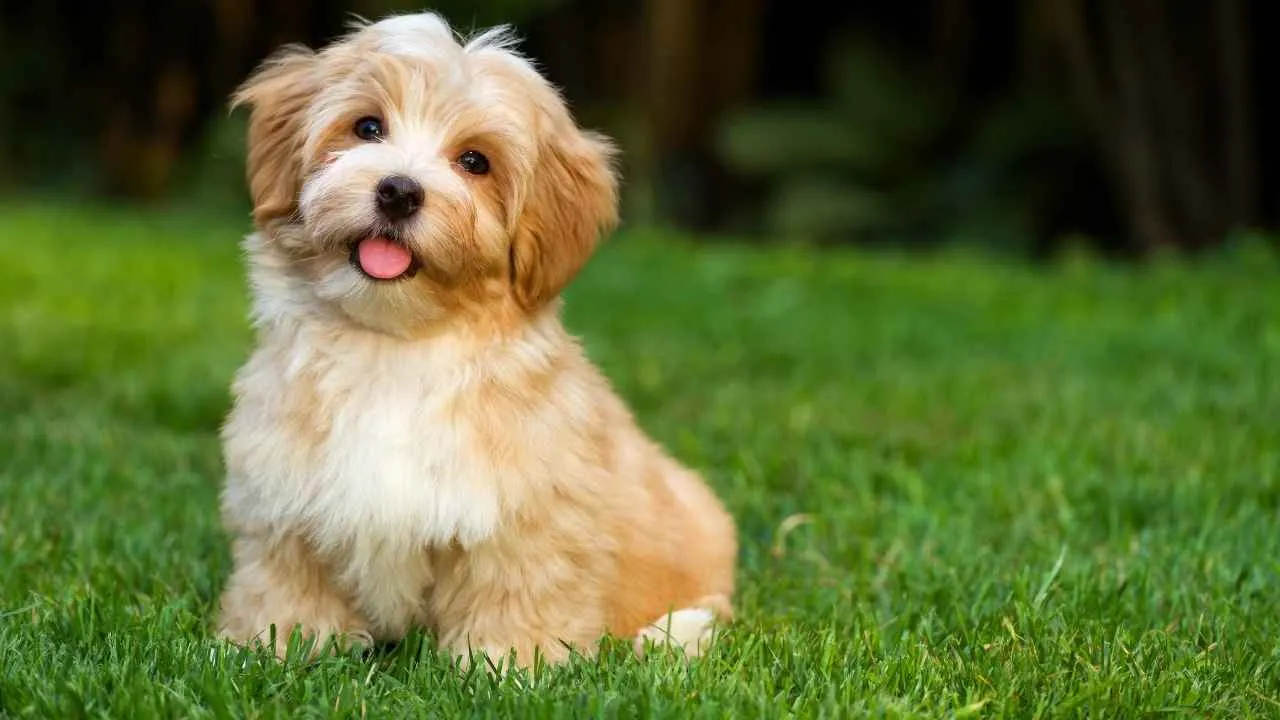
The Havanese is a small companion breed known for its cheerful personality and silky coat. Its compact size and gentle nature make it popular for city and apartment living. Cream is one of its many coat colors.
The breed has a soft, flowing coat that may be straight or slightly wavy. This contributes to its warm and inviting look. Regular grooming helps preserve the coat’s smooth texture.
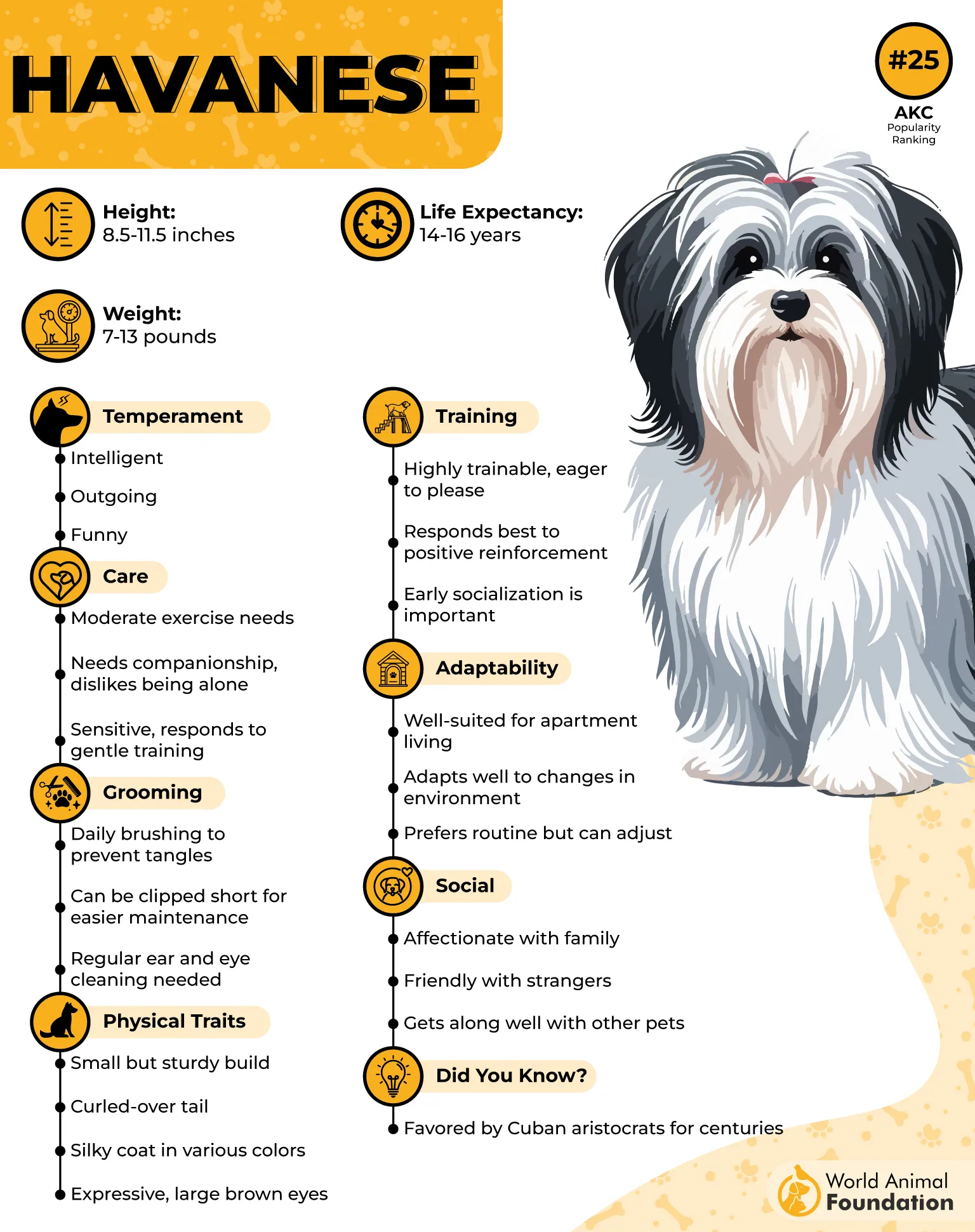
Havanese dogs are affectionate and people-oriented. They enjoy being close to their family and adapt well to different households. Their friendly character makes them suitable for children and other pets.
Exercise needs are moderate. Short outings and indoor play sessions keep them satisfied. Mental stimulation keeps them engaged without overwhelming them.
Families seeking a friendly, adaptable small breed often find the Havanese to be an excellent fit. With consistent grooming and attention, it thrives as a loving household companion.
Fun Fact
The Havanese is the only dog breed native to Cuba, giving it a distinctive cultural history.
7. Whippet
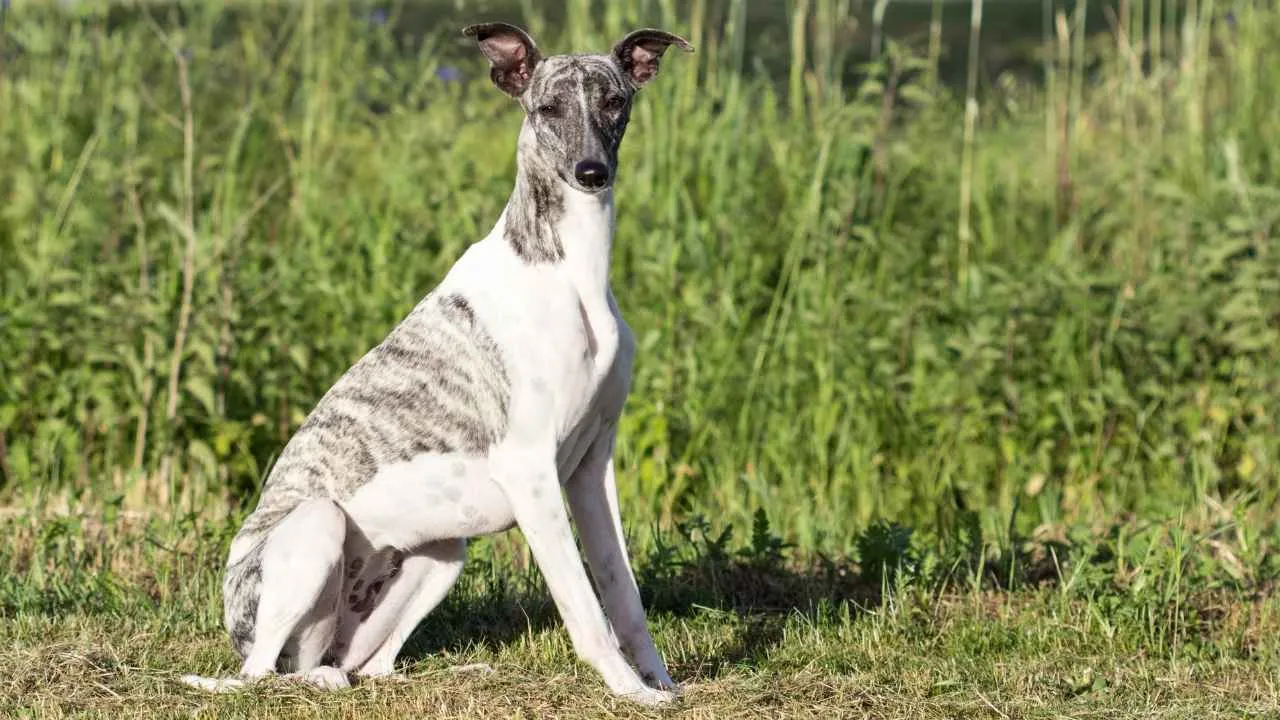
The Whippet is a medium-sized sighthound known for its impressive speed and gentle personality. Its sleek frame resembles a smaller Greyhound. Cream is one of the lighter coat colors seen in the breed.
Lightweight and aerodynamic, the Whippet has a deep chest and long legs built for quick acceleration. The smooth, short coat is easy to maintain. Its athletic design supports fast bursts of running.

Whippets are calm, affectionate, and mild-mannered. They enjoy companionship and tend to be well-behaved indoors. Their gentle temperament makes them good family dogs when supervised around small animals.
Though relaxed inside, Whippets need regular exercise. Access to a secure area where they can sprint is ideal. Their low-maintenance grooming routine makes overall care straightforward.
This breed suits owners who appreciate a mix of speed and easygoing behavior. With proper activity and care, Whippets offer a graceful and devoted canine companion.
Fun Fact
Historically, Whippets were used in informal racing events and gained the nickname “the poor man’s racehorse.”
Conclusion
Cream-colored dogs show how many breeds offer a beautiful cream shade, pale coat, or light cream variation while still bringing their own traits, from thick coats to curly coats and even curly white hair.
These beloved dog breeds appeal to pet parents who enjoy fluffy coat textures, calm demeanor, or playful personality traits, whether they prefer a tiny dog, sturdy dog, or big dog with an elegant appearance.
Many of these dogs were originally bred for work or companionship, yet today they remain wonderful companions with an affectionate nature, loyal companions, and life expectancy ranges that suit families of all kinds.
Their long coat, thick undercoat, expressive ears, or wedge-shaped heads give each breed character, and weekly brushing keeps the coat soft.
Other dog breeds, such as the Bichon Frise, Golden Retriever, Cocker Spaniel, Great Pyrenees, Japanese Spitz, and many breeds with white coats, pale hues, white cords, or white markings, also come in cream and make excellent companions for experienced pet parents.
