




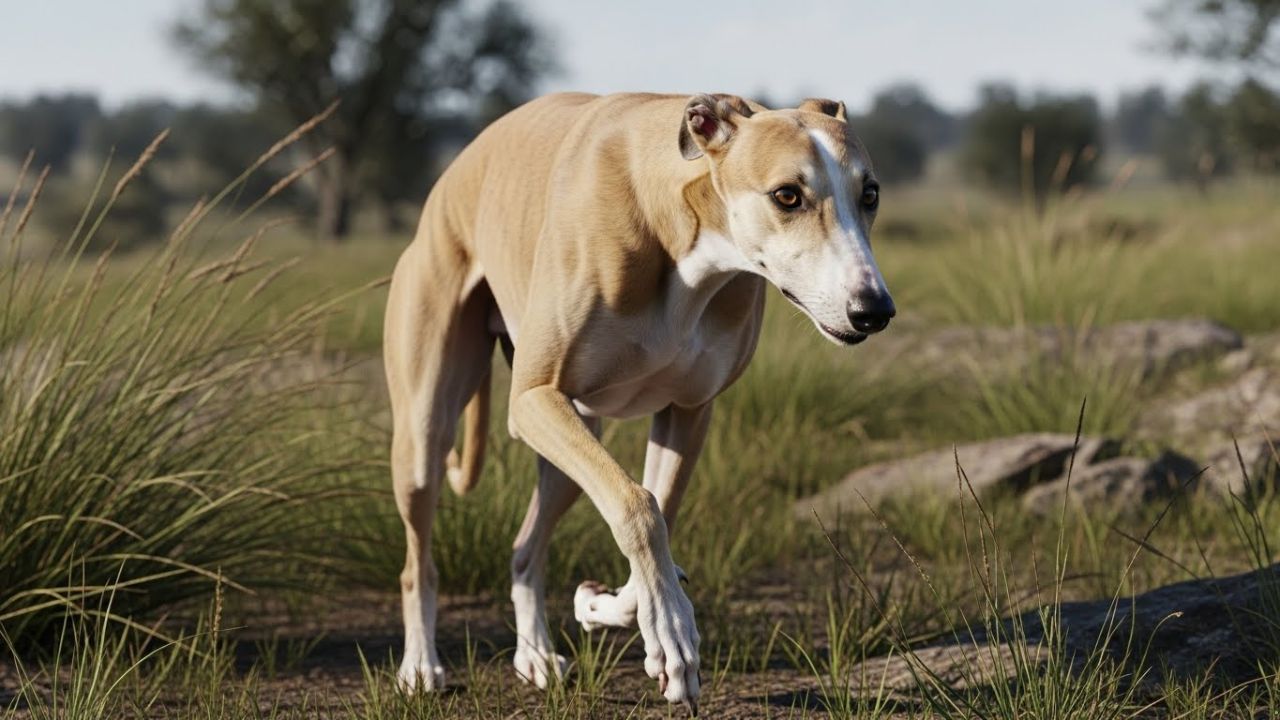
For some dogs, the thrill of the chase is in their blood. Certain breeds are naturally driven by a strong prey drive, making them energetic, focused, and highly motivated when it comes to tracking, hunting, or chasing small animals.
Breeds like the Border Collie and Jack Russell Terrier showcase incredible focus, agility, and determination, often leaving owners amazed at their speed, persistence, and intelligence.
While a strong prey drive can make these dogs exceptional hunters or sport competitors, it also requires proper training and mental stimulation at home.
Without guidance, their instinct to chase can lead to mischief or unwanted pursuits in the backyard or neighborhood. Here, we’ll explore 9 high prey drive dog breeds.
Whether you’re a hunter, agility enthusiast, or simply fascinated by instinctive canine behaviors, these dogs are a captivating example of how deeply instinct shapes personality, energy, and skill. Prepare to meet dogs that embody determination, drive, and the thrill of the chase.
Did you know? A dog’s prey drive is an instinct that drives tracking, chasing, and capturing moving targets. Breeds with strong prey drive were historically bred for hunting or herding, and even today, this instinct shapes their behavior, energy levels, and how they interact with toys, animals, and people.
Dog Breeds Driven by a Strong Prey Drive
1. Siberian Husky
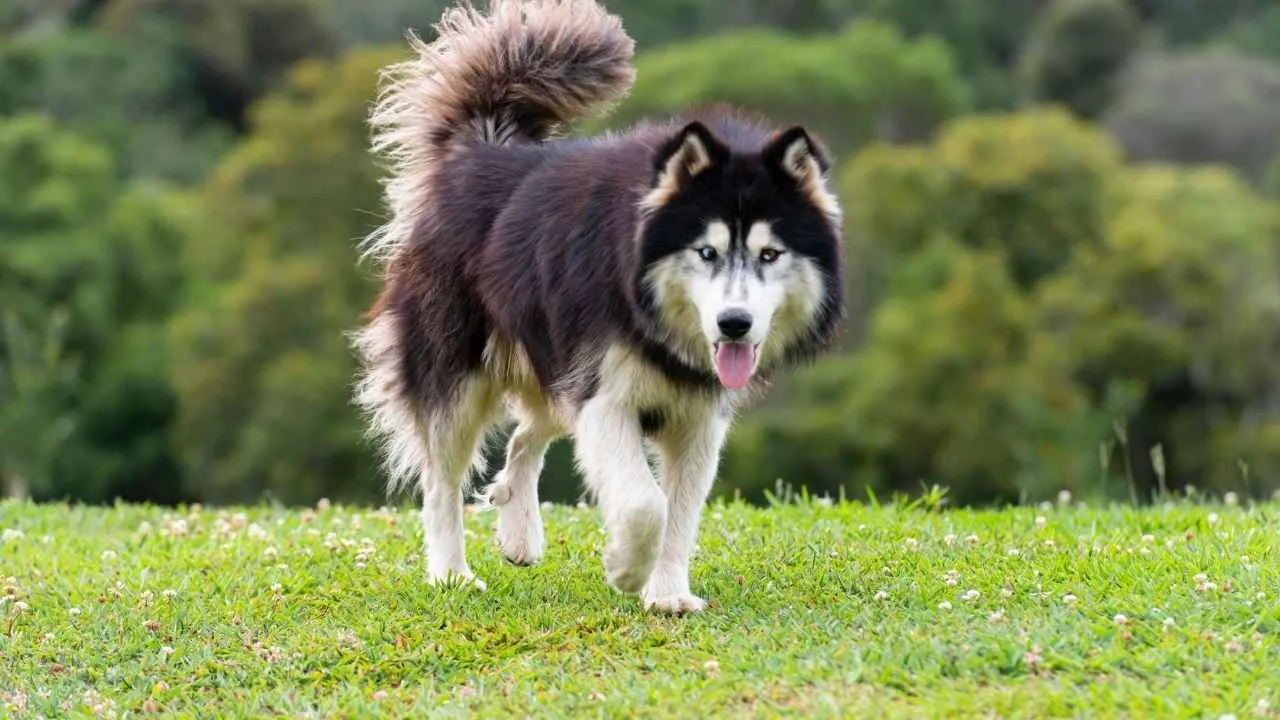
Siberian Huskies are like the action heroes of the dog world—energetic, fearless, and always ready for an adventure. Hailing from the icy expanses of Siberia, these beautiful, wolf-like dogs were bred to pull sleds across frozen tundras.
But don’t let their majestic looks fool you—they have a mischievous streak that can turn your living room into a winter wonderland of chewed-up slippers and shredded socks.
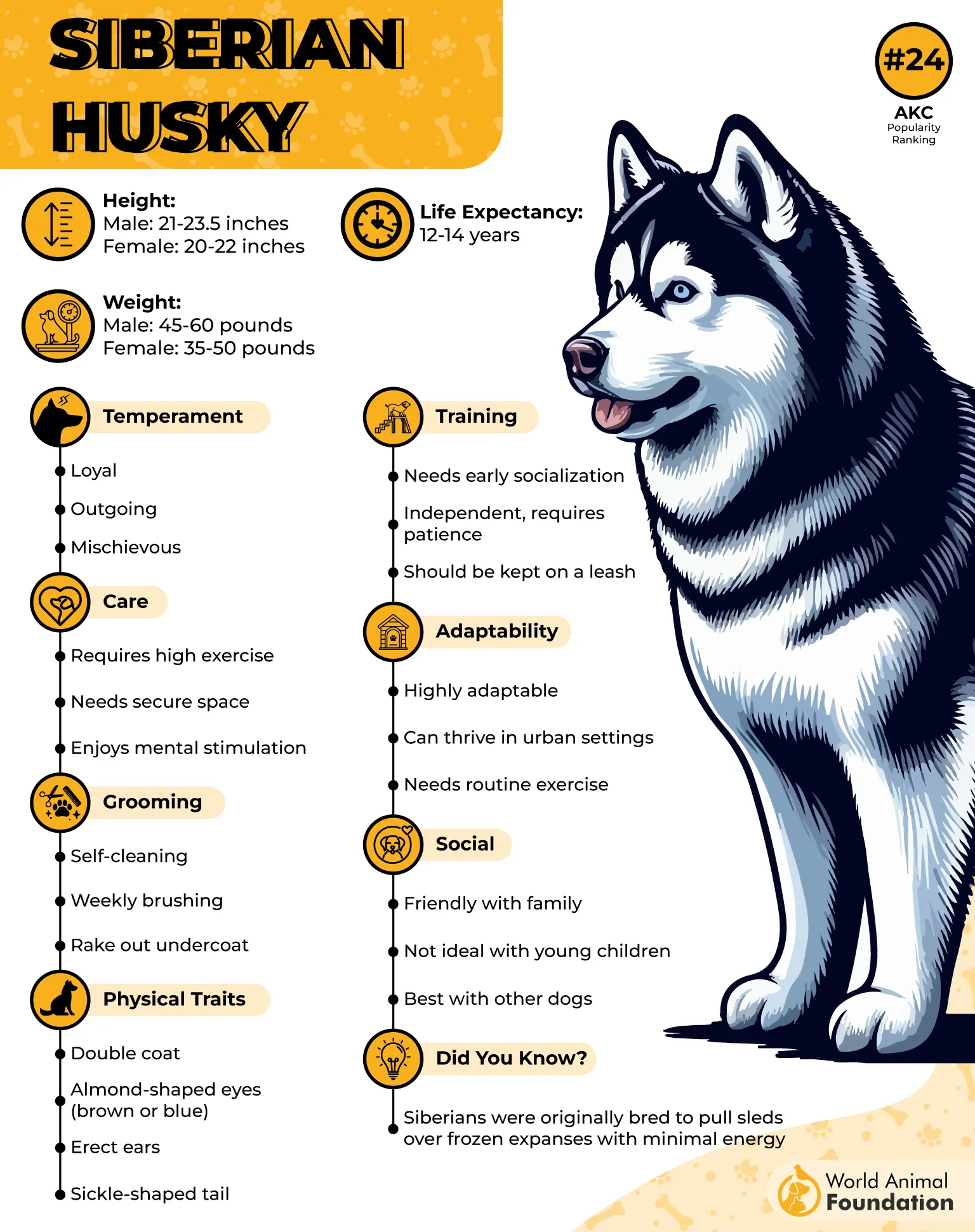
WebMD noted one of the most fascinating (and sometimes frustrating) traits of Huskies is their high prey drive. If it moves, it’s fair game! Birds, squirrels, and even your neighbor’s cat might suddenly become the target of a Husky “chase mission.”
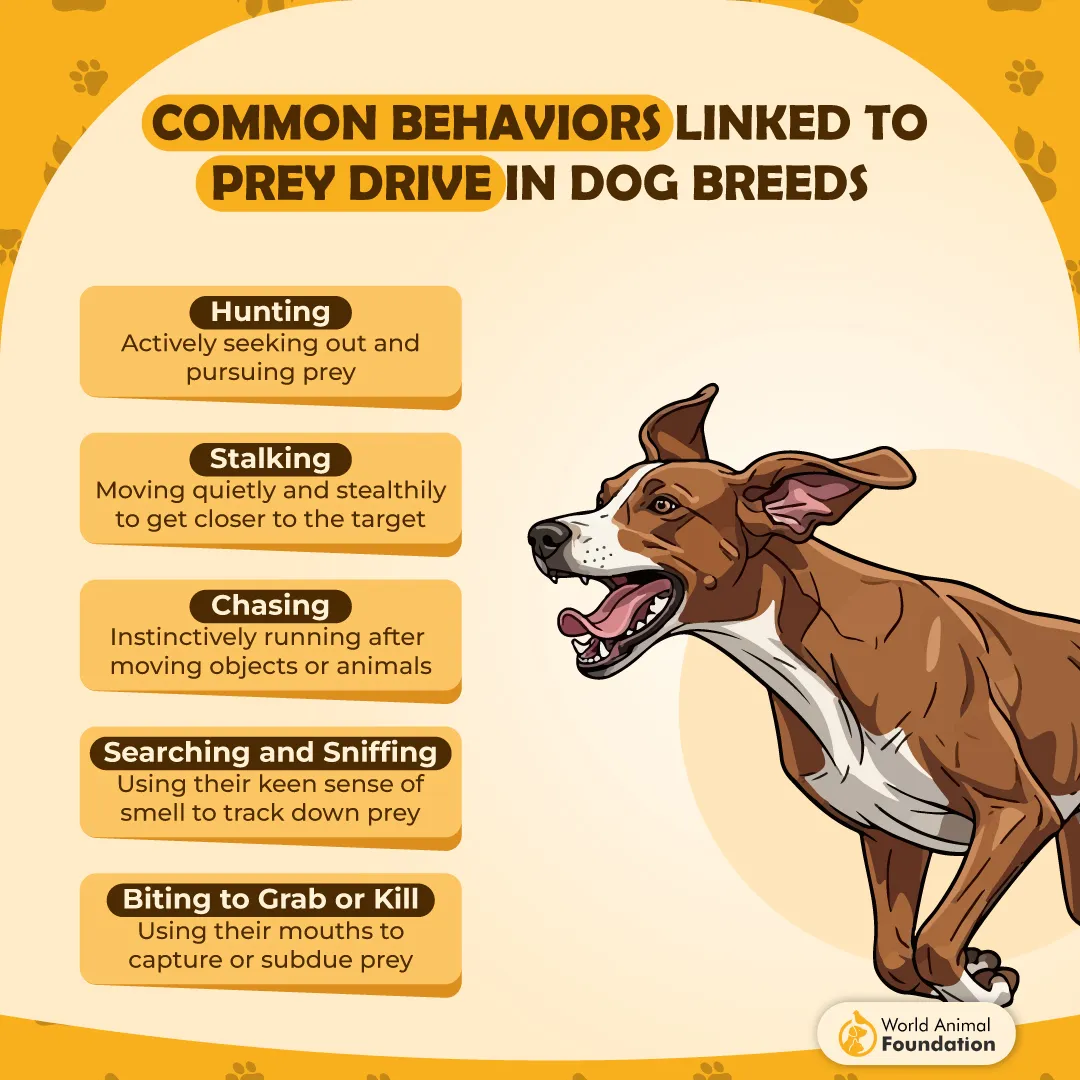
Think of them as furry little detectives on a never-ending quest for fast-moving objects.
Huskies are smart and full of energy, which means they need plenty of mental stimulation and physical exercise. Without it, their natural curiosity can turn into chaos—like a furry tornado with a taste for destruction.
Fun Fact: Despite their icy origins, Siberian Huskies actually have a friendly temperament and love human company. They’re so people-oriented that you might find yourself negotiating for attention like a contestant on a game show—because in a husky’s eyes, you’re their ultimate prize!
2. Greyhound
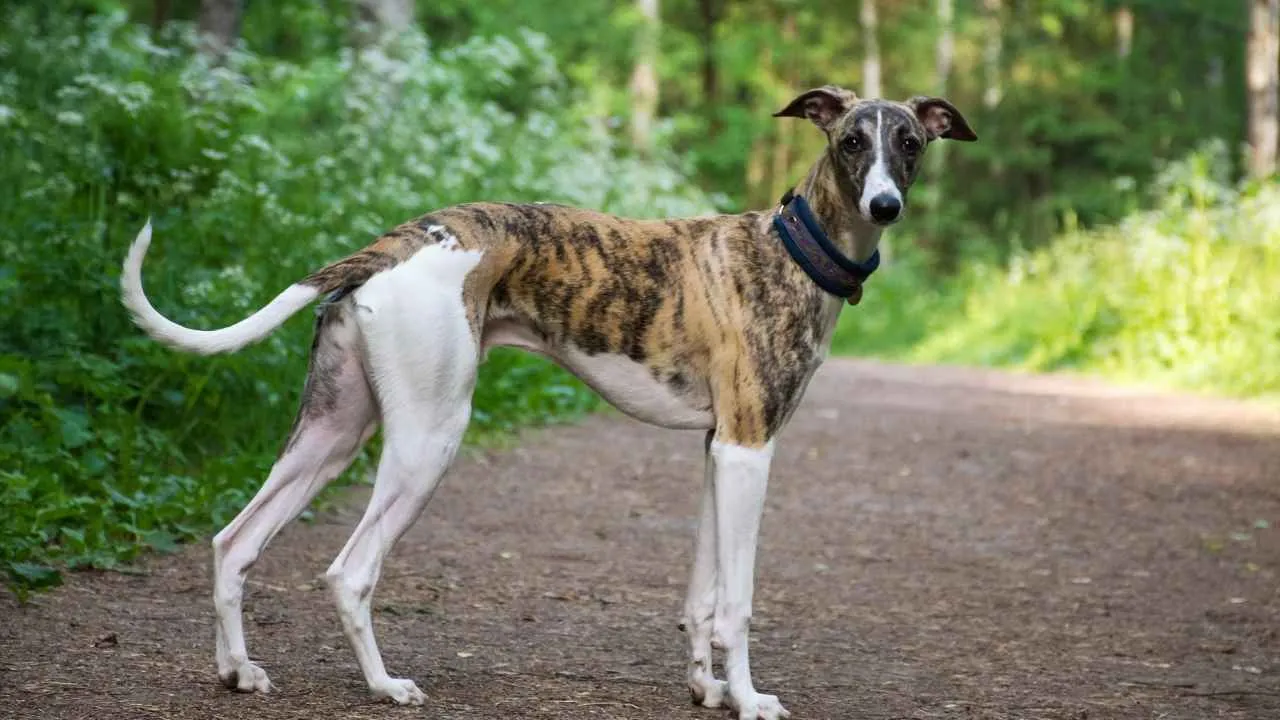
Greyhounds are basically the sports cars of the dog world—sleek, fast, and built for one thing: zooming. With a history rooted in hunting, these dogs were bred to chase down game at lightning speeds.
Greyhounds aren’t the best choice for households with cats or other small pets. When outdoors, they should always be on a leash, and any off-leash time should take place in a secure, enclosed area.
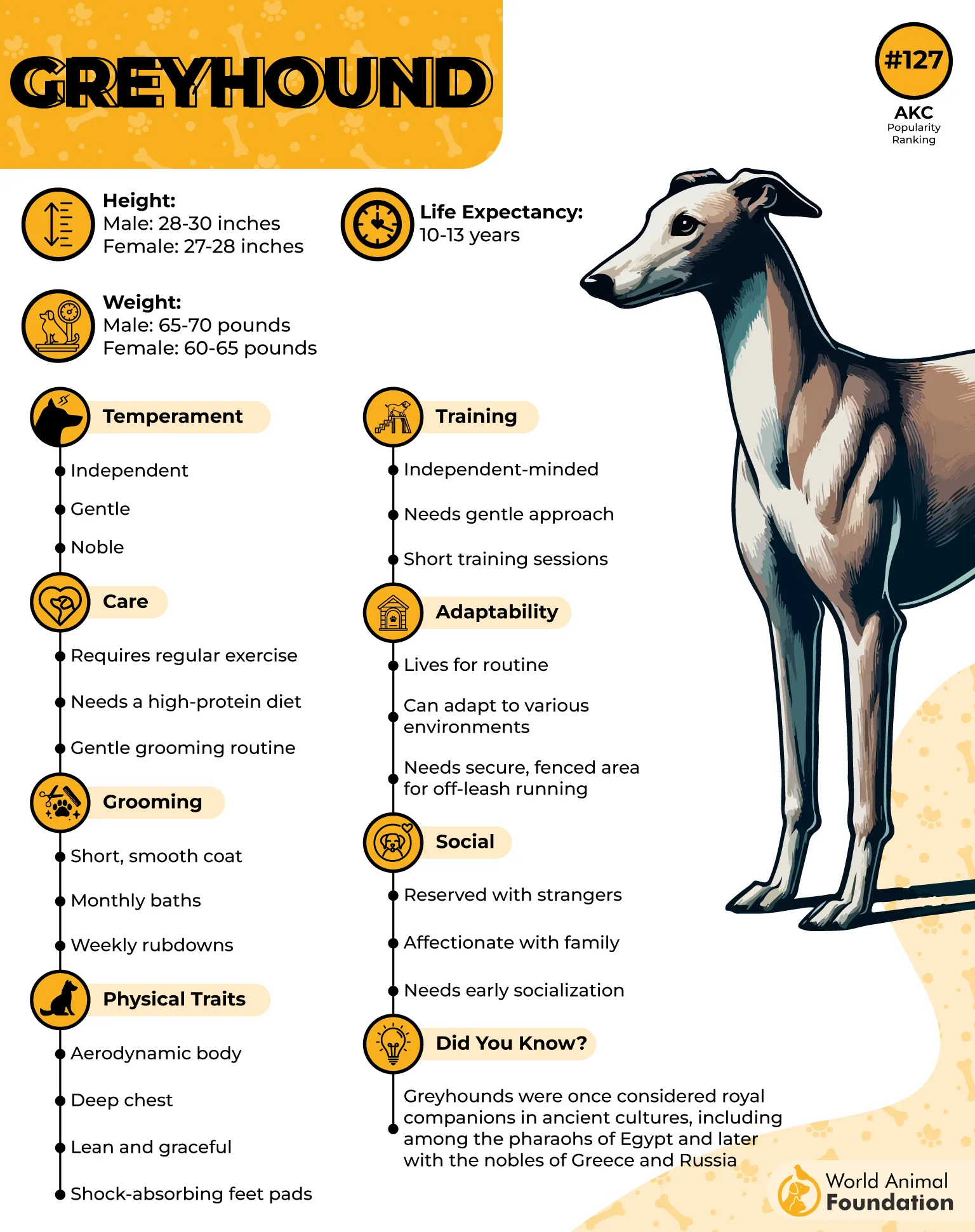
Their high prey drive means if a squirrel, rabbit, or even a rogue leaf catches their eye, you might witness a flash of fur that could rival a Formula 1 car on your lawn. But don’t let their racing instincts fool you—Greyhounds are surprisingly gentle and sweet-natured.
Many make excellent pets for seniors or anyone looking for a calm companion after their bursts of speed. They love lounging around as much as sprinting, earning them the nickname “couch potatoes in racing shoes.”
Proper socialization can help manage their prey drive, but it’s essential to remain aware of your surroundings and potential triggers.
Fun Fact: Despite their speed, Greyhounds are actually one of the laziest dog breeds at home. After a 5-minute sprint in the yard, they’ll happily curl up on the couch and nap like a champion, proving that even the fastest dogs know how to take it easy.
3. Whippet
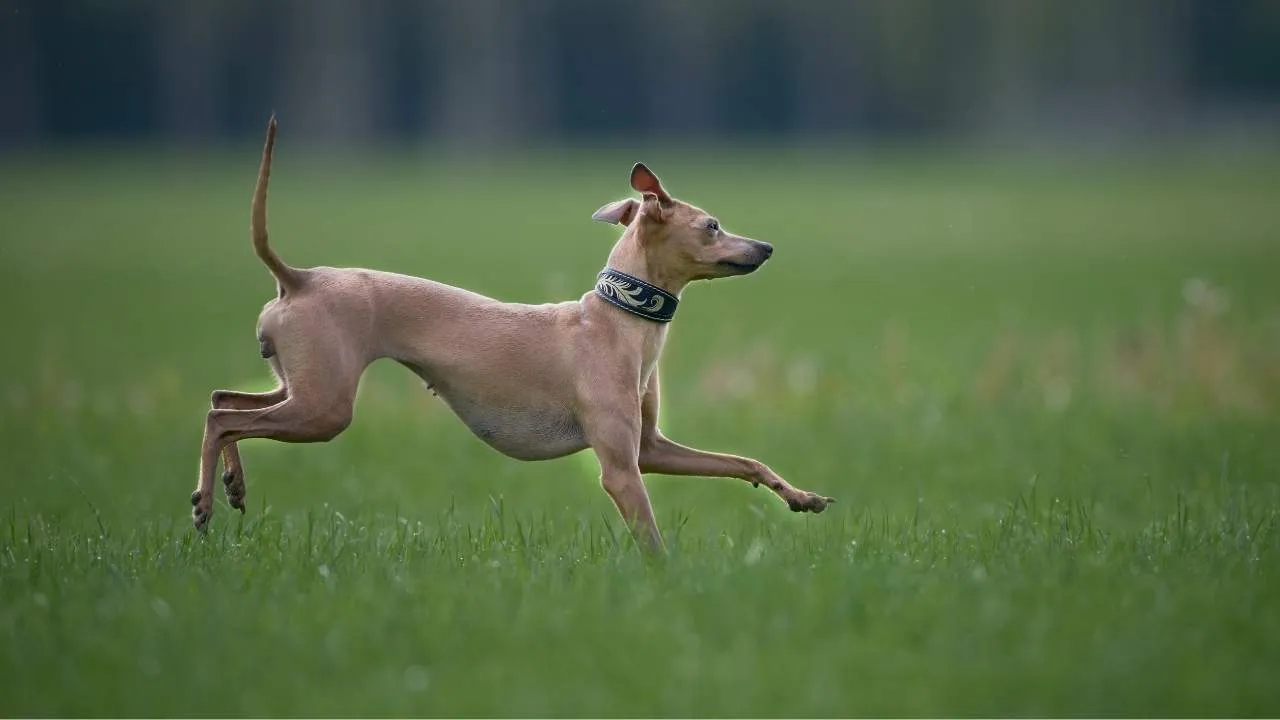
Whippets are like the Greyhounds’ slightly smaller, mischievous cousins—fast, sleek, and always ready to dash after anything that moves. These sprinters are built for speed, so a yard without a secure fence? Big no-no.
They’ll bolt faster than you can say “fetch!” and suddenly your Whippet is starring in their own real-life action scene. These dogs absolutely love sprinting games, chasing balls, or catching flying discs mid-air. Think of them as furry little rockets with a serious need for zoomies.
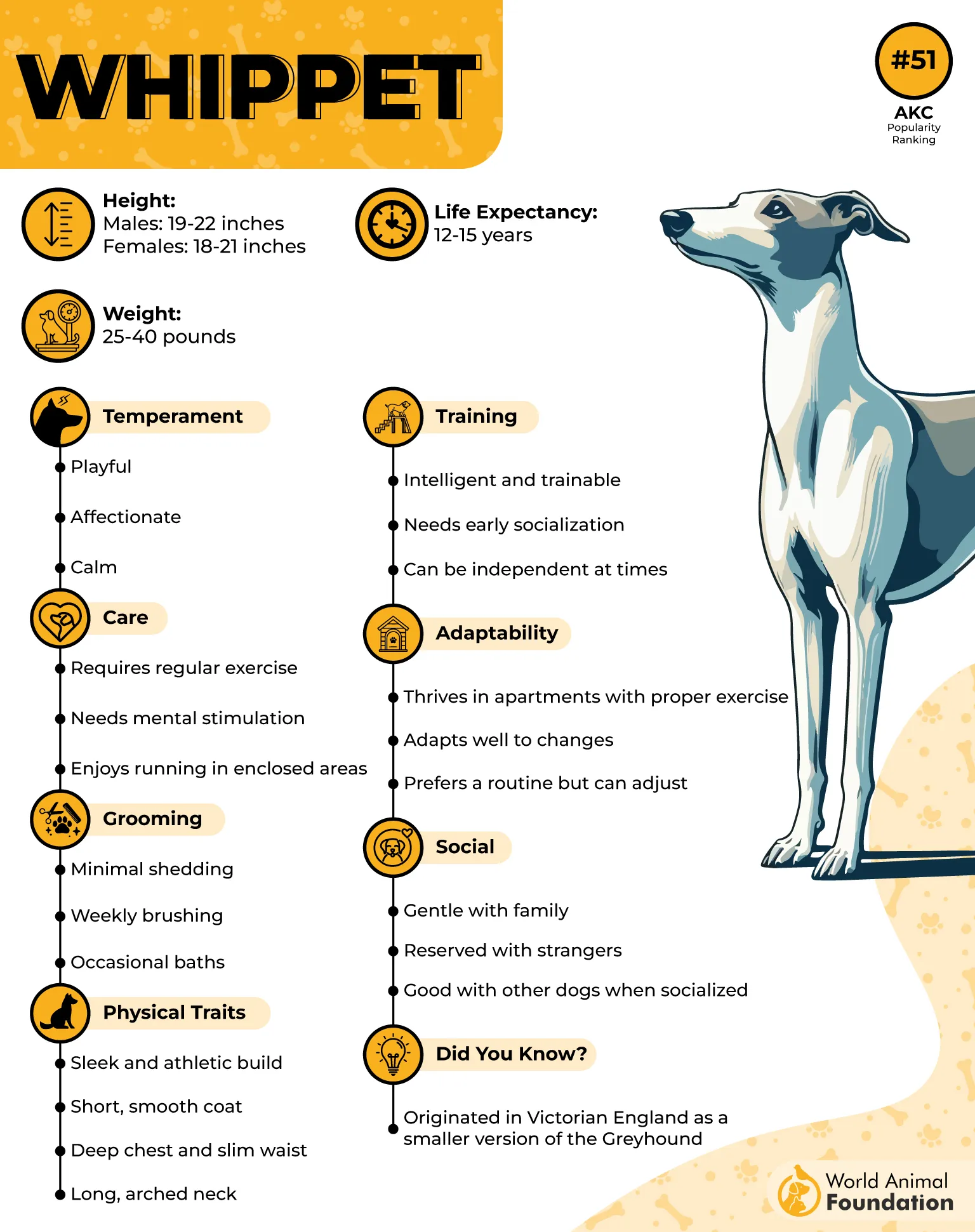
But once the race is over, they transform into goofy, playful cuddle machines who will happily snuggle up next to you—just don’t forget a cozy pet jacket if it’s chilly outside. Their slim, smooth coats make them more of a “fashionable blanket lover” than an Arctic explorer.
Whippets generally get along with other dogs and even some cats, but beware—if you have a tiny hamster or mouse, consider it a “no-go zone.” Their natural prey drive might turn your tiny pet into a lunchbox-sized game of tag.
Fun Fact: Whippets hold a secret identity—they’re “zoomies experts.” No matter how much energy they burn outside, they’ll often suddenly sprint in circles around the living room at full speed, just to remind you who’s really in charge of fun.
4. Saluki
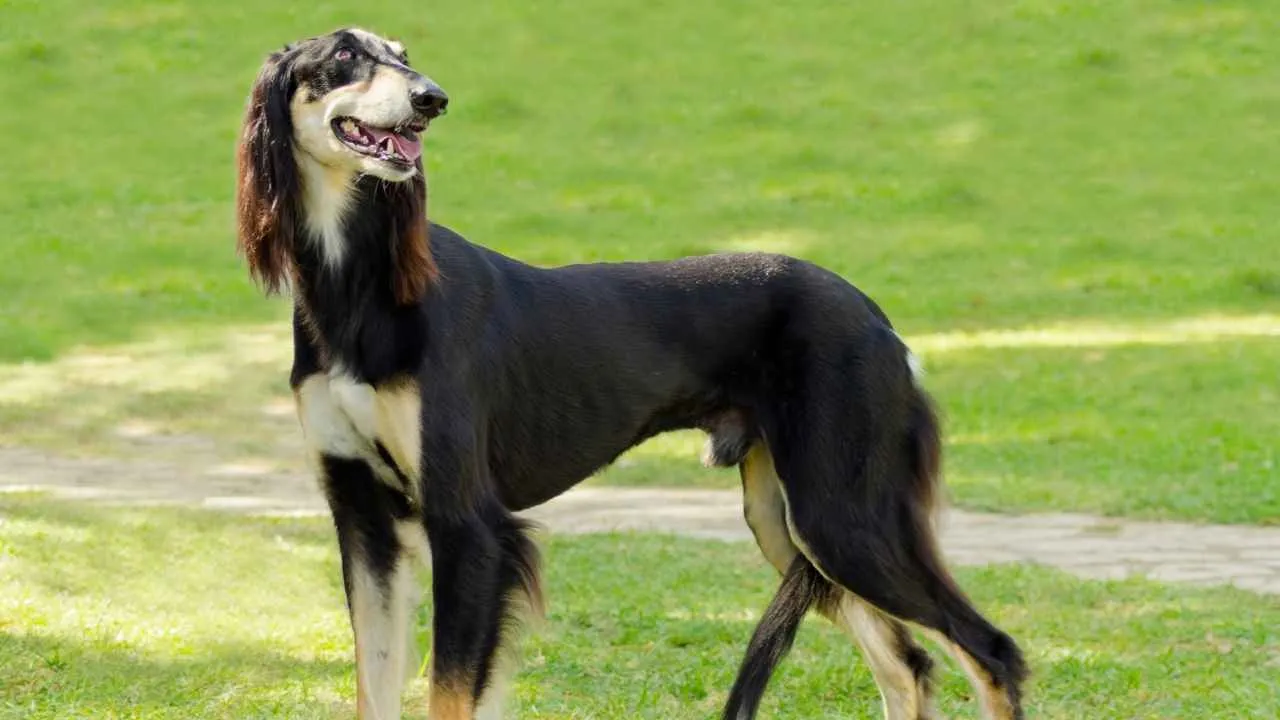
Salukis are the aristocrats of the dog world—tall, elegant, and with a history so rich it makes royalty look casual. These ancient hunting dogs were revered by the Egyptians, so much so that they were sometimes mummified to join Pharaohs in the afterlife.
That’s right—Salukis were basically the canine VIPs of ancient civilization. Bred to chase down small, fast-moving prey, the Saluki’s prey drive is legendary. If it runs, rolls, or wiggles, a Saluki will instinctively pursue it with laser focus, often ignoring any commands, as noted by Britannica.
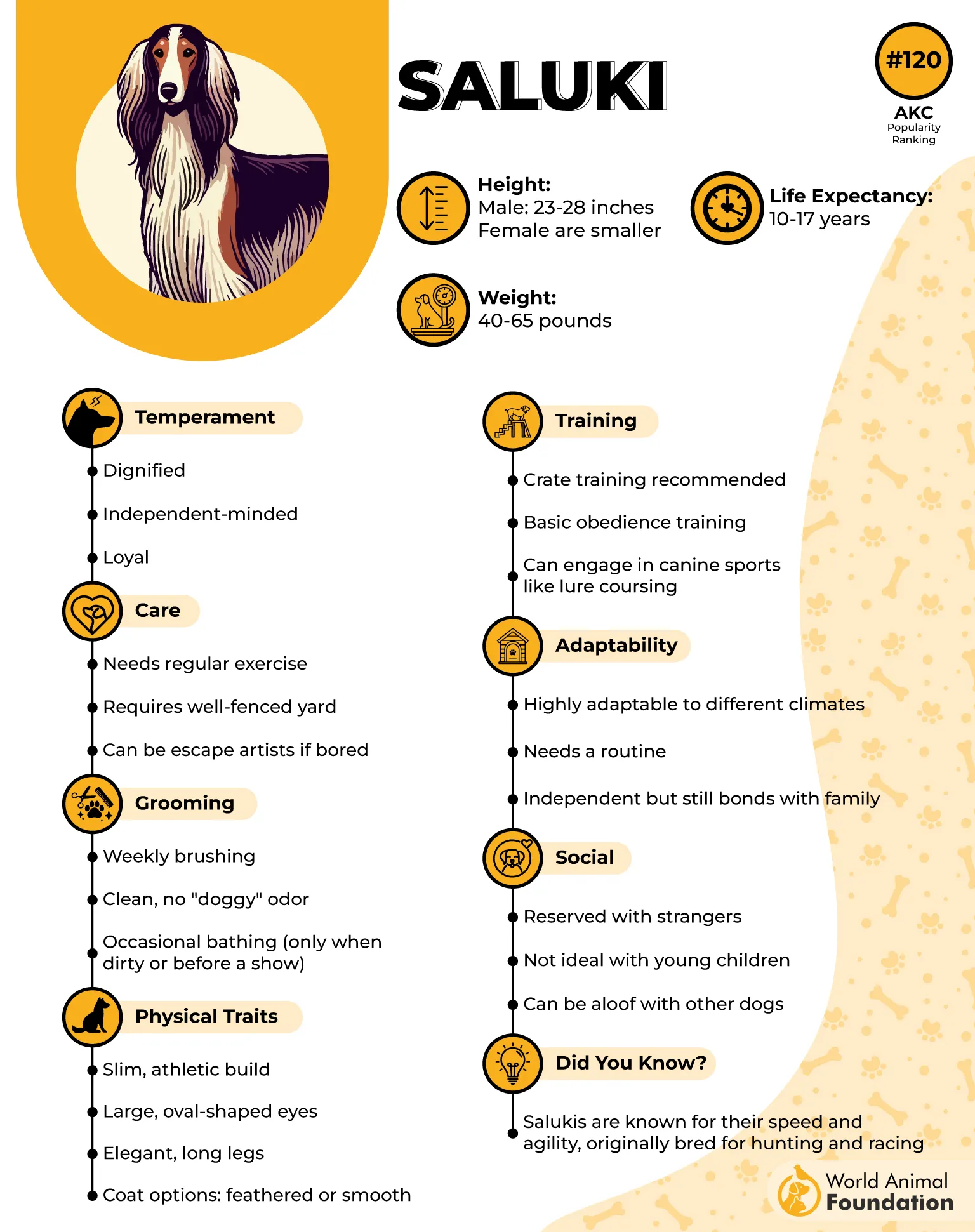
Your yard could suddenly feel like a wildlife documentary in action! Despite their hunting heritage, Salukis are loyal and loving with their families, but they tend to be reserved around strangers and less patient with children.
They thrive with active singles or couples who can take them on long hikes, runs, or even just spirited zoomies around a fenced yard. And yes—they can live peacefully with cats, provided everyone has a proper “introduction meeting.”
Fun Fact: Salukis are sometimes called “gazelles on paws” because of their long, slender bodies and incredible speed. Watching one sprint is like watching poetry in motion… if poetry also happened to ignore your calls to “come back here!”
5. Border Collie
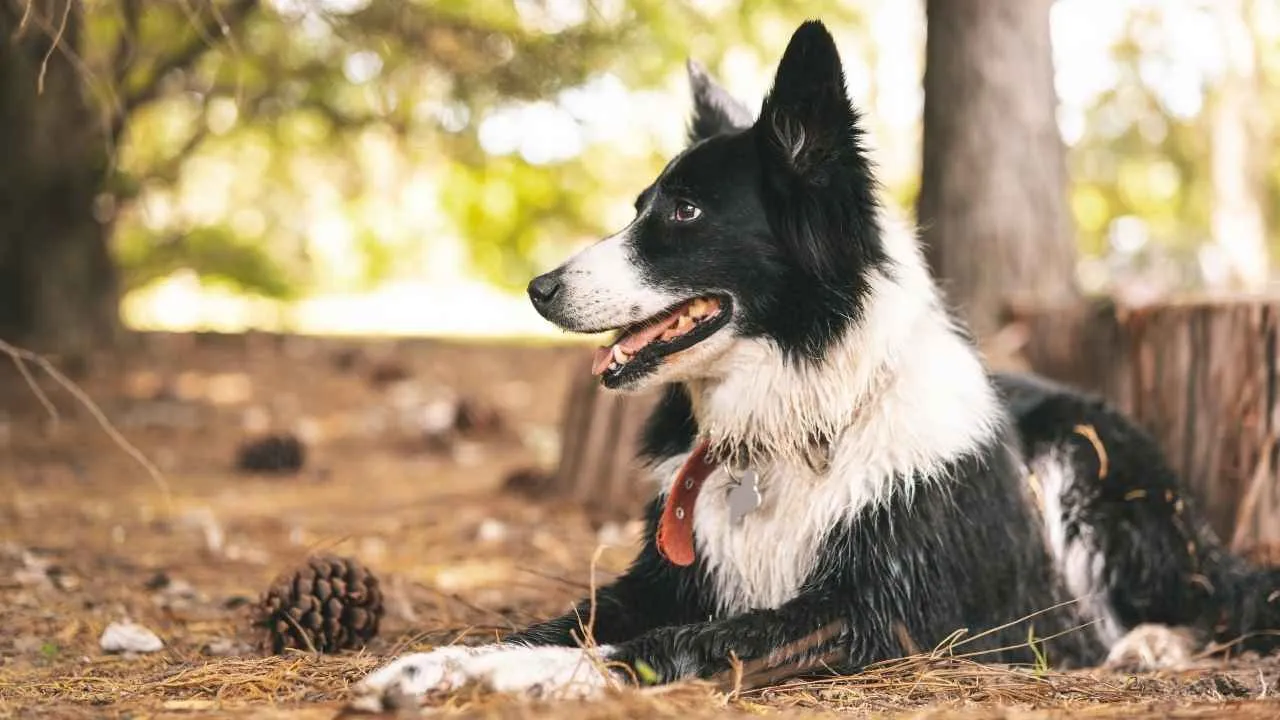
Border Collies are basically the Einsteins of the dog world—smart, quick, and capable of outthinking most humans… especially when it comes to herding.
Originally bred to control flocks of sheep, these dogs can practically herd with just a look or a subtle shift in posture, as mentioned by the American Kennel Club.
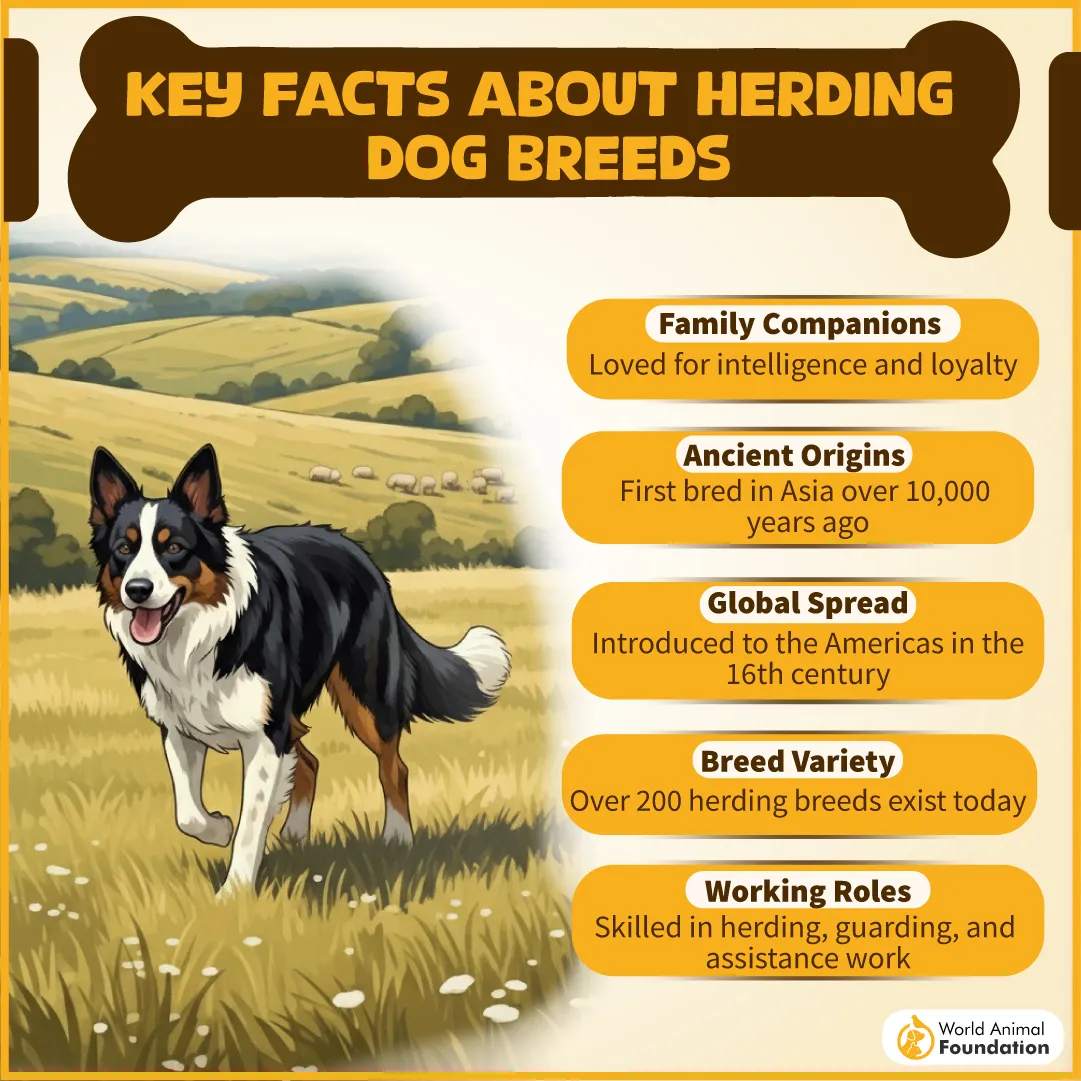
On a farm, they’re in their element, but in a typical home, they still need about two hours of intense daily activity to stay happy and balanced—or your furniture might start “getting herded” too.
Their strong prey and herding instincts mean they might try to herd kids, cats, or even the family mailman if left unstimulated.
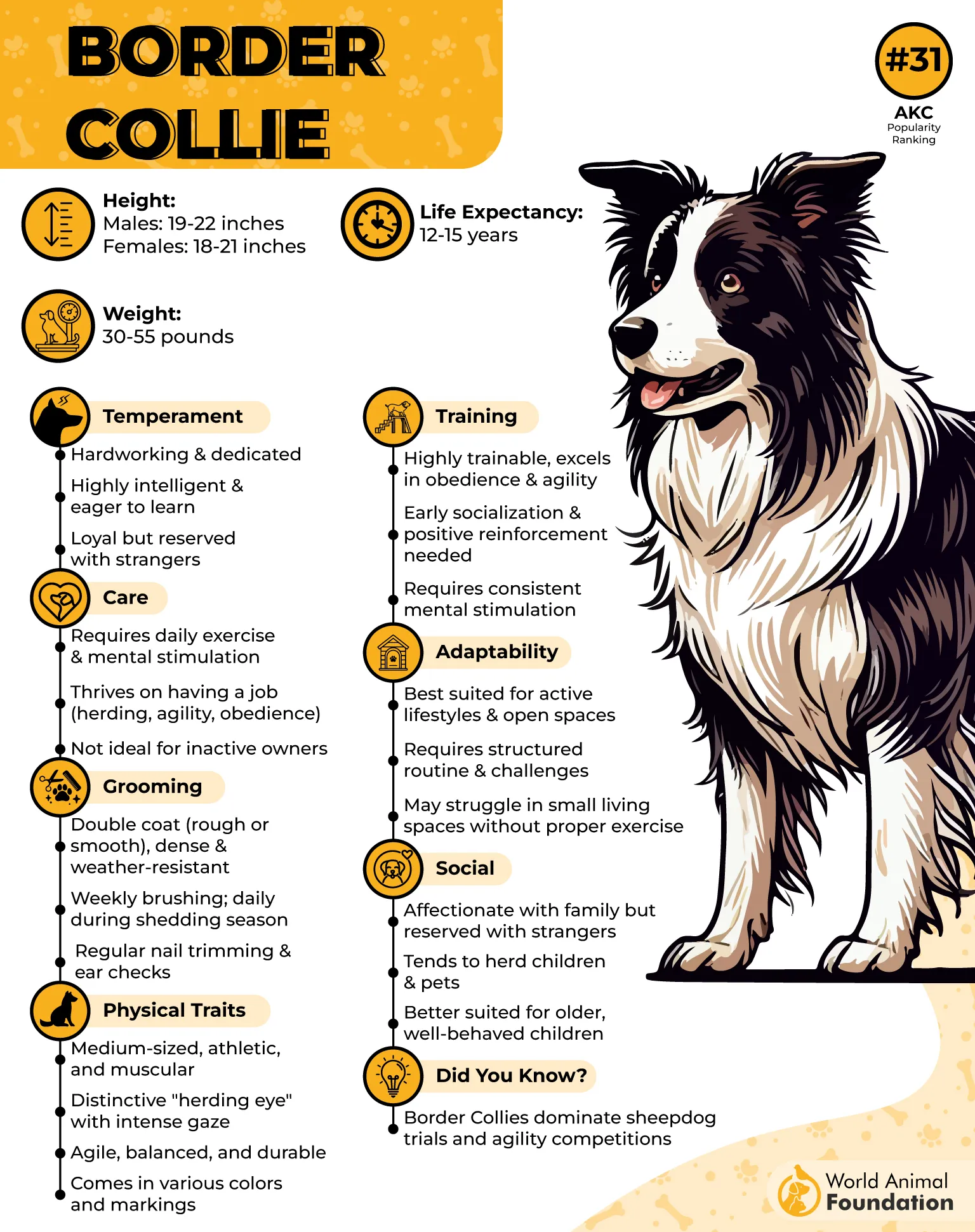
Luckily, with consistent training and plenty of mental and physical challenges, they can channel their energy into productive fun rather than household chaos. Games like flyball, agility, or just a spirited run with other dogs are perfect for keeping these brainy athletes satisfied.
Fun Fact: Border Collies are known for their “stare-down” technique, called the eye, which they use to control livestock. It’s so intense that you might feel like your dog is silently plotting… or maybe just judging your snack choices. Either way, it’s fascinating to watch!
6. Australian Shepherd
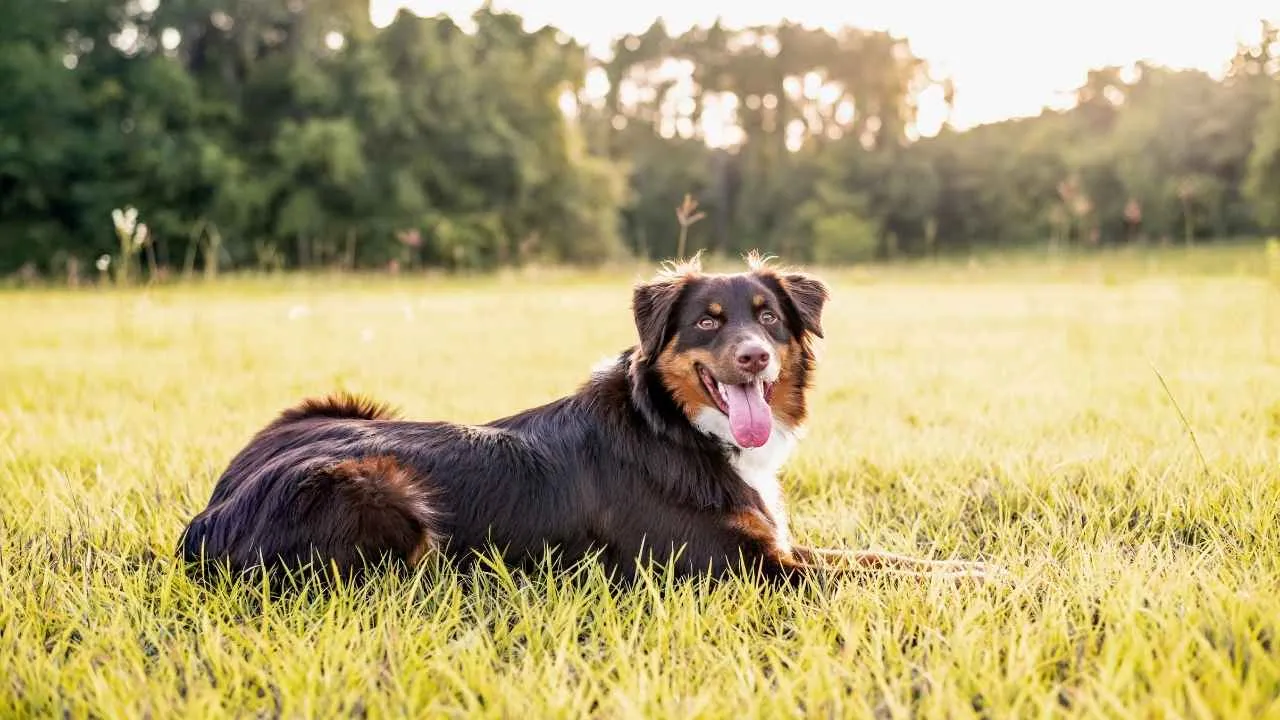
Australian Shepherds are the overachievers of the dog world—smart, agile, and always ready for a job. Born to herd, these dogs can round up sheep, cattle, and sometimes even your kids if they’re not careful!
Australian Shepherds are energetic dogs that thrive when given a purpose. They are intelligent, loyal, and generally friendly, though they may need some time to warm up to new people.
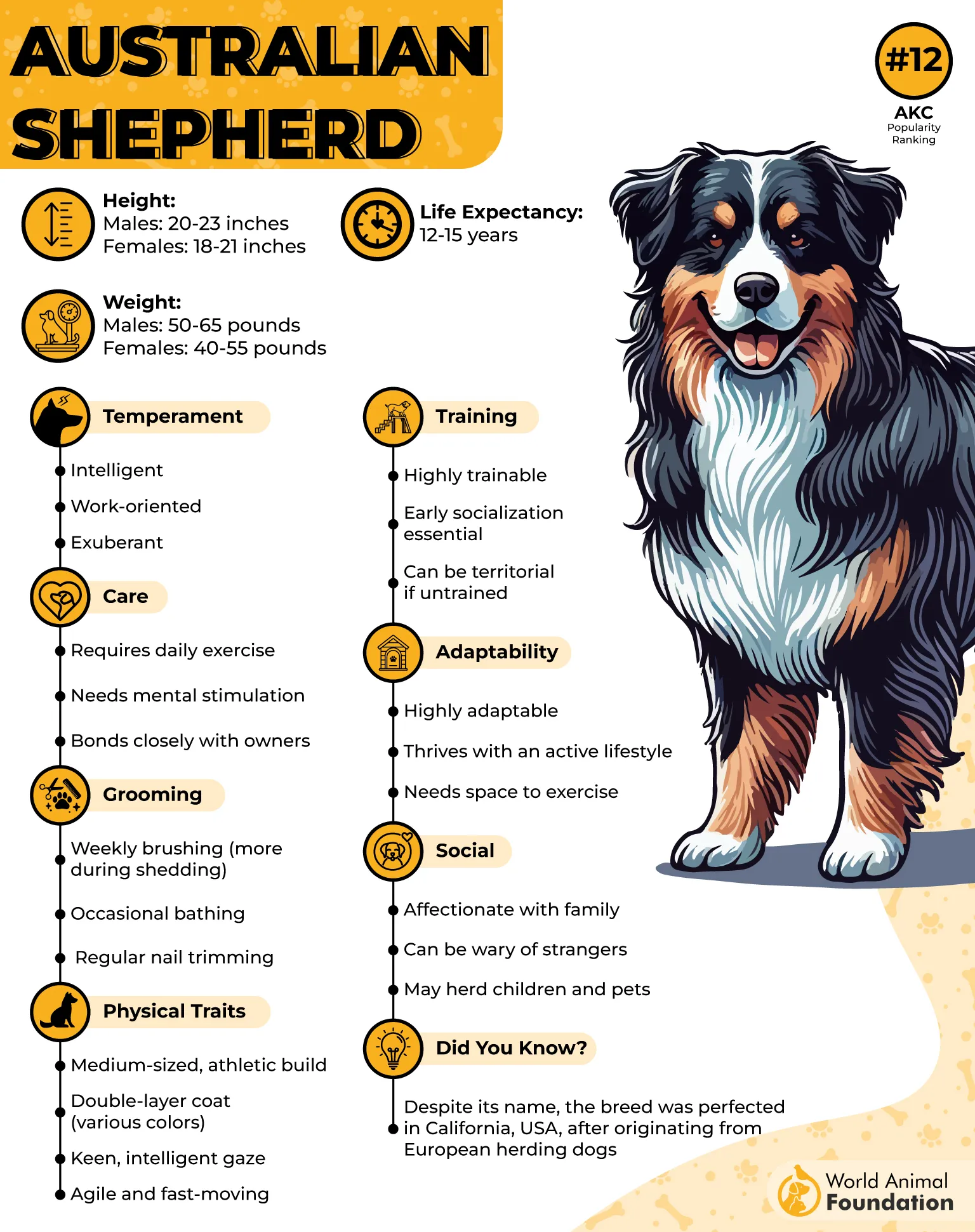
Highly trainable and incredibly intelligent, Aussies excel in obedience competitions, agility courses, and even police work. Basically, if there’s a challenge, an Australian Shepherd wants in. Their prey and herding instincts mean they thrive on activity.
Without enough mental and physical stimulation, an Aussie might channel that energy into mischief—think shredded socks, rearranged shoes, or impromptu furniture “herding.” A fenced yard, daily walks, and interactive games are essential to keep them happy and healthy.
Fun Fact: Australian Shepherds are known for their mesmerizing eyes, which can be brown, blue, amber, or even one of each. So if you’re caught staring into those eyes, don’t worry—they’re probably plotting your next game of fetch or zoomies… or maybe just judging your snack choices.
7. Jack Russell Terrier
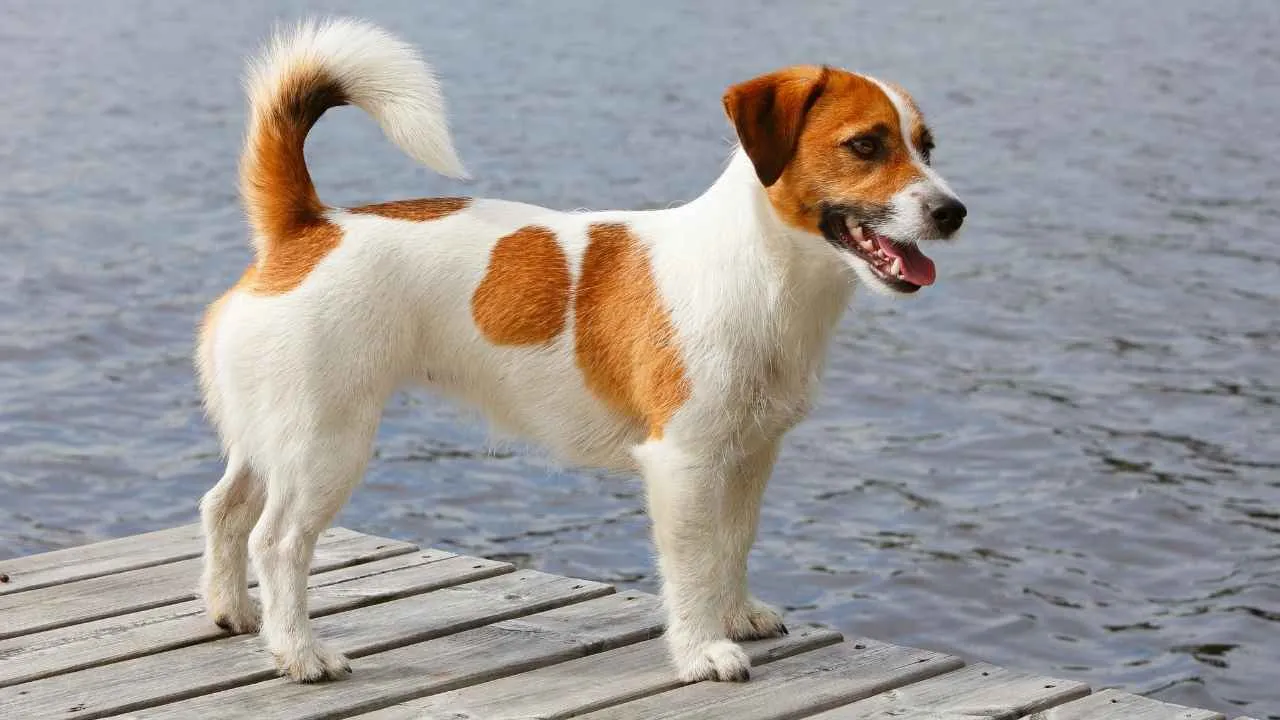
Don’t let their small size fool you—Jack Russell Terriers are tiny dynamos packed with energy, personality, and a healthy dose of mischief. These dogs are confident, playful, and fearless, often taking on dogs much bigger than themselves without a second thought.
Add a love for digging, exploring, and wandering, and you’ve got a dog that’s always on a mission—whether it’s playtime, hunting, or a combination of the two, as per Britannica.
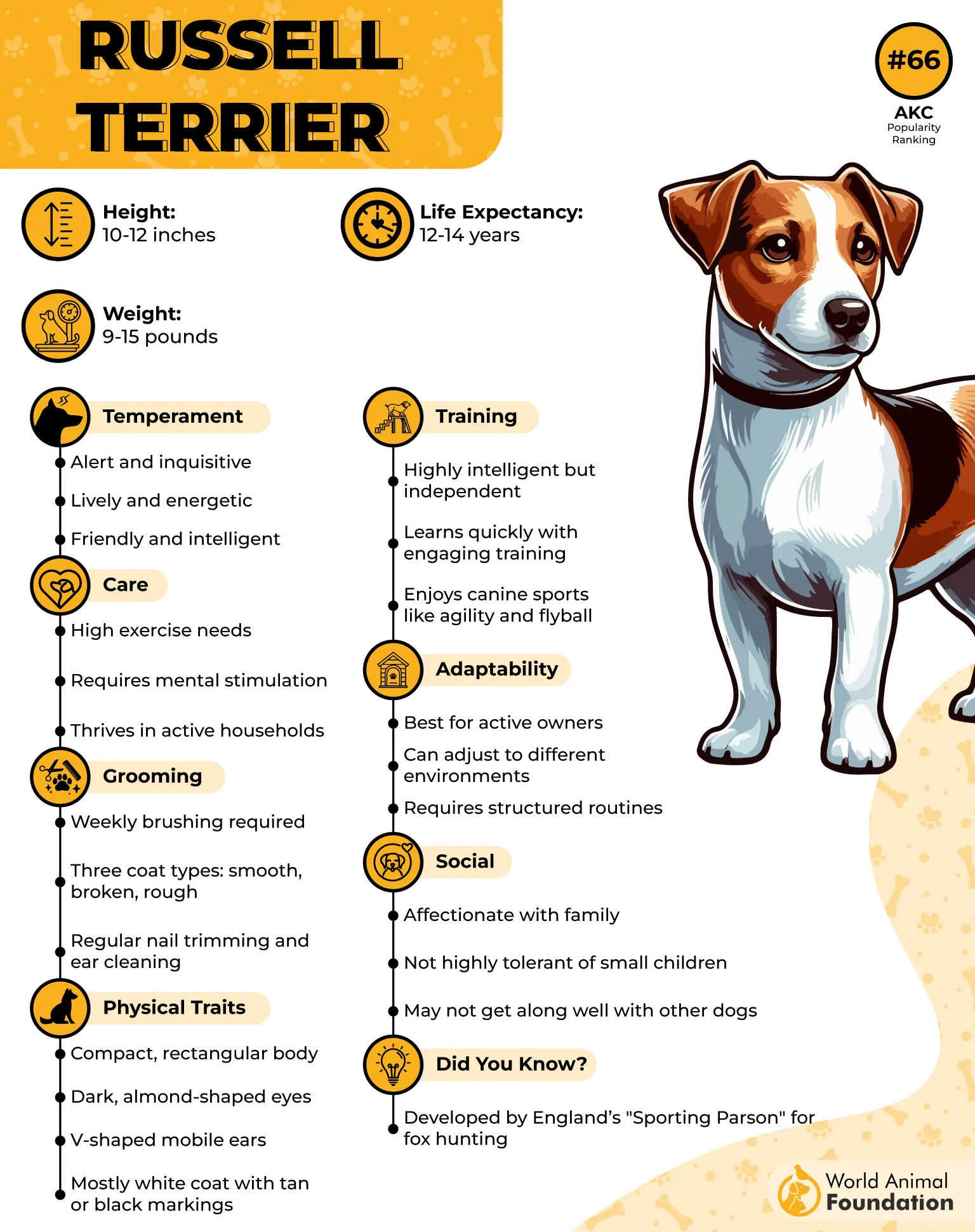
Jack Russells were bred to chase rats and other small prey, which means their prey drive is through the roof. While they can live peacefully with other dogs and sometimes cats, their instinct to chase may make homes with small pets like rabbits or guinea pigs risky.
They thrive on attention and love interactive games like fetch, tug, or anything that gets them moving. Be warned: as puppies, their sharp little teeth are infamous for chewing, so sturdy toys are a must!
Despite their hunting instincts, Jack Russells are affectionate, friendly, and usually welcoming to strangers. Just remember: leave them unsupervised around small pets at your own risk—they’ll treat them like moving toys in a heartbeat!
Fun Fact: About the size of a fox, Jack Russells have long legs compared to other terriers, giving them the perfect “chase stance” to pursue anything that catches their eye.
8. Belgian Malinois
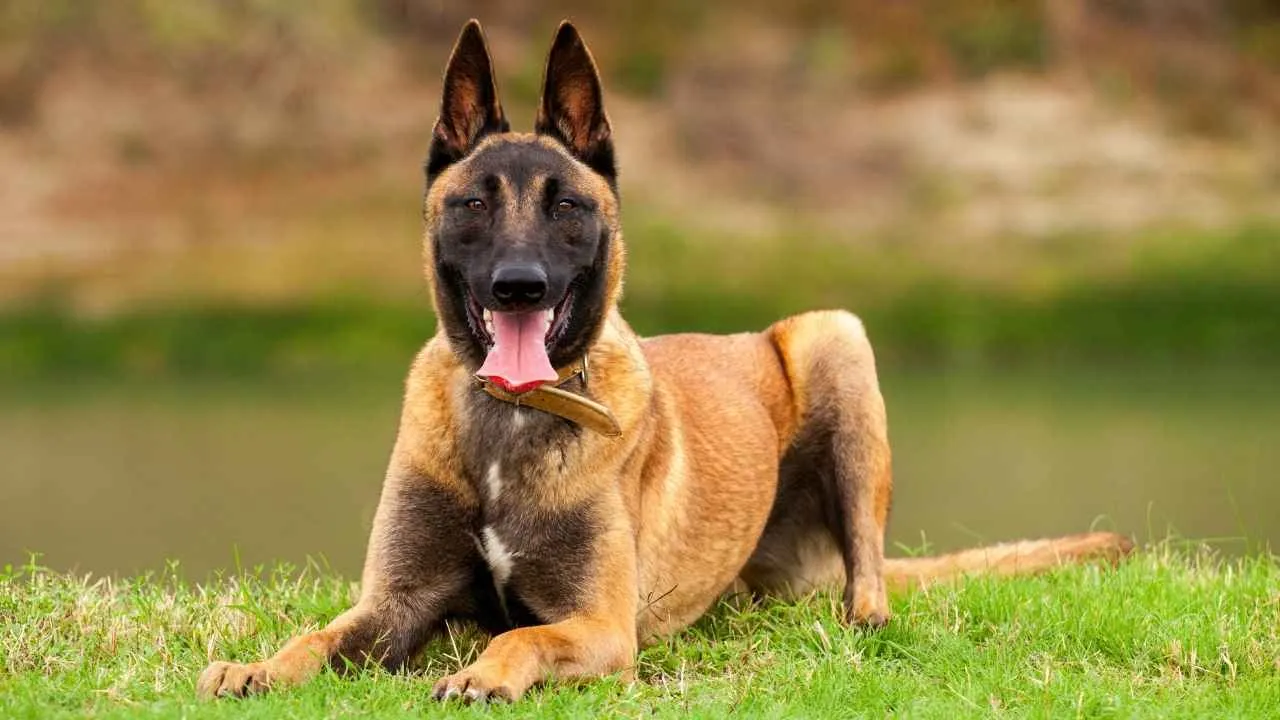
Belgian Malinois are the Swiss Army knives of the dog world—intense, agile, and always on duty. Originally bred for herding and protection, these dogs have evolved into elite working dogs used in police and military roles around the globe.
Belgian Malinois require a committed and experienced owner who is enthusiastic about sharing an active, engaging lifestyle with a highly driven canine companion.
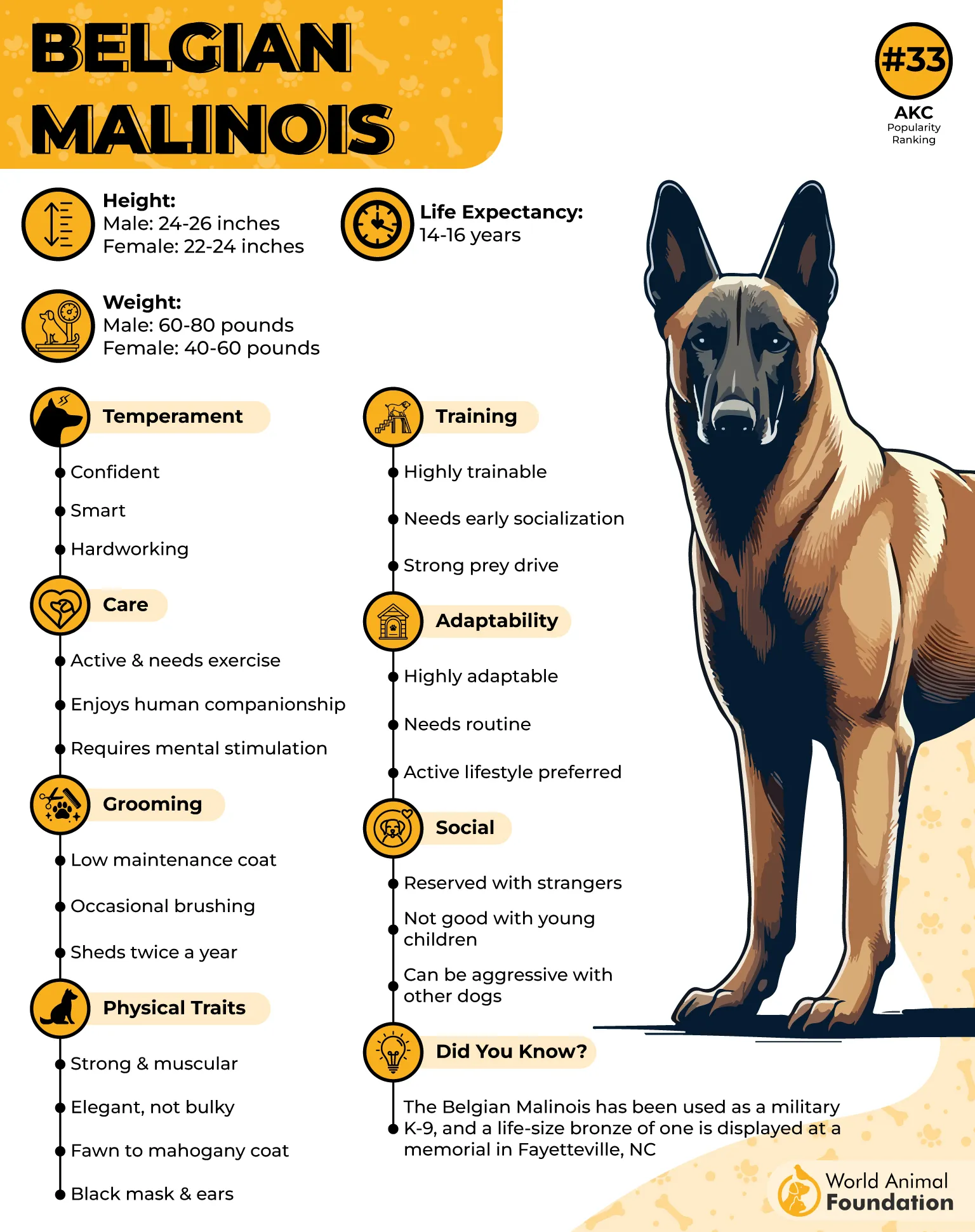
Their high prey drive and razor-sharp focus make them natural hunters, problem-solvers, and even occasional mischief-makers if left under-stimulated. These dogs aren’t couch potatoes. Without a strong outlet for their energy, like agility, obedience training, or intense play.
Malinois can get bored and creative in ways you won’t appreciate (think zoomies, “furniture rearranging,” or turning the neighbor’s yard into a training ground). They thrive in homes with active owners who can match their stamina and keep their minds challenged.
Fun Fact: Belgian Malinois are often mistaken for German Shepherds, but they’re leaner, faster, and tend to have energy levels that could power a small city. Basically, if you want a dog who can sprint, think, and work like a pro, a Malinois might just be your four-legged superhero.
9. Rhodesian Ridgeback
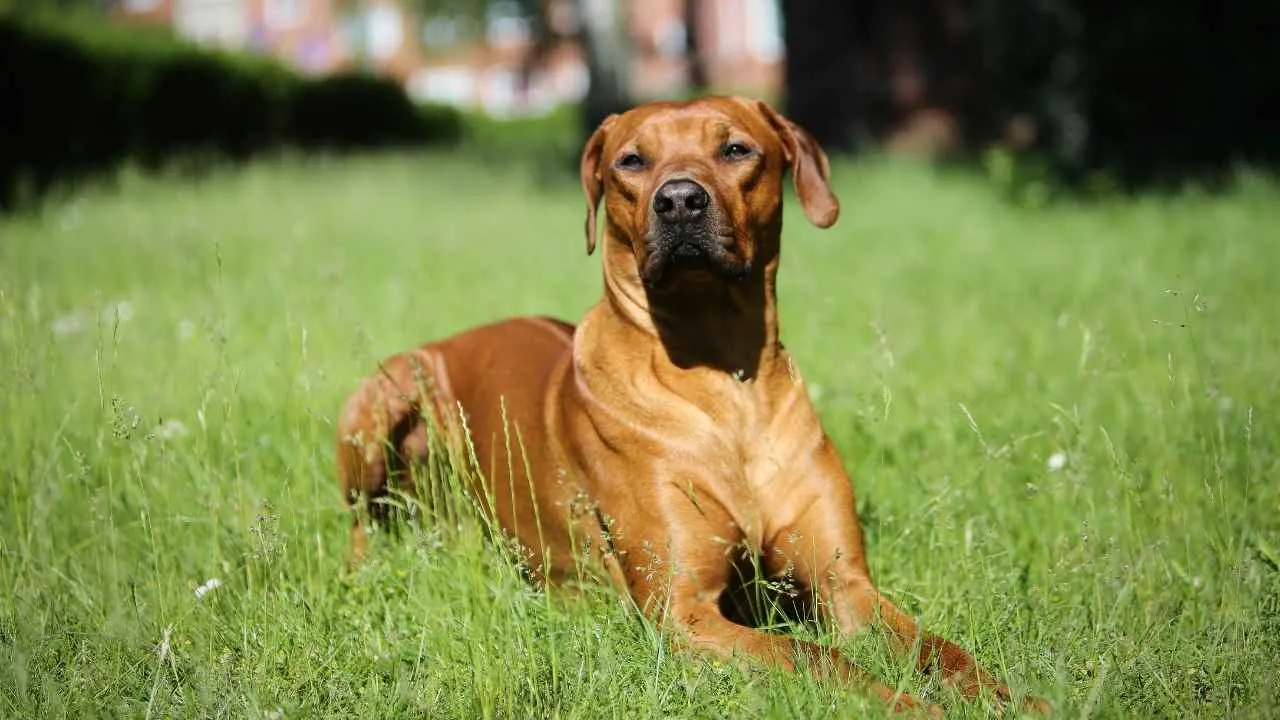
The Rhodesian Ridgeback is a dog that commands attention—powerful, courageous, and built for action. Originally bred in Africa to track and hold down dangerous game, including lions and antelope, these dogs earned their nickname as the “African Lion Hound.”
Despite their fierce hunting background, Ridgebacks are surprisingly gentle and affectionate with their families. They are fiercely loyal, alert, and independent thinkers, which can make training a fun challenge—but one worth taking on.
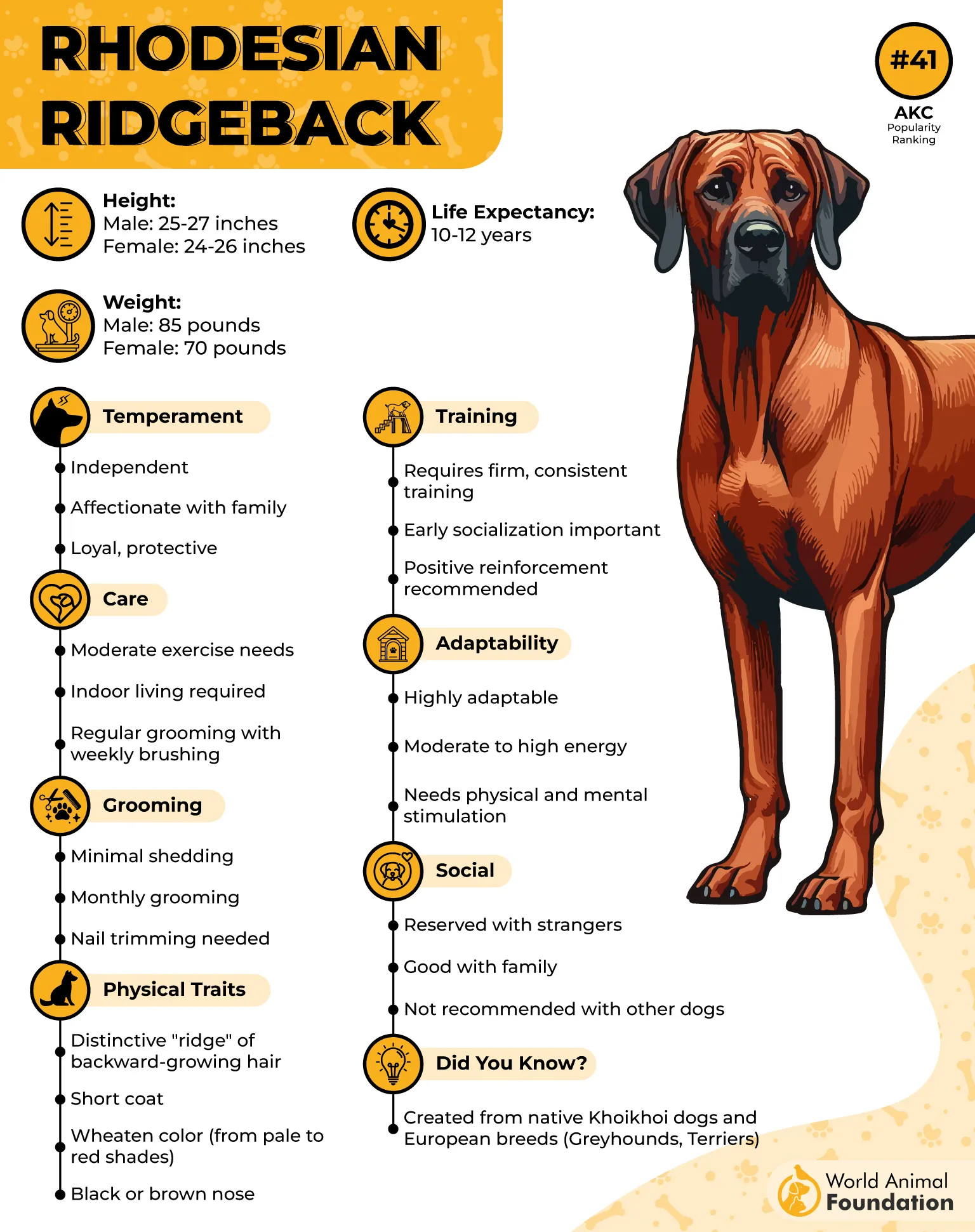
They are strong-willed athletes who thrive with at least 45 minutes of active play or exercise each day. A fenced yard, long walks, or interactive games are perfect outlets for their high energy and instincts.
Without activity, boredom can creep in, and boredom + Ridgeback = a creative “renovation” of your living space (aka chewed shoes, dug-up lawns, or mysteriously rearranged furniture).
Their prey drive is notable: anything that moves quickly—squirrels, birds, or even a fluttering leaf—can trigger their instinct to chase. Early socialization and consistent training can help channel this drive in positive ways, like running games or fetch sessions, while keeping them safe and under control.
Ridgebacks are pack-oriented dogs, loving the company of other dogs and usually tolerating cats, provided everyone is introduced carefully. They’re excellent for active families or individuals who can match their athleticism and provide mental stimulation.
Fun Fact: Rhodesian Ridgebacks were so highly valued by African hunters that they were often used to track lions by sight, not scent—a true testament to their incredible speed, agility, and intelligence.
Conclusion
Different dog breeds driven by a strong prey drive—including Irish Setters and various herding breeds ike Border Collie, Jack Russell Terrier—display a natural behavior to spot prey, capture prey, or pursue big game, reflecting their dog’s instinct and dog’s prey drive.
Most dogs with high prey drive are intelligent breeds that thrive in active homes with strong leadership and early training, especially when interacting with small animals, other pets, or even stuffed animals.
These pups have a desire to chase, play tug of war, bark, or eat, so securely fenced areas are essential to manage interactions.
Many dogs with high prey drive provide engaging companionship while requiring careful management to ensure safety for smaller dogs, other animals, and food or family interactions.
