




Bringing home one of the top dog breeds feels exciting at first. The reputation, the temperament, and the presence all seem reassuring. What settles in after the excitement fades is responsibility.
Popular breeds are admired for specific traits, yet those traits are supported by structured care that many owners underestimate. Coat condition depends on consistent grooming. Stable behavior grows from daily exercise and mental engagement.
Long-term health reflects disciplined nutrition and preventive veterinary visits. Maintenance is not a side detail. It shapes how well a dog adapts to family life. When upkeep aligns with a breed’s natural build and energy level, harmony follows. When it does not, avoidable issues begin to surface.
This article outlines top dog breeds and breaks down their essential maintenance needs in practical detail so readers understand the long-term care required before making a serious commitment.
Key Takeaways
Beautiful coats often steal the spotlight, yet the real story begins in the daily care routines most people never see
A Puli’s woolly coat slowly transforms into cords that require steady hand separation, while the Afghan Hound needs hours of brushing to prevent heavy mats
Miniature Poodles and Bichon Frise rely on consistent trims and close attention to keep their curls soft and healthy
Keep reading, and you may start looking at these elegant breeds with a completely new understanding of what their beauty truly requires
Top Dog Breeds and Their Essential Maintenance
1. Puli
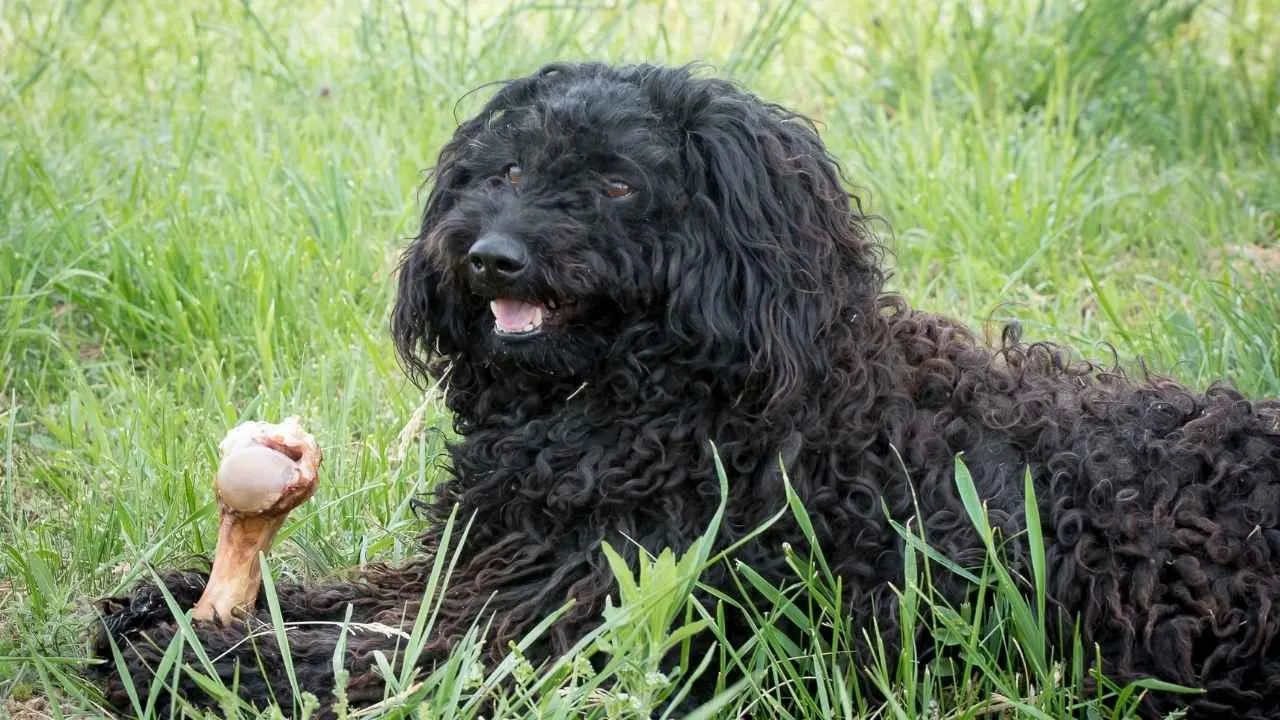
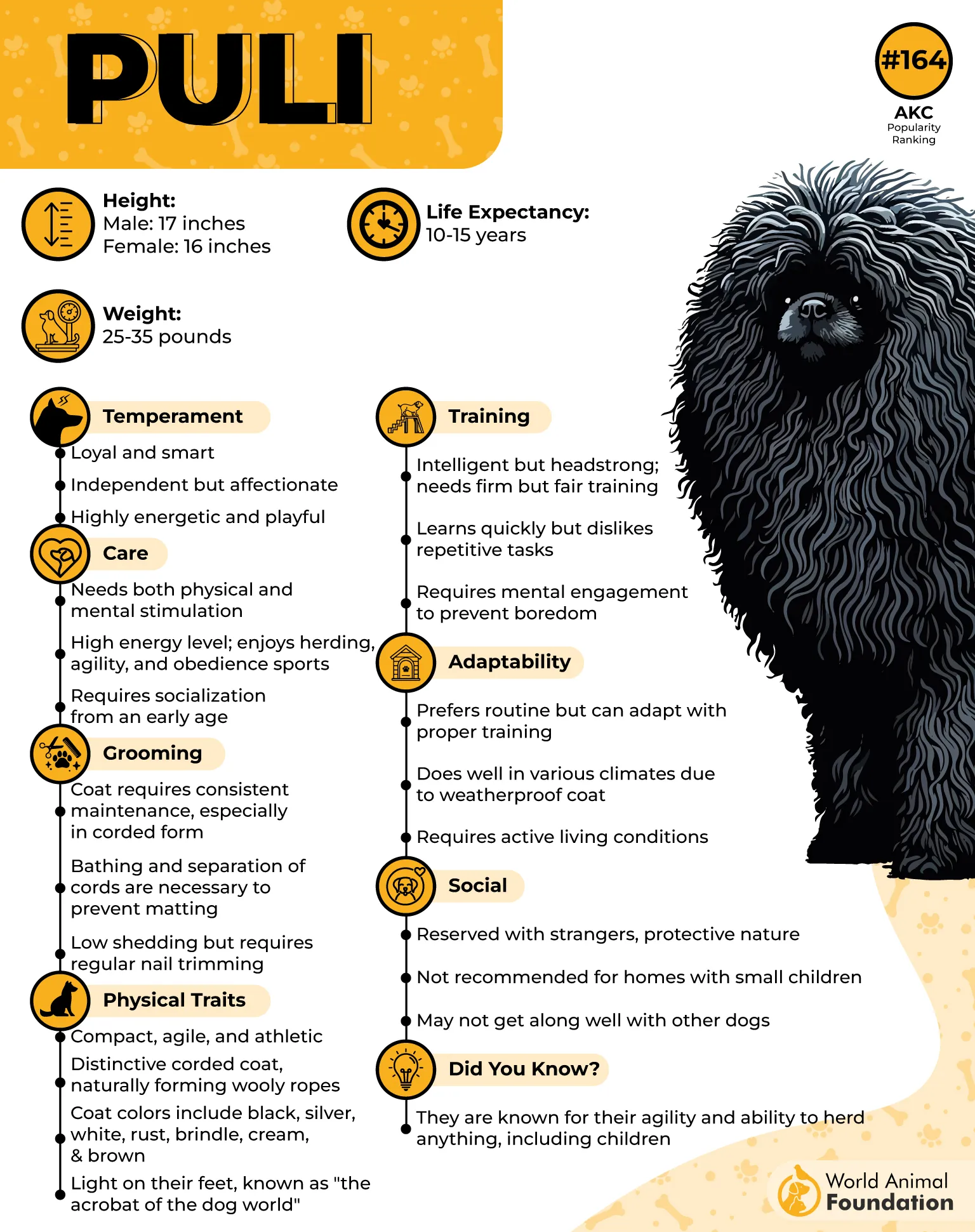
Puli is instantly recognized for its dense, naturally forming cords that cover the body from head to tail. Beneath that dramatic coat stands a compact, muscular herder built for agility. The texture is woolly and weather-resistant, demanding hands-on upkeep from the right stage of growth.
Managing the Cords
Grooming a Puli changes completely once the undercoat develops and begins forming clumps close to the skin. That early matting signals the start of cord separation by hand.
The essentials include:
Separating soft clumps into distinct sections
Repeating the process over six to nine months
Bathing and re-separating cords once formed
Early Coat Development
Puli puppies need only bathing, ear care, and nail grinding until about eight to ten months of age, as the AKC mentioned. When the undercoat thickens, you will feel natural splits where cords begin forming. Those sections must be gently pulled apart with fingers to prevent large, solid mats.
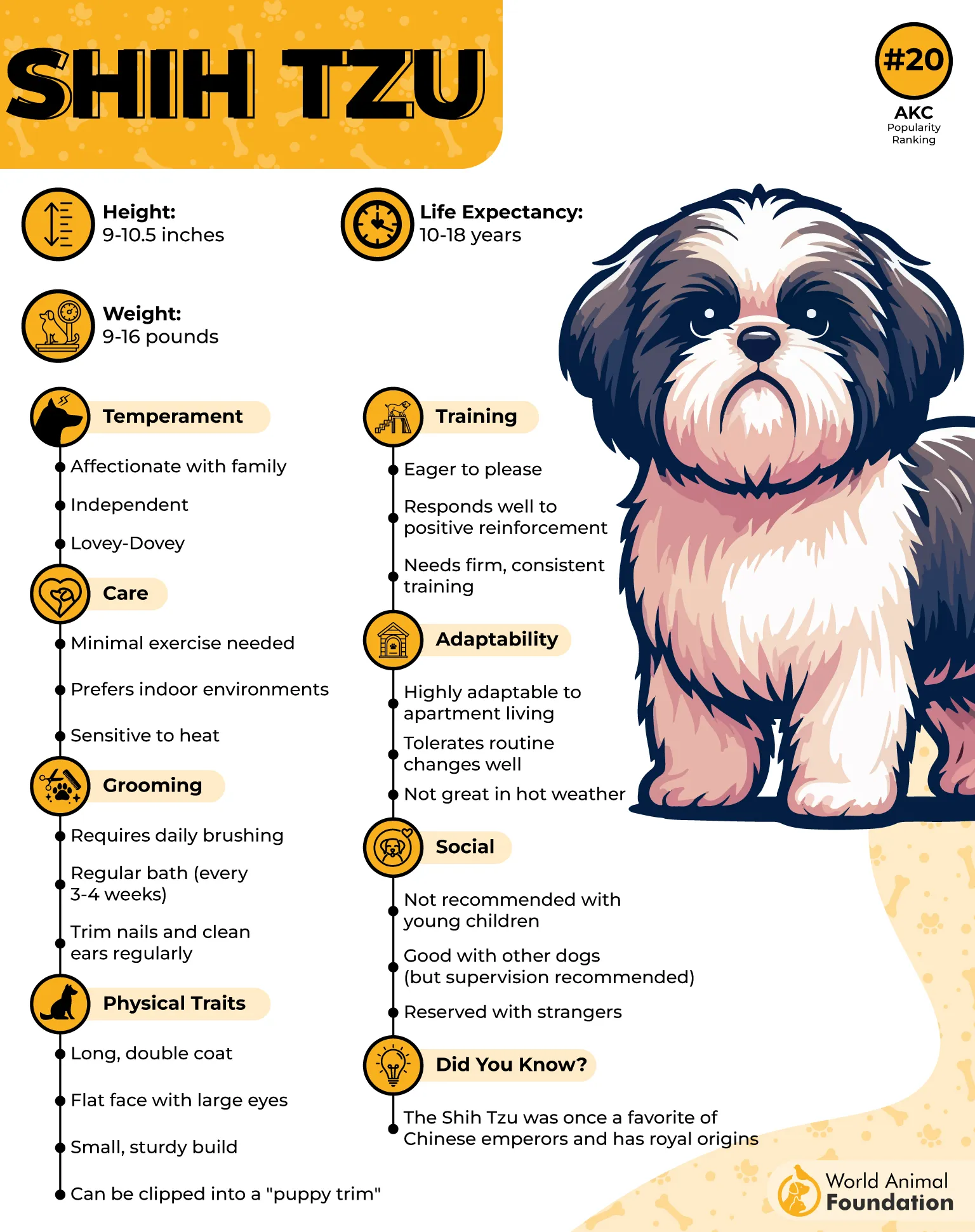
2. Shih Tzu
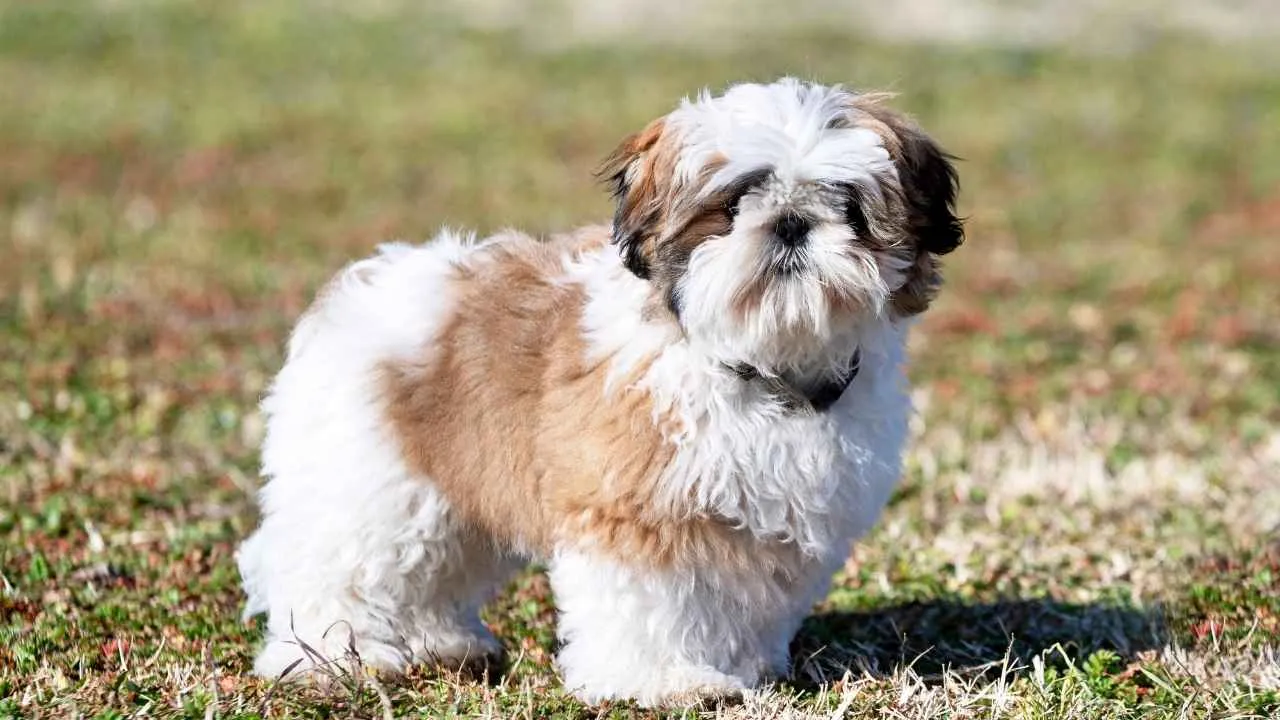
The Shih Tzu is a small companion with a personality bigger than its size. Known for their playful curiosity and affectionate demeanor, these little “Lion Dogs” brighten every room they enter. Their lively nature makes them especially attentive to family interactions and gentle with children.
Grooming Session Essentials
Maintaining a Shih Tzu’s flowing coat is central to its care routine, but it can be enjoyable with proper tools. Consistent grooming keeps the coat healthy, shiny, and comfortable for the dog.
Practical steps include:
Daily brushing with a flexible-pin brush to reach the skin
Regular baths every three to four weeks to keep the coat clean
Topknot or short trims to protect the eyes from irritation
Indoor Lifestyle Suitability
This long-haired breed adapts seamlessly to apartment or small-space living, thriving in homes where attention is plentiful, as stated by Omlet. They enjoy quiet play, lap time, and gentle interaction with their pet owners rather than high-intensity outdoor exercise.
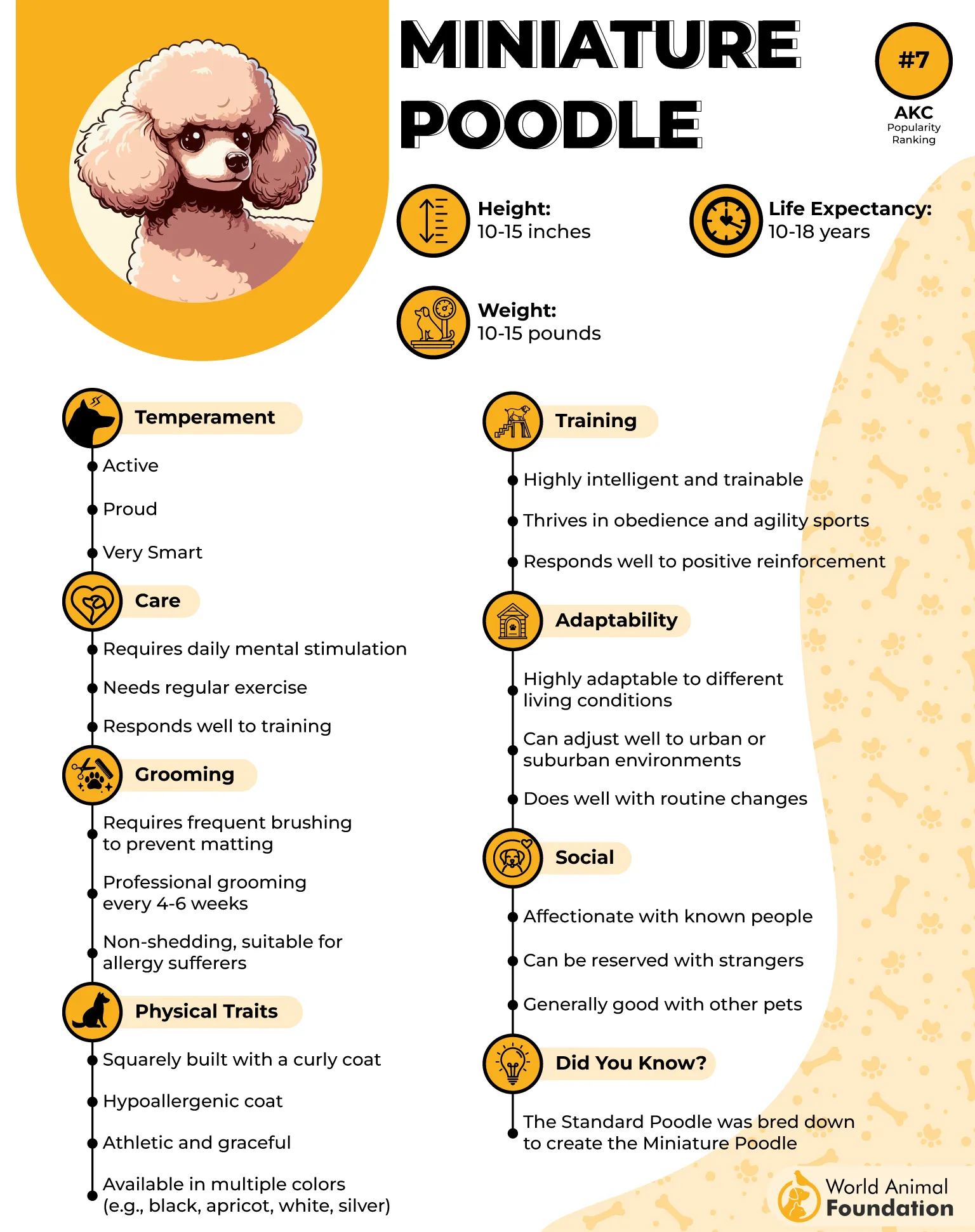
3. Miniature Poodle
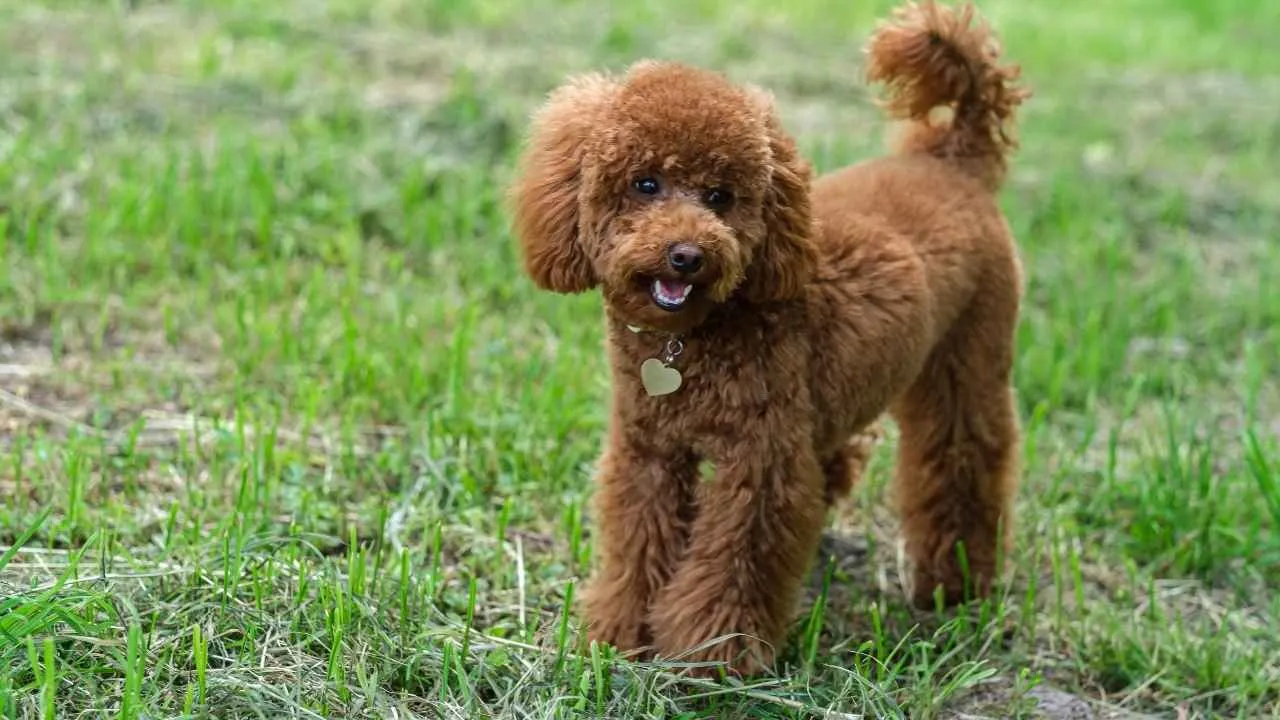
Miniature Poodles descend from the same elegant lineage as Standards and Toys, prized for intelligence and grace. Their hypoallergenic, curly coats hide an agile, athletic dog capable of playful and purposeful activity. The breed balances refined beauty with practical companionship.
Grooming Essentials
Maintaining a Poodle’s coat requires daily attention, especially for longer trims. Their curls mat easily without proper care, making consistency essential.
Key grooming points of this high-maintenance breed are:
Regular brushing to prevent tangles near the roots
Professional grooming every 4–6 weeks if trims are not done at home
Choosing a shorter trim for easier daily upkeep
Lifestyle Fit
Hypoallergenic fur and adaptable nature make Miniature Poodles ideal for indoor living. They bond closely with their humans and live well with other dogs, enjoying routines that mix mental and physical activity. A daily care schedule ensures both comfort and long-term coat health.
4. Maltese
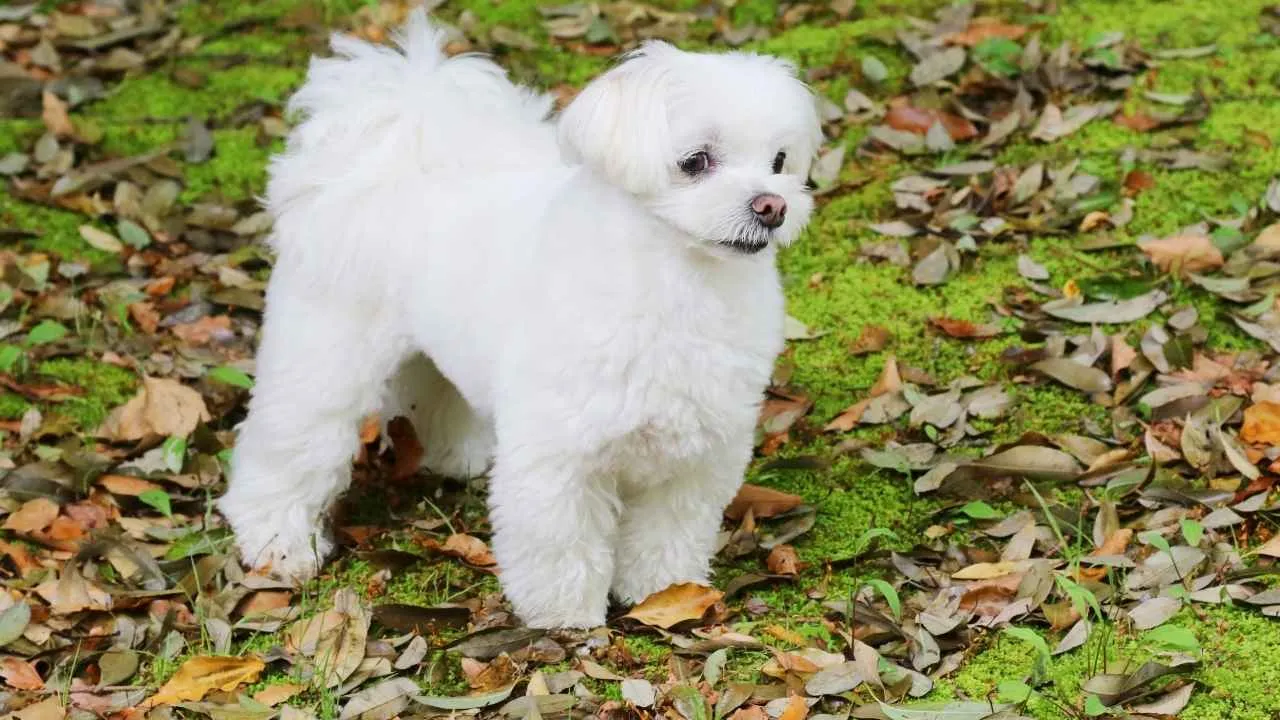
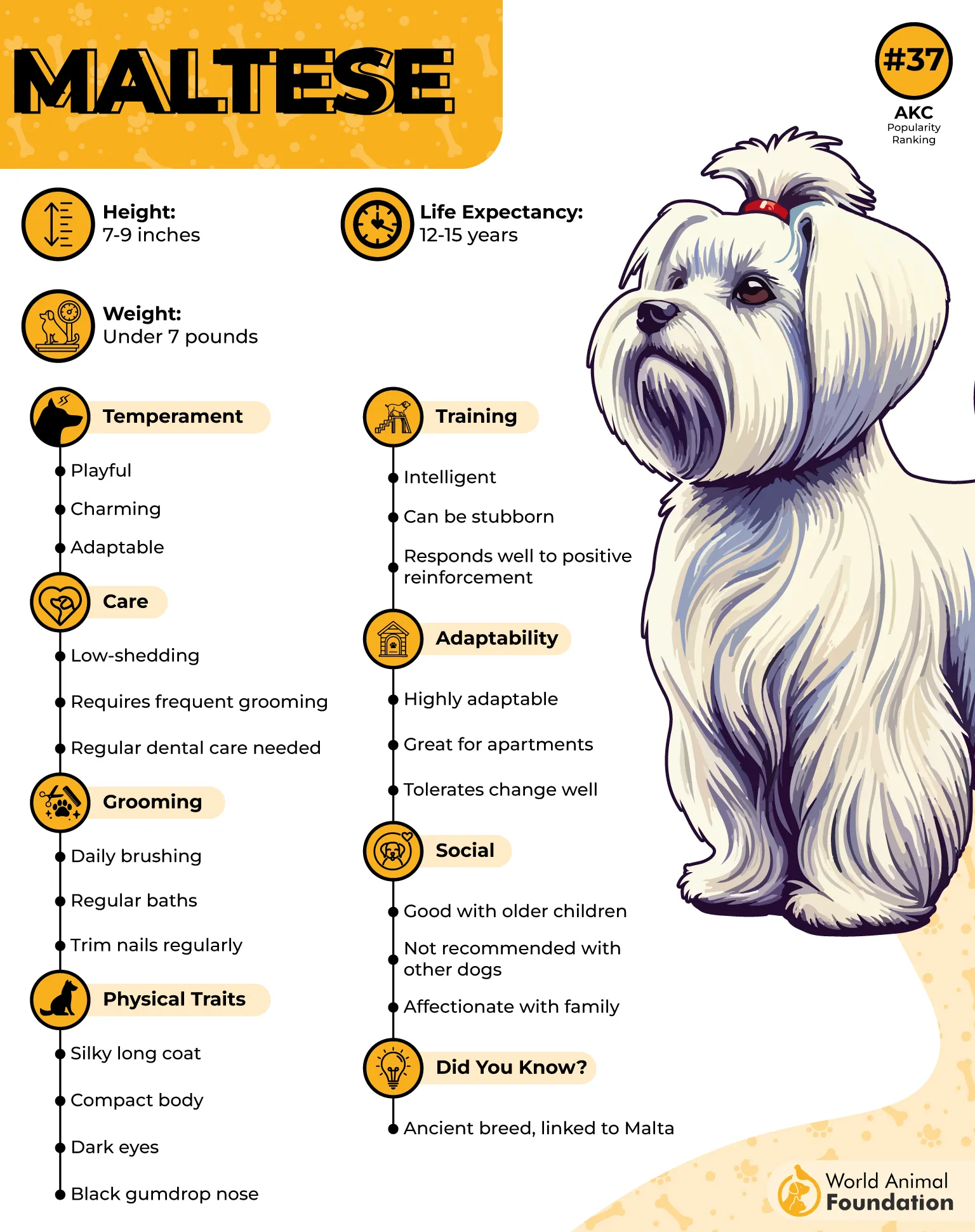
Maltese have charmed households for centuries, known as the “Ancient Dogge of Malta.” Their silky, floor-length coat frames a delicate yet confident posture, highlighting a dog that combines elegance with playfulness. Small in size, they radiate personality in every movement.
Coat and Care Essentials
Maintaining the Maltese coat requires dedication to preserve its flowing beauty. Daily grooming and gentle brushing keep tangles at bay, while regular baths maintain a healthy shine, as PetMD writes.
Essential care points of this family pet include:
Comb and brush daily to prevent mats
Schedule regular baths and conditioning
Frequent nail trimming for comfort
Personality and Interaction
Affectionate and lively, Maltese bond closely with their humans, bringing energy and charm to daily life. This small breed enjoys interactive play and short walks. Their curious, confident nature makes them alert yet gentle companions, even for first-time dog owners as well.
5. Yorkshire Terrier
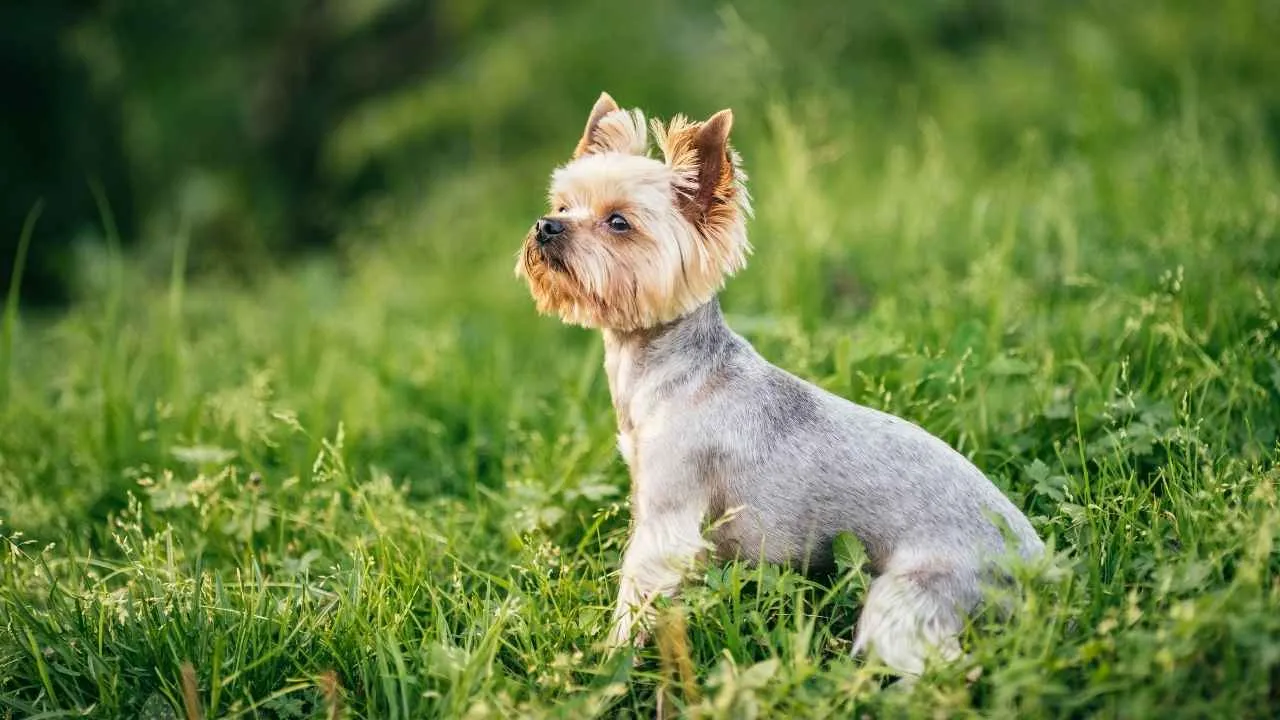
Yorkshire Terriers are small, lively dogs with a history as skilled ratters in industrial England. Their tiny frame holds a bold, spirited personality that demands attention and care daily. Yorkies combine elegance with old-world terrier tenacity.
Coat and Grooming Essentials
The Yorkie’s signature floor-length coat is silky and delicate, requiring dedicated upkeep. These toy dogs thrive with frequent grooming, from ear checks to dental care, due to their small size and long lifespan.
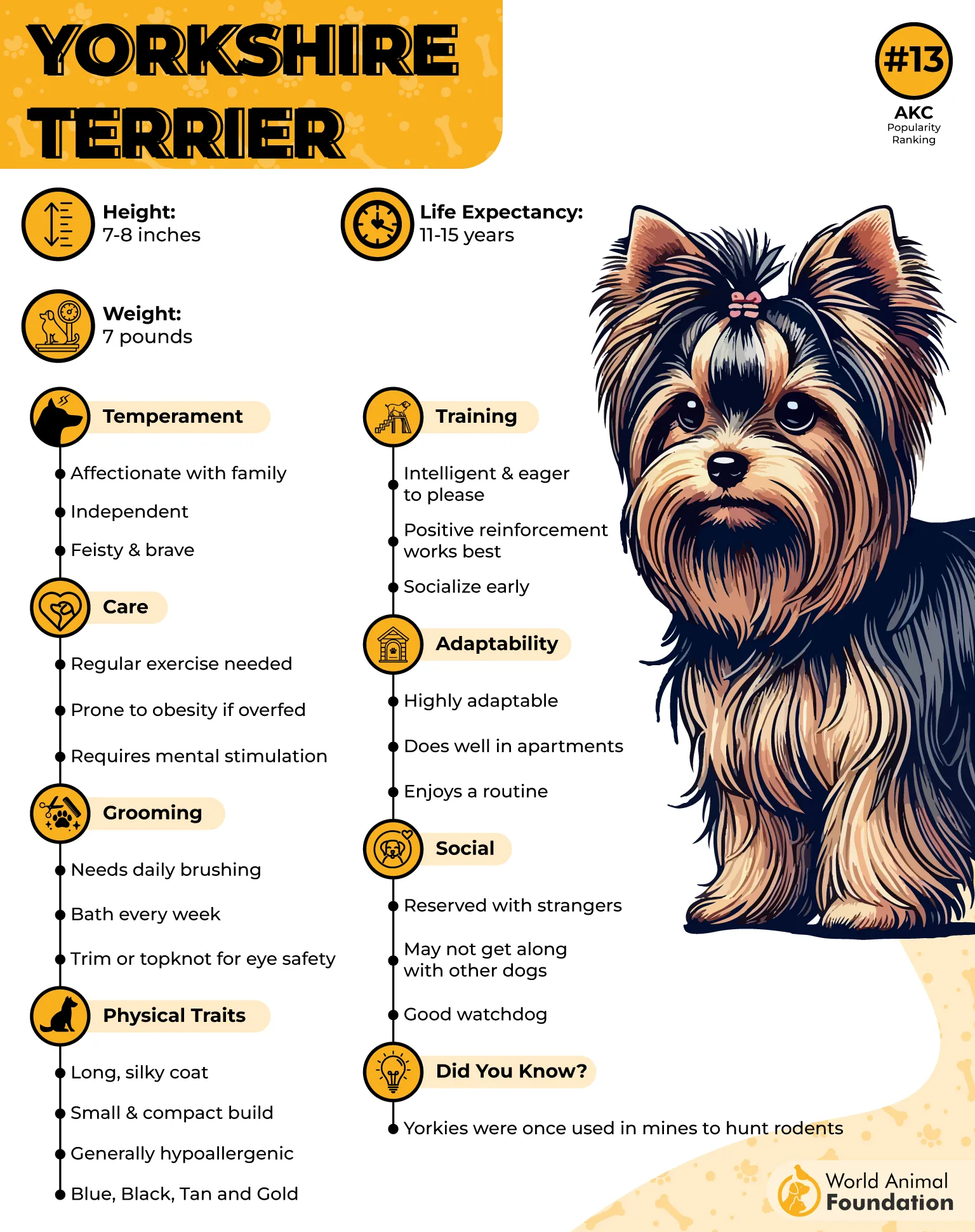
Maintaining this high-maintenance dog breed includes:
Daily brushing to prevent tangles
Regular trims around eyes and ears
Weekly baths to keep hair clean and soft

Personality and Care Impact
Yorkies are fiercely affectionate and often act like little watchdogs, alert to every sound. Their strong-willed nature means they respond best to gentle consistency. Proper handling ensures their energy and curiosity remain fun, not frustrating.
6. Bichon Frise
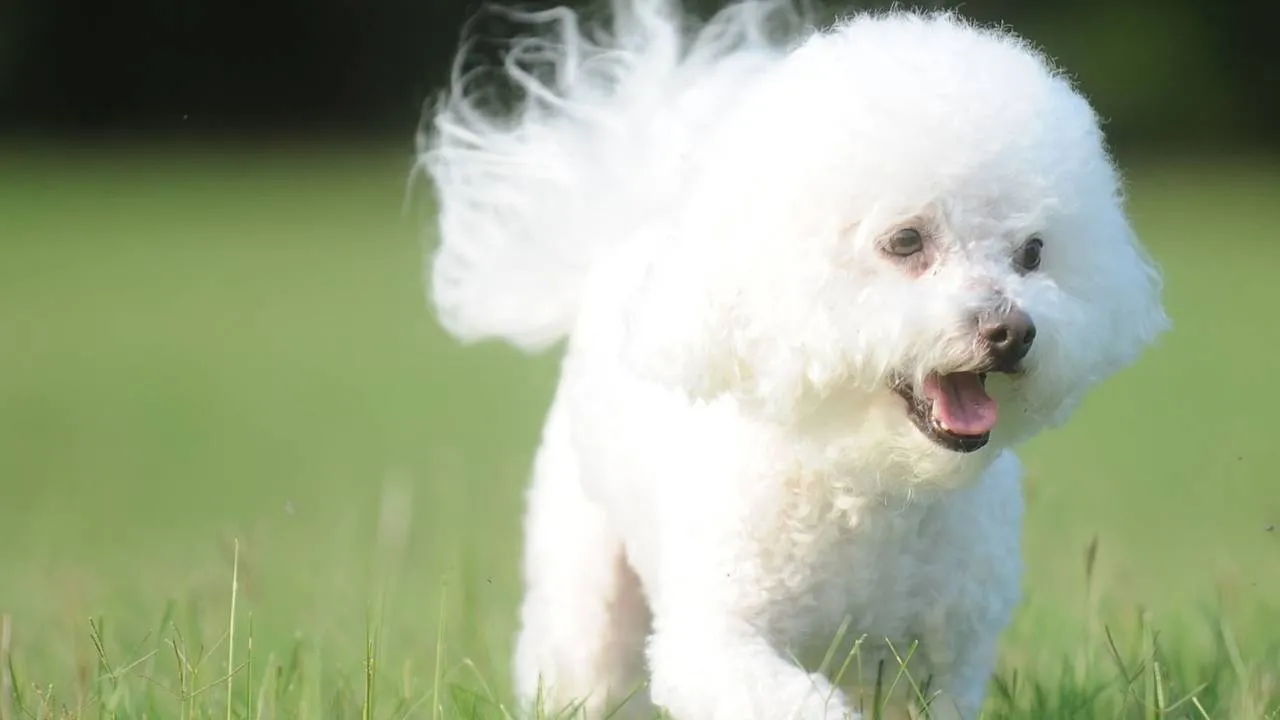
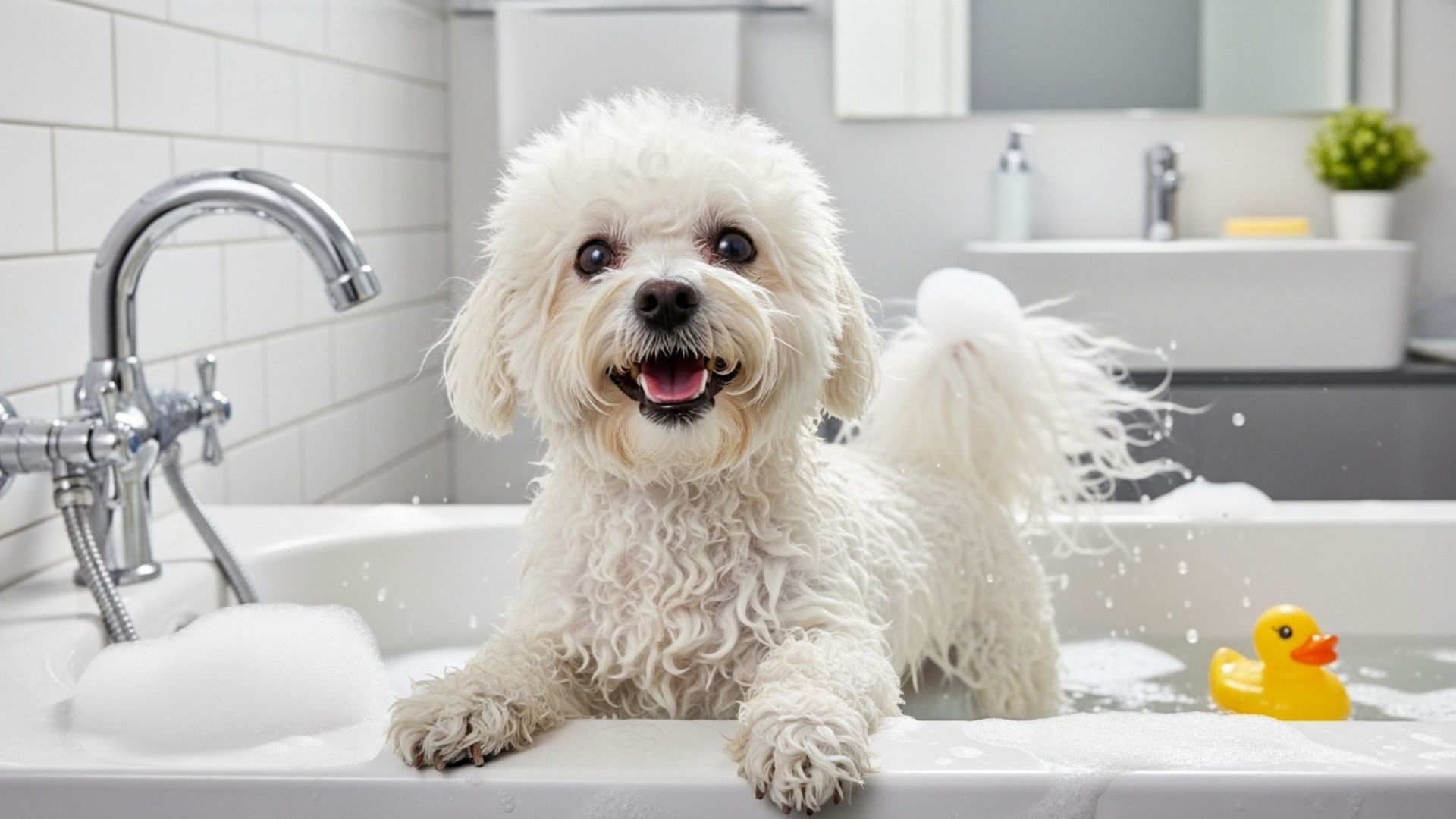
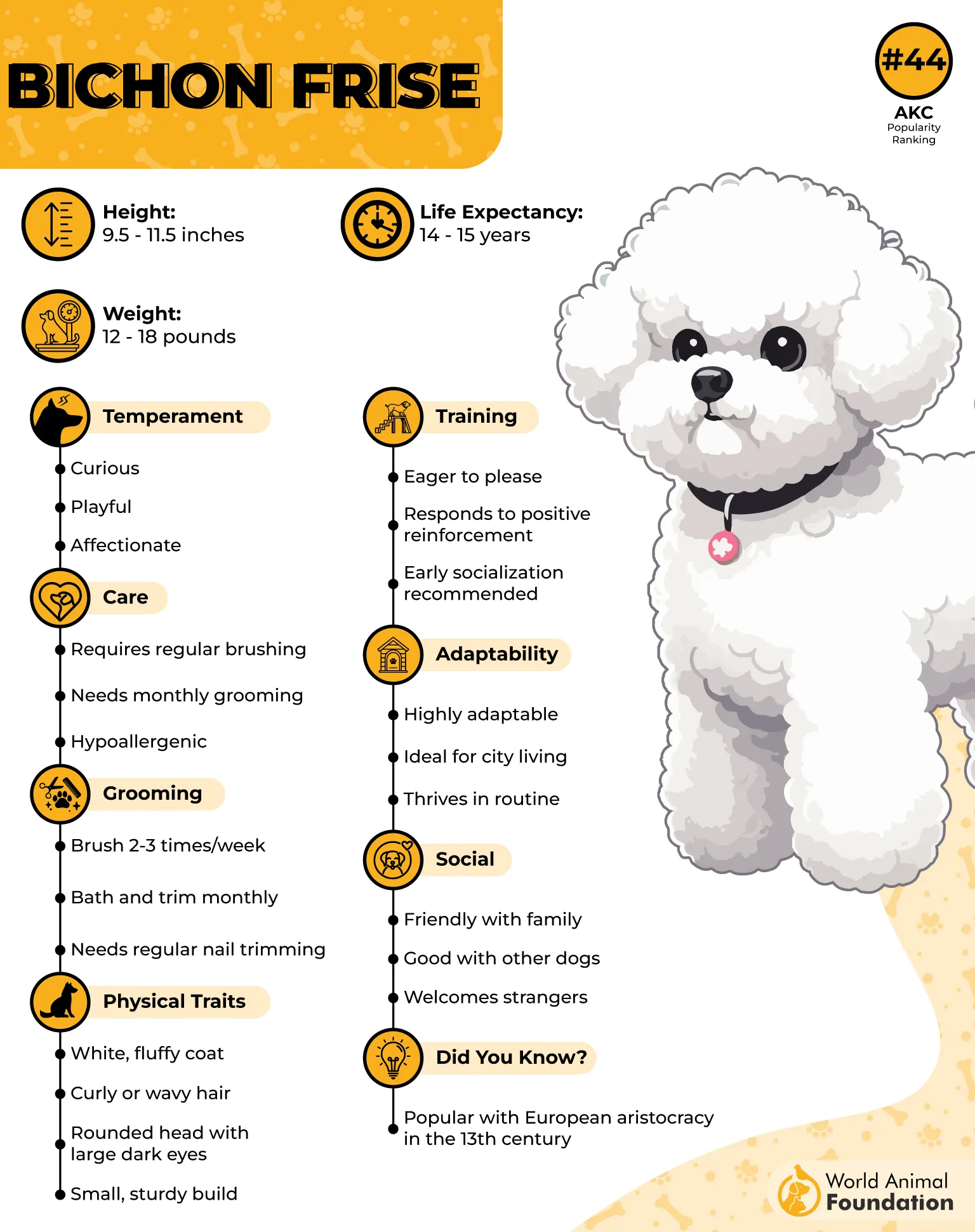
Bichon Frise are small, resilient dogs known for their cheerful demeanor and playful personality. Their plush, white coat and rounded head hair frame expressive dark eyes that captivate attention. This breed combines elegance with an irresistible, friendly charm.
Grooming Essentials
Maintaining a Bichon’s coat takes dedication and consistency. Their hypoallergenic fur requires regular care to stay soft and tangle-free.
Here’s more of what you need to know:
Brushing ideally every day to prevent mats
Monthly baths and trims for a neat appearance
Regular nail trims to keep paws healthy
Adaptable Companions
These dogs adjust well to city life and thrive on interaction with people and other pets. Bichons enjoy gentle training sessions and learning small tricks, rewarding owners with laughter and affection. Their size and confidence make them ideal indoor companions.
7. Afghan Hound
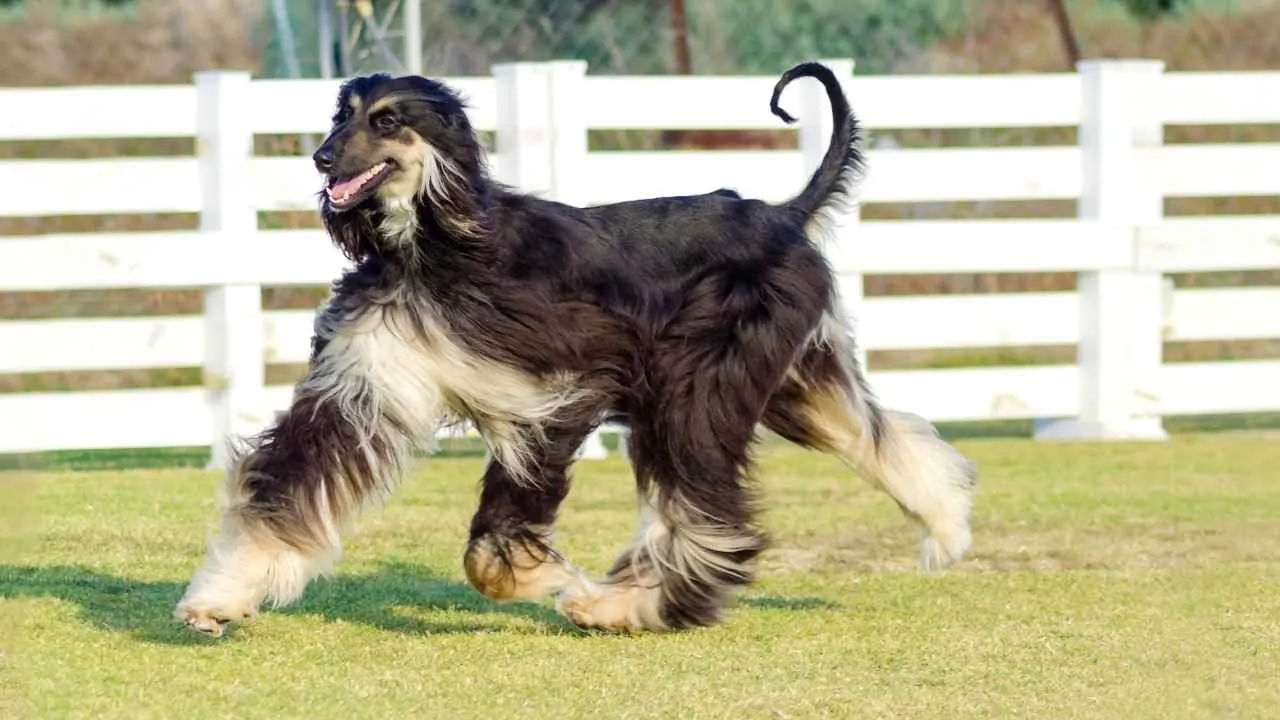
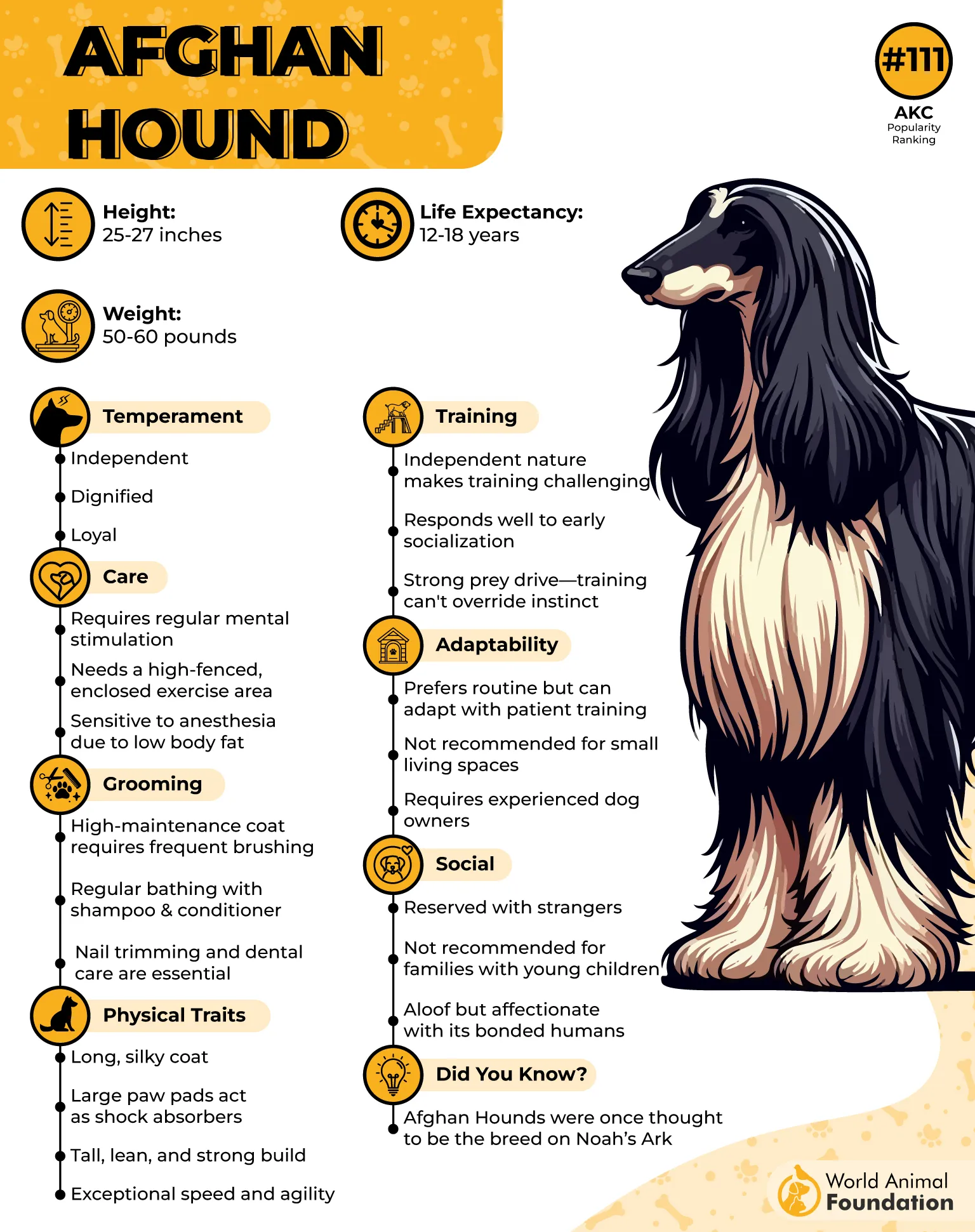
Afghan Hound stands tall and dignified, originally developed for hunting across harsh mountain terrain. Beneath the flowing coat is a powerful, agile hound with large, padded feet that absorbed shock on rugged ground. That glamorous outline was shaped by survival, not ornament.
Coat Demands Discipline
Afghan Hound’s signature coat protected it from extreme climates, and today it demands serious upkeep. The long, silky hair tangles easily and collects debris if ignored.
Proper care revolves around consistency:
Several hours of weekly brushing
Regular bathing with shampoo and conditioner
Careful removal of mats and trapped debris
From Puppy Coat to Full Glamour
Afghan puppies begin with a short, fuzzy coat and distinctive facial “monkey whiskers.” That low-maintenance phase fades quickly as the adult coat grows long and heavy. Grooming routines must be adjusted early before tangles become dense mats.
Conclusion
Bringing home one of these admired companions means accepting the structure behind their beauty. Each coat type carries its own demands, from cord separation to hours of brushing and scheduled grooming appointments.
Regular grooming protects against skin infections, while ear hygiene and nail care prevent smaller issues from growing.
Certain breeds require intense upkeep, while other breeds may appear simpler but still depend on consistency. Even the lowest maintenance dog breeds need attention, mental stimulation, and steady human interaction. When daily routines align with breed needs, the reward is not just appearance, but long-lasting comfort, stability, and partnership.
