





Various factors determine the life expectancy of dogs, including their size, breed, and general health of a dog. Small dogs live longer than medium and large-sized dog breeds. The average lifespan of smaller dog breeds is up to 15 years.
Medium-sized dog breeds generally have a life expectancy of 10 to 13 years, whereas larger breeds live no longer than 8 to 12 years, according to the American Kennel Club. The reason behind this difference is the fact that smaller breeds are less prone to diseases compared to larger breeds.
Old dogs have to struggle to move their large bodies and become prone to conditions like elbow and hip dysplasia as they age. Male dogs and female dogs are also prone to gender-related problems. You can increase your pup’s lifespan by taking care of their exercise needs, diet, and lifestyle.
Here are some dog breeds and the reality of their lifespans.
Dog Breeds & The Reality of Their Lifespans
1. Chihuahua

Chihuahua is one of the longest living dog breeds that usually survive up to 16 years. These pint-sized pooches are generally healthy but prone to some genetic issues. Therefore, it is important to purchase a Chihuahua from a reputable breeder who does genetic health screenings.
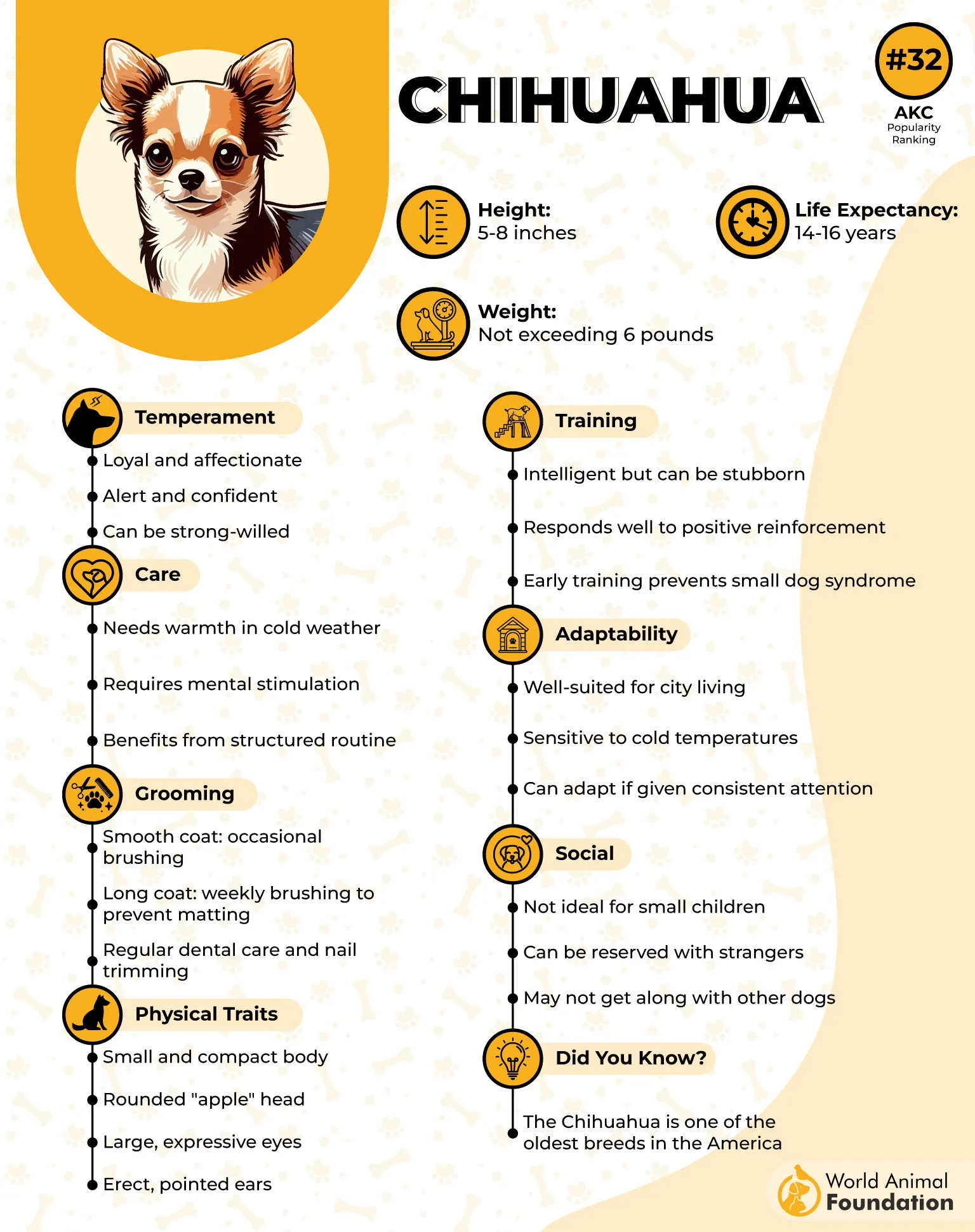
Some health issues Chihuahuas can face include eye disease, patellar luxation, and potential health problems like mitral valve disease and patent ductus arteriosus. Despite being small in size, Chihuahuas are active and require regular exercise for physical and mental stimulation.
Mixed-breed dogs experience fewer health problems compared to purebred dogs. These sassy dogs love their pet parents deeply but may be a bit reserved towards strangers. Chihuahuas are alert and lively dogs that are loved for their big-dog attitude.
They are quite adaptable as long as they get to spend enough time with their owners. Chihuahuas love to run and play, but they can easily get enough exercise in a small space. These traits make Chihuahuas suitable for apartment living.
2. Dachshund

Another long-living dog breed, the Dachshund, can be easily recognized by its elongated body and short legs. Dachshunds are also known as Weiner dogs or sausage dogs. Typically, they have an average life expectancy of around 16 years, explains PetMD.
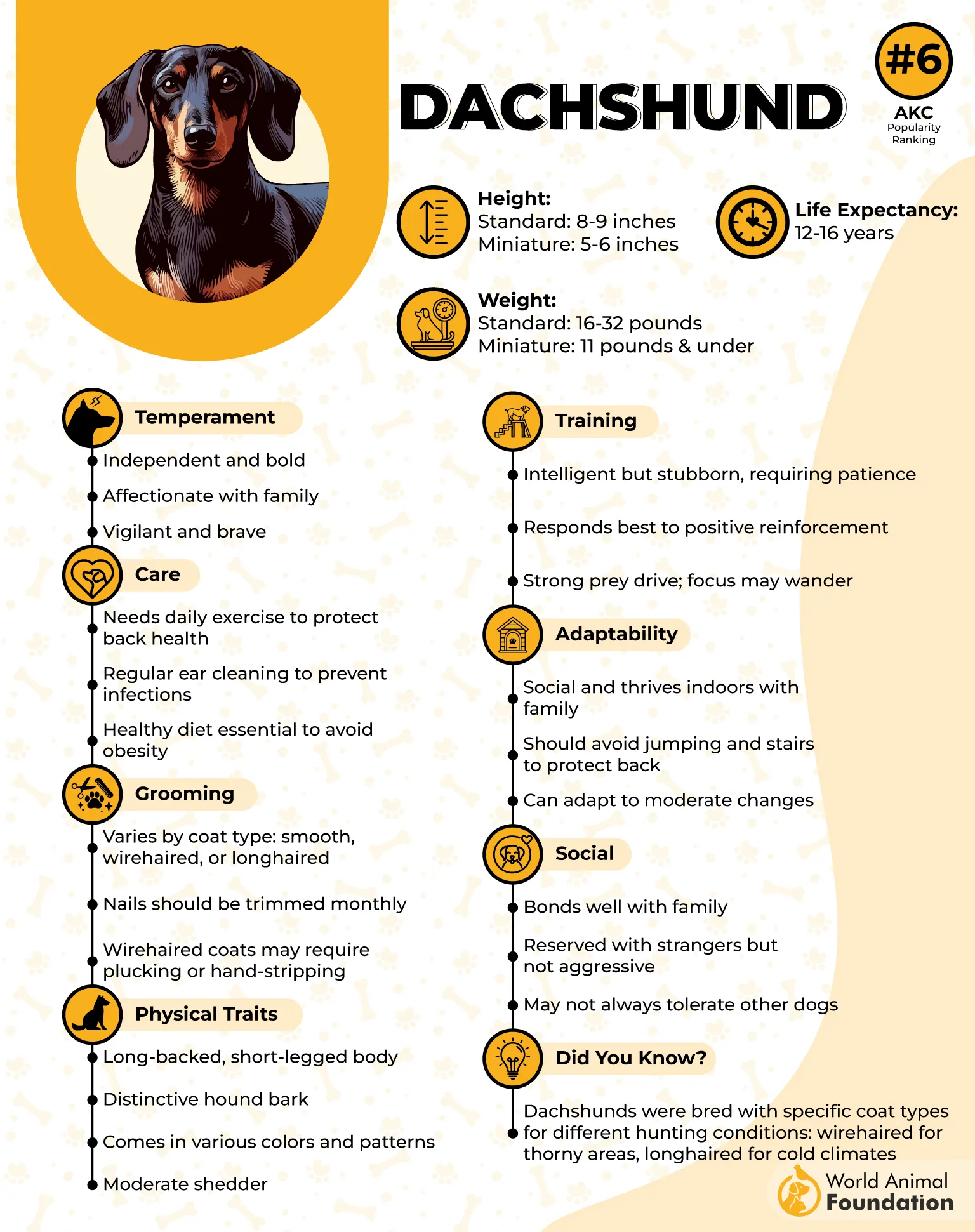
Dachshunds are muscular and energetic dogs that were bred to hunt badgers. They are generally healthy, but pet parents need to pay extra attention to their Doxie’s backs. Dachshunds can injure their spines as they age and become prone to intervertebral disc disease, IVDD.

Also, they love to eat due to which can lead to becoming overweight. A dog’s lifespan can be increased by reducing the risk of obesity. You can do this by taking care of their diet and exercise. At least half an hour to one hour of exercise is required every day to keep the dog healthy.
Dachshunds are playful and friendly dogs who make great pets for first-time owners. They are well-suited for living in smaller spaces, but tend to bark a lot. Proper training and socialization can help overcome excessive barking.
3. Shih Tzu

If you are looking for an affectionate dog breed that can accompany you for many years to come, you can adopt a Shih Tzu. Shih Tzus are adorable little dogs with an average lifespan of up to 18 years. These sturdy dogs are generally healthy.
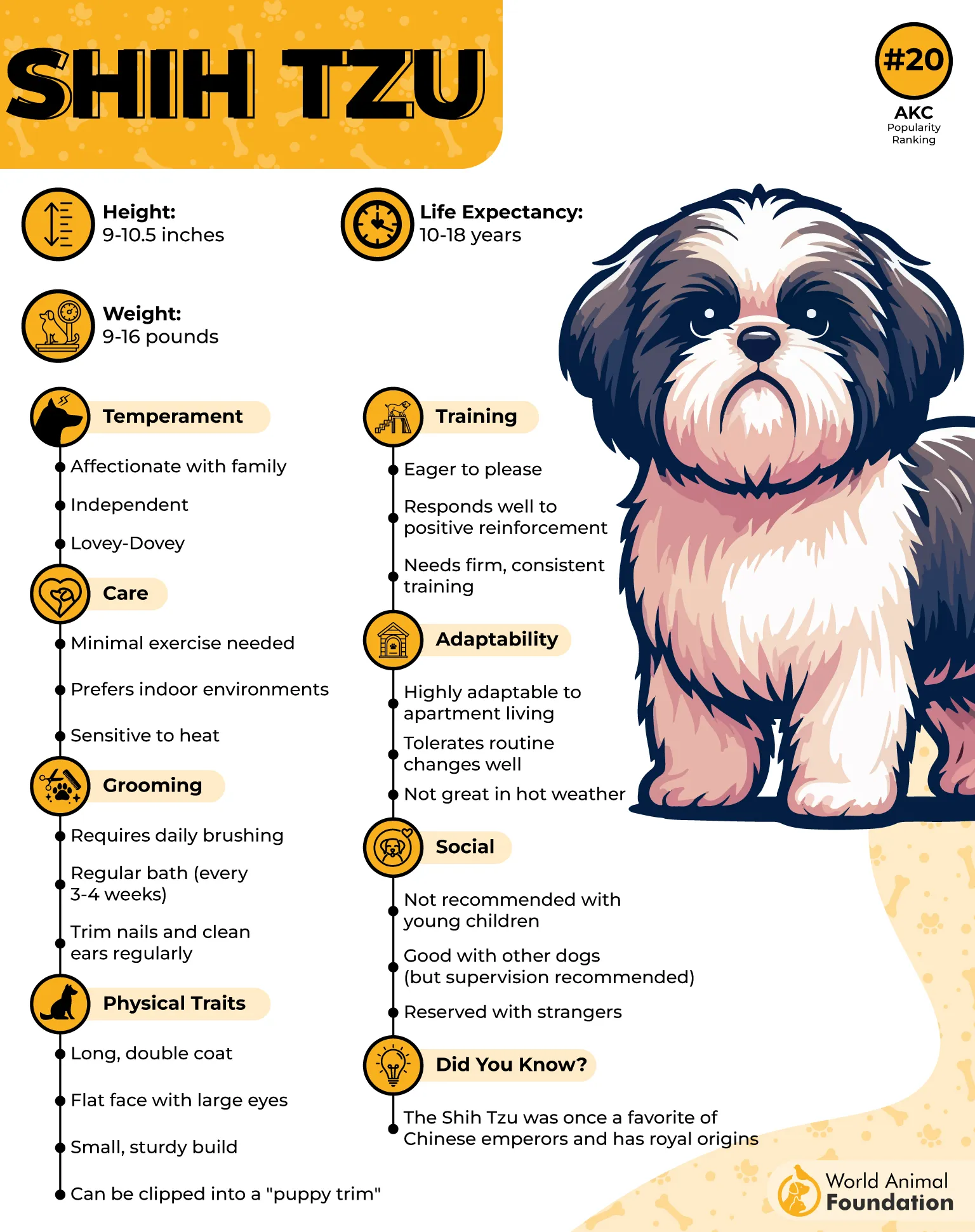
Their moderate exercise needs mean they are happy with short walks and indoor playtime. Shih Tzus are brachycephalic, i.e., one of the flat-faced breeds, which makes them prone to breathing issues and overheating. So, make sure you do not over-exercise your Shih Tzu or take them out in hot weather.
Sometimes this popular breed can suffer from health problems that are common to other dog breeds. According to WebMD, Shih Tzus can develop dental problems, a Portosystemic shunt, Cushing’s disease, and obesity.
They can also suffer from eye problems, bone and joint problems, and allergies. Their coat looks super adorable, but requires regular grooming to stay healthy.
4. Toy Poodle

Toy Poodles are the smallest of the three Poodle variants. These super intelligent and sassy dogs stay with you for many years to come. Toy Poodles have an average life expectancy of around 18 years. Apart from having sharp minds, Toy Poodles have strong immunity as well.
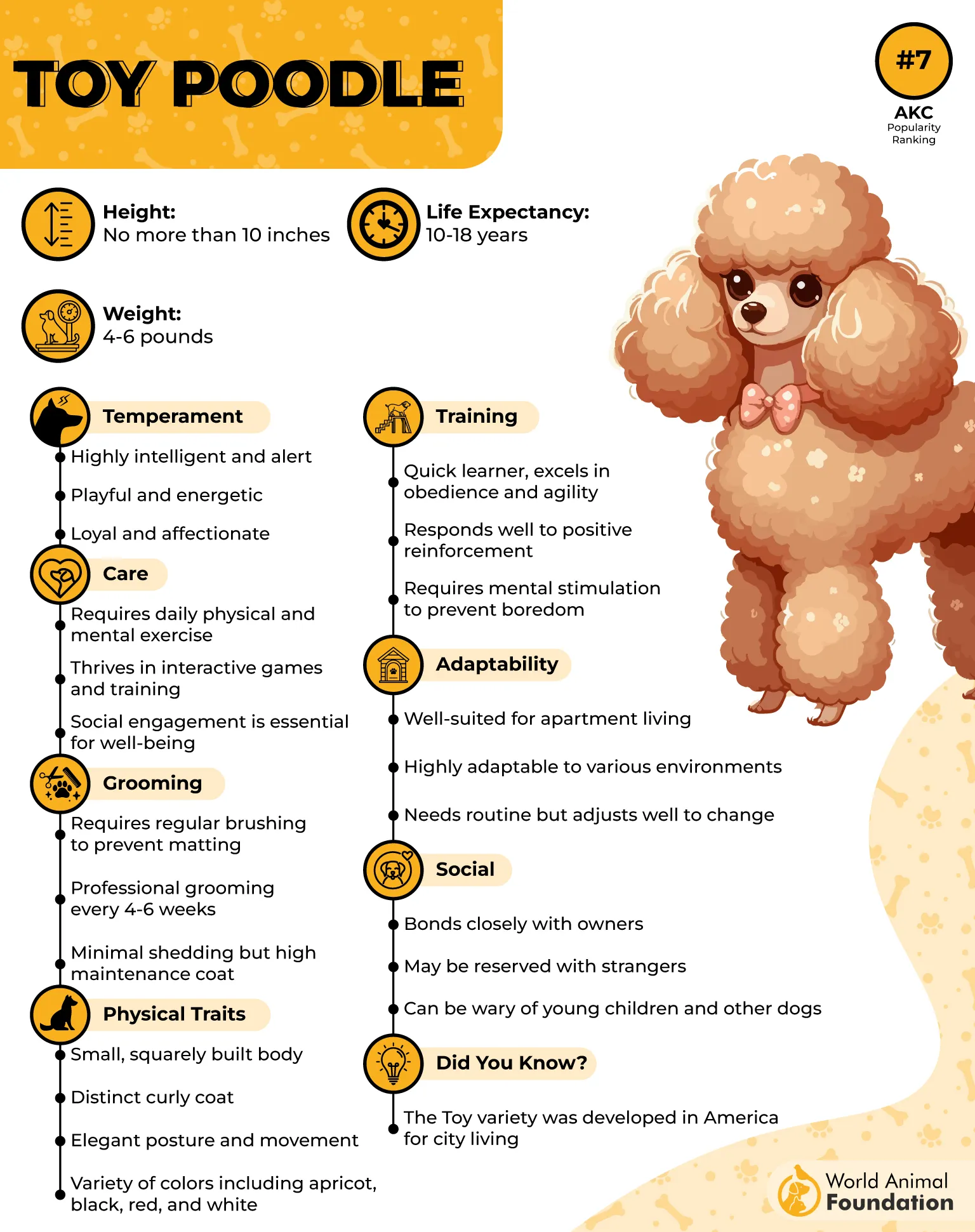
Toy Poodles enjoy a good, long life because they are less prone to genetic diseases compared to other breeds. They are quite energetic and athletic, which is why they make ideal companions for active owners. So, they need lots of exercise for physical and mental stimulation.
Despite being one of the healthiest dogs, Toy Poodles are predisposed to some health problems, such as patellar luxation, progressive retinal atrophy, ear infections, dental disease, and Legg-Calve-Perthes disease. Dog owners can benefit from investing in pet insurance early in a Toy Poodle’s life.
If you are looking for a long-lived pet who can learn new tricks and commands in no time, you should purchase a Toy Poodle.
5. Great Dane
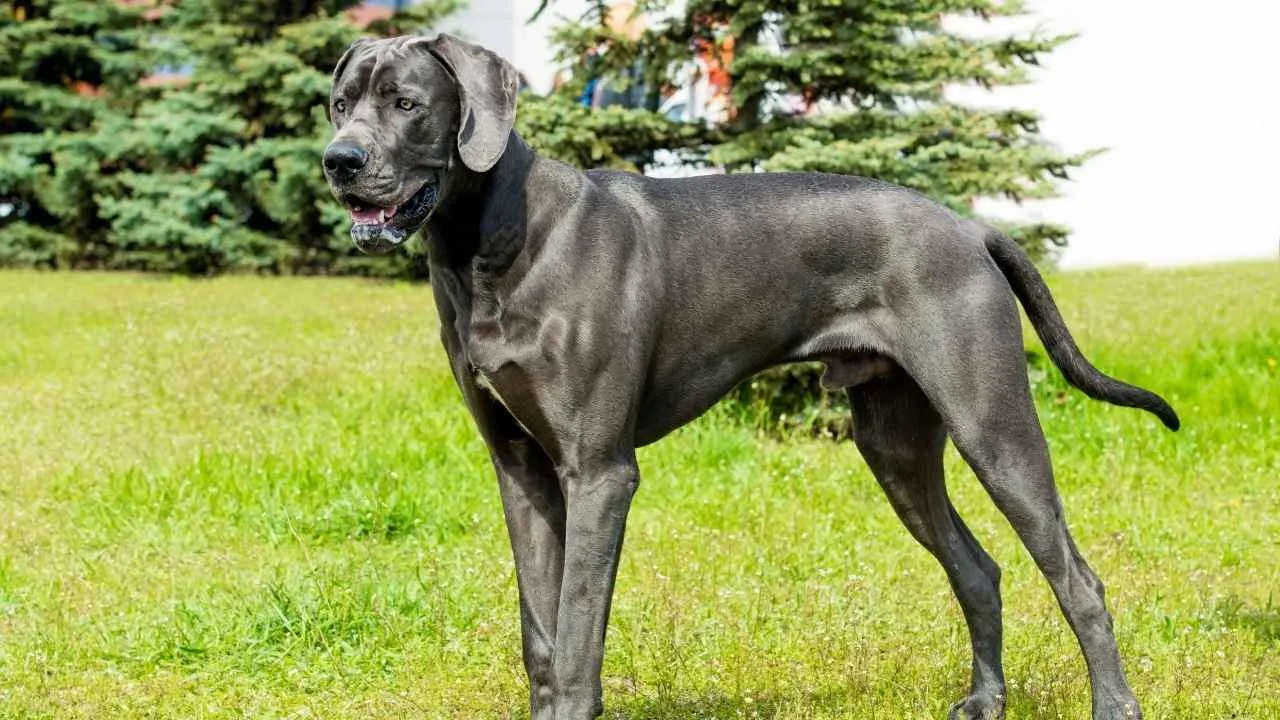
The Great Dane is a gentle giant of the dog world, but these sweet and loving companions can stay with you for no more than ten years. Their large size makes them prone to various health conditions, including hip dysplasia, dilated cardiomyopathy, degenerative myelopathy, and Wobbler syndrome.
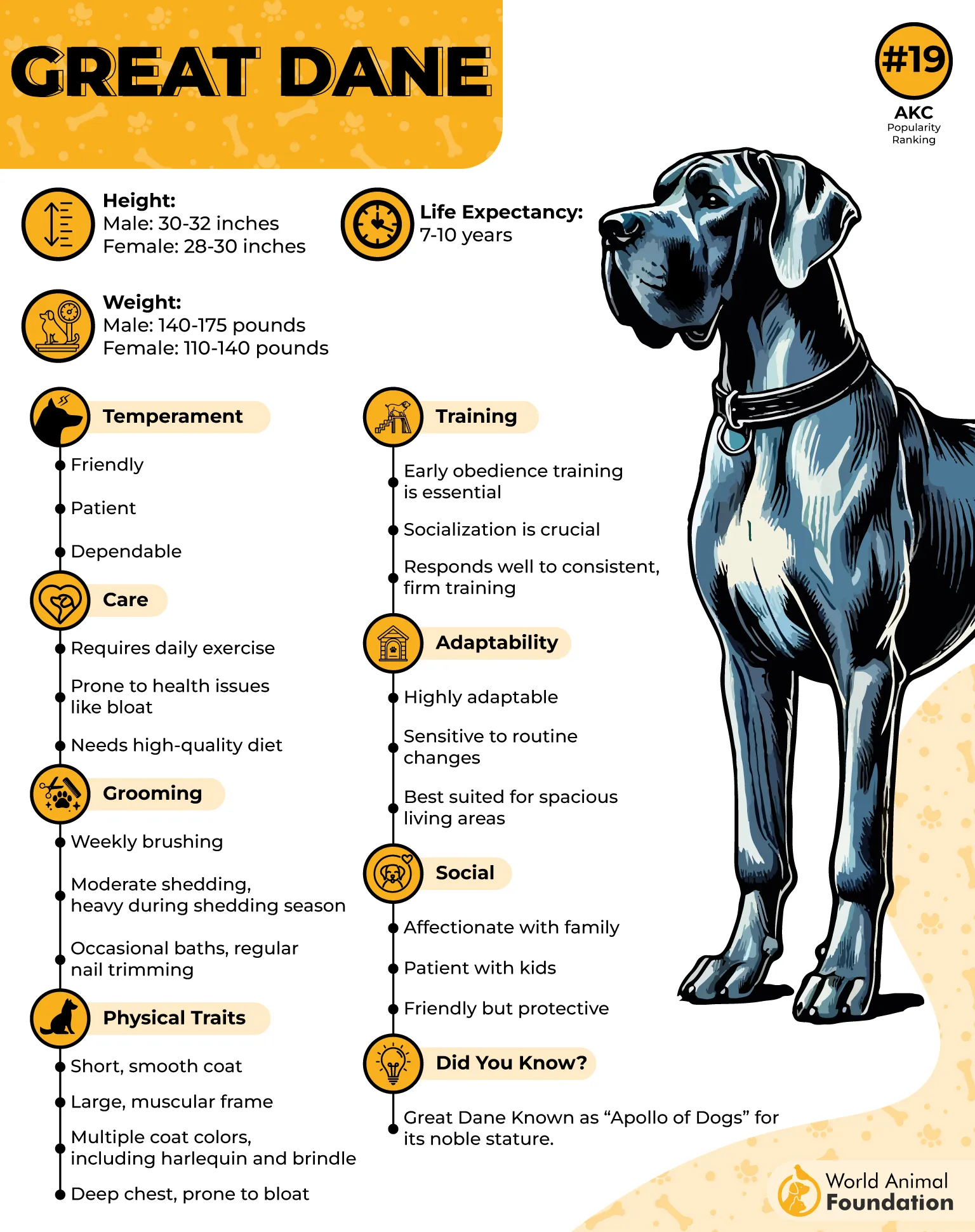
Great Danes are also vulnerable to “happy tail syndrome.” When the dog wags its tail, it can hit objects around it. As a result, the tail tip can get injured. The dog’s life expectancy can be affected by a life-threatening condition called gastric dilatation volvulus (GDV).
Appearance of such health problems can significantly shorten a Great Dane’s life expectancy. Despite their large size, Great Danes are calm and friendly and make loving family companions. They are moderately playful and can be trained easily.
They may be a bit strong-willed, but respond well to positive reinforcement-based methods. Proper training and socialization can help prevent anxiety and fear of new situations in your Great Dane.
6. Bernese Mountain Dog

Bernese Mountain Dog is a powerful, good-natured, and stunning fellow that makes a perfect family dog. Their average life expectancy was around 12 years, but it has now reduced to 7-10 years due to increasing medical issues.
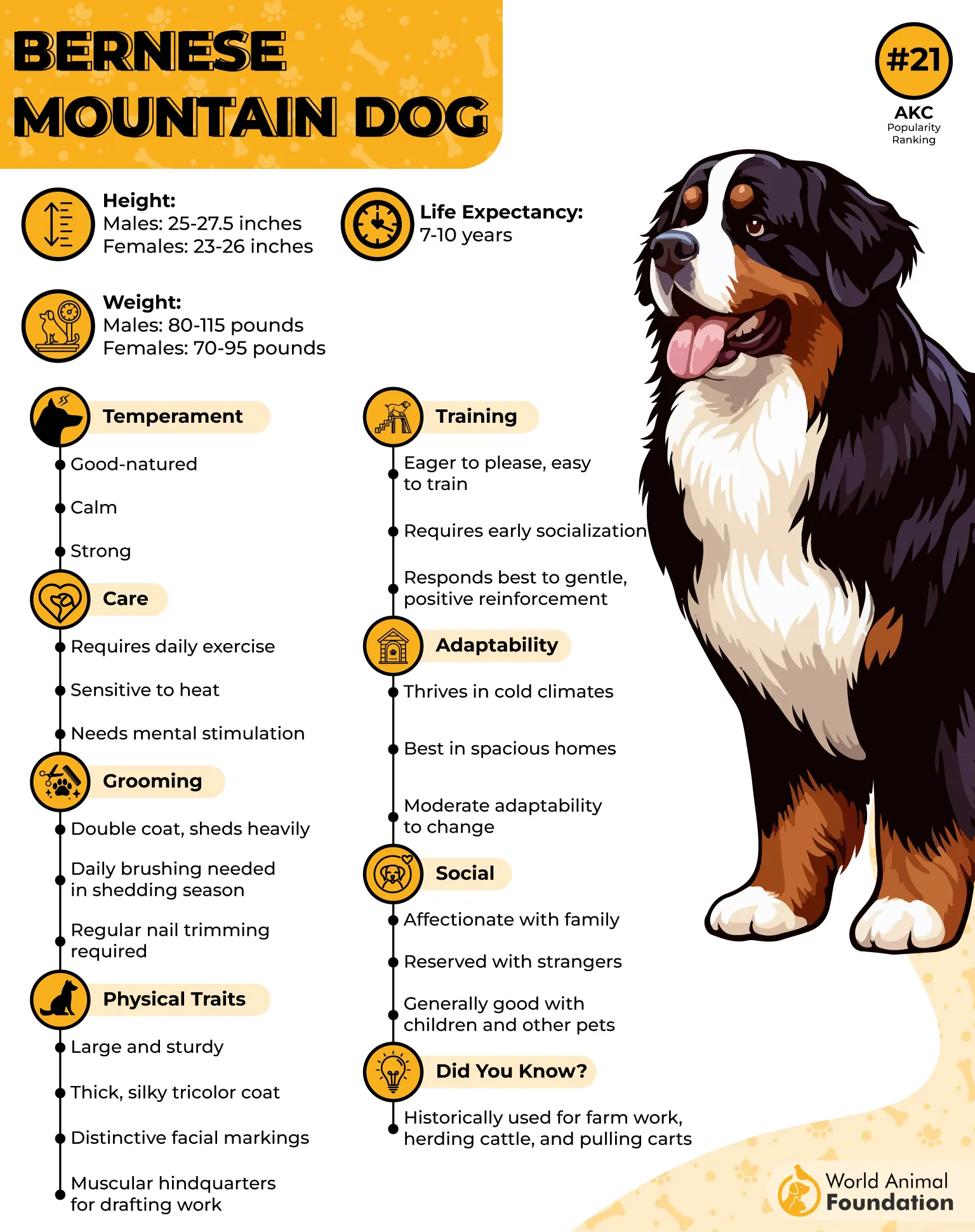
You can purchase a Bernese Mountain Dog from a reputable breeder to avoid such problems, but they have shorter lives compared to many other breeds. Hip and elbow dysplasia are common health concerns in these dogs.
Berners are also prone to degenerative myelopathy, progressive retinal atrophy, and cruciate disease. The risk of obesity in these dogs is ultimately associated with the risk of other health problems like heart disease, joint problems, and back pain.
7. Saint Bernard
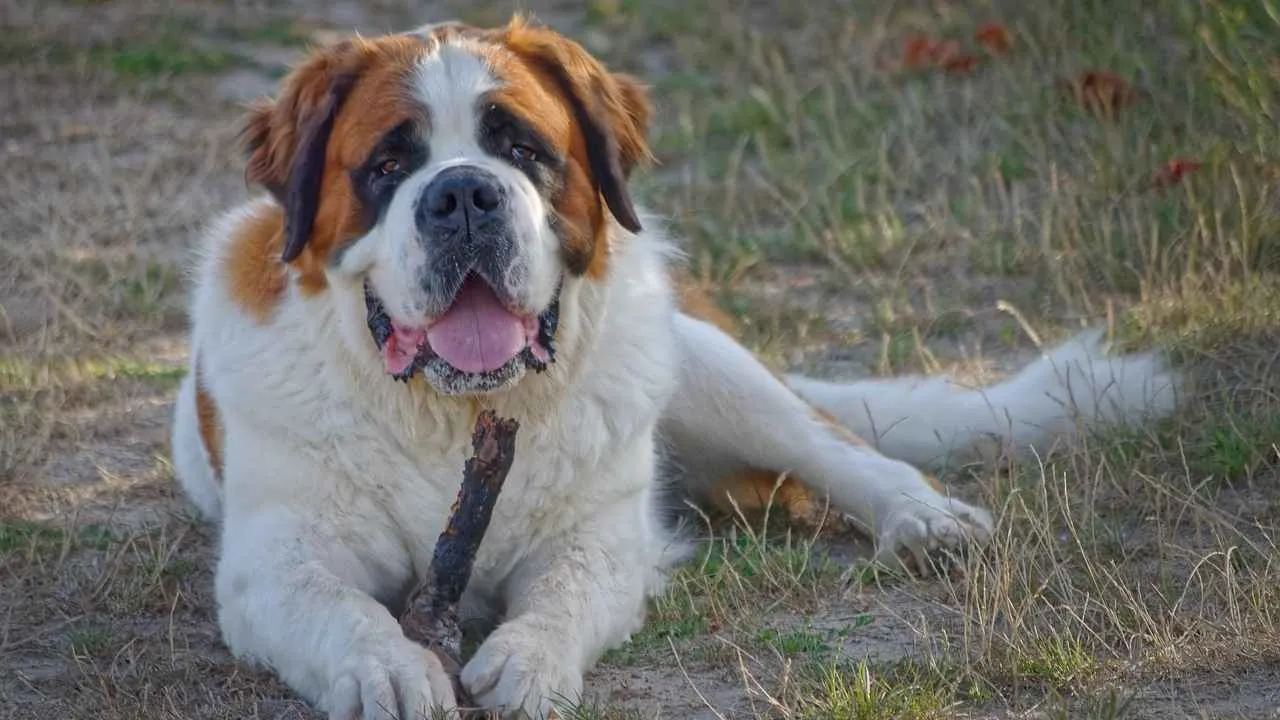
Like other giant breeds, Saint Bernards’ average life span is around 8 to 10 years. These amazing guard dogs are naturally alert, highly intelligent, and a bit intimidating. Saint Bernards are generally healthy dogs, but are predisposed to some common canine health problems.
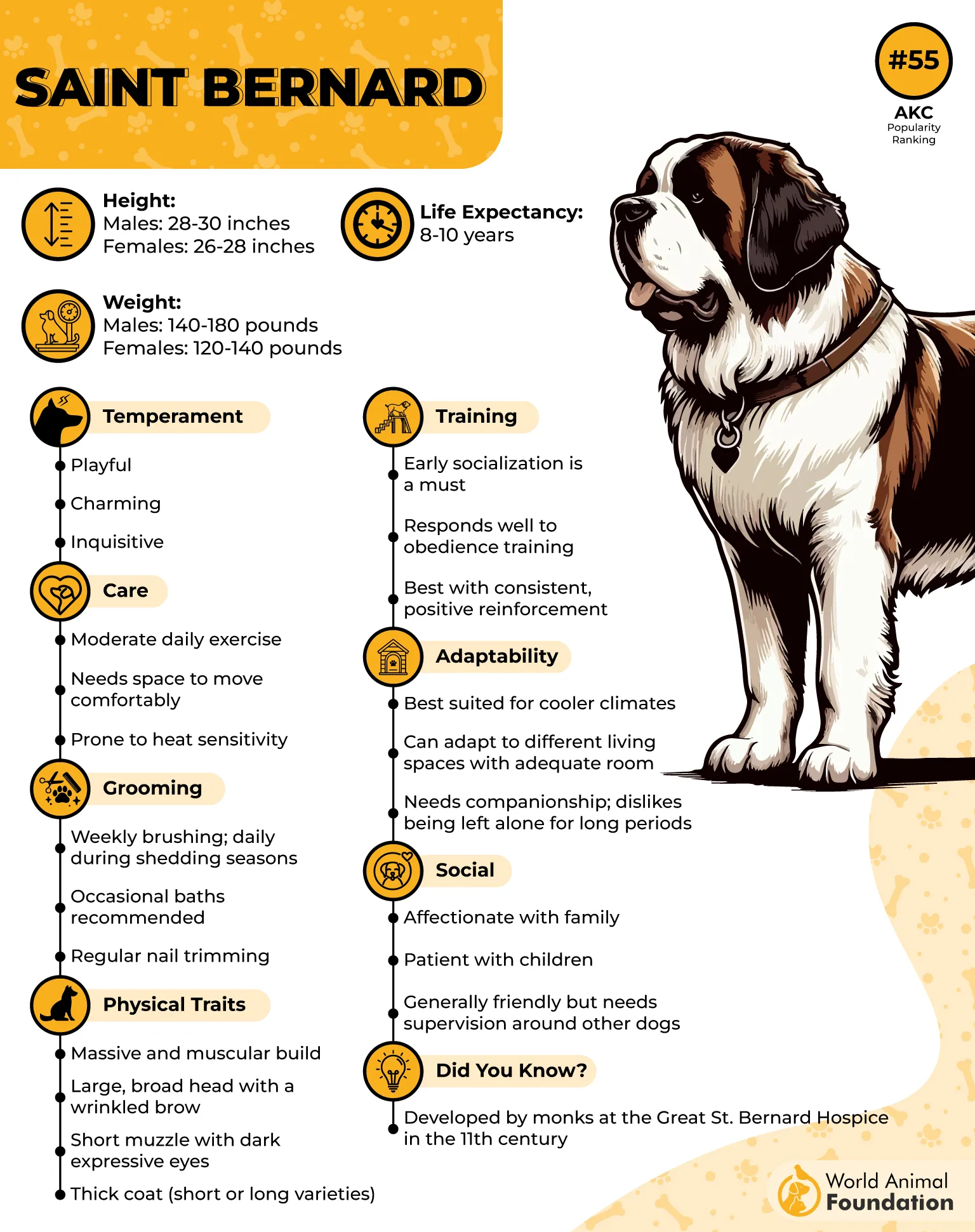
Saint Bernard may not be the right breed for dog lovers looking for a furry friend to stay with them for a long time. Throughout their life, they are prone to health problems like gastric dilatation volvulus, eye abnormalities, and bone cancer. Senior dogs are prone to hip dysplasia as well.
Despite their large size, their mellow demeanor makes them good family dogs. Saint Bernards have a low prey drive, so they behave well around other pets with proper training and socialization. They are not as energetic as some other dogs and require only half an hour of exercise every day.
Conclusion
From Golden Retriever to Labrador Retriever, every dog has a different lifespan. Dog longevity depends on various factors, including their size, breed, and lifestyle. Smaller breeds tend to live longer, while the life expectancy of large dogs is only around 10 years.
Different breeds are vulnerable to different health problems in life, which can affect their longevity. For example, brachycephalic breeds like French bulldogs are prone to overheating and respiratory problems. Likewise, purebreds have a shorter life expectancy than crossbred dogs.
Purchasing the dog from reputable breeders who follow good breeding practices and taking your dog for screening as recommended by the American Veterinary Medical Association can help overcome such problems and increase your pup’s lifespan.
