




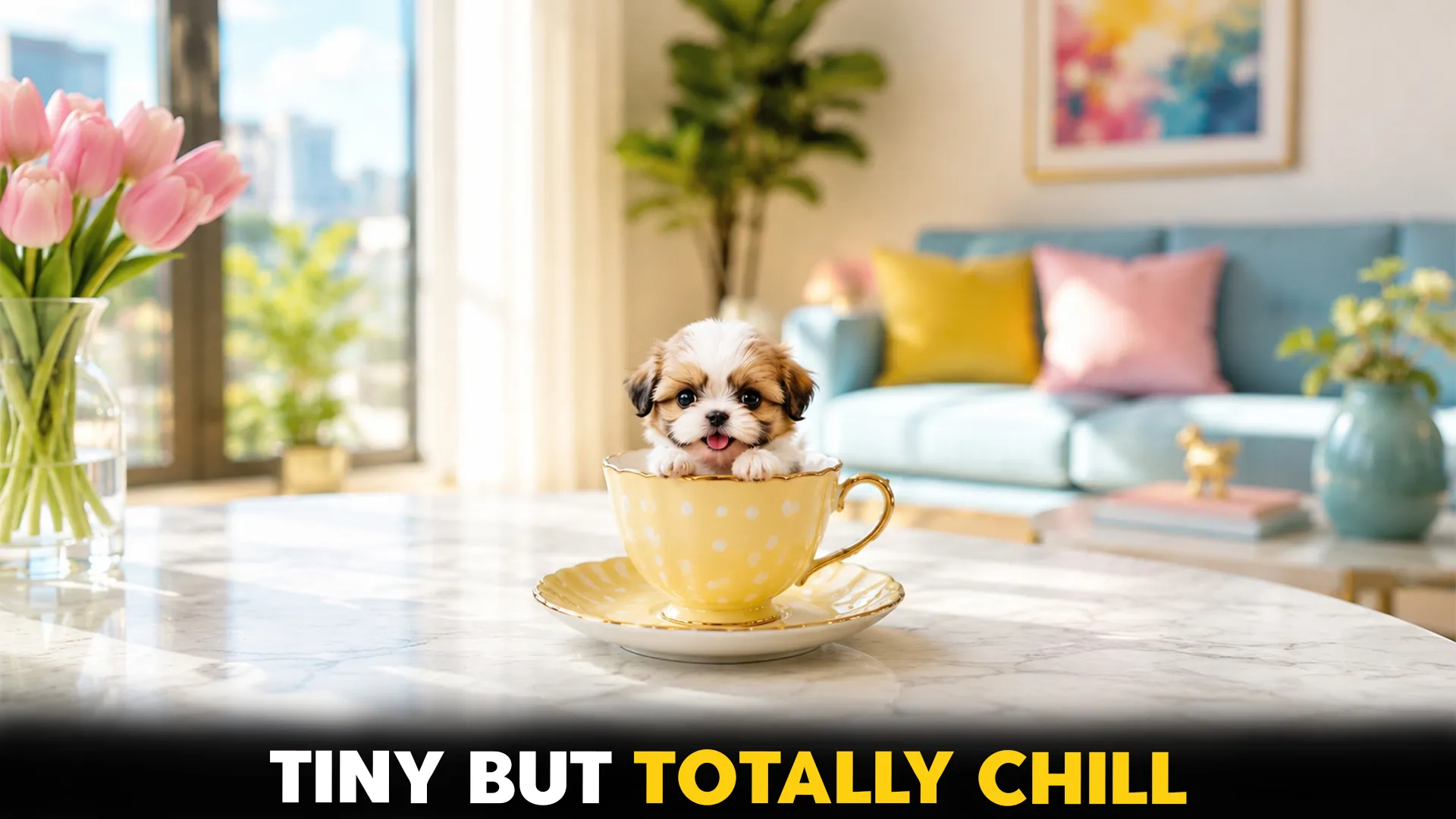
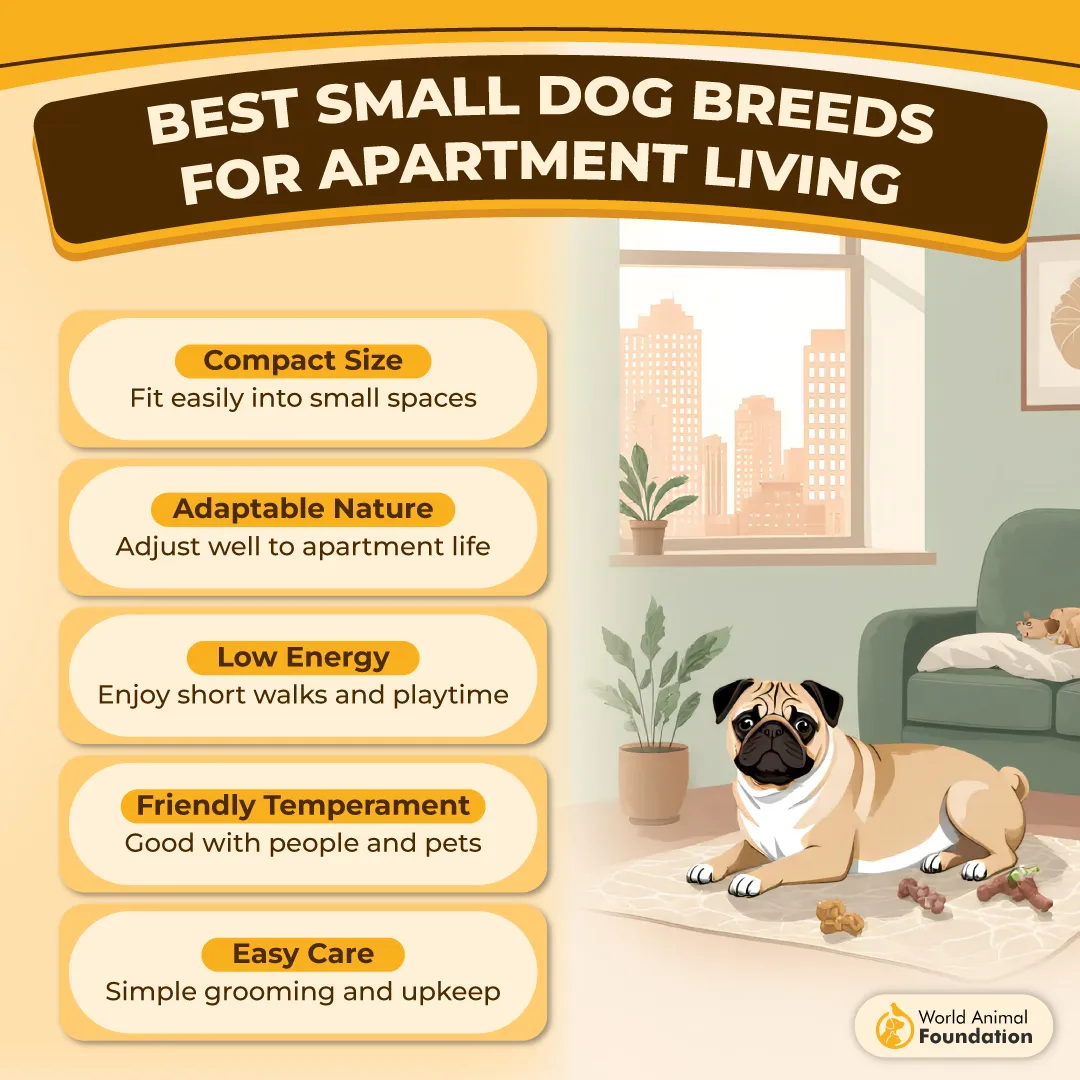
Living in a small apartment doesn’t mean giving up on the idea of having a dog—it just means choosing smarter. Some tiny companions are naturally calm, adaptable, and perfectly happy living their lives indoors, turning even the coziest flat into a warm, lively home.
The real secret isn’t just size, but personality—dogs that are gentle, low-energy, and comfortable with a quieter routine tend to thrive the most in compact spaces.
That’s where teacup dogs come into the picture. These extra-small pups may look like forever puppies, but there’s more to them than their adorable size. A key fact many people don’t realize is that “teacup” is not an official breed category and isn’t recognized by organizations like the American Kennel Club.
They are simply smaller-than-standard versions of existing breeds, often bred to be ultra-compact—which is why understanding ethical breeding and health considerations is so important before bringing one home.
If you’re dreaming of a calm, cuddly companion that fits seamlessly into apartment life, you’re in the right place. In this guide, we’ll explore teacup dogs that are not just tiny, but also relaxed, easy to manage, and well-suited for peaceful indoor living—perfect for anyone who wants big love in a very small package.
Key Takeaways
Small teacup and toy dogs can thrive in apartments when their temperament matches a calm indoor lifestyle.
Breeds like Shih Tzu, Maltese, and Pug are affectionate, adaptable, and easy to manage in small spaces.
Japanese Chin, Havanese, and Bolognese show that intelligence and low energy matter more than size alone.
The right apartment dog is one that bonds closely with you and stays happy with simple daily routines.
Top Calm Teacup Dog Breeds for Apartment Living
1. Japanese Chin
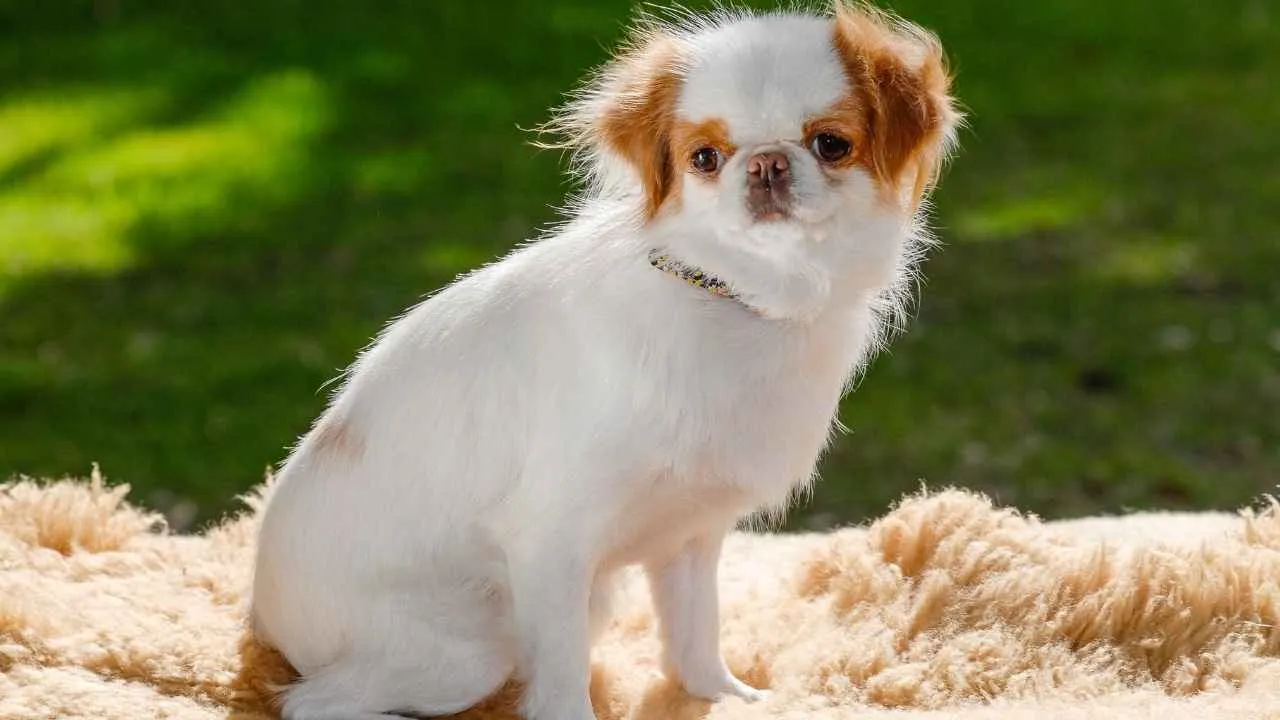
The Japanese Chin is an elegant small dog breed with a calm and gentle nature. It has a silky, flowing coat, a short muzzle, and large, wide-set eyes that give it a constant “look of astonishment.” Its graceful movements and royal appearance make it feel like a little aristocrat.
This breed has an ancient background, believed to have roots in China before becoming popular in Japan, where it was adored as a royal lapdog.
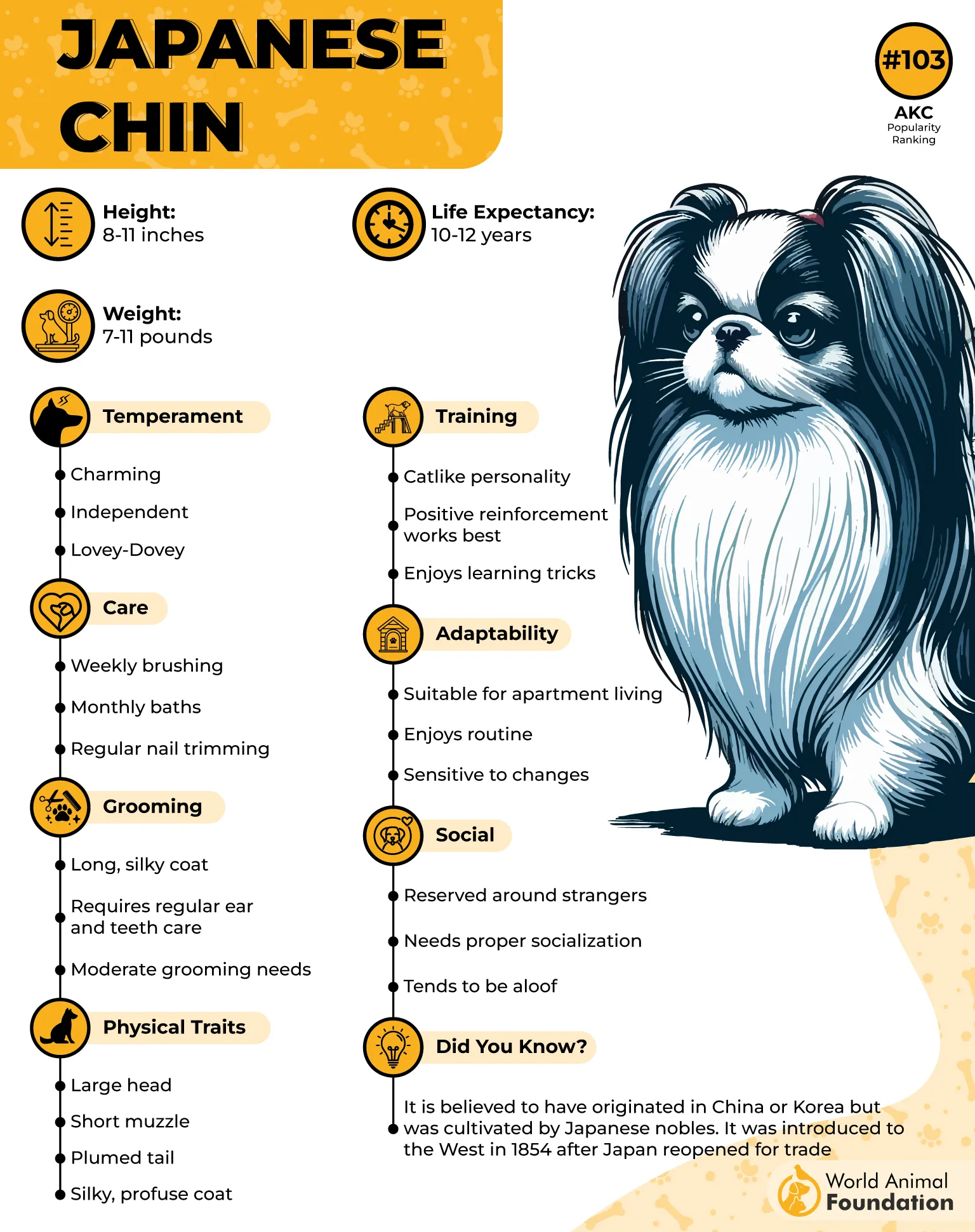
Why it’s perfect for apartment living:
Quiet and well-mannered, rarely barks unnecessarily
Loves indoor life and enjoys lounging with its humans
Forms strong bonds and is very affectionate
Can adapt easily to small spaces and even learn litter training
Gets along well with people and other pets when socialized early
Training a Japanese Chin is usually simple if you keep it fun. They respond best to positive reinforcement and dislike harsh methods. These dogs are intelligent but a bit independent, often acting “cat-like.”
They enjoy learning tricks and love attention, but they can lose interest if training feels repetitive. They do best with short, engaging sessions and lots of praise.
This breed has moderate energy and needs a short daily walk along with some playtime. They are known for climbing and may perch on furniture like a cat. While they are social and loving, they can be reserved with strangers at first.
They also don’t like being left alone for long and may develop separation anxiety. With proper care, attention, and routine, they make calm, loyal, and charming companions for apartment life.
2. Shih Tzu
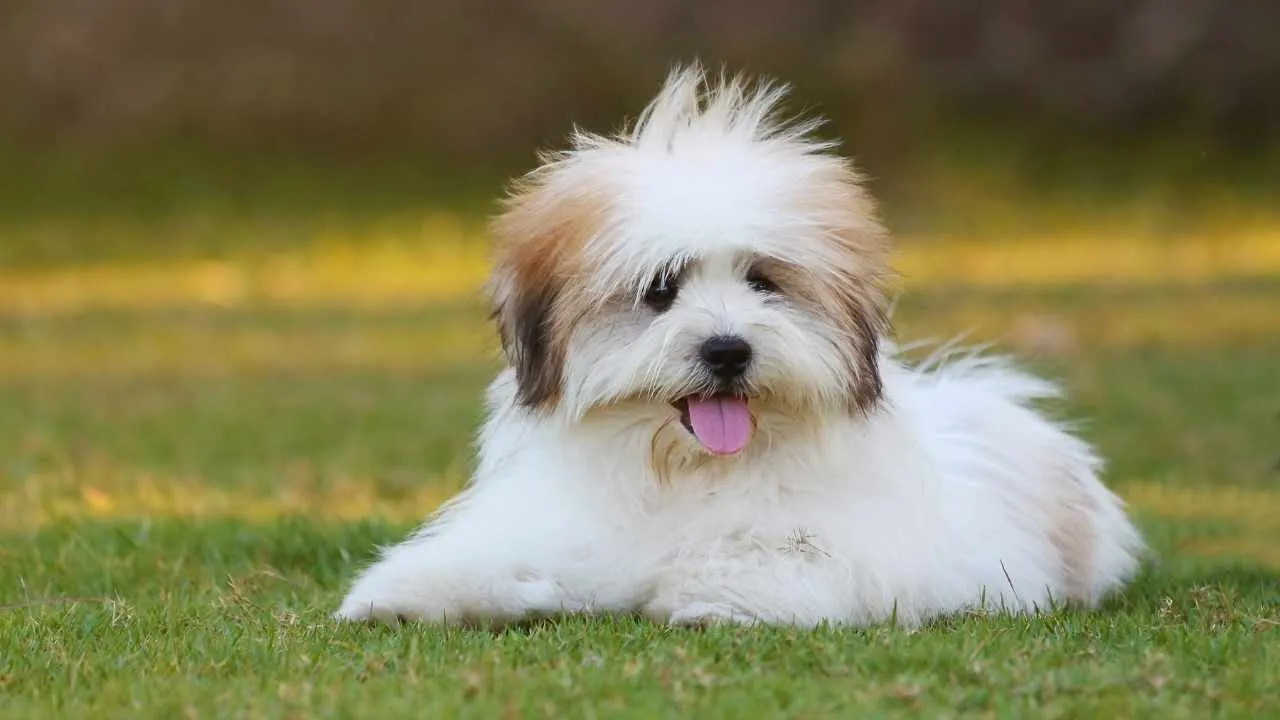
The Shih Tzu is a calm, affectionate companion that fits naturally into apartment life. With its soft coat, round face, and expressive eyes, this little “Lion Dog” has been winning hearts for centuries.
Originally bred to live inside royal palaces, it feels most comfortable indoors, close to its people. It is playful and charming, but also enjoys simply relaxing on the couch or sitting in your lap.
Why it works well in apartments:
Naturally calm and not overly energetic
Loves staying close to its owner and being part of daily life
Usually quiet, but aware of its surroundings
Adapts well to small spaces when routines are consistent
Friendly with families, including children
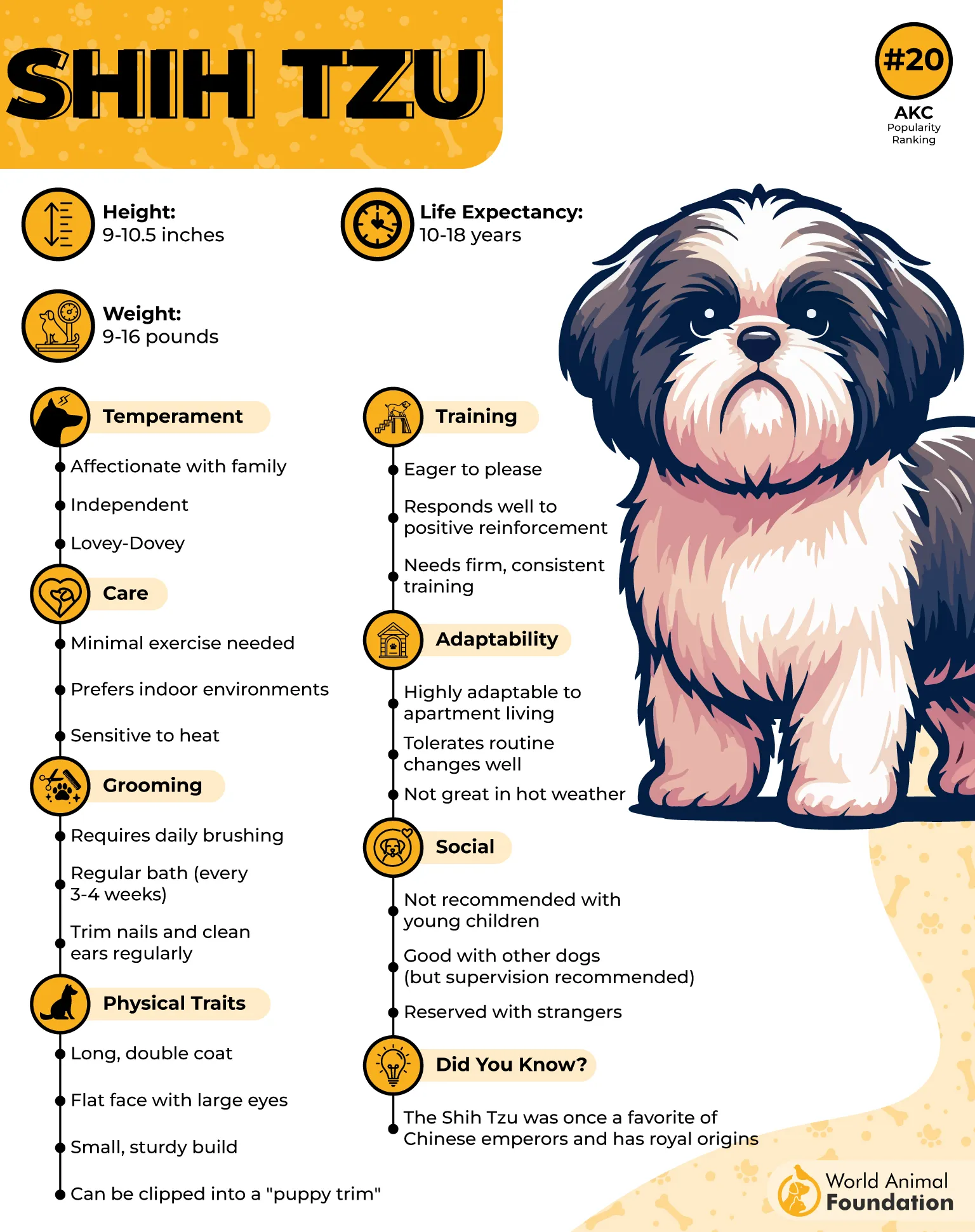
Shih Tzus thrive on routine and connection. Apartment living suits them when they feel included and secure, not left alone for long periods. They do not need intense exercise, but they still benefit from short daily walks and regular playtime.
Their behavior depends more on structure and environment than space alone. A calm, predictable routine helps them stay relaxed and well-adjusted.
Training a Shih Tzu can be fun but requires patience. They can be a little stubborn and may try to get their own way. Positive reinforcement works best, while harsh methods can make them withdraw.
Early socialization is important so they stay confident around noise, people, and new experiences. With the right care, they become loving, easygoing companions that bring comfort and joy to apartment living.
3. Maltese
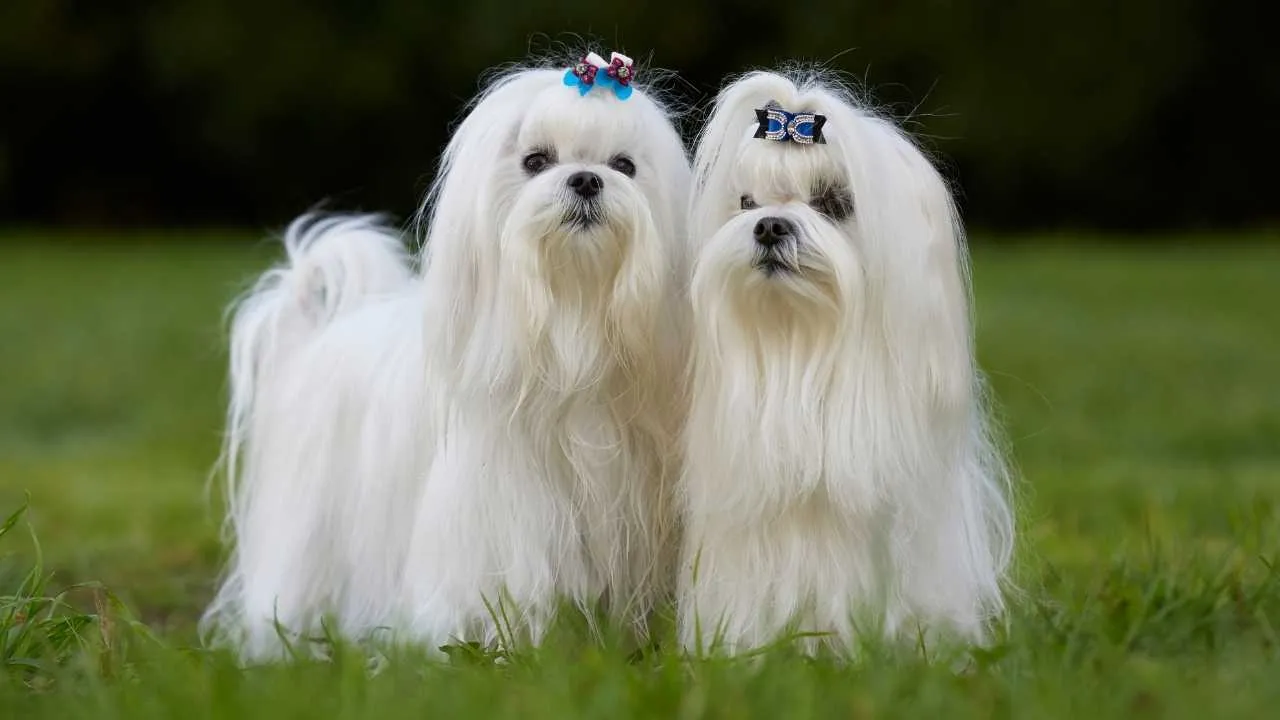
The Maltese is a graceful, affectionate dog known for its long, silky white coat and gentle personality. This breed has a long history, dating back to ancient Greece and Rome, and has always been a loyal companion.
With its soft appearance and playful nature, the Maltese brings both charm and comfort to indoor living. It is affectionate, friendly, and loves staying close to its favorite humans.
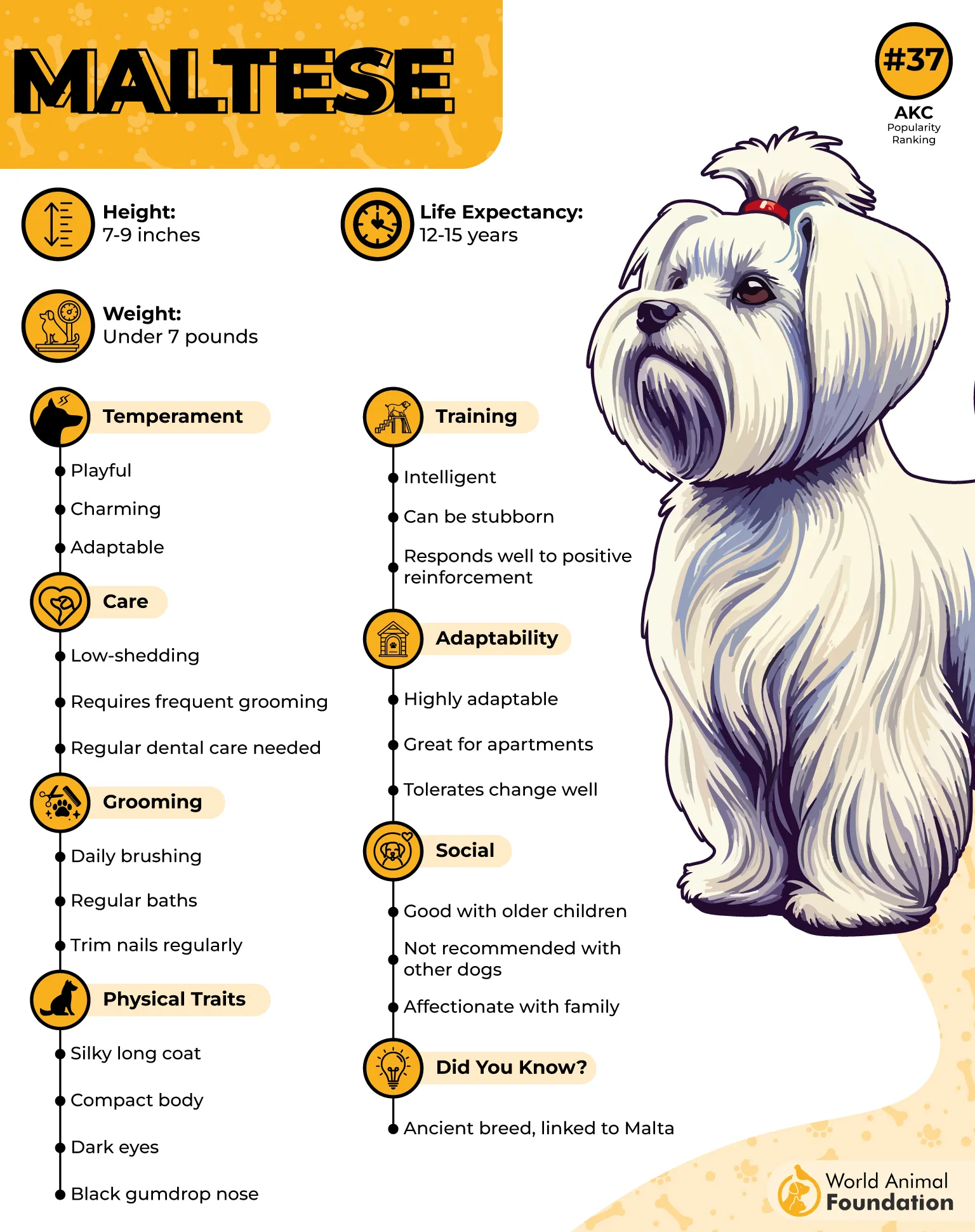
Why it’s great for apartment life:
Calm and adaptable to small indoor spaces
Low exercise needs, happy with short walks and playtime
Light shedding and often considered hypoallergenic
Strong bonding nature, loves companionship
Can adjust well to quiet, indoor routines
Maltese dogs are social and thrive on attention. They prefer not to be left alone for long and can develop separation anxiety if ignored, as mentioned by PetMD. While they are playful, they don’t need intense activity.
Daily walks, indoor games, and learning simple tricks are enough to keep them happy. If they get bored, they may bark more than usual, so mental stimulation is important.
Training a Maltese is usually easy with positive reinforcement. They are intelligent and enjoy learning, especially when training feels like a game. Grooming, however, is a daily commitment. Their long coat needs regular brushing and care to prevent tangles.
With proper care, routine, and attention, the Maltese becomes a loving, calm, and perfect companion for apartment living.
4. Affenpinscher
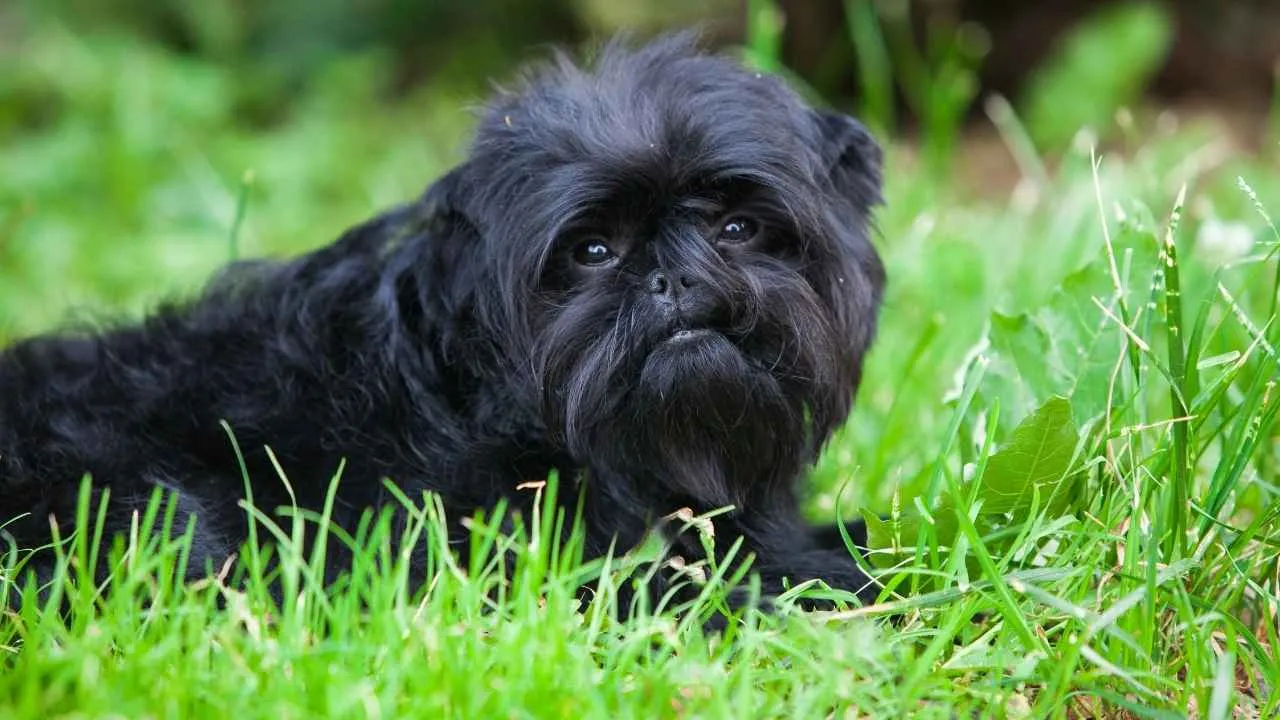
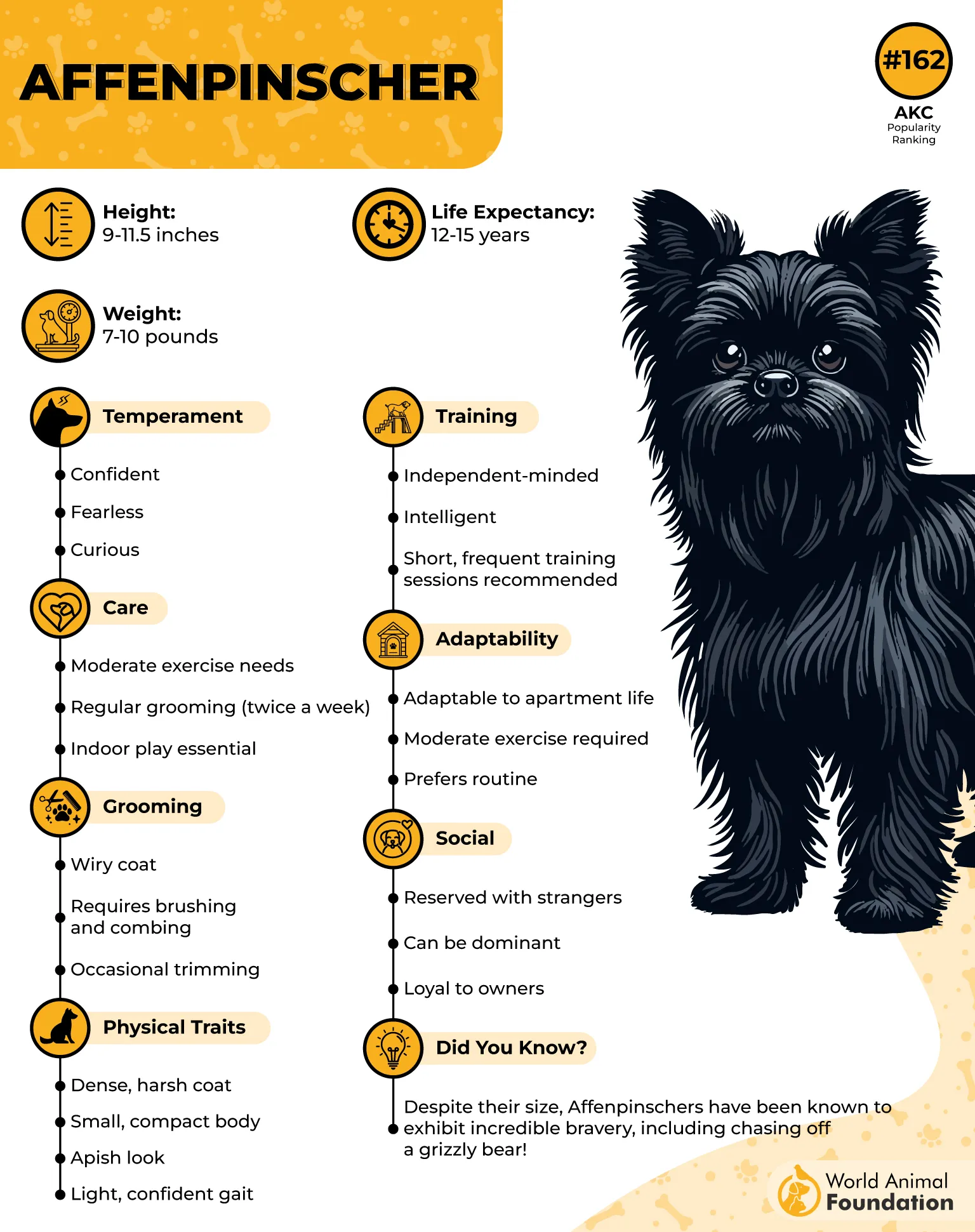
The Affenpinscher is a tiny, confident dog with a big personality. Often called the “monkey dog” because of its expressive face, this breed is both amusing and fearless. It has a wiry, slightly shaggy coat and a bold, curious nature.
Originally bred in Germany to hunt rats, it later became a loyal companion. Today, it is loved for its playful attitude and entertaining behavior.
Why does it suit apartment living?
Small and adaptable to indoor spaces
Moderate energy, happy with short walks and playtime
Loyal and affectionate with family
Enjoys relaxing at home after an activity
Can do well for first-time owners with proper care
Affenpinschers are smart but independent. Training requires patience and a friendly approach. They respond best to positive reinforcement and short, fun sessions.
Long or repetitive training can bore them quickly. Early socialization is important so they stay confident in new situations and around different people.
This breed is playful and alert, but it may bark to signal changes in its surroundings. With training, this can be managed. They enjoy games, mental stimulation, and spending time with their owners. Grooming needs include regular brushing and occasional professional care.
5. Pekingese
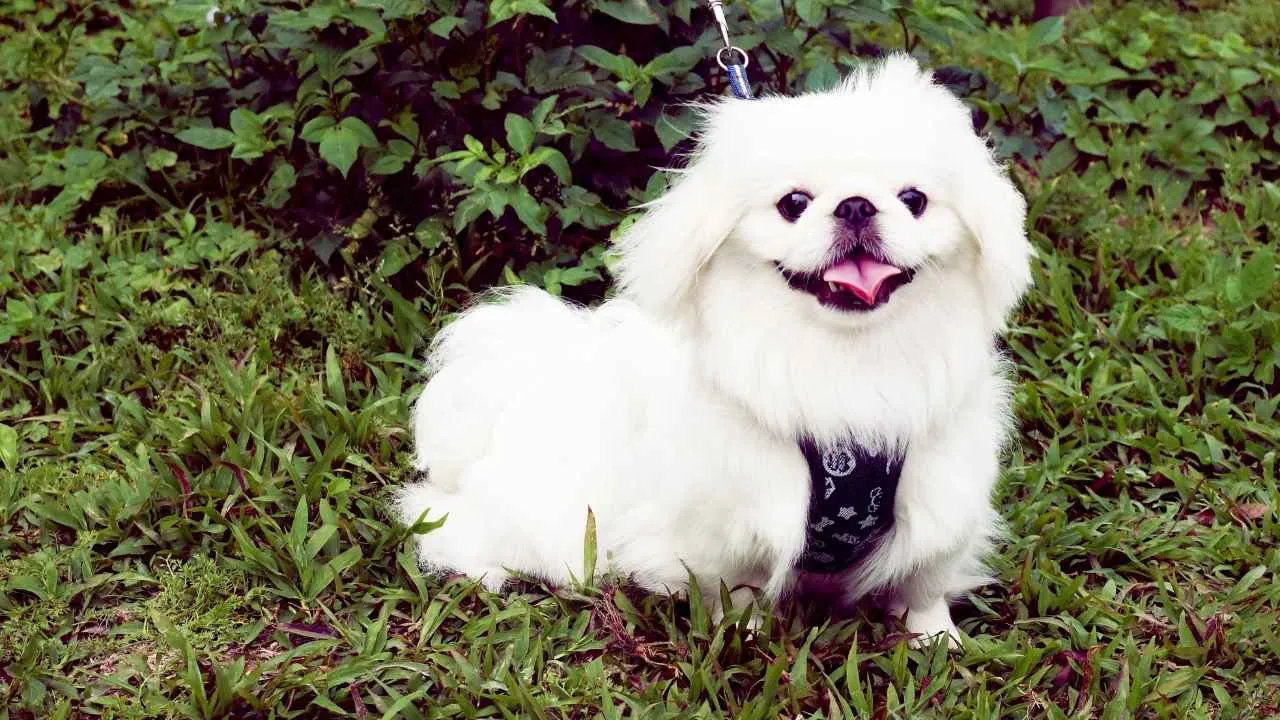
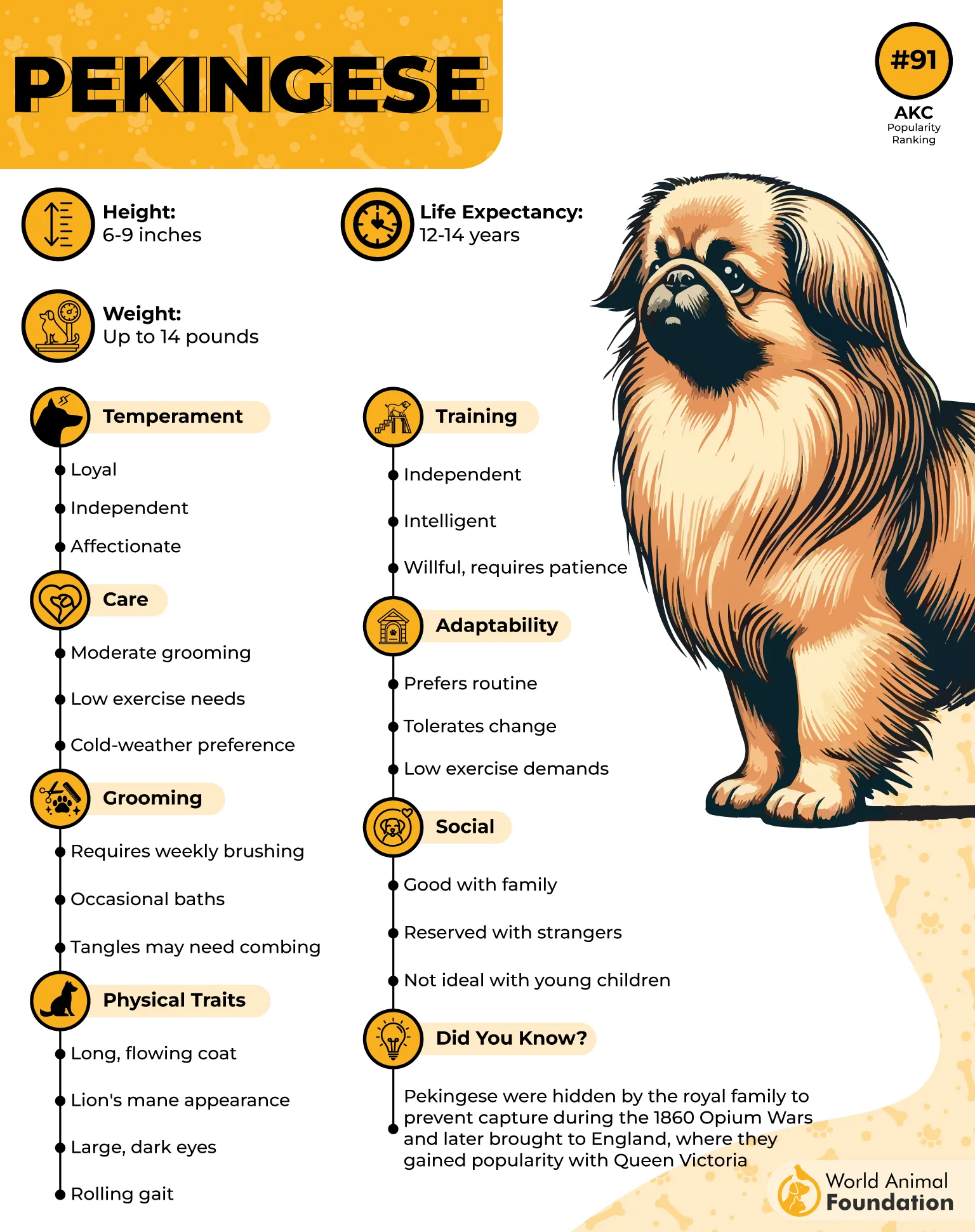
The Pekingese is a calm and dignified toy dog with a rich royal history. Originally bred for ancient Chinese palaces, this breed carries a proud and independent personality. It has a long, flowing coat with a signature “lion’s mane” around the neck and a unique rolling walk.
With its large eyes and short muzzle, the Pekingese has a distinctive and elegant look that stands out in any home.
Why it’s great for apartment living:
Calm and laid-back indoors
Does not need long or intense exercise
Strong bonding with its owner
Naturally alert, acts as a small watchdog
Comfortable in smaller, indoor spaces
Pekingese are affectionate but can be a bit independent and “opinionated.” They form strong bonds with their favorite person and enjoy spending time close by. While they are not overly active, they still need short daily play or light walks.
According to Britannica, they are also sensitive to heat due to their short muzzle, so cooler indoor environments suit them well.
Training a Pekingese requires patience. They are intelligent but not always eager to follow commands. Positive reinforcement and fun training methods work best. Early socialization helps reduce their tendency to be aloof with strangers and bark at new sounds.
Grooming is an important part of their care, as their long coat needs regular brushing. With the right care and routine, the Pekingese becomes a calm, loyal, and perfect apartment companion.
6. Bolognese
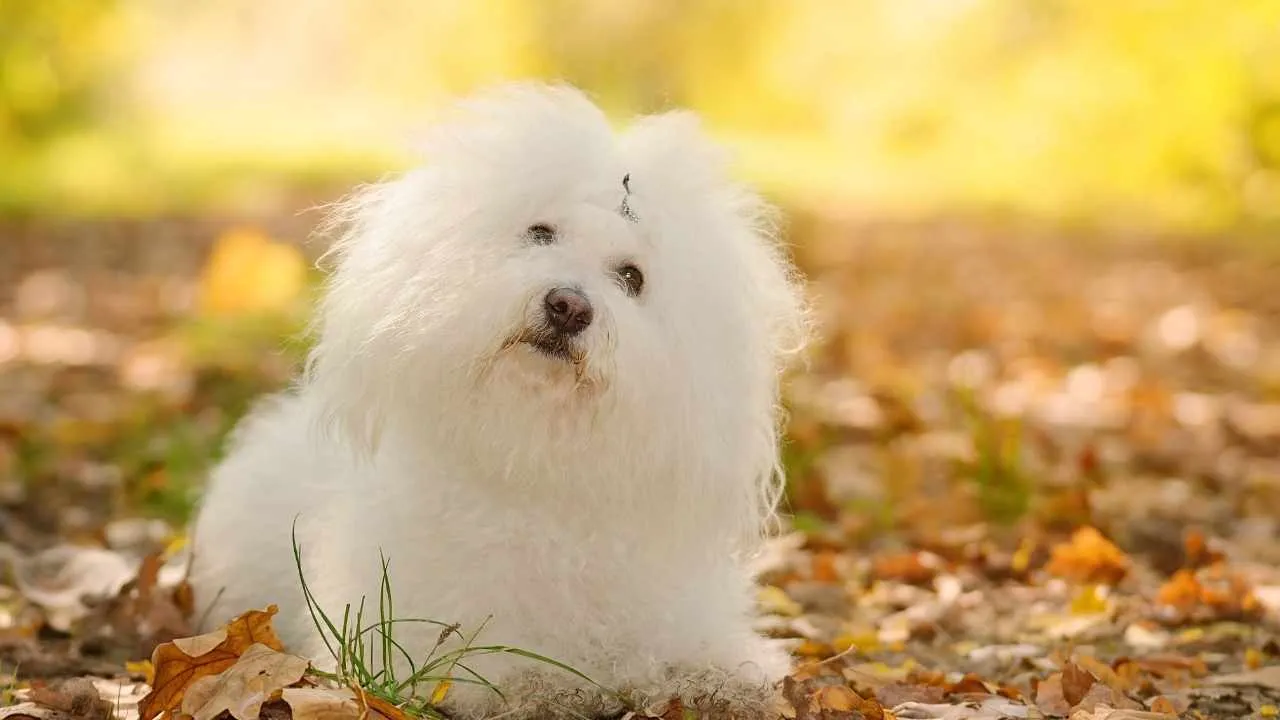
The Bolognese is a calm and gentle toy breed with a soft, fluffy white coat and a loyal heart. Originating in Italy, this small companion dog was once loved by nobility and is still admired for its affectionate and easygoing nature.
It has a balanced personality—playful yet relaxed—and enjoys spending most of its time close to its owner. This breed is not high-energy and prefers a peaceful indoor lifestyle.
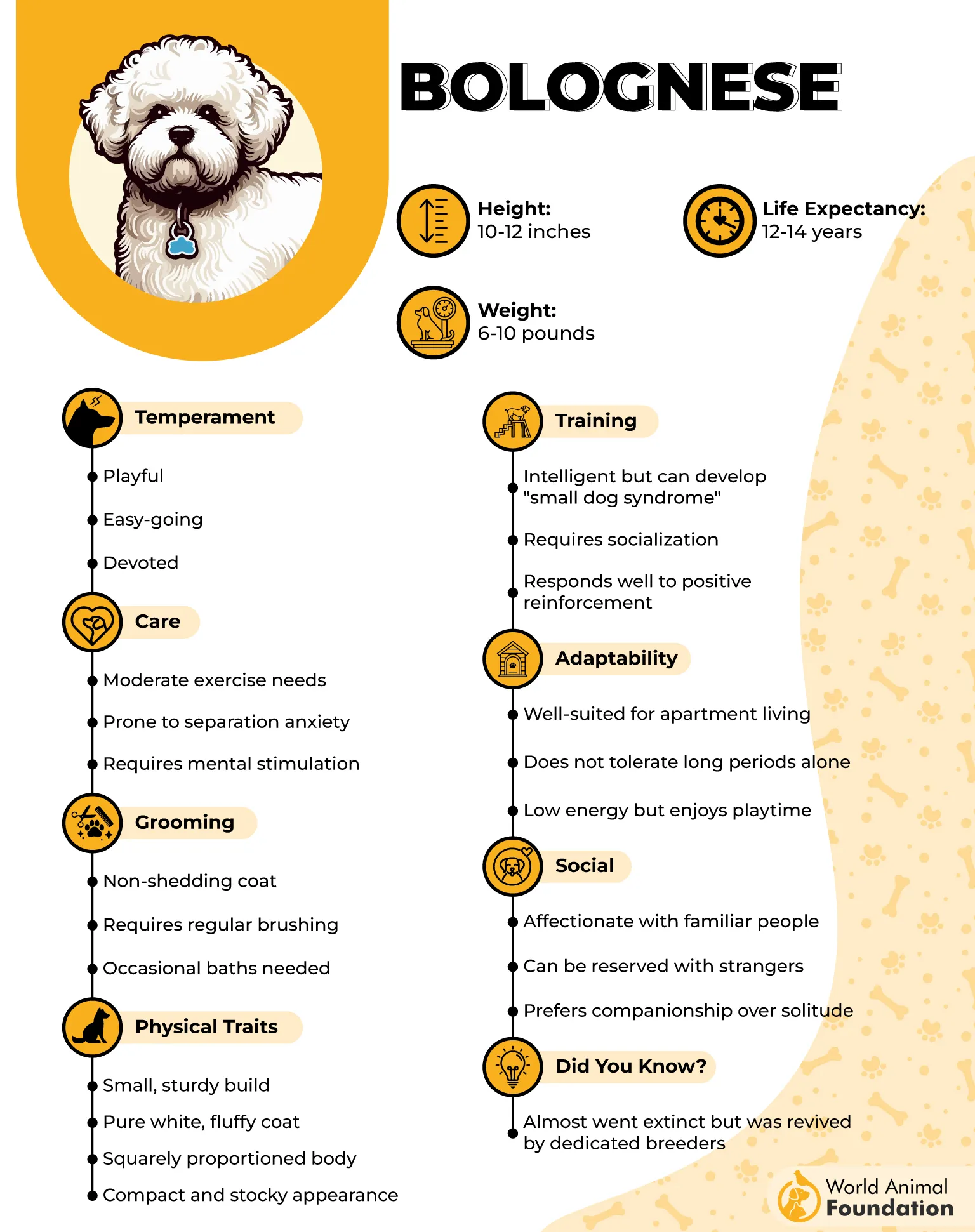
Why it’s ideal for apartment living:
Calm and low-energy, perfect for small spaces
Not overly vocal, but still alert when needed
Forms strong bonds and loves companionship
Adapts easily to quiet indoor routines
Enjoys relaxing and cuddling more than constant activity
Bolognese dogs thrive on human connection. They love attention and prefer not to be left alone for long periods, as they can develop separation anxiety.
They are friendly and affectionate with their families and can get along with other pets. While they may be shy around strangers at first, proper socialization helps them become more confident and social.
Training a Bolognese is usually smooth because they are intelligent and eager to please. Positive reinforcement works best, along with early socialization. Grooming is an important part of their care, as their coat needs regular brushing to stay clean and tangle-free.
With the right care and attention, the Bolognese becomes a calm, loving, and perfect companion for apartment living.
7. Coton De Tulear
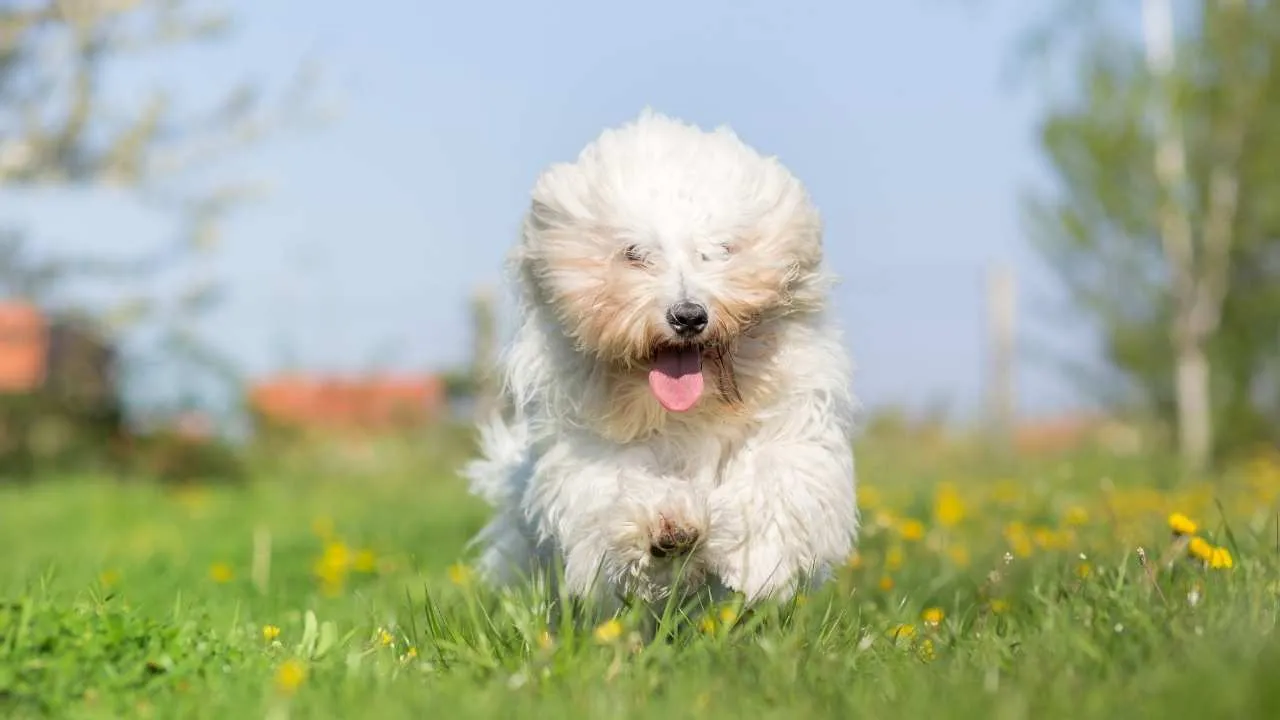
The Coton de Tulear is a happy, gentle companion known for its soft, cotton-like coat and playful personality. Originally from Madagascar, this “Royal Dog” was bred to provide comfort and companionship.
It is bright, affectionate, and naturally entertaining, often described as a little clown. Despite its playful side, it has a calm and easygoing nature that fits well into indoor living.
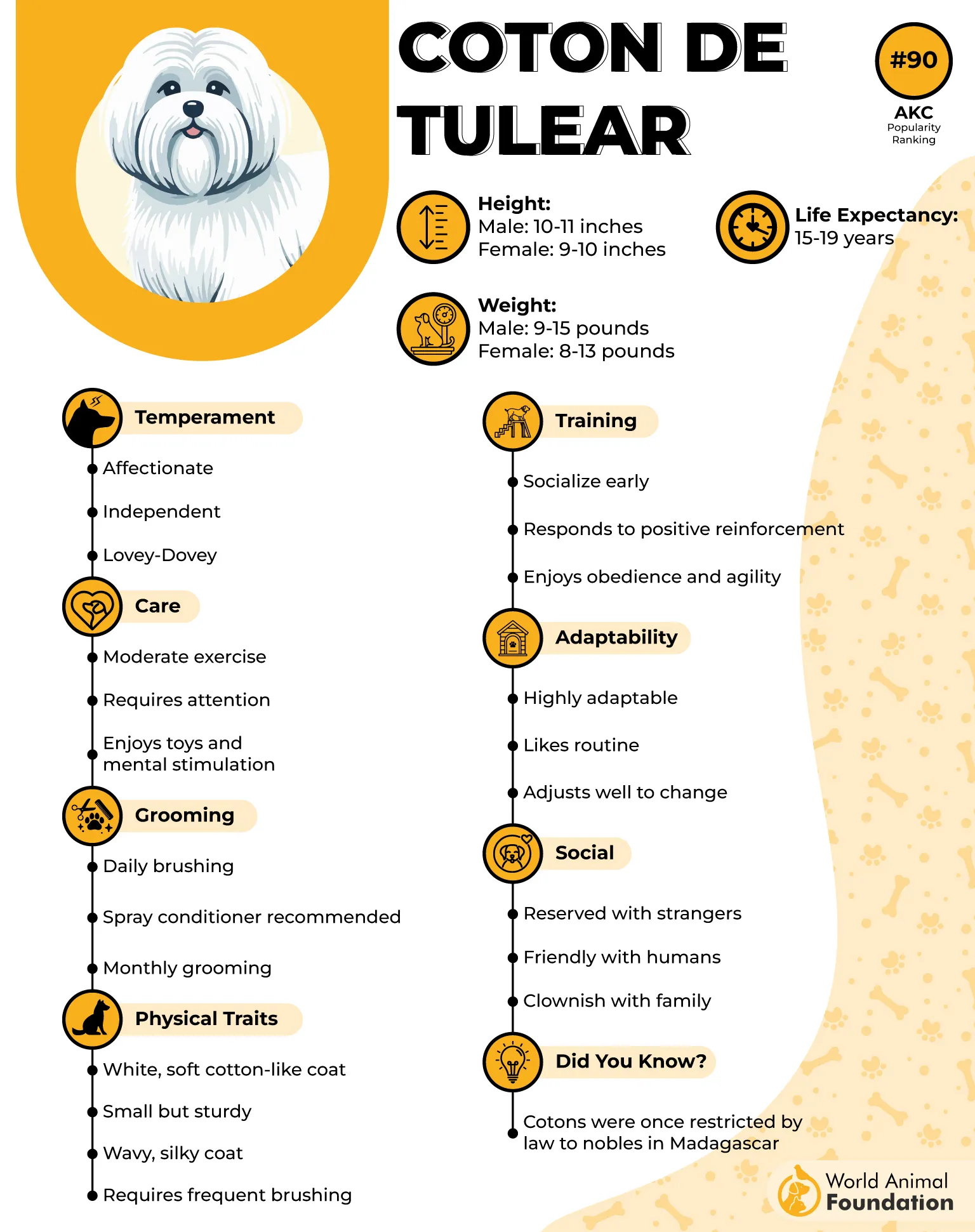
Why it’s great for apartment life:
Calm and adaptable to indoor spaces
Not overly demanding despite being playful
Forms strong bonds and loves constant companionship
Friendly with people, kids, and other pets
Moderate energy, happy with light activity and play
Cotons are deeply attached to their owners and love being around them all the time. They enjoy following you from room to room and curling up in your lap.
They don’t like being left alone for long and may develop separation anxiety if ignored. While they enjoy playtime, they are not hyper and can relax easily indoors.
Training a Coton is usually enjoyable because they are intelligent and eager to please. They respond best to positive reinforcement and fun, engaging sessions. Early socialization helps them stay confident and friendly in new situations.
Grooming is important, as their soft coat needs regular care to stay clean and tangle-free. With the right attention and routine, the Coton de Tulear becomes a loving, calm, and perfect companion for apartment living.
8. Havanese
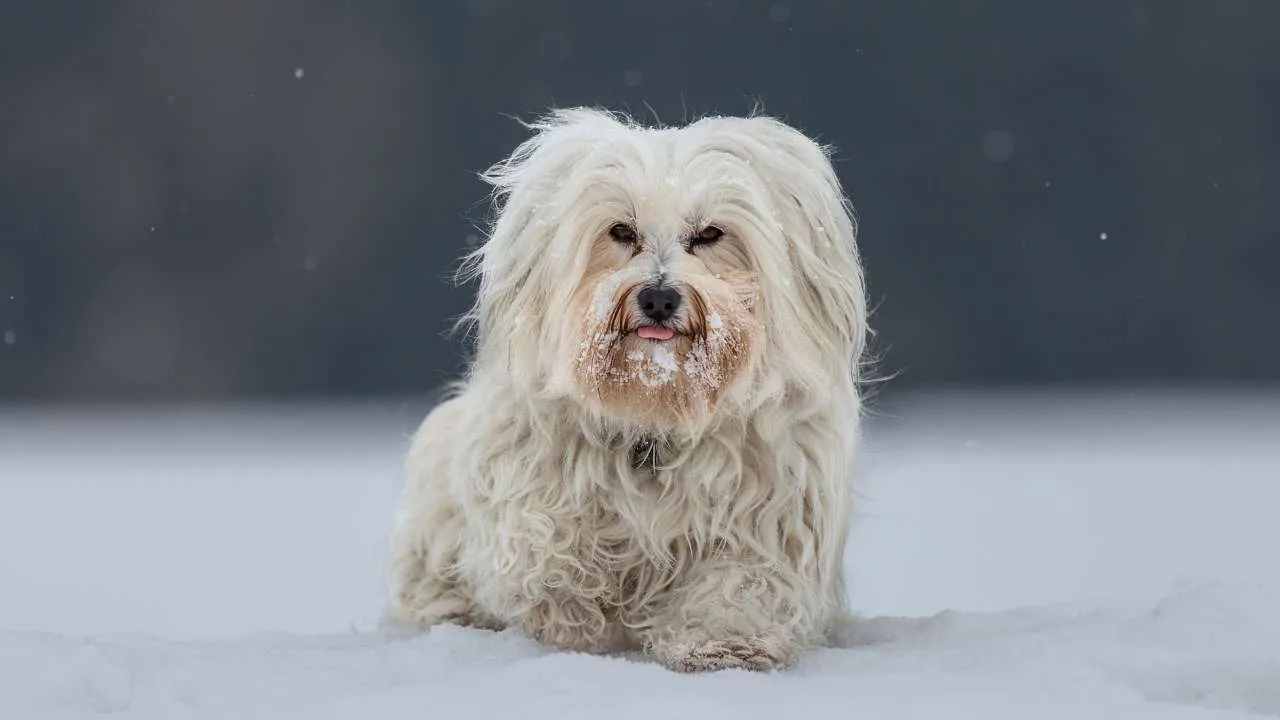
The Havanese is a cheerful and affectionate toy breed known for its silky coat and lively personality. Originally from Cuba, this small but sturdy dog was bred to be a companion and thrives on attention.
With its bright eyes and playful nature, the Havanese brings energy and warmth into any home. Despite being lively, it adapts well to indoor living and enjoys staying close to its favorite people.
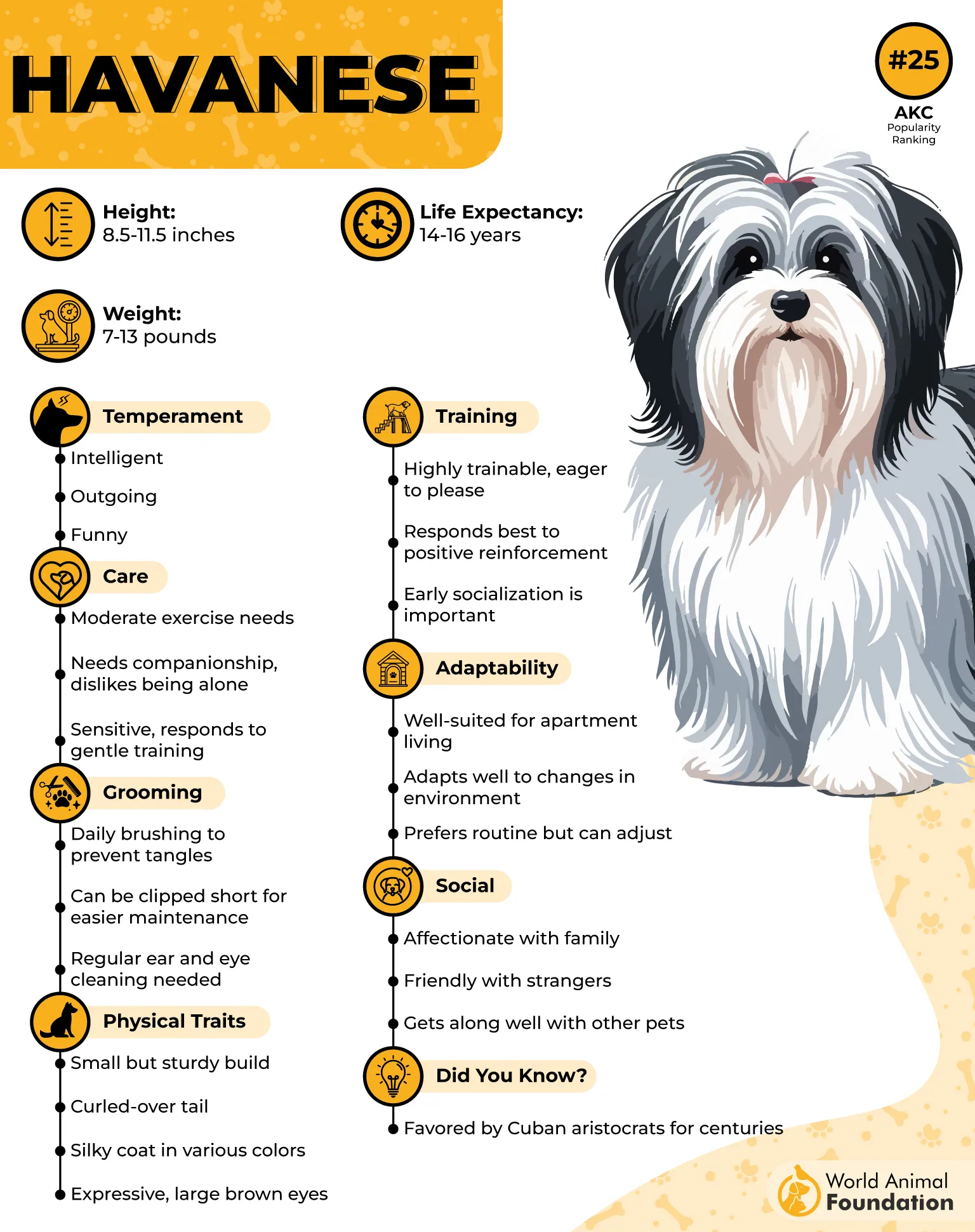
Why it’s great for apartment life:
Adaptable and comfortable in small spaces
Friendly, social, and good with families and other pets
Moderate energy, balanced with calm indoor behavior
Not overly noisy when properly trained
Loves companionship and being part of daily routines
Havanese dogs form strong bonds with their owners and prefer not to be left alone for long. They enjoy following you around and being involved in everything you do.
While they are playful and energetic, they only need moderate daily exercise, such as short walks and indoor play. They are naturally social and enjoy meeting new people.
AKC mentions that training a Havanese is usually easy because they are intelligent and eager to please. They respond best to positive reinforcement and gentle methods, as they can be sensitive to harsh correction. Early socialization helps them grow into confident and well-mannered companions.
Grooming requires regular brushing to maintain their coat. With proper care, the Havanese becomes a loving, calm, and ideal companion for apartment living.
9. Pug
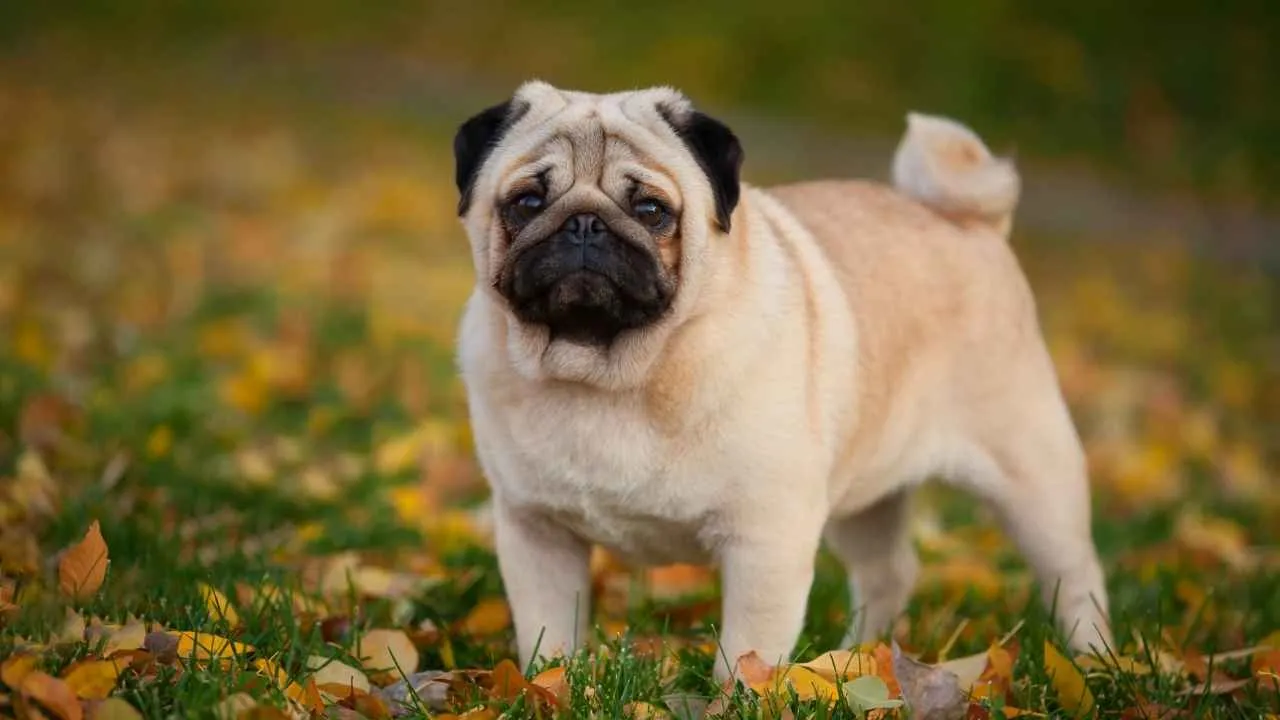
The Pug is a small, charming dog with a big personality and a loving heart. Originally from China, this breed is known for its wrinkled face, short snout, and curled tail. Pugs are expressive, playful, and full of character. Despite their lively nature, they are calm indoors and enjoy relaxing just as much as playing.
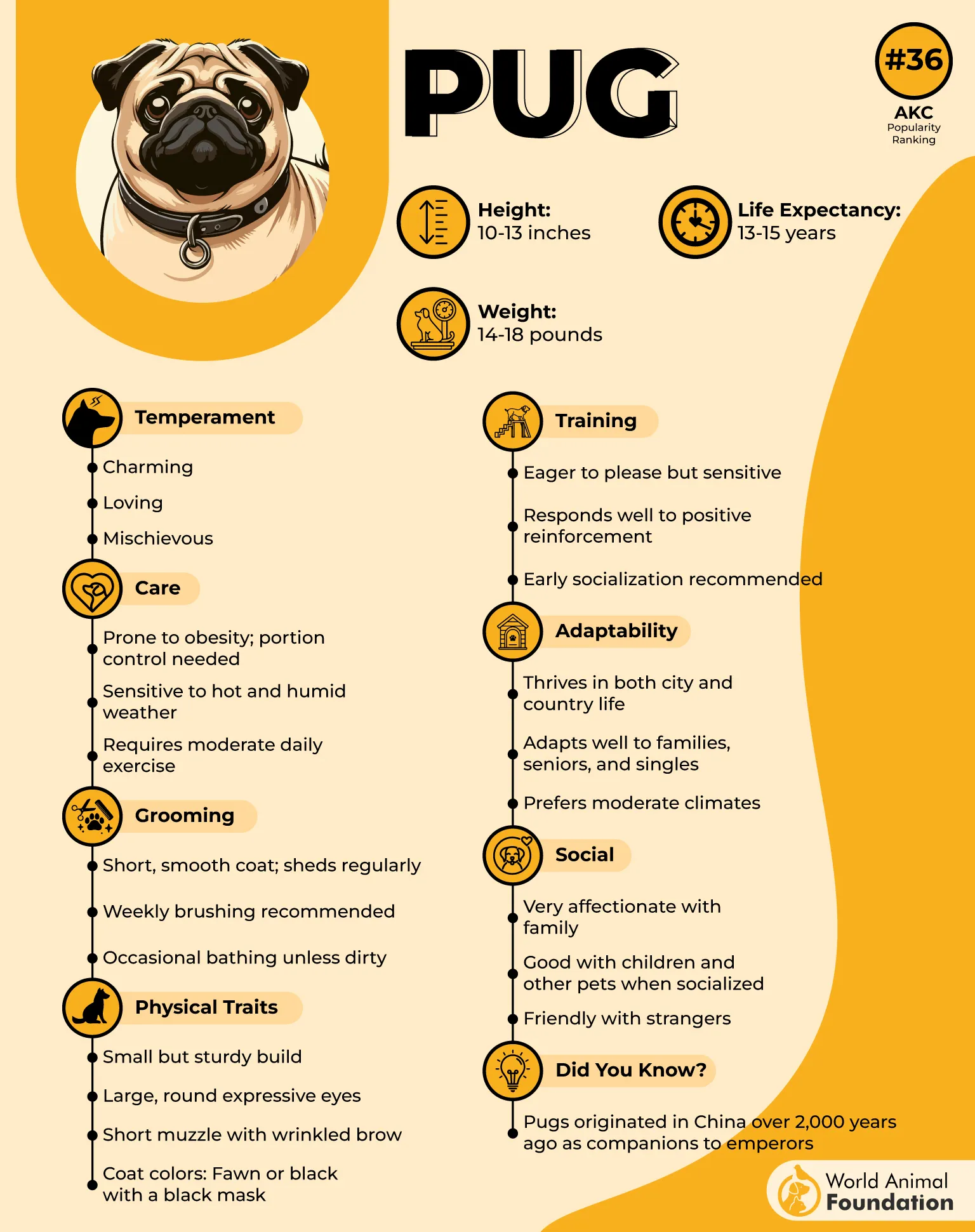
Why it’s great for apartment living:
Calm and adaptable to small spaces
Low to moderate exercise needs
Generally quiet, not prone to excessive barking
Friendly with families, kids, and other pets
Loves indoor life and staying close to owners
Pugs are affectionate and thrive on human companionship. They love being part of daily activities and do not like being left alone for long periods.
While they enjoy playtime and short walks, they are not highly active and are happy to rest afterward. Their easygoing nature makes them suitable for both busy households and quieter homes.
Training a Pug can require patience, as they can be a bit stubborn. However, they are eager to please and respond well to positive reinforcement. Grooming is simple, but special care is needed to clean their skin folds and manage their diet to prevent obesity.
Due to their short muzzle, they can struggle in hot weather and may snore. With proper care, the Pug becomes one of the best apartment dogs.
Conclusion
Choosing the right small, calm dog can make apartment living not just manageable, but genuinely joyful. From gentle lap dogs to playful yet low-energy companions, these teacup and toy breeds show that limited space is never a barrier to having a loving pet.
What truly matters is temperament, routine, and the bond you build—not the size of your home. If you’re ready to welcome one of these tiny companions, take your time to match a breed with your lifestyle, energy level, and daily routine.
A well-chosen dog doesn’t just fit into your apartment—it fills it with warmth, comfort, and quiet happiness that turns everyday moments into something special.
