




Did you know two dogs can eat the same food, live in the same home, and still have very different lifespans, mainly because of genetics and body size? When people search for dog breeds that don’t live as long, they’re usually not being gloomy. They’re trying to plan responsibly, choose the right fit, and understand what long-term care might look like.
In general, many giant and large breeds tend to have shorter average lifespans than smaller dogs, and certain inherited health risks can also affect longevity. But “shorter-lived” does not mean “doomed” or “unhealthy by default.” It means smart ownership matters even more: good breeding, preventive vet care, weight management, and knowing what red flags to watch for.
In this article, we’ll cover breeds commonly associated with shorter lifespans, why that pattern happens, and how to support a dog’s quality of life from puppyhood through the senior years.
Dog Breeds That Don’t Live as Long
1. Dogue de Bordeaux
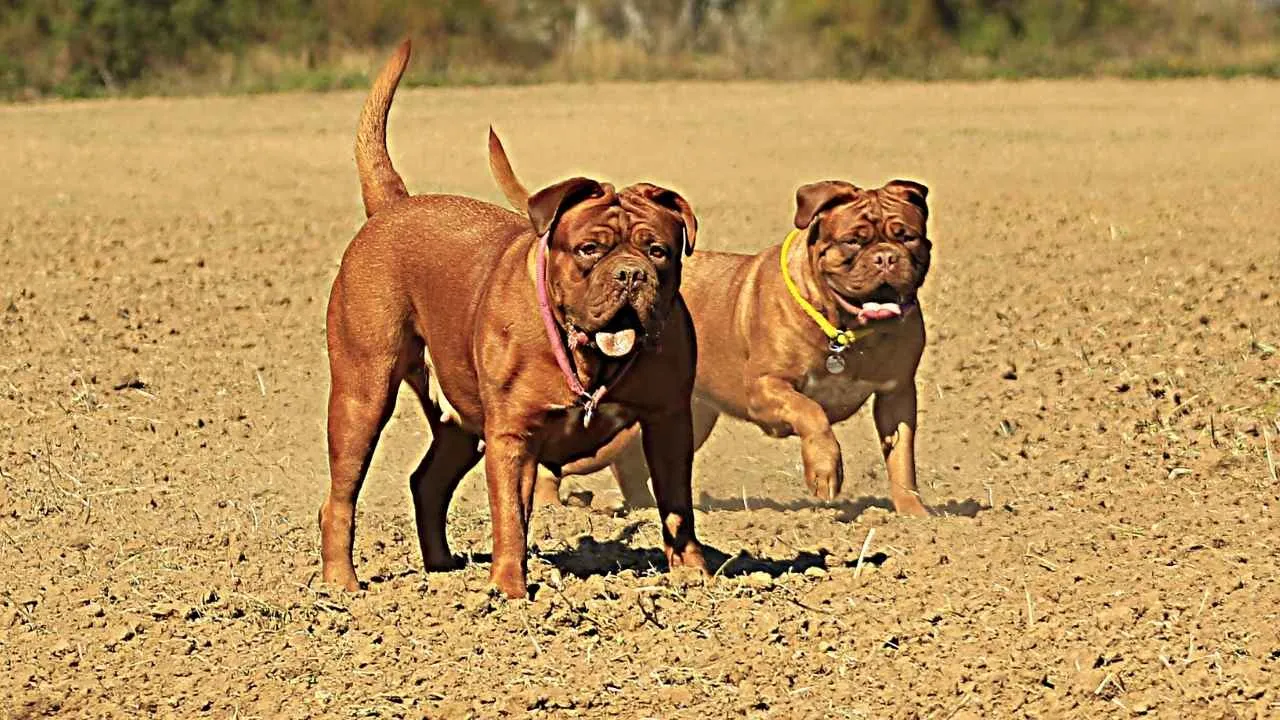
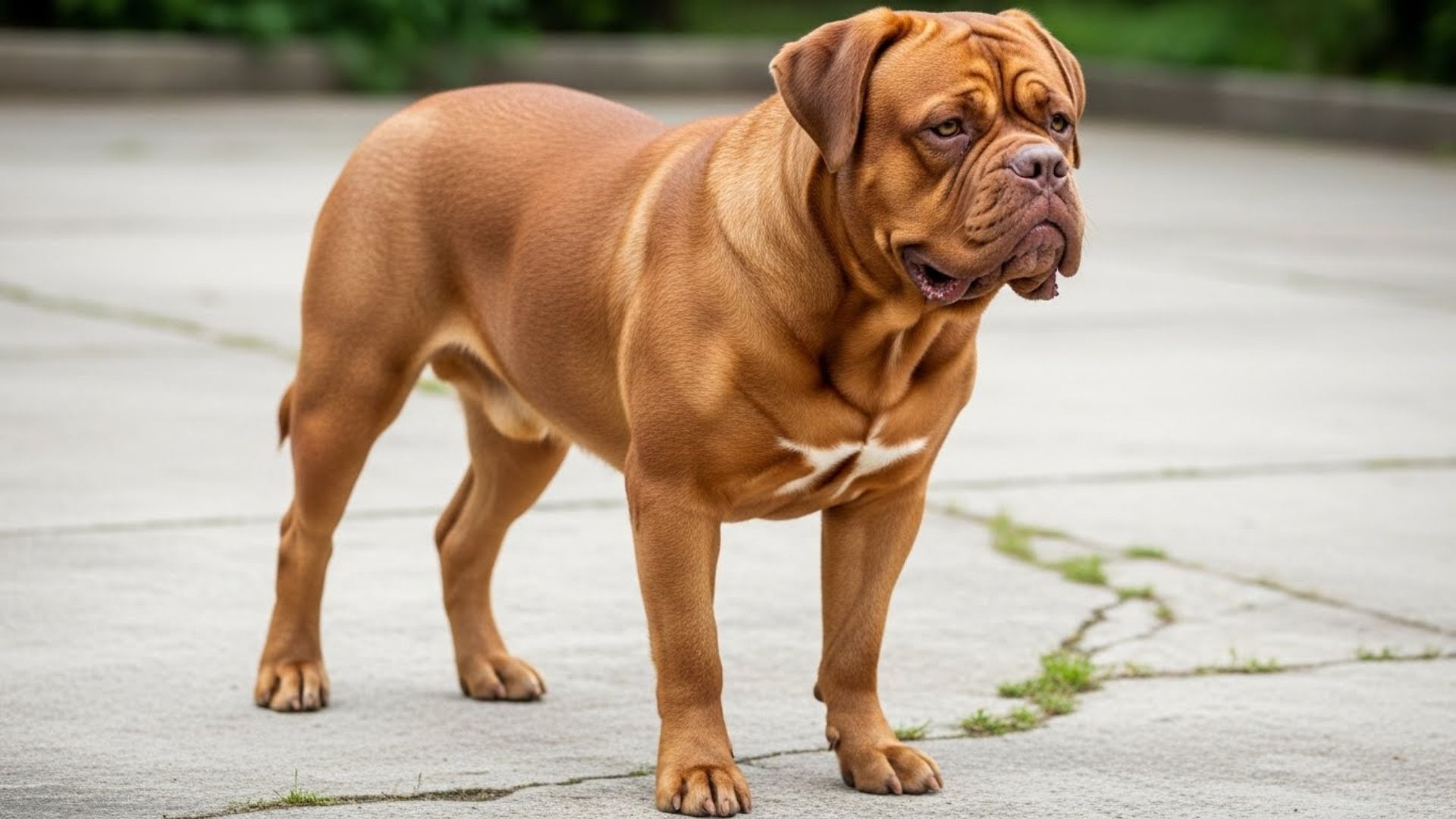
The Dogue de Bordeaux is a massive, muscular mastiff type known for a powerful head and a serious, steady presence. Breed profiles often describe them as devoted and affectionate with their people, with a loyal temperament that leans protective.
According to the AKC, the Dogue de Bordeaux is among breeds with shorter average longevity, which is frequently linked to giant size and breed-related health risks. This is one reason responsible ownership tends to emphasize routine veterinary monitoring and careful, preventive care.

Day to day, this breed is typically portrayed as calm at home but not “hands off.” They do best with early training, clear boundaries, and predictable routines, especially because a large dog needs reliable manners to be safely manageable.
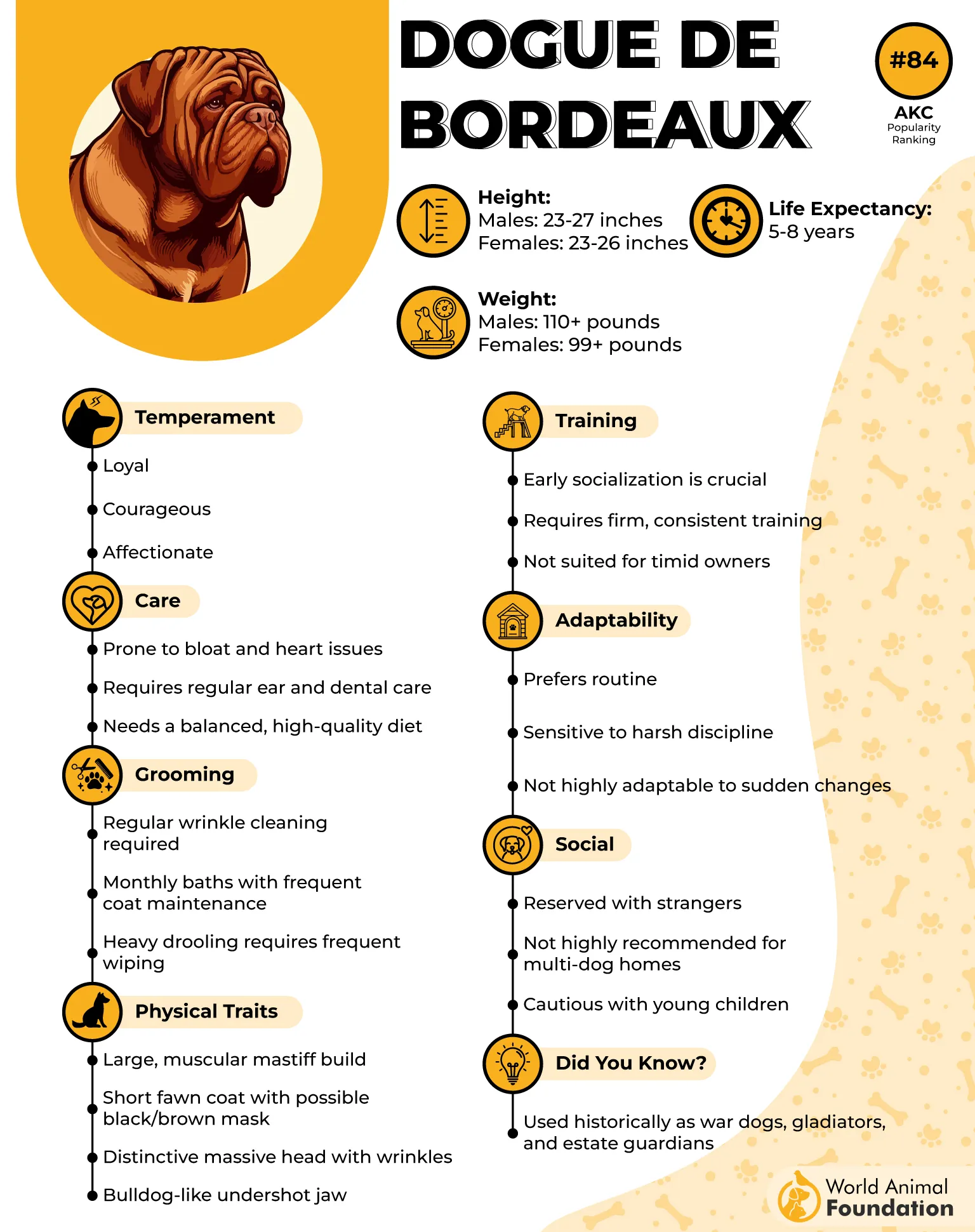
Care notes commonly include drooling and a short coat that is fairly easy to maintain compared with longer-coated breeds. Owners also need to plan for practical realities like space, strong equipment, and steady socialization as the dog matures.
Fun Fact
The Dogue de Bordeaux is also called the French Mastiff. It has been featured in pop culture, including the movie Turner & Hooch, which introduced many people to the breed.
2. Neapolitan Mastiff
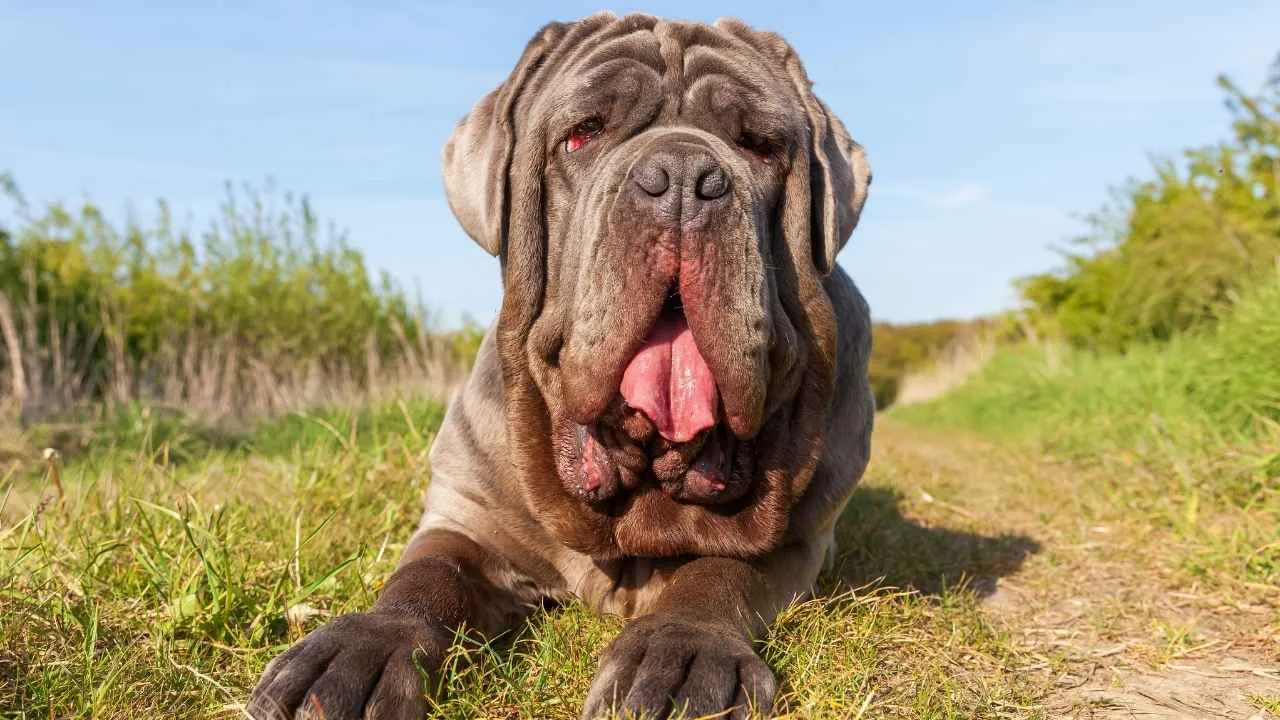
The Neapolitan Mastiff is a giant guardian breed famous for loose skin, heavy wrinkles, and an imposing silhouette. Breed descriptions often highlight a calm, watchful temperament that can be deeply devoted to family.
Several lists of short-lived breeds include the Neapolitan Mastiff, reflecting the broader trend that many giant breeds have shorter average lifespans. Practical guidance often points owners toward proactive health planning and careful day-to-day management.
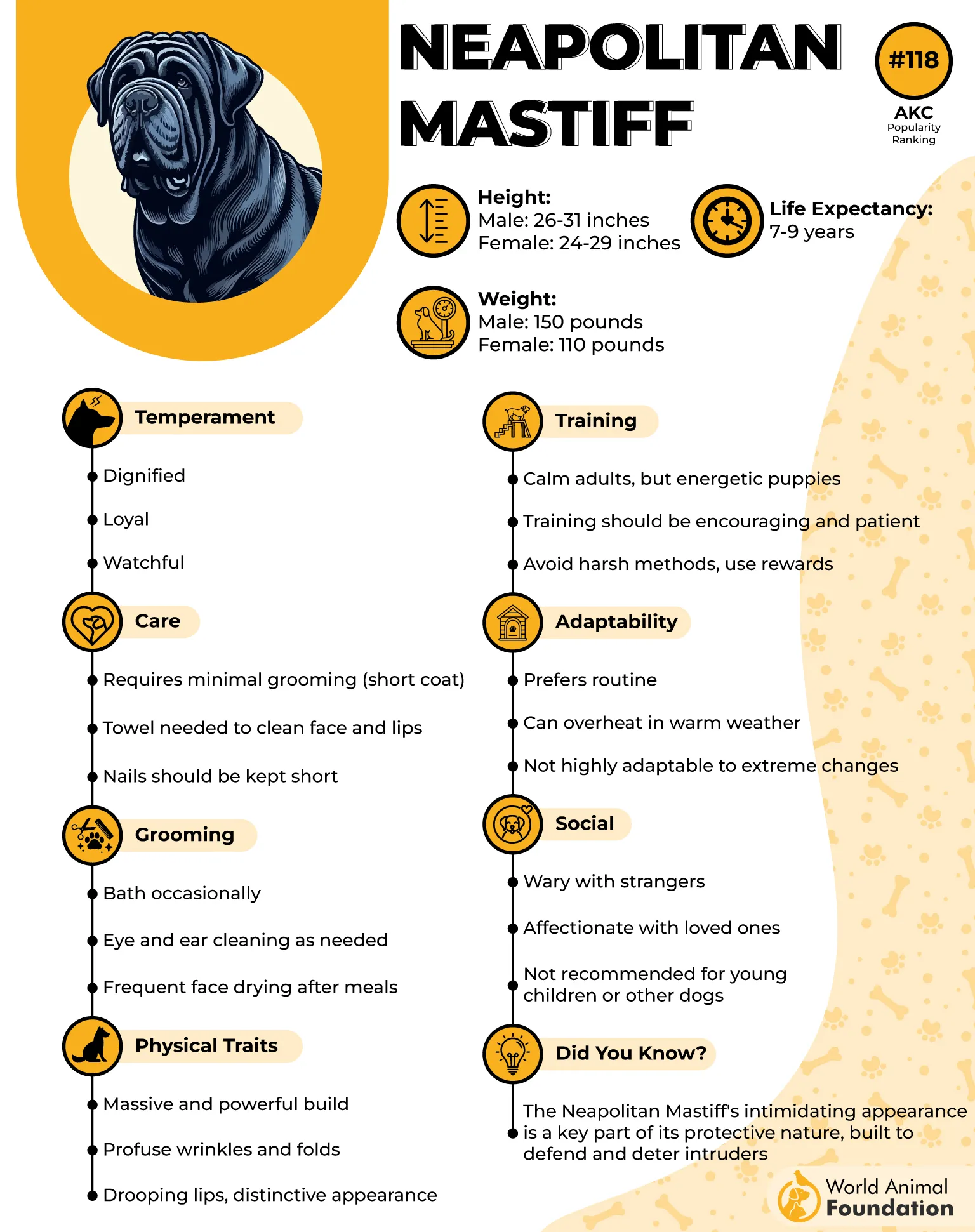
Many Neapolitan Mastiffs are relatively low-key indoors, often preferring a comfortable spot near their people. They can still be wary of strangers, so consistent social exposure and calm training are commonly recommended.
Care considerations frequently include drool, skin-fold cleanliness, and the need for solid leash manners due to their size. Because they are so powerful, early training and steady handling become safety tools, not optional extras.
Fun Fact
Neapolitan Mastiffs are often linked to ancient Roman “war dog” lore, which adds to their legendary reputation. Their dramatic wrinkles are one of the most recognizable looks in the dog world.
3. Bernese Mountain Dog
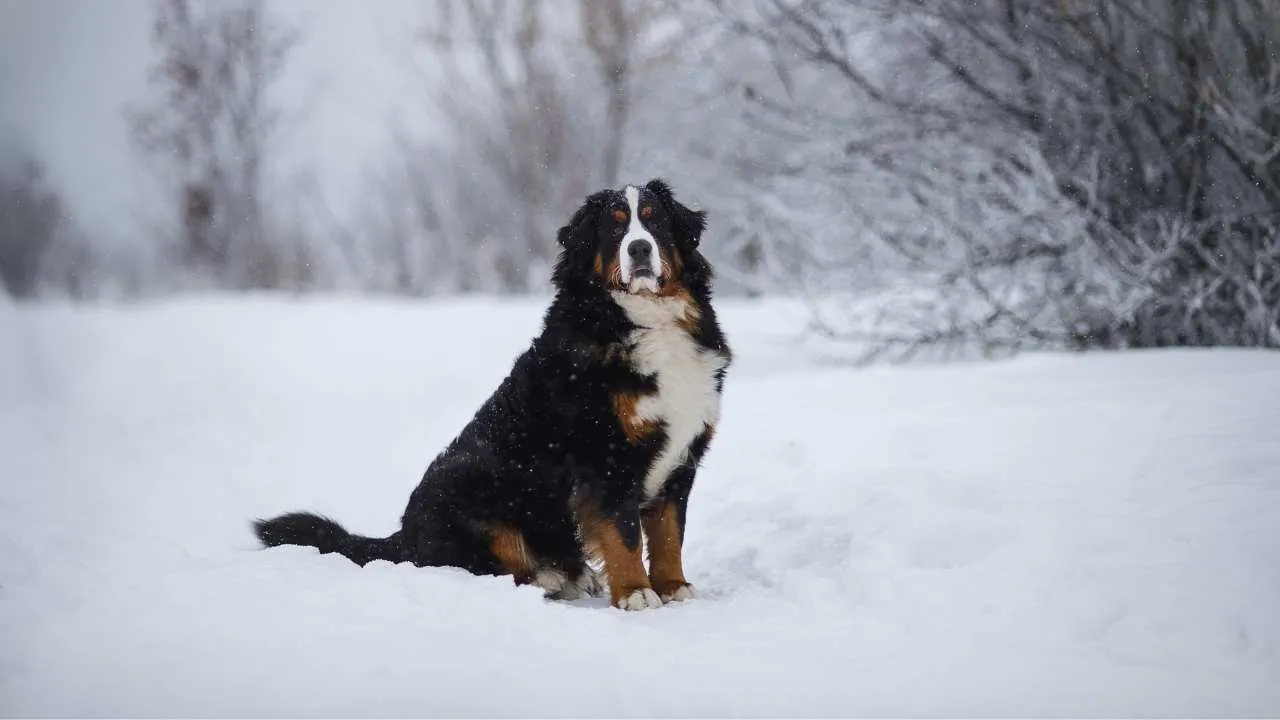
The Bernese Mountain Dog is a large Swiss working breed known for a thick, tri-colored coat and a gentle, friendly demeanor. Historical summaries often describe them as versatile farm dogs used for pulling carts, driving cattle, and guarding property.
Owners are often encouraged to think proactively about health. That usually includes choosing responsible breeding, tracking wellness closely, and not brushing off subtle changes in behavior.
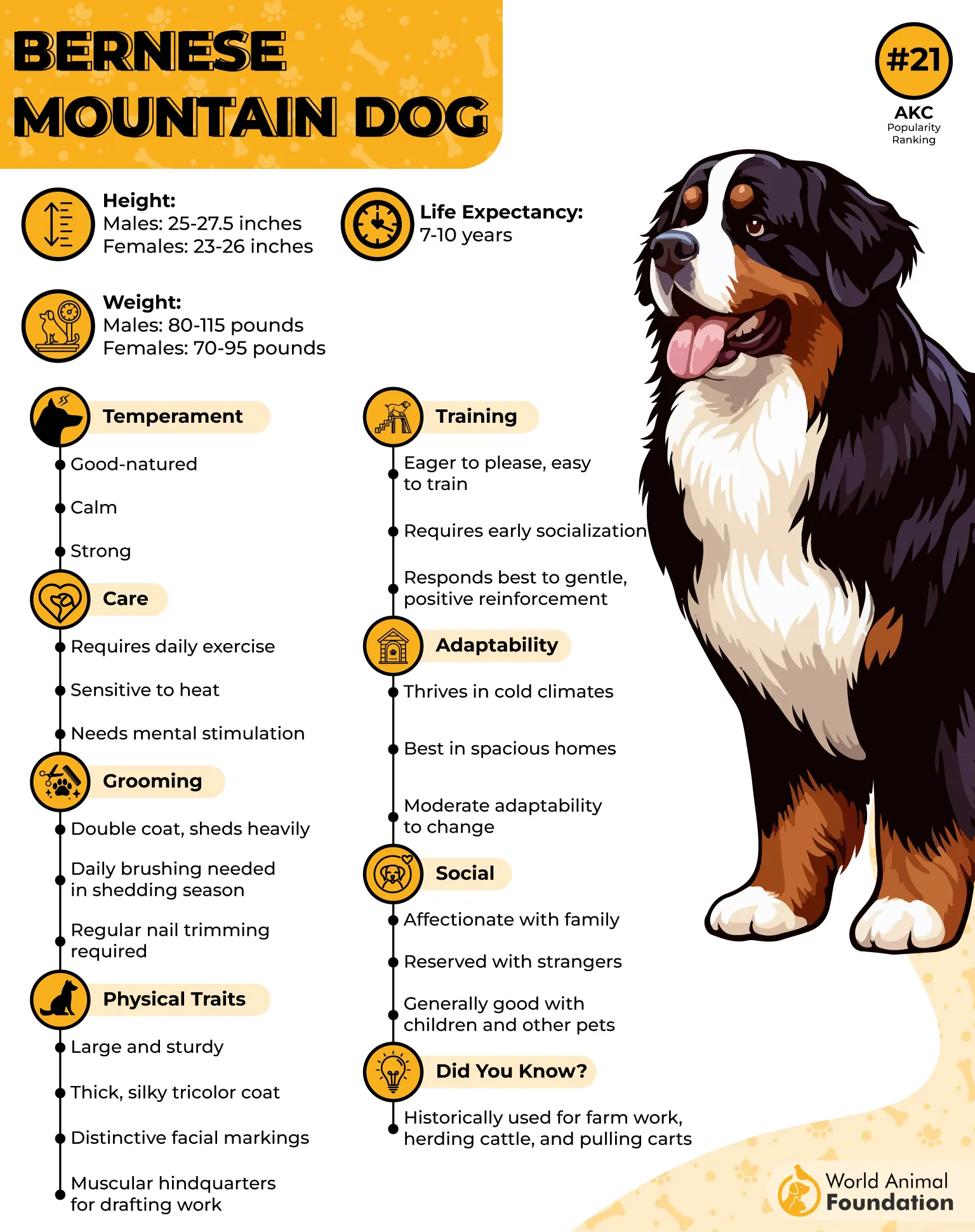
They have an affectionate nature and are often described as sweet, people-oriented dogs that enjoy being part of family life. As per Britannica, they tend to do best with steady companionship and training that is kind, consistent, and started early.
Grooming is a real part of the package because of the dense coat, and seasonal shedding can be heavy. Daily routines often work best when exercise is balanced and age-appropriate, especially as joints and overall comfort become priorities.
Fun Fact
Britannica notes the breed was brought to Switzerland more than 2,000 years ago by invading Romans. Bernese Mountain Dogs were traditionally used to pull carts and drive cattle on Swiss farms.
4. Irish Wolfhound
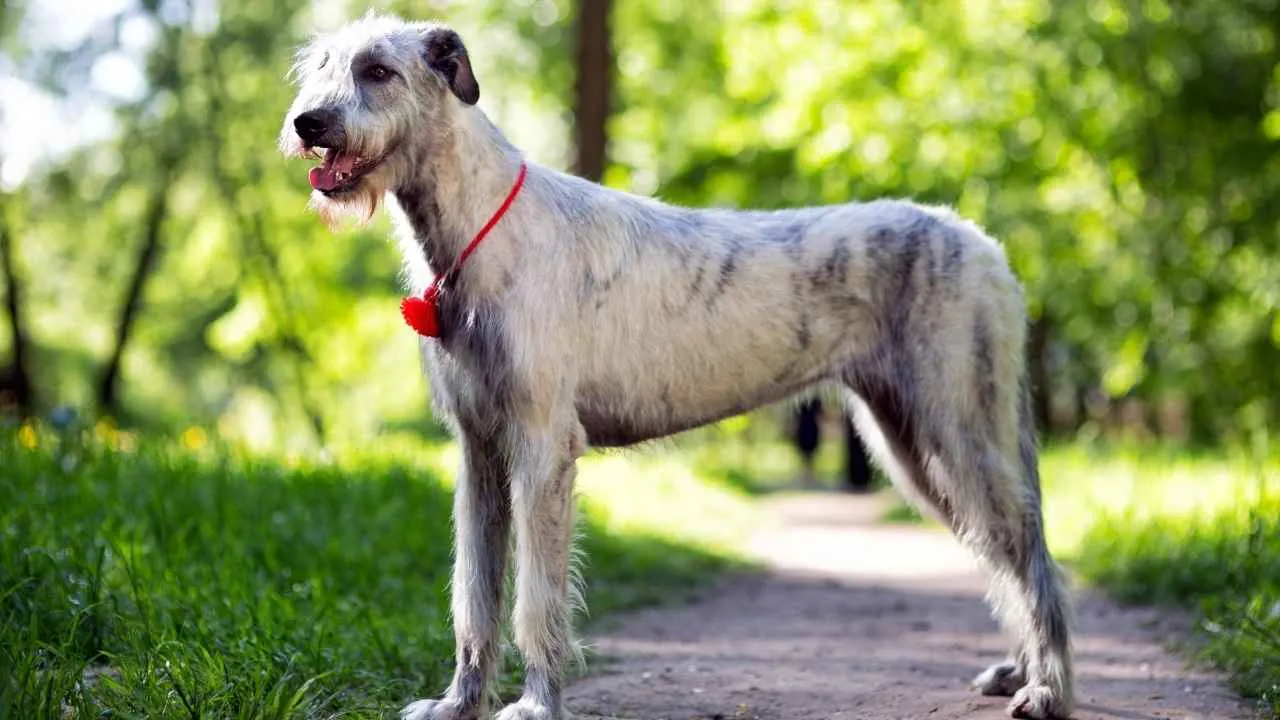
The Irish Wolfhound is a towering sighthound with a calm, gentle personality and an unmistakably tall outline. Many guides describe them as affectionate and laid-back at home, even though they are one of the largest dog breeds.
WebMD notes that most Irish Wolfhounds live about six to eight years, which is often described as short compared with smaller breeds. Care advice commonly stresses steady veterinary oversight and thoughtful daily routines that support a giant dog’s health.
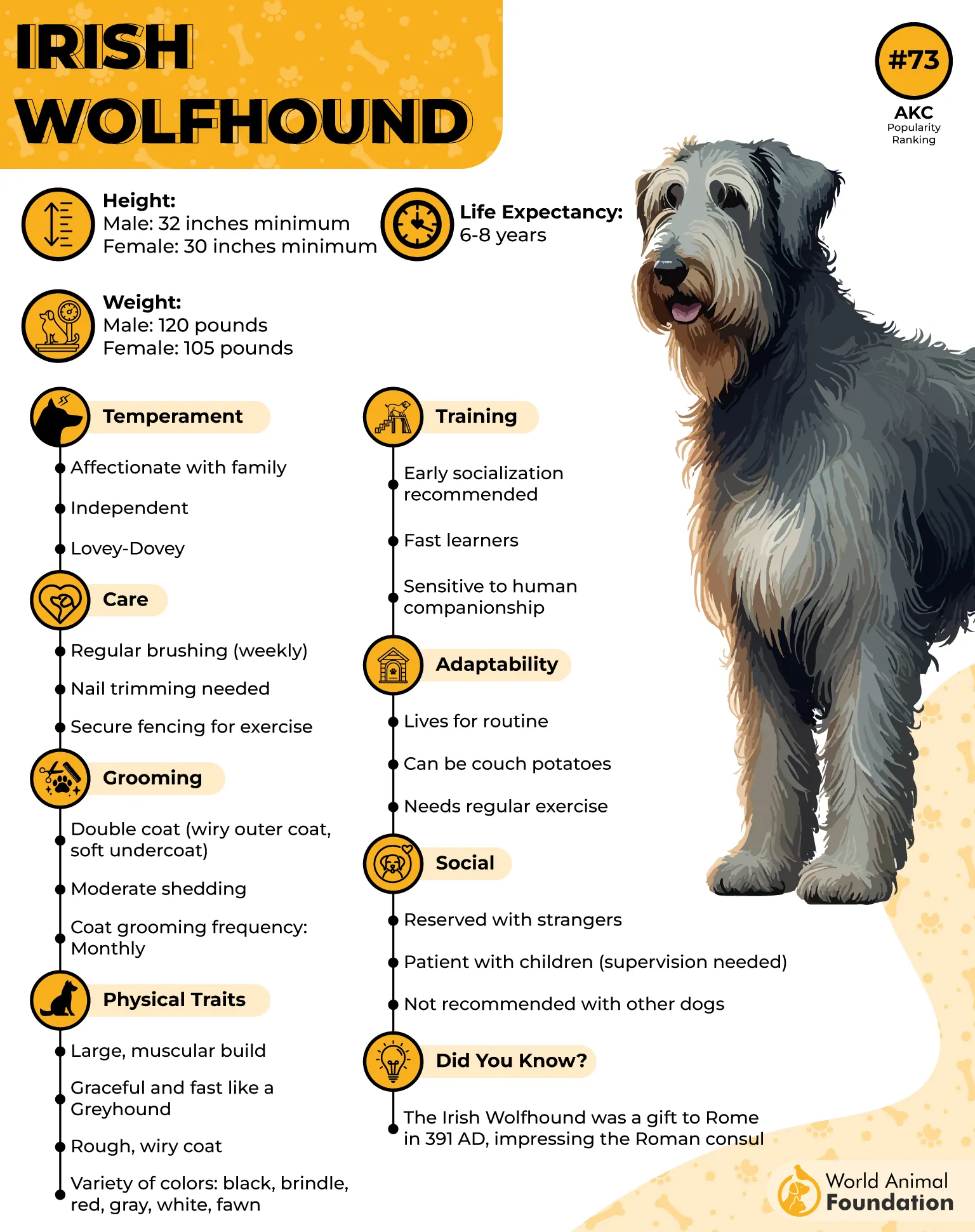
They are usually portrayed as having moderate energy and being happy with daily walks, rather than nonstop activity. Because of their prey drive, some resources recommend only allowing off-leash time in securely fenced areas.
Although their temperament is not typically described as a classic guard dog, their size alone can deter strangers. That mix of gentle behavior and intimidating stature is part of why the breed leaves such a strong impression.
Fun Fact
Irish Wolfhounds were historically associated with hunting wolves, which helped shape their size and athletic build. Today, many people are surprised by how calm and sweet they can be indoors.
5. Newfoundland
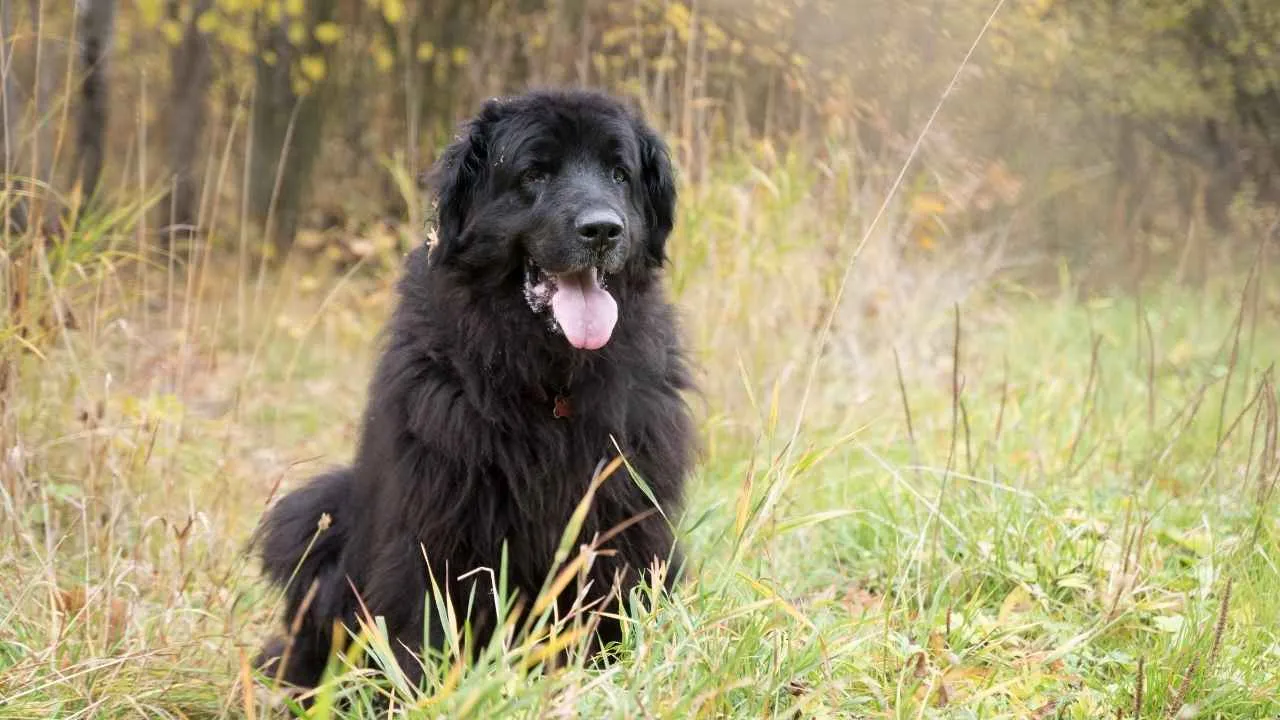
Newfoundlands are famous for their sweet, steady presence and are often described as a gentle giant that prefers being close to people. Despite their power and water-dog history, many live with a relaxed pace and a patient attitude around the home.
Because of their sheer size, owners often plan routines that protect joints and prevent overheating. Their thick coat and big frame can mean more strain during intense exercise, so daily activity is usually kept measured and age-appropriate.
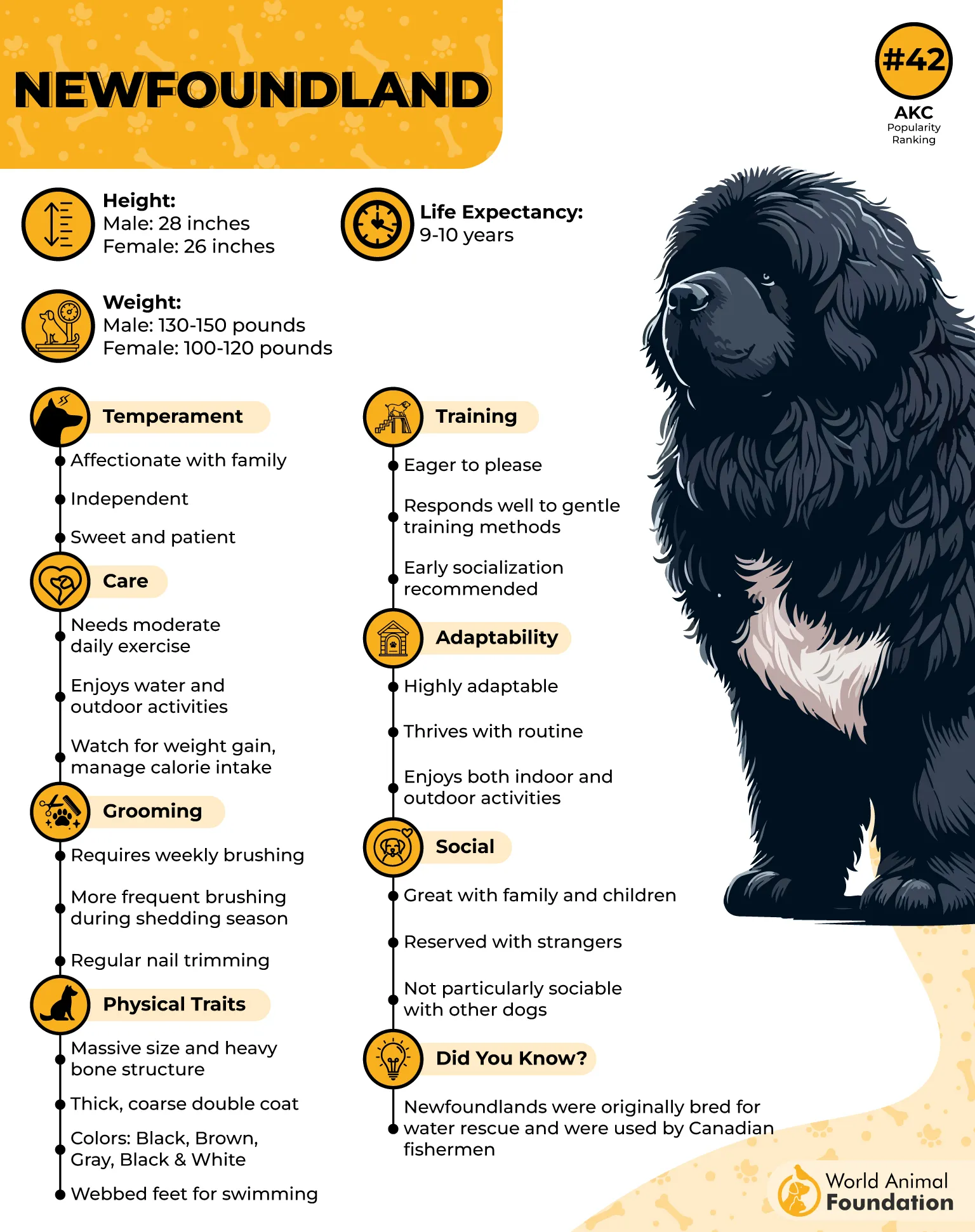
In health discussions, large dogs like this can face a higher risk of issues that may shorten the dog’s lifespan compared with smaller breeds. Staying on top of veterinary care and watching for early signs of discomfort are common parts of responsible ownership.
Nutrition matters too, and many care guides emphasize a proper diet that supports growth and adult conditioning. The goal is long-term comfort and stability, not rapid weight gain.
Fun Fact
Newfoundlands are well known for their water skills and strong swimming ability. Their calm working style helped build a reputation as dependable rescue partners.
6. Leonberger
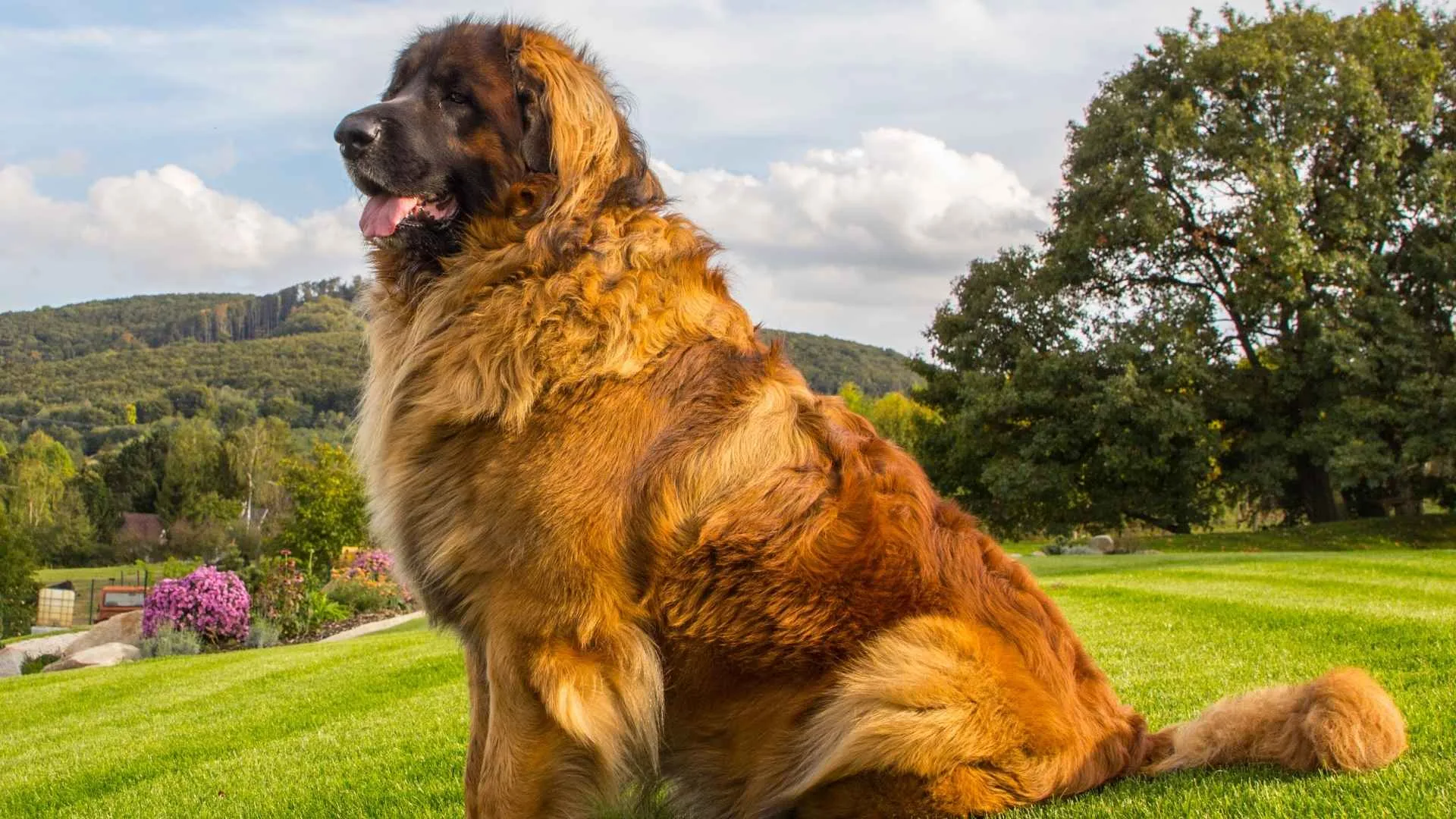
The Leonberger is a very large working breed with a striking, lion-like look and a naturally regal appearance. Many descriptions highlight an easygoing temperament that blends confidence with friendliness.
Their everyday vibe is often calm, but they still need consistent training and controlled exercise to keep their manners reliable. Because they grow into such large adults, owners often focus on steady development and safe movement rather than rough play.
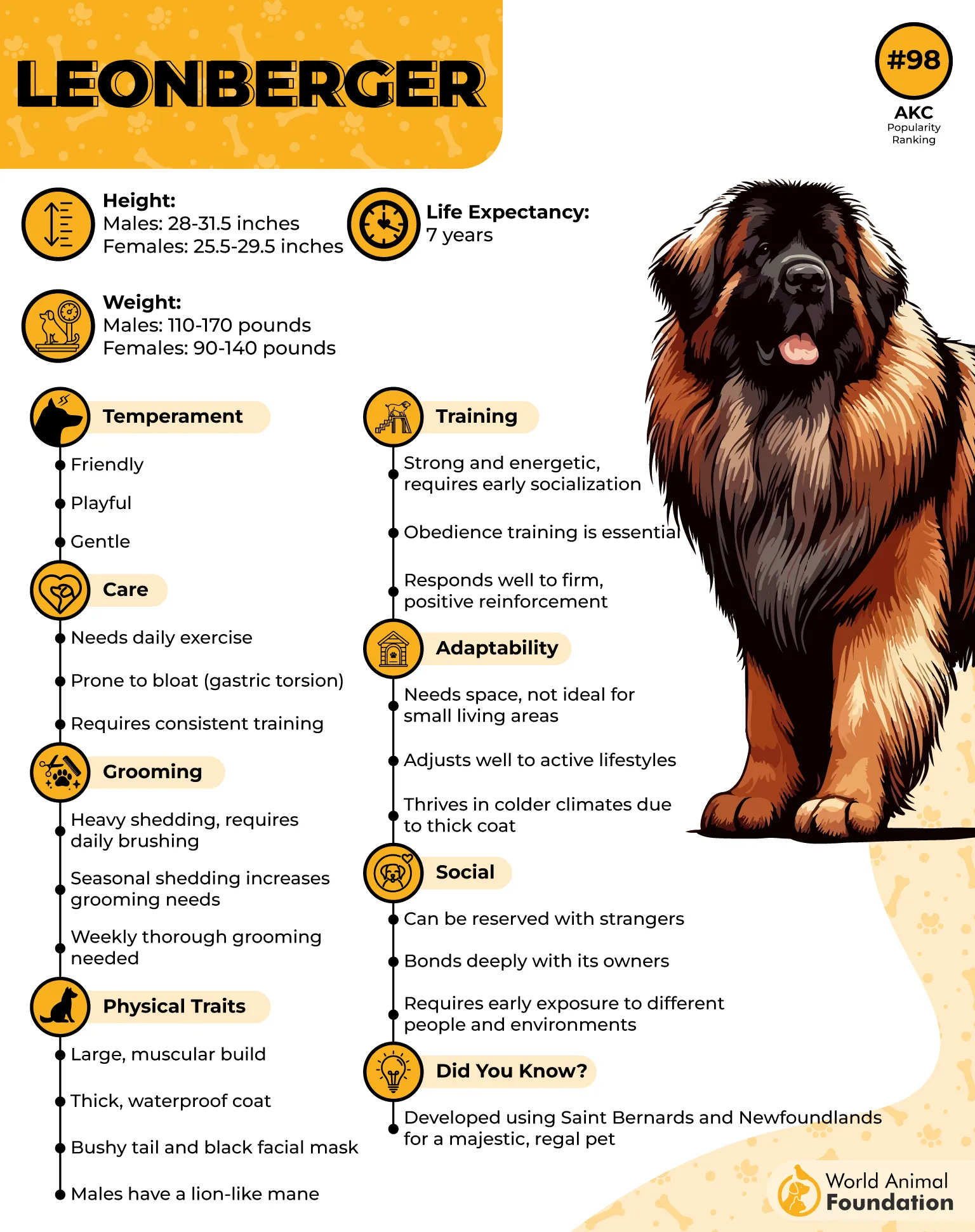
Giant breeds like the Leonberger are frequently discussed in the context of a shorter life expectancy compared with smaller dogs. A key part of care is supporting overall well-being through weight control, conditioning, and early attention to changes in energy or appetite.
They may be prone to orthopedic problems as they age, which is why joint-friendly routines are popular among experienced owners. Thoughtful management helps the dog stay comfortable and mobile for as long as possible.
Fun Fact
The breed was developed to resemble a lion, which matches both its name and its look. That “lion dog” image is a big part of why the Leonberger stands out in a crowd.
7. Saint Bernard
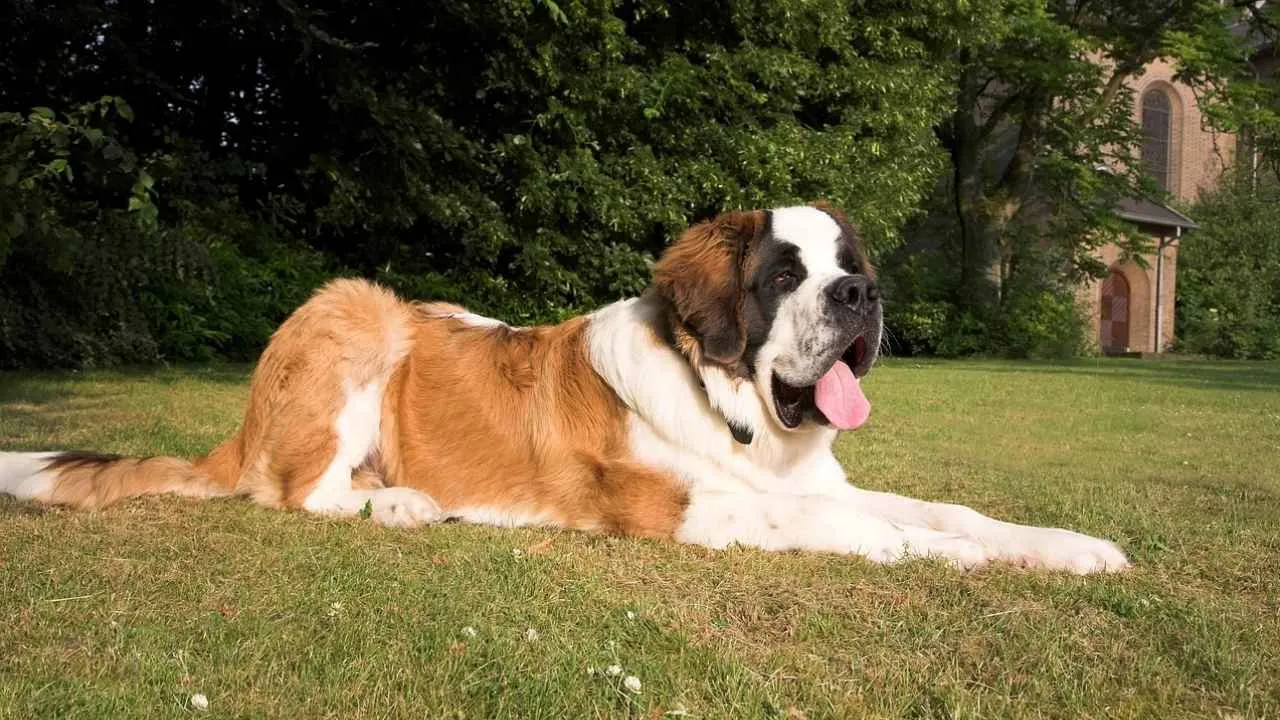
The Saint Bernard is widely known as a massive mountain dog with a famously gentle nature. Many families love the breed’s calm, patient presence, especially when the dog is raised with structure and clear boundaries.
Because the breed’s size makes everyday handling a real consideration, training and leash skills are especially important. Even simple tasks like getting in the car or navigating stairs benefit from planning and a steady routine.
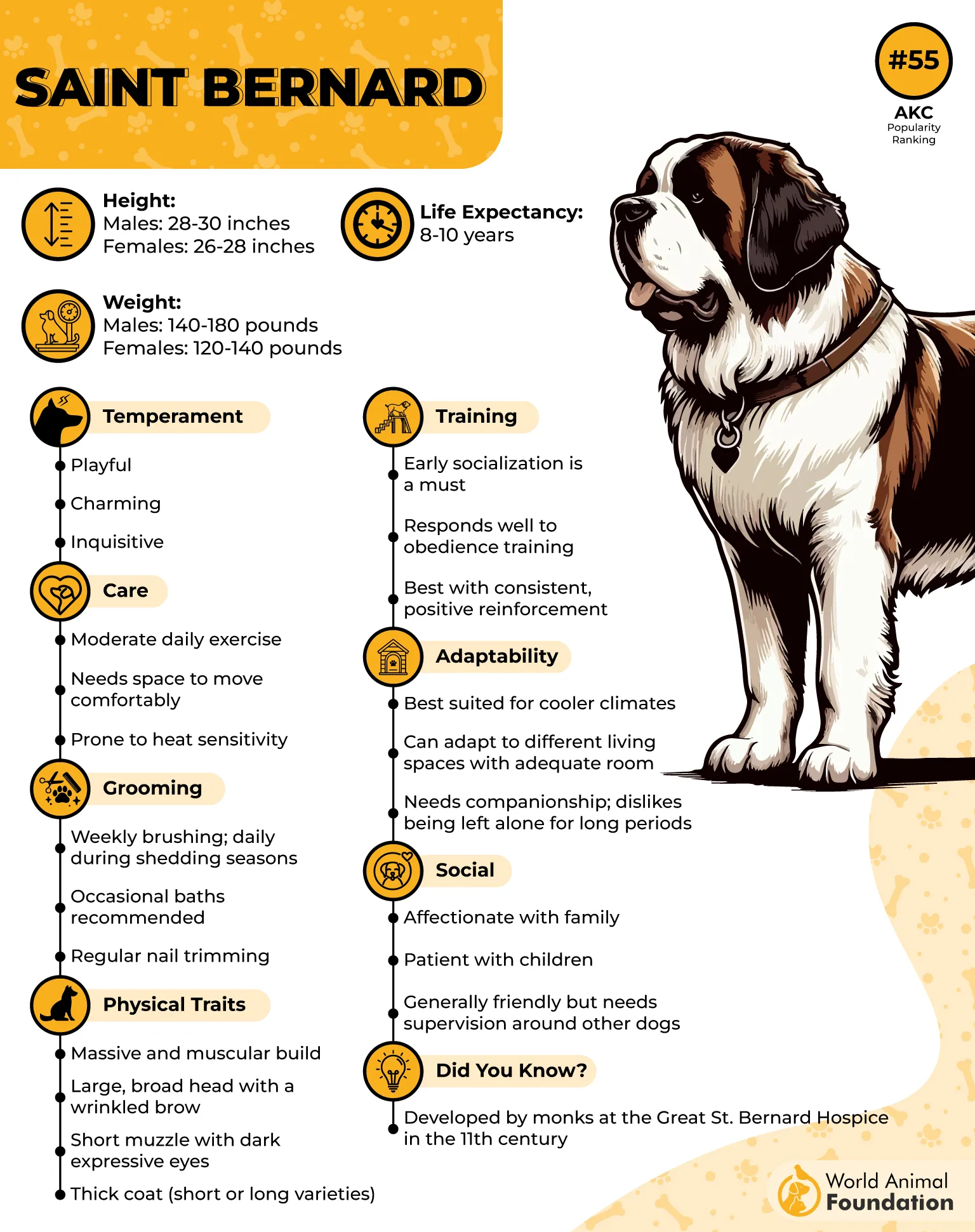
Large breeds can face specific health issues, and discussions often include canine hip dysplasia and other mobility concerns. Proactive care often involves regular checkups, controlled exercise, and home setups that reduce slipping and strain.
In lifespan conversations, the breed is often mentioned among certain breeds that tend to live shorter lives on the shorter side of the spectrum. That reality is why many owners focus on comfort, routine, and quality time.
Fun Fact
Saint Bernards are historically linked with alpine rescue work at the Great St. Bernard Pass. Their legend grew because they were used to help locate and aid travelers in harsh mountain conditions.
Conclusion
A shorter average life expectancy can be tough, but focusing on comfort and prevention can protect your furry friend from unnecessary suffering. With large-sized dogs, a balanced diet tailored to slow growth and regular veterinary care are crucial because genetic issues, joint problems, and serious risks like bone cancer can contribute to a more limited lifespan.
Some dogs are also susceptible to infections, while others face heart disease, spinal disease, or even cognitive decline, based on a combination of breeding and daily care around humans, children, cats, and other animals, including puppies and pups.
Other dog breeds, such as Great Danes, Rottweiler, American Bulldog, English Bulldogs, French Bulldog, and Cavalier King Charles Spaniel, are also discussed in lifespan examples.
