




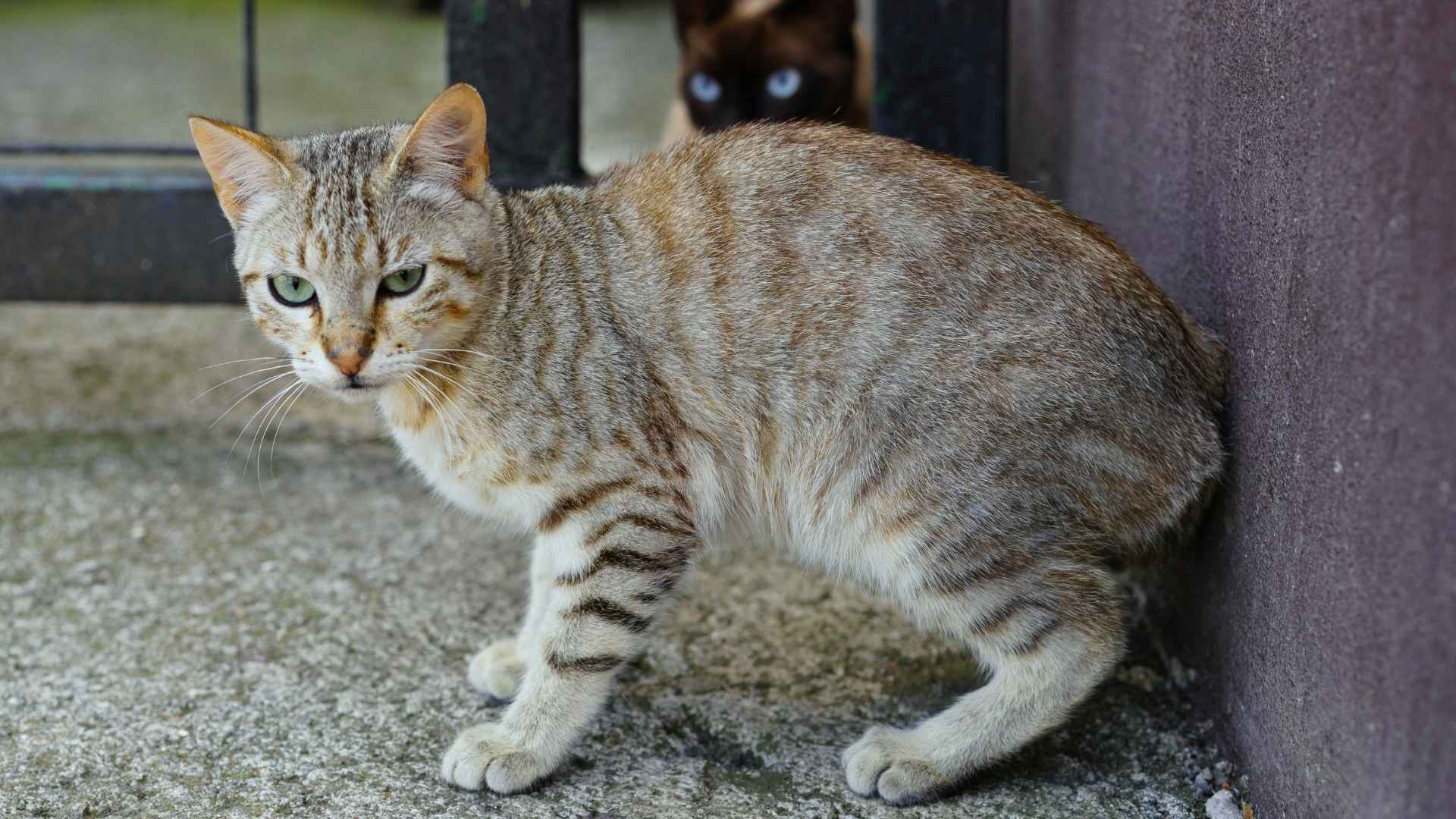
Cats are often seen as independent yet affectionate cats, but not all breeds fit that stereotype. Some felines have a natural wild streak, making them more territorial, strong-willed, or prone to aggression. While proper training and proper socialization can help manage behavior, some breeds are more prone to scratching, biting, or asserting dominance than others.
Aggression in cats can stem from various factors, including their origins, hunting instincts, and territorial nature. Some breeds have a high prey drive, making them more likely to chase and pounce. Others have strong opinions about their personal space and don’t take kindly to unwanted attention.
If you’re looking for a laid-back lap cat, these feisty felines might not be the best choice. However, for those who appreciate bold personalities and a challenge, these breeds bring a level of excitement that few other pets can match.
Most Aggressive Cat Breeds
1. Siamese
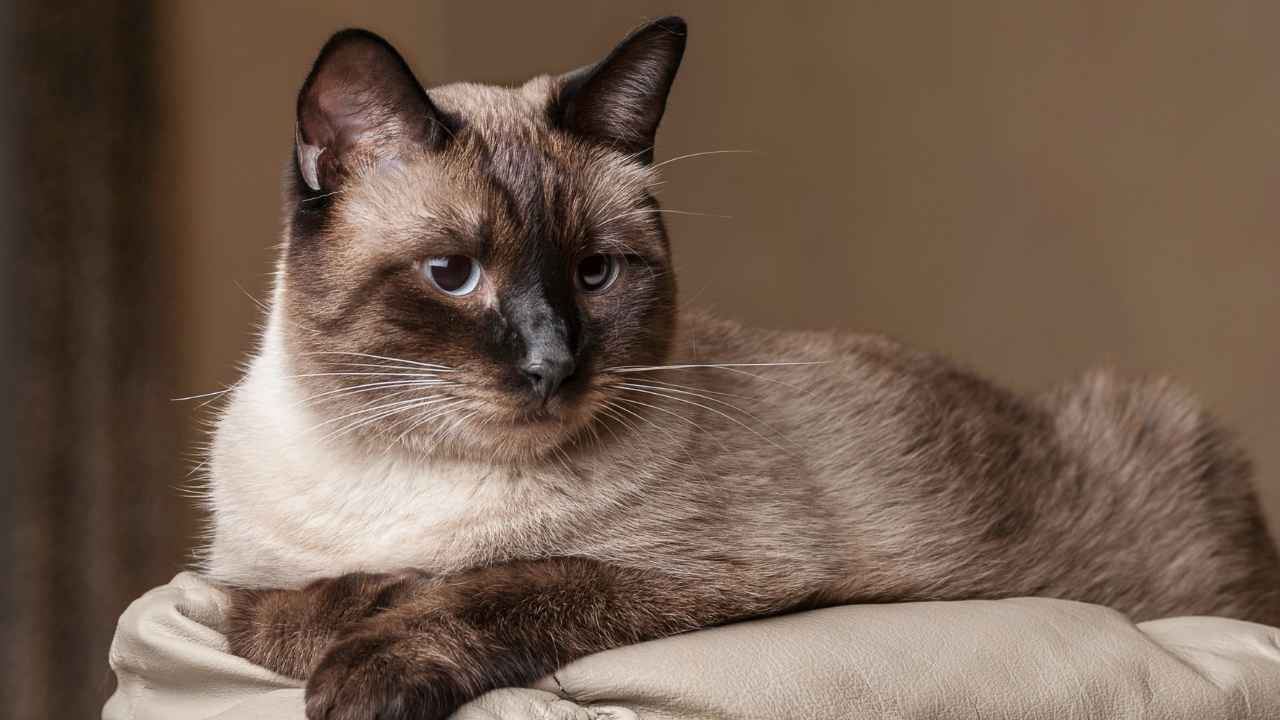
If cats had their reality TV show, the Siamese would be the star—loud, opinionated, and always ready to start some drama.
These sleek, blue-eyed beauties are famous for their vocal nature and strong personalities, but they’re also known for their fiery tempers when things don’t go their way.
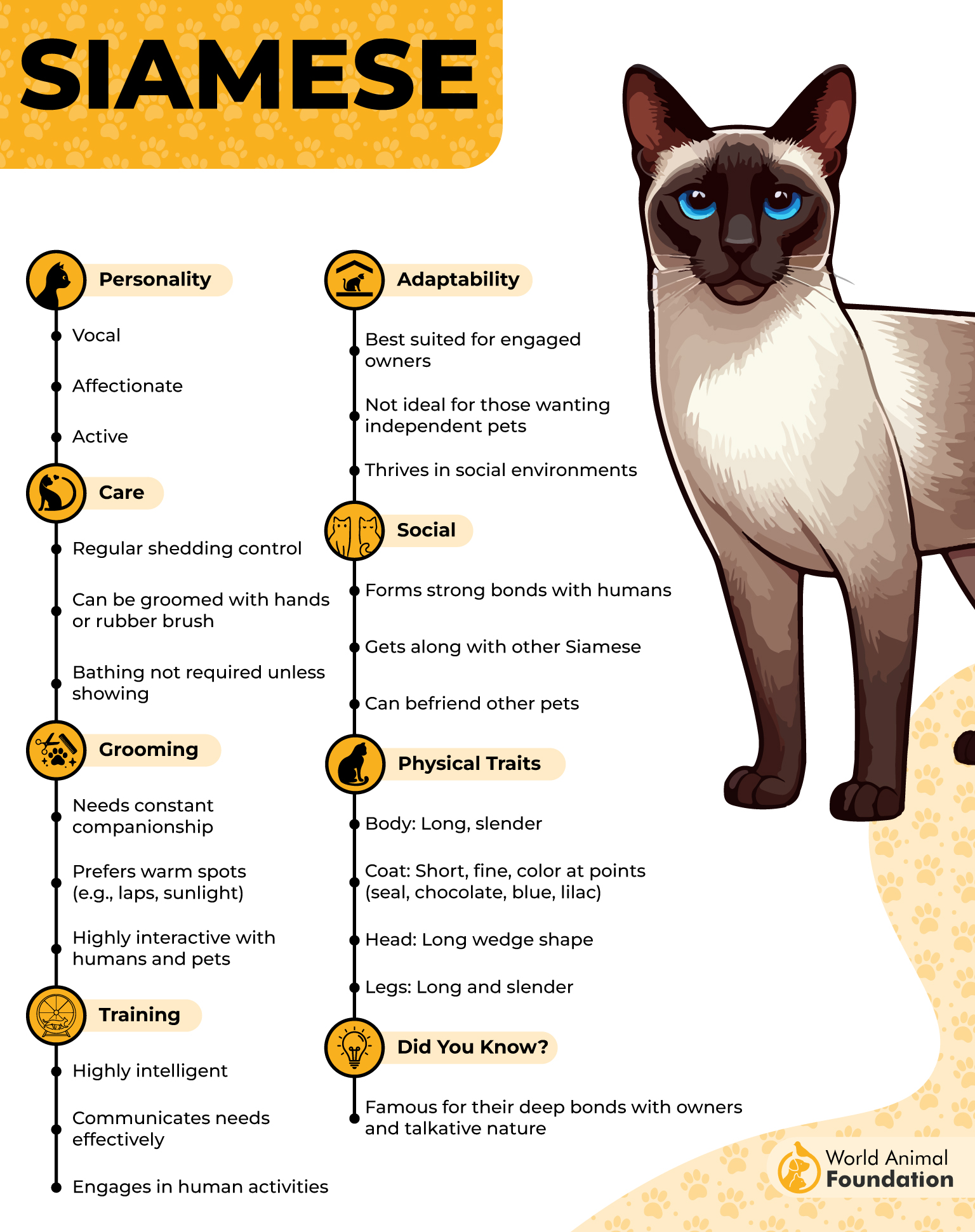
Siamese cats are highly intelligent and extremely loyal, but that loyalty can sometimes turn into territorial aggression. They don’t take kindly to being ignored, and if they feel neglected, they won’t hesitate to let you know—sometimes with a sharp swat or a surprise bite.
The trick to keeping a Siamese happy (and less aggressive)? Plenty of attention, playtime, and mental stimulation. If you’re looking for a laid-back lap cat, this isn’t the breed for you.
But if you want a cat with the sass of a diva and the energy of a toddler on a sugar rush, a Siamese will keep you endlessly entertained (and slightly on edge).
2. Sphynx
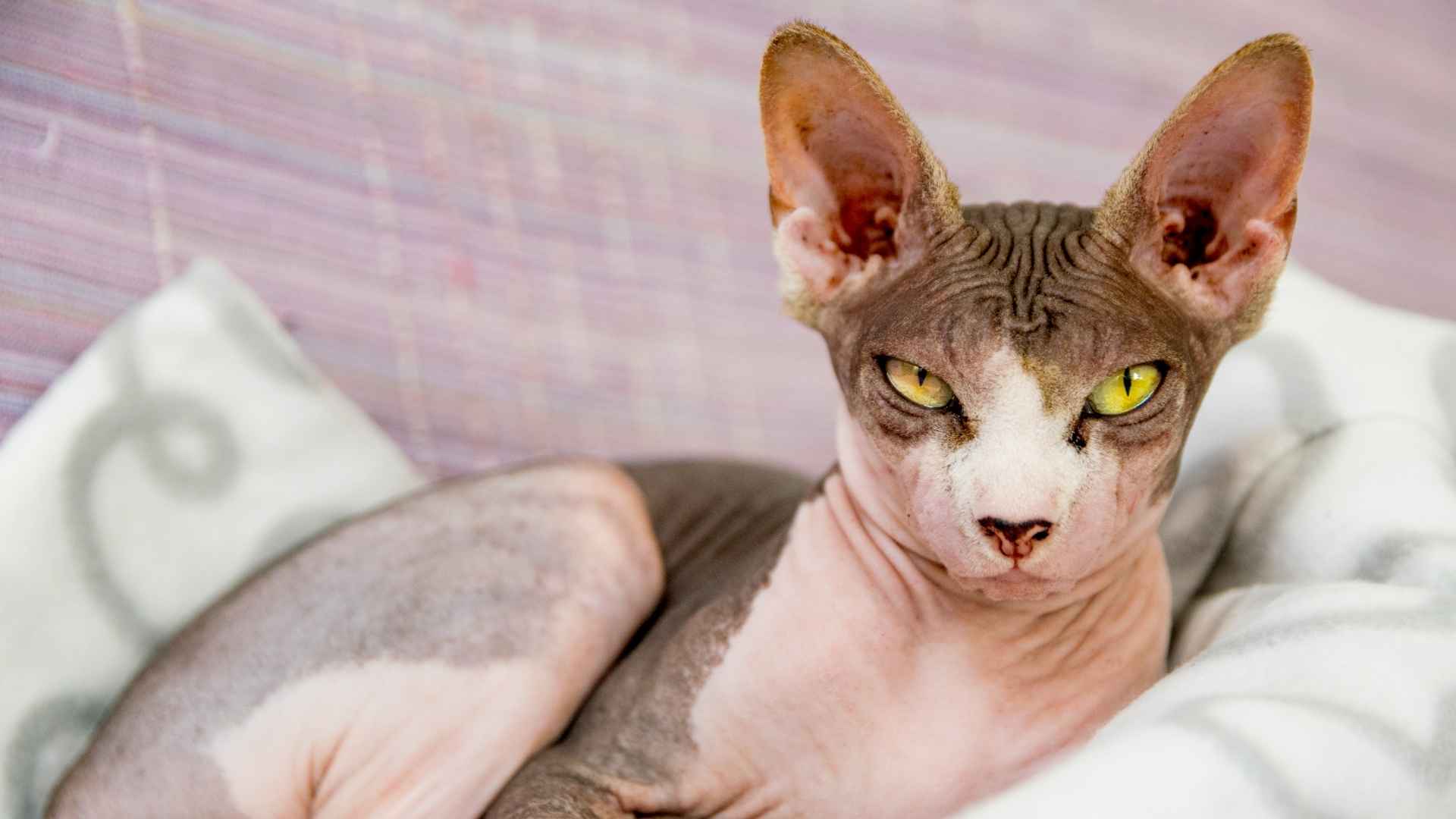
At first glance, the Sphynx—with its wrinkled, hairless body and oversized ears—might not seem like the aggressive type. But don’t be fooled by their naked charm—these cats are feisty, energetic, and sometimes downright demanding.
Unlike other aggressive breeds that lash out due to territorial instincts, Sphynx cats can become nippy or hyperactive when they’re not getting enough attention. These cats hate being alone for a long period and will follow their humans everywhere, demanding love, warmth, and a constant source of entertainment.
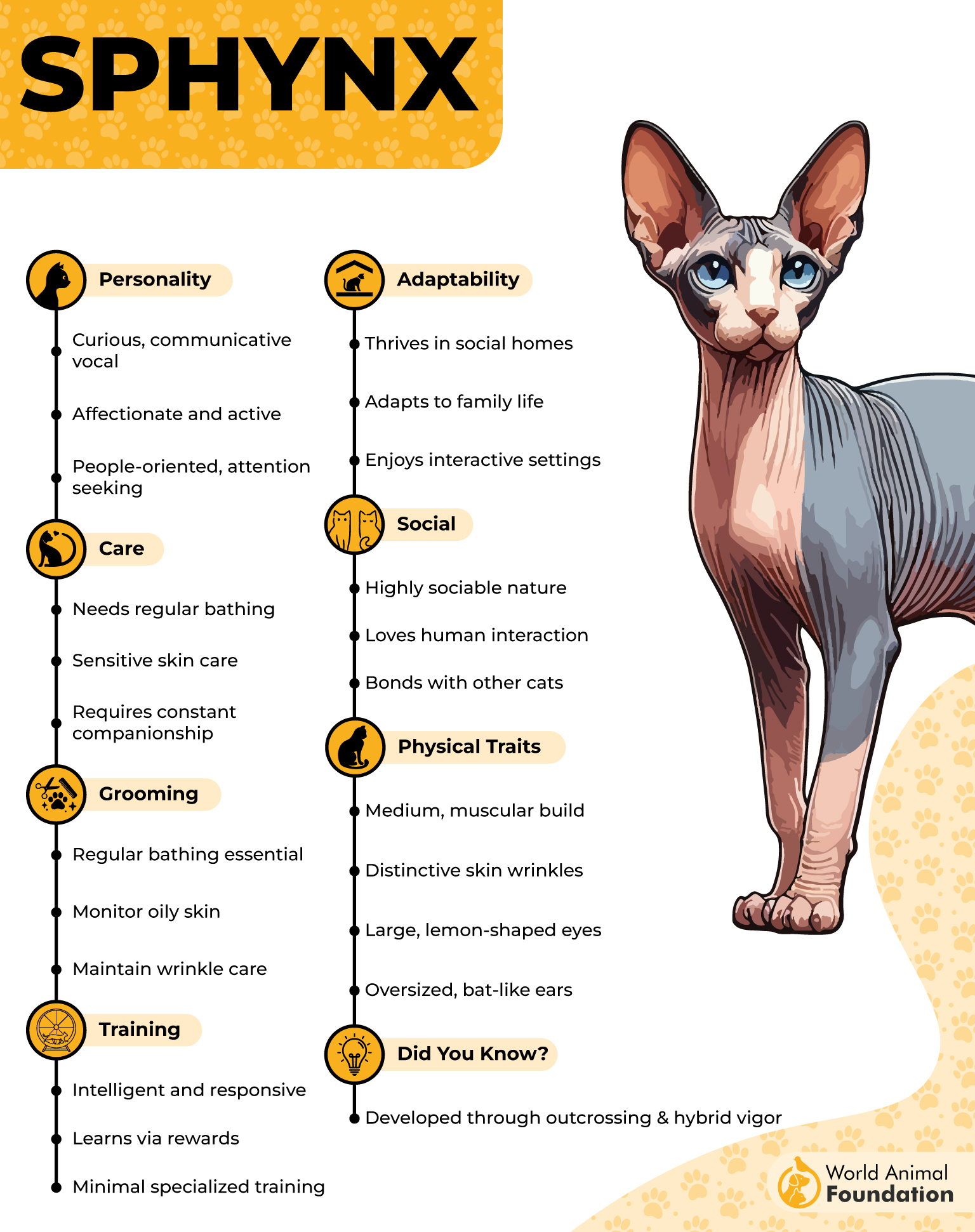
A bored Sphynx is a destructive Sphynx, and its playful nature can sometimes come off as aggressive behavior—biting during play, launching surprise attacks on its owners, or wrestling anything that moves (including your toes at 3 AM).
The best way to manage their behavior? Tons of interaction, toys, and even another pet companion to keep them company. A Sphynx might be needy and sometimes aggressive in their playfulness, but they’re also one of the most affectionate cats around.
If you don’t mind a pet that acts like a hyperactive toddler with claws, they’ll be your best friend (and occasional tiny menace).
3. Bombay Cat
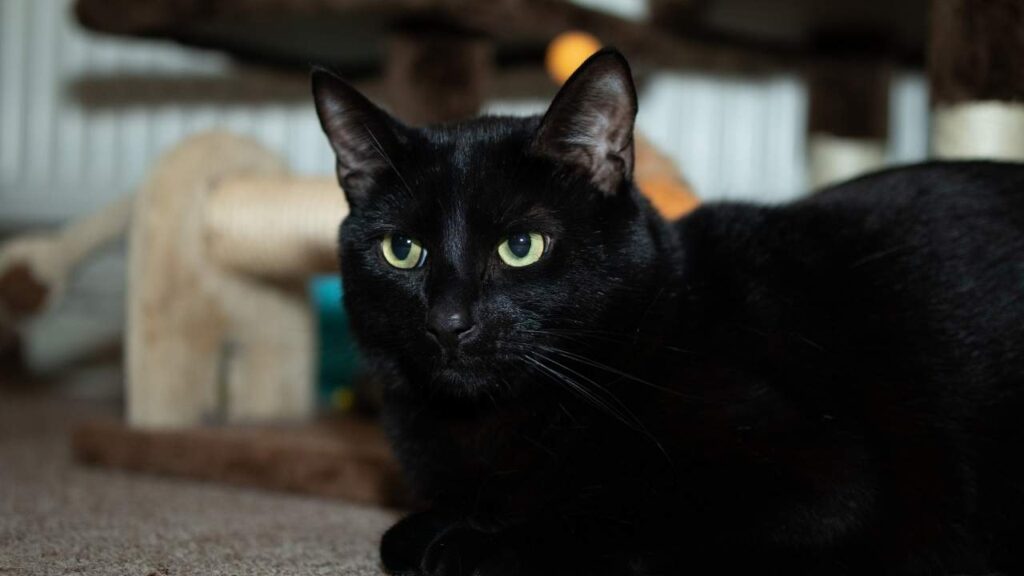
If you’ve ever wanted a pet panther but didn’t have the space (or, you know, a permit), the Bombay cat is your dream feline.
With their sleek, short black coat, piercing copper eyes, and muscular build, they look like they strutted right out of the jungle. But while they may be stunning, they also have a bit of a spicy personality.
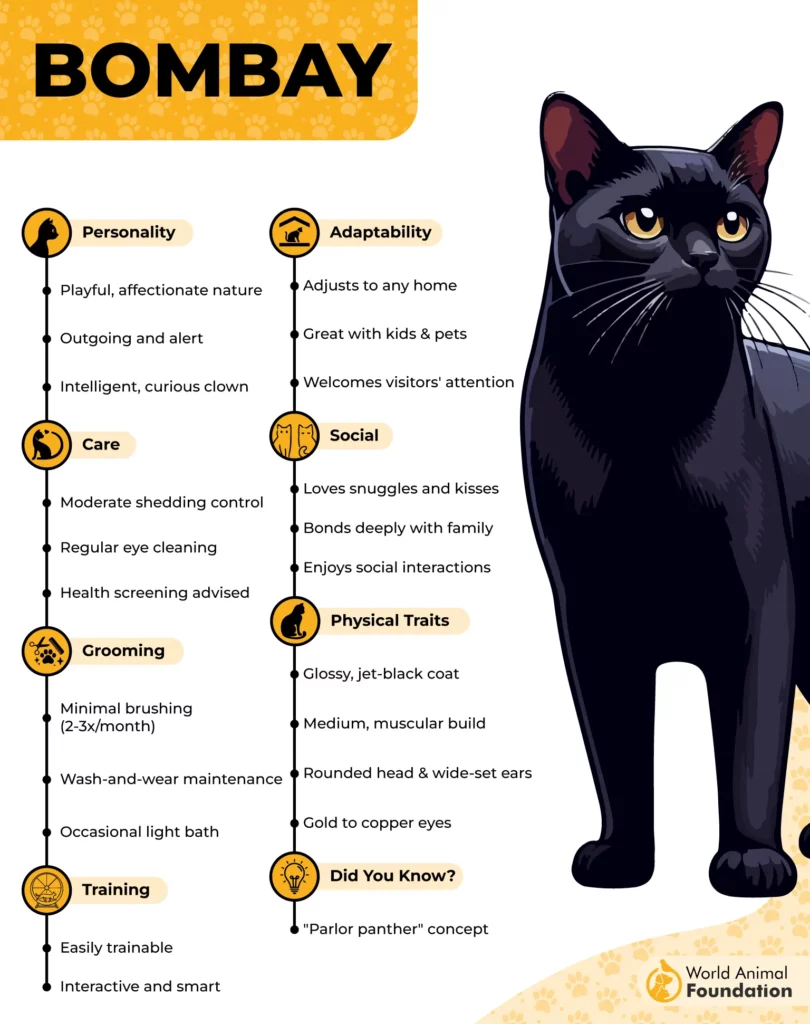
Bombays are highly intelligent, playful, and affectionate, but they can also be possessive and territorial. If they don’t like someone (human or animal), they’ll make it very clear—sometimes with a warning growl or an unexpected swat.
They bond deeply with their humans and hate being ignored, so expect a Bombay to demand attention on their terms.
Neglect them, and you might just find yourself on the receiving end of a dramatic feline protest (or an ambush from under the couch).
4. Bengal
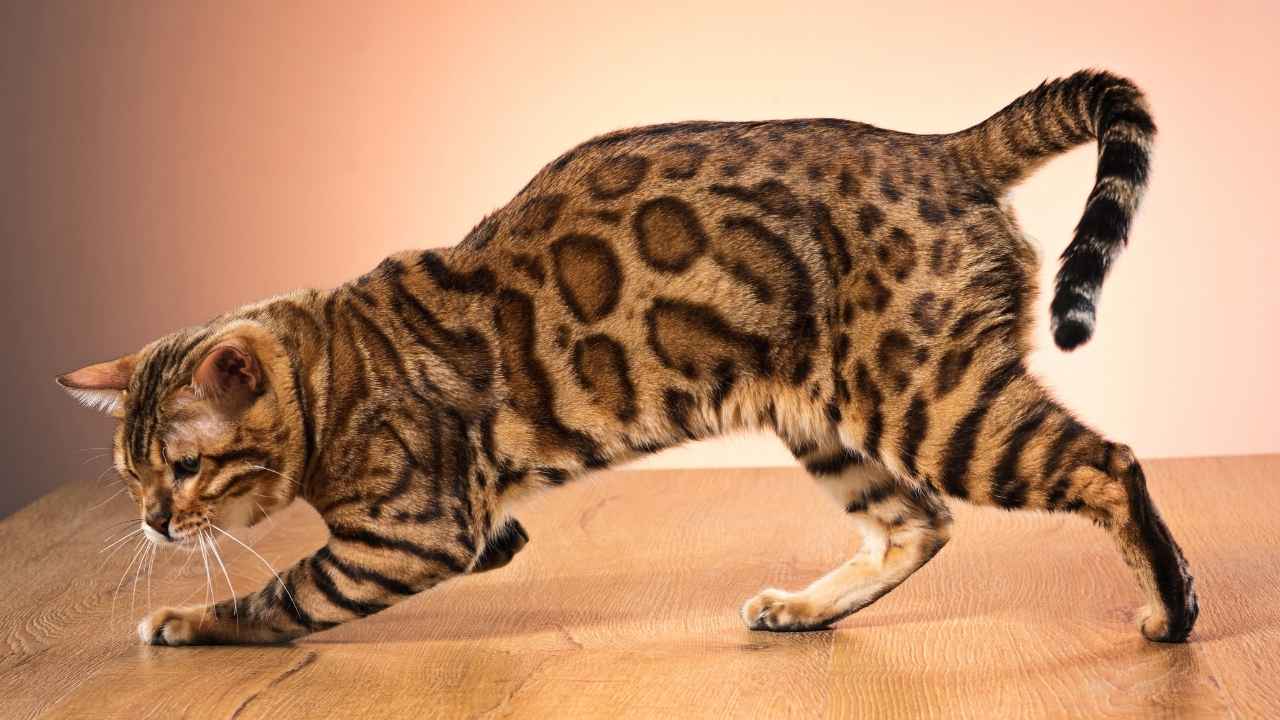
Bengals are the adrenaline junkies of the cat world. With their striking leopard-like coat and endless energy, they are playful, athletic, and… a little bit wild.
Bengals are known for their strong prey drive—they will chase, pounce, and occasionally launch themselves at unsuspecting ankles just for fun.
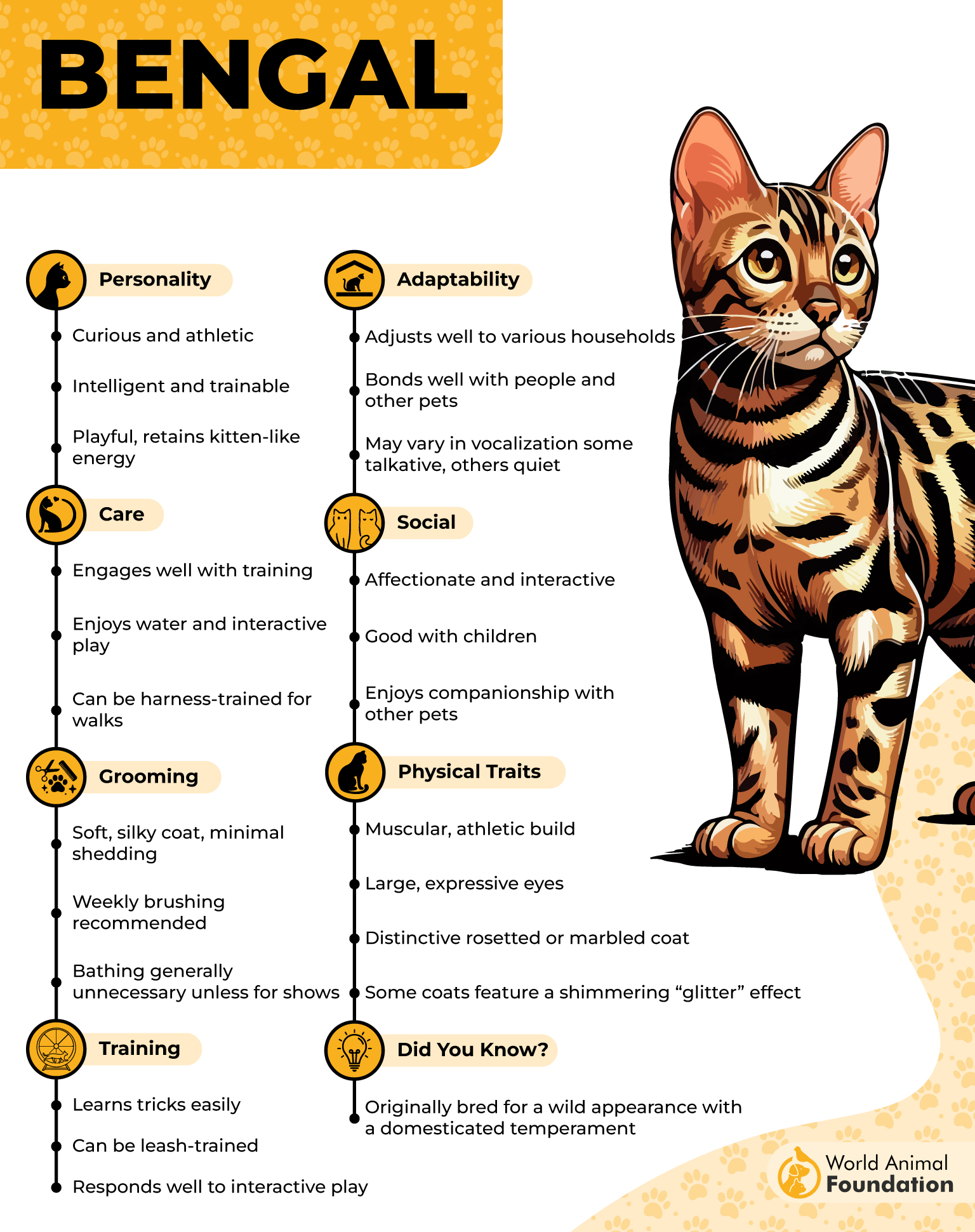
As per PetMD, they may not be the best fit for families with small children, as they generally don’t enjoy being held and have a strong hunting instinct.
While they’re not aggressive in a mean-spirited way, their intense energy and intelligence mean they need constant stimulation. If they get bored, watch out—they’ll climb your furniture, steal your belongings, or “accidentally” knock things off shelves.
Bengals can also be territorial and dominant, so introducing them to other pets needs to be done carefully. If you want a cat that acts like a dog, loves water, and has a mischievous streak, the Bengal is perfect—but be prepared for a high-energy handful.
5. Scottish Fold
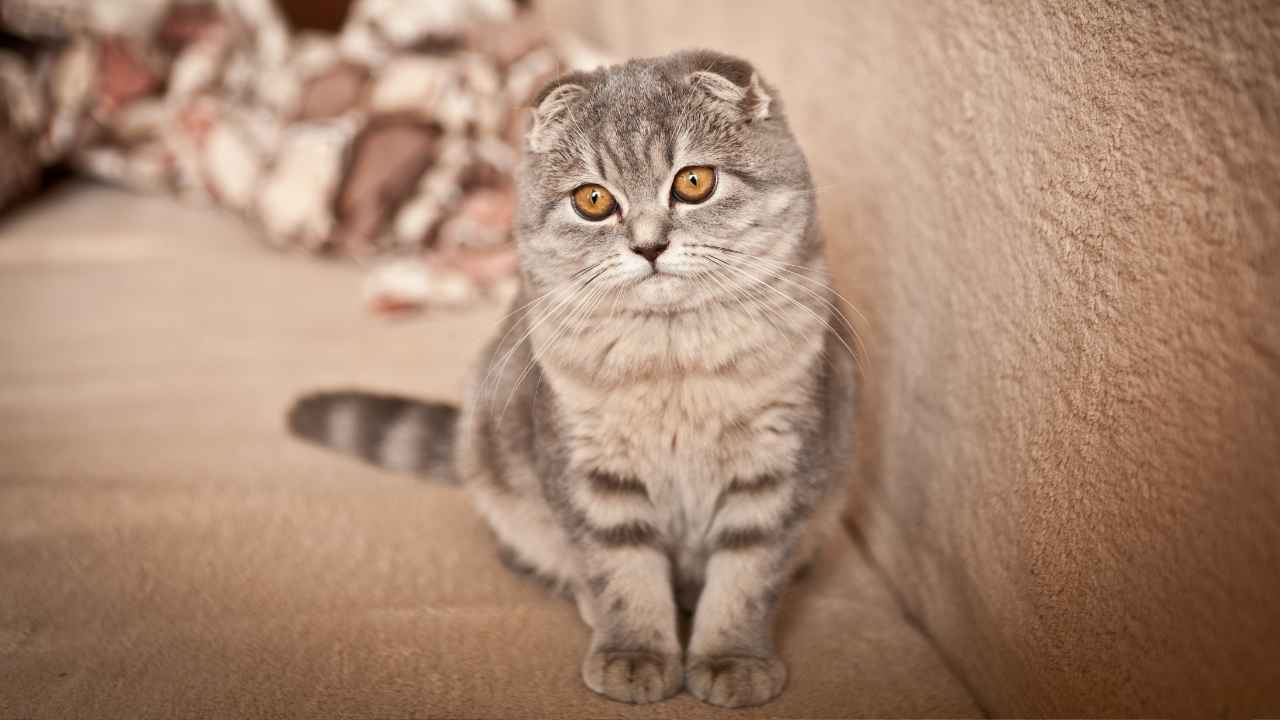
With their adorable folded ears and round, wide-eyed expressions, Scottish Folds look like poster children for innocent charm. But don’t let their cute appearance fool you—these cats can be moody and unpredictable.
While they are generally affectionate, Scottish Folds can also be stubborn and independent, deciding when and how they want attention. If they’re in a bad mood, they might just swat your hand away as a warning.
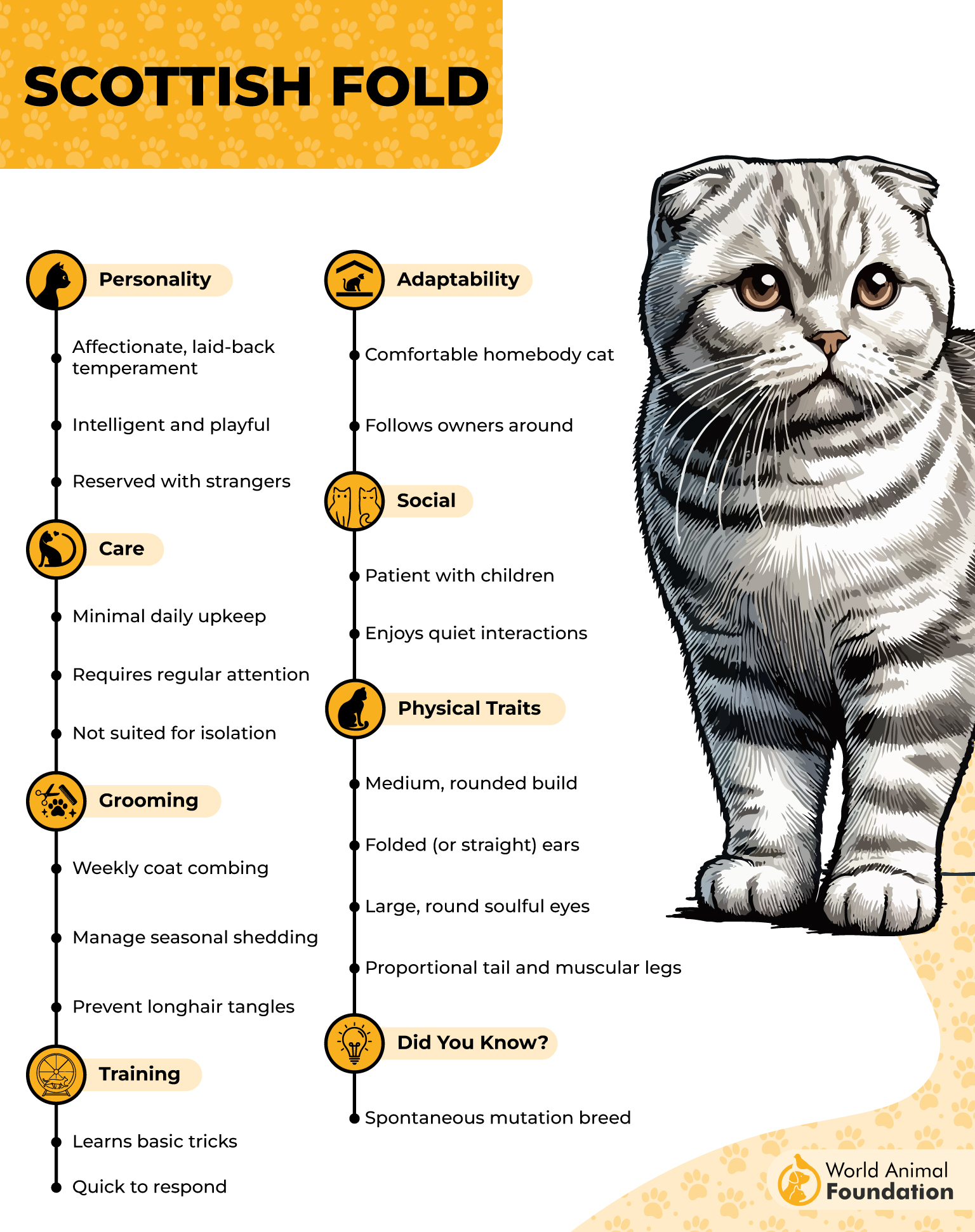
They do not naturally display aggressive behaviors, but if they feel irritated or their personal space is invaded, they won’t hesitate to make their feelings known.
They also tend to be selective about their favorite humans, bonding closely with one person while remaining aloof toward others.
If you want a sweet cat, but with a little sass, the Scottish Fold fits the bill—just don’t assume they’re always in the mood for cuddles.
6. Pixie Bob
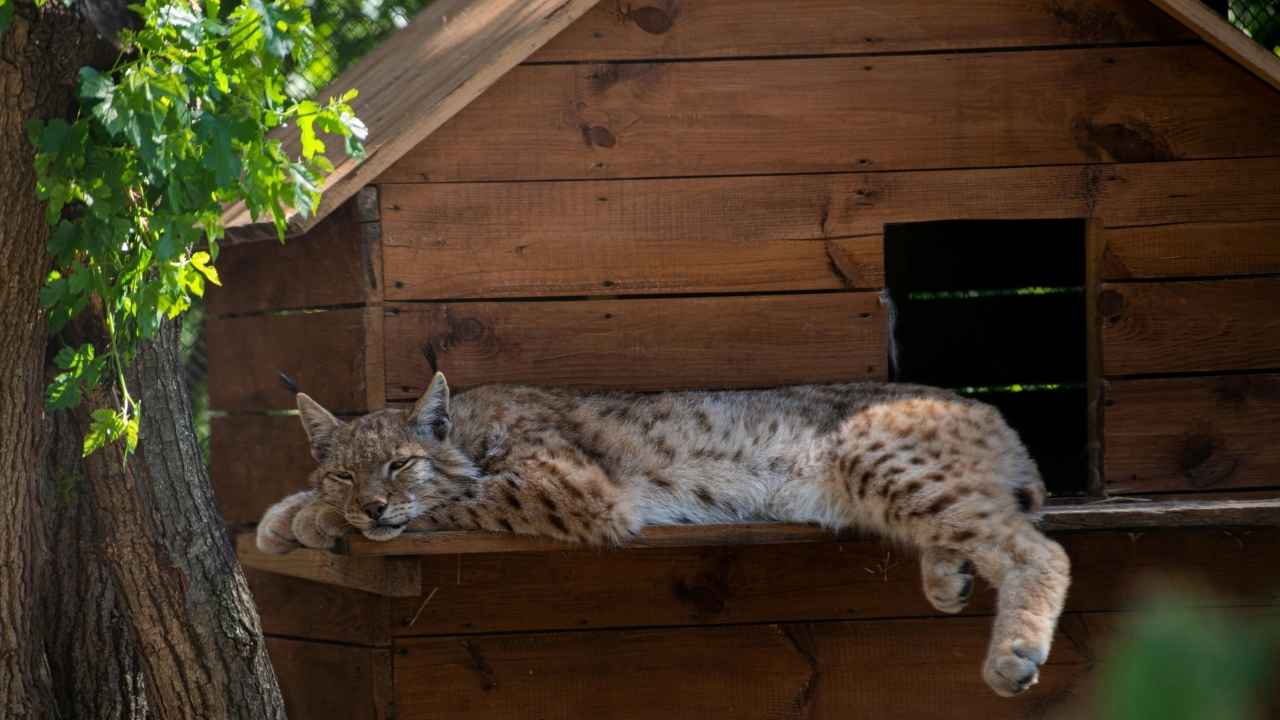
Imagine a tiny bobcat living in your house—that’s the Pixie Bob. With their short, bobbed tails, tufted ears, and muscular build, they look like they belong in the wild.
While they are playful, intelligent, and affectionate, Pixie Bobs also have a strong hunting instinct and a dominant personality.
They can be territorial and bossy, especially if they feel challenged by other pets. While they usually get along with humans, they don’t tolerate being manhandled and may let you know with a firm bite or scratch if they’re not in the mood.
According to PetMD, don’t be intimidated by their wild appearance; Pixiebobs can make wonderful family cats.
They’re also incredibly smart, so don’t be surprised if they figure out how to open doors, steal food, or plot a great escape. If you want a cat with a bold, dog-like personality and a touch of wildness, the Pixie Bob is a perfect choice—but be ready for a cat that calls the shots.
7. Egyptian Mau
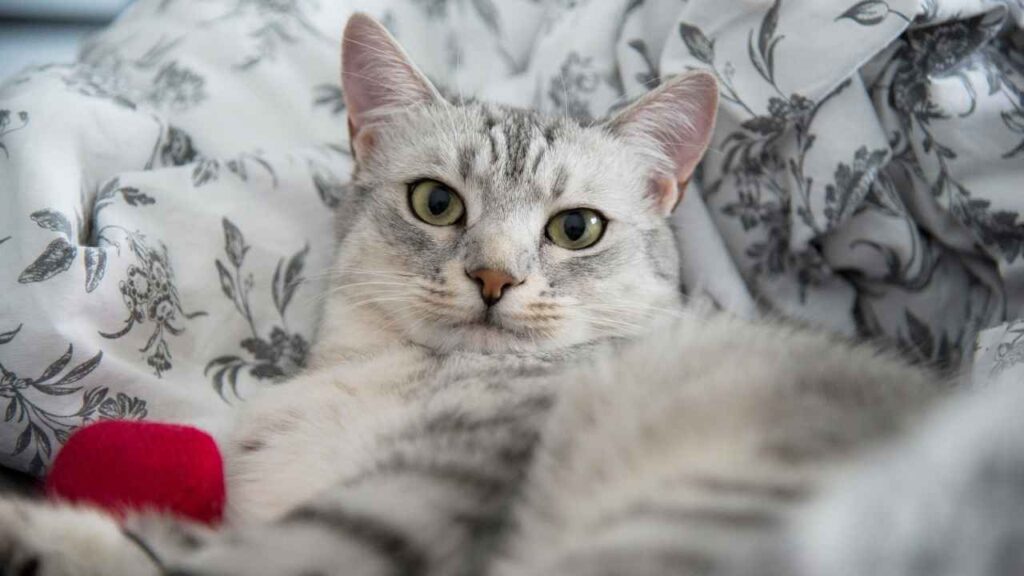
If there were an Olympics for cats, the Egyptian Mau would take home gold in the 100-meter dash. These felines hold the title of the fastest domestic cat, reaching speeds of up to 30 mph!
With their striking spotted coats, gooseberry-green eyes, and elegant build, they look like miniature cheetahs.
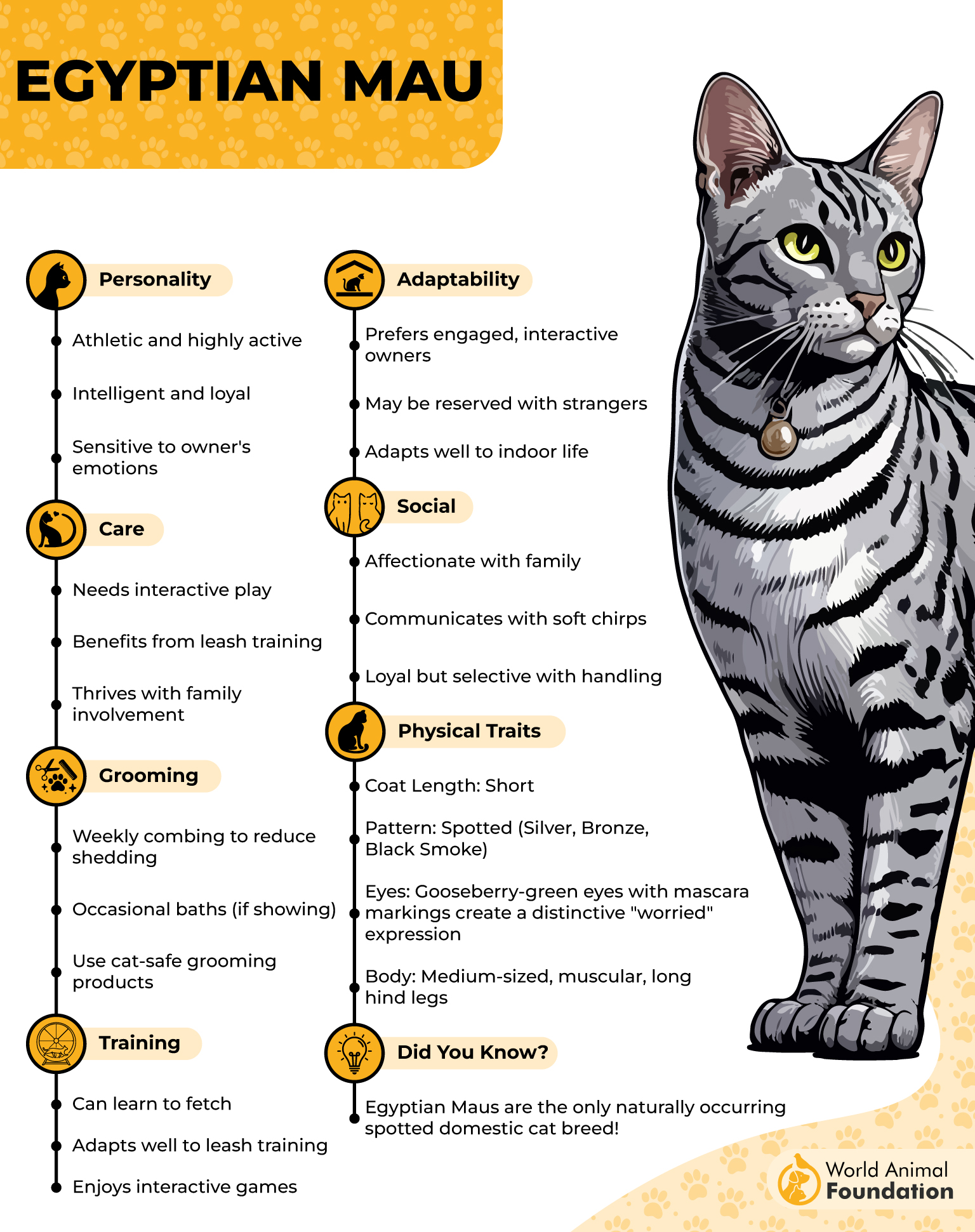
But don’t let their regal Egyptian roots fool you—Maus have a feisty, playful, and sometimes bossy personality. They love to run, jump, and chase anything that moves, so expect them to treat your home like their personal race track.
While affectionate with their humans, they can be cautious around strangers, and if they feel threatened, they won’t hesitate to give a warning swat or take off at lightning speed.
If you want a cat that’s graceful, energetic, and a little bit wild, the Egyptian Mau is a perfect choice—but be prepared to keep up!
8. Singapura
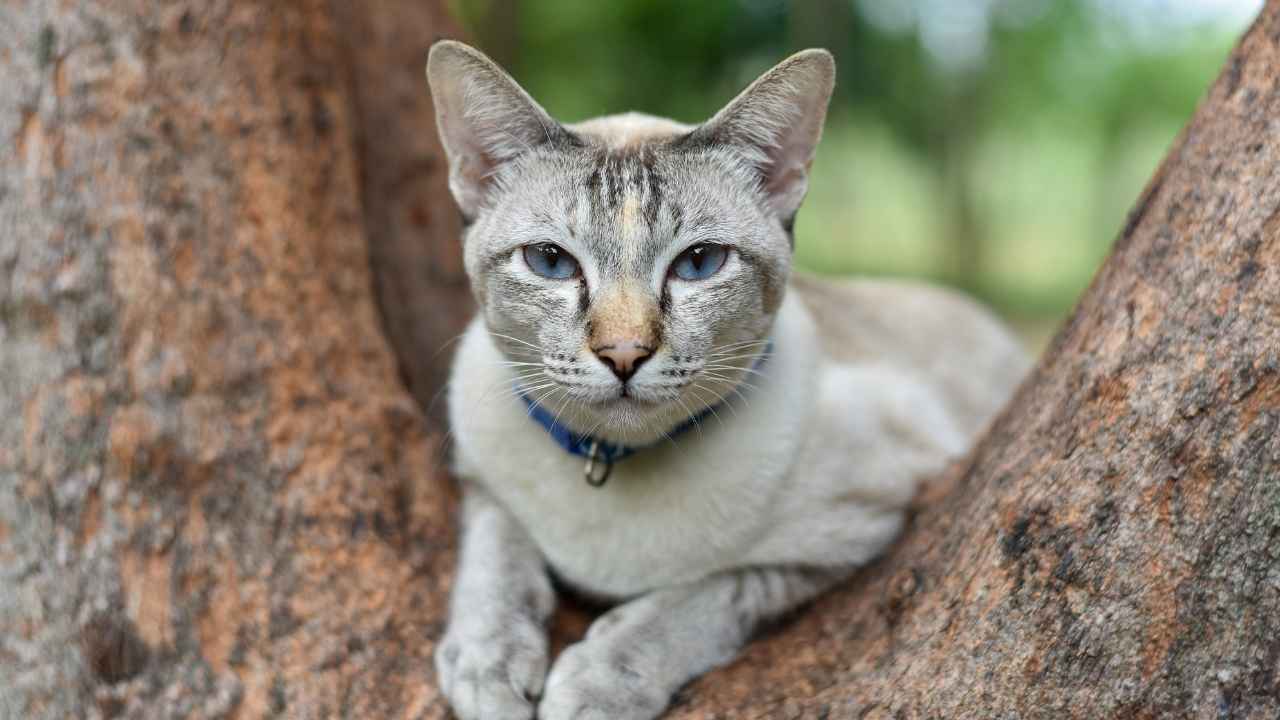
If cats had a “fun-sized” edition, the Singapura would be it. Weighing just 4-8 pounds, they are one of the smallest cat breeds in the world—but don’t let their tiny size fool you!
These little dynamos have huge personalities, endless energy, and a knack for getting into mischief.
Singapuras are known for their big, expressive eyes, sleek ticked coats, and playful nature. They love to climb, explore, and stick their noses into everything, often surprising their owners with their daredevil antics.

They are social, curious, and love being the center of attention, which means they will follow you everywhere—including the bathroom.
If ignored, they’ll find creative (and sometimes destructive) ways to get noticed. Want a cat that’s equal parts adorable and mischievous? A Singapura will keep you entertained 24/7!
9. Turkish Van
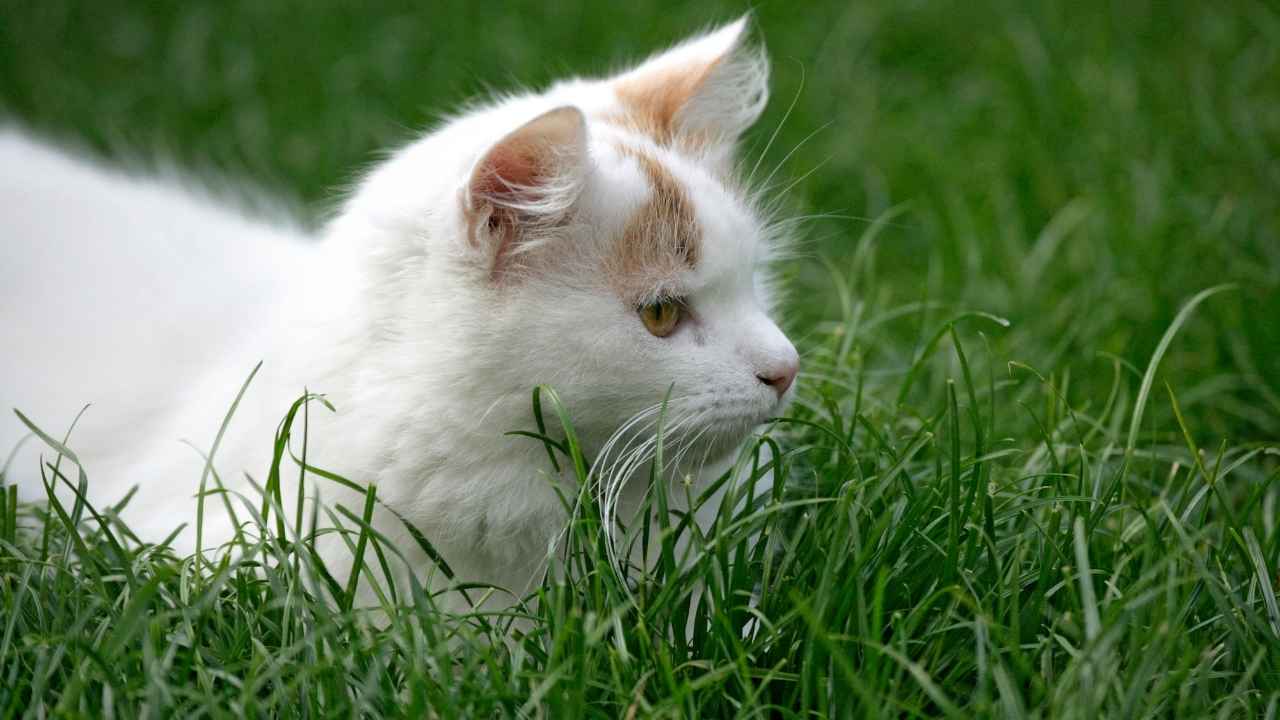
Most cats act like water is liquid lava, but not the Turkish Van! This unique breed is often called the “swimming cat” because of its love for water.
With their semi-long coats, distinctive color pattern (usually white with red or cream patches), and bushy tails, they have an elegant, almost fox-like appearance.
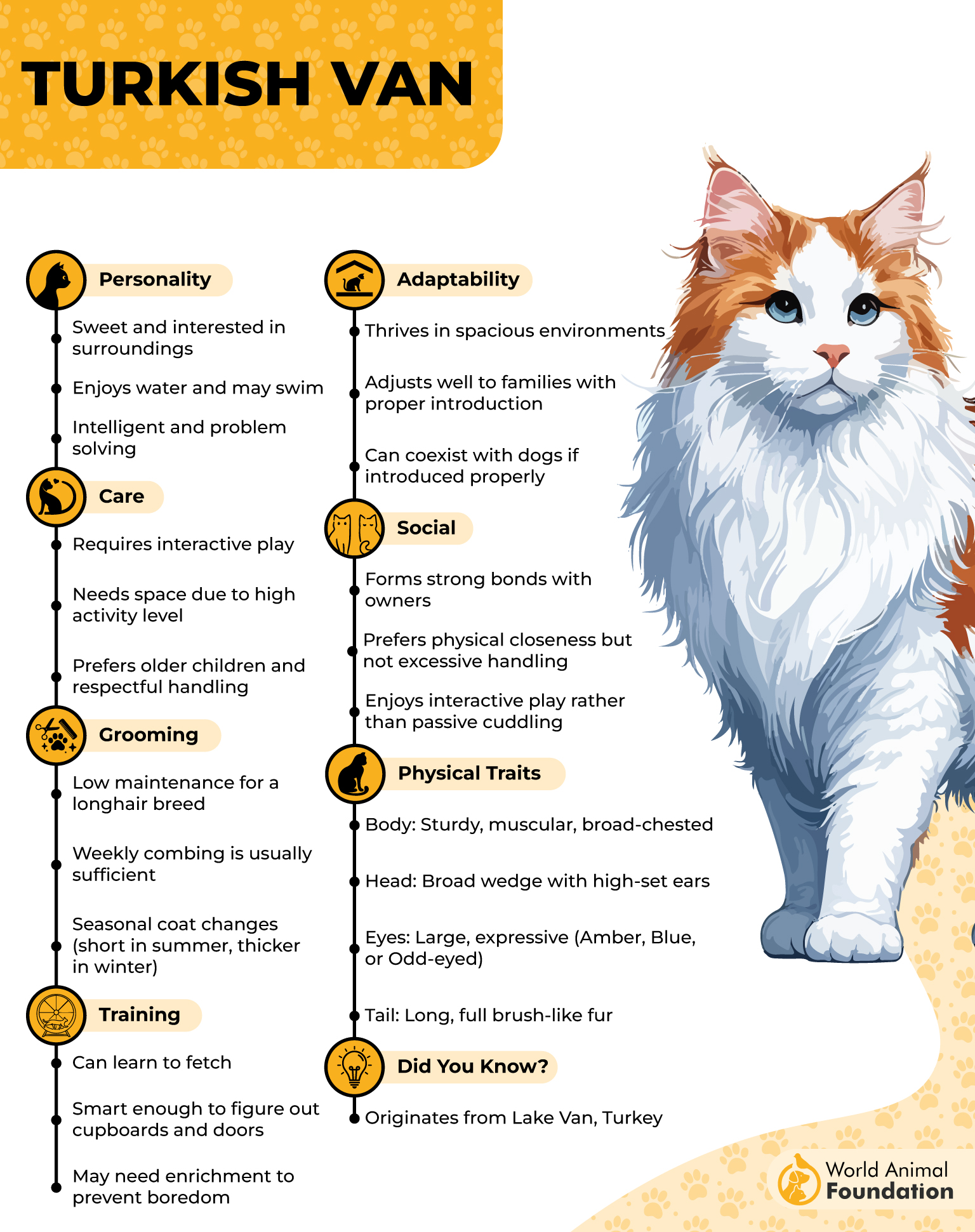
But don’t be fooled by their angelic looks—these big cats are independent, strong-willed, and full of energy. They love to jump to great heights, play rough, and occasionally cause chaos.
According to PetMD, socializing Turkish Van kittens is essential to help them feel at ease with everyone, including other pets and children. It’s important to introduce them to dogs, new people, and other cats at a young age.
Unlike your typical lap cat, these feisty felines prefer to be on the move, and if they’re not given enough stimulation, they’ll find ways to entertain themselves (which may include knocking things off tables just for fun). If you’re looking for a cat that acts like a playful, water-loving rebel, the Turkish Van is the perfect fit!
Conclusion
While most cat breeds can be loving and affectionate, some are known to display aggression more frequently than others. Cat aggression can stem from various factors, including pain-induced aggression, maternal aggression in a mother cat, and play aggression seen in energetic felines. Even properly socialized cats may show territorial behavior, especially if they are the only cat in the household.
Certain purebred cats, such as Bengals, Siamese, and Savannahs, are more prone to assertive cat behavior due to their high energy levels and strong instincts, traits often found in wild cats. Female cats with kittens can also become protective, leading to temporary aggression. While most cats are not naturally aggressive, understanding their triggers and socializing them properly can help reduce unwanted behaviors. Living harmoniously with other cats and humans requires patience, training, and a deep understanding of feline instincts.
