




Birds have an astonishing ability to adapt to winter’s harshest conditions, often in ways we’re only beginning to understand. While humans brace themselves against icy winds and freezing temperatures, many birds simply adjust their routines and carry on.
They use a mix of instinct, biology, and environmental cues to stay active, find food, and conserve energy. Researchers have even discovered that some birds can detect subtle drops in barometric pressure, allowing them to anticipate storms hours before they arrive—an impressive survival skill that puts them a step ahead of the weather.
This article takes a closer look at the birds truly built for winter. They don’t just tolerate the cold—they thrive in it, relying on remarkable instincts, thick plumage, and behaviors designed for survival.
Key Takeaways
Meet winter’s toughest birds—from Snowy Owls to Chickadees—owning the cold like pros.
See how Red Crossbills and Snow Buntings use clever tricks to survive icy winters.
Discover how Bald Eagles stay strong and thrive when others retreat.
Catch wild winter scenes—from huge Longspur flocks to the bright flash of a Northern Cardinal.
Birds Known for Their Ability to Survive in the Cold
1. Snowy Owl
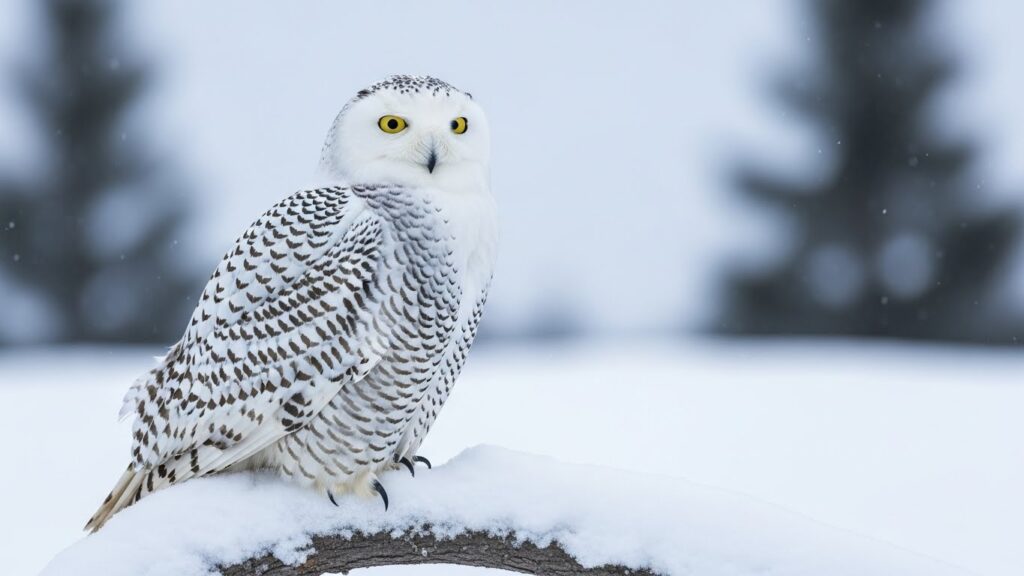
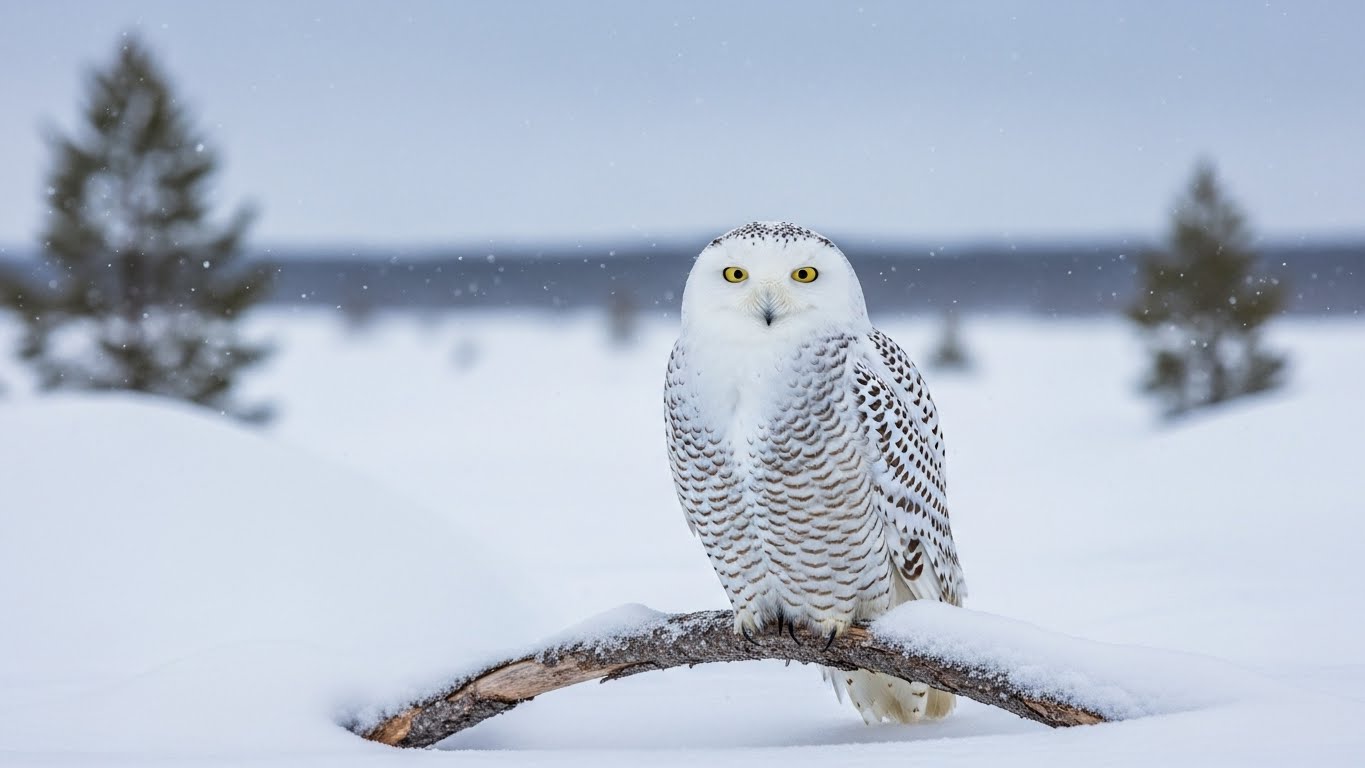
Snowy owls live in cold places. They breed in the tundra and often wander south in winter. They hunt rodents and small mammals. These owls are built for glare and snow.
Scientists note they sometimes show up far from home when prey shifts. Their piercing yellow eyes scan wide open spaces like icy kingdoms, always alert for a meal.
Why do they rock the cold?
Thick plumage keeps them warm.
White feathers help with camouflage on snow.
They can travel long distances when food runs low.
They help control rodent populations near farms and barns. Their feathers cover even their legs and feet, which is perfect for freezing environments. These owls are tough survivors built to handle harsh winters without missing a beat.
These owls are easy to spot in winter fields. They perch low and scan like little white sentinels. Watch quietly and don’t disturb. Their winter visits are a gift to birders and a reminder that cold-adapted species are tough and clever. Their silent flight is almost magical against the snowy backdrop.
2. Northern Cardinal
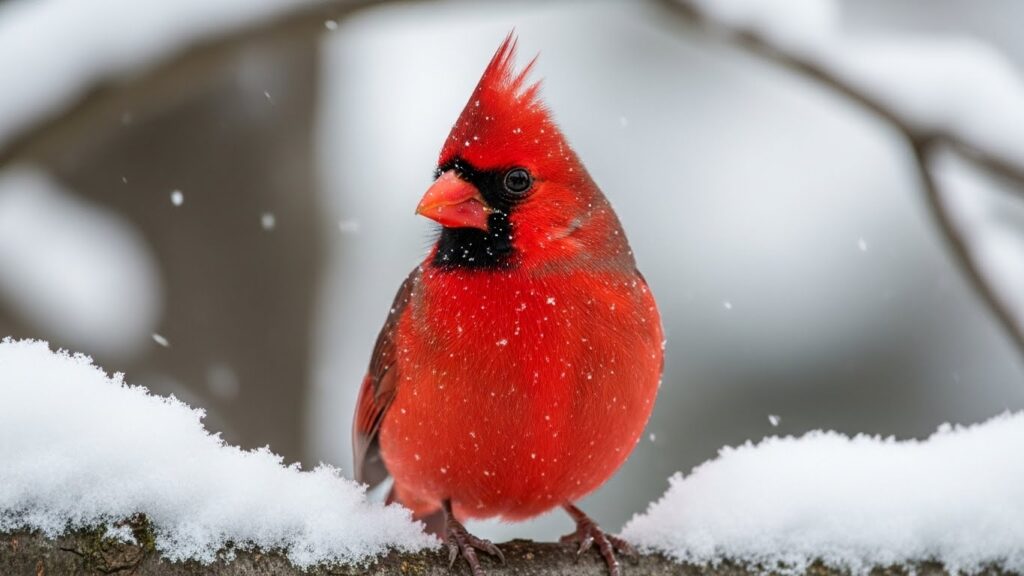
The northern cardinal stays put in winter. Males wear that famous red. Females are softer and subtle. They visit feeders often. Cardinals don’t migrate, according to the American Bird Conservancy.
They rely on seeds and berries to get through the cold. Their bright color stands out like a beacon when the world turns gray, adding a splash of cheer to winter days.
Winter survival kit
Bold seed diet.
Feeder-friendly habits.
Territorial and hardy.
Their color is an instant mood boost on gray days. Cardinals also help control overwintering insects. They tuck into bark crevices and take whatever snacks they can find. This means they play a small but important role in keeping garden pests in check, even when it’s freezing outside.
Cardinals are territorial little warriors who protect their space with loud calls and swift flights. They fluff their thick feathers to trap body heat and can survive winter storms by seeking shelter in dense shrubs or brush piles.
3. Red Crossbill
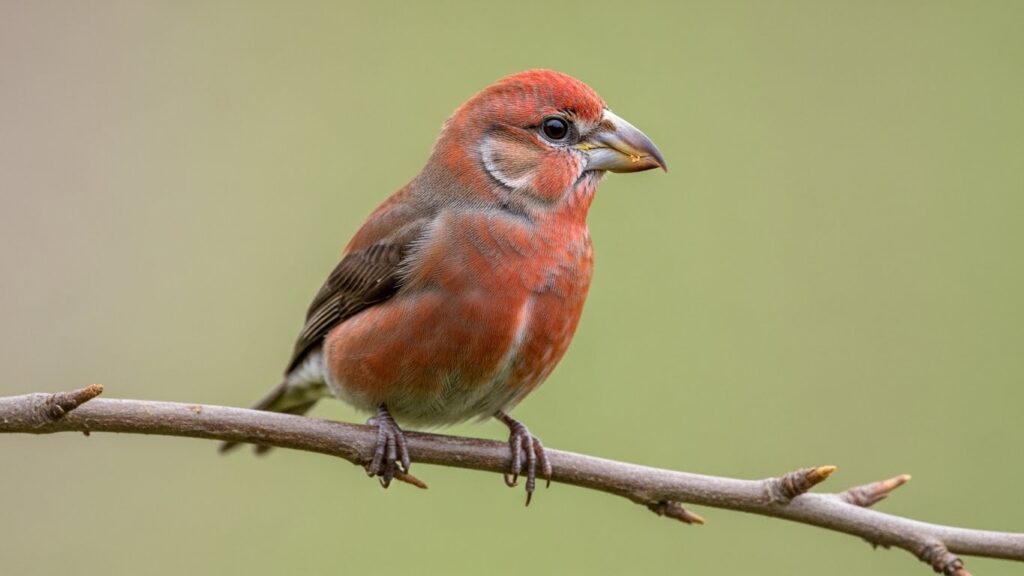
Red crossbills show up where conifers rule. Their bill is uniquely crossed. They use it to pry seeds from cones. Some groups even have different call types.
These birds stick around in winter where cones are plentiful. They are the locksmiths of the pine forests, unlocking nature’s secret snack stash no matter the season.
Cold-weather superpowers
Specialized bill for cone foraging.
Flocks move where food is best.
Can stay year-round if cones hold out.
Different call types mean small groups are adapted to different trees. Nature’s little specialists. Their clever bill shape gives them an advantage when seeds are locked tight in cones, especially in snowy forests where other food is scarce.
When trees drop seed, crossbills show up like tiny locksmiths. They keep working through snow and ice. If you love quirky bills and clever foragers, these are your birds. Their flocking behavior also helps them find the best patches of food during brutal cold snaps.
4. Snow Bunting
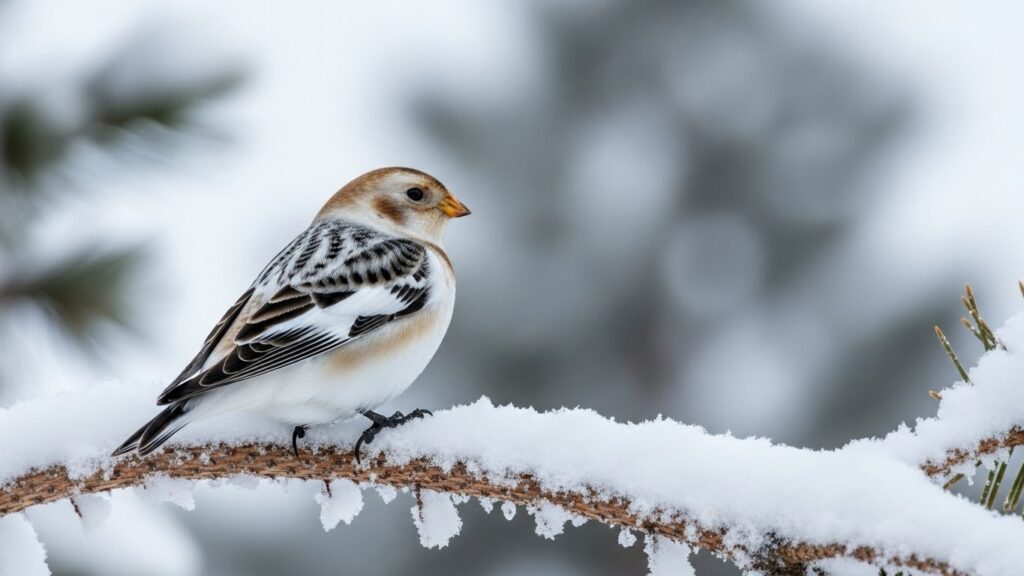
Snow buntings breed high in the Arctic. In winter, they migrate south into open fields. They travel in flocks and forage on the ground. Males rub their feathers on snow to prep breeding plumage.
Yep—snow baths. These little snow lovers are perfectly suited to life in icy places, and their behavior is both fascinating and practical.
What makes them winter champs
Flock behavior keeps them safe and efficient.
Ground foragers that find seeds even in snow.
Seasonal plumage tricks for the mating season.
Here’s the good part: they turn brownish summer feathers into striking black-and-white breeding plumage by rubbing off tips on snow. Weirdly cool. Their thick feathers keep them insulated, and they can survive temperatures that would make many birds shiver.
Seeing a flock of snow buntings is pure winter joy. They look tiny against the big snowy fields. But they are survivors with neat habits tuned to cold life. Their ability to burrow slightly in snow to find seeds shows how resourceful they really are.
5. Bald Eagle

Bald eagles don’t hibernate. They gather where water stays open in winter. They fish, of course. They also scavenge, and when food is scarce, they clean up carrion, as stated by Cornell Lab.
Their population has bounced back in recent decades, making these giants a proud symbol of strength and survival.
Eagle winter moves
Hunt at open water edges.
Scavenge to stretch food options.
Gather in small groups near good fishing spots.
But why bother with that? Because they keep ecosystems tidy and show up where nature still offers meals. Their thick feathers and large size help them conserve body heat, while their feathered legs protect against freezing temperatures.
In winter, look for them perched high or cruising river corridors. They are dramatic, practical, and surprisingly adaptable to cold conditions. A true winter icon. Their keen eyesight helps them spot prey even through icy air and snow.
6. Lapland Longspur
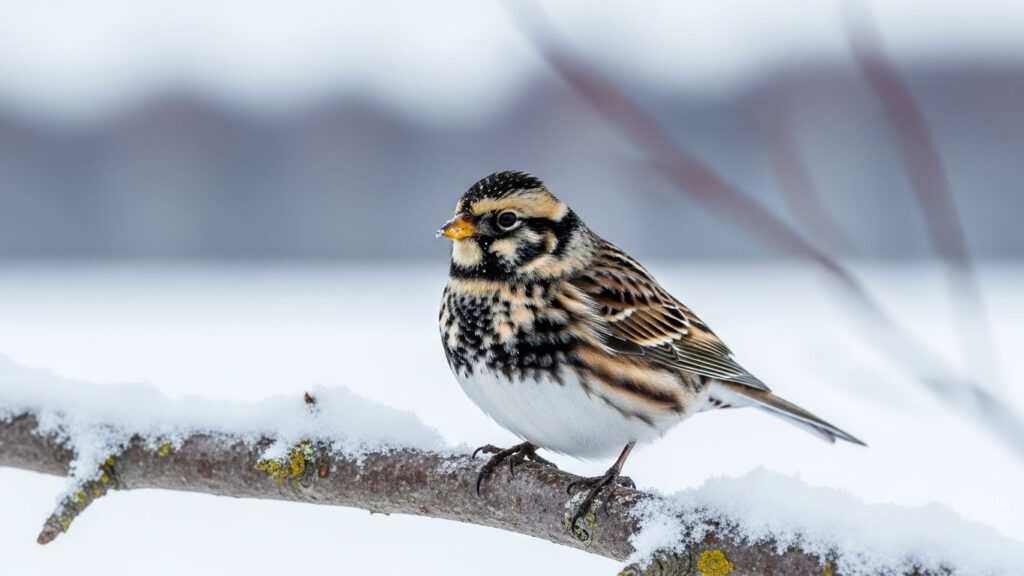
Lapland longspurs breed in the high Arctic. Winters find them in big flocks on northern fields. Some flocks number in the millions. Males have showy markings; females are stealthier. They probe seeds in open ground. These tiny birds know how to turn the coldest fields into bustling bird cities.
Longspur traits that beat the chill
Huge flocking behavior for safety.
Ground feeding in open winter landscapes.
Longspurs get their name from a distinctive hind claw.
And here’s the best part! Their huge flocks are a pure birding spectacle. Imagine that—millions of tiny birds in snowy fields. Their tight groups help reduce energy loss and protect against predators during extreme cold.
These birds are shy but super social. They turn bleak fields into noisy clusters of motion. If you find them, you’ll remember it. Their presence reminds us how even the smallest birds have big survival skills.
7. Black-Capped Chickadee
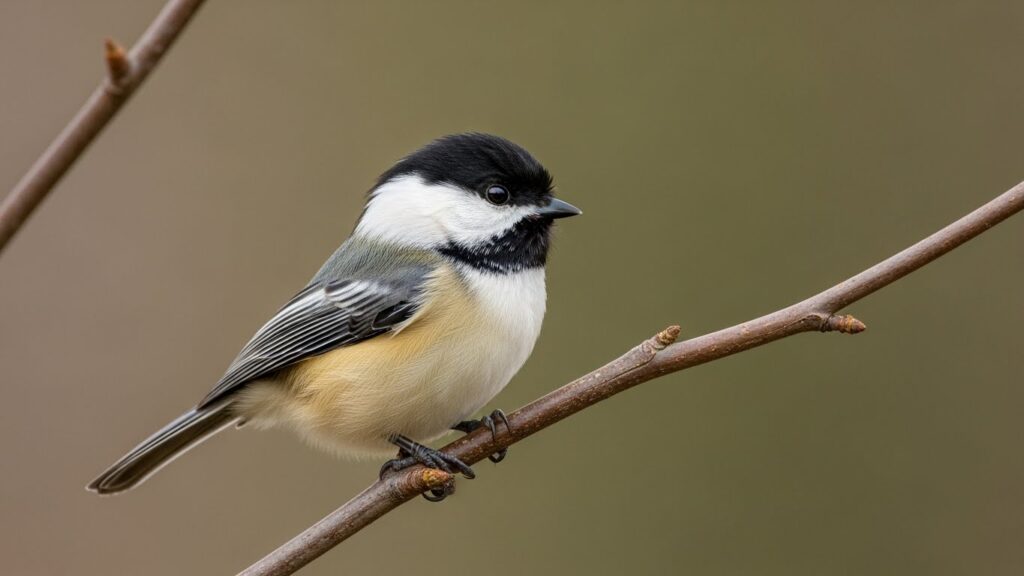
Black-capped chickadees don’t fuss about cold. They fluff up and stash food. They hide seeds in crevices of bark and are able to remember these locations for as long as a month, as mentioned by All About Bird.
They sing their friendly “chick-a-dee” call all winter. They’re regular at feeders and love suet and sunflower seeds. These tiny birds pack serious survival skills into their small bodies.
Chickadee cheat codes
Cache food for cold days.
Tight flocks for warmth and info sharing.
Bold feeder visitors that brighten gray mornings.
Sounds simple, right? But smart caching and social life make them true cold-climate champs. They can lower their body temperature slightly at night to save energy, then warm back up at dawn—talk about a tiny superpower.
These little birds are more than cute faces. They help control pests and keep backyard life lively in winter. Toss a few seeds and watch the magic. You’ll be hooked. Their cheerful calls are a warm reminder that winter isn’t so bad after all.
Conclusion
Winter can look tough, but many bird species handle it with calm confidence. They use smart behavioral strategies and tiny shifts in body temperature to stay warm when cold temperatures roll in. Some small birds even rely on down feathers and fat reserves to hold body heat when the wind bites.
Others use clever tricks like tucking one leg up or landing on tree branches to reduce heat loss. Every little move helps birds survive extreme cold in ways that still surprise us.
What makes winter birds so fun to watch is how well adapted they are to cold environments. Some store food, some use snow burrowing, and some—like sea ducks and Canada geese—use counter-current heat exchange in their legs and feet to avoid freezing.
Many species fly south, but not all need to leave their breeding grounds. A few even raise their metabolic rate to get more energy from food like seeds or insects. It’s a simple reminder that birds around the world have their own quiet strength, and we get a front-row seat every winter.
