




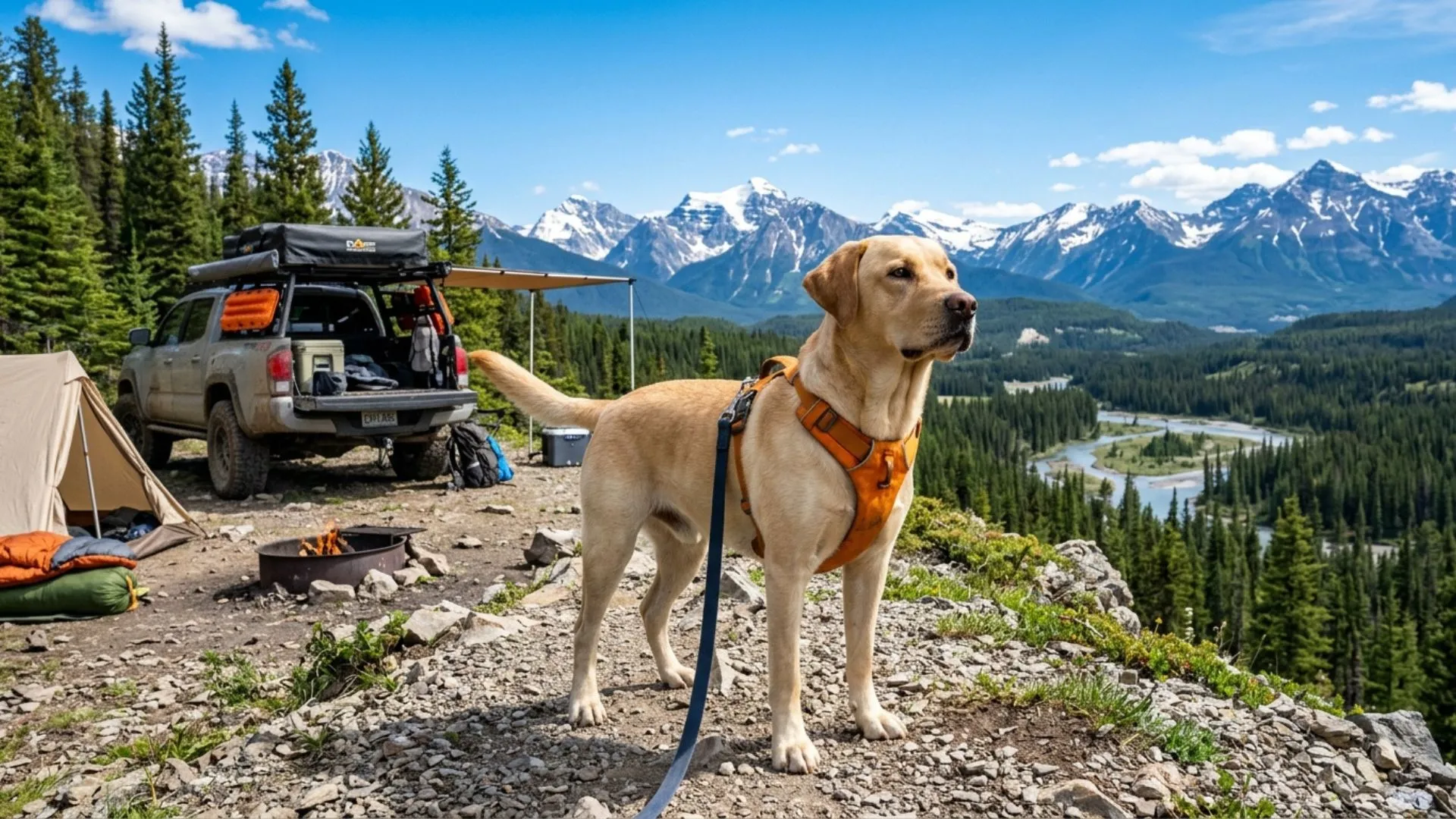
Off-road camping sounds exciting until the reality of it starts setting in. Long drives through uneven trails, cold mornings outside the tent, unfamiliar sounds after dark, and hours spent far from crowded places demand more from a dog than ordinary daily life ever does.
Some dogs struggle once comfort disappears, while others seem completely at ease beside the fire, inside rough terrain, and deep into isolated campsites where routines constantly change. That difference matters more than most people expect because camping companions are not simply there for company.
They become part of the entire experience, from late-night walks around the campsite to early morning hikes through difficult ground. A loyal dog that stays close, adapts quickly, and remains dependable outdoors can completely change how safe and enjoyable these trips feel.
This article presents the dog breeds known for handling rugged camping life with loyalty, endurance, and a calm presence outdoors.
Key Takeaways
Weekend camping gets very different once the trail turns rough, the temperature drops, and your dog has to handle more than a quick backyard walk.
Australian Cattle Dogs stay locked into every movement around camp, while German Shorthaired Pointers keep pushing forward through long hikes without slowing down.
Labrador Retrievers and Vizslas bring a different kind of comfort outdoors, staying close through muddy trails, lakeside mornings, and long hours beside the fire.
Somewhere in this list is the kind of camping companion that makes off-road weekends feel safer, calmer, and far more memorable.
Loyal Dog Breeds Built for Off‑Road Camping Excursions
1. Australian Cattle Dog
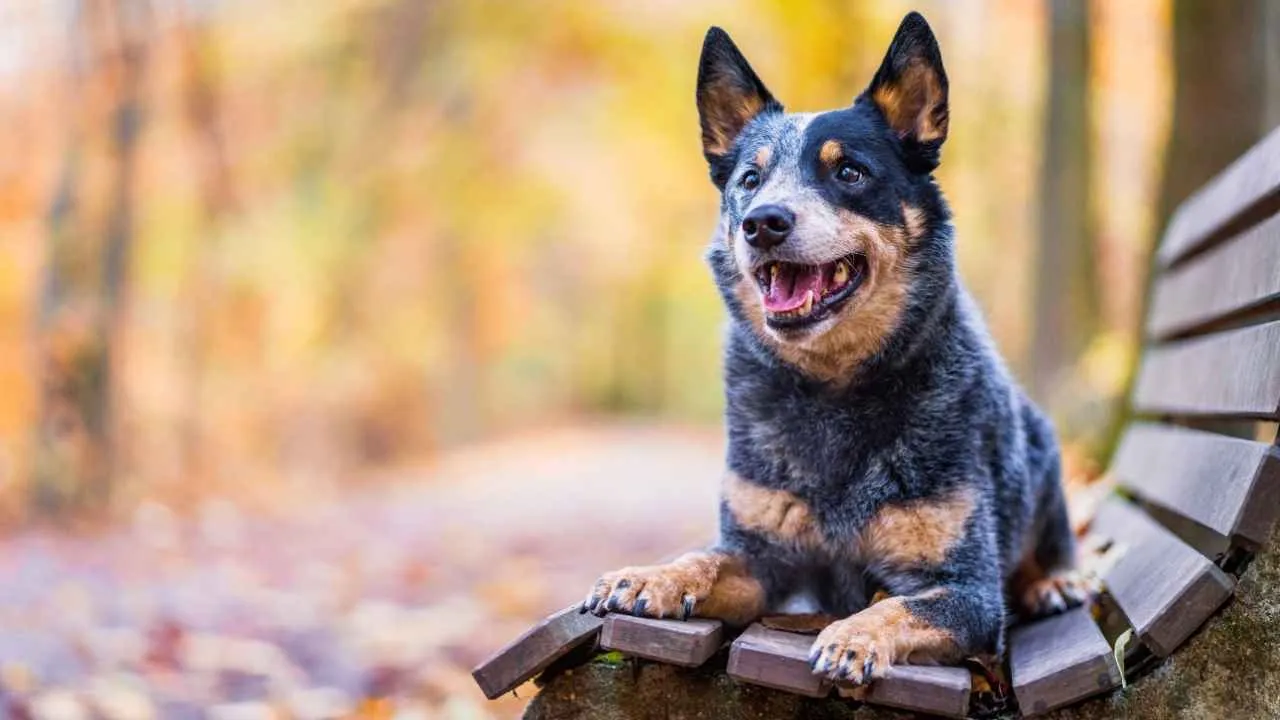
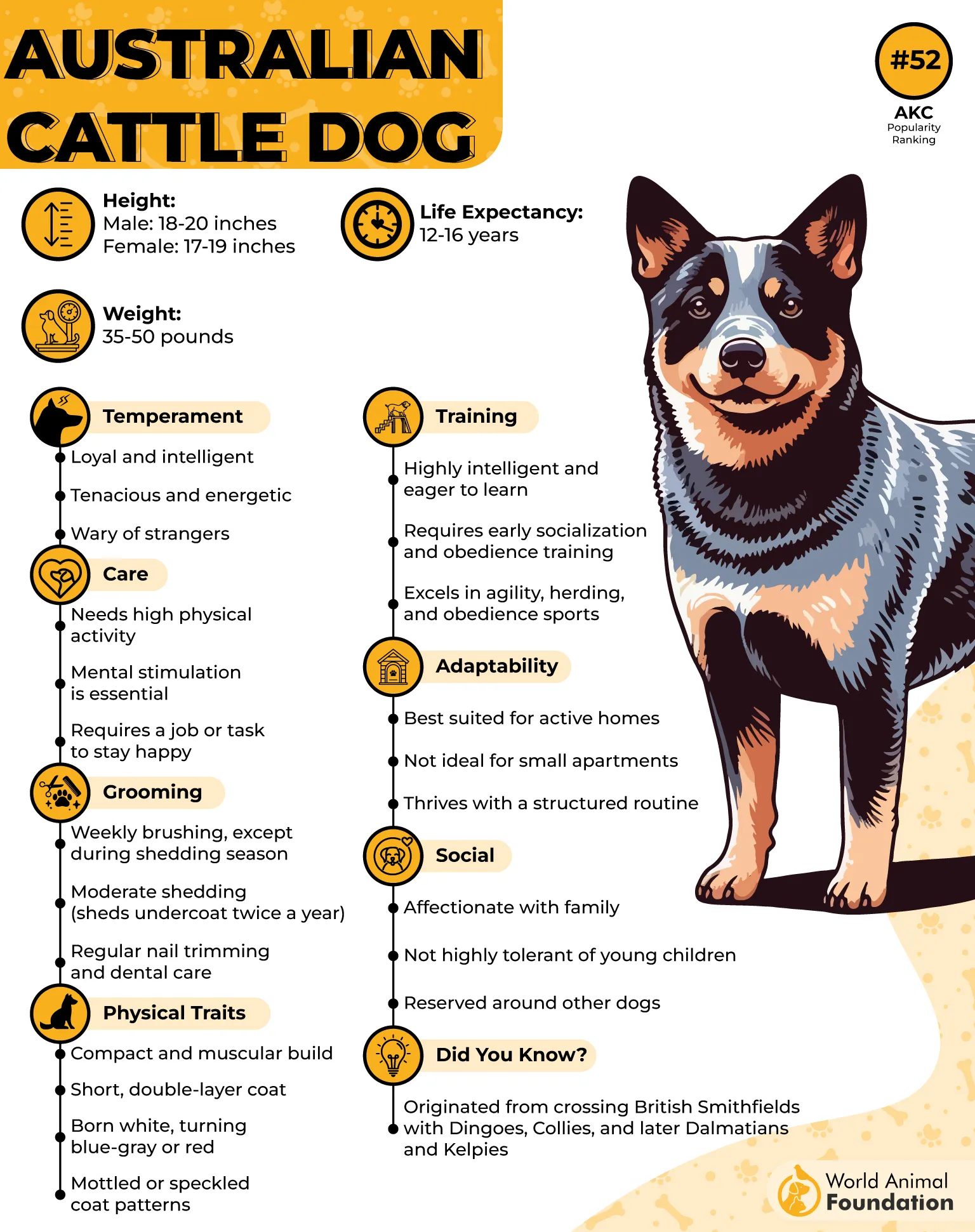
Australian Cattle Dog descends from the dingo, shaping a hard-driving herder built for rough livestock work across demanding ground. Its compact muscular frame favors endurance, while the “Blue Heeler” and “Red Heeler” nicknames come from its habit of nipping cattle at the heels.
Energy tied to task-driven routines
As herding dogs, they approach activity with intensity, often seeking jobs that involve direction, speed, and repetition, as PetMD claims. Herding instincts influence how it reacts to motion, especially during outdoor adventures and working environments.
That working rhythm appears through clear behaviors:
Responds strongly to moving targets
Excels in agility and obedience tasks
Handles long-running sessions with ease
Loyalty is shaped through close bonding
ACD forms an unusually deep attachment to its person, often struggling with ownership changes later in life. Its selective social nature influences how quickly it accepts unfamiliar people or animals. This attachment pattern creates a dog that bonds heavily with routine companionship.
2. German Shorthaired Pointer
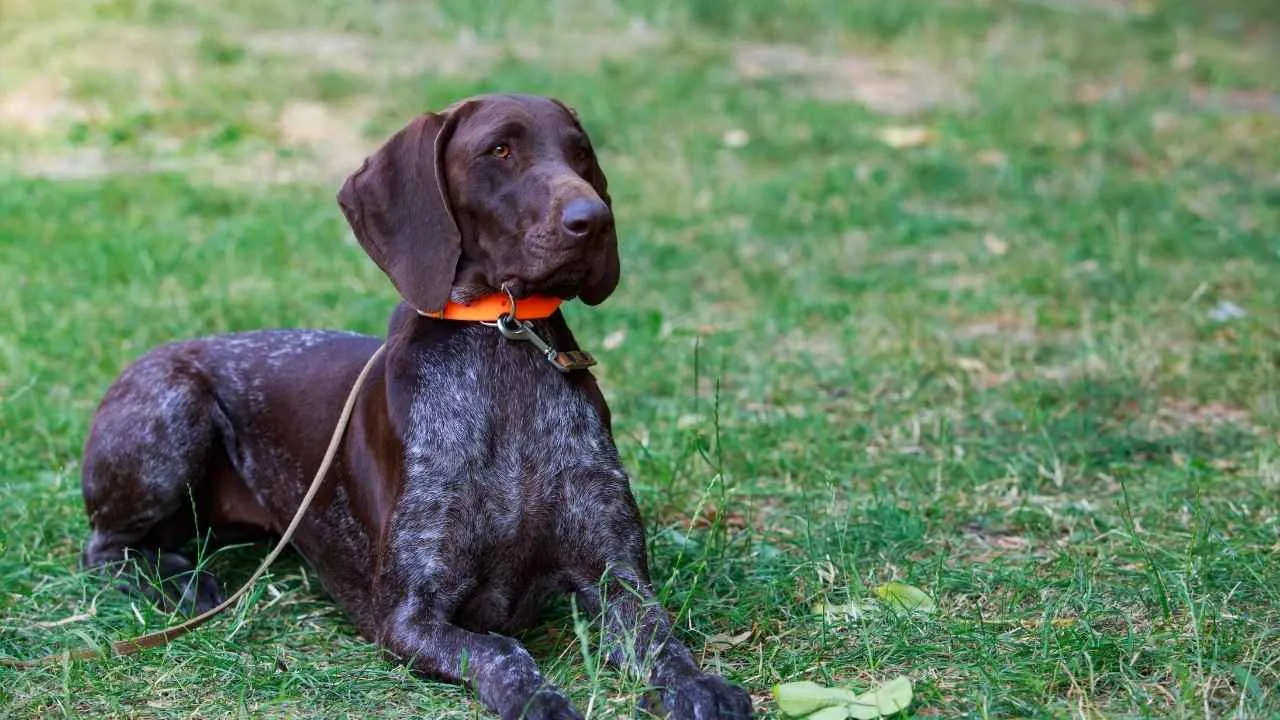
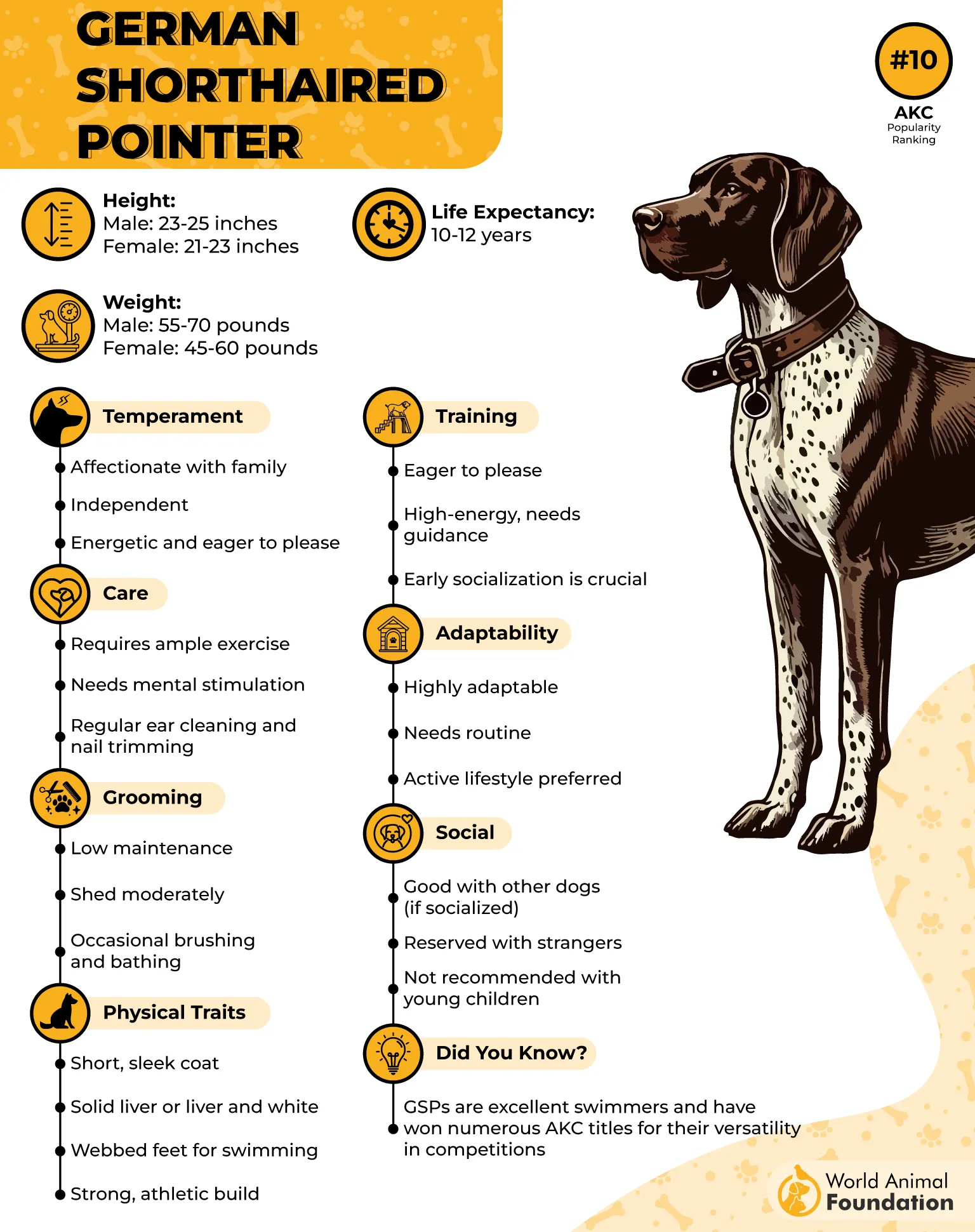
German Shorthaired Pointer locks onto scent with a rigid pointing stance, nose fixed toward hidden game while waiting for the hunter’s cue. This disciplined hunting style, paired with athletic speed and endurance, made the breed respected among bird dog enthusiasts.
Energy with direction
GSP fits naturally into rugged outdoor routines where long activity hours are part of the day, as mentioned by Orvis. Time outside feels purposeful with this breed around.
Key qualities include:
Strong endurance for extended trails
Sharp scent detection during tracking
An agile body suited for tough terrain
Restless without purpose
This high-energy dog needs demanding physical outlets beyond casual neighborhood walks, especially when not used for sporting work.
Running, hiking, swimming, and agility games help channel its intensity before that energy spills into destructive habits indoors. Even after exhausting adventures, this breed usually ends the evening leaning against its people for attention.
3. Labrador Retriever
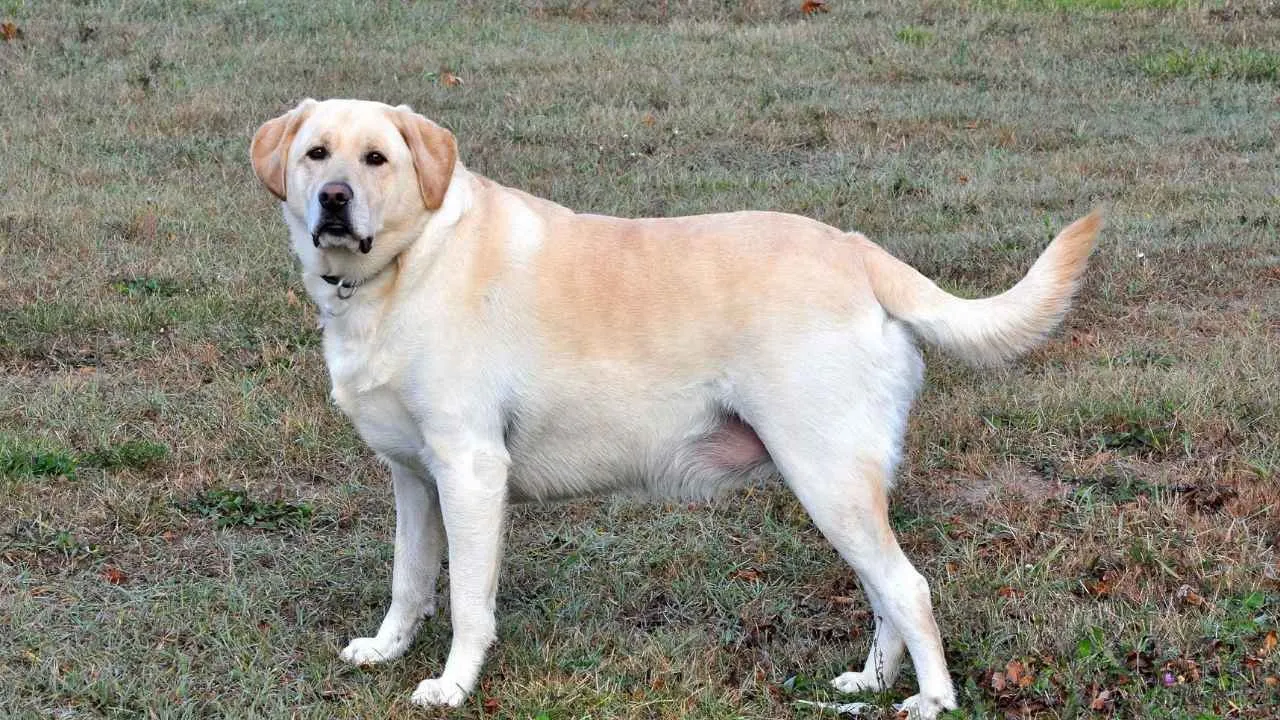
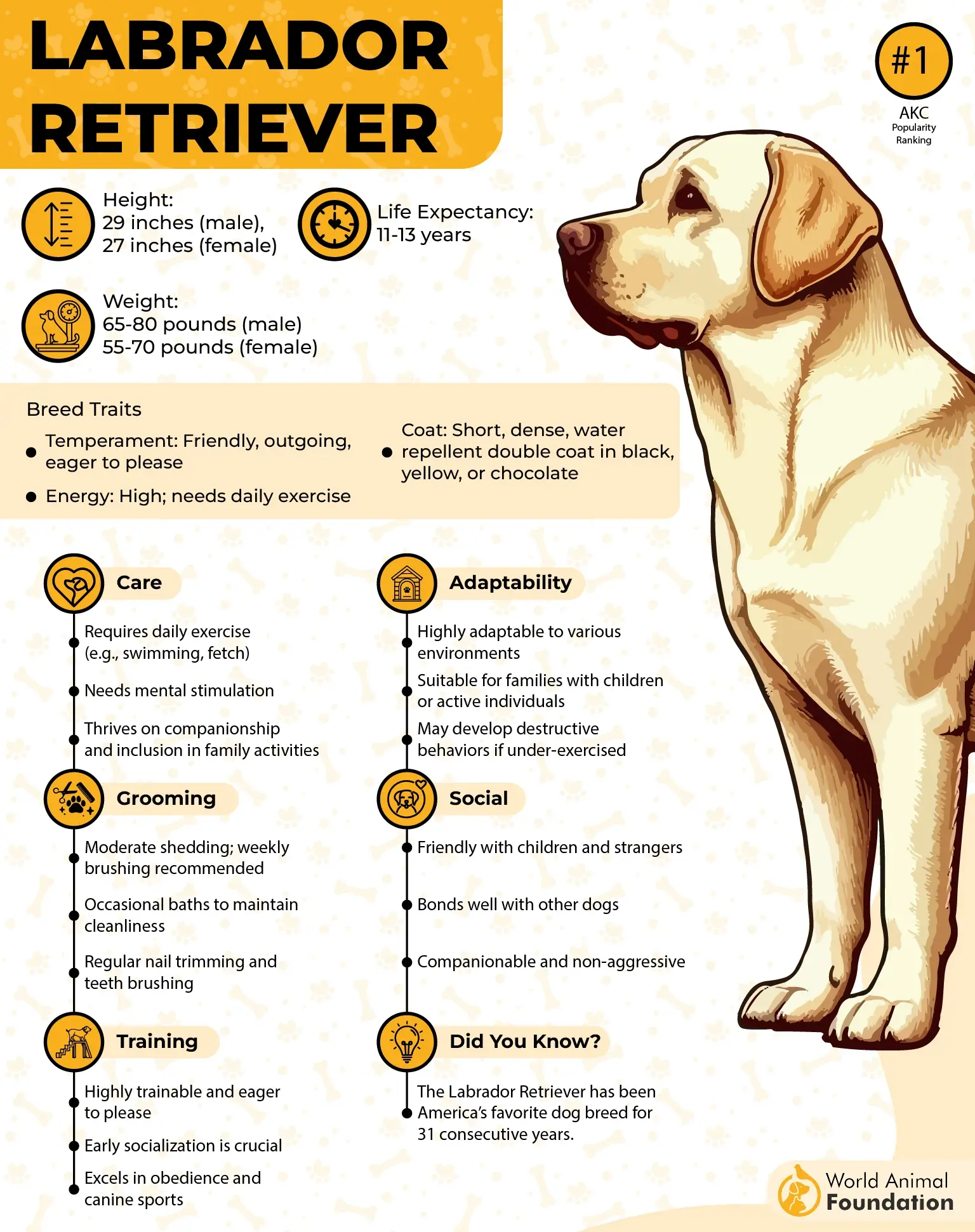
Labrador Retrievers began alongside fishermen, spending long hours around water while handling physically demanding outdoor tasks.
Its broad head, athletic frame, and strong tail reflect a dog shaped for rugged environments and constant activity. Wet trails, uneven ground, and long camp days fit naturally into its routine.
Outdoor rhythm
This popular breed connects easily with people during group activities, often keeping pace through hiking paths, lakeside breaks, and open terrain. Its athletic nature appears early, especially during puppyhood when energy levels rise quickly.
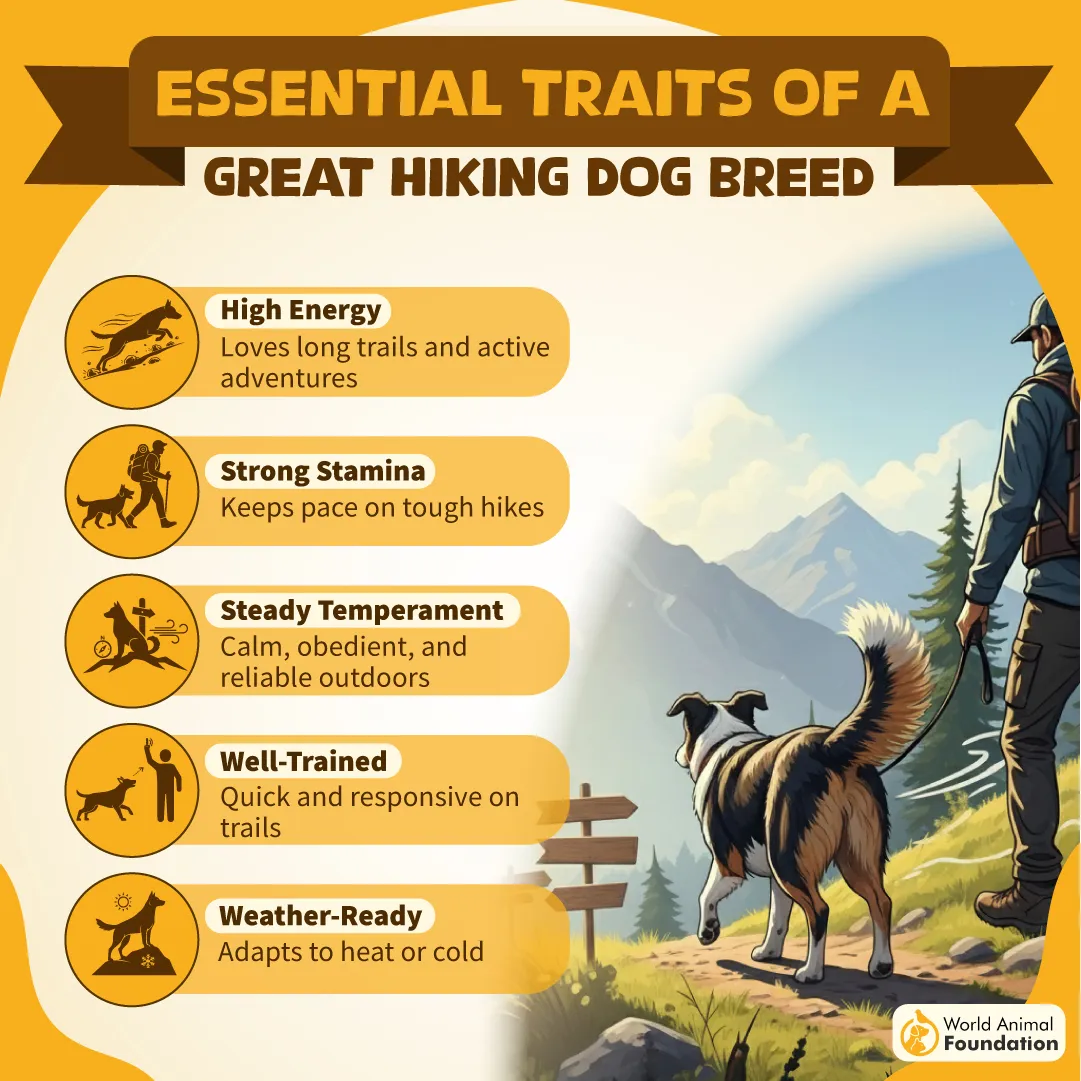
That outdoor rhythm appears through familiar patterns:
Jumps eagerly into water environments
Responds well during retrieval games
Adjusts comfortably to changing terrain
Purpose beyond recreation
Labrador Retriever handles task-oriented work with unusual consistency, which explains its role in search teams and assistance programs. Its eagerness to cooperate keeps communication between dog and pet parent clear during physically demanding outings.
4. Australian Shepherd
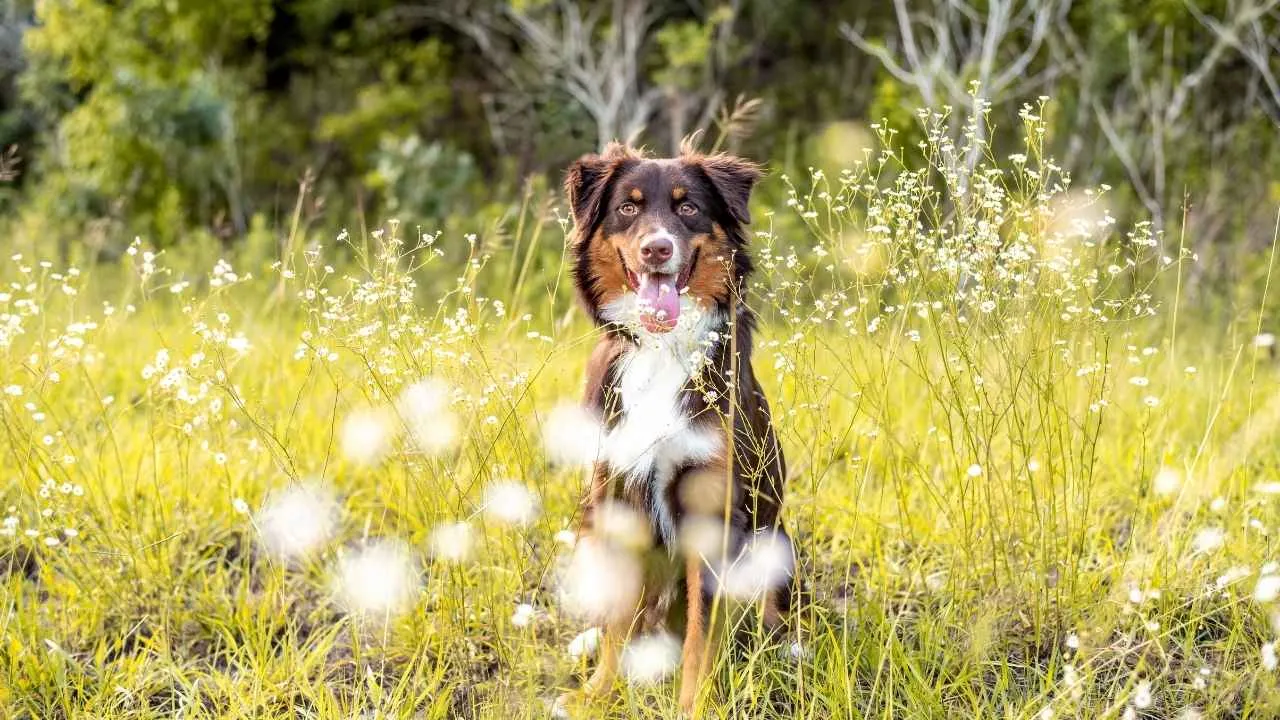
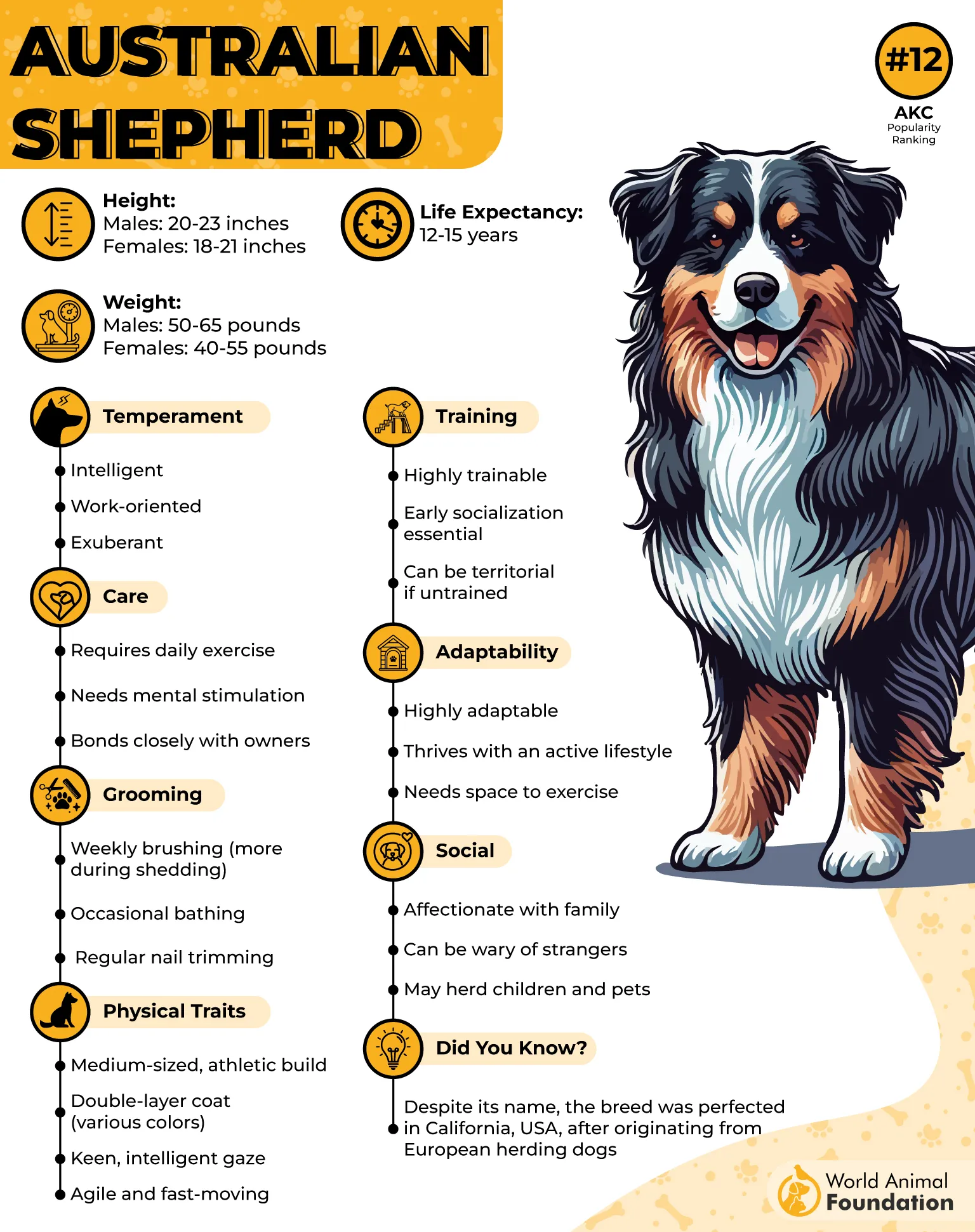
Australian Shepherd combines agility, muscle, and sharp decision-making through instincts tied closely to working tasks. Its attention shifts quickly across surroundings, especially during fast-paced outdoor activity. This awareness fits naturally into environments filled with trails, gear, and constant movement.
Focus is shaped through task-driven behavior
These canine companions respond best when given something active to engage with, whether through direction, games, or outdoor routines, as ASCA reports. Its herding instinct influences how it reacts to fast-moving objects and changing environments.
That instinct appears in recognizable patterns:
Tracks movement across wide spaces
Reacts quickly during fetch and agility work
Follows activity happening around camp areas
Endurance suited for outdoor routines
They handle long walks, hiking routes, and physically demanding outings with consistent enthusiasm. Its athletic structure supports repeated activity across uneven ground and changing terrain. Field trials and running-based tasks align closely with how this breed prefers to spend its time.
5. Vizsla
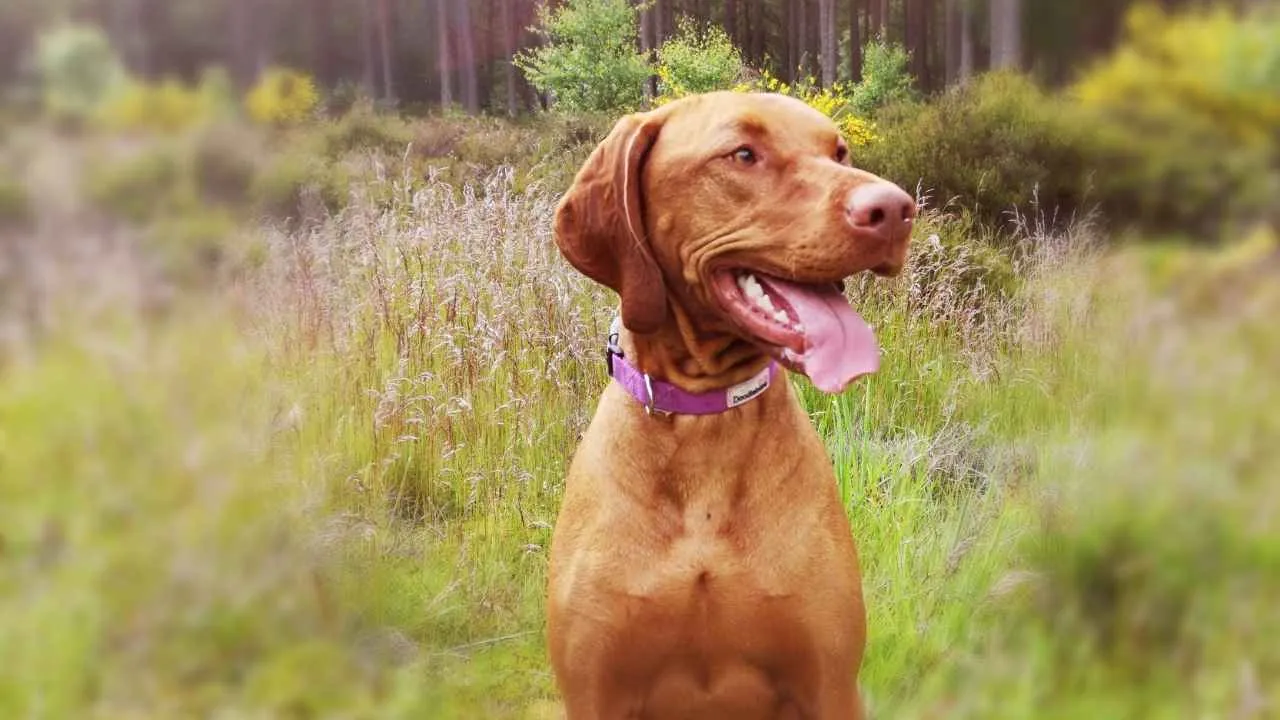
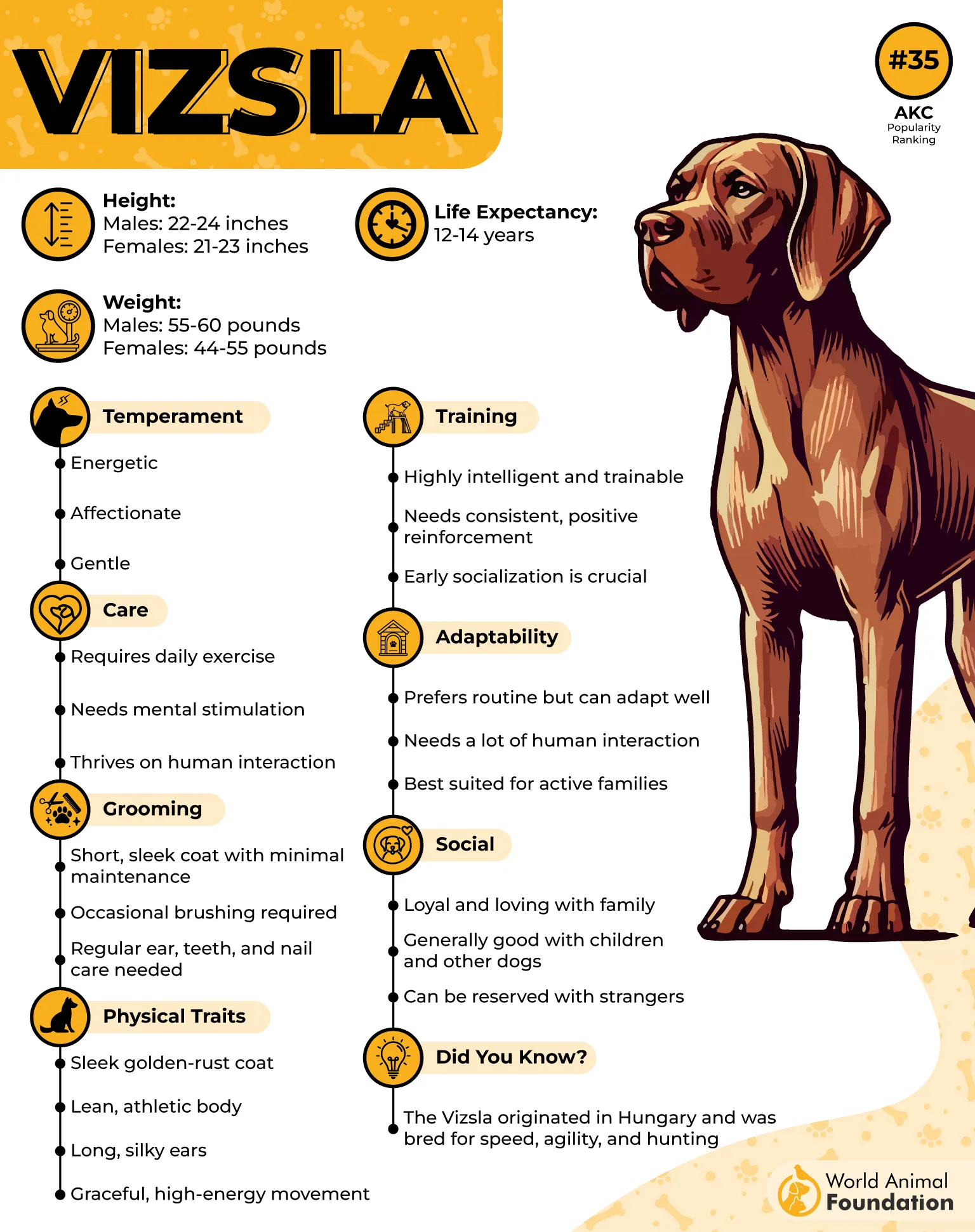
Vizsla first gained recognition in Hungary as a hunting companion valued for speed, endurance, and close partnership in the field. Its lean frame and long ears reflect an athlete shaped for distance rather than short bursts. The breed’s name itself comes from the Hungarian word for “pointer.”
Outdoor rhythm and activity needs
They connect naturally with routines built around motion, often preferring long outings over short backyard activity. Swimming, running, hiking, and scent-focused games keep the mind engaged alongside physical effort.
That outdoor rhythm appears through activities like:
Dock diving and swimming sessions
Long-distance jogging or hiking
Frisbee and agility-based games
Social attachment beyond the trail
Vizslas form unusually close bonds with their household, often seeking interaction instead of isolating themselves after activity ends. Its affectionate nature extends toward children, other dogs, and even cats when introduced early. This social openness creates a dog that fits group-oriented environments well.
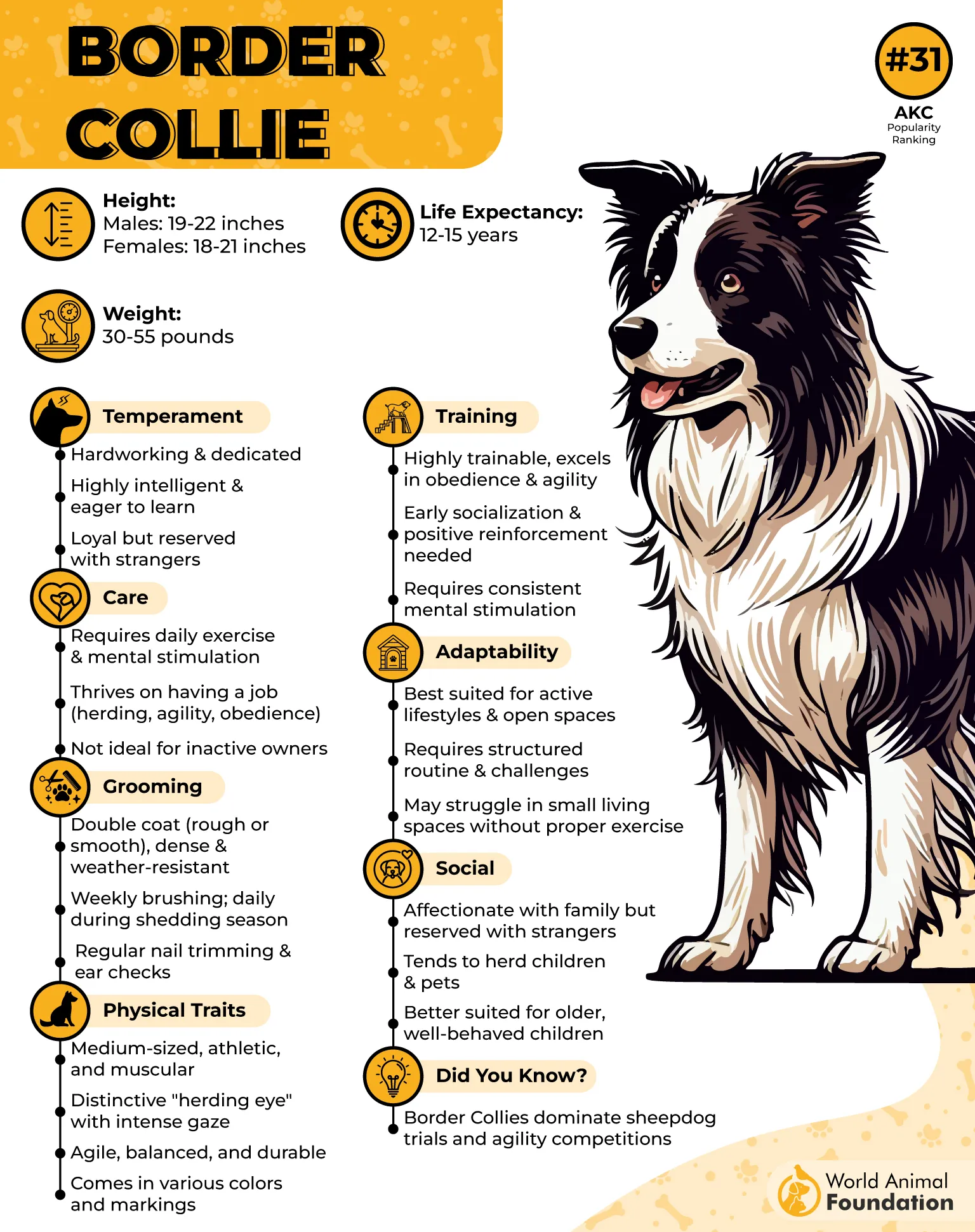
6. Border Collie
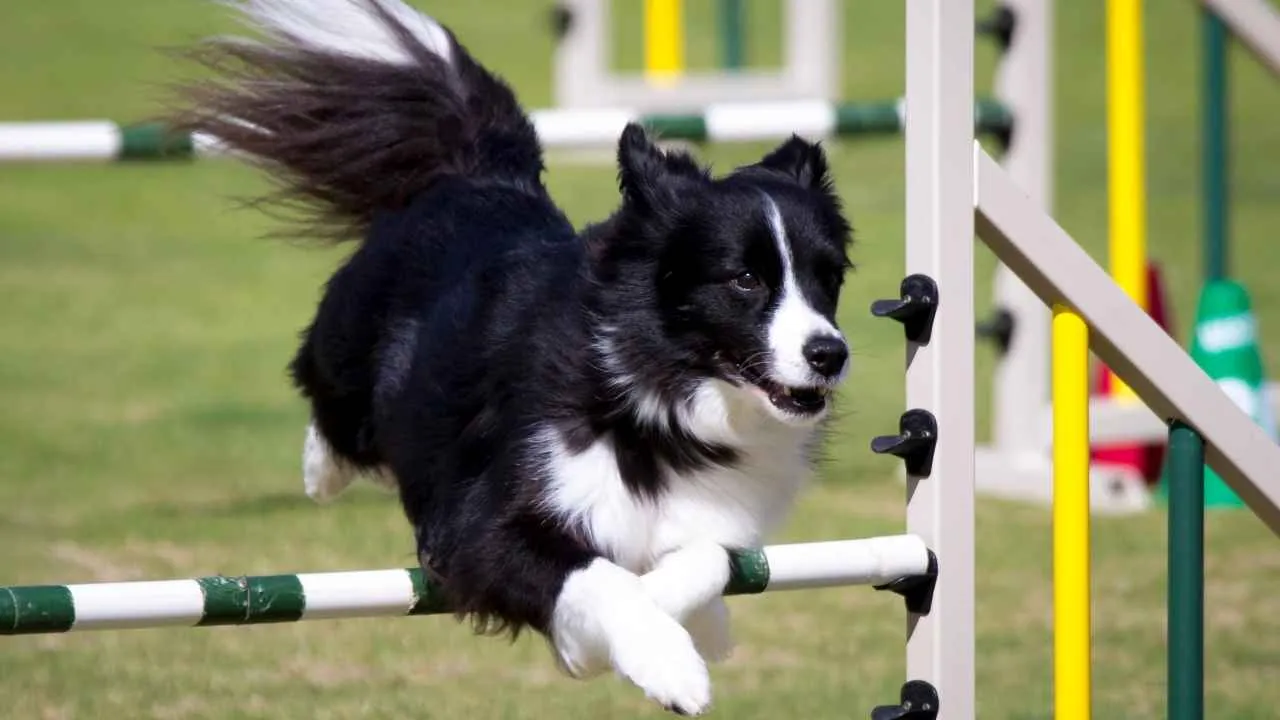
Border Collie earned its reputation on livestock farms in Great Britain, where rapid direction changes and precise control mattered daily. Its agile frame supports sharp turns and fast reactions across uneven ground. That working style shaped a dog constantly tuned into motion and instruction.
Energy tied to task-focused activity
They are extremely loyal and respond best when physical effort connects with purpose, especially during structured outdoor activities and training work. Its intelligence pairs closely with action, creating a dog that looks for engagement rather than idle time.
That working rhythm appears through activities like:
Herding and advanced obedience work
Frisbee, flyball, and agility tasks
Long hikes and distance running
Companion style during outdoor routines
Border Collies fit naturally into fast-paced routines involving movement, teamwork, and long periods outside. Its enthusiasm often extends into group activities with both adults and children, especially during games or trail exploration. Even with age, regular activity remains part of its rhythm.
7. Rhodesian Ridgeback
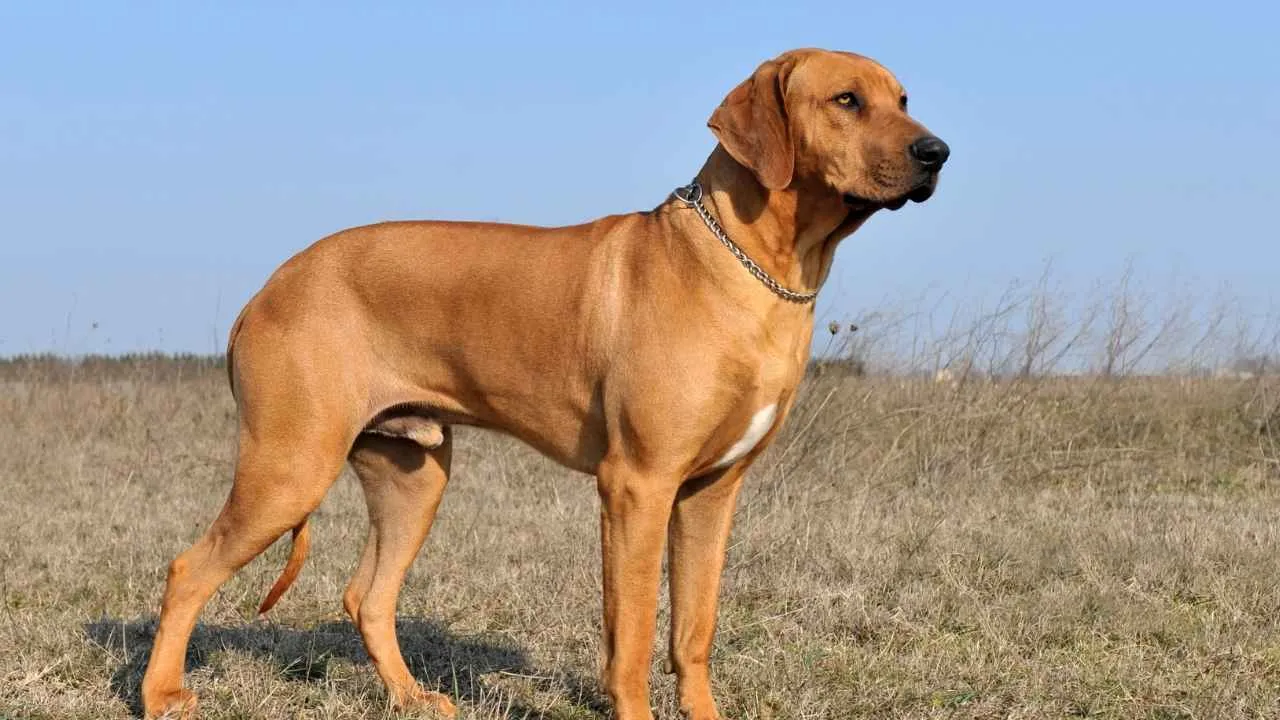
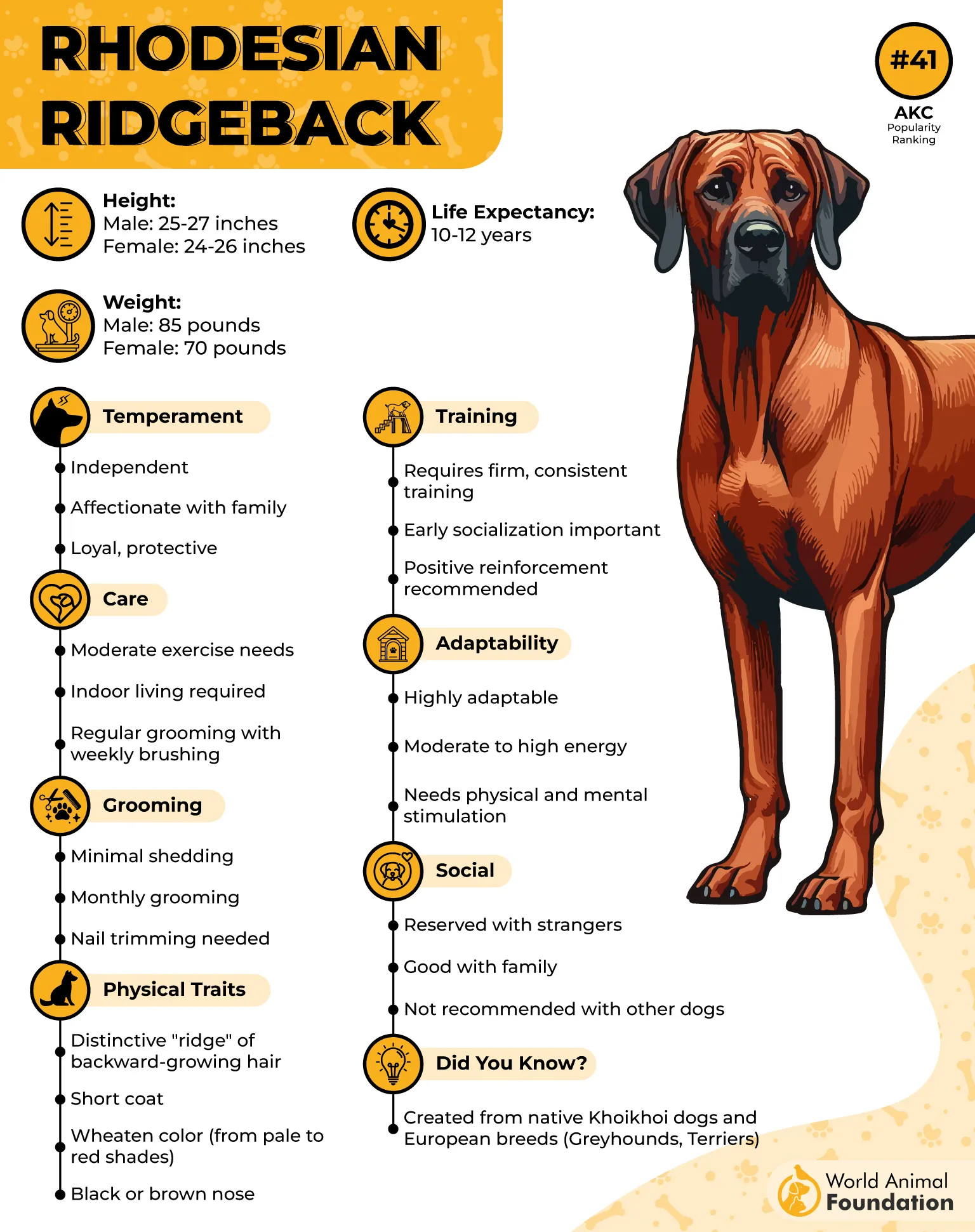
Rhodesian Ridgeback first draws attention through the narrow stripe of backward-growing hair running along its spine, a trait tied closely to its African roots. Early hunters valued this athletic hound for tracking and cornering lions without attacking them directly.
Built for distance
This athletic dog handles rough outdoor living through endurance, physical control, and a mind that prefers purposeful activity. Long outings and structured challenges help channel its strong prey instincts naturally.
Daily life often includes:
Tracking and lure coursing
Hiking, jogging, and swimming
Tug games and puzzle activities
Independent by nature
Rhodesian Ridgeback bonds deeply with trusted people, yet rarely behaves like a constantly dependent companion. Firm guidance from puppyhood matters because this breed questions weak direction quickly. Mental boredom can easily turn into destructive habits when left isolated for long periods.
8. Weimaraner
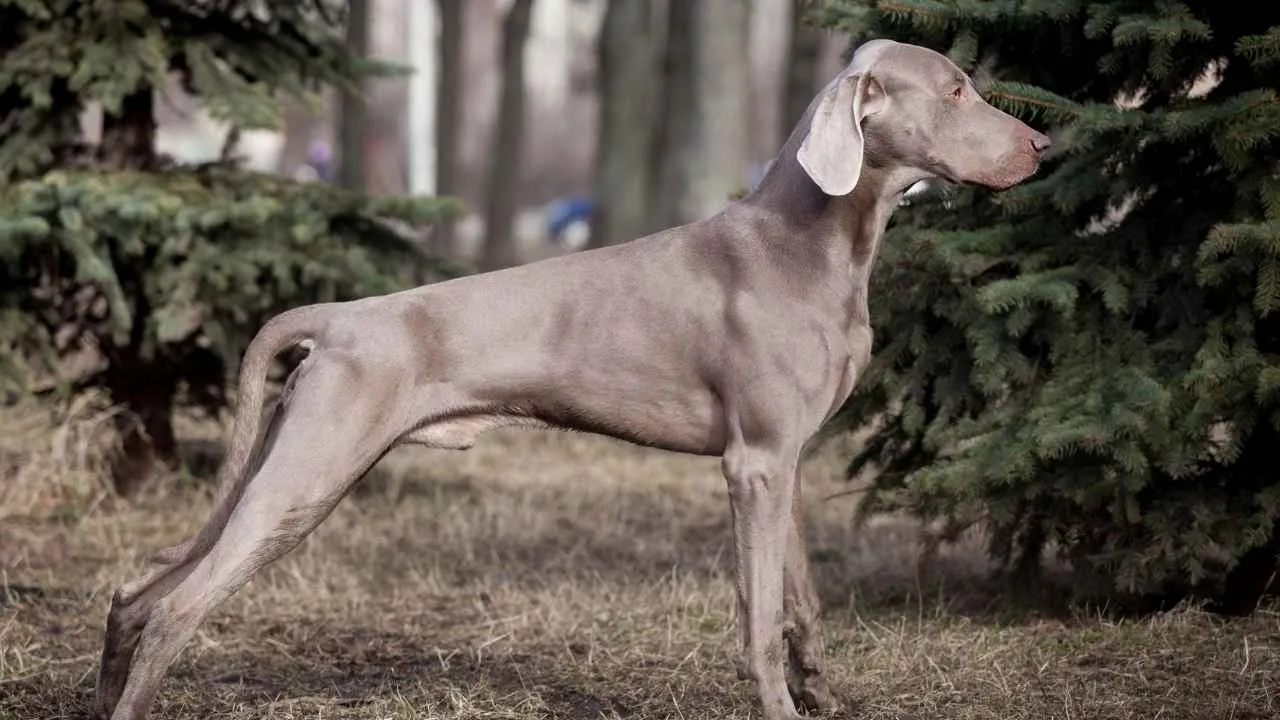
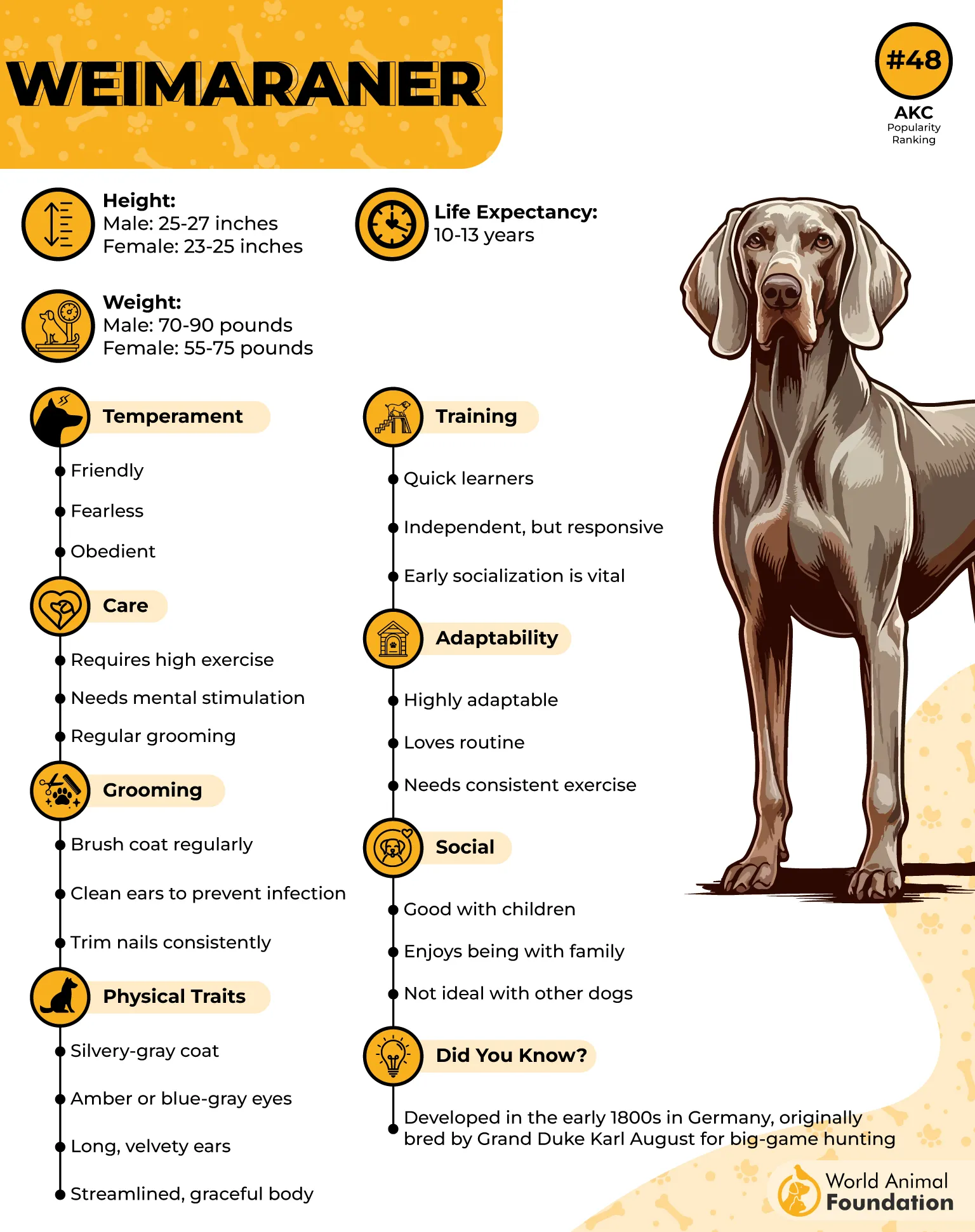
Weimaraners came from German hunting circles where breeders focused on tracking skill, courage, speed, and physical durability.
Its long legs and lean structure suit extended movement across rough outdoor terrain. The gray-coated frame reflects a dog bred for sustained field pursuit rather than short bursts.
Outdoor focus and working instincts
They take on trails and open spaces with intensity, often shifting quickly between scent work and physical exploration. Its hunting instinct remains closely tied to movement, especially around smaller animals outdoors.
That working instinct appears in recognizable ways:
Follows scent trails with persistence
Responds quickly during retrieval games
Engages deeply in tracking-based tasks
Social behavior and training response
This loyal breed responds well to structured guidance, especially when consistent training includes physical tasks and problem-solving challenges.
Proper social exposure improves its behavior around other dogs in shared environments. Smaller household pets may trigger chasing instincts linked to their hunting purpose.
9. Siberian Husky
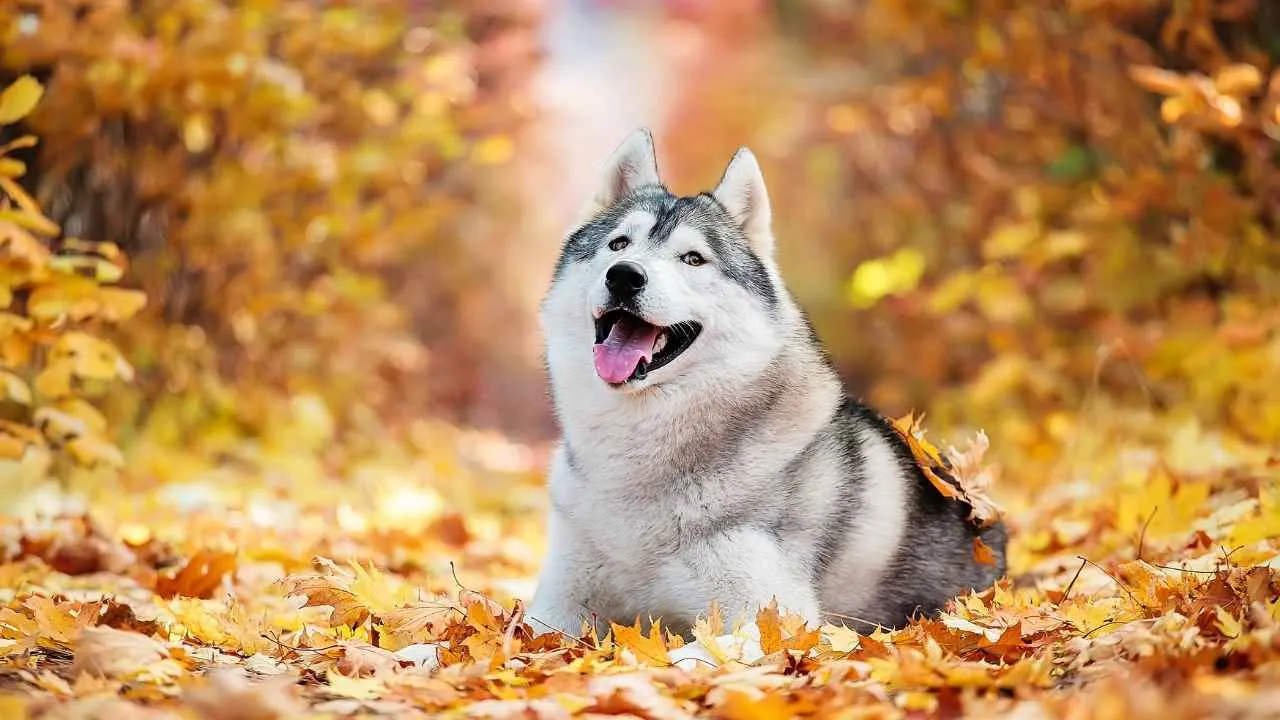
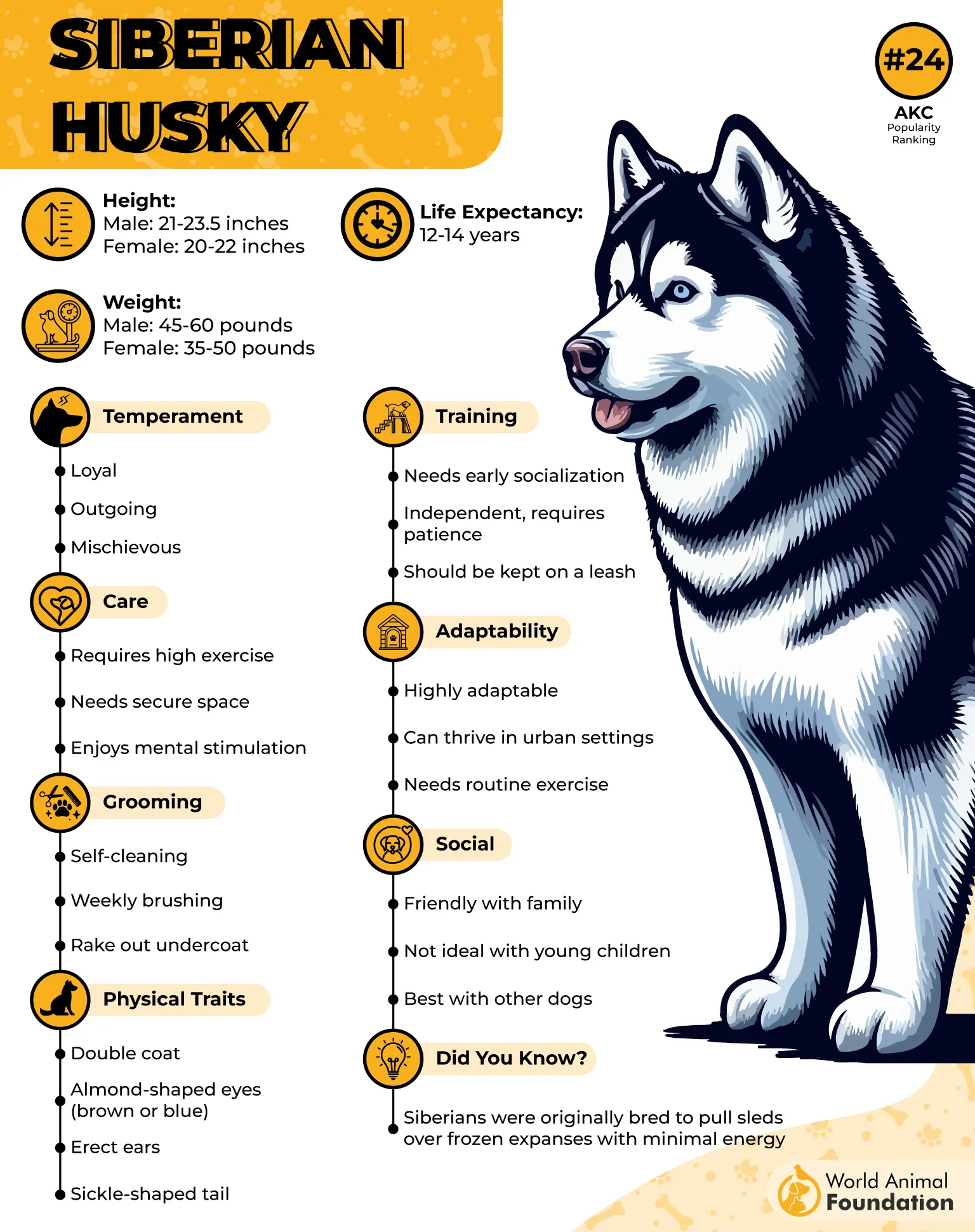
Siberian Husky earned its reputation beside sled teams crossing enormous frozen landscapes or cold environments with speed, rhythm, and stamina. The breed works naturally within a group, making companionship and cooperation part of its everyday temperament.
Built to keep going
Siberian Husky balances endurance with agility, staying lighter and quicker than heavier northern hauling breeds. Long outdoor days suit this dog far better than inactive routines indoors.
A few details explain that edge:
Compact frame built for distance
Thick double coat suited for severe cold
An effortless gait conserves energy
Restless in the best way
Siberian Huskies rarely settle for a slow-paced routine and constantly look for motion, interaction, or a task. Running, sledding, rally events, and long hikes satisfy both its athletic instincts and sharp awareness. Secure fencing and leash control matter because small animals easily trigger pursuit.
Conclusion
The best off-road camping companions do far more than follow along on trails. They stay steady when the weather changes suddenly, remain confident in unfamiliar places, and keep moving long after the day becomes exhausting. Some sturdy dogs thrive beside lakes and mountain paths, while others feel most comfortable near the fire after hours spent crossing rocky terrain in the great outdoors.
What matters most is the ability to stay dependable once routines disappear and conditions become unpredictable. A loyal camping dog changes the rhythm of travel, turning difficult excursions into calmer and more rewarding experiences. That reliability is one reason these dogs remain among the most popular breeds and are such great companions outdoors.
