




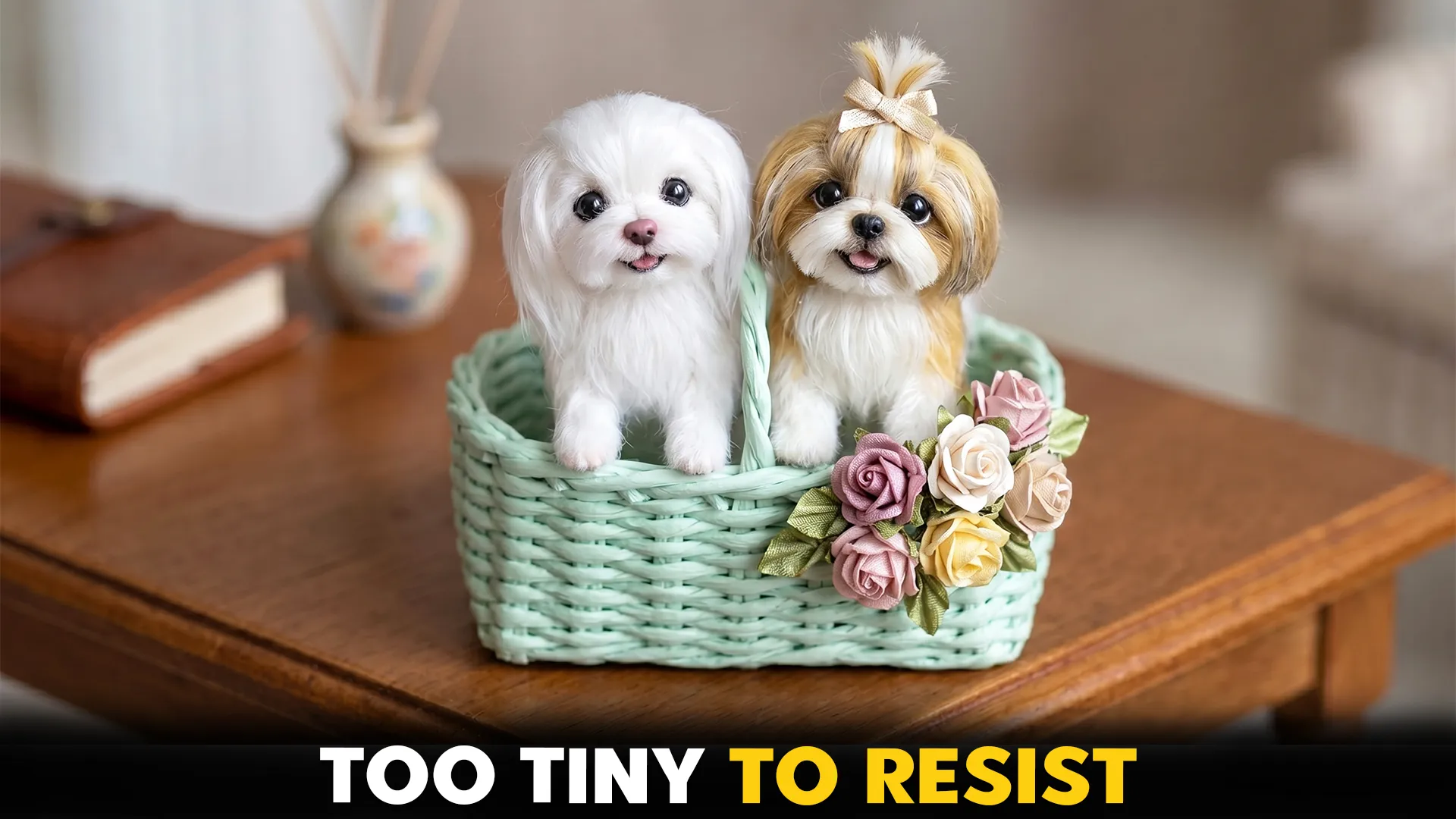
The house felt quieter than usual after the children left for school, and the long workdays started blending. Everyone was busy, but something still felt missing in the middle of the routine.
That changed the moment a tiny dog entered the home and slowly became part of everything. It waited by the door in the evenings, followed family members from room to room, and somehow brought more laughter into ordinary moments without trying too hard. The size was small, yet the emotional presence felt surprisingly big.
That is often what makes toy dog breeds so special in loving homes. Many of them form strong bonds with their owners, enjoy constant closeness, and naturally create a comforting atmosphere indoors. They do not simply exist in the background. They become part of the emotional rhythm of daily life.
Ahead are some of the sweetest toy dog breeds known for bringing affection, happiness, and warmth into a home.
Key Takeaways
A loving home often feels more complete when a small dog becomes part of the daily rhythm, sharing quiet evenings and lively mornings.
The Shih Tzu is one of the sweetest toy breeds, known for forming close bonds and thriving on daily human presence.
Maltese and Cavalier King Charles Spaniel also share this affectionate nature, bringing warmth through constant closeness and calm companionship.
Read through the full list to see which seven toy breeds can turn everyday routines into moments filled with comfort and connection.
Sweetest Toy Dog Breeds for a Loving and Happy Home
1. Shih Tzu
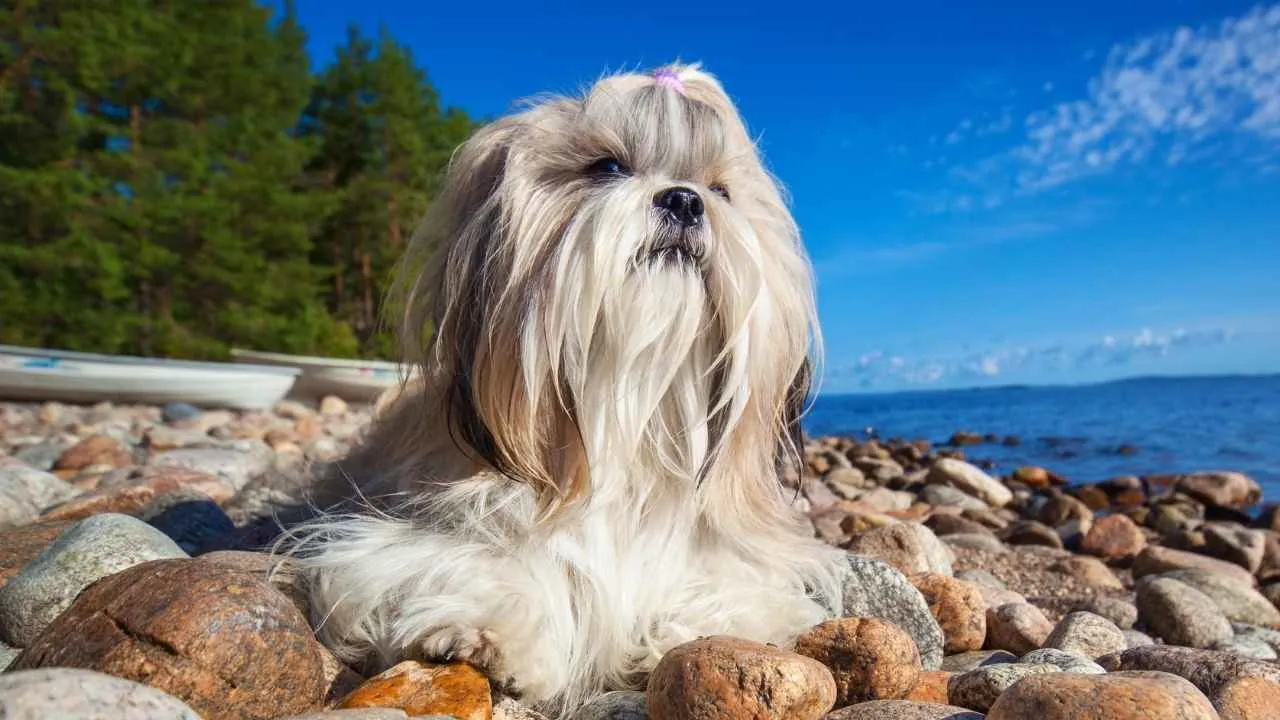
Shih Tzu is a Tibetan toy breed created specifically for close human companionship, often linked with Buddhist tradition and known as the “lion dog.”
Its name reflects a design inspired by a lion-like appearance rather than working roles. This identity centers on closeness with people rather than independence.
Social nature in daily life
This tiny dog prefers consistent human presence and responds warmly to interaction with families, children, and other pets when introduced early. It does not cope well with long isolation, as companionship forms the core of its behavior.
This attachment becomes clearer in everyday routines:
Seeks proximity to household members
Enjoys shared indoor time
Reacts positively to gentle interaction
Temperament shaped by attention
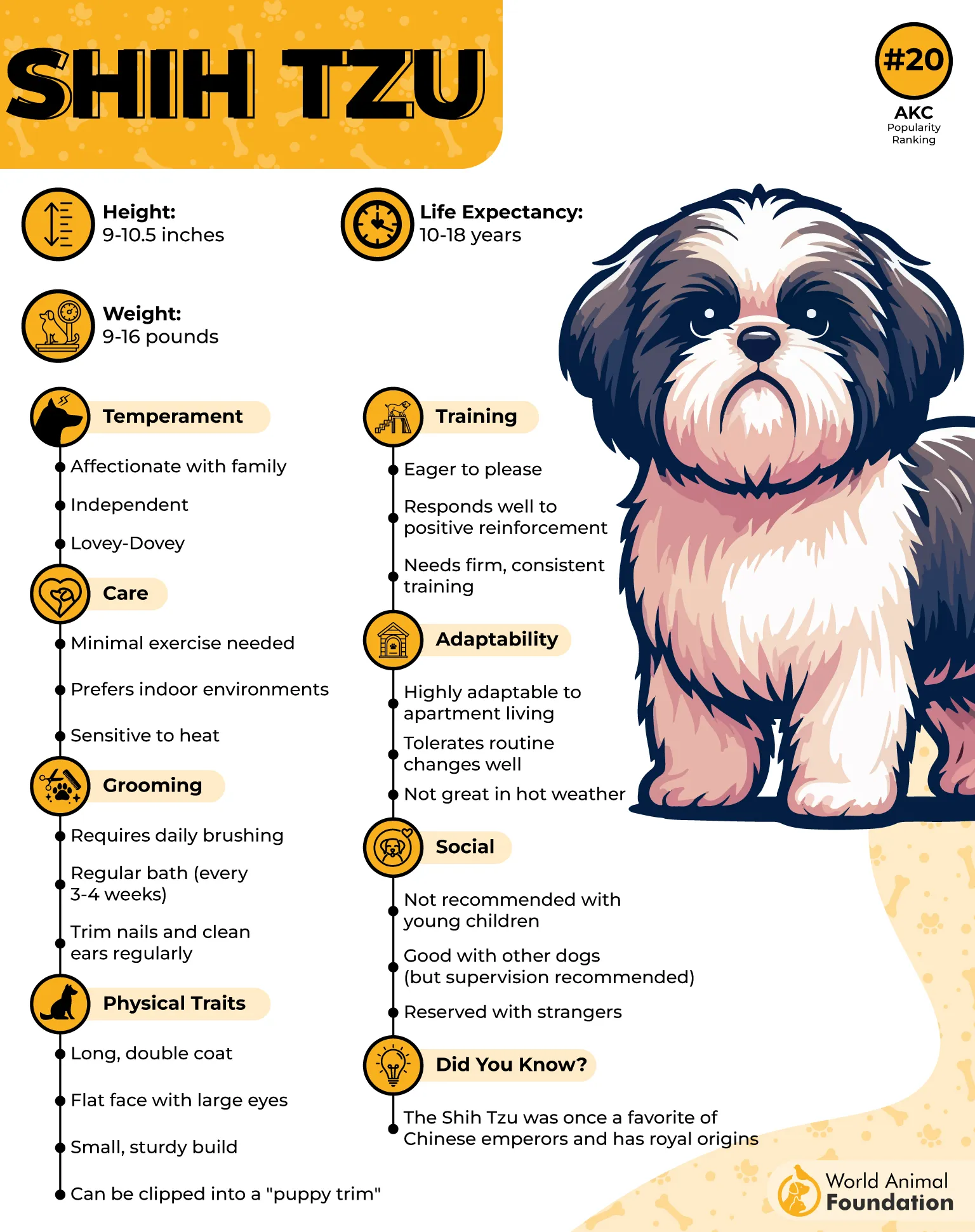
Shih Tzu carries a sweet disposition that depends on affection and steady social exposure from a young age, as WebMD notes. With proper guidance, it interacts well with children and other animals, provided play remains gentle. Its loyalty shows through a consistent desire to remain near its people.
2. Maltese
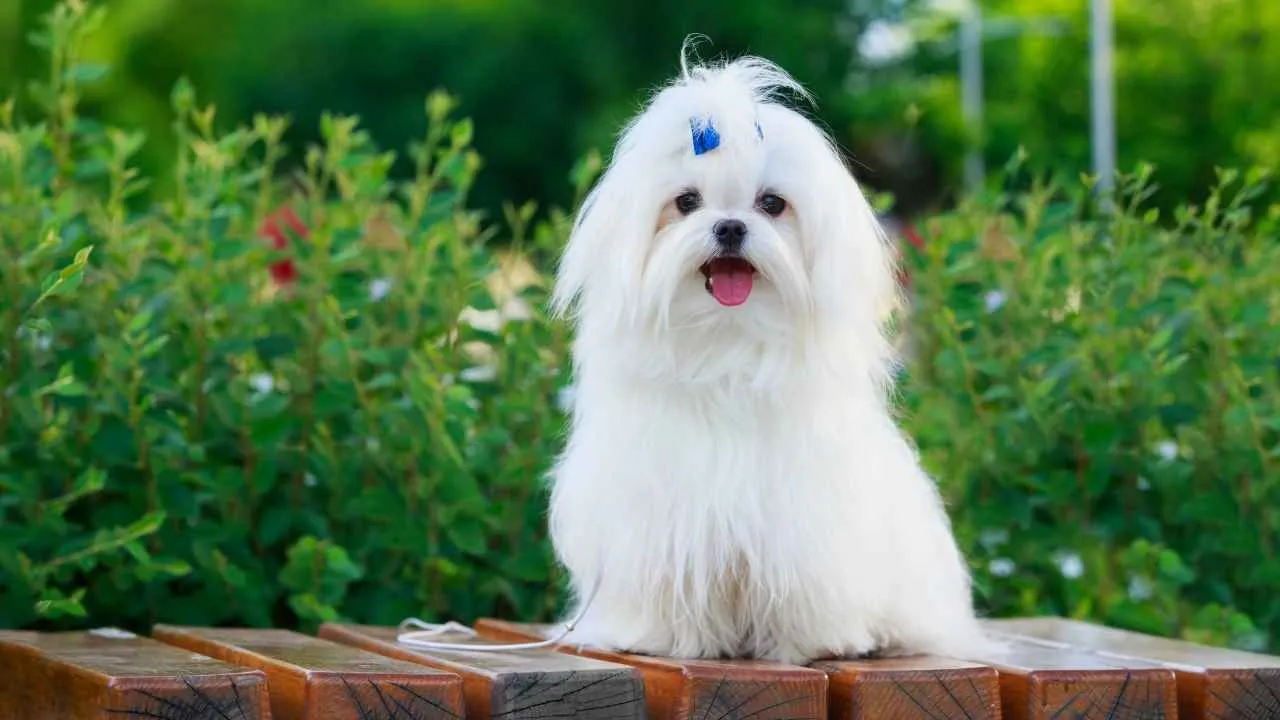
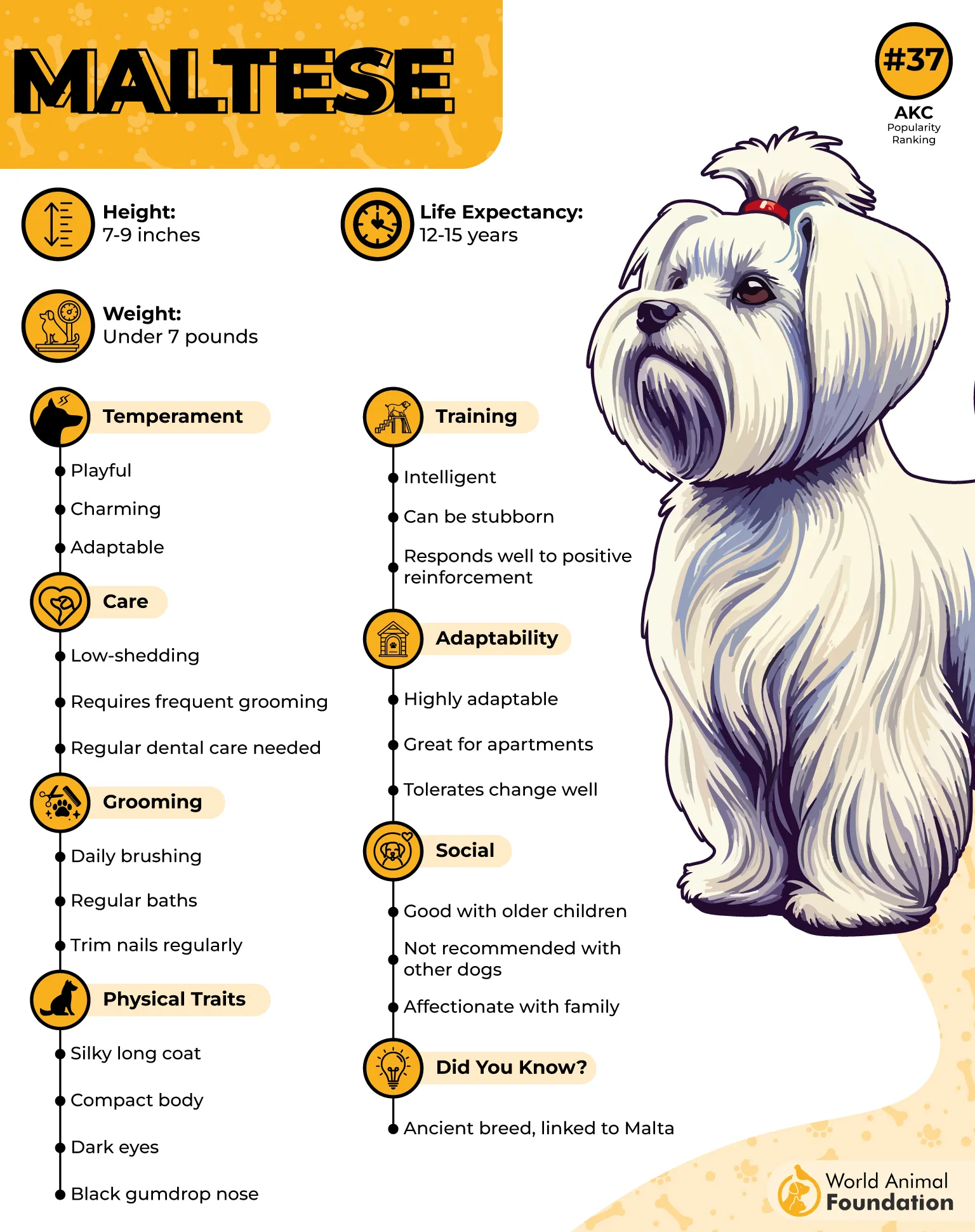
Maltese is recognized for its long, flowing white coat and compact size, creating a striking look in a small frame. Originally bred in the Mediterranean island of Malta, the breed has been valued as a companion for centuries, with mentions in ancient Greek and Roman writings.
Bond-centered interaction style
This lap dog forms strong attachments to family members and prefers constant proximity, often choosing to stay near its people throughout the day. Its affectionate and friendly nature fits well within households that understand gentle handling, especially around younger children.
These patterns appear clearly in daily life:
Seeks continuous closeness to family members
Responds warmly to attention and interaction
Needs supervision around very young children
Activity level suited to simple routines
Maltese requires regular daily activity but does not depend on demanding exercise to remain balanced, as PetMD describes. Short walks, indoor play, and learning small tasks keep the routine engaging without intensity. This manageable energy level aligns with home-centered living.
3. Cavalier King Charles Spaniel
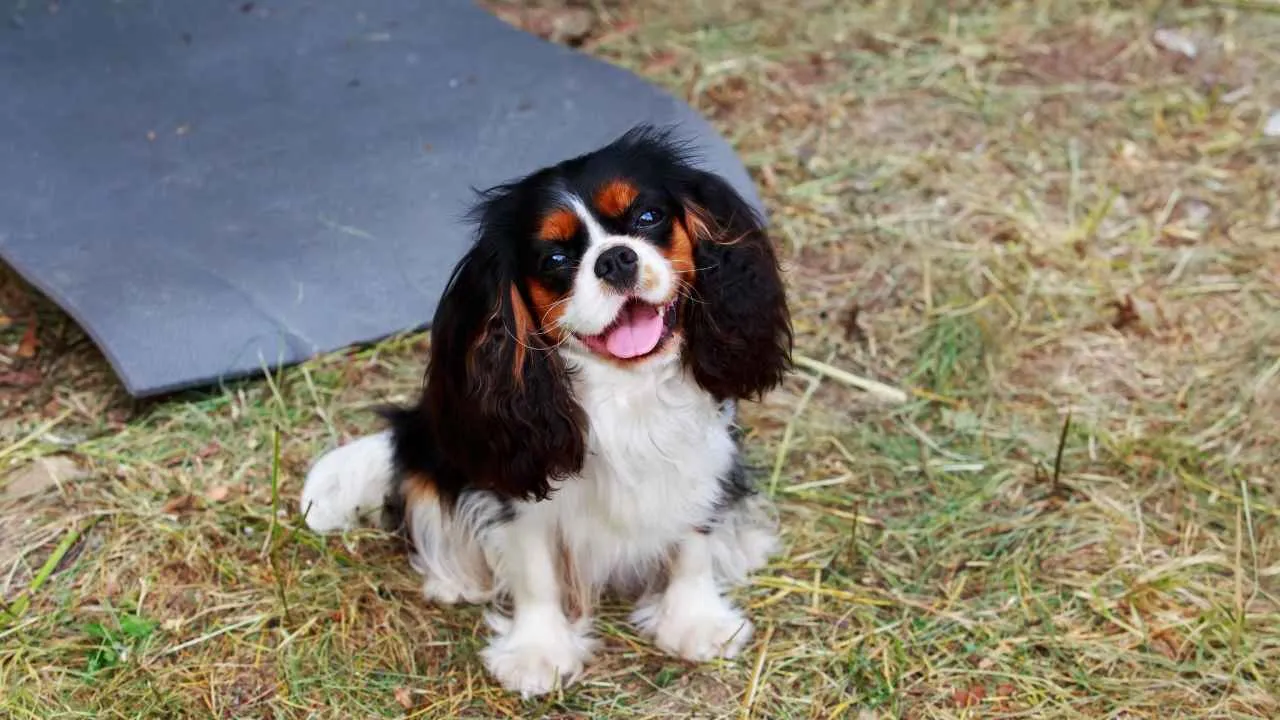
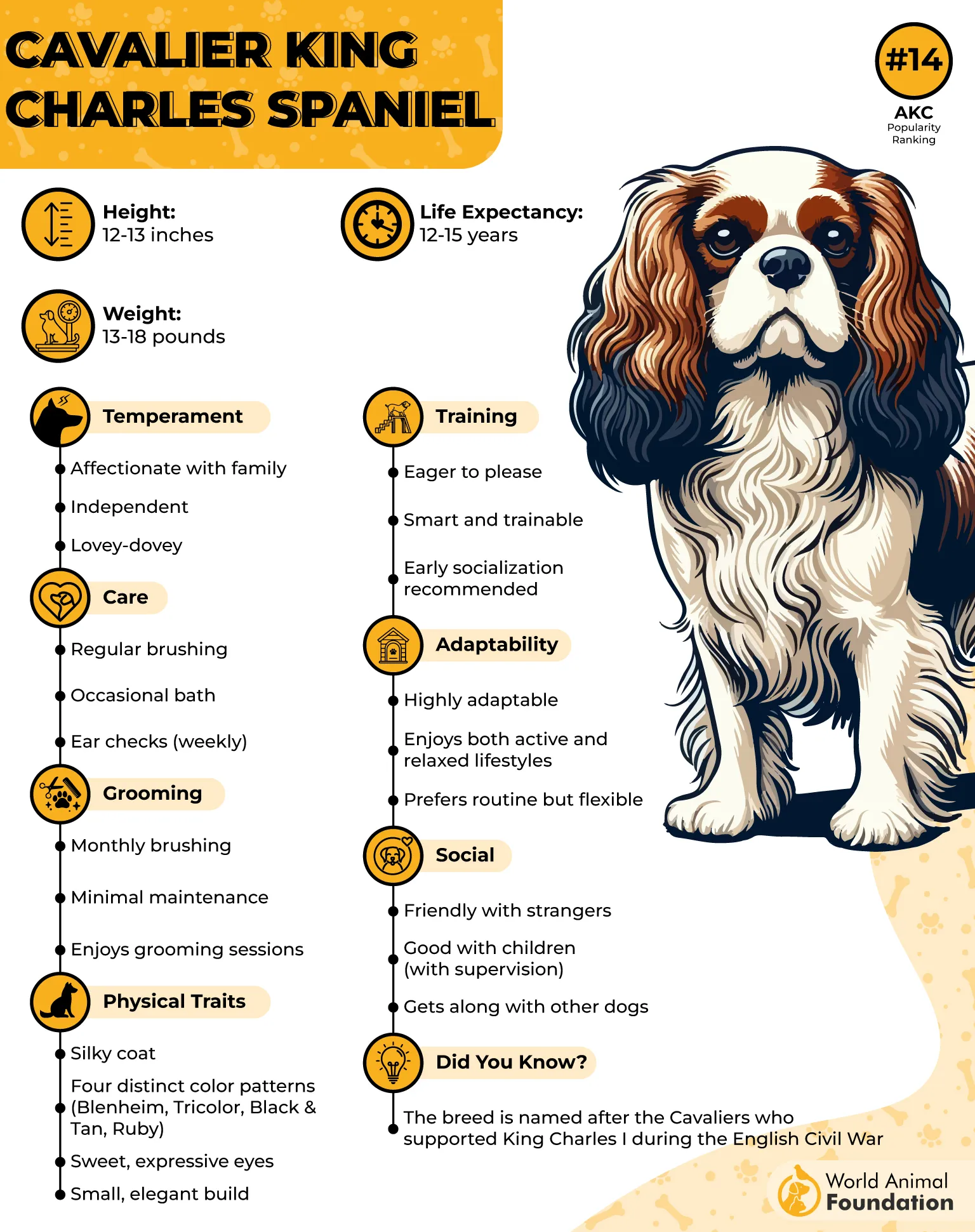
The Cavalier King Charles Spaniel gained its name through strong ties to British royalty, where it was favored by King Charles I and II and even accompanied them in formal settings. This close association shaped a companion centered around constant human proximity.
Gentle interaction style in daily life
This companion dog interacts with people using patience and tolerance, making it comfortable around children, cats, and other dogs, and is famously known as a therapy dog. Its temperament leans toward loyalty and calm engagement, which suits households with varied personalities.
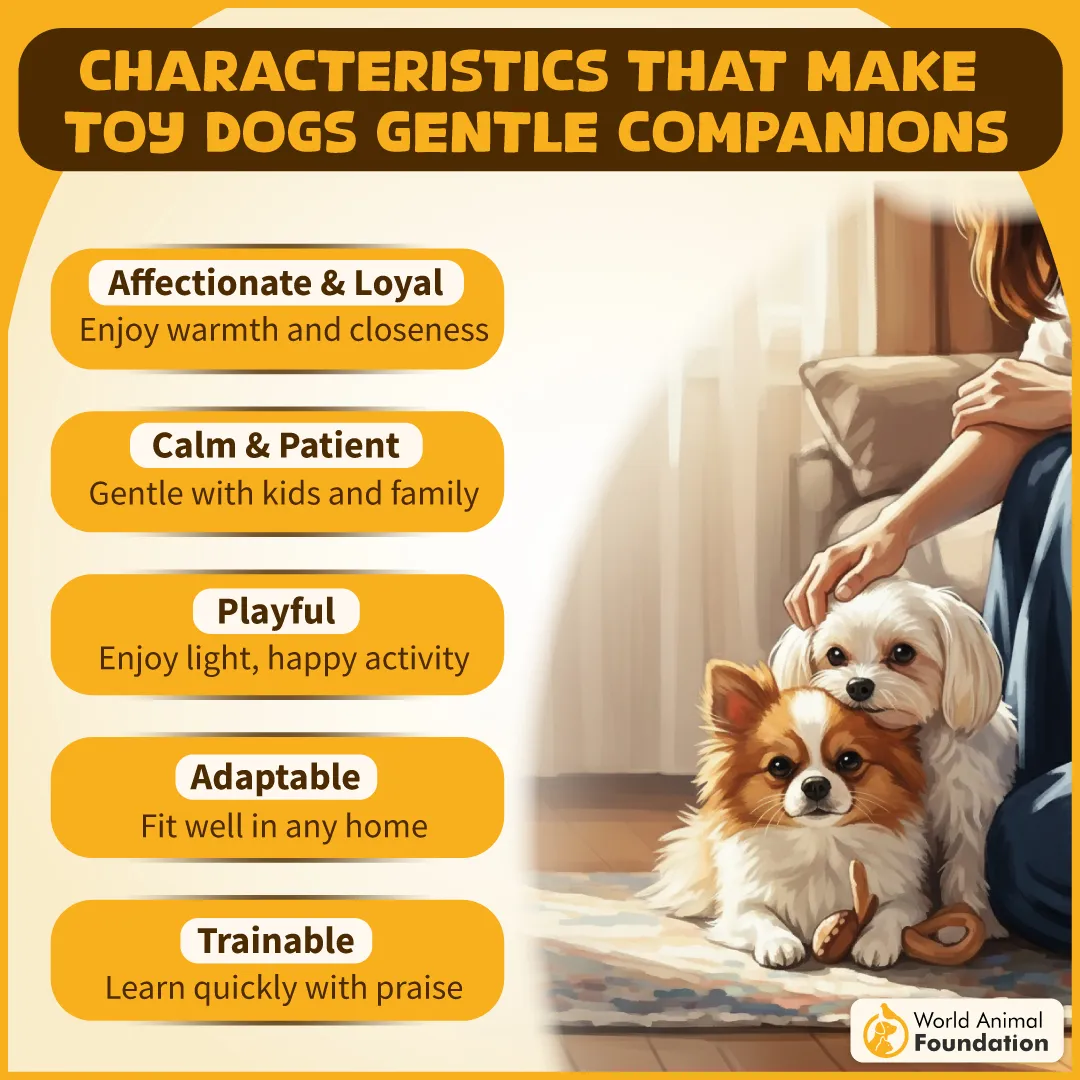
That behavior appears clearly through everyday habits:
Accepts handling with patience
Adjusts easily to multi-pet homes
Responds warmly to human attention
Activity balanced with companionship
They enjoy moderate outdoor activity despite its lap-dog origins, reflecting its connection to the sporting group. Short walks and play sessions keep its routine balanced without demanding intense exercise. This blend allows flexibility for different household energy levels.
4. Havanese
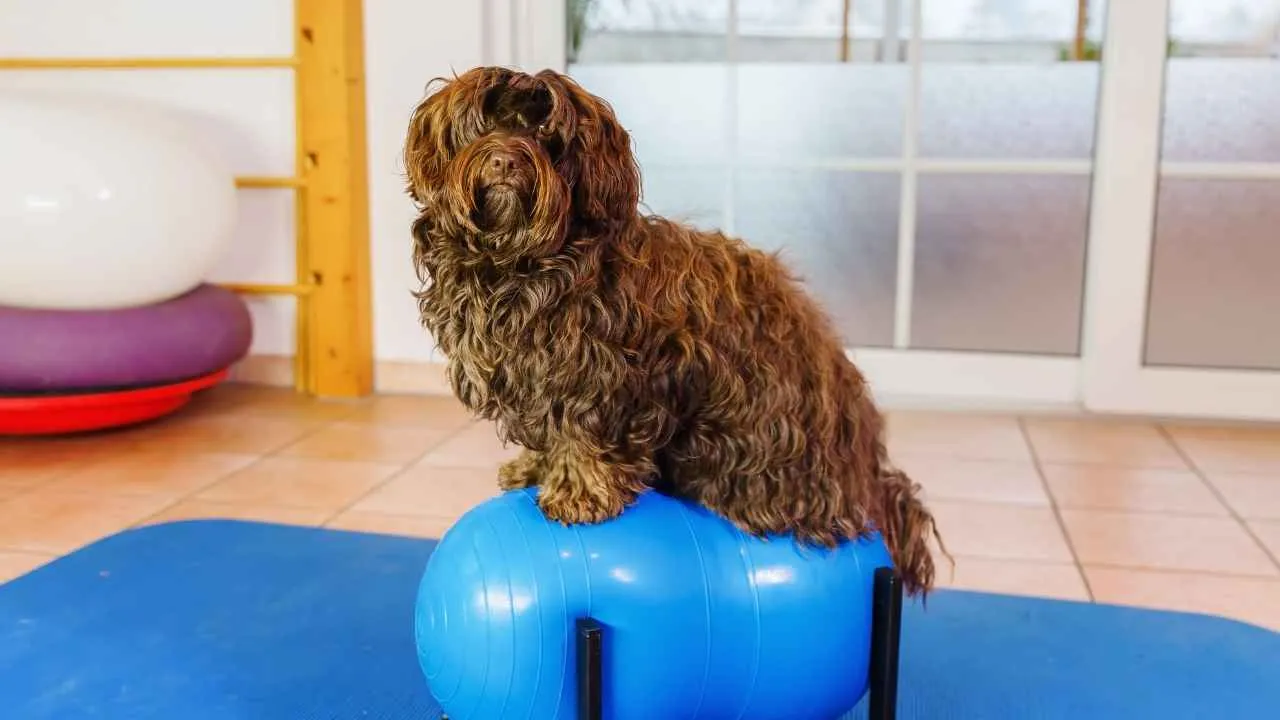
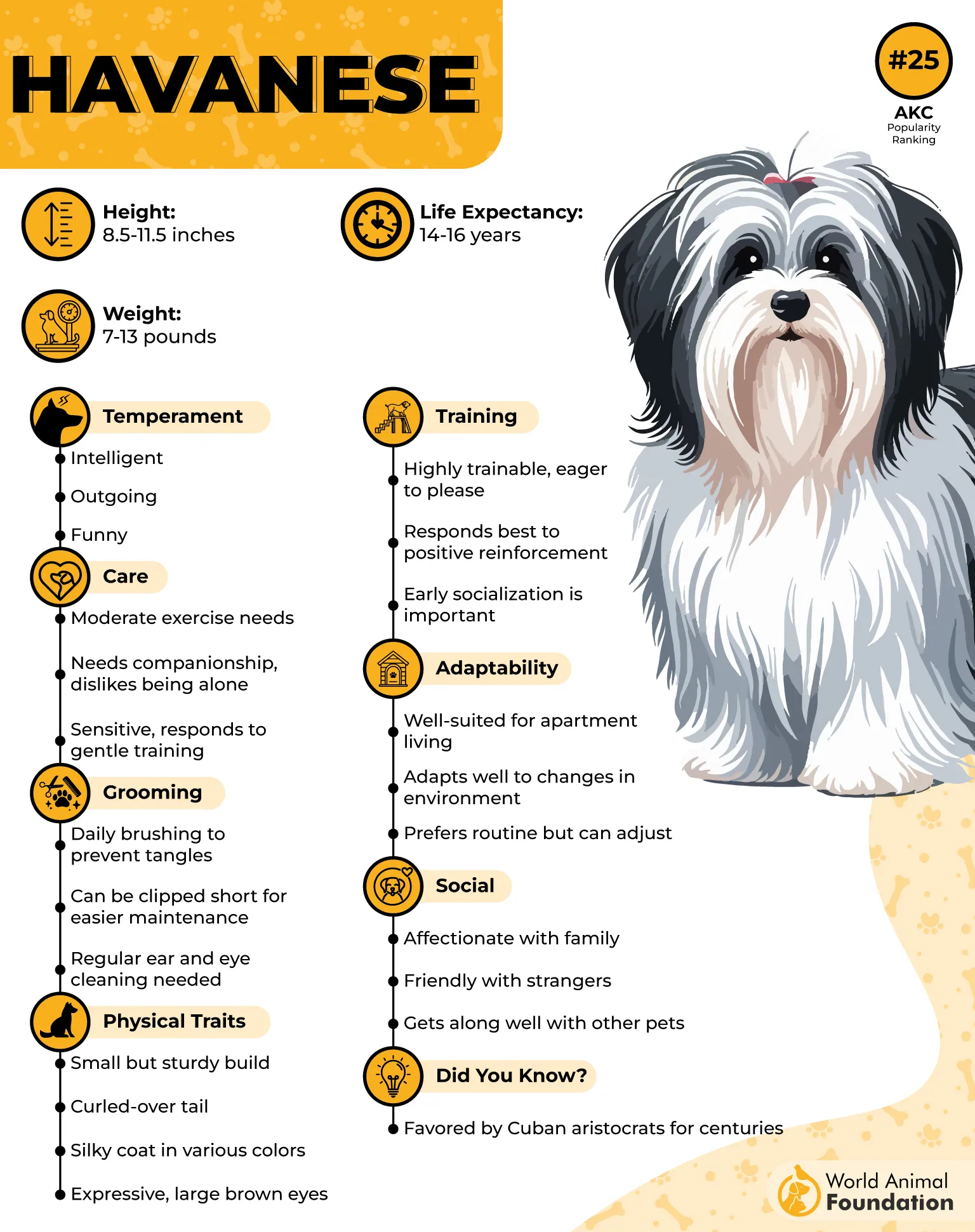
Havanese belongs to the Bichon family and was brought from the Mediterranean region to Cuba through trade connections, where it gained attention among wealthy households. Its small frame and lively expression reflect a breed closely tied to human interaction.
Behavior centered on interaction
This small breed stays curious about its surroundings and prefers being involved in daily activities rather than remaining apart. It responds strongly to attention, often adjusting its actions to remain part of what is happening.
These patterns appear clearly in daily life:
Seeks involvement in household routines
Reacts quickly to social interaction
Learns new tricks with enthusiasm
Learning ability and social ease
Havanese shows intelligence through its quick response to training challenges and its enjoyment of learning new tasks. According to Omlet UK, with its gentle nature, it adapts well to homes with other pets and people, including unfamiliar visitors, as attention remains its central motivation.
5. Yorkshire Terrier
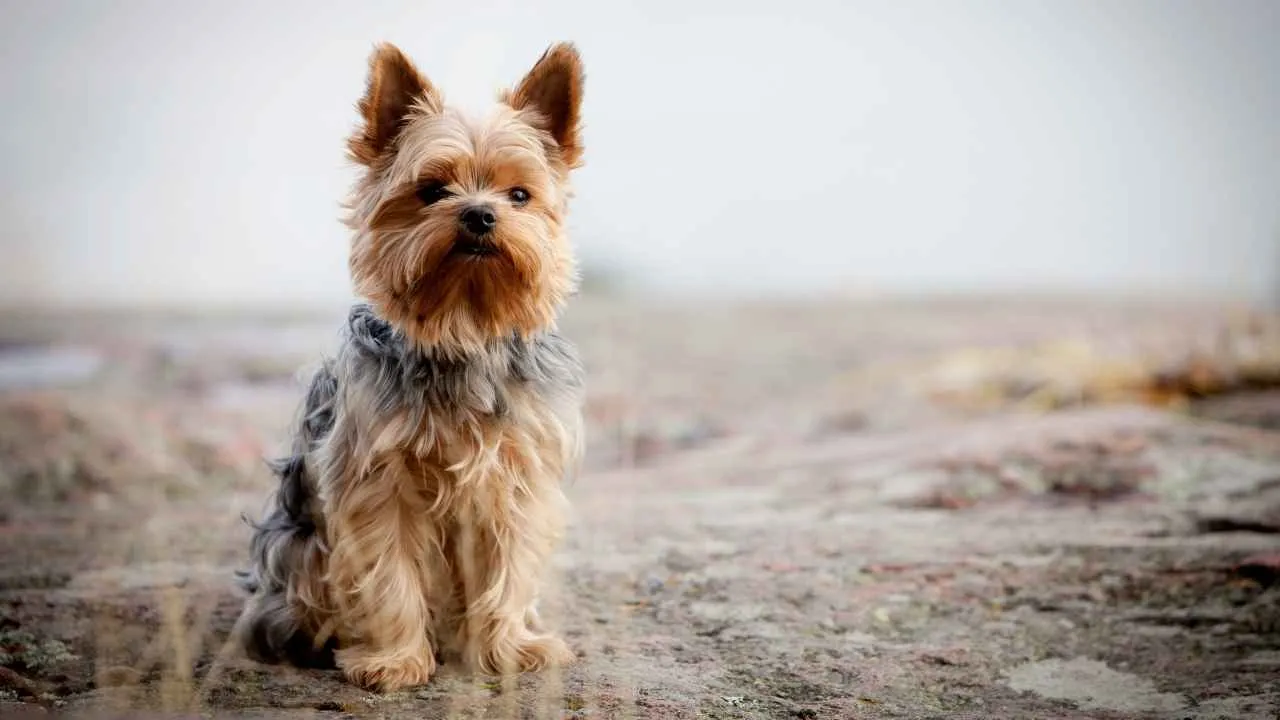
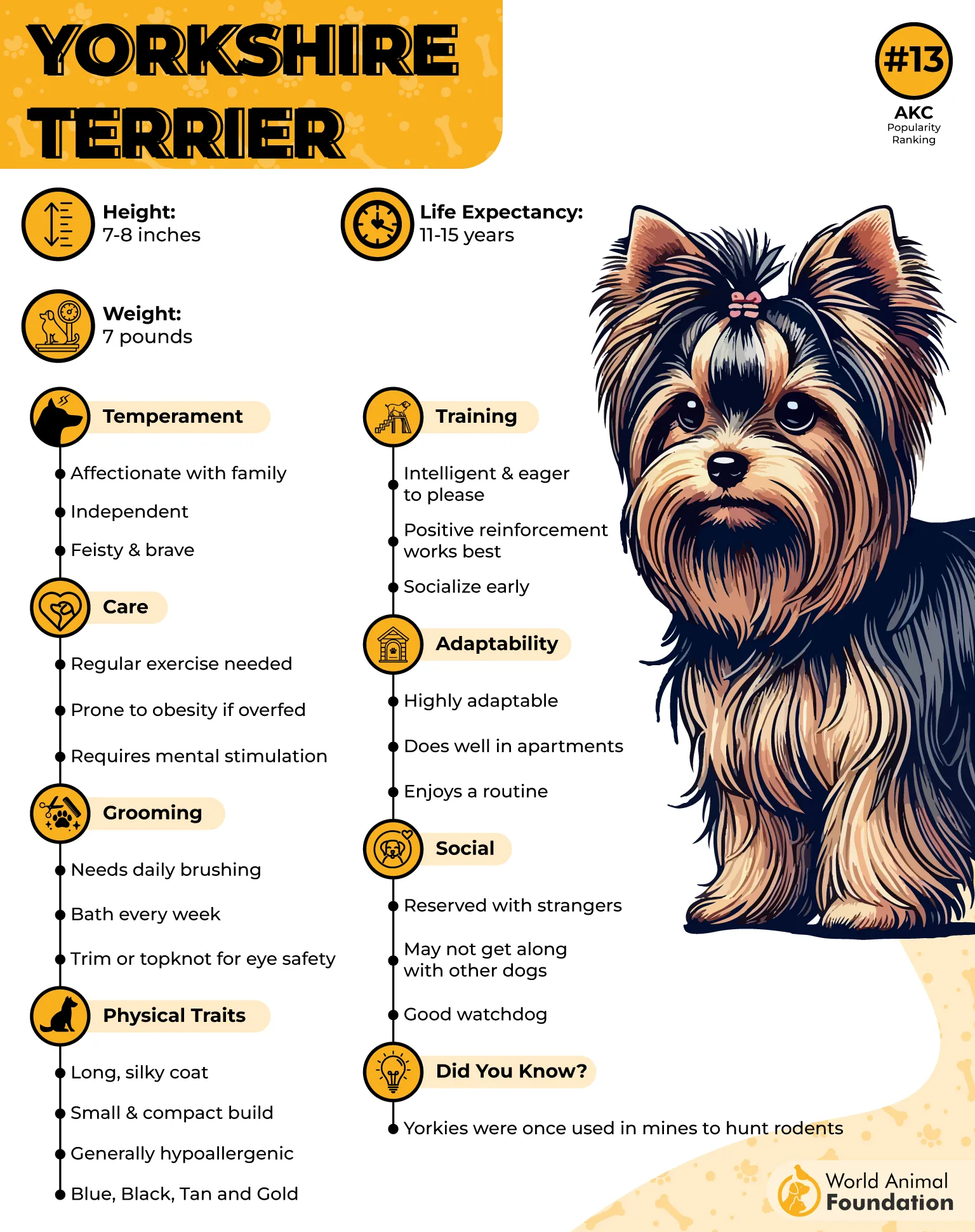
Yorkshire Terrier packs strong energy into a very small body, creating a lively presence that feels alert and expressive. Its compact size reflects a toy breed built for companionship rather than distance work. A confident personality often appears through curiosity and direct engagement with people.
Daily behavior and interaction
They are alert dogs and enjoy attention and interaction, responding with playfulness and a sometimes assertive attitude within the home. Its mental engagement is essential, as the breed benefits from consistent stimulation and structured activities.
That interaction pattern can be understood through key behaviors:
Seeks regular play and engagement
Responds well to clear household rules
Adapts to apartment living with quiet training
Family suitability and supervision
Yorkies bond closely with people and often interact warmly with both family members and visitors. Due to its very small frame, careful supervision is important during play, especially around young children. This attention to safety helps prevent accidental injury during active moments.
6. Pomeranian
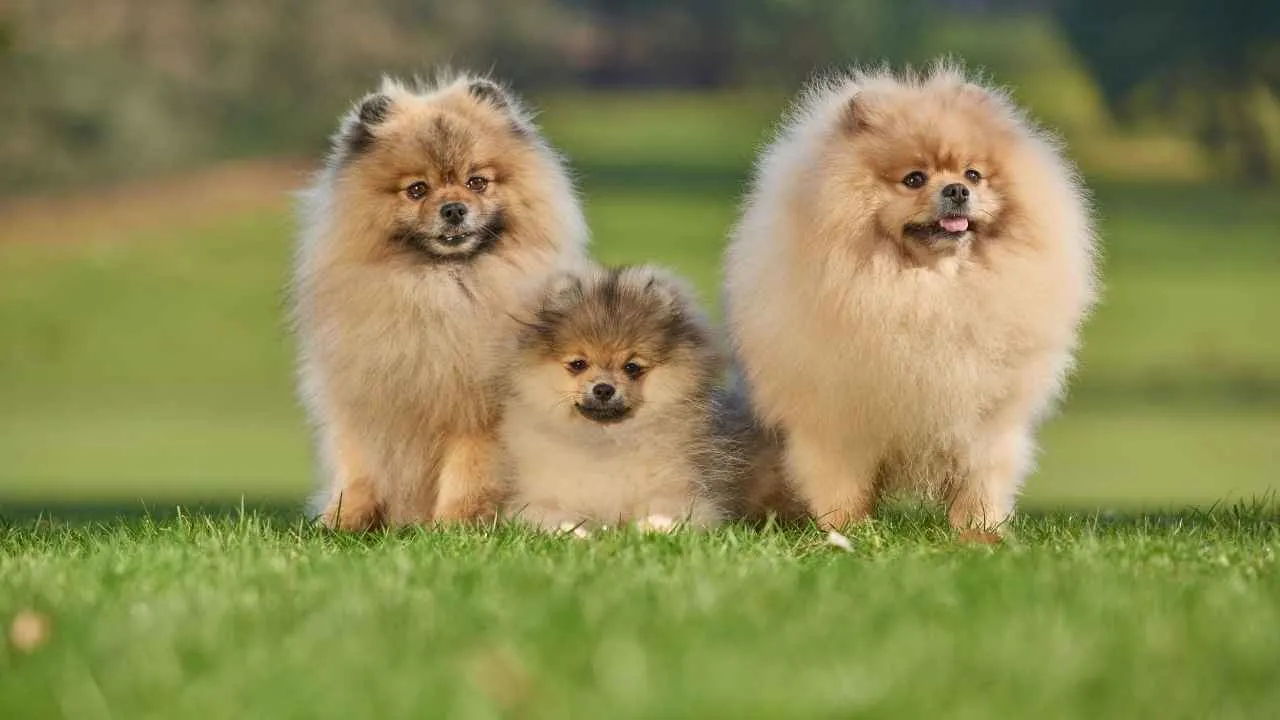
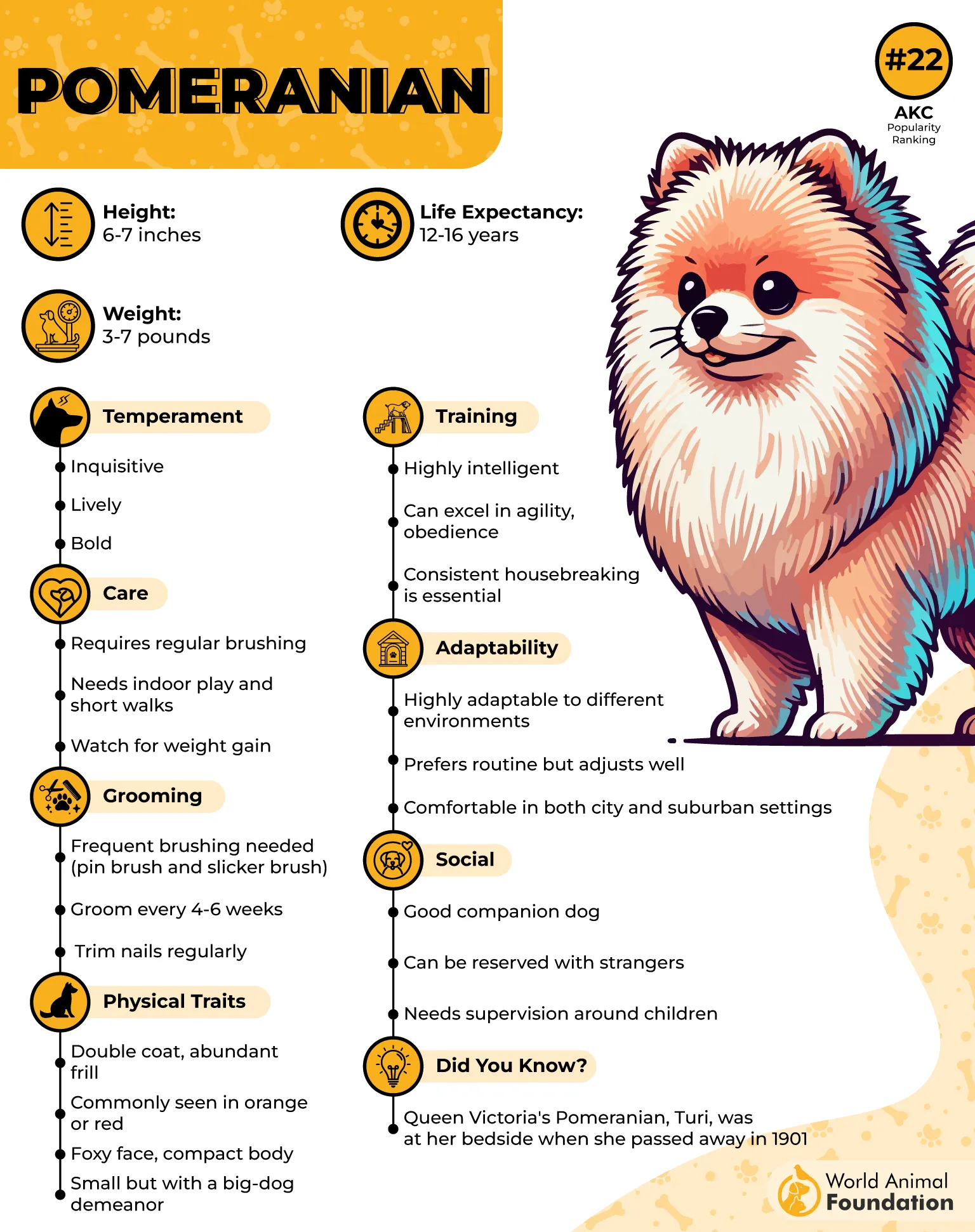
The Pomeranian was once a much larger herding dog before selective breeding reduced its size to today’s compact form. Despite the small frame, the breed retains a bold presence that contrasts with its body proportions. This shift in scale defines its identity more than any other feature.
Personality inside a small frame
Poms approach daily life with confidence that feels larger than its size, often acting with spirited energy and attention-seeking behavior. It enjoys interaction and adapts well to many household types, provided training is consistent.
These traits connect clearly to its behavior:
Responds strongly to positive reinforcement methods
Benefits from early social exposure
Engages readily when given attention
Living needs shaped by scale
They do not require extensive outdoor activity due to their small structure, making routine care manageable in compact spaces. Its playful side appears in short bursts rather than prolonged physical demands. This balance allows it to fit comfortably into varied home environments.
7. Brussels Griffon
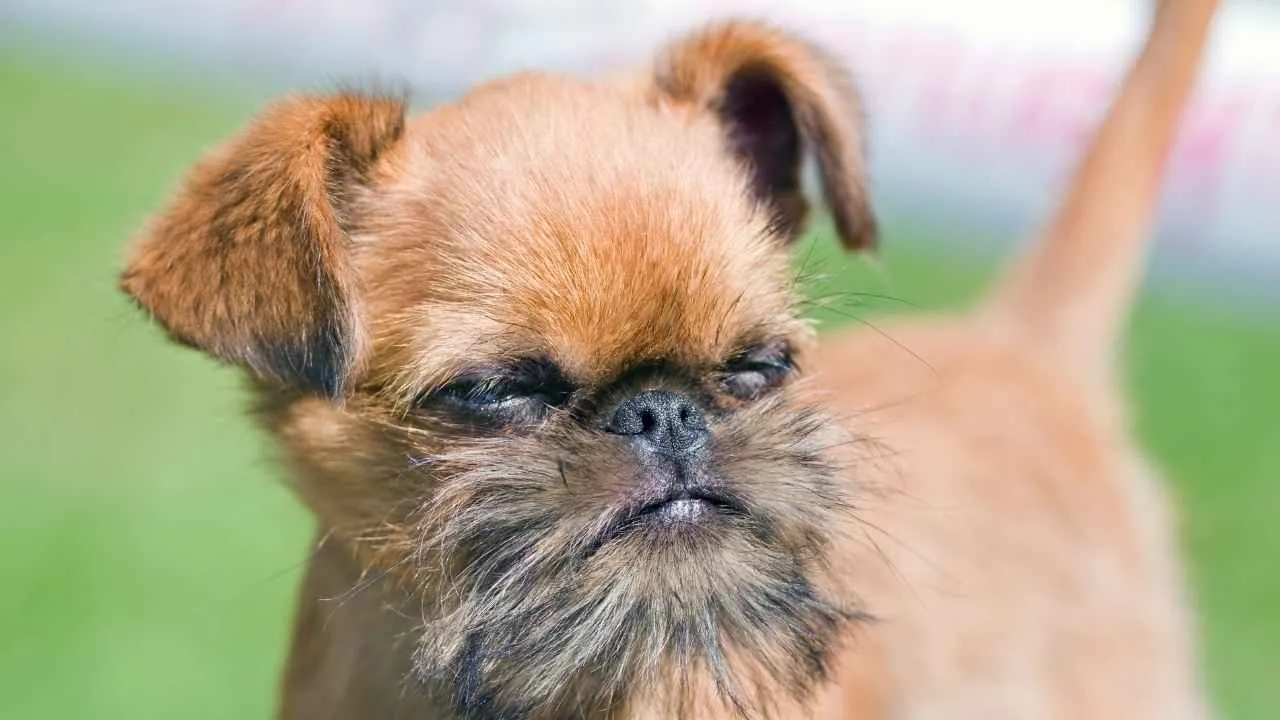
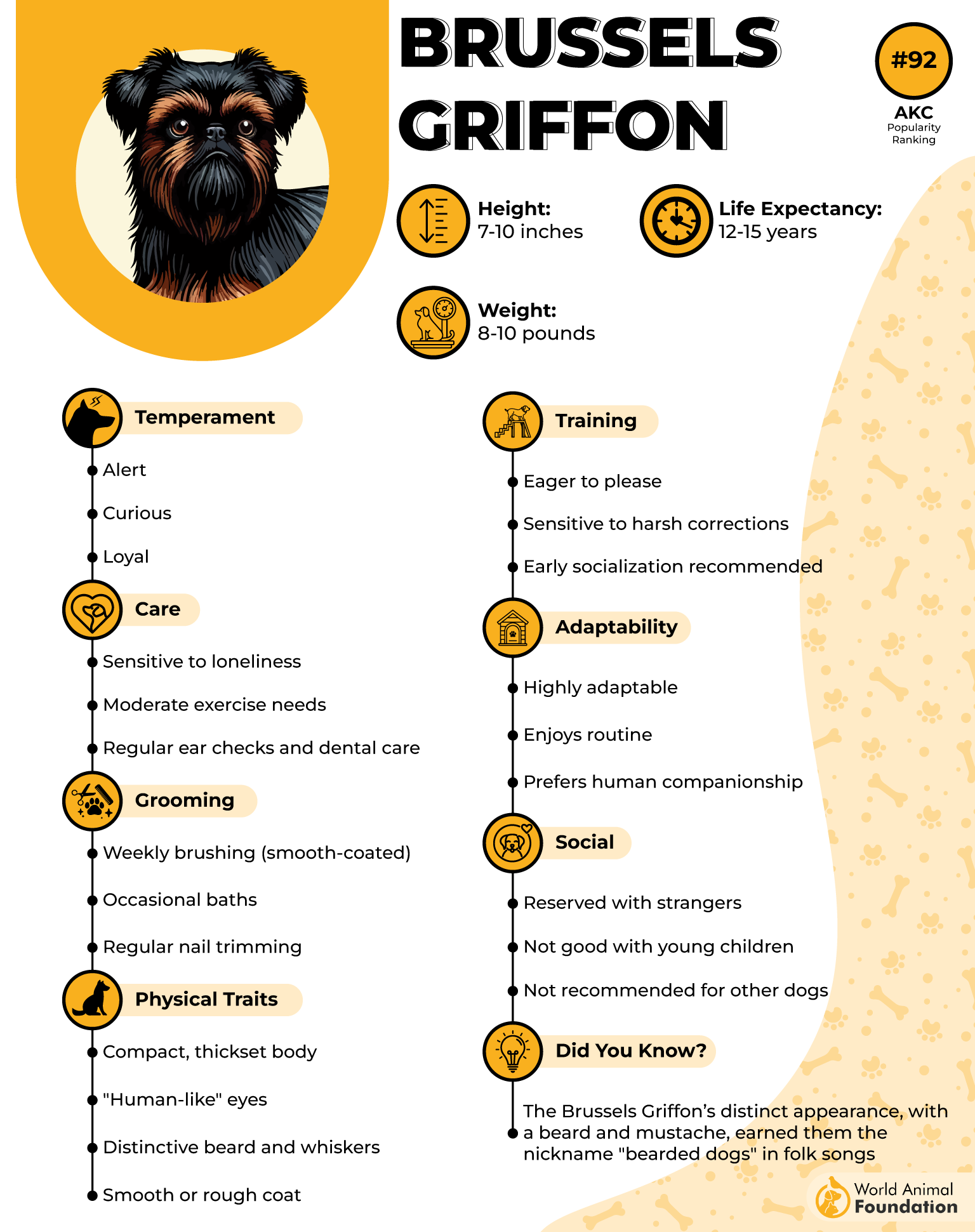
The Brussels Griffon is known for its near-human facial expression that reflects curiosity and emotion in a compact frame. Its intelligence and social nature shape a personality that quickly connects with people. The breed’s small size pairs with a lively character that draws attention naturally inside the home.
Companionship at the Center
As a velcro dog, they builds its daily rhythm around close interaction, often staying near its chosen person throughout the day. This strong attachment makes it best suited for households where regular companionship is part of the routine.
That closeness can be understood through key behaviors:
Seeks constant proximity to family members
Dislikes extended periods alone
Engages actively with household activity
Balanced Energy Level
Brussels Griffon functions well with moderate daily activity, such as short neighborhood walks or brief play sessions. Around thirty minutes of movement generally meets its needs without demanding intense exercise. Its adaptable nature allows it to enjoy both active moments and quiet time indoors.
Conclusion
The sweetest and most popular toy dog breeds are not defined only by appearance or size, but by the way they stay emotionally connected to the people around them every single day. Many of these dogs were bred specifically for companionship, which explains why they become excellent companion dogs with calm affection and loyalty when socialized properly.
From the cheerful nature of the Pomeranian to the devoted attachment of the Brussels Griffon, each breed offers comfort differently. Their routines fit easily into everyday home life, whether living beside big dogs or spending time with outgoing dogs people see regularly. That connection is what owners remember most when they live with a dog regularly.
