




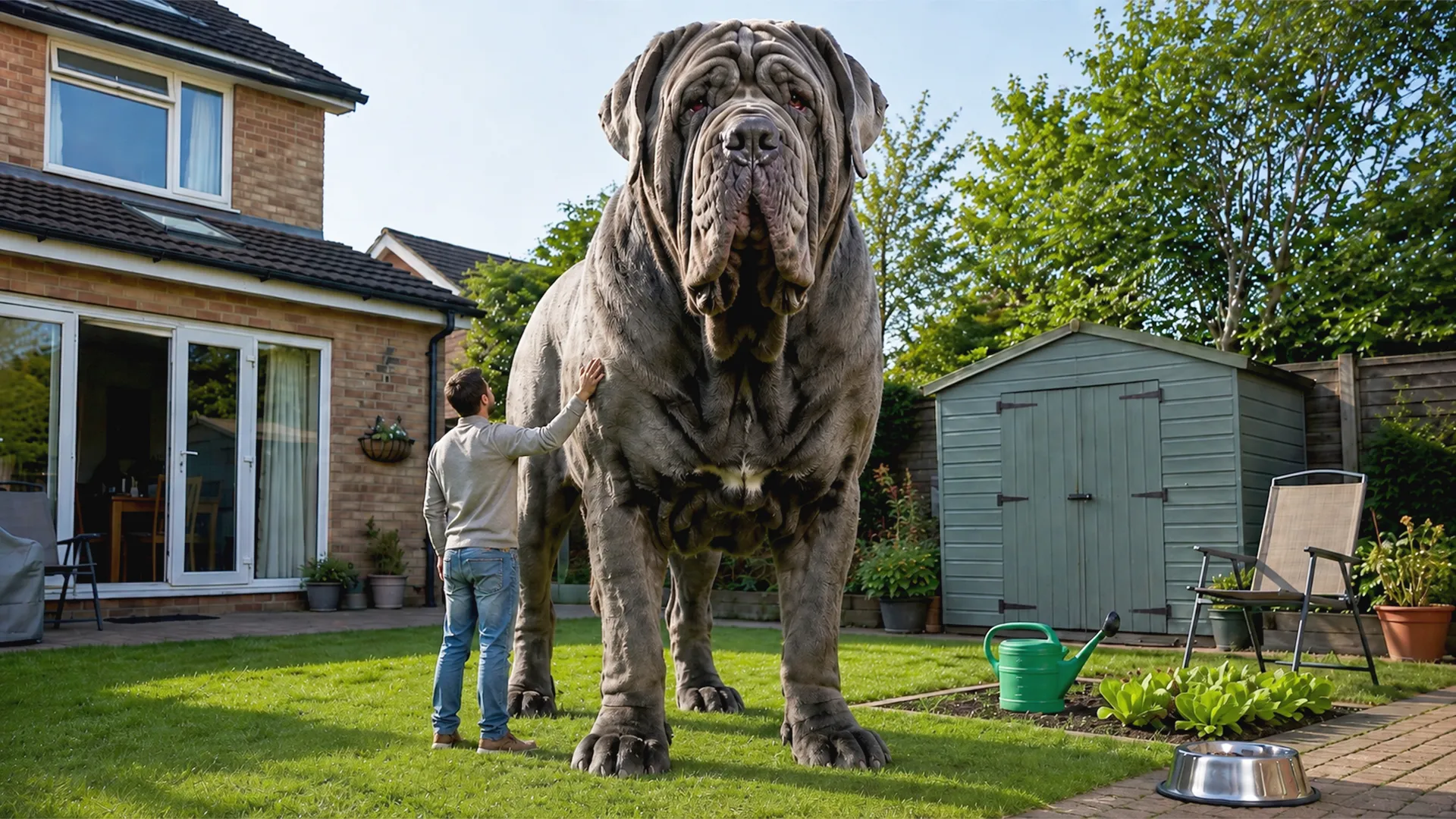
Some of the most loyal dogs are not the ones people talk about anymore. They are not trending, not widely recommended, and rarely show up in common discussions. Yet their loyalty is on a completely different level compared to what most people are used to seeing.
This raises a simple question. Why are these dogs no longer part of everyday conversations? The answer is not as obvious as it seems. Over time, preferences have shifted toward breeds that are more popular and familiar to the general public.
In that process, certain giant breeds with exceptional loyalty have quietly slipped out of focus. Their absence has created a gap in understanding what true loyalty can look like in a dog. Once you start exploring these lesser-known breeds, the difference becomes clear.
This article highlights those forgotten giants and shows exactly what sets their loyalty apart from the rest.
Key Takeaways
Some dog breeds once played vital roles in human life but are now rarely mentioned, even though their loyalty has not faded with time.
Kangal stands out first with its quiet independence, guarding vast land with a sense of responsibility that does not depend on constant direction.
Neapolitan Mastiff and Black Russian Terrier follow with their powerful presence and strong family attachment, each showing loyalty in a very controlled and grounded way.
By the time you reach the final breed, it becomes clear that each one carries a different version of loyalty waiting to be rediscovered.
Forgotten Giant Dog Breeds With Unmatched Loyalty
1. Kangal
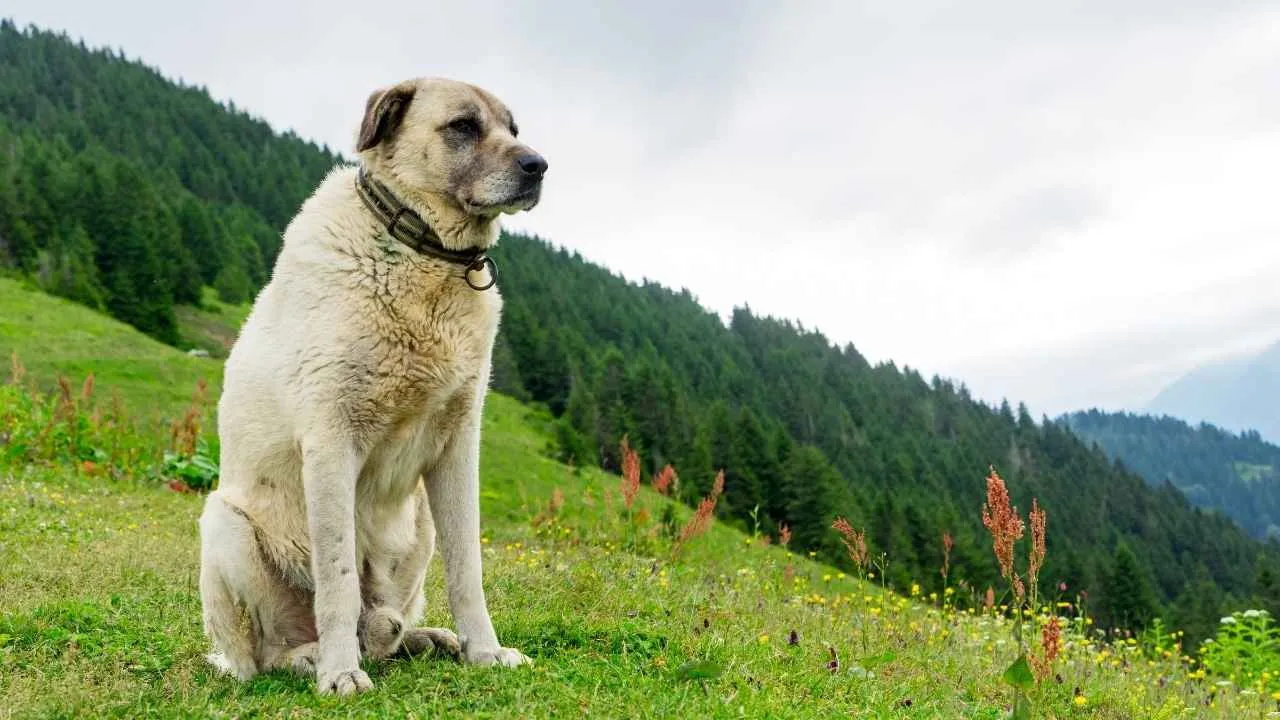
Kangal descends from some of the oldest known canine lineages, shaped over thousands of years for livestock protection across harsh terrain.
Its role was tied to independent guarding rather than direct human instruction. This created a dog that operates with self-directed control in wide open environments.
Behavior shaped by caution and distance
This big dog breed shows natural wariness toward unfamiliar people, keeping emotional distance until it assesses intent. Its protective instincts remain steady rather than reactive, relying on observation before engagement.
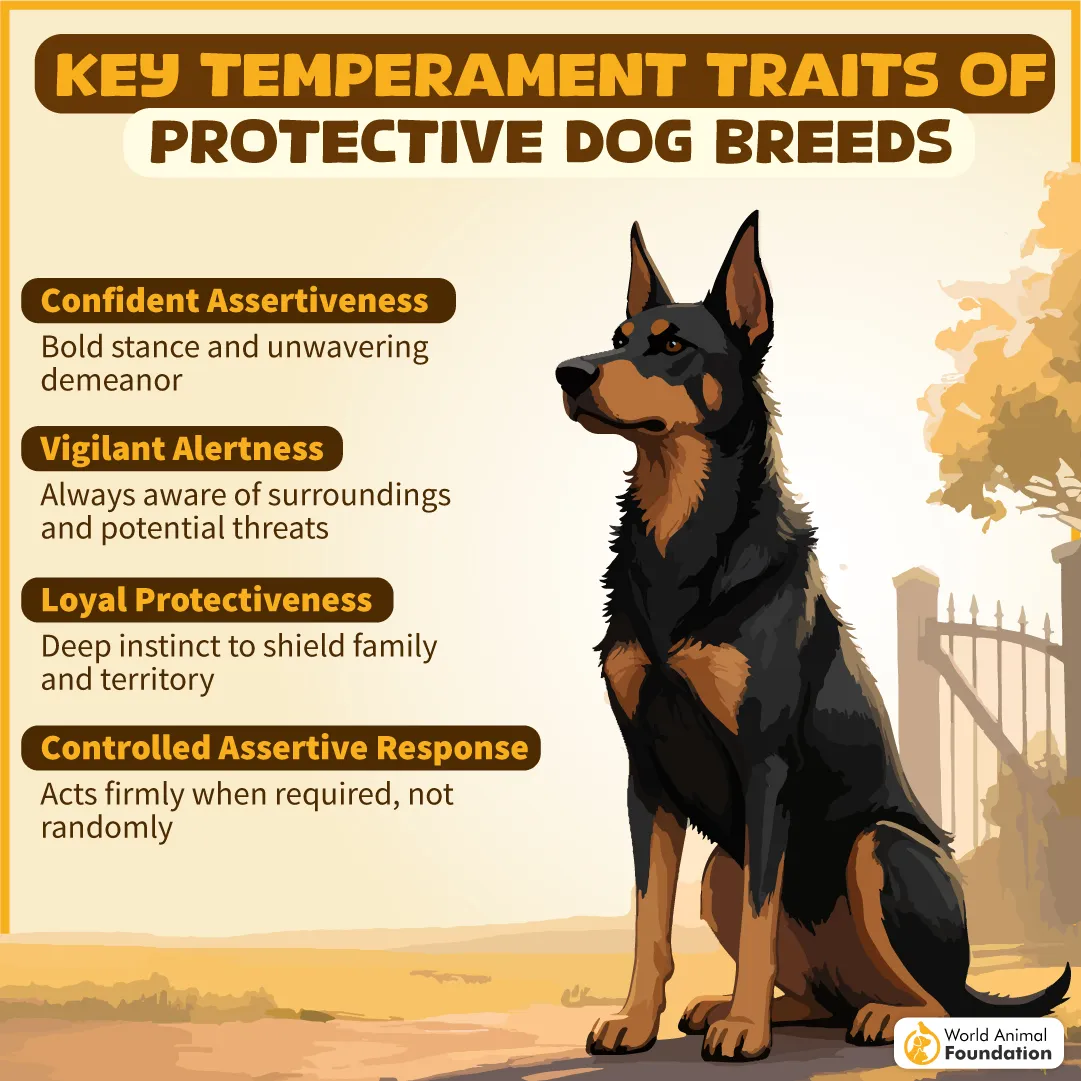
This working behavior appears in clear functional patterns:
Guards livestock without constant handler input
Monitors large open land independently
Responds directly to perceived external threats
Handling needs and environmental fit
As per Purina, Kangal requires experienced pet parents due to its independent mindset and strong guarding instinct, which does not easily adjust to unclear guidance.
It performs best in structured outdoor environments where its natural behavior can remain active. Training and social exposure must be consistent from the early stages.
2. Neapolitan Mastiff
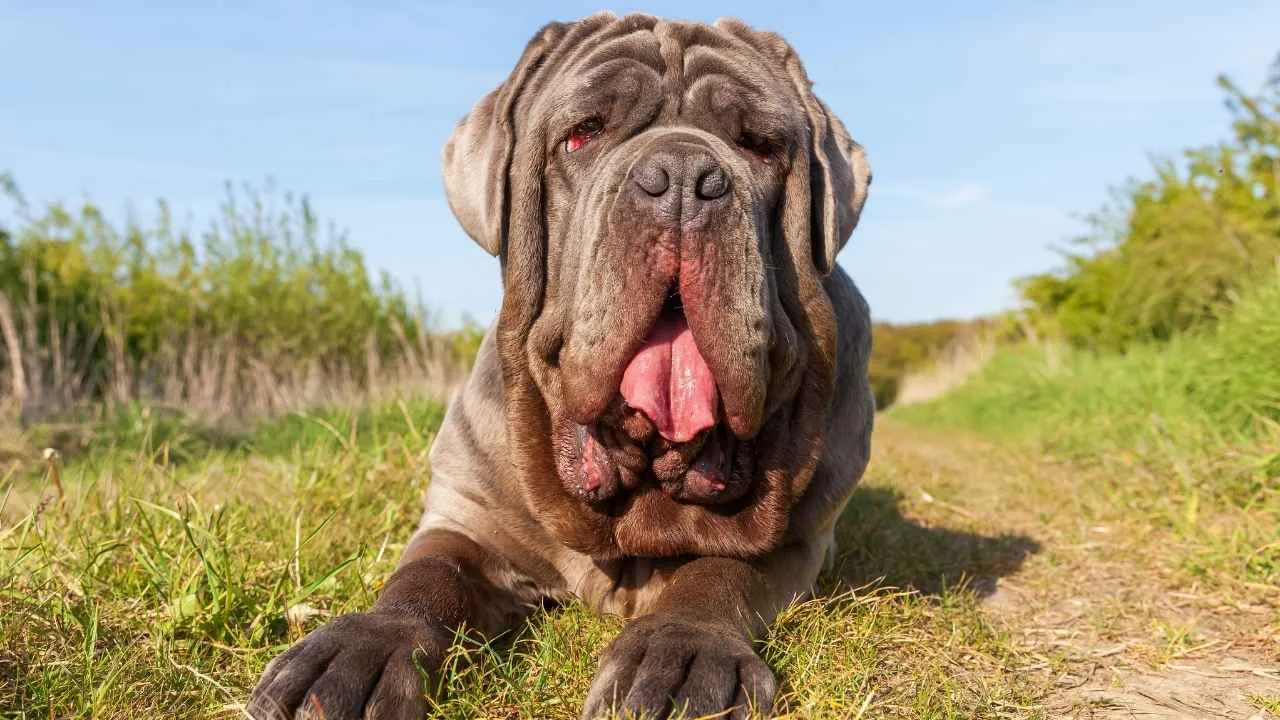
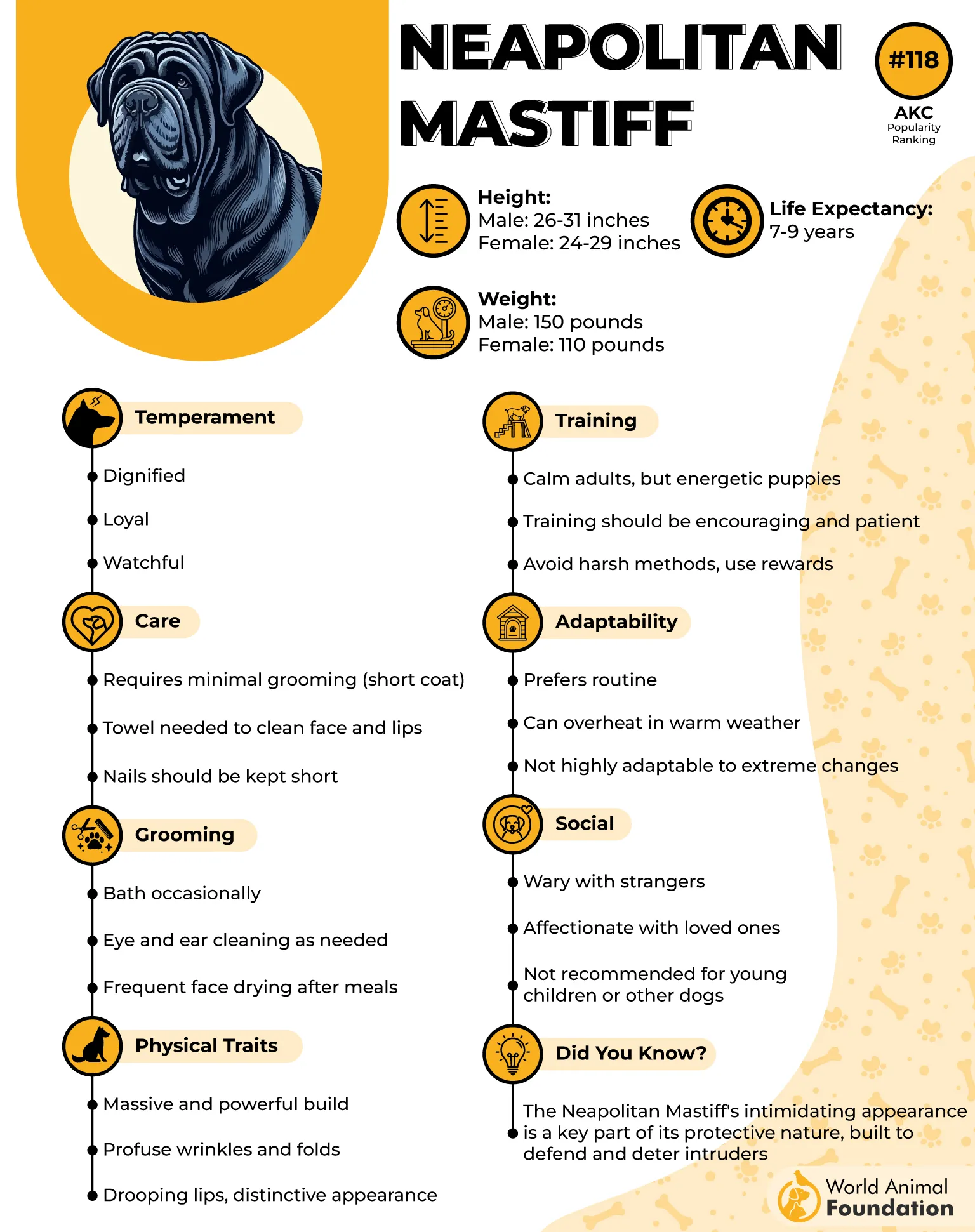
The Neapolitan Mastiff is known for its enormous frame and deep folds of skin that create an unmistakable, heavy presence. Its intimidating outline has been recognized since ancient Roman times, built for discouraging unwanted approaches through sheer physical impact.
Physical structure and visual impact
As a large dog breed, they carry exaggerated folds and heavy bone structure that shape their slow, grounded presence in space, as per the AKC. Its appearance is often described in dramatic terms because of the deep wrinkles and oversized head proportions.
That structure can be broken down into clear physical elements:
Deep facial folds with hanging skin structure
Massive head proportion compared to the body frame
Heavy, low-set body designed for stability
Behavior within familiar surroundings
They behave with calm steadiness among known people, showing a relaxed and slow-moving temperament indoors as a family dog.
It remains affectionate within its circle while staying noticeably cautious when unfamiliar individuals are present. Its social comfort depends strongly on familiarity rather than on open interaction.
3. Black Russian Terrier
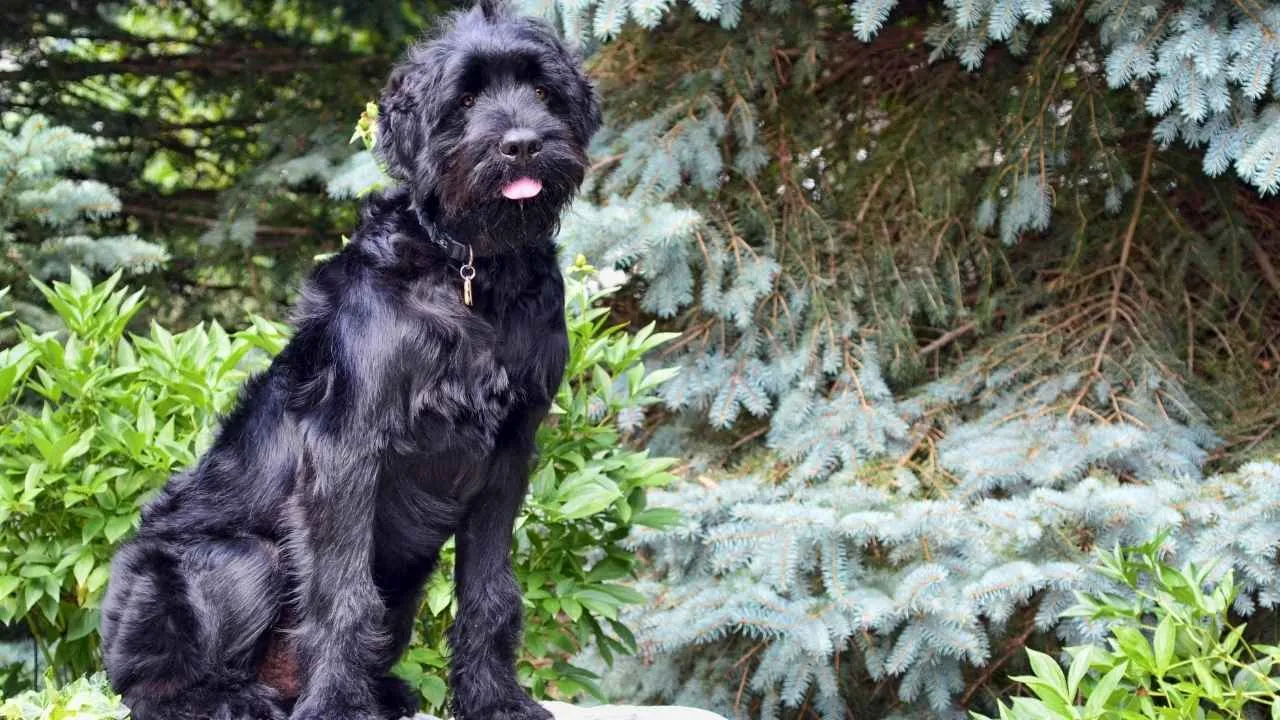
Black Russian Terrier comes from a mix of working dogs shaped for military use, including Giant Schnauzer, Rottweiler, Airedale, and Newfoundland lines, as Omlet noted. Its body reflects a heavy, controlled structure built for demanding tasks rather than casual movement.
Task-driven behavior and control
These terriers operate with focus and confidence, often seeking activities that give them direction rather than idle time. It reacts to unfamiliar people with caution, relying on observation before engagement.
Their working mindset appears in clear behavioral signs:
Prefers structured tasks over free activity
Observes strangers before interaction
Uses barking only when a trigger is present
Home behavior and attachment style
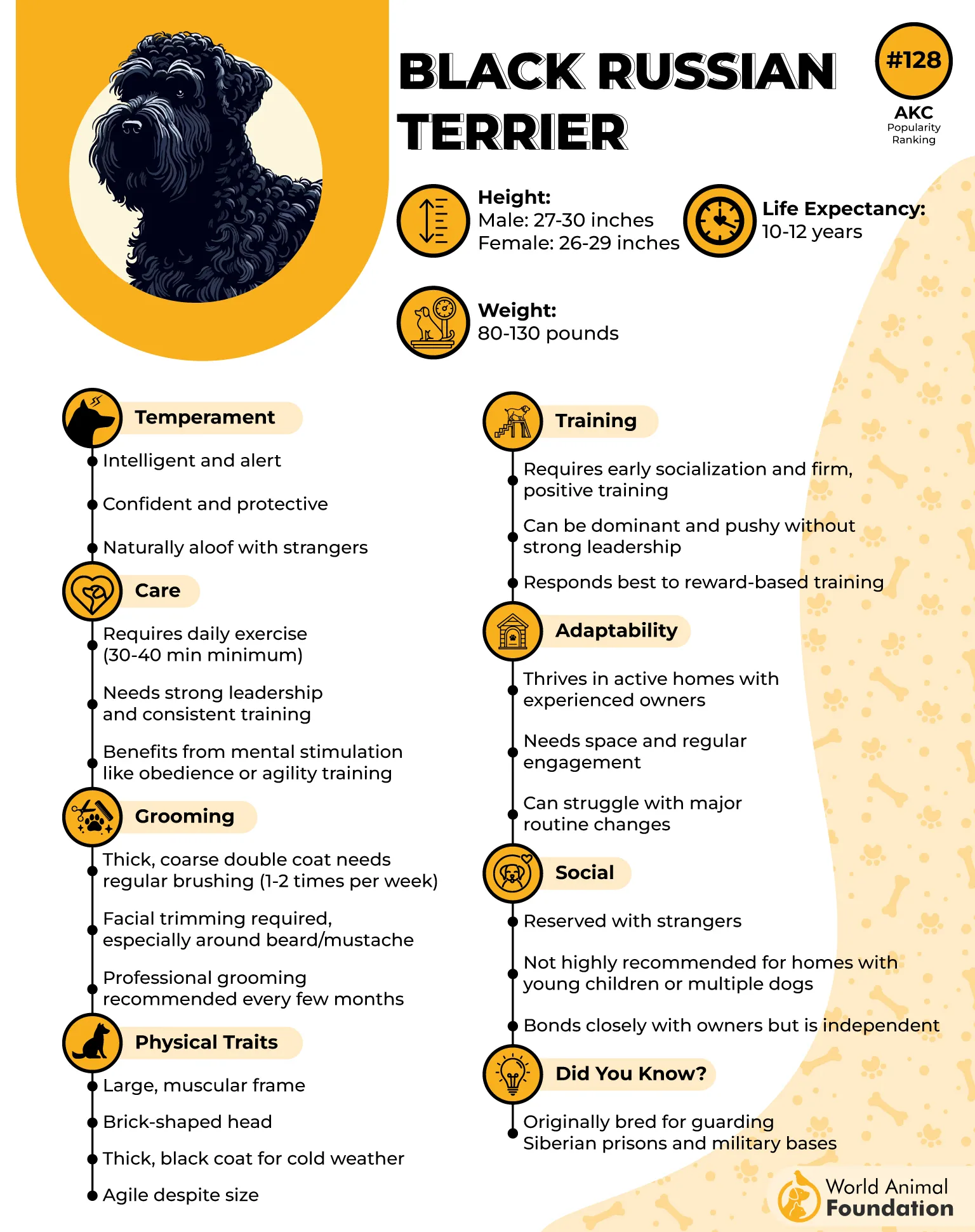
They like to stay physically near to the people they love and form close bonds with in their family circle. It shows a strong attachment pattern, following familiar individuals from room to room. This closeness contrasts with its reserved attitude toward outsiders.
4. Akbash
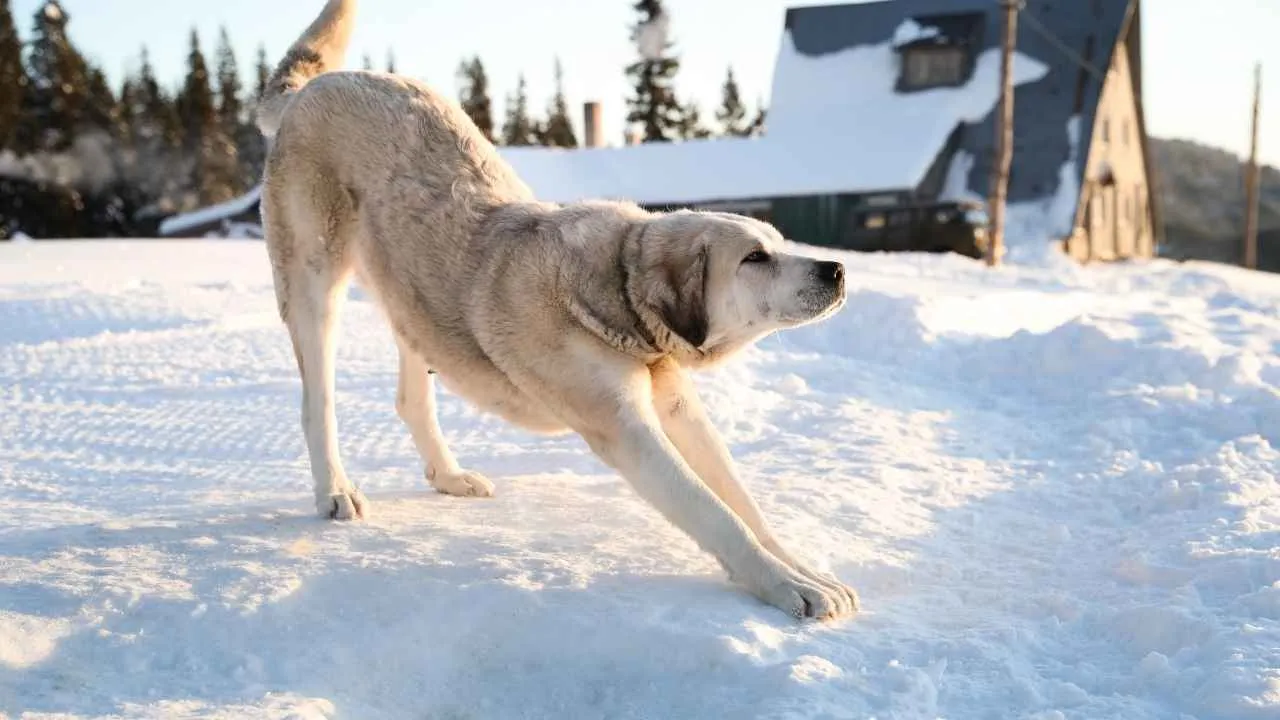
Akbash was originally bred in Turkey as a livestock guardian, with reports of its presence reaching back centuries before common recordkeeping.
Its development is linked to early working dogs ranging from mastiff types to agile sight hunters. The white coat helped it blend with flocks, reducing confusion during night patrols.
Field behavior and protective structure
This ancient breed works with independent judgment, staying steady among livestock while scanning for movement outside its group. Its vigilance increases during nighttime, where boundary awareness becomes more active than during daytime behavior.
This working style is reflected in clear patterns:
Maintains distance-based perimeter awareness
Reacts cautiously to unfamiliar movement
Blends visually with livestock due to coat color
Bonding pattern with the environment
They are loyal companions that form a stronger attachment to territory and flock than to constant human direction, relying on placement rather than supervision.
Its reliability grows when introduced early to livestock and given stable boundaries. Controlled exposure to visitors shapes their comfort with unfamiliar presence.
5. Romanian Mioritic Shepherd Dog
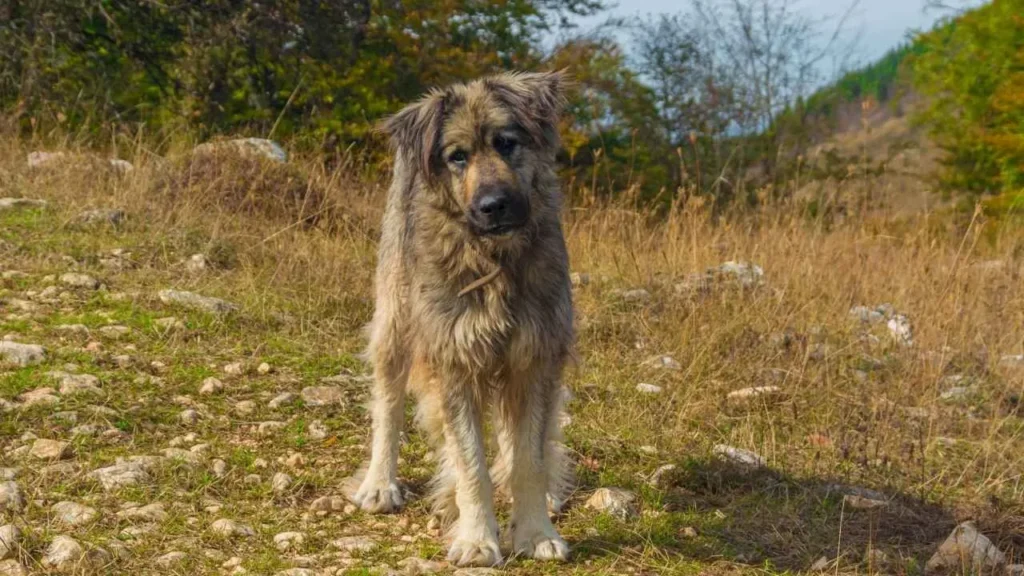
Romanian Mioritic Shepherd Dog is bred from the Carpathian mountain region, where it was trusted for centuries to protect livestock across rough terrain.
Its large frame and heavy coat reflect a working life spent outdoors in changing conditions. This gives it a presence built for endurance and vigilance.
Livestock-focused guarding behavior
This breed stays close to its protected group, treating animals and family as one circle under its watch. It shows strong independence while remaining deeply focused on guarding responsibilities rather than casual interaction.
This working behavior is reflected in clear patterns:
Stays physically close to the flock or family group
Reacts strongly to the unfamiliar presence nearby
Maintains alertness without constant movement
Daily behavior and living preferences
Often chooses its own resting spots and sometimes prefers hard surfaces rather than prepared bedding. It shows independence in daily comfort choices while still staying near its preferred person. Regular walks and outdoor movement fit its natural rhythm better than structured activity programs.
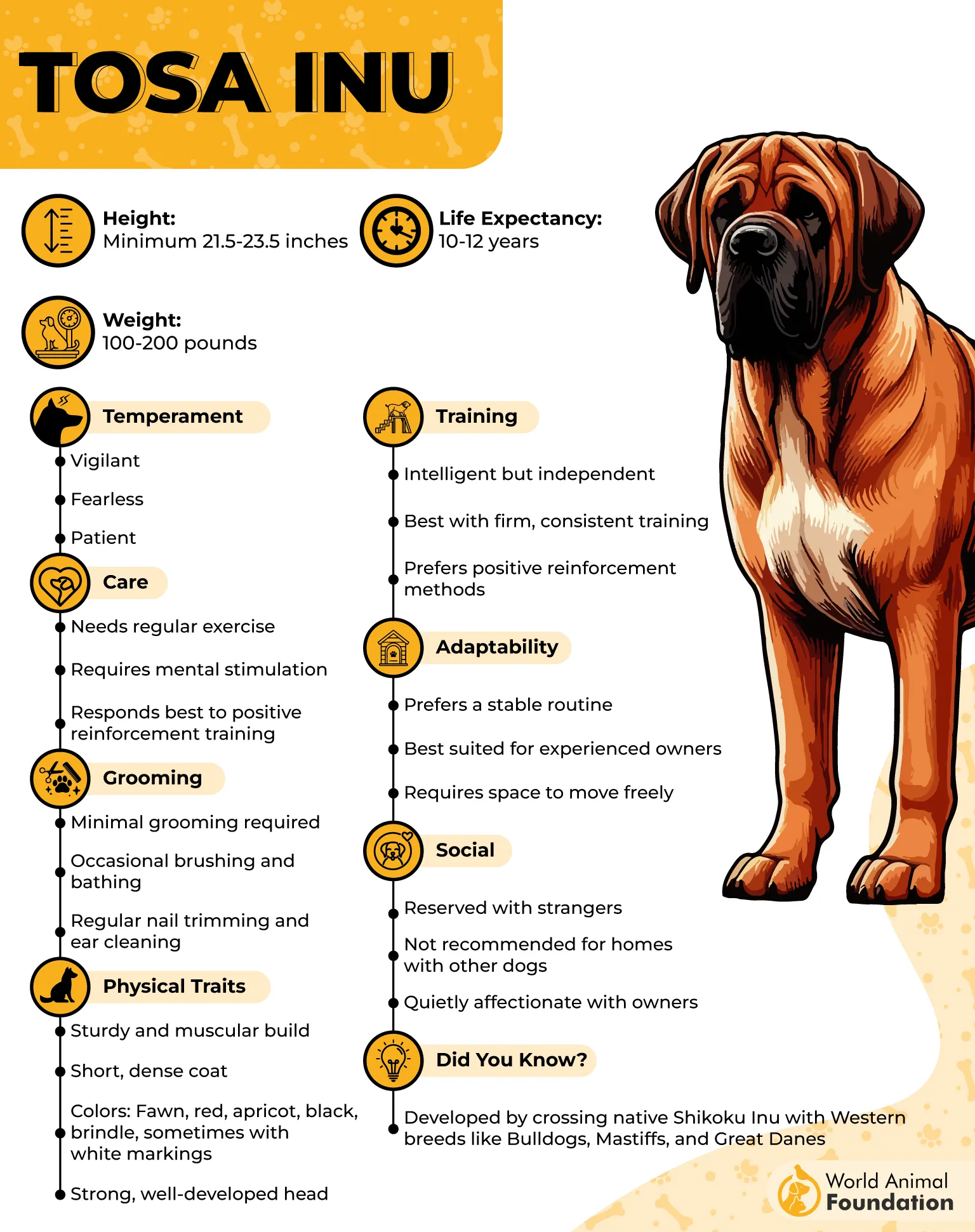
6. Tosa
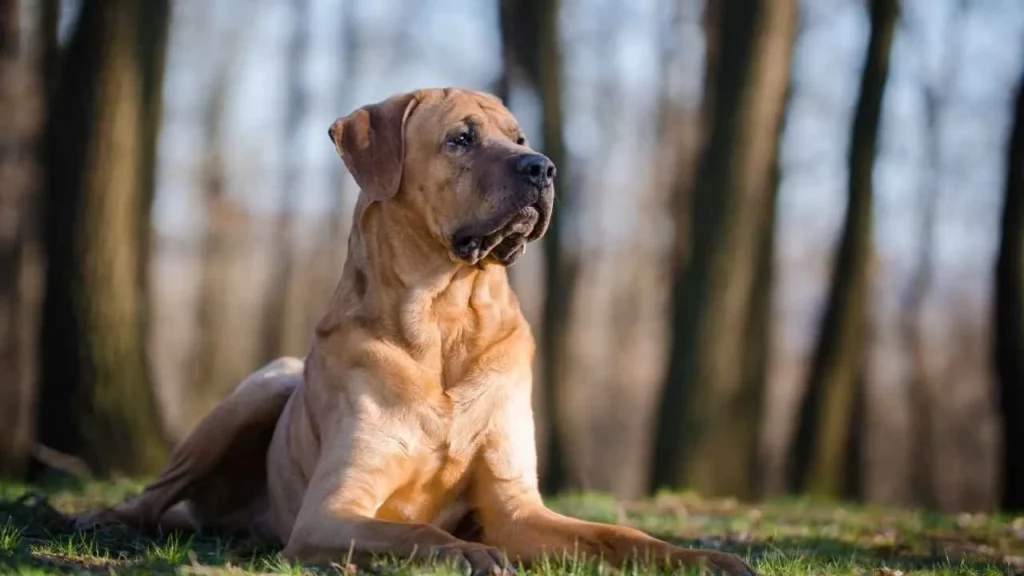
Recognized as one of the largest Japanese dog breeds, the Tosa carries a heavy, stately build that reflects controlled strength rather than constant activity. Its patient and sweet temperament leans toward patience and composure, creating a steady presence in any environment.
Controlled behavior with clear boundaries
This big breed responds to situations with quiet vigilance, showing obedience within familiar structure while remaining reserved outside it. Its interaction with other dogs can shift toward defensiveness if it senses intrusion, while human-directed aggression is not typical.
This behavior becomes clearer in practical patterns:
Maintains a calm demeanor in structured environments
Observes unfamiliar dogs with guarded awareness
Stays responsive to familiar handling and routine
Social tone within a familiar space
They are quite affectionate towards their own family members, often staying close without excessive demand for attention. With strangers, it tends to keep a distance, reflecting a reserved social layer rather than openness. This contrast shapes how it adjusts between home comfort and outside caution.
7. Pyrenean Mastiff
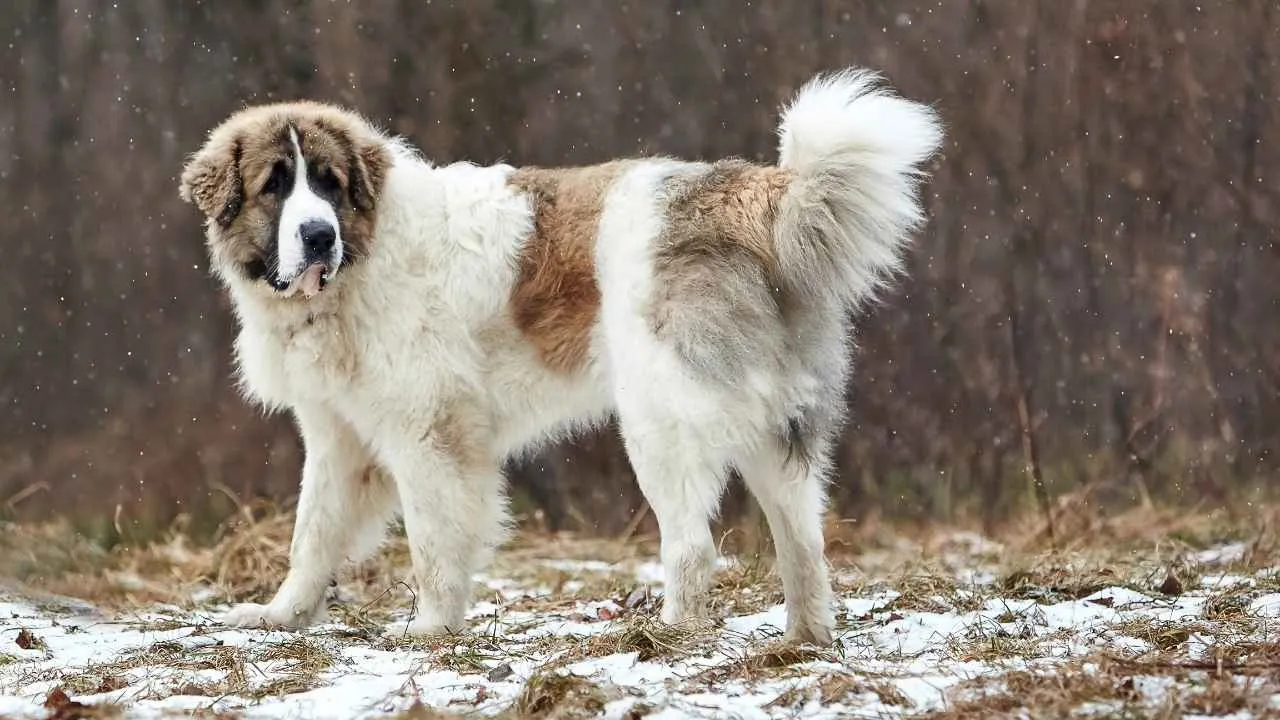
The Pyrenean Mastiff comes from the Pyrenees Mountains of Spain, originally trusted to guard livestock against wolves, bears, and intruders across harsh terrain.
Its imposing size and presence were shaped by long exposure to demanding outdoor conditions. This working role later shifted toward property protection and close human companionship.
Temperament in controlled daily life
As a family pet, they show a calm, intelligent manner around people, often displaying a composed and noble presence in familiar environments. It balances friendliness with careful judgment when encountering unfamiliar faces or situations.
This behavior appears in clear everyday patterns:
Remains calm with known humans and family
Assesses strangers with quiet confidence
Distinguishes between harmless and threatening animals
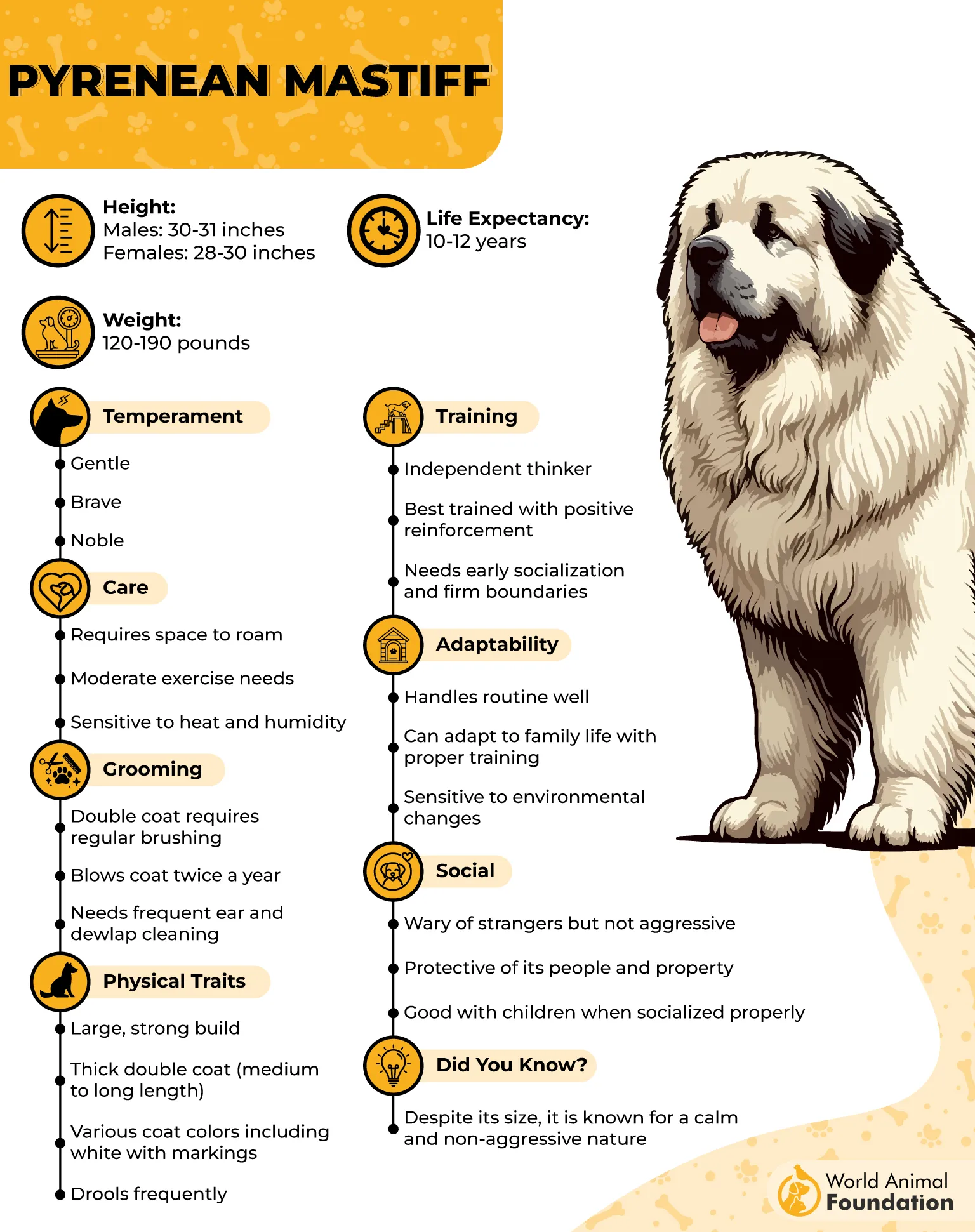
Guard response and vocal behavior
Mastiff reacts to unusual activity with alert barking, acting as an early warning system rather than a constant noise. Its guarding instinct activates based on real movement or unfamiliar presence rather than random triggers. This makes its response measured and situation-based.
8. Broholmer
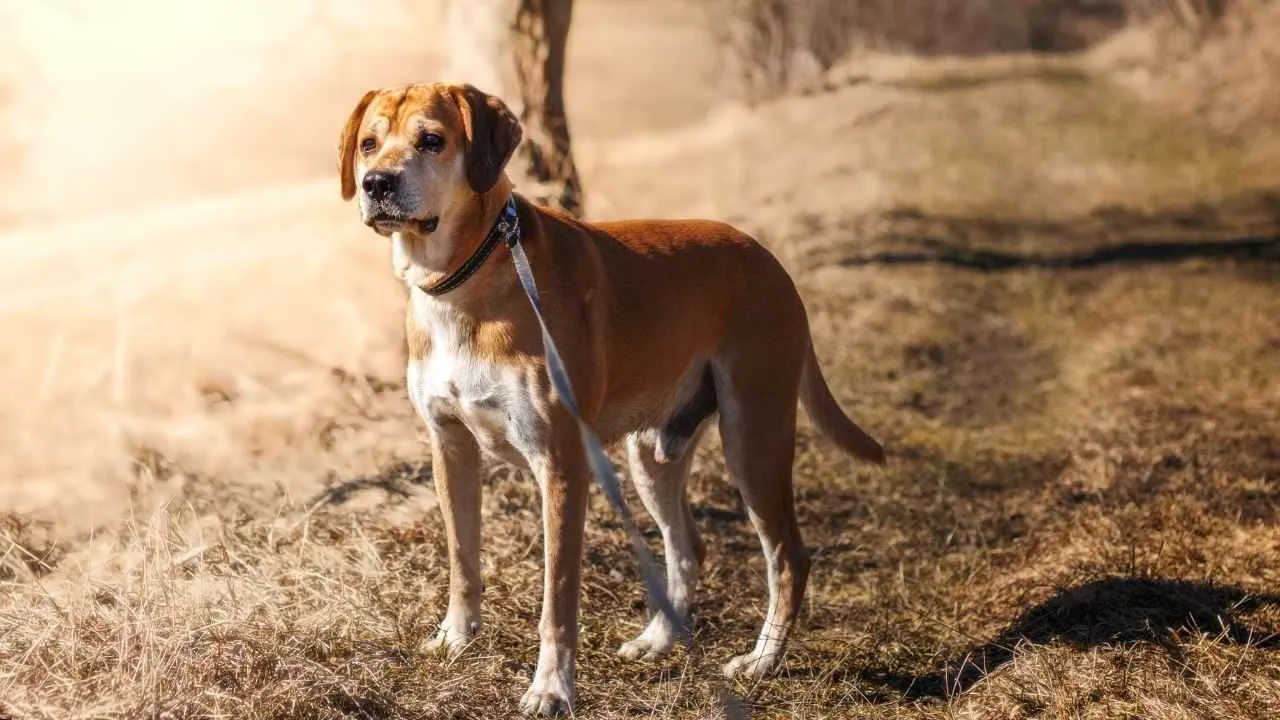
Broholmer originates from Denmark, built as a large mastiff-type dog with a broad head and strong rectangular frame. Early records mention it as a common sight near Copenhagen, often seen around butcher shops. Its physical scale alone carries a presence that discourages intrusion without effort.
Role shaped through everyday work
They once served in multiple roles around farms and town spaces, moving between guarding homes and watching livestock in markets. That working versatility shaped its steady confidence and practical awareness.
This behavior is visible through clear functional traits:
Guarded butcher shop entrances in early settings
Protected farm cattle and household spaces
Maintained calm presence in busy market areas
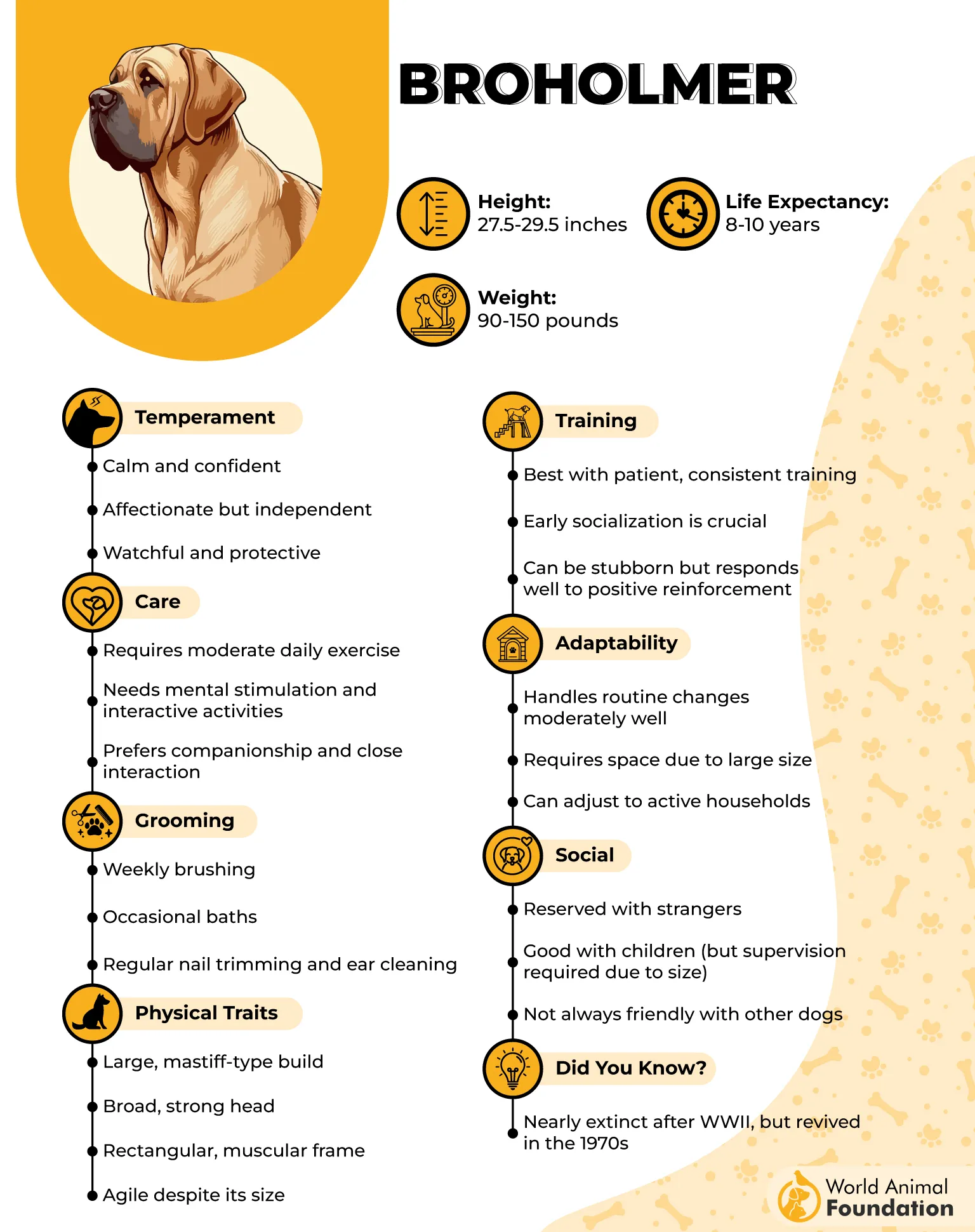
Activity style with surprising agility
This large breed handles movement-based activities with unexpected ease for its size, including games like fetch, hiking routes, and outdoor trips. It adapts well to shared family outings and open-air environments. Its comfort in varied activities reflects a balance between strength and responsiveness.
9. Estrela Mountain Dog
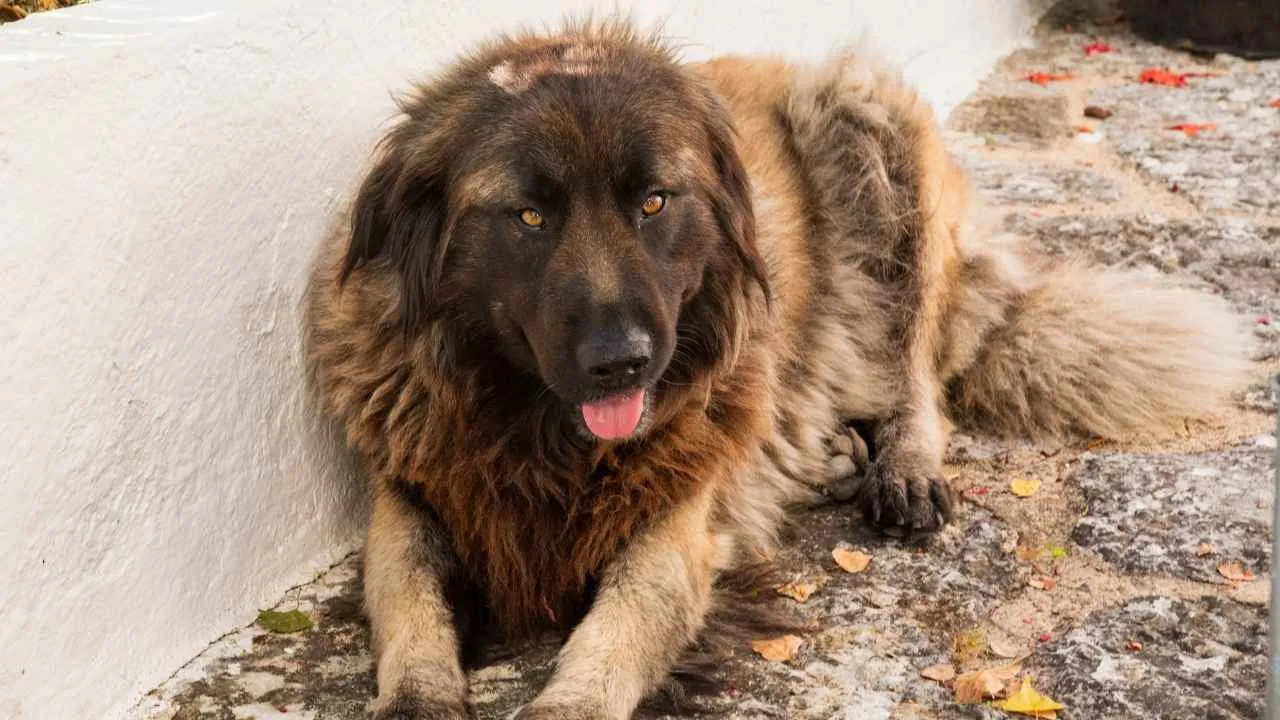
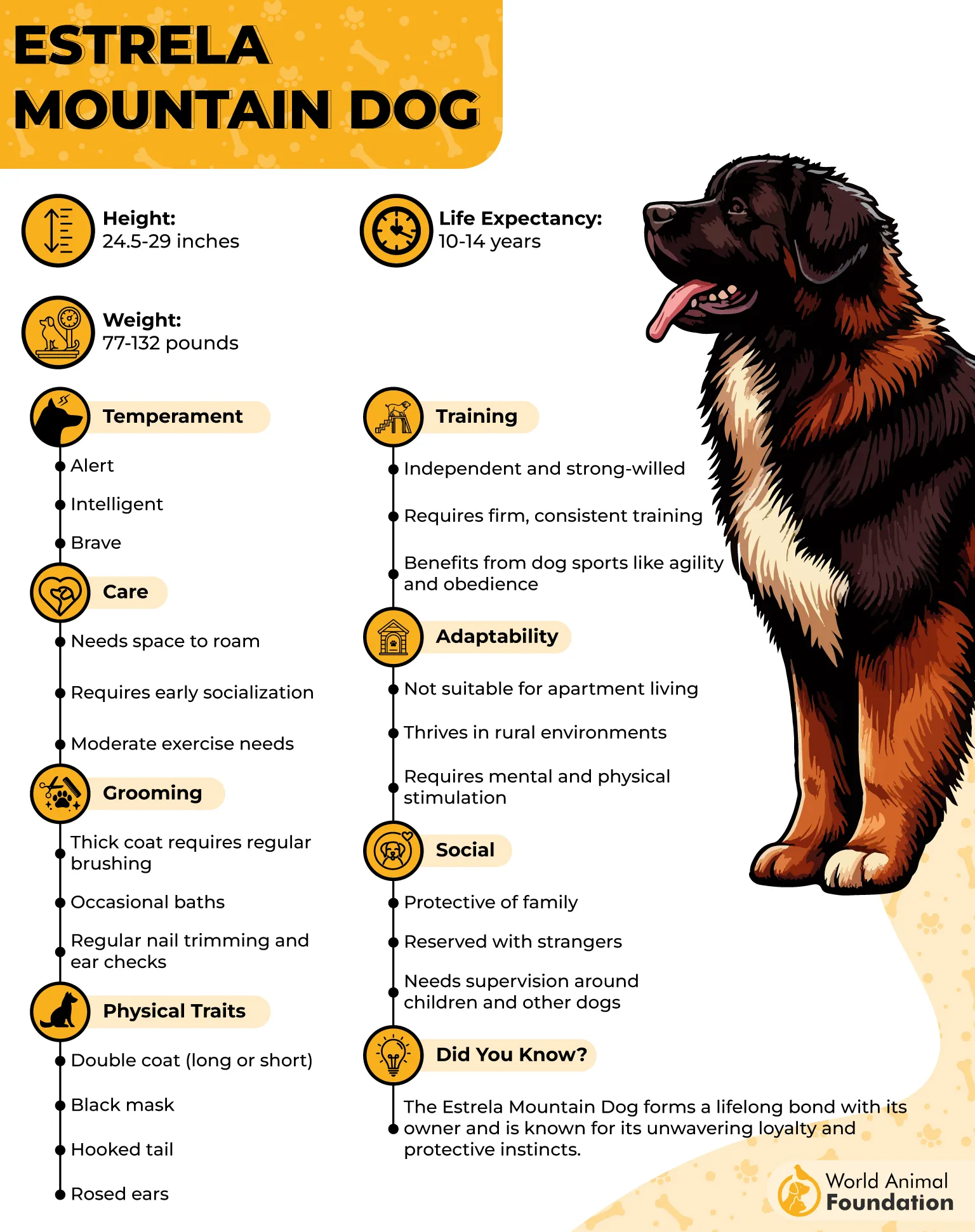
The Estrela Mountain Dog is known in Portugal’s Estrela Mountains as a steady flock guardian that stays close to shepherd life and rural routines. Its role centers on protecting livestock from threats while maintaining a calm presence with trusted people.
Structure and functional expression
Their physical traits support their role across open terrain, combining a strong presence with distinct facial and tail features. Its build reflects a working dog meant for endurance and protection rather than ornament.
Key details seen in its form include:
Ears shaped in a soft rose position
Dark mask defines facial expression
Tail ending with a natural hook curve
Temperament shaped by trust
They build a strong attachment with their handler while remaining cautious around unfamiliar people, showing a clear divide between trust and distance.
Within the home, it often forms a lifelong bond, focusing loyalty on one chosen family member alongside the wider household. This emotional direction shapes its daily behavior.
Conclusion
The loyalty seen in these giant breeds does not rely on constant interaction or attention. It develops through consistency, space, and understanding over time. Unlike a typical family dog or even some high-energy dog breeds, their presence feels controlled and intentional, much like many large dog breeds known for steady behavior.
Many pet parents notice that this steadiness brings a different kind of comfort into daily life. Often described as gentle giants, they become great companions when raised with clarity and structure, making them less likely to struggle with separation anxiety as trust builds stably. What remains is a bond that feels strong, quiet, and dependable without needing constant reinforcement.
